REVIEW · ISTANBUL
Istanbul Home Cooking Course – Cook and Eat
Book on GetYourGuide →Operated by Lokal Bond · Bookable on GetYourGuide
Want dinner plans with a local twist? This Istanbul home cooking course pairs a neighborhood market walk with hands-on cooking and a real dinner at the host’s place. I especially love the Kurtuluş market shopping, where ingredient hunting feels like daily life, not a scripted stop with a single “best view” photo. You also get that warm, human element from Gülşah and her easygoing way of translating Turkish cooking into stories you’ll remember.
My second big plus is the small-group format (up to 5), which means you’re not just standing around. You roll dolma, help make börek, put together meze-style spreads, and learn the little technique tweaks that make Turkish home food taste right. There’s also a fun social rhythm to it, with conversations that turn cooking into a shared evening rather than a class.
One thing to consider: a little dog joins during the experience, so if dogs are a deal-breaker for you, you should mention it ahead of time.
In This Review
- Key things to know before you go
- Kurtuluş neighborhood shopping: where the flavor starts
- Meeting point and getting there from Sultanahmet or Taksim
- In Gülşah’s kitchen: dolma, börek, and the small moves that matter
- The meal itself: meze-style eating, soup, and Turkish coffee
- What you learn beyond recipes (and why it’s worth the time)
- Price and value: what $102 buys you (and what it doesn’t)
- Who should book this class, and who might not love it
- Should you book Istanbul Home Cooking Course – Cook and Eat?
- FAQ
- How long is the Istanbul Home Cooking Course
- What’s included in the price
- Is alcohol included
- How big is the group
- Will there be dogs during the experience
- What is the cancellation policy
Key things to know before you go
- Kurtuluş market walk focused on what locals actually buy for home cooking
- Hands-on classics like dolma, börek, and meze-style table-building
- Cook with Gülşah’s tips that include practical tricks and family-learned know-how
- Tiny group size (max 5) so you get real kitchen time
- Dinner at the home table with tea, Turkish coffee, and an authentic Turkish dessert
- You also eat well: this is more than a snack-and-watch experience
Kurtuluş neighborhood shopping: where the flavor starts
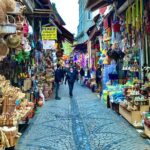
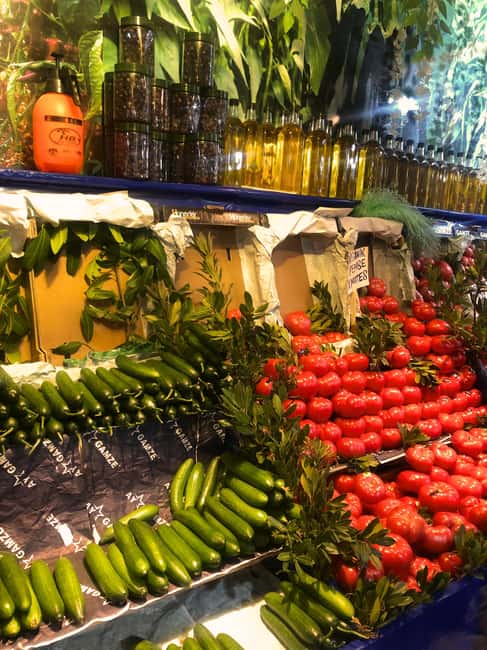
The evening begins with a walk through Kurtuluş, and the point is simple: you’re not just learning recipes, you’re seeing where the food culture comes from. You’ll watch ingredients get chosen in real stores—fresh produce, spices, and everyday staples—often from long-running family shops. This is the part that makes the rest of the cooking click later, because you understand why certain flavors show up again and again in Turkish home meals.
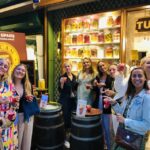
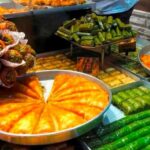
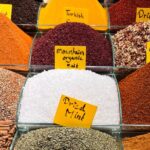
The shopping route is built around the kinds of places many visitors skip. You’ll stop at a spice shop (where you can actually connect seasoning to the dishes you’ll cook), plus stops for things like charcuterie, bakery items, and even a pickle shop. Along the way, you taste and learn about ingredients, so by the time you reach the kitchen you already have a map in your head of what those items will do.
A detail I really like: the whole pace is calm. It’s not frantic bargain-hunting. It’s more like getting invited into someone’s routine—watching how Gülşah chats with shopkeepers, what she points out, and how she thinks about matching ingredients to the meal. If you enjoy food culture through small everyday moments, this start is a strong fit.
Practical note: Istanbul traffic can be real, so plan to arrive a few minutes early. The meeting spot is in an area that’s easiest to reach by public transport rather than by trying to “drive through it.”
You can also read our reviews of more tours and experiences in Istanbul

Meeting point and getting there from Sultanahmet or Taksim
Your meeting point is Ramada Plaza Otel, and you meet in front of the hotel. Since Istanbul traffic can mess with timing, you’ll want to use the provided metro approach rather than counting on a taxi to be smooth.
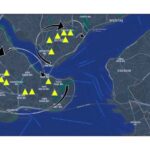
If you’re coming from Old Town (think Sultanahmet / Hagia Sophia area), take tram T1 to Laleli–İstanbul Ü., then walk to the metro M2 line connection at Vezneciler. From there, go to Osmanbey. If you’re starting from Taksim, take M2 to Osmanbey.
The key exit detail is useful: when you get off at Osmanbey station, use the Dolapdere / Pangalti exit. That one small instruction can save you time and confusion when you’re juggling street directions.
Also: the activity ends back at the same meeting point, which is nice. No awkward “good luck getting home” feeling.
In Gülşah’s kitchen: dolma, börek, and the small moves that matter
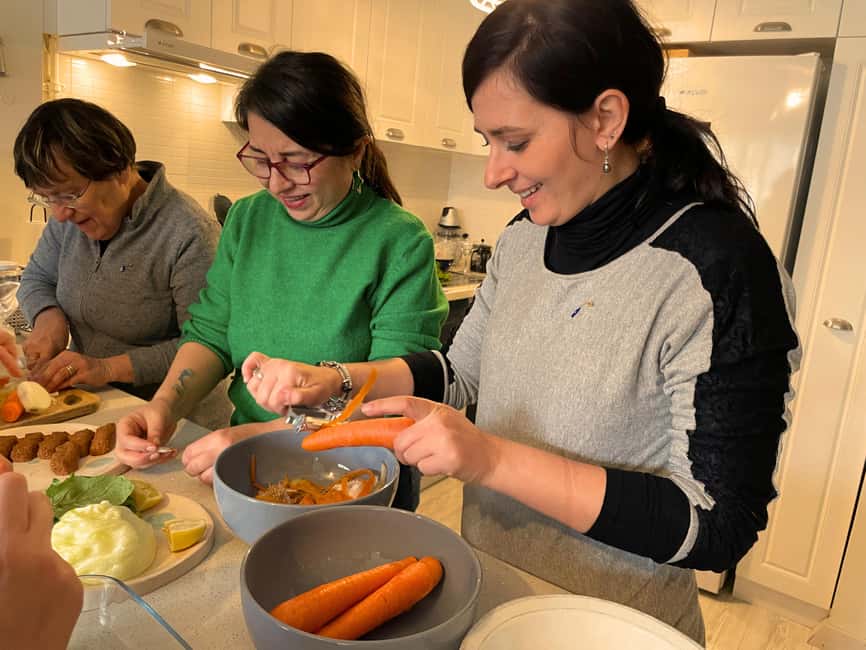
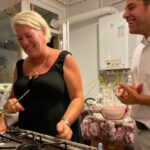
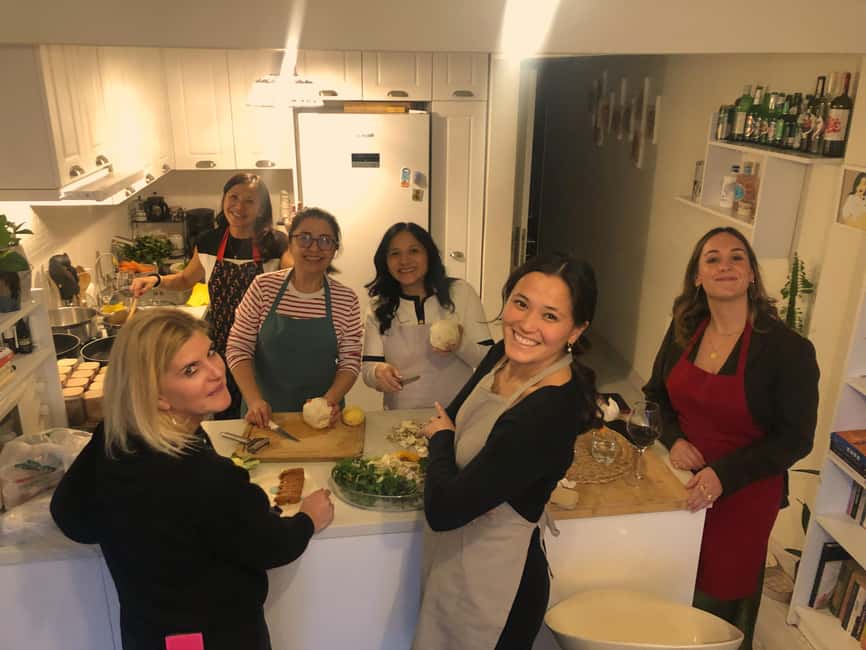
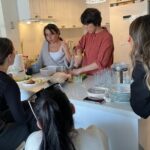
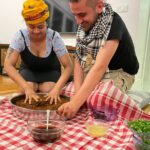
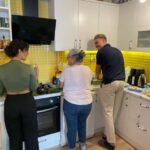
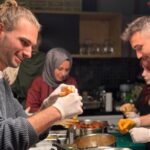
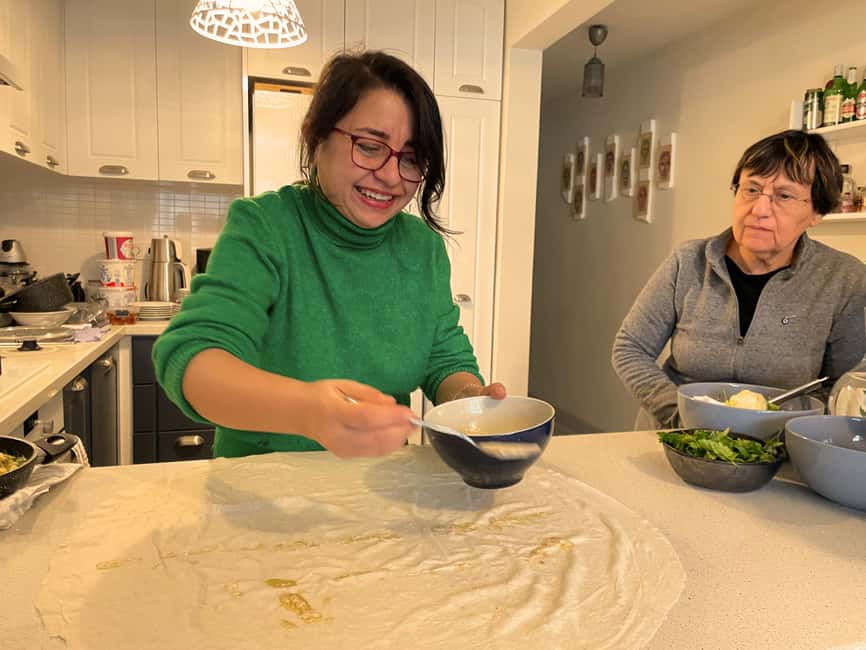
Once you’ve gathered the ingredients, you head to Gülşah’s home kitchen. This is where the experience turns from food-tour interesting into genuinely useful. Instead of watching someone assemble dishes, you get to do the work—rolling, mixing, shaping, and building flavors as a group.
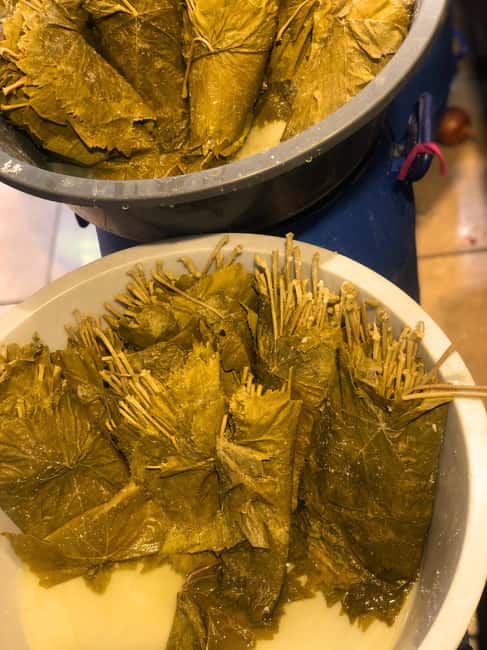
The cooking portion centers on Turkish home cooking that most people recognize from everyday tables. Based on the typical menu format, you can expect several dishes working as a system: a starter or soup, a main dish (often involving meat and/or eggplant), a börek or pastry component, and meze-style sides. You might also handle classic techniques like rolling dolma and preparing flaky börek, with guidance on timing and texture.
What I like about the way this is taught is the focus on technique that actually affects taste:
- How you season while cooking, not just what you season with
- How you handle dough/pastry so it ends up flaky rather than tough
- How small prep choices change the outcome of a dish
Gülşah also shares cooking tips learned from her grandma, which is exactly the kind of transfer of knowledge that makes cooking classes feel authentic. It’s not “follow these exact measurements and hope.” It’s more like learning why certain steps matter.
And yes, you’ll taste while you go. You’ll also have moments to ask questions, because the group is small enough that you’re not getting lost in a crowd. Even if you’re not the fastest chopper in Istanbul, you can keep up—this is hands-on cooking designed for real people on vacation, not professional kitchens.
The meal itself: meze-style eating, soup, and Turkish coffee
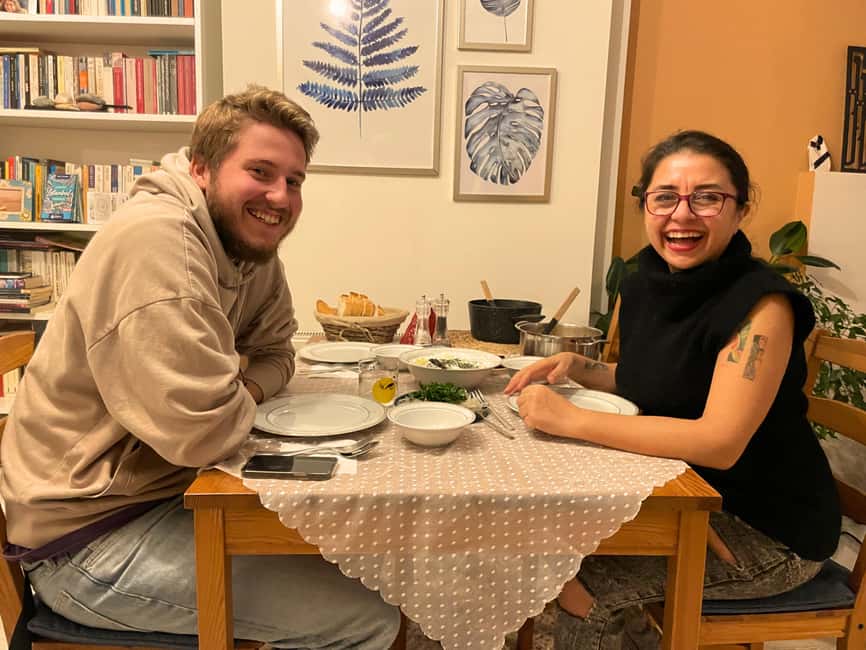
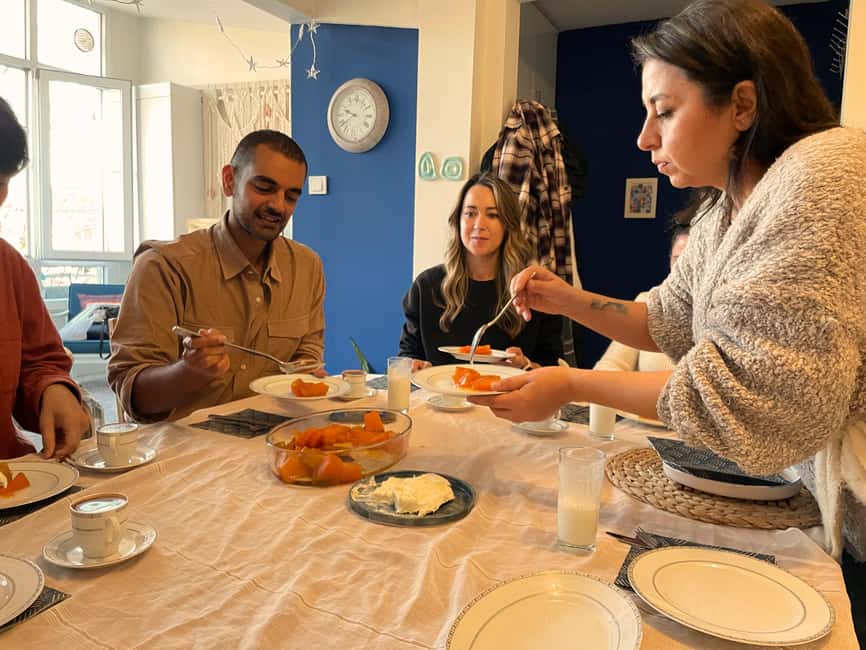
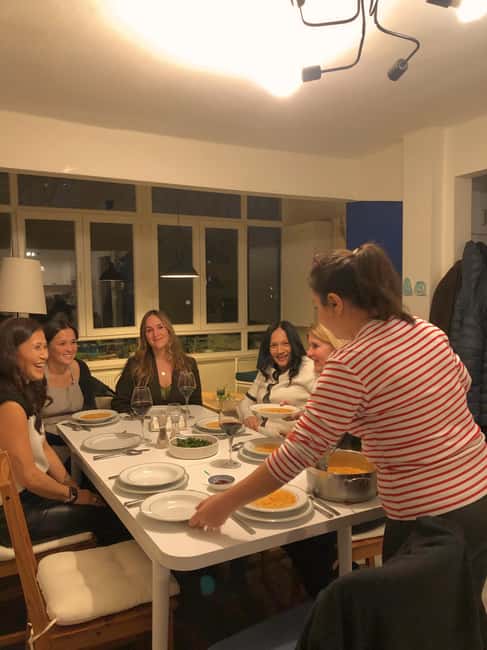
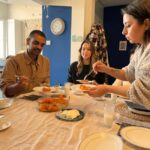
When the cooking wraps, you sit down and eat what you helped make. This is a dinner at a local’s home, not a restaurant meal where the food arrives pre-plated like a stage prop. The vibe is cozy and conversational, and you get to share the table with fellow participants and your host.
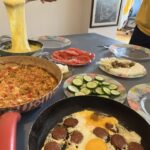
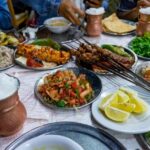
The food structure tends to be satisfying and varied—exactly what Turkish home dining is known for: a mix of hot and cold bites, a hearty main, and something sweet to close. From the dishes people have made on this experience, you may encounter classics like lentil soup, rice pilaf, and eggplant-focused mains such as hünkâr beğendi. You may also assemble meze-style sides with vegetables, plus a potato/carrot/celery cold dish. The idea is to understand how Turkish meals balance comfort and freshness.
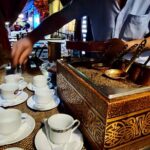
Dessert is part of the package, and you’re not left with a sad little cookie either. Sessions commonly include Turkish dessert styles like semolina-based sweets or pumpkin-inspired desserts. Some evenings also end with fig-forward options. You’ll also enjoy tea and Turkish coffee, and it’s not just served—it’s explained. One of the standout learning moments is how Gülşah teaches Turkish coffee brewing, so you can bring home a piece of the ritual.
Alcohol isn’t included, so if you want beer or wine with dinner, you’ll need to plan separately. The upside is that the meal stays centered on traditional flavors rather than turning into a bar crawl.
What you learn beyond recipes (and why it’s worth the time)
Cooking classes often stop at the recipe card. This one does more. The market portion connects ingredients to daily life. The cooking portion builds basic technique. And the home dinner portion turns everything into context.
You get cultural insight in small, practical ways:
- how people shop for ingredients they actually use
- how Turkish hospitality works in a home setting
- how meals are structured around sharing and conversation
Another underrated value: you’re likely to come away with specific Istanbul recommendations. Since the host lives here, you get local guidance that fits real neighborhoods and real food shopping patterns. That’s useful because it helps you keep eating well after the class ends, without falling back on tourist-only shortcuts.
And for solo travelers, this kind of format can be a social win. Up to 5 people means it’s easier to connect naturally over cooking tasks and dinner talk, rather than competing for attention in a larger group.
You can also read our reviews of more cooking classes in Istanbul
Price and value: what $102 buys you (and what it doesn’t)
At $102 per person for a 4-hour experience, you’re paying for three things at once: guided market time, guided home cooking time, and dinner with drinks and dessert included (tea, Turkish coffee, and an authentic Turkish dessert). You’re also getting cooking materials and ingredients covered, plus the instruction in English or Turkish.
If you compare that to paying for a separate food tour plus a separate meal out plus a cooking workshop somewhere else, it starts looking like straightforward value. The biggest reason is the home component. Dining at a local’s table and shopping the neighborhood for ingredients is hard to recreate on your own unless you already have local friends.
What’s not included is also clear. You won’t get alcoholic beverages included, and you won’t have the market purchases covered if you want to buy extra items to take home. That’s normal for this style of experience, but it’s good to know so you don’t get surprised when you see ingredient pricing in shops.
Overall, this price feels aimed at giving you a complete Turkish evening: shop, cook, eat, talk.
Who should book this class, and who might not love it
This experience is a strong fit if you want authentic Turkish food culture with hands-on participation. You’ll probably enjoy it most if you like:
- learning by doing (not just watching)
- small-group evenings
- markets and ingredients as part of the meal story
- the idea of eating dinner at someone’s home
If you dislike dogs, you should pass unless you can coordinate concerns ahead of time. If you’re also someone who hates public transport directions or gets flustered with metro exits, give yourself extra time before the class—traffic and city complexity are real.
It also suits people who want something different from standard sightseeing. You’ll see Istanbul through neighborhood food life, not through monuments.
Should you book Istanbul Home Cooking Course – Cook and Eat?
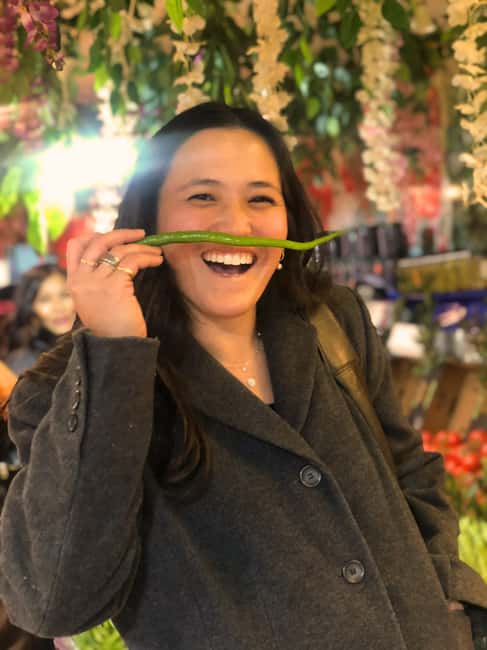
If you want a Turkish cooking experience that feels like a real evening—market first, then cooking together, then dinner at the home table—this is a very solid booking. The format (up to 5 people), the focus on common home dishes, and the ingredients-first approach make it practical, not just entertaining.
I’d book it early in your trip if you can, because it tends to sharpen your taste for what to look for later in Istanbul—spices, pastries, and the way a meal is built around sharing.
FAQ
How long is the Istanbul Home Cooking Course
It lasts 4 hours.
What’s included in the price
Included are cooking materials and ingredients, dinner, a local market tour, tea, Turkish coffee, and an authentic Turkish dessert.
Is alcohol included
No. Alcoholic beverages are not included.
How big is the group
It’s a small group limited to 5 participants.
Will there be dogs during the experience
Yes. The host brings a little dog, so you should let them know if you have any issues with dogs.
What is the cancellation policy
You can cancel up to 24 hours in advance for a full refund.