REVIEW · ISTANBUL
2 Days Cappadocia tour from Istanbul
Book on Viator →Operated by Turkey Tourism · Bookable on Viator
Cappadocia hits fast, even on day one. What makes this tour feel worth it is how efficiently it moves you from Istanbul to Cappadocia with round-trip flights and pre-booked transfers, so you’re not spending your whole trip on logistics. I also like the smart mix of classic sights: the hot air balloon time for that early sky view, plus underground exploration that most day trips skip.
The one catch is pacing. Two days means a packed route, so you’ll be hopping between valleys, viewpoints, and underground passages with limited slow-down time.
That said, it’s built for convenience: a small group (up to 15), English/Spanish guiding, a cave suite hotel for one night, and lunch plus key entrance tickets handled for you.
Key things that make this tour a strong pick
- Balloon time is woven into the itinerary, so you don’t have to figure out timing on your own
- Kaymaklı Underground City gets real time with rooms, storage areas, and defense features
- Göreme Open Air Museum focuses on churches and frescoes from the 10th to 13th centuries
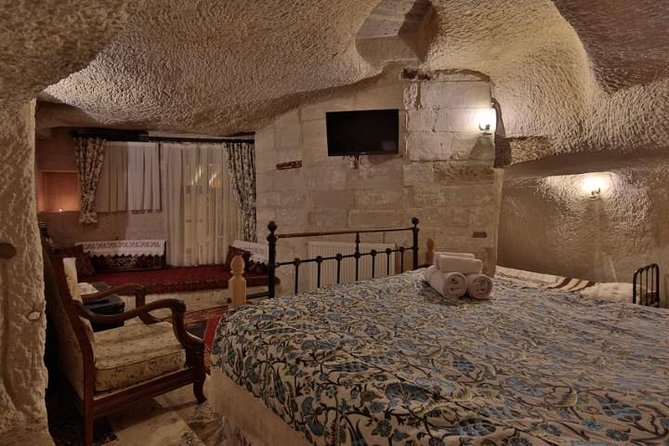
- Cave suite sleep, plus breakfast and two lunches, keeps the days practical
- Up to 15 people means you get a calmer experience than big buses
In This Review
- From Istanbul to Cappadocia in Two Days: The Real Value
- Cave Hotel Night: Why One Sleep Changes the Trip
- Day 1: Kızılçukur, Çavuşin, Love Valley, and the Different Faces of Caverns
- Kaymaklı Underground City: The Best Payoff for Your Time
- Pigeon Valley and Üçhisar: Viewpoints That Actually Mean Something
- Day 2: Göreme Open Air Museum and the Fresco Time Machine
- Avanos Pottery and the Clay River Story
- Devrent Valley and Pasabağ: Fairy Chimneys With Personality
- Urgüp Viewpoints: Three Beauties and Wine-Region Scenery
- Price and Logistics: Does $700 Make Sense?
- Who This Cappadocia Trip Suits Best
- Should You Book This 2-Day Cappadocia Tour From Istanbul?
- FAQ
- What is the duration of the 2 Days Cappadocia tour from Istanbul?
- Is pickup offered for this tour?
- What languages are available for the tour?
- What’s included in the price?
- Is the hot air balloon part of the experience?
- Which underground city and museum are visited?
- How large is the group?
From Istanbul to Cappadocia in Two Days: The Real Value
This is the kind of trip you book when you want Cappadocia without the DIY headache. The tour includes round-trip flight tickets with all taxes, plus airport transfers. That matters, because Cappadocia logistics can eat up half a day if you piece it together yourself—timing, getting to the right town, and matching transit schedules.
On the experience side, the tour doesn’t waste time on filler stops. You get a full Day 1 that swings through villages and valleys, then locks in the big underground wow-factor at Kaymaklı. Day 2 brings Göreme’s famous rock-cut churches and frescoes, then moves into the fairy-chimney formations around Devrent and Pasabağ before ending with viewpoints over Urgüp.
One more practical point: it runs as an English and Spanish tour, with a small group capped at 15 travelers. That usually means better questions, clearer instructions, and fewer delays when you’re moving between sites.
Cave Hotel Night: Why One Sleep Changes the Trip
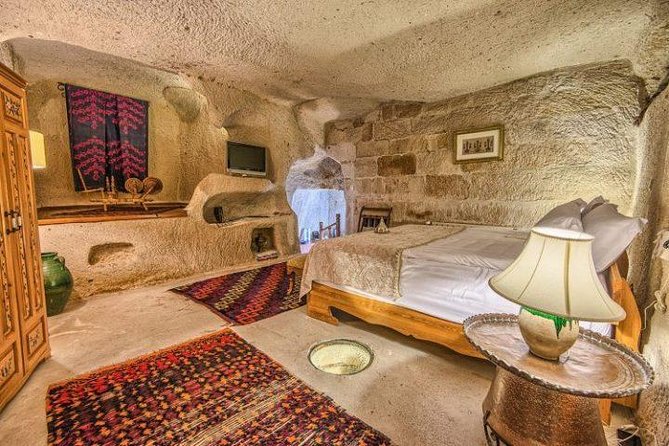
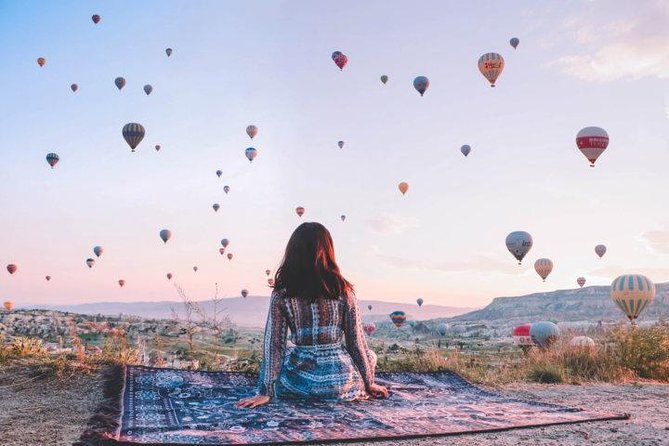
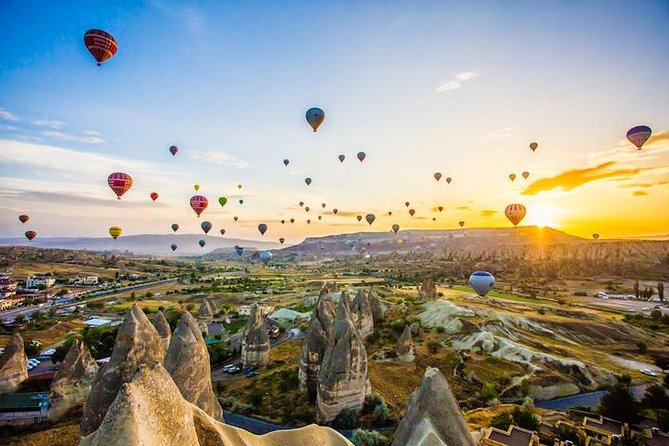
The tour includes overnight accommodation in a cave suite hotel, with breakfast included. That’s not just a cute detail. Staying overnight is what lets the program include early-morning balloon time (and it’s balloon time that often turns the whole region into a “real trip” rather than a checklist).
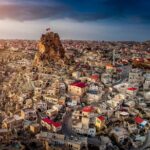
Cappadocia is best when you’re not constantly chasing sunsets and then immediately rushing away. Your schedule includes multiple viewpoints—Love Valley and Pigeon Valley on Day 1, then Goreme Panorama on Day 2, plus additional Urgüp viewpoints. Having your base nearby makes those moments feel less frantic.
Also, dinner isn’t included. That’s common on organized tours, but it’s worth planning for. If you want a specific restaurant experience, you’ll need to handle dinner on your own. If you’re fine with that, the trade-off is you get breakfast and lunches already arranged.
You can also read our reviews of more tours and experiences in Istanbul


Day 1: Kızılçukur, Çavuşin, Love Valley, and the Different Faces of Caverns
Day 1 is where the tour builds variety fast. You start at Kızılçukur, a Roman-era gymnasium. It’s one hour and free admission, but it’s an important early stop because it sets the theme: people have used these rock structures for social life, not just scenery. It’s a reminder that Cappadocia isn’t only about today’s postcard look.
Next comes Çavuşin (also spelled Cavusin on some schedules). This village is tied to early Christian settlement patterns, including what’s described as the region’s oldest church dating back to the 3rd century. You’ll explore the cave rooms—living spaces, sleeping areas, kitchens, wineries, and more—and you also get the story of how landslides in 1960 shaped what remains. That mix of daily-life detail and geology makes this stop feel more grounded than a typical “photo stop.”
Then you slide into Love Valley, originally called White Valley. You get only about 30 minutes here, but that’s the point. You’re there to look up at the fairy chimneys and the curious shapes that give the valley its nickname. It’s short, scenic, and designed to reset your eyes before the deeper underground portion.
Kaymaklı Underground City: The Best Payoff for Your Time
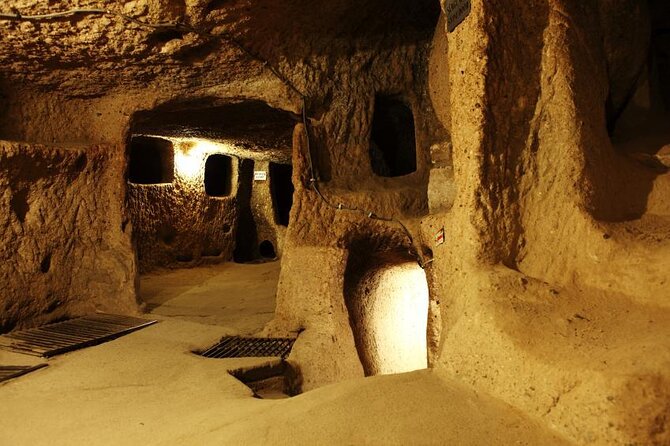
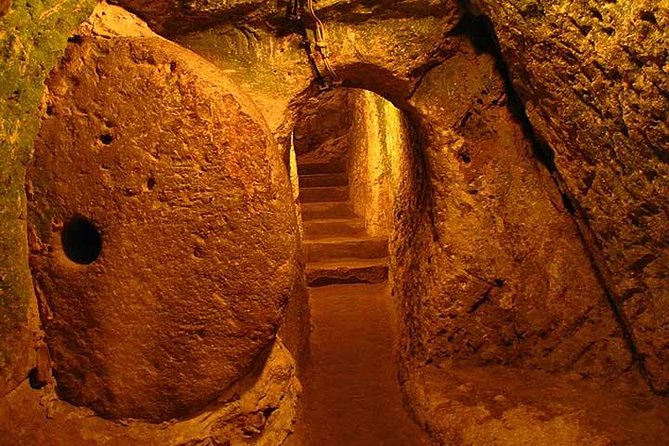
Kaymaklı Underground City is the tour’s heavy hitter on Day 1. You’ll spend about two hours here, with admission included.
This underground city is described as the most interesting among 36 others in the region, built first by the Hittites and later used by Christians as shelter during periods of persecution. What you experience isn’t just tunnels. You’ll see carved rooms, food storage areas, a church space, and kitchens. You’ll also notice chimneys and defense systems—those details can be surprising once you realize how much functionality had to be engineered into a cramped underground world.
Why this matters for value: a lot of tours include an underground stop that feels rushed. Here, the two-hour block gives you enough time to understand how the layout supports daily survival during invasions. If you’re the type who likes explanations, this is the portion where your guide’s storytelling usually makes the biggest difference.
If you dislike confined spaces, plan for that. The tour includes time inside the city, so you should be comfortable with the idea of enclosed, rock-cut passages.
Pigeon Valley and Üçhisar: Viewpoints That Actually Mean Something
After Kaymaklı, the route shifts to panoramic stops that help you process what you just saw underground.
At Pigeon Valley, you get a 30-minute stop to see pigeon houses and the way pigeons were kept to collect droppings for fertilizing farmland, especially around vineyards. This isn’t just “pretty rocks.” It connects agriculture to how people lived here across generations.
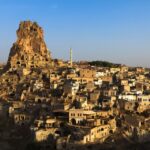
Then you reach Üçhisar Castle, the highest point in the area, with around 30 minutes. The citadel and surrounding settlement historically served as a defensive position, and from the top you get a broad view over the region. This is one of those places where the rocks stop looking random. You start seeing how the terrain supported settlement, surveillance, and protection.
By the end of Day 1, the tour has quietly taught you the logic of the region: people made use of the rock’s shape for living, farming, worship, and safety.
Day 2: Göreme Open Air Museum and the Fresco Time Machine
Day 2 begins with Goreme Panorama, about 30 minutes. It’s a quick framing view over Goreme town and its cave houses. It’s not a full museum stop, but it helps your brain build context before the main event.
Then the tour hits Göreme Open Air Museum (2 hours, admission included). This is the first and biggest monastery complex in the region as described on the schedule, built into fairy-chimney rock formations. You’ll visit churches, chapels, and monasteries carved into the rock, with frescoes painted on walls from the 10th to 13th centuries.
There’s also a named-history layer in the information you receive: the Great St. Basil, bishop of Kayseri, along with his brother St. Gregory of Nyssa and St. George of Nazianus. Even if you’re not trying to memorize names, having that anchor helps you understand why these spaces matter—religious education, community identity, and continuity through changing eras.
A practical note: this is the day where you’ll spend more time looking carefully at details. If you like art and church interiors, set aside your phone time and let the frescoes and carved spaces pull you in.




Avanos Pottery and the Clay River Story
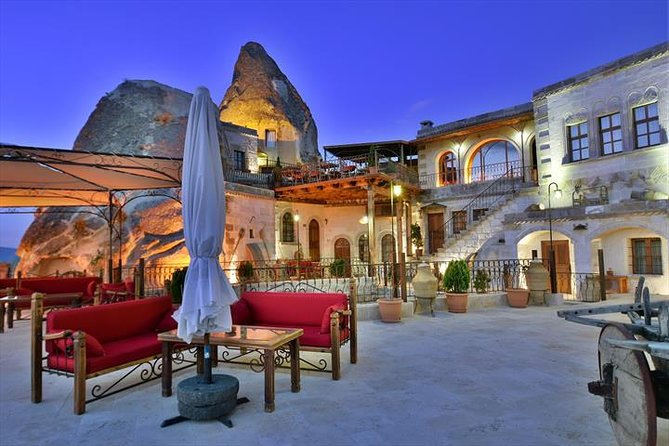
After Göreme, the tour moves to Avanos for about one hour. Avanos is known for pottery, and the schedule explains the craft link to Hittite times. The red clay comes from residue in the Kızılırmak river, which divides Avanos and is described as Turkey’s longest river.
This is a nice change of pace after museums and underground passages. Instead of rock structures, you get human craft tied to local materials. Even if you don’t take home a pottery piece, this stop can help you understand why Cappadocia’s culture isn’t only about dramatic geology.
Devrent Valley and Pasabağ: Fairy Chimneys With Personality
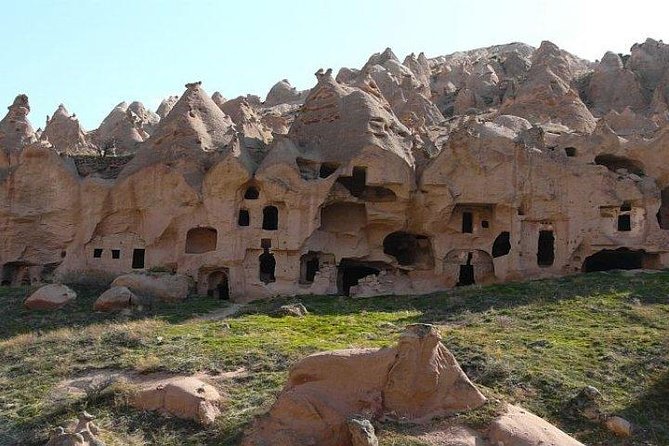
Devrent Valley is where the rocks start behaving like characters. You’ll spend about one hour walking through formations described as fairy chimneys formed by erosion and volcanic layers. The schedule points out shapes like capped forms, cones, mushroom-like shapes, pillar forms, and pointed rocks.
Then Pasabağ (Monks Valley) follows for about 30 minutes, also with admission included. This area is known for fairy chimneys with multiple stems and caps, including a chapel dedicated to St. Simeon and a hermit’s shelter built into one chimney with three heads.
This section is great for people who enjoy visual patterns. You’ll keep spotting differences in the rock towers as you move—some feel like groupings, others like solitary sculptures. It’s short but memorable because the rock formations look curated by nature.
Urgüp Viewpoints: Three Beauties and Wine-Region Scenery
The tour wraps with viewpoints around Urgüp, including a 30-minute stop at what’s described as Three Beauties, plus additional views over Urgüp town and nearby vineyards and apricot gardens.
This is where the region’s modern identity shows up. Wine factories and vineyards appear in the descriptions, and the apricot gardens help explain why locals built an economy around soil and climate, not just tourism. It’s the final “map to memory” moment: you’re not just leaving with photos of caves—you’re leaving with a sense of how the region feeds itself.
If you want the best photos here, treat it like a sunset-adjacent moment even if the light isn’t identical to the balloon time. Look for angles where multiple rock spires show up in the frame.
Price and Logistics: Does $700 Make Sense?
At $700 per person for an approx. two-day trip, you’re paying for more than sightseeing. You’re buying a bundled setup: round-trip flights, transfers, guide service in English/Spanish, two lunches, breakfast, cave suite accommodation, and admission fees for the included sights.
Here’s how I judge the value for you:
- If you’d otherwise piece this together yourself, the flights plus ground transfers alone can be a big chunk of the budget.
- You also get a guided structure so you don’t have to decide what to prioritize between Kaymaklı, Göreme, and the valleys.
- The small group limit (max 15) suggests you’re paying for a smoother pacing rather than squeezing into a giant group.
What you’re not getting is dinner. So the real cost in your head should include that extra meal planning. Also, balloon time depends on good weather. The tour notes that if conditions cause cancellation due to poor weather, you’ll be offered a different date or a full refund, which reduces risk.
Who This Cappadocia Trip Suits Best
This tour fits you if you want:
- A structured 2-day Cappadocia hit without negotiating transit schedules
- A mix of culture (early Christianity sites and fresco churches) and geology (fairy-chimney valleys)
- A real underground-city experience with time to look around, not just a quick corridor pass
- A cave hotel night tied to balloon timing
It may not be your best match if you hate tight schedules or you need very slow sightseeing days. This route is busy by design, and two days means you’ll be moving often.
Should You Book This 2-Day Cappadocia Tour From Istanbul?
Yes, if you want Cappadocia that feels organized and complete, with the big anchors covered: balloon time, Kaymaklı Underground City, and Göreme Open Air Museum. The cave suite stay plus included meals and admissions reduce the mental load, and the small group size keeps it from feeling chaotic.
I’d hesitate only if you know you’ll struggle with underground spaces or you strongly prefer unhurried days. Otherwise, this is a practical way to see Cappadocia’s main stories in a short window—without turning your trip into a logistics project.
FAQ
What is the duration of the 2 Days Cappadocia tour from Istanbul?
The tour runs for about 2 days.
Is pickup offered for this tour?
Yes, pickup is offered.
What languages are available for the tour?
The experience is offered in English and Spanish.
What’s included in the price?
Included are breakfast, round trip flight tickets with all taxes, all airport transfers, cave suite hotel with breakfast, a 2-day small group tour with guide, lunch (2), transport, and all entrance fees.
Is the hot air balloon part of the experience?
The highlights specifically include enjoying sunset from the heights of a hot air balloon, so balloon time is part of the experience.
Which underground city and museum are visited?
You visit Kaymaklı Underground City and the Göreme Open Air Museum.
How large is the group?
The tour has a maximum of 15 travelers.