REVIEW · ISTANBUL
Istanbul: Vegan/Vegetarian Cooking Class with Locals at Home
Book on GetYourGuide →Operated by Lokal Bond · Bookable on GetYourGuide
Cooking dinner with locals beats eating out. In Istanbul, this vegan and vegetarian class turns a home kitchen near Taksim into a real slice of daily life, not a scripted show. You’ll cook, eat, and talk with your host and small group while learning how Turkish classics can work beautifully without meat or dairy.
I especially like the small group size (up to 6)—you get actual attention while you’re chopping, rolling, and learning. I also love that you cook multiple dishes from scratch, including vegan twists on street food and the dumpling favorite mantı.
One thing to consider: this is a hands-on plant-based focus, so if you want a traditional meat-heavy cooking lesson, this isn’t that kind of class. Also, it’s in a private home near Taksim, so the experience feels personal and cozy, not hotel-cozy and perfectly staged.
In This Review
- Key highlights you’ll feel right away
- Why this Istanbul vegan cooking class feels different
- Finding the home near Taksim (and keeping it easy)
- The welcome moment: tea, chat, and getting comfortable
- Cooking plant-based Turkish classics side by side
- Vegan Kokoreç (a street-food-style twist)
- Homemade Mantı (Turkish dumplings, made by you)
- Dolma (stuffed, rolled, and cooked)
- And more, from scratch
- The real lesson: how Turkish recipes adapt without losing character
- Eating the meal together: the best part is the table
- Small group energy: up close, not rushed
- Price and value: what $106 buys you here
- Who this cooking class is best for
- A few practical things to know before you go
- Should you book this Istanbul vegan cooking class?
- FAQ
- How long is the cooking class?
- How many people are in the group?
- Is it vegan only, or vegetarian too?
- What dishes will I learn to make?
- What languages are used during the class?
- Where does the class take place?
- How do I find the meeting spot when I arrive?
- Is there free cancellation?
- Do I have to pay right away?
Key highlights you’ll feel right away
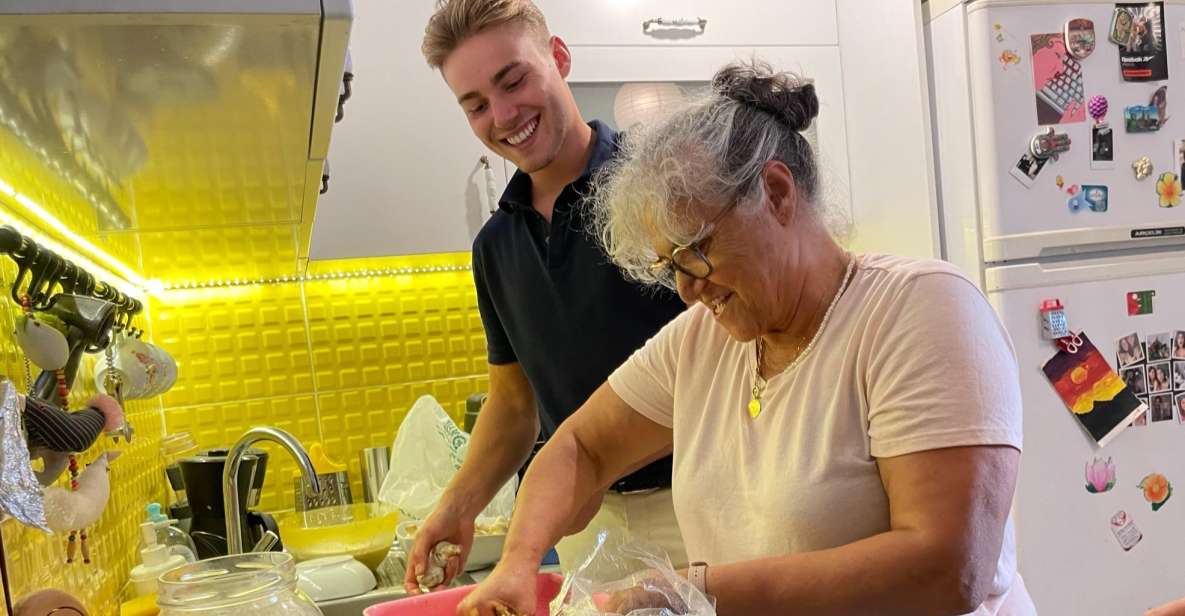
- Max 6 people means you’re not lost in the crowd
- A home-hosted setup near Taksim gives you an inside look at Istanbul life
- Hands-on dishes from scratch like Mantı and Dolma
- Vegan versions of Turkish favorites including vegan Kokoreç
- Tea, warm conversation, and culture-sharing before and during the meal
- English and Turkish instruction with a friendly, exchange-style approach
Why this Istanbul vegan cooking class feels different
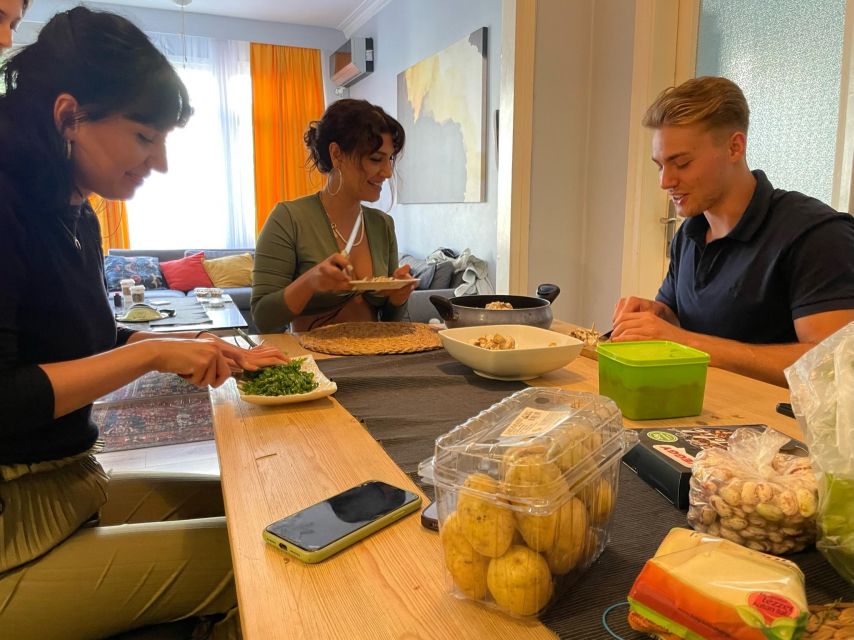
Most cooking classes teach recipes. This one teaches context. You’re invited into a home near Taksim, and the day flows like an evening that happened to include cooking stations and shared tasks. That change matters. It’s easier to remember what you make—and why it tastes the way it does—when you’re talking with the person who actually lives the food culture.
You’re also getting something practical, not just feel-good. Turkish food has tons of vegetarian-friendly foundations, and the class leans into that. Then it pushes further: it shows how familiar dishes can be adapted into plant-based versions without turning them into something completely new.
And because it’s small, you can ask questions and adjust as you cook. If you’re the type who wants to understand the technique, not just follow steps, this format helps.
You can also read our reviews of more tours and experiences in Istanbul

Finding the home near Taksim (and keeping it easy)
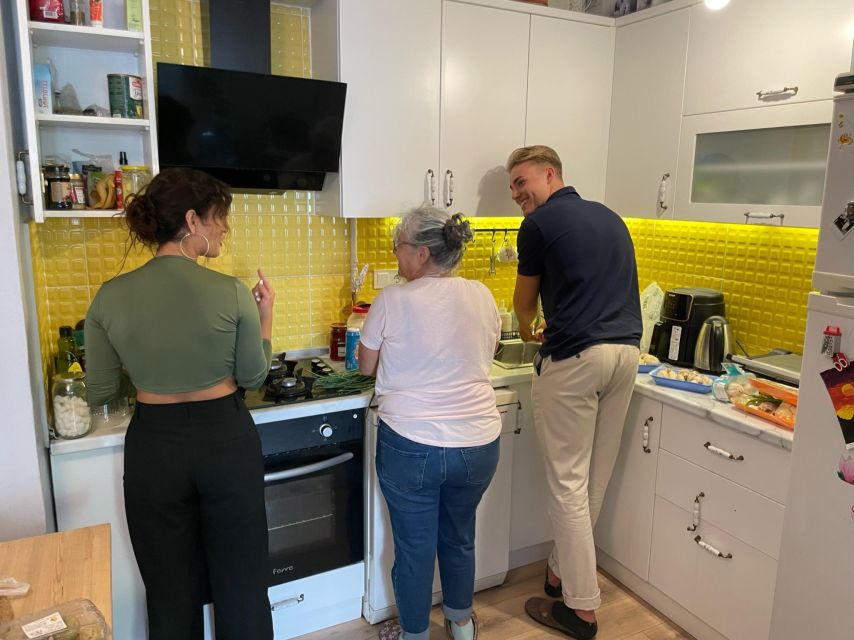
The class meets at the host’s home near Taksim, one of the most central areas in Istanbul. When you arrive, you can call, or simply ring the bell number 11. That’s it—no confusing multiple stops, no long “meet at this corner then walk for 20 minutes” plan.
Why I like that for travelers: you get fewer chances for stress. In Istanbul, it’s very common to lose time hunting for an exact doorway. Here, the bell number helps you land on the right spot and settle in.
What to do: plan to arrive a few minutes early. Being early also gives you time to switch from travel mode to guest mode, which makes the whole evening smoother.
The welcome moment: tea, chat, and getting comfortable
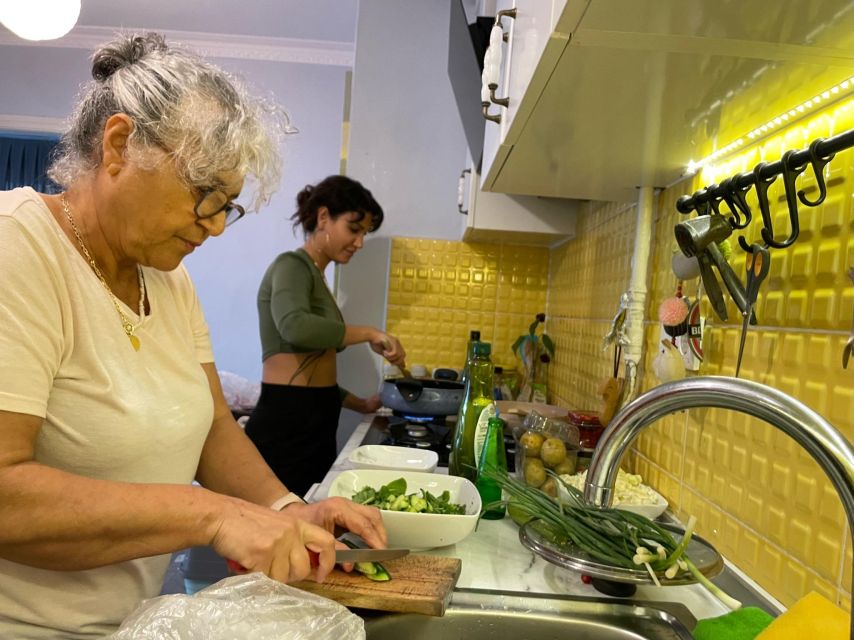
Before any serious cooking happens, you’ll be welcomed into a cozy home and offered tea or coffee. This part sounds simple, but it sets the tone. Istanbul kitchens are social spaces. People talk while they cook, and you’ll feel that from the start.
You’ll also have conversation with your instructor/host, and this is where the cultural exchange starts. One host named Rojda is specifically highlighted for sharing personal stories and insights about life in Istanbul, and that kind of relaxed storytelling is what turns a class into an experience you’ll remember.
Practical tip: keep your questions ready. Ask about ingredients, local habits, or what people typically eat at home. The best part of the conversation is usually the part you steer.
Cooking plant-based Turkish classics side by side
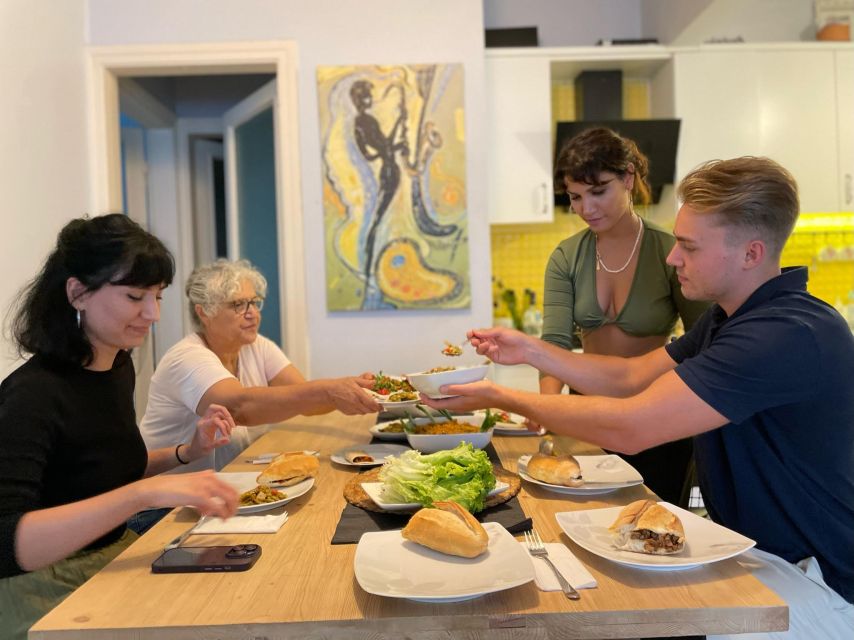
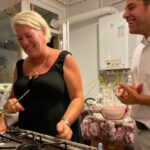
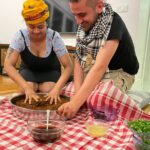
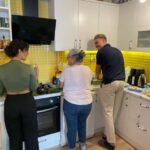
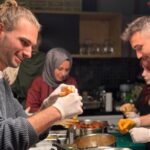
This class is designed for “hands-on, not spectators.” You’ll cook side by side with your group, so you’re not just watching someone else work.
The dishes listed include:
Vegan Kokoreç (a street-food-style twist)
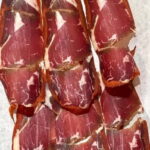
Kokoreç is a well-known street-food idea in Turkey, but this class focuses on a vegan Kokoreç version. That means you’ll learn a plant-based approach to the flavors and spirit of the dish, rather than relying on the traditional ingredients.
Even if you’ve never had kokoreç before, this is a fun entry point because it shows how Turkish street flavors can translate without meat. You’ll work the recipe from scratch, so you leave with a clearer understanding of technique, not just a tasting memory.
You can also read our reviews of more cooking classes in Istanbul
Homemade Mantı (Turkish dumplings, made by you)
Mantı is one of those foods that people associate with comfort and family meals. Here, you’ll learn homemade mantı from scratch, including shaping and cooking the dumplings as part of the process.
Why this dish is such a good value: it’s labor-intensive, and most restaurant versions don’t show you the work. When you make mantı yourself, you understand what makes it feel special—portion size, dough handling, and how the final finish brings it together.
Dolma (stuffed, rolled, and cooked)
You’ll also cook dolma, which in Turkish cuisine is all about stuffing and rolling flavors into tender vegetables. In this class, dolma becomes part of the plant-based meal plan, showing how classic stuffing ideas can work without animal-based ingredients.
Dolma is also a great dish to learn if you want something you can recreate later. It’s satisfying, it eats well as leftovers, and it teaches you a structured cooking method rather than just one-off flavor tricks.
And more, from scratch
You’ll make a variety of vegan/vegetarian dishes beyond the headline names. The key point: you’ll come away with a spread of recipes, not just one “wow” dish.
For travelers, this matters because it gives you options. If you like the dumplings but not the street-food twist, you can still take home several winners.
The real lesson: how Turkish recipes adapt without losing character
The class isn’t only about substitutions. It’s about adaptation. Many Turkish recipes are naturally vegetarian or easy to shift vegetarian by changing one or two elements. Then you’ll learn how to carry those flavors into plant-based versions of dishes that usually aren’t.
This is the part I think you’ll appreciate even more if you cook at home. You learn the logic:
- what makes the flavor base work
- how texture changes when you remove animal products
- how the finishing touches bring everything into balance
That’s why the lesson feels like culture, not just cooking. You’re learning how people think about food in Istanbul today: practical, flexible, and still rooted in tradition.
And you’ll notice the class naturally pushes you to taste with intention—before you plate, you adjust. That’s a skill you can reuse in any kitchen.
Eating the meal together: the best part is the table
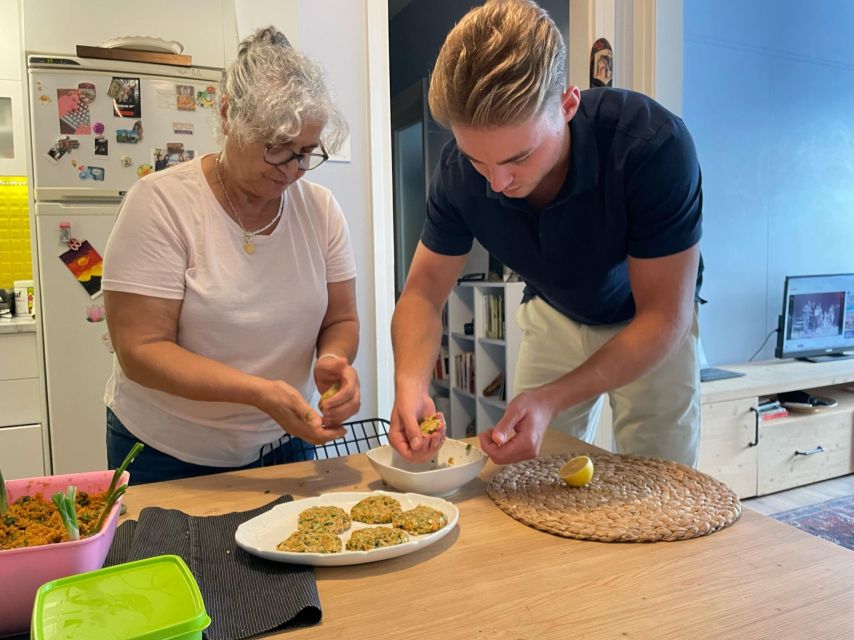
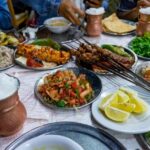
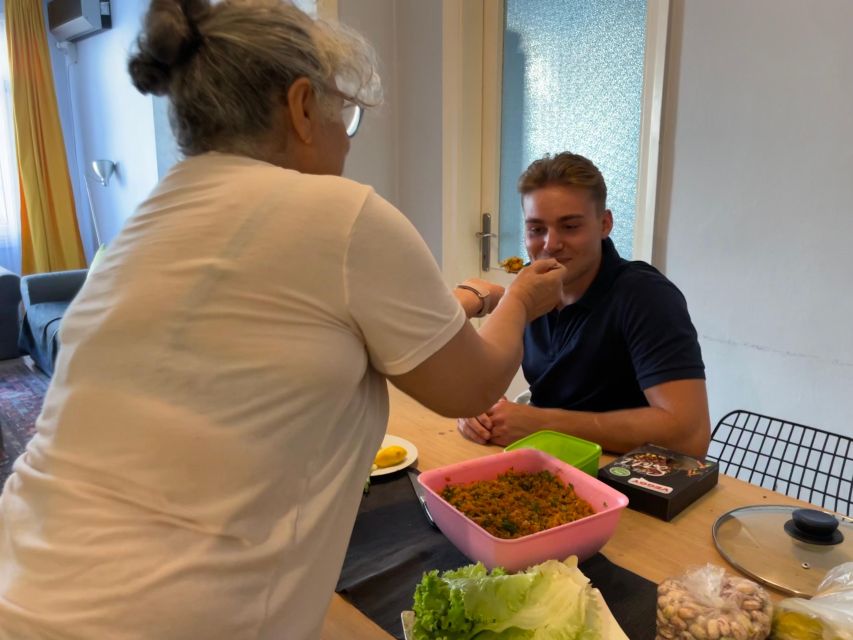
After cooking, you’ll sit down together for the shared meal. This is a big part of what you’re paying for. In many classes, you scramble through recipes and eat something small at the end. Here, you’re making a meal you actually sit with.
The experience is built around hospitality: tea and conversation up front, then cooking side by side, then eating together. It’s exactly the kind of evening where you leave with both full stomach and new food ideas.
From a traveler’s point of view, this is also efficient. In Istanbul, you can spend money and time just hunting for a decent meal. Here, the meal is included in the class flow—and you get to understand it, not just consume it.
Small group energy: up close, not rushed
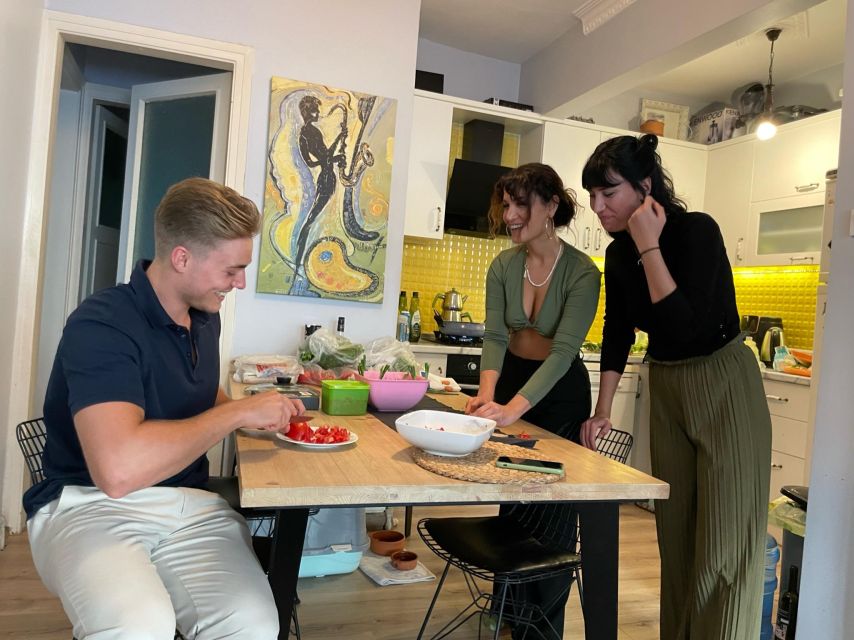
This is limited to 6 participants, and that changes how the class feels. You’re not waiting for someone to notice you need help. If you’re working with dough or shaping dumplings, you’ll want quick feedback, and the small group structure makes that possible.
It also makes the conversation feel easier. In a tiny group, you’re more likely to talk during cooking, not just smile politely while your hands do the work.
You’ll also have instruction in English and Turkish, which helps if you want to understand technique clearly. If you speak only one of those languages, you’re still covered.
Price and value: what $106 buys you here
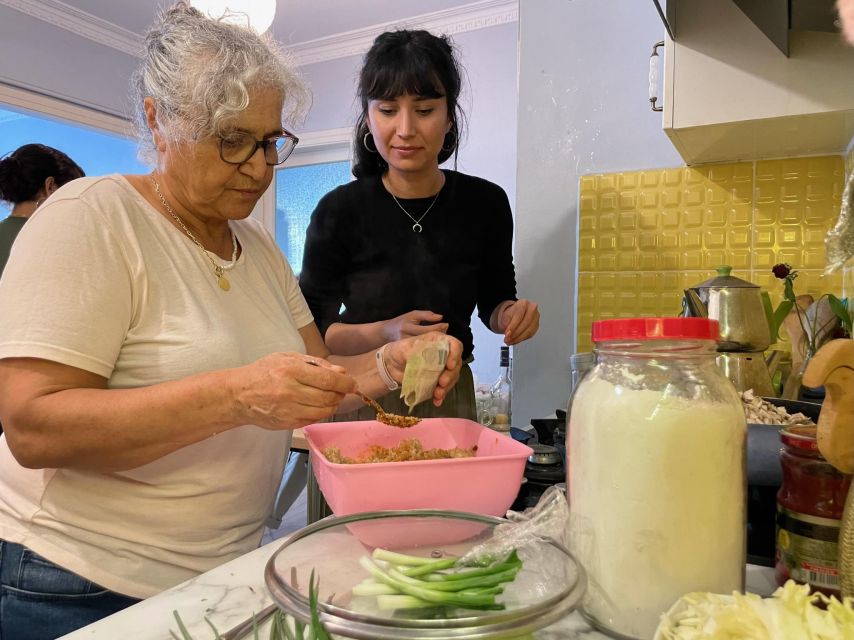
$106 per person for 2.5 hours in a home kitchen might sound like a lot if you compare it to a quick tour stop. But compare it to what you’re actually getting:
- Multiple dishes (not a single recipe)
- Cooking from scratch
- A shared meal, not just tasting bites
- A personal cultural exchange in a real home near Taksim
- A small group with hands-on guidance
In other words, you’re paying for time, instruction, ingredients, and a host experience that feels more like a dinner invitation than a commercial production. If you love food and you’ll realistically use recipes at home, this kind of class often feels like better value than a single paid attraction plus a separate meal out.
Who this cooking class is best for
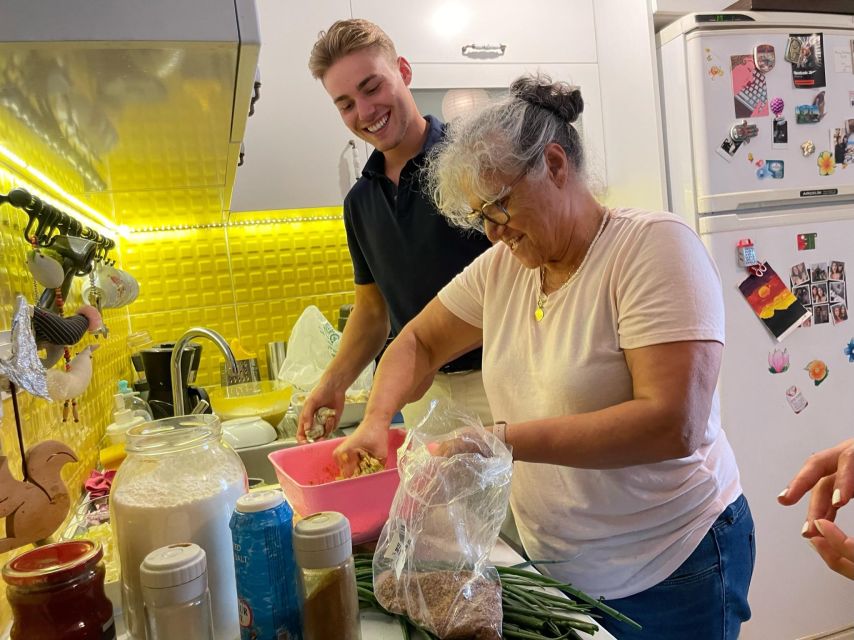
You’ll probably love this if you:
- enjoy vegan or vegetarian food and want more than generic “salad logic”
- like learning technique, not only collecting recipes
- want a social evening with locals near Taksim
- are open to learning how Turkish classics can translate into plant-based cooking
It might not be the best fit if you’re only interested in traditional meat-based Turkish cooking, or if you’re looking for a fast, passive activity. This is hands-on by design.
Also, it’s especially appealing if you’re traveling with a small group or as a couple and want something that feels personal but still organized.
A few practical things to know before you go
- You’ll be in a cozy local home, so dress for cooking time, not museum time.
- Plan to eat what you make. The class is built around the meal experience.
- Bring a curious mindset. This is about how Turkish food works in real households, and that comes through best when you ask questions while you cook.
And if you meet the host named Rojda, you’ll likely get extra storytelling along the way. That warmth is a huge part of why people rate this class so highly.
Should you book this Istanbul vegan cooking class?
If you want a real Istanbul evening that combines food, technique, and conversation, I’d book it. This class checks the boxes that matter most to travelers: it’s small, it’s hands-on, it teaches multiple dishes like vegan Kokoreç, Dolma, and Mantı, and it’s hosted in a home near Taksim instead of a faceless venue.
But if you prefer big group tours, fast sightseeing, or meat-centered cooking lessons, you’ll get more satisfaction elsewhere.
FAQ
How long is the cooking class?
The class lasts 2.5 hours.
How many people are in the group?
It’s a small group limited to 6 participants.
Is it vegan only, or vegetarian too?
It’s described as a vegan & vegetarian cooking experience.
What dishes will I learn to make?
You’ll cook dishes including vegan Kokoreç, Dolma, and Homemade Mantı from scratch, plus other vegan/vegetarian dishes.
What languages are used during the class?
The instructor teaches in English and Turkish.
Where does the class take place?
The class happens at the host’s home near Taksim.
How do I find the meeting spot when I arrive?
You can call, or ring the bell number 11.
Is there free cancellation?
Yes. You can cancel up to 24 hours in advance for a full refund.
Do I have to pay right away?
No. The option is Reserve now & pay later, meaning you can book your spot and pay nothing today.