REVIEW · ISTANBUL
Istanbul: Basilica Cistern Walking Tour with Entry Ticket
Book on GetYourGuide →Operated by TripGuru Turkey · Bookable on GetYourGuide
Sixth-century water engineering feels oddly alive underground. You’re in the Basilica Cistern—Istanbul’s largest Byzantine cistern—walking through that famous forest of 336 marble columns while a guide helps you connect the dots between architecture and how this place worked. I love that you skip the ticket lines via a separate entrance, so you spend your time inside instead of queueing outside. One thing to weigh: the experience has firm constraints (meeting-point timing and health/mobility limits), so it’s not the “wander in whenever” kind of visit.
What really makes this tour click is the human side. You’ll have a certified, live guide and you’ll also get help with practical things like photo timing and good viewpoints—because the cistern’s lighting changes as you move. In the guide lineup, I’ve seen names like Tülay and Selin praised for patient, detail-by-detail explanations and taking pictures for the group, including waiting for light shifts to make photos come out better.
In This Review
- Key Highlights You’ll Care About
- Basilica Cistern: Why This Underground Walk Feels Different
- German Fountain Start: The Fast Track to Getting Inside
- Skip-the-Line Entry Ticket: What You Actually Save
- Inside the Basilica Cistern: What the Guide Helps You Notice
- A 1.5-Hour Tour That Fits Real Istanbul Days
- Price and Value: When $240 Makes Sense
- Who This Tour Is For (and Who Should Skip It)
- Practical Tips Before You Go
- Should You Book This Basilica Cistern Walking Tour?
Key Highlights You’ll Care About
- Skip-the-line entry via a separate entrance, so you start seeing the columns sooner
- A small-group walking format with a certified guide and time to ask questions
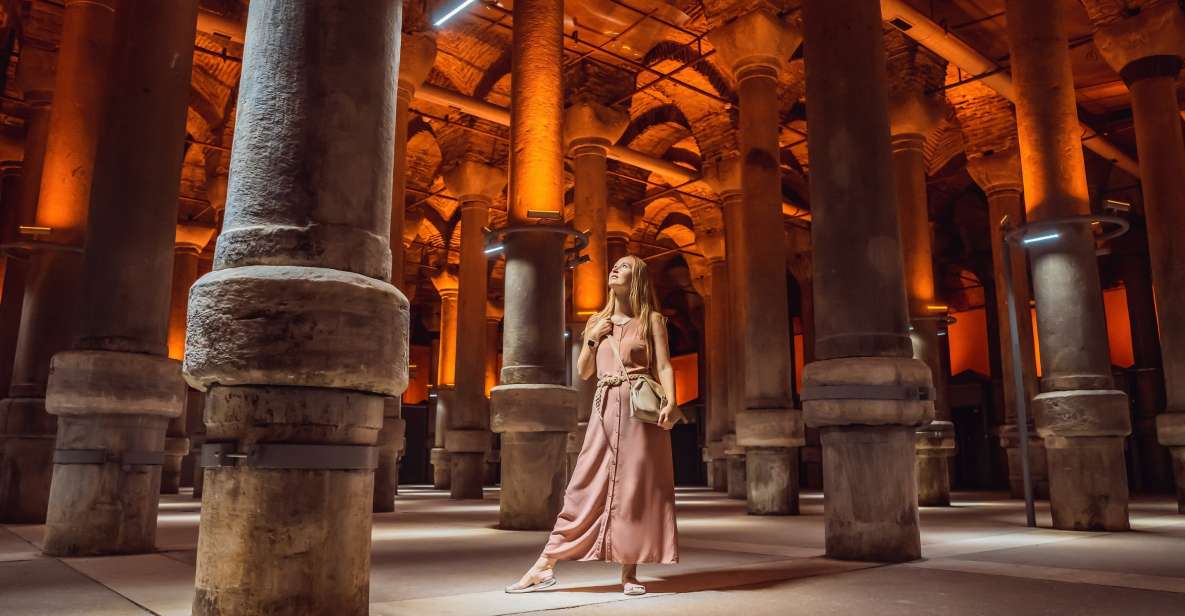
- 336 marble columns in a 6th-century Byzantine water-storage space
- German Fountain meeting point (easy landmark, but you must be on time)
- Spanish live guide with photo-friendly stops along the way
Basilica Cistern: Why This Underground Walk Feels Different
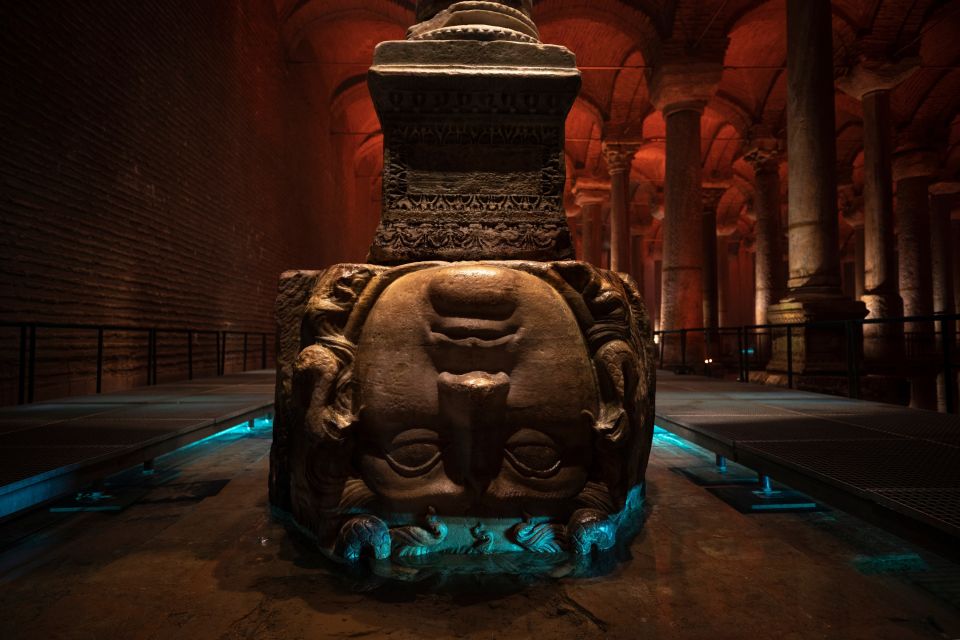
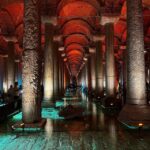
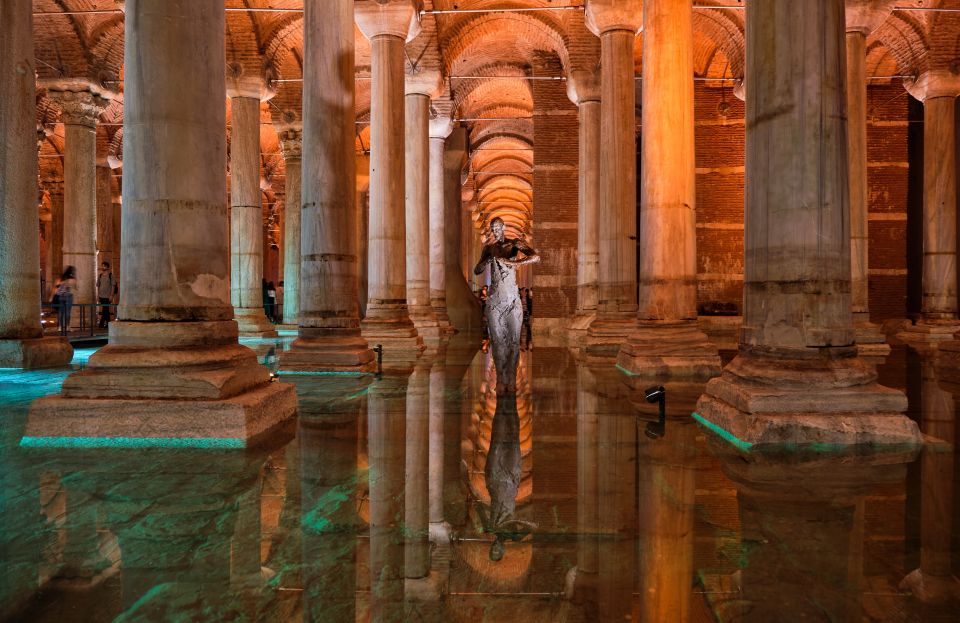
The Basilica Cistern is not just an old room. It’s a working concept from the 6th century—an underground water storage facility designed to keep a city supplied. Walk in and you immediately feel the scale: this is Istanbul’s largest Byzantine cistern, and the interior is built to keep water stable and safe. The famous “forest” effect comes from those 336 marble columns, which rise like a calm, echoing maze.
What I like about a guided approach here is that you don’t just look at columns. You learn how the space is laid out and why the architecture looks the way it does. Without context, it can turn into “cool photos, next stop.” With a guide, it becomes more than a backdrop—you start noticing structure, symmetry, and how people once moved water through the city.
And yes, it’s a surreal atmosphere. You’re underground, in the kind of dim, reflective light that makes everything feel cinematic. The guide pacing matters, because when you stop at the right moments, the cistern can look totally different from one minute to the next.
You can also read our reviews of more tours and experiences in Istanbul



German Fountain Start: The Fast Track to Getting Inside
This tour’s logistics are simple but strict—in a good way. You meet your guide at the German Fountain, look for someone wearing a TripGuru shirt or holding a TripGuru sign, and then you walk to the cistern for your guided portion.
The value here is time and clarity. When you’re exploring Istanbul on your own, getting the entry process right can eat up minutes you’ll wish you had inside. Here, you’re routed in with a separate entrance and a guide who knows the flow.
The drawback is the timing rule: your guide waits a maximum of 10 minutes before moving on. In a city where traffic can be unpredictable in the morning, that matters. If you’re coming from elsewhere, build in buffer time, and don’t treat navigation apps as gospel.
Skip-the-Line Entry Ticket: What You Actually Save
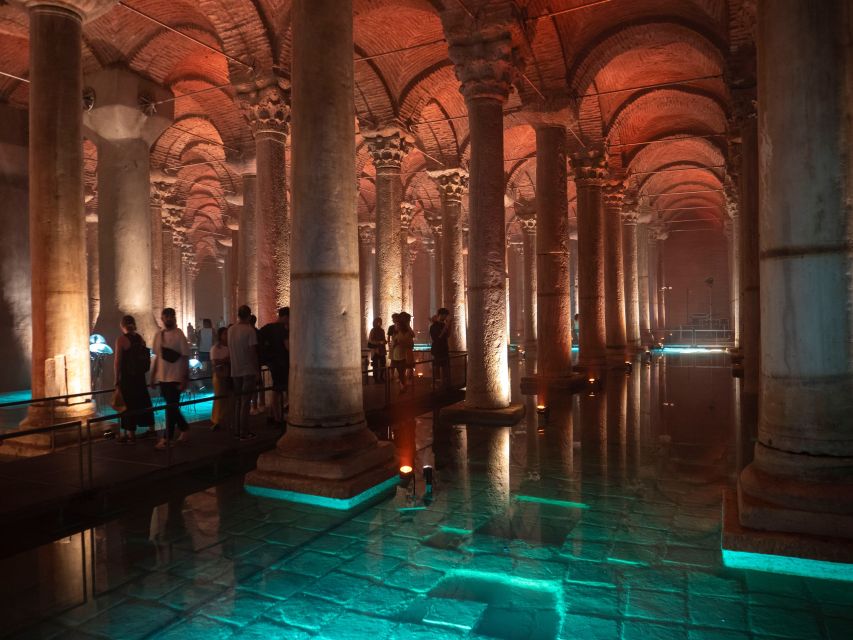
Skip-the-line sounds like marketing until you’re standing there looking at crowds. In this case, you’re not just hoping for faster entry—you’re using a separate entrance to cut the queue at the main ticket area.
Why that’s valuable: the Basilica Cistern is best when you can slow down once you’re inside. If you arrive late in the day or lose time at the door, you’re more likely to rush the columns and miss the little “wait, look at that” moments. With skip-the-line access, you can get into the rhythm of the visit.
Also, because this is a short tour (listed at 1.5 hours), each minute matters. You’ll want your time spent under those columns, not outside managing lines.
Inside the Basilica Cistern: What the Guide Helps You Notice
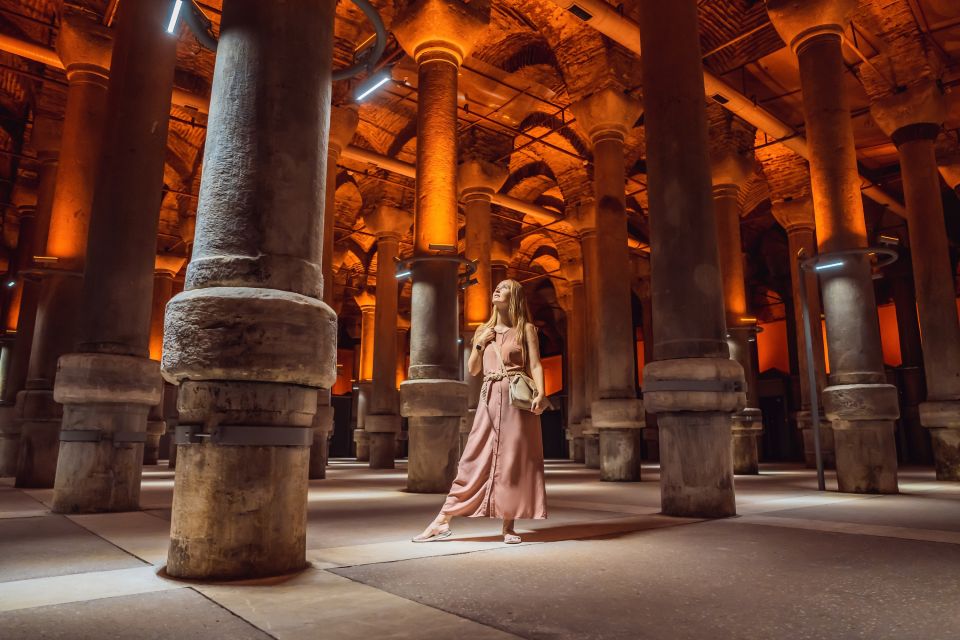
The core of the experience is the guided walking portion through the underground complex. You’re there for the interior—its architecture, structure, and the atmosphere that makes it feel like a different world.
A good guide makes a difference in places like this because the space can be visually repetitive at first glance: columns, beams, reflections, columns again. What guides like Emrullah, Tülay, Selin, and Kadri are praised for doing is turning that repetition into understanding. You’ll get explanations that help you connect what you’re seeing to the cistern’s purpose and timeline (dating back to the 6th century).
You’ll also likely get photo guidance that goes beyond pointing at a pillar. One of the strongest themes from guide reviews is patience with photography—someone like Tülay is described as strolling and waiting for lights to change for better shots, and taking pictures with the group. That’s practical: low light and angles can be tricky, and stopping at the right spots is the difference between a blurry souvenir and a photo you actually want to keep.
Even if you’re not a “history person,” you’ll come out with a clearer mental map. You start to understand where to look and why the arrangement feels intentional rather than random.
A 1.5-Hour Tour That Fits Real Istanbul Days
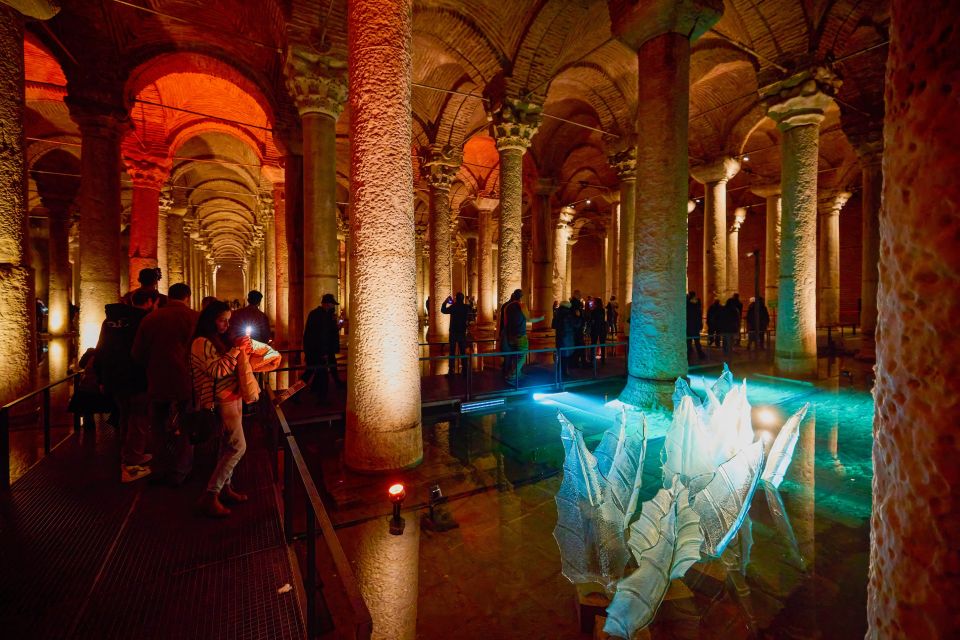
This is a short outing by design, which I appreciate in a city full of long lines and tight schedules. The listed duration is 1.5 hours, and the experience is framed as a quick walk-through of the biggest cistern in Istanbul—so you’re not giving up half a day.
The tour also offers multiple start time options, meaning you can choose a slot that matches your day—whether you’re trying to beat crowds or just wanting something efficient between other sights. If you’re the kind of traveler who plans in layers instead of rigidly, this format suits you.
One logistical note: you return to the German Fountain at the end. That’s convenient because you’re not trying to figure out public transport right after a damp, underground walk. It also makes the day feel tidy: you start at a recognizable point, you do the cistern, and you end where you began.
You can also read our reviews of more walking tours in Istanbul






Price and Value: When $240 Makes Sense
At $240 per person, this isn’t a budget add-on. So here’s how I’d judge the value.
You’re paying for three things that matter in Istanbul:
- Skip-the-line entry through a separate entrance
- A small-group guided walking tour with a certified guide
- The time-saving benefit of having someone explain what you’re seeing while you’re inside
If you’re going to the cistern on your own, you might still enjoy it. But you’ll likely spend more effort figuring out what to look for, what matters architecturally, and which moments are best for photos. And if you lose time at ticket lines, that short duration becomes an even tighter squeeze.
This pricing tends to make more sense if:
- you value guidance (someone like Selin or Kadri explaining details and making the visit easier)
- you want photo help and a relaxed pace rather than rushing
- you’re traveling in a way where efficiency matters (short tours slot neatly between other stops)
If you’re on a strict budget, you might feel the cost. In that case, you could compare it with a self-guided visit. But if your goal is to get the most out of the cistern in a limited window, the included guide + skip-the-line combo is the heart of what you’re buying.
Who This Tour Is For (and Who Should Skip It)
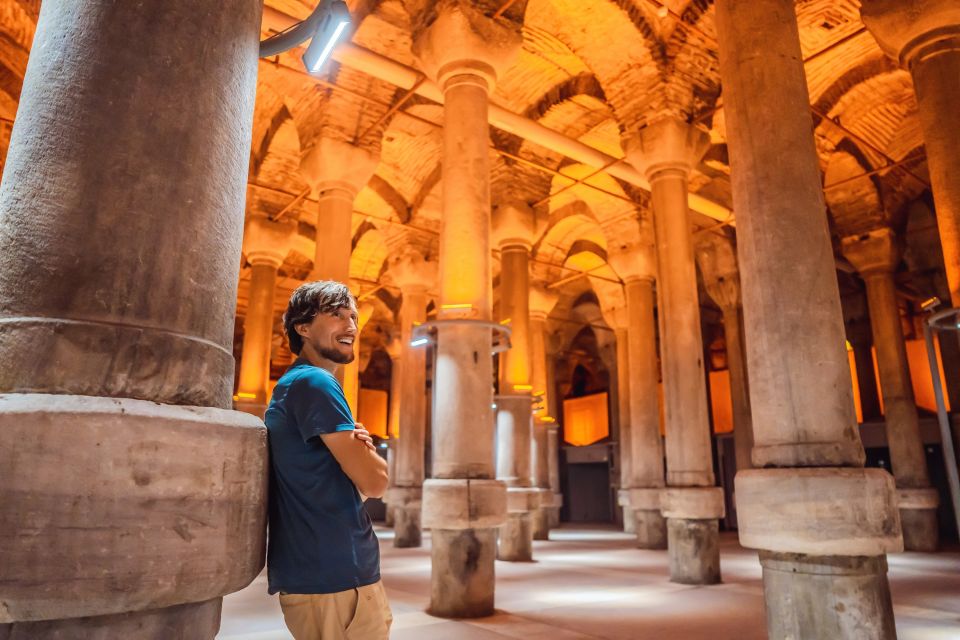
This tour is listed as not suitable for several groups: pregnant women, people with mobility impairments, people with heart problems, and people with respiratory issues. I treat those warnings seriously. Underground spaces can mean sustained walking and conditions that might not be comfortable for everyone.
If you’re generally able to walk comfortably and you want a structured visit—especially one with photo assistance—this is a strong fit. It’s also ideal if you’re not traveling with a “design/architecture translator” and you’d rather have explanations done for you.
Language is another practical factor. The live guide is listed as Spanish. If you’re comfortable enough to follow a guided conversation, that’s great. If you don’t speak Spanish, you might still get a lot from visuals and the way guides point out features, but your experience may feel more limited.
Practical Tips Before You Go
Bring:
- Comfortable shoes (you’re walking inside an underground complex)
- Camera (this place begs for photos)
- Insect repellent (yes, even for this city stop—bring it and you’ll be glad)
- Cash (listed as something to have)
Show up on time. Your guide waits up to 10 minutes. After that, the tour moves on. If you’re late because of traffic, it’s on you to have a cushion.
If you’re aiming to book last minute, there’s good news: last-minute booking is available for the meeting point option. So you don’t need weeks of planning to make it happen.
Should You Book This Basilica Cistern Walking Tour?
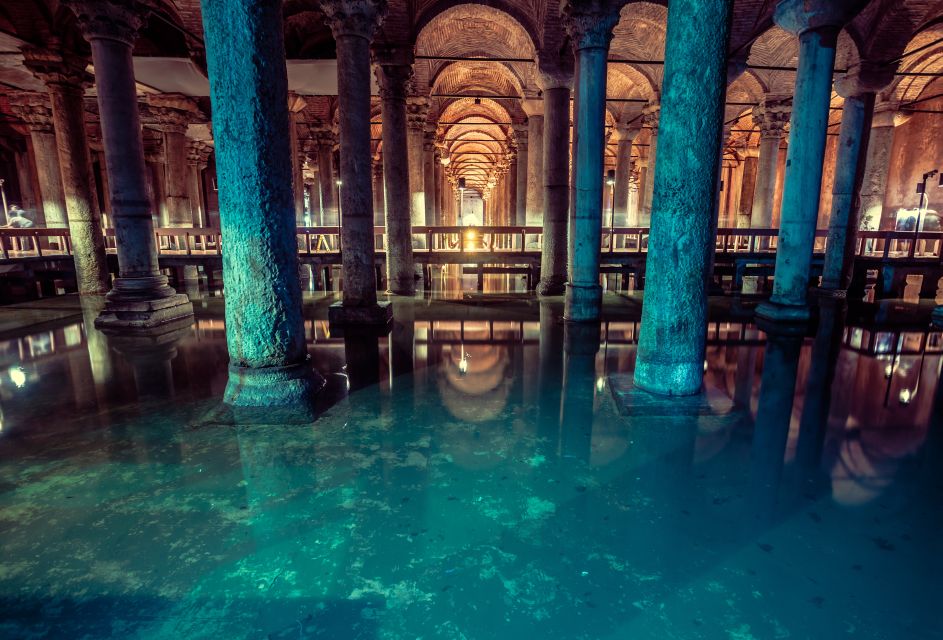
Book it if you want a short, guided visit that respects your time. The skip-the-line entry is genuinely useful, and the guide-focused experience (including photo timing and patient explanations) is the kind of advantage that helps a popular site feel personal instead of chaotic.
Skip or reconsider if the price feels steep for your budget, or if you fall into the listed “not suitable” categories. Also think twice if you’re the type who hates firm start times—this tour is structured, and the meeting-point wait is limited.
If you want the Basilica Cistern to make sense—not just look impressive—this is the kind of tour that delivers.