REVIEW · ISTANBUL
12 Days Private Turkey Tour From Istanbul
Book on Viator →Operated by Pupa Travel · Bookable on Viator
Turkey in 12 days feels like a highlight reel. The draw here is the private format—your own guide, your own A/C minivan, and a route that mixes big monuments with small moments (carpets, mosaics, hidden valleys, and serious photo viewpoints). I especially love the private guiding that keeps each stop making sense fast, and I love that the program builds in time for well-placed photo stops rather than just checklists.
The only real drawback is pace. You’ll combine guided walking, a couple of longer days of ancient sites, and at least one meaningful hike (Ihlara Canyon’s 3.8 km walk by the river), plus internal flights to shift from Istanbul to Cappadocia and then onward to Izmir. If you like to slow down every afternoon, this itinerary may feel a bit scheduled.
In This Review
- Key points worth knowing before you go
- How a 12-day private Turkey route stays doable
- Istanbul in two big days: Blue Mosque, Topkapı, cisterns, and a Spice Market walk
- Bosphorus Cruise to Cappadocia flight: trading domes for fairy chimneys
- Cappadocia days: valleys, cave churches, underground defenses, and photo lookouts
- Izmir arrival: a calmer landing after Cappadocia
- Ephesus and the Artemis scale: big-city ruins you can still feel
- Priene, Miletus, Didyma, then Aphrodisias and Pamukkale healing time
- What’s actually included (and what you still need to plan for)
- Price and value: $6,500 per person makes sense for the right traveler
- Who this tour fits best (and who should choose another style)
- Should you book this 12-day private Turkey tour?
- FAQ
- How long is the private Turkey tour?
- What cities and regions does the itinerary include?
- Are airport transfers included?
- Are meals included?
- Is pickup available in Istanbul?
- Is the tour private?
- What is the cancellation policy?
Key points worth knowing before you go
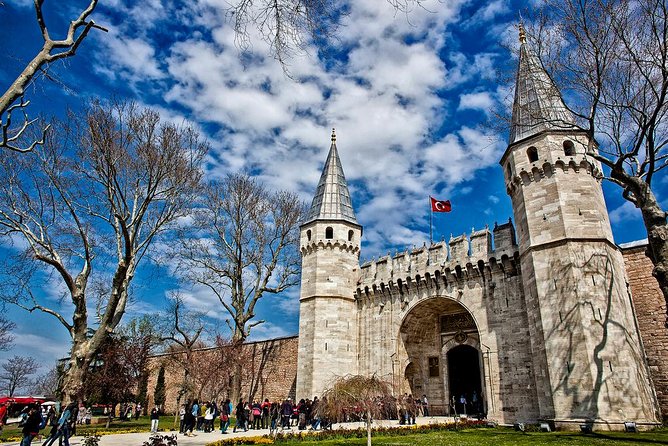
- Istanbul covers the classics in a tight loop: Blue Mosque, Topkapı Palace, Basilica Cistern, Hagia Sophia, Chora Museum, plus the Spice Market stroll.
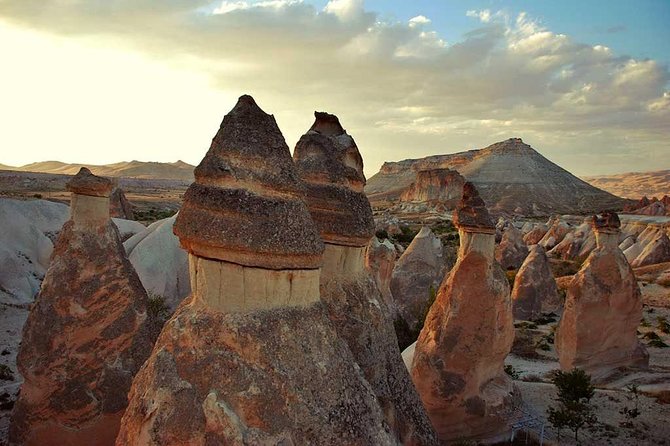
- Cappadocia isn’t just views: cave churches at Göreme, fairy chimney stops in Pasabag, the Kaymaklı Underground City, and a real river walk at Ihlara.
- You get practical photo breaks at Uchisar, Pigeon Valley, Nar Lake, and Goreme panorama-style lookouts.
- Western Anatolia is built for history-hungry days: Ephesus, Artemis, Priene, Miletus, Didyma, Aphrodisias, and Hierapolis/Pamukkale.
- Pamukkale is scheduled as a recharge stop, pairing travertines with the famous thermal-pool feel mentioned in the tour highlights.
- Your logistics are handled privately with airport transfers, a private guide, and an A/C minivan for the days that involve driving.
How a 12-day private Turkey route stays doable
This tour works because it’s organized around moving efficiently, not around forcing you to “figure it out” each day. Istanbul is handled as a guided city circuit with walking and key indoor stops. Cappadocia gets broken into themed geography days—valleys, monasteries, caves, underground spaces—so you don’t feel like you’re repeating the same scenery. Then Western Anatolia switches gears again, stacking ancient sites across a wide region.
You also have a big advantage: it’s private. That means you’re not trying to keep up with a tour wave or negotiate where to stand for photos. Your guide can pace your group, decide when to pause, and steer you through what’s worth prioritizing.
One more practical plus: the program is offered in English, and you’ll receive a mobile ticket, which helps when multiple attractions require entry coordination.
You can also read our reviews of more private tours in Istanbul

Istanbul in two big days: Blue Mosque, Topkapı, cisterns, and a Spice Market walk
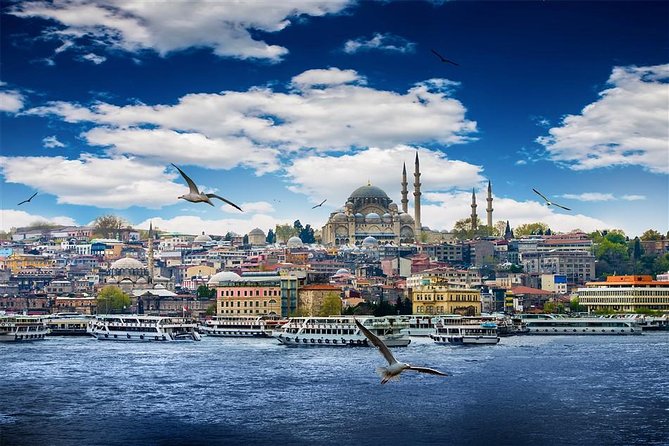
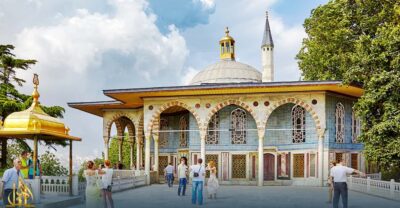
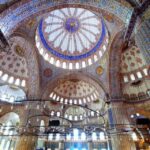
Day 2 is a full-on Ottoman and Islamic art day, and it’s a solid way to start. You begin at the Blue Mosque, built in 1616 under Sultan Ahmet I. This matters because it sets the tone visually: you’re seeing Istanbul through Ottoman eyes right away, not just modern museum Istanbul.
Then you shift to the Turkish and Islamic Arts Museum, where the emphasis is Islamic art and antiquities, including Turkish carpets. If you’re the type who likes to understand what you’re looking at (and not just pose for a photo), this museum stop adds context that later city sights won’t explain on their own.
After that come two major anchor stops:
- Topkapı Palace, the Ottoman residence for centuries.
- A walk through the Grand Bazaar Jewelers area, which is part of the old bazaar dating back to the 1500s.
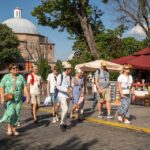
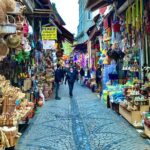
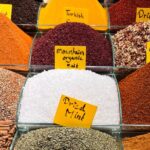
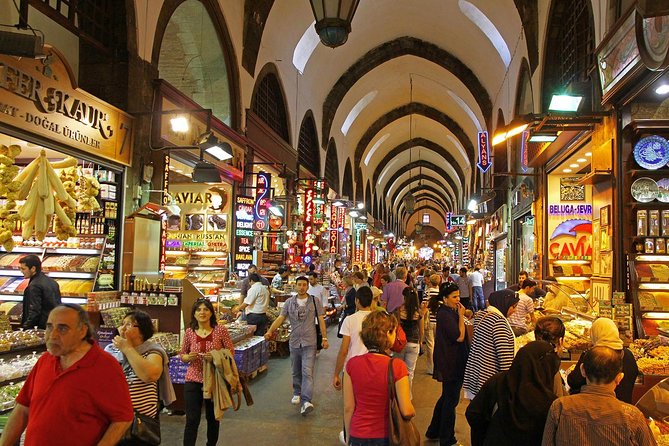
The day also includes Süleymaniye Mosque, built in 1557 by architect Sinan. That gives you a second major mosque experience so the first one doesn’t blur into the next. And you finish with the downhill walk to Misir Çarşısı (Spice Market). I like this as a transition because it’s less about big-state power and more about daily life—spices, Turkish delight, and quick sensory browsing.
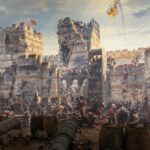
Day 3 leans Roman and early Christian/Byzantine. You start at the Roman Hippodrome (2nd century A.D.) and see features like the Obelisk of Tuthmosis, German Fountain, Serpent Column, and the Obelisk of Constantine. Even if you don’t know all the names, it helps you understand why Istanbul was a crossroads for empires.
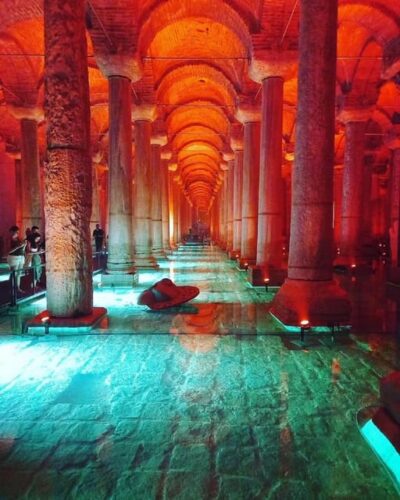
Next comes the Basilica Cistern, built around the same era as Hagia Sophia. The photo-friendly “Medusa heads” are a big draw, but the real value is how the space feels—cool, dim, and quietly cinematic compared to the daylight outside.
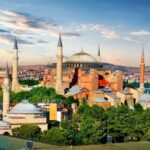
Then you visit Hagia Sophia Grand Mosque, described here as the church built in 537 by Justinianus. Finally, there’s Chora Museum for mosaics and frescoes after lunch. This stop is the kind that rewards attention: you’ll look longer than you expect, and it becomes a memory anchor for the Byzantine side of Istanbul.
Practical consideration: Istanbul days like this can mean a lot of walking and standing, even when times per stop are listed as around an hour. Wear shoes you’d happily use on a long airport day too.
Bosphorus Cruise to Cappadocia flight: trading domes for fairy chimneys
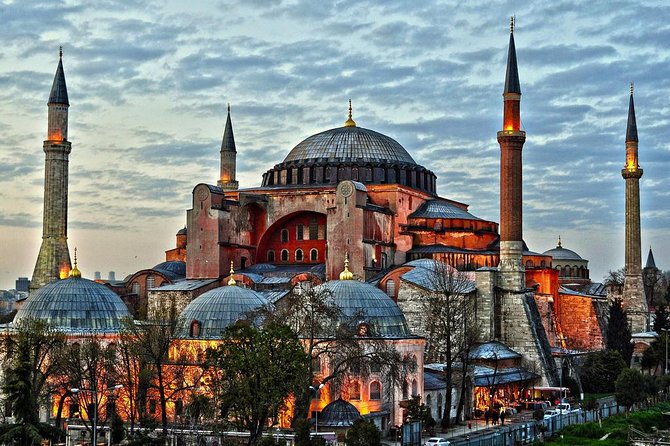
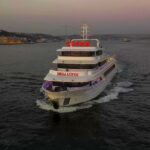
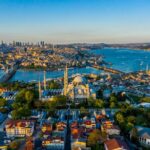
Day 4 starts with an afternoon reset: check out, then take a Bosphorus cruise (about two hours). The point isn’t only the water view. It’s that you see Istanbul’s shoreline history in passing—palaces, summer mansions, Ottoman-era houses, and other waterfront scenes from the strait.
Then you fly to Cappadocia. That flight step matters because it reduces wasted time. You land, check in, and rest for Day 5. For most people, that overnight timing is what keeps Cappadocia from feeling like a blur.
If you’re the type who wants the “waterfront story,” ask your guide what shoreline parts match what you saw earlier in the city. The guide can connect the Istanbul pieces so your brain builds a timeline, not a scatterplot.
Cappadocia days: valleys, cave churches, underground defenses, and photo lookouts
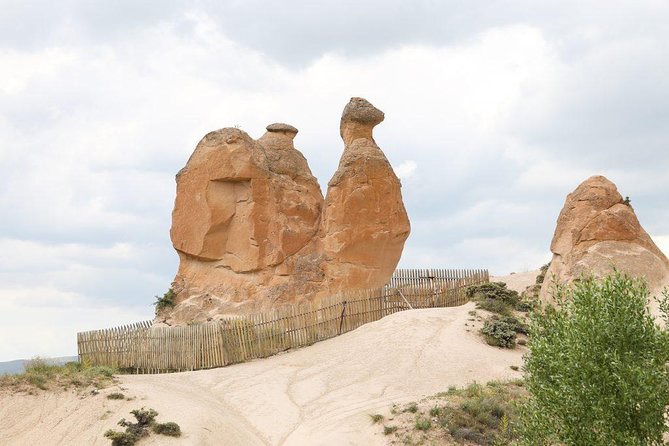
Cappadocia is where this itinerary earns its name as a varied, adventure-style route. Day 5 is all about shapes: Devrent Valley (Imagination Valley) for fairy chimney formations, then Pasabag for the most distinctive chimneys. The tour also includes Avanos with a local pottery shop stop. I like this because it adds a human thread. You’re looking at ancient rock formations, but you’re also seeing how people still make things with their hands in that same region.
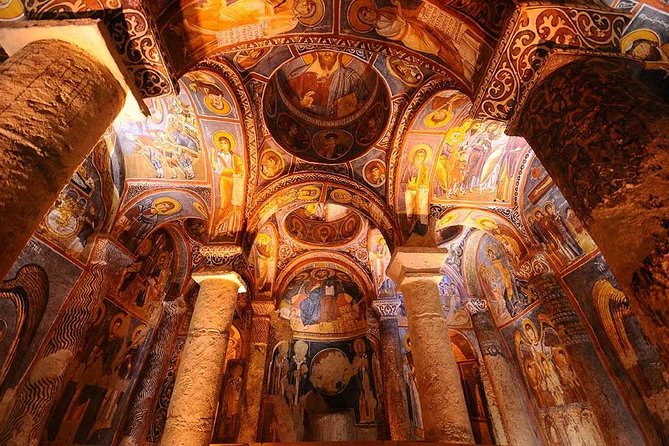
Then you hit the big religious landscape: the Göreme Open Air Museum, described here as containing some of the best cave churches. You also visit Cappadocia Cave Dwellings for views, before ending with Uchisar Castle and Pigeon Valley. Those are classic photography zones for a reason—views are the payoff here, and the itinerary gives them real time instead of treating them like roadside pull-offs.
Day 6 shifts from views to survival history. You start at Kaymaklı Underground City, explained here as a place Christians used to protect themselves from persecutions and invasions. Underground spaces can feel a bit cramped in other cities; underground cities in Cappadocia feel like an entire strategy worked into the earth.
There’s also a Nar Lake photo break, then the itinerary moves toward nature and movement: Ihlara Valley for a hike by the river (3.8 km). Even if the group pacing is gentle, it’s still a real walk day, not a quick “stretch your legs” moment. This is one of the stops you should treat as your cardio day.
Next comes Selime Monastery, described as the biggest religious building in Cappadocia with a cathedral-sized church. After that, you stop at Sarıhan Caravanserai, a 13th-century merchant residence for camels. This gives Cappadocia a trade-and-travel angle, not just a religious angle.
Day 7 keeps the monastic and village feel. You visit Söğanlı Village, Sobesos (with floral mosaics noted as newly discovered), Keşlik Monastery, and Sinassos Kilisesi (the old Greek village re-inhabited after 1927, as described). The day ends with Red Valley and a 2-hour hike.
If you want the big picture: these days are not only “pretty places.” They connect geology (fairy chimneys), belief (cave churches), defense (underground city), and daily life (caravanserais and villages). It’s a lot, but it’s also coherent.
A small planning thought: Cappadocia days can involve uneven ground. That’s not stated as a difficulty level, but the itinerary includes underground spaces, valley hikes, and castle viewpoints. Pack footwear you can rely on when the surfaces get rocky.
Izmir arrival: a calmer landing after Cappadocia
Day 8 is designed as a transition. You fly to Izmir (schedule varies with flights), check in, and then spend the rest of the day relaxing. Dinner and overnight are in Kusadası or Selçuk.
This is the kind of buffer I like. After several active Cappadocia days, you get a softer landing before the ancient-site marathon in the Aegean region.


Ephesus and the Artemis scale: big-city ruins you can still feel
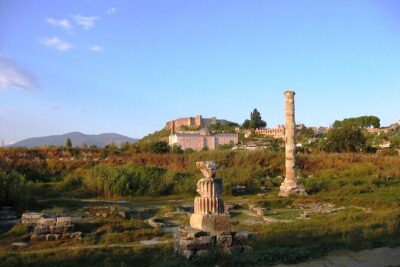
Day 9 begins with Ephesus, and the itinerary sets aside about two hours. You can stroll and get lost in the scale of it. Then comes the Temple of Artemis, described as one of the Seven Wonders of the Ancient World. Even in ruins, Artemis feels important because it changes how you imagine the city: Ephesus isn’t a small local stop. It’s a major cultural center.
After lunch, you visit Basilica of St. John (donated/financed in connection with Justinianus) and then Meryemana (The Virgin Mary’s House). That adds a pilgrimage layer, so the day isn’t only about Roman city planning and marble.
Finally, you add the Ephesus Museum in Selçuk to see artifacts. I find museum stops essential here. You’ll spot details back at Ephesus that a museum label can explain—and you’ll leave the site with less guesswork.
Practical consideration: in days like this, sun and walking fatigue can sneak up. Bring water and plan to slow your pace even if your guide has you on a timeline.
Priene, Miletus, Didyma, then Aphrodisias and Pamukkale healing time
Day 10 starts with a drive to Priene, an Ionian port city that later silted up due to the Meander River. You get 1–2 hours there, which is just enough to learn the layout without feeling like you’re sprinting between columns.
Then you move to Miletus, linked to philosophers like Thales, Anaximenes, and Hekaistos. You’re seeing ancient thought landmarks mapped onto a physical space.
Your final stop is Didyma, specifically the Temple of Apollon, tied to prophecies and oracles. The itinerary notes lunch timing may happen after the visit depending on schedule, which you should keep in mind if you have a strict eating plan.
Day 11 is where the route slows slightly in emotional tone, even if it’s still a long day. You drive to Aphrodisias, noted here as one of Turkey’s most well-preserved ancient sites. That preservation makes a difference: when walls and details remain, you can picture how it looked when it was alive.
Then you head to Hierapolis and Pamukkale. The itinerary describes Hierapolis as a major healing center and points out the travertine and the “Cotton Castle” formed by calcium. It’s a visual stop that contrasts sharply with the straight lines of temples and basilicas—more organic, more fluid-looking.
Also, the tour highlights mention a calming and refreshing bath in the Pamuk kale thermal pools. Since that’s part of the experience pitch, it’s worth thinking of Pamukkale as your recovery day, not just another ruin.
What’s actually included (and what you still need to plan for)
This is one of those tours where the included pieces matter more than the headline sights.
Included:
- All private airport transfers
- Private guiding
- Private A/C minivan for tour days that involve driving
- Taxes
- Lunch (11)
Not included:
- Dinners
- Alcoholic beverages
- Personal expenses
Two practical implications for you:
1) You’ll need to budget for dinner each day on your own. Since breakfast isn’t listed as included or not included, treat it as something you’ll handle with your hotel.
2) The tour appears to include admission tickets for each major stop listed in the day-by-day plan. That reduces the time-wasting hunt for tickets mid-trip.
A small but real plus: you can be picked up from any hotel in Istanbul, so you’re not forced into a meet-up location that adds stress on arrival day.
Price and value: $6,500 per person makes sense for the right traveler
At $6,500 per person for roughly 12 days, this isn’t budget travel. It’s premium because you’re paying for the private structure: guiding, private transportation in an A/C minivan, and airport transfers.
Where the value comes from:
- You’re getting a lot of guided time, not just a driver delivering you to places.
- Meals are partially handled with 11 lunches included, which is often where self-planning gets expensive.
- The itinerary includes major museum and monument stops across Istanbul, Cappadocia, and Western Anatolia—plus multiple flight legs. Those internal moves are a big part of why “doing it yourself” becomes harder than it sounds.
The booking timing is also telling: this is commonly booked about 51 days in advance. That suggests people plan ahead rather than waiting until the last moment, which is smart for a private route with flights and hotel reservations.
Who should see this as good value: first-time Turkey visitors who want a curated, well-paced route with someone else handling the gaps. Who might not: travelers who hate early starts or hate any kind of schedule, or anyone who wants lots of unscheduled downtime.
Who this tour fits best (and who should choose another style)
Best fit:
- You want first-time coverage of Istanbul plus Turkey’s two big “wow” regions: Cappadocia and the Aegean ancient sites.
- You’d rather pay for structure than spend hours mapping bus times, ticket queues, and routing.
- You like having someone help translate what you’re seeing into a story you can remember.
Maybe not ideal if:
- You want a totally slow trip with lots of empty time blocks.
- Your walking limits are tight. The itinerary includes multiple museum/monument days and at least one hike of 3.8 km along the river in Ihlara, plus additional hikes in Cappadocia.
One more note based on service feedback style: the company support is described as responsive and organized, with guides and coordinators able to handle last-minute changes and small problems quickly. That tends to matter most on private trips, where you notice every delay.
Should you book this 12-day private Turkey tour?
If your dream Turkey trip is a smart mix of major sights and scenic regions—Istanbul → Cappadocia → Ephesus/Aegean → Pamukkale—this tour is a strong match. The private guiding and transport reduce friction, and the route design gives you variety instead of repeating the same kind of sightseeing.
I’d book it if you can handle a structured schedule and at least one hike day. I wouldn’t book it if you’re chasing a relaxed, unplanned vacation where every hour is yours.
If you do book: when you send preferences, be clear about what kind of day you want most—photo-heavy, museum-heavy, or nature-heavy. With a private setup, that input can help your guide steer the day so it feels like your trip, not a template.
FAQ
How long is the private Turkey tour?
It runs for about 12 days.
What cities and regions does the itinerary include?
The program includes Istanbul, Cappadocia, Izmir (as a base for nearby sites), Ephesus and other Western Anatolia ancient sites, plus Pamukkale/Hierapolis.
Are airport transfers included?
Yes. All private airport transfers are included.
Are meals included?
Lunch is included for 11 days. Dinners are not included.
Is pickup available in Istanbul?
Yes. The tour can pick you up from any hotel in Istanbul.
Is the tour private?
Yes. It is a private tour/activity, and only your group will participate.
What is the cancellation policy?
Free cancellation is available up to 24 hours in advance for a full refund. If you cancel less than 24 hours before the start time, the amount paid will not be refunded.
—
If you tell me your travel month and your hiking comfort level, I can help you judge whether the pace (and the Ihlara Canyon walk) will feel fun—or like too much.