REVIEW · ISTANBUL
Imperial Istanbul Half-Day Tour: Hagia Sophia and Grand Bazaar
Book on Viator →Operated by Neon Tours · Bookable on Viator
Four empires in one afternoon. This half-day Imperial Istanbul tour strings together Hagia Sophia, the Basilica Cistern, and the Grand Bazaar under a guide’s running story of how the city kept reinventing itself. I especially like that it’s structured like a guided route through major sites, not a random stamp-collecting walk.
My favorite part is the contrast: light and marble above at Hagia Sophia, then cool and shadowy underground at the cistern. The one thing you should think about up front is the tour’s carpet-shop weaving stop, which some people find too long or sales-heavy for a sightseeing-focused booking.
In This Review
- Key things you’ll notice on this tour
- Price and logistics: is $110 a good deal?
- The 1pm start in Sultanahmet: why the timing works
- Hagia Sophia: how the building changes hats across four empires
- Basilica Cistern: the cool-down stop you’ll actually remember
- Grand Bazaar: shopping time with a guided path through the maze
- The carpet weaving and shop stop: how to handle it
- Who gets the most out of this tour?
- What the route feels like in real time
- Practical tips before you go
- FAQ
- FAQ
- How long is the Imperial Istanbul half-day tour?
- What time does the tour start and how do I meet the guide?
- Is hotel pickup and drop-off included?
- Is Hagia Sophia admission included in the tour price?
- Is Basilica Cistern admission included?
- Is the Grand Bazaar included even if it is closed?
- What happens if I’m traveling on a Monday?
- What languages is the tour offered in?
- Is the tour suitable for children?
- Do I get food and drinks during the tour?
- Can I cancel for a full refund?
- Should you book this tour?
Key things you’ll notice on this tour
- A tight 4-hour circuit centered on Sultanahmet’s top sights and the Grand Bazaar
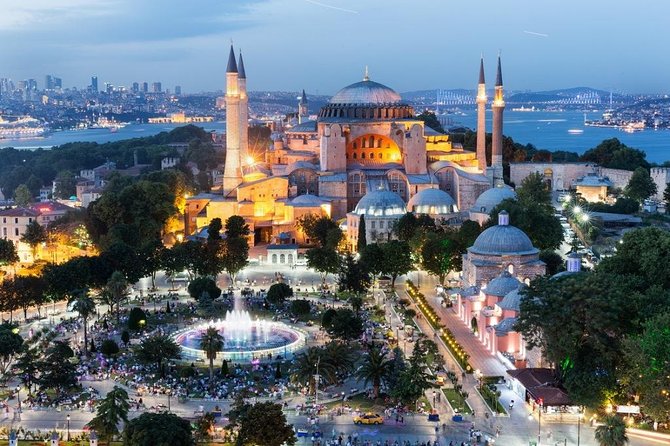
- Hagia Sophia and Basilica Cistern as the history anchor, with Hagia Sophia closed Mondays in favor of Chora
- Underground cistern time that helps you understand how the Great Palace area got its water
- Grand Bazaar navigation through its covered maze of streets and thousands of shops
- A carpet weaving/shop stop that can be quick for some groups and a bigger time sink for others
Price and logistics: is $110 a good deal?
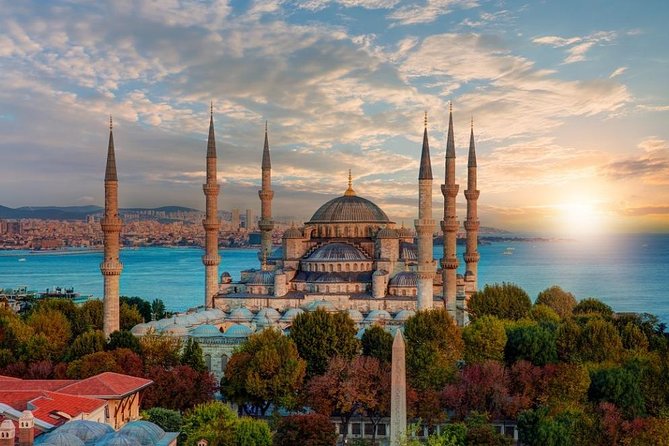
At $110 per person for about four hours, you’re paying for three things: guided context, round-trip hotel pickup/drop-off, and timed entry advantages at the big-ticket monuments. The tour is small group sized (up to 14), rides in an air-conditioned minivan, and uses a mobile ticket.
Here’s the practical math you should do before you book: Hagia Sophia’s admission is listed as not included, while Basilica Cistern admission is included and the Grand Bazaar is free to enter. That means the total cost in your head should include Hagia Sophia on top of the tour price.
Is it still good value? Often, yes—especially if you hate lineup chaos and you want someone to translate what you’re seeing into a clear story. But if your priority is maximizing time inside the monuments and skipping retail pressure, you should be ready to manage the carpet-shop segment firmly.
You can also read our reviews of more shopping tours in Istanbul



The 1pm start in Sultanahmet: why the timing works
You meet around 1:00 pm in the Sultanahmet area and your guide shares contact details so you can link up at a nearby meeting point. From there, you travel by minivan to the sites. The afternoon timing is useful because it avoids the early-morning rush while still keeping you in the same neighborhood cluster.
One small note: because the Grand Bazaar can be closed on Sundays, the tour shifts time around. On those days, you may spend extra time at the other locations instead. Same idea on Mondays: Hagia Sophia is closed, so you swap in Chora Museum.
Hagia Sophia: how the building changes hats across four empires
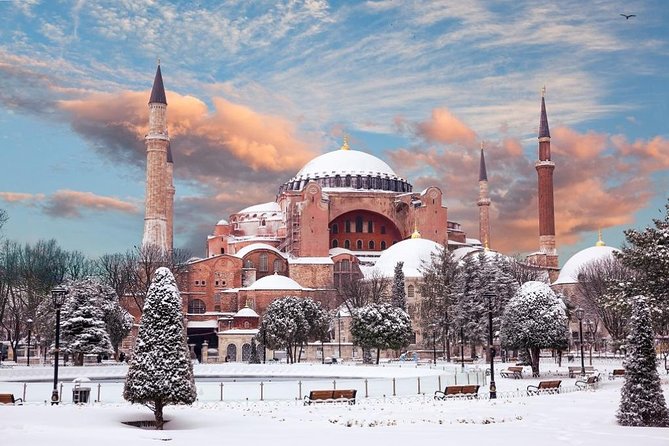
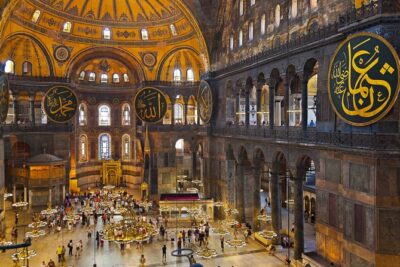
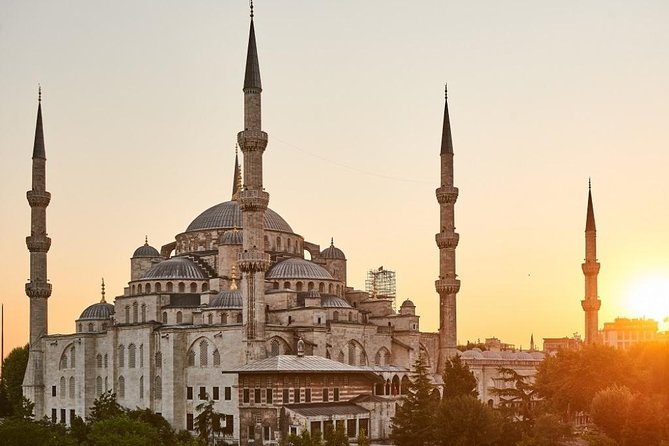
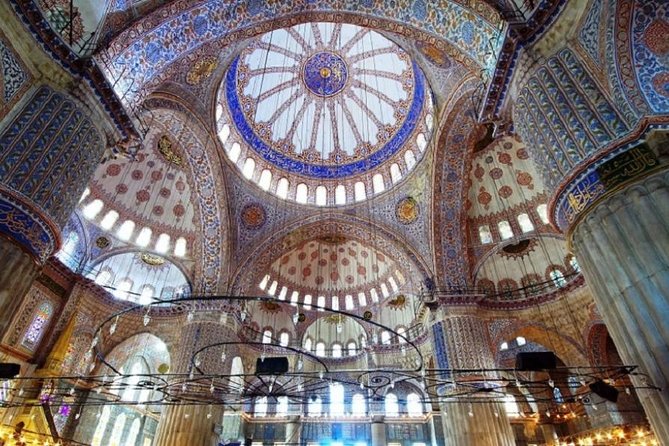
Hagia Sophia is the tour’s centerpiece. You go there first, walk in with your guide, and spend about an hour (though the pace can vary by group). The story your guide gives is the key: the building began as a Greek Orthodox church in the 6th century under Roman Emperor Justinian, then became an imperial mosque after the Ottoman conquest, and today it functions as a museum.
What you should focus on during your visit:
- The scale of the dome and the way it dominates your sense of space
- Byzantine mosaics and religious art that reveal the building’s earlier identity
- The idea that this place is a layered timeline, not one single faith or one single era
If Hagia Sophia is closed on your day, don’t treat it as a downgrade automatically. Chora Museum is used as the alternative, and you’ll also get adjustments to cistern and market time. Still, you should plan your expectations: the swap changes the vibe from what you originally pictured.
Basilica Cistern: the cool-down stop you’ll actually remember
After Hagia Sophia, you head underground to the Basilica Cistern. You spend about an hour here, with admission included. The big takeaway your guide will aim for is function: in the 6th century it helped with water filtration for the Great Palace of Constantinople.
The cistern is atmospheric in a very practical way. Above ground, Istanbul can be heat, crowds, and noise. Underground, you get a different pace—columns vanishing into darkness, damp air, and that sense you’ve stepped into the city’s infrastructure world.
A useful way to enjoy the cistern is to keep asking two questions as you go:
- What was the practical job here (water)?
- What does the palace connection mean (why this spot mattered)?
Some groups end up wanting more of the straight historical explanations inside the cistern. If you’re the type who likes details (and you paid for a guided tour), stick close enough to hear clearly and ask your questions. If the guide’s voice is hard to catch, positioning matters—this tour does not provide headset-style audio based on participant feedback.
Grand Bazaar: shopping time with a guided path through the maze
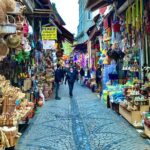
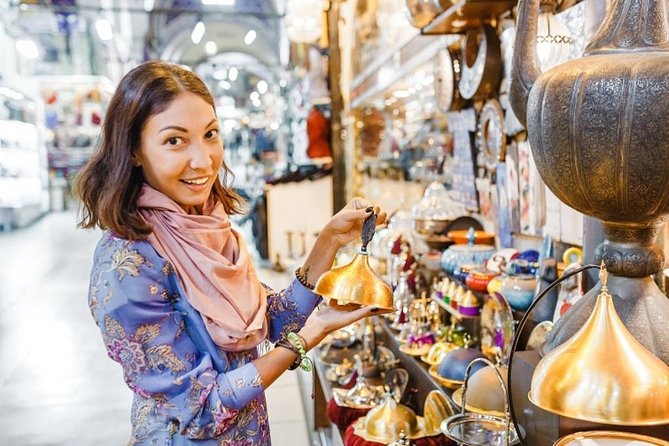
Next comes the Grand Bazaar, which the tour treats like a living museum of trade. You’ll get guided walking time and then some free roaming, typically around an hour depending on your day’s schedule.
The Bazaar facts you’ll hear are spot-on for orientation: it’s an enormous covered market with 61 streets and 3,000+ shops. Historically it became a major hub after the Ottomans took over, and today it’s known for items like jewelry, pottery, spices, leather goods, and carpets.
How to make your Bazaar visit feel like sightseeing (not stress):
- Decide before you enter what you’re shopping for (one category is easier than wandering with no plan)
- Keep your belongings secure. This is a dense maze, and the crowd flow changes fast
- Watch your time. The Bazaar can eat hours if you’re not careful
Also, if you’re going on a Sunday when the Grand Bazaar is closed, you won’t get this stop. Instead, you’ll get extra time at the other two landmarks.
You can also read our reviews of more tours and experiences in Istanbul




The carpet weaving and shop stop: how to handle it

Here’s the part that can make or break the tour for some people: the weaving demonstration and carpet shop visit. The tour is set up with a carpet segment, and some groups report it runs long or shifts into a sales pitch. Others say it’s optional or skippable if you make it clear you’re not interested.
Either way, go in with a mindset:
- If you want architecture and monuments only, tell yourself you’re there for Hagia Sophia and the cistern. Treat the carpet stop like a short waypoint, not the main event.
- If you do attend, set a time limit in your head. If it starts feeling like it’s consuming your sightseeing window, you’re allowed to step back and move on with your group plan.
If you’re traveling with limited patience for retail pressure, consider booking a tour that skips this stop entirely. If you’re curious about traditional weaving and you don’t mind a showroom context, it can be a cultural peek—just don’t let it swallow the whole afternoon.
Who gets the most out of this tour?
This tour is a good match if you want:
- A compact route through Sultanahmet’s two biggest monuments plus a major shopping stop
- A guide-led story connecting Roman, Byzantine, Latin, and Ottoman eras
- A small group setting with pickup and drop-off handled for you
It may be less ideal if:
- You want maximum quiet time inside Hagia Sophia and the cistern with minimal interruptions
- You dislike any sales-heavy environment
- You’re the type who learns best by wandering freely without a strict meeting point
The most positive experiences in the information you have point to certain guides (names like Gulay, Katerina, and Uly) being praised for friendliness, humor, pacing, and helpful navigation. When the guide keeps you moving with clear explanations and respects your time, the tour’s structure works.
What the route feels like in real time
On paper, you’re scheduled for a half-day circuit. In practice, pacing can shift depending on the group and any swaps for closures.
You should expect roughly:
- An hour at Hagia Sophia
- An hour at the Basilica Cistern
- Time for the Grand Bazaar, often with a guided introduction before roaming
Some groups reported Hagia Sophia felt shorter than expected, while others got solid time for photos. The difference usually comes down to how the guide manages the flow and how much time gets lost to the carpet-shop segment.
This is why I recommend thinking about your personal priorities before booking. If your must-see is Hagia Sophia and your idea of a great tour is monument time, plan to be firm about the carpet stop and keep an eye on the clock.
Practical tips before you go
- Bring something to drink even if the tour doesn’t include food. The sites and shopping area don’t always feel friendly to long refreshment breaks inside a tight schedule.
- Stand close to your guide. Some participants reported that the guide’s audio was hard to hear at times, and this tour doesn’t mention headset assistance.
- Wear comfy shoes. Hagia Sophia requires walking and the Bazaar is a long indoor maze.
- Know that Hagia Sophia can close on Mondays (replaced with Chora), and the Grand Bazaar can close on Sundays (with extra time at other stops).
- Keep a small shopping strategy. In the Bazaar, it helps to browse with a purpose—one category, one budget range, then decide.
FAQ
FAQ
How long is the Imperial Istanbul half-day tour?
It runs about 4 hours (approx.).
What time does the tour start and how do I meet the guide?
Start time is listed as 1:00 pm. Pickup is from the hotel in the Sultanahmet area, and you’ll receive your guide’s contact details to meet in a nearby location.
Is hotel pickup and drop-off included?
Yes. Transport by air-conditioned minivan and hotel pickup and drop-off are included.
Is Hagia Sophia admission included in the tour price?
No. Hagia Sophia admission is listed as not included.
Is Basilica Cistern admission included?
Yes. Basilica Cistern admission is listed as included.
Is the Grand Bazaar included even if it is closed?
If the Grand Bazaar is closed (Sundays and some religious holidays), extra time is allocated to the other two landmarks instead.
What happens if I’m traveling on a Monday?
Hagia Sophia is closed on Mondays. The tour swaps it with Chora Museum, and you may also visit a cistern (Basilica or Nakkas depending on the schedule).
What languages is the tour offered in?
It’s offered in English.
Is the tour suitable for children?
It is not recommended for children aged 4 and under. Children 18 and under must be accompanied by an adult.
Do I get food and drinks during the tour?
Food and drinks are not included unless specified.
Can I cancel for a full refund?
Free cancellation is available up to 24 hours in advance for a full refund.
Should you book this tour?
I’d book it if your goal is a structured afternoon that hits Hagia Sophia and the Basilica Cistern with guided context, then gives you a taste of the Grand Bazaar with a route to follow. For first-time visitors staying in Sultanahmet, the pickup-and-pacing value is real.
I wouldn’t book it if your top priority is staying inside monuments for as long as possible, with zero retail stops. The carpet weaving/shop segment is the biggest swing factor—some groups find it tolerable, others feel it eats too much time. If you do book, go in with a plan: your must-sees are Hagia Sophia and the cistern, so stay assertive if the carpet stop runs long.
If you want, tell me your travel day of week and whether Hagia Sophia is your absolute number one. I can help you sanity-check how the Monday/Sunday swaps might change what you’ll actually get.