REVIEW · ISTANBUL
Istanbul: Hagia Sophia, Blue Mosque, Cistern & Bazaar Tour
Book on GetYourGuide →Operated by New İstanbul tours · Bookable on GetYourGuide
First-time Istanbul can feel like information overload. This tour makes it manageable by stringing together four top sights in one smooth Sultanahmet route, then adding just enough on-the-ground context to help everything click. I love the way the guide connects what you’re seeing to the city’s story, and I also love the time-saving skip-the-line access to the Cistern experience underground. One thing to consider: the big monuments still require separate paid entrance tickets, so you’ll need a bit of cash and a little extra budgeting.
You’ll start at Pudding Shop Lale Restaurant and move on foot between places where lines and crowding can drain your day. The stops are paced like a “best-of highlights” loop—good for an overview—without pretending you’ll have hours inside every room. If you’re expecting a passive sightseeing stroll with zero walking, this may feel tight, and you’ll also want to plan for dress rules at the mosques and museum.
In This Review
- Key things to know before you go
- Why this 5-hour Istanbul loop feels efficient
- Meeting at Pudding Shop Lale Restaurant (and what to expect from the group)
- Blue Mosque inside: tiles, minarets, and the small details that matter
- Hagia Sophia: from empire to museum, and how to read the building
- Basilica Cistern underground: what the skip-line access buys you
- Grand Bazaar: shopping energy without losing the plot
- Price and ticket math: is this tour actually a bargain?
- The guide makes the difference: Oz (and friends) in action
- What to bring (and the dress rules you can’t skip)
- Who this tour fits best—and who should reconsider
- Should you book this Hagia Sophia, Blue Mosque, Cistern & Bazaar Tour?
- FAQ
- How long is the Istanbul Hagia Sophia, Blue Mosque, Cistern & Bazaar tour?
- Where does the tour meet?
- Are the entrance tickets included for Hagia Sophia and the Basilica Cistern?
- Does the tour skip the ticket line?
- Do I need a headscarf?
- What should I bring?
- Is the tour wheelchair accessible?
- What cancellation options are offered?
Key things to know before you go
- Skip-the-line access helps you spend more time in the sights and less time stuck in queues.
- Headsets (when group is large) make it easier to hear the guide clearly.
- Women must bring a headscarf for Hagia Sophia and the Blue Mosque.
- Entrance tickets are not included: you’ll pay for Hagia Sophia and the Basilica Cistern separately.
- The tour is designed for a focused 5-hour overview, not a slow, linger-all-day museum visit.
Why this 5-hour Istanbul loop feels efficient
This isn’t just a checklist tour. The value is in the order. Blue Mosque and Hagia Sophia sit close together in Sultanahmet, so you can compare the architecture styles without burning time crossing town. Then the Basilica Cistern flips the mood completely—down underground, cool air, dim light, and that surreal feeling of walking over an ancient water reservoir. Finally, you surface into the Grand Bazaar, where history becomes something you can touch: spices, textiles, jewelry, carpets, and the everyday rhythm of trading.
The 5-hour length matters. Istanbul’s “top sights” can swallow an entire day once you factor in queues, getting oriented, and repeat photo trips. This tour keeps you moving, but it doesn’t rush you through every stop into a blur. You get a guided route plus time on-site (for example, roughly 75 minutes at Hagia Sophia and about 45 minutes at the Cistern).
You can also read our reviews of more shopping tours in Istanbul



Meeting at Pudding Shop Lale Restaurant (and what to expect from the group)

Your guide will be waiting in front of Pudding Shop Lale Restaurant—an easy landmark if you’re arriving on foot or using public transport. You’ll want to show up a few minutes early because the whole rhythm depends on starting on time.
The tour includes an English-speaking guide. If the group is over 15 people, you get headsets, which is a big deal at Hagia Sophia and in crowded bazaar lanes. The headsets aren’t just about comfort; they help you catch the story beats your guide is using to connect the sites. If you’re sensitive to loud crowds or struggle to hear in motion, headsets will make the experience much more enjoyable.
One practical point: you’ll be walking between major landmarks in a dense area. Wear shoes you trust. Istanbul’s historic centers are not made for delicate footwear.
Blue Mosque inside: tiles, minarets, and the small details that matter
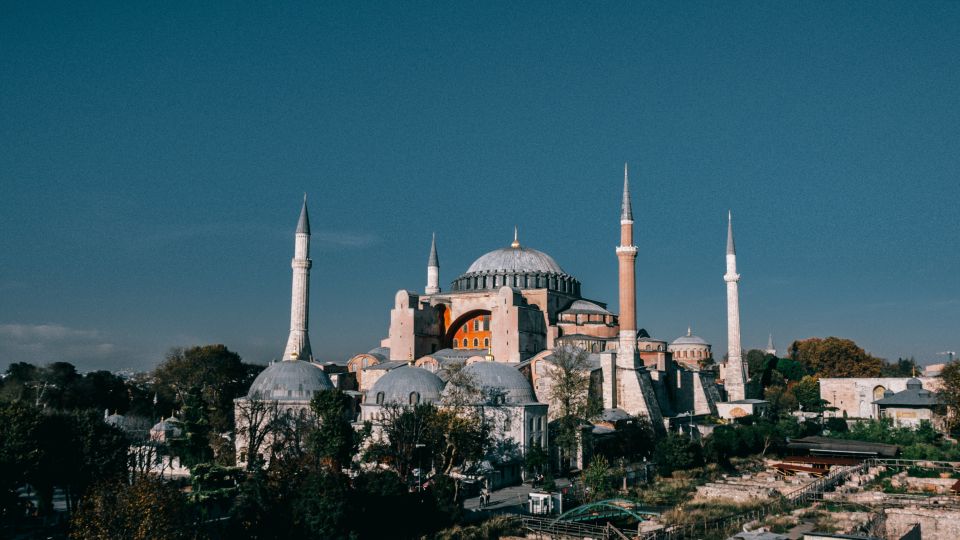
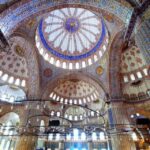
You’ll start at the Sultan Ahmed Mosque, better known as the Blue Mosque. From the outside, it’s all about scale and symmetry. Inside, the visual payoff comes from the famous Iznik tiles—blue-and-white patterns that catch the light differently as you move.
What I find most helpful on a guided visit is knowing what to look for besides the obvious. The guide points out:
- the way the architecture blends influences, so it doesn’t feel like a random collection of parts
- the layout and the visual rules that shape the space
- the significance of the mosque’s six minarets (a detail you can easily miss if you’re only scanning for the perfect selfie angle)
Dress rules matter here. The tour specifically asks for long pants and a headscarf for women. Plan to bring something you can put on quickly without constant adjusting. If you’re forgetting one thing, forget nothing for this: the headscarf requirement is real.
Timing tip: early in the day, or on a day when crowds are calmer, you’ll likely get an easier walk-through experience. The tour’s “skip-line” style helps too, but the Blue Mosque is still a functioning place of worship, so expect some natural limits.
Hagia Sophia: from empire to museum, and how to read the building
Next you’ll head to Hagia Sophia, one of those places where the guide’s job is almost more important than your camera. This building has served as a church, a mosque, and today it’s a museum. That timeline isn’t just trivia; it affects what you notice—mosaics, architectural choices, and the feel of the space.
Inside, you should expect:
- the massive dome and the way it dominates your sense of scale
- intricate mosaic details that reward slow looking, even if your time is limited
- the “layered” feeling—elements that reflect different eras rather than one single uniform style
Entrance tickets aren’t included for Hagia Sophia, so you’ll pay separately (the tour information lists 30 euros per person). That’s the price of admission to a world-class site, plain and simple. Your guided routing helps you keep momentum, and the tour is set up to avoid the worst queue moments.
Dress rules again: women need a headscarf here too. Long pants are also recommended.
If you’re trying to decide where to spend your attention, put it into the dome and the mosaic areas. Those are the visual anchors that make Hagia Sophia feel like more than a building you pass by.
Basilica Cistern underground: what the skip-line access buys you
The Basilica Cistern (Yerebatan Sarnıcı) is the most unusual stop on the tour. You go from bright, busy streets to a quiet underground space that feels almost cinematic.
This is where the skip-line promise has real value. With crowds around the surface sights, queue time can easily steal your energy. Getting in smoothly makes the Cistern experience less stressful and helps you actually look at what matters: the water reflections, the stone columns, and the eerie atmosphere created by the lighting.
What to watch for inside:
- the famous Medusa heads, which you’ll see mounted as part of the Cistern’s visual design
- the way water reflections ripple across the floor, making the space look different from moment to moment
- the column layout, which gives the room that long, vanishing-point effect
Entrance tickets for the Cistern are not included. The tour lists the Basilica Cistern entrance ticket as 1950 TRY per person (cash). In other operator notes, you may see a different Turkish-lira figure mentioned for combined ticket budgeting, so don’t assume one number will magically cover everything. Bring cash and double-check the current amount when you’re paying.
One more reality check: the Cistern is underground, but it’s still a public space. It can feel cooler than expected, so if you run cold easily, bring a light layer.
You can also read our reviews of more tours and experiences in Istanbul



Grand Bazaar: shopping energy without losing the plot
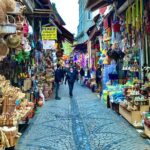
After the underground quiet, the Grand Bazaar hits like a different world. This is one of Istanbul’s best “sensory” experiences: narrow lanes, shopfronts packed with goods, and an atmosphere shaped by centuries of trading.
The tour frames the Bazaar as a place to browse with intent. You’ll see categories like:
- spices
- textiles
- jewelry
- carpets
Here’s the practical part: don’t try to “win” the Bazaar. Trying to see everything in one stop leads to fatigue and decision fatigue. Instead, use the guided walk to orient yourself. Ask the guide what’s worth your time based on your interests—spice vs. textiles vs. carpets is a real difference in how you’ll enjoy the browse.
Also, keep your expectations realistic. The Bazaar is busy. You’re walking through a marketplace, not museum galleries. If you want quiet, focus on 2–3 lanes where you feel comfortable, then pick one item type to consider seriously.
If shopping isn’t your thing, treat it as a cultural scene. The Bazaar is where Istanbul’s trade tradition becomes visible in everyday ways.
Price and ticket math: is this tour actually a bargain?
The listed tour price is $36 per person, for about 5 hours with an English-speaking guide and headsets when needed. That price includes the guided route and the “skip the ticket line” advantage, which is the part that can save you real time and energy in Sultanahmet.
But you also need to plan for the entrance fees:
- Hagia Sophia entrance ticket is listed as 30 euros per person
- Basilica Cistern entrance ticket is listed as 1950 TRY per person cash
- There’s also a note pointing to 3000 Turkish lira per person for entrance tickets, which suggests pricing details can vary by how totals are quoted
So the honest way to look at value is this: the tour price buys you organization, an expert guide, and time savings. The monuments themselves still cost money to enter. If you were to do this solo, you’d pay similar entrance fees anyway, but you’d spend more time locating the right routes, timing your visits, and dealing with queues at the busiest sites.
If you’re on a short trip to Istanbul or you want a first-day overview, $36 is a strong base price for a guided “big hits” sequence. If you already know the sites well and you hate crowds, you might do better with self-guided visits. For most people, this strikes a useful middle ground.
The guide makes the difference: Oz (and friends) in action
A pattern shows up in the experience: the tour guide’s personality is a major part of why people rate this so highly. Names like Oz (often spelled Oguz) and Arkan appear in the guide credits, and the common theme is storytelling that connects what you’re seeing to why it exists.
Here’s what that means for you, in practical terms:
- You’re less likely to get lost in the details because the guide gives you a mental framework.
- You get explanations that make the buildings feel understandable instead of just impressive.
- You have someone to ask questions when you notice something you can’t place.
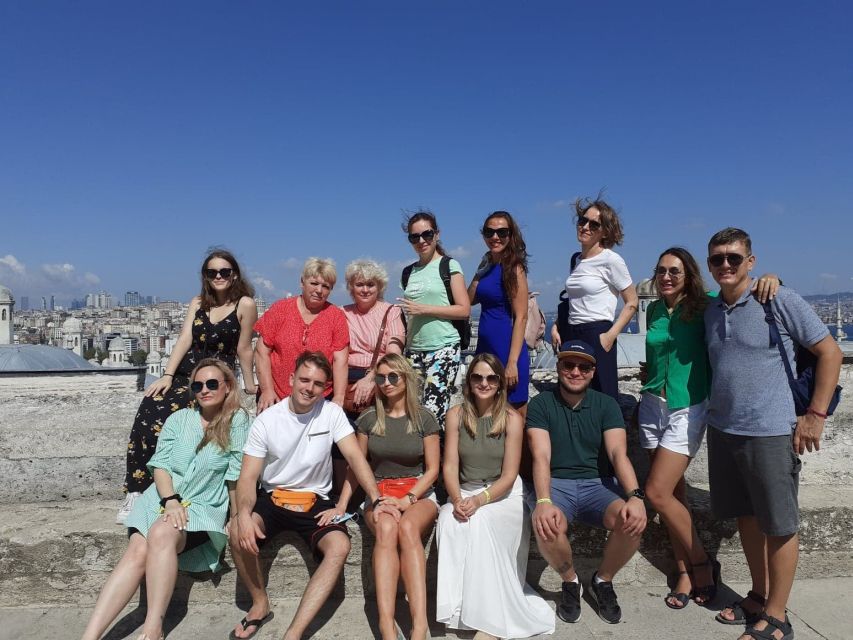
If you’re traveling with kids or you want history without getting lectured, this style tends to work. Expect humor, fast pacing, and guide-led photo stops that are aimed at helping you catch the best angles rather than just rushing you through.
What to bring (and the dress rules you can’t skip)
The tour’s prep list is simple:
- Long pants
- Cash (especially for the Cistern ticket as listed)
- Headscarf
And yes, the guide data is clear about headscarves: women must wear a headscarf in Hagia Sophia and the Blue Mosque.
I’d also add shoes that handle uneven stones and lots of walking. Even if the stops don’t feel huge, the transitions between sites add up.
If you’re sensitive to hearing crowded interiors, don’t assume the group will always be small. The tour includes headsets if more than 15 people, which is a big reassurance.
Who this tour fits best—and who should reconsider
This tour is built for active sightseeing. It’s a walking loop through major sites, with indoor time at the mosques and museum, plus an underground stop.
It’s marked wheelchair accessible, but it also says it’s not suitable for people with mobility impairments. That contradiction usually boils down to how much walking, steps, and uneven surfaces you can handle around historic sites. If mobility is a concern, you should confirm the on-the-ground route with the provider before booking.
It’s also listed as not suitable for:
- pregnant women
- people with heart problems
If any of those apply, consider a different format with fewer steps and shorter walking legs.
If you’re healthy, comfortable walking for several hours, and want a first-timer overview, this tour matches your pace.
Should you book this Hagia Sophia, Blue Mosque, Cistern & Bazaar Tour?
Book it if you want a guided overview of Istanbul’s most famous Sultanahmet landmarks plus a quick hit of the Grand Bazaar, all in one 5-hour chunk. The skip-line value is real, especially at the Cistern, and having an English-speaking guide helps you understand the buildings instead of just photographing them.
I’d hesitate if you strongly prefer unstructured time, hate marketplaces, or you’re traveling with mobility constraints that make walking tough. Also, treat the $36 as the start price—entrance tickets for Hagia Sophia and the Basilica Cistern are extra, and you’ll need cash and the right dress items.
If you’re planning a short trip and want “the essentials” done well, this is a solid choice.
FAQ
How long is the Istanbul Hagia Sophia, Blue Mosque, Cistern & Bazaar tour?
The tour is listed as 5 hours.
Where does the tour meet?
It meets in front of Pudding Shop Lale Restaurant.
Are the entrance tickets included for Hagia Sophia and the Basilica Cistern?
No. The tour information lists entrance tickets as not included. Hagia Sophia is listed at 30 euros per person and the Basilica Cistern entrance is listed as 1950 TRY cash per person (there is also a note about 3000 Turkish lira per person, so confirm the current amounts).
Does the tour skip the ticket line?
Yes, it’s described as skip the ticket line access.
Do I need a headscarf?
Women need a headscarf for Hagia Sophia and the Blue Mosque.
What should I bring?
The tour recommends bringing long pants, cash, and a headscarf.
Is the tour wheelchair accessible?
The activity is marked as wheelchair accessible, but it also states it is not suitable for people with mobility impairments, so it’s worth confirming details that affect your specific needs.
What cancellation options are offered?
It offers free cancellation up to 24 hours in advance for a full refund.