REVIEW · ISTANBUL
Istanbul: 1 or 2-Day Private Guided Tour with Hotel Transfer
Book on GetYourGuide →Operated by Booking Guide Turkey · Bookable on GetYourGuide
Istanbul’s icons fit into one tight plan. This private, guided route links Byzantine monuments to Ottoman power with efficient stops, plus a cruise for the view that ties Europe to Asia.
I especially love how the day pairs Hagia Sophia with the Blue Mosque and explains what you’re seeing beyond the postcard. And I’m a fan of the Ottoman story arc: Topkapi Palace for sultans and courts, then Dolmabahce Palace for the last-era splendor. Reviews also repeatedly credit guides like Mehmet Musa, Numan, Shaaban, and Yasin for pacing, clarity, and real respect.
One consideration: the schedule is full, and you’re walking a lot between major sights. Also, entrance fees and lunch/drinks are not included, and if a site is closed you may get a replacement day plan.
In This Review
- Key things that make this tour worth your time
- Why Istanbul’s two faith icons work best in one guided sweep
- Day One: Hagia Sophia, Blue Mosque, Hippodrome, Topkapi, and the Grand Bazaar pace
- Entering Hagia Sophia and the Blue Mosque without losing the plot
- A quick time machine at the Hippodrome of Constantinople
- Topkapi Palace: where Ottoman rulers turned imagination into policy
- The Grand Bazaar: bargaining practice without getting overwhelmed
- Day Two: Spice Bazaar, Bosphorus cruise, Dolmabahce Palace, and Istiklal Street energy
- Spice Bazaar: the market that feeds your senses first
- A Bosphorus cruise that turns the map into a memory
- Dolmabahce Palace: Ottoman tradition meets European showmanship
- Istiklal Street and Taksim: finishing with choices instead of closures
- Closures, swaps, and how to plan around real Istanbul timing
- Getting around: tram, ferry, taxi, and the reality of transit tickets
- Skip-the-ticket-line: where it saves time most
- Price and value: is $188 a fair deal for a 1–2 day private guide?
- What to know before you go: rules, gear, and comfort tips
- Who this tour fits best (and who might want a different plan)
- Should you book this private 1–2 day Istanbul tour?
- FAQ
- FAQ
- What does the tour price include?
- Is this tour private?
- How long is the tour?
- Do I skip ticket lines?
- Which days include which main stops?
- What if a major site is closed on my day?
- What transportation is used during the tour?
- Are there rules about what I can bring?
Key things that make this tour worth your time
- Skip-the-ticket-line access helps you spend more minutes looking and less time waiting.
- Private guide service means you can ask questions and adjust pacing on the fly (a theme in the feedback for guides like Mehmet Musa and Numan).
- Ottoman palaces on purpose: Topkapi’s chambers and Dolmabahce’s ornate halls, not just quick photo stops.
- Two different bazaars: Grand Bazaar for bargaining practice, Spice Bazaar for smells and market life.
- Bosphorus cruise gives you the Europe-Asia connection from the water, not just from a bridge photo.
Why Istanbul’s two faith icons work best in one guided sweep
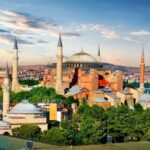
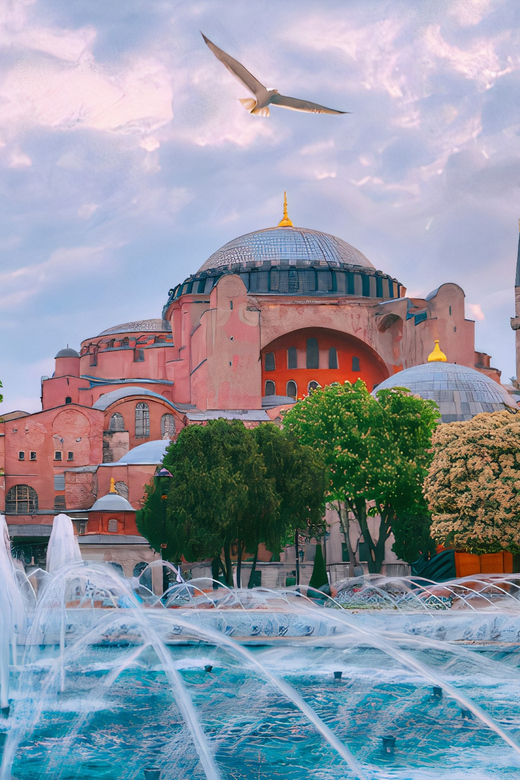
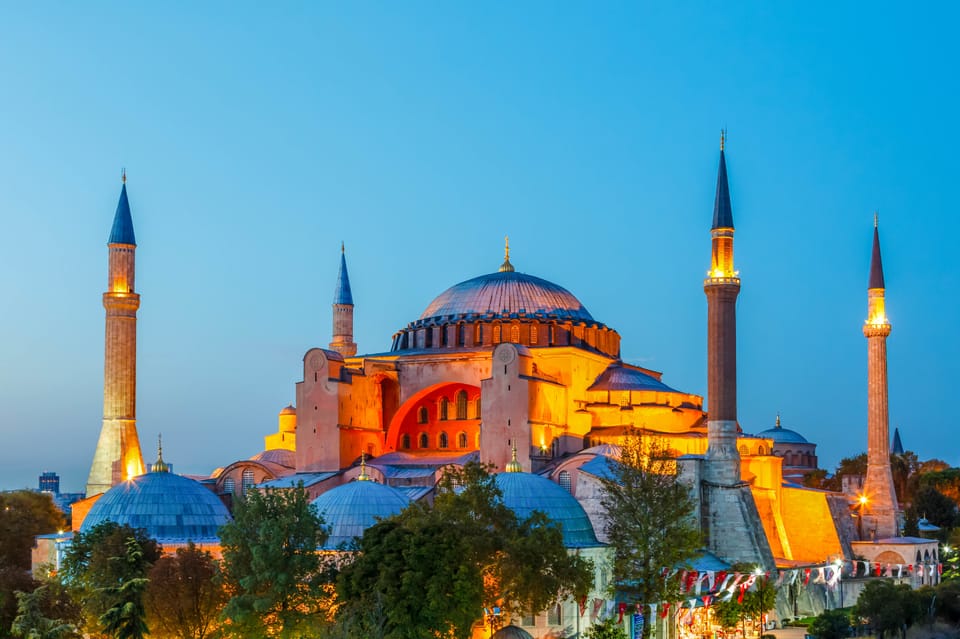
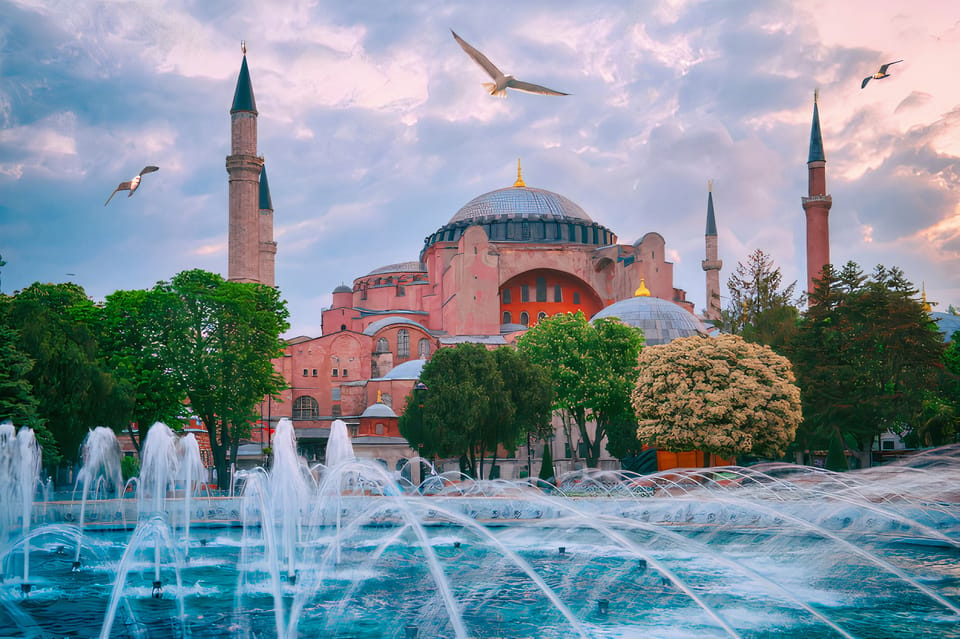
Istanbul’s most famous religious buildings can feel like two separate trips—until you see them back-to-back with context. The value here is that you don’t just reach the monuments. You understand why Hagia Sophia’s dome and mosaics mattered, and why the Blue Mosque became a symbol through its interior tiles and design.
You’ll also get help with expectations. There’s a note that the Blue Mosque has been under renovation through end of 2020, so parts of the ceiling may be temporarily covered (depending on your visit timing). That’s the kind of detail that matters because it changes what you’ll notice once you’re inside.
You can also read our reviews of more guided tours in Istanbul


Day One: Hagia Sophia, Blue Mosque, Hippodrome, Topkapi, and the Grand Bazaar pace
Your first day is built around the historic core where empires stacked on top of each other. With hotel pickup, you start in motion, then settle into a walking rhythm that keeps you from wasting time trying to figure out what’s where.
Entering Hagia Sophia and the Blue Mosque without losing the plot
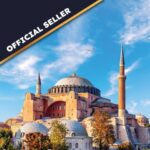
Hagia Sophia is the kind of place where you immediately feel the scale. The guide framing helps you read it: it was once the largest church in the world, and the mosaics plus the domed ceiling are the clues. You’re not expected to memorize dates—you’re guided to notice the design choices that reflect how power and belief were expressed.
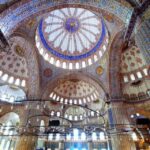
Then you shift to the Blue Mosque, famous for its blue interior tiles and its status as one of the city’s icons. Since both sites are so visually intense, I like that the itinerary keeps you from bouncing between them over multiple days. You get contrast, and you learn better by seeing differences right away.
A quick time machine at the Hippodrome of Constantinople
Next comes the Hippodrome area, a former center of Byzantine life. The stops aren’t vague. You get specific monuments to look for, including the Egyptian Obelisk, the Serpentine Column, and the Constantine Column.
If you’ve ever felt lost in ruins, this is a relief. The guide gives you what to search for, so you don’t walk through a yard of stone feeling like you missed the meaning.
You’ll also pause at the German Fountain of Wilhelm II, another reminder that Istanbul’s history isn’t one straight line—it keeps collecting layers.
Topkapi Palace: where Ottoman rulers turned imagination into policy
Topkapi is where the Ottoman story becomes physical. The best part of the experience is that you’re not only seeing courtyards. You learn why the palace sat at the center of Ottoman life for nearly 400 years.
Inside, you’ll see gardens and distinctive details like Iznik tiles. And you’ll step into the harem area, which is one of the places that tends to spark questions fast. What I like about having a guide here is that you get the human explanation behind the architecture—how court life worked, why certain spaces existed, and what the artwork was doing.
You can also read our reviews of more private tours in Istanbul



The Grand Bazaar: bargaining practice without getting overwhelmed
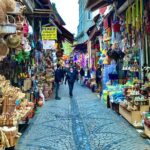
The Grand Bazaar is big enough that you can wander for hours and still not feel like you did anything. The guide approach helps you treat it as a place with a goal: practice bargaining, learn what to look for, and focus on what you actually want to buy.
This market is described as one of the world’s largest covered bazaars, with hundreds of shops. That can sound like chaos, but the practical value is that you’re going with a plan and someone who can steer you away from time-sinks.
If you like souvenirs, jewelry, spices, carpets, or Turkish delights, this stop is built for you. If you’re trying to avoid shopping pressure, you can still enjoy the atmosphere—just set your limits early, and remember that the fun is in the conversation, not winning a deal.
Day Two: Spice Bazaar, Bosphorus cruise, Dolmabahce Palace, and Istiklal Street energy
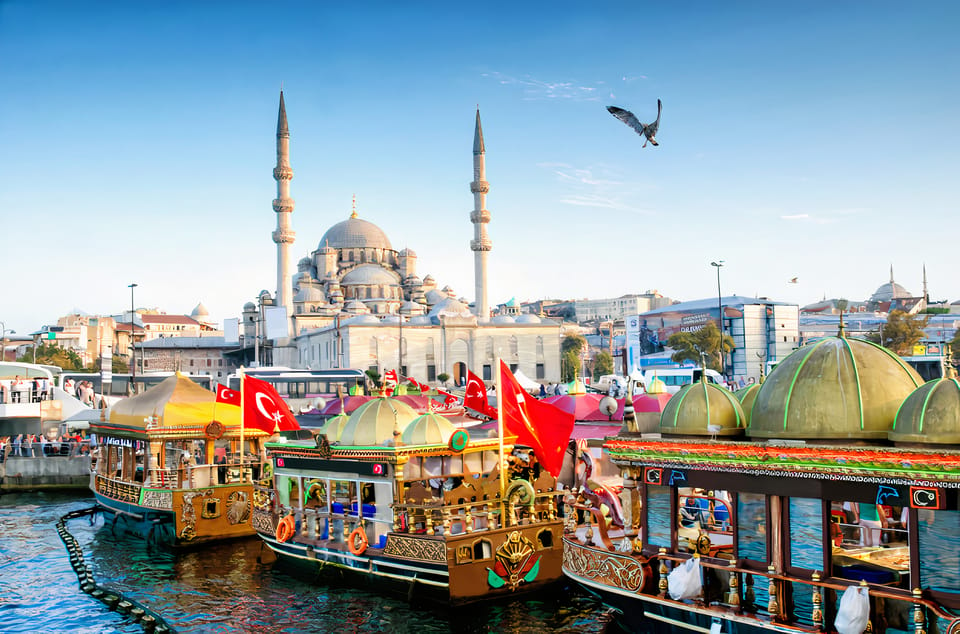
The second day feels like the city opening up. You start with a market that hits your senses, then switch to water views, then finish with a lively street where you can end the trip on your terms.
Spice Bazaar: the market that feeds your senses first
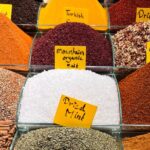
The Spice Bazaar is also known as the Egyptian Market. The description is accurate in spirit: it’s the kind of place where herbs, teas, and Turkish delights fill the air.
I like using a market early in a day like this, because it sets an easy pace. You’ll be tempted to snack or browse, and you’re still fresh enough to enjoy the details rather than rushing through.
A Bosphorus cruise that turns the map into a memory
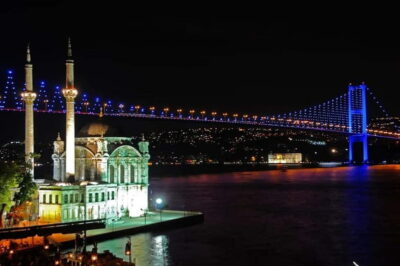
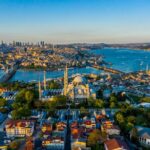
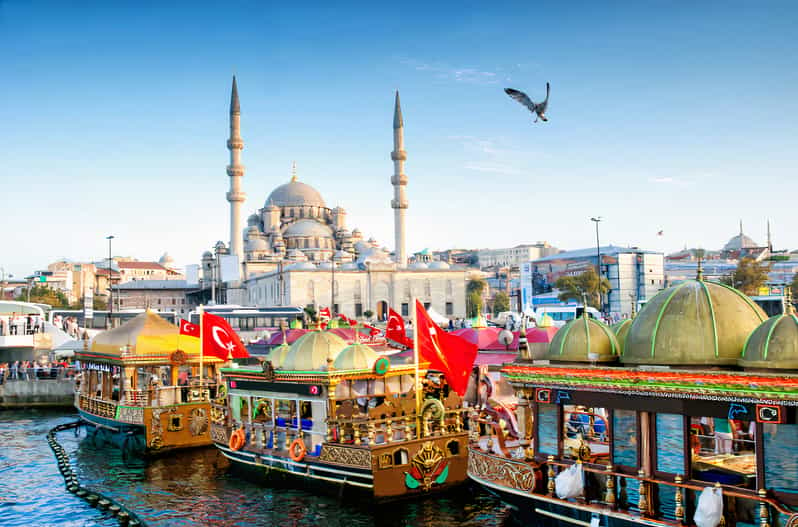
The Bosphorus Strait cruise is a big highlight because it changes your perspective. From the water, you get palaces, mosques, and fortresses along the shores, and you get a clearer sense of how the city sits between Europe and Asia.
There’s also a highlight mention of the Bosphorus Bridge, connecting Europe and Asia. Even if you don’t stare at it the whole time, it adds meaning to what you see around you.
This is one of those experiences where you should plan for photos and also for quiet. The cruise makes the history feel less like trivia and more like geography you can actually understand.
Dolmabahce Palace: Ottoman tradition meets European showmanship
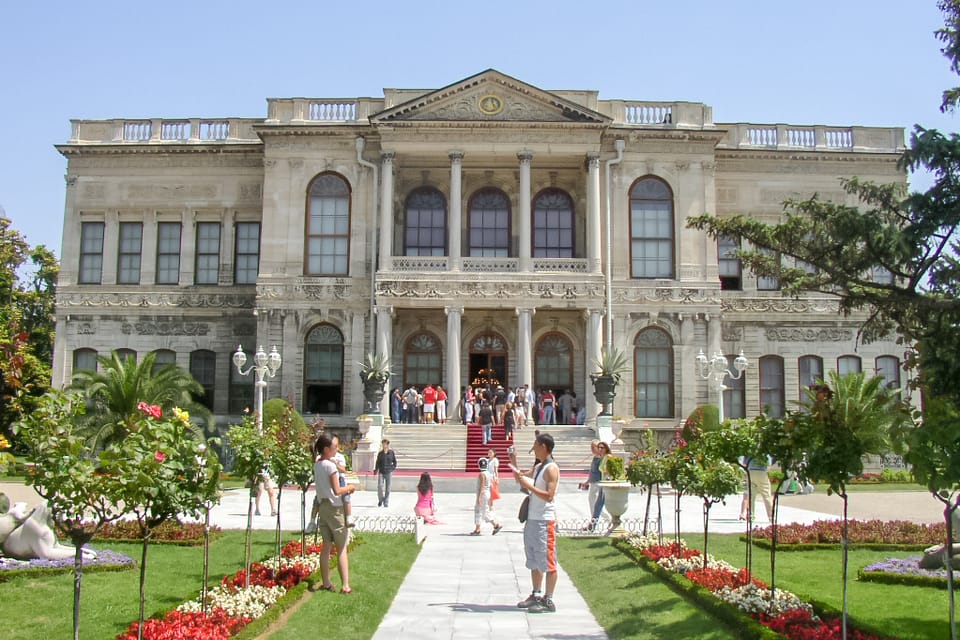
Dolmabahce Palace is an opulent 19th-century residence of the last Ottoman sultans, built on reclaimed land along the Bosphorus. The palace design is described as a mix of Ottoman tradition and European grandeur, with ornate halls and glittering chandeliers.
This is also where the guide quality matters. The palace is visually rich, and without guidance you might miss the story threads—how power shifted late in the Ottoman era, and how the building communicated that change.
Istiklal Street and Taksim: finishing with choices instead of closures
The tour ends on Istiklal Street and Taksim Square. It’s a practical way to close the trip because you land in a neighborhood with shops and cafés. The itinerary also notes a leisurely walk down toward the Galata Tower district, which is handy if you want to keep exploring after your guide leaves you.
Closures, swaps, and how to plan around real Istanbul timing
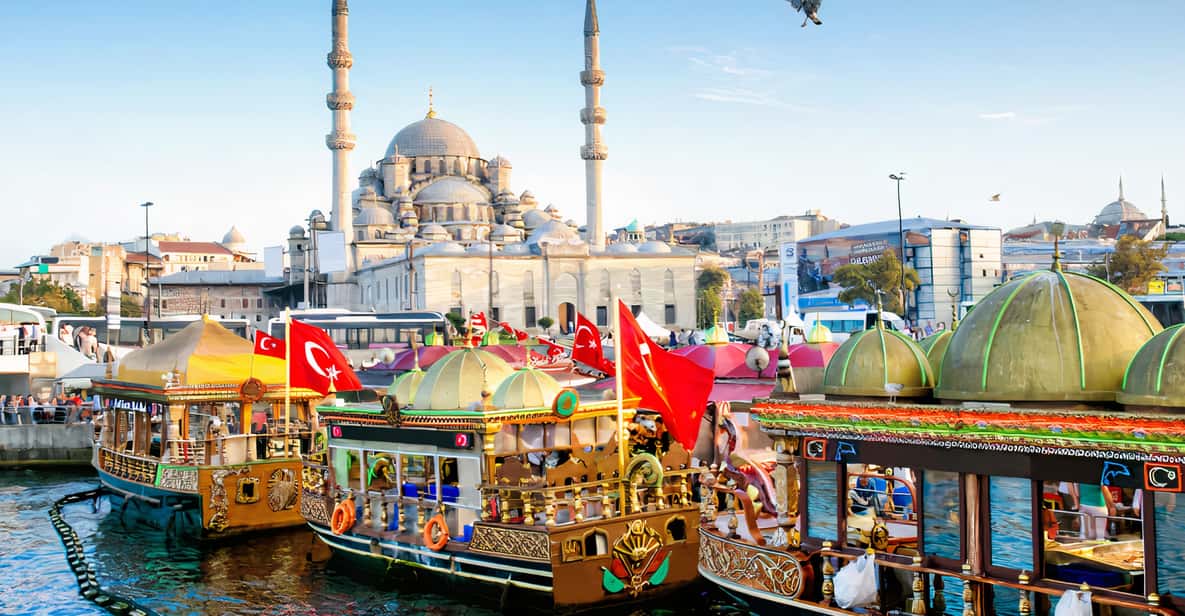
In Istanbul, days and openings matter. This tour includes notes about closures:
- Grand Bazaar is closed on Sundays
- Hagia Sophia is closed on Mondays
- Topkapi Palace is closed on Tuesdays
- Dolmabahce Palace is closed on Mondays and Thursdays
If your chosen day has a closure, the operator may move the itinerary to the next available day. And if it can’t be shifted, they’ll replace the tour portion with a visit to the underground cistern or Galata Tower.
My advice: when you choose your dates, be flexible in your expectations about which day you’ll do the “big-ticket” spots. If you only care about one building and it’s on a closure day, you could end up disappointed—so align your visit window with the sites you most want.
Getting around: tram, ferry, taxi, and the reality of transit tickets
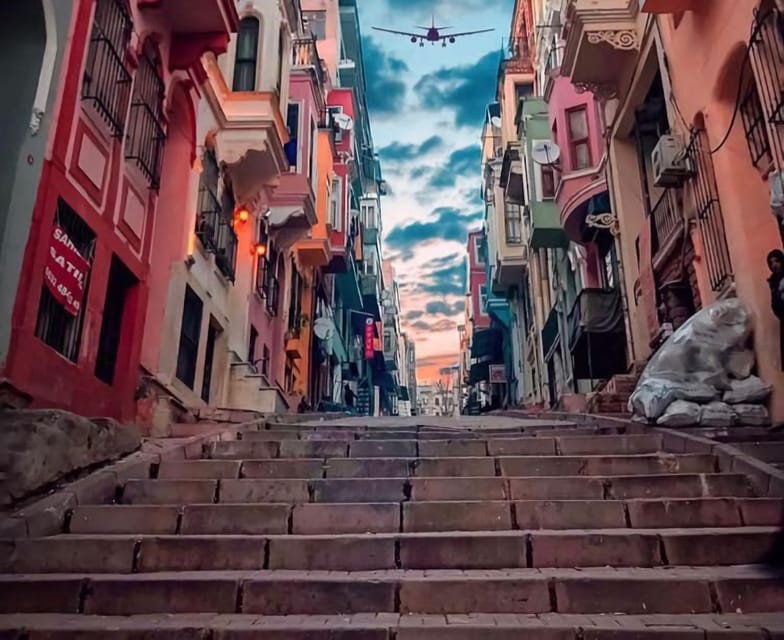
One detail that’s genuinely helpful: the local guide will take you around by tram, train, ferry, taxi, and bus. That means you’re not dependent on one slow route or one expensive ride.
But transportation itself is listed as not included, and there’s a specific clue on cost: a one-way transportation ticket costs 3 TL, about 1 EUR. So you’ll likely handle a small number of short rides on your own, depending on your route that day.
If you hate transit hassles, private guiding here is still a win. The guide does the steering, and you get to focus on watching and learning instead of hunting down lines and stops.
Also, you may select a walking or driving tour option for comfort. That can matter if you’re sensitive to walking distances, but keep in mind the tour is marked as not suitable for people with mobility impairments. It’s also listed as wheelchair accessible, so if you need specific help, confirm the practical arrangement before you go.
Skip-the-ticket-line: where it saves time most
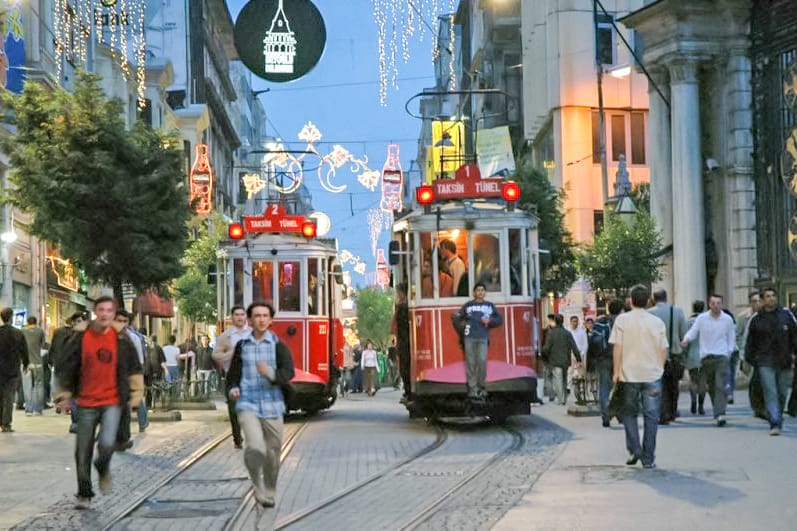
The tour includes skip-the-ticket-line, which is one of the most valuable “small” inclusions in busy Istanbul. It doesn’t remove every kind of delay (there are still security checks at many major sites), but it usually helps you avoid the longest queues.
In the reviews, people repeatedly call out that skipping lines makes a real difference—especially during tight one-day schedules. It also means your guide can keep the pace from slipping, so you reach places like Topkapi and the bazaars without the day collapsing into waiting.
Price and value: is $188 a fair deal for a 1–2 day private guide?
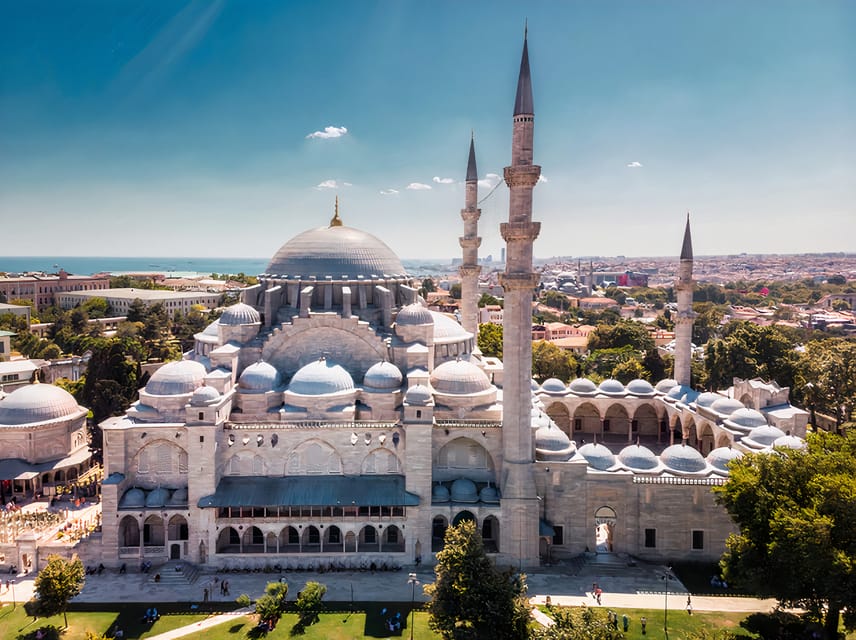
At $188 per person, you’re paying for three things: a private licensed-style guide experience, hotel pickup and drop-off, and a packed routing of major landmarks. Entrance fees and lunch/drinks are not included, so the total spend can creep up once you add museum tickets and meals.
Here’s how I think about value in this kind of tour:
- If you have only one day, the skip-the-ticket-line plus guided routing often justifies the cost because time is the scarcest resource.
- If you choose two days, you get breathing room for the major sights plus a cruise and two bazaars. That turns the price into something closer to “buying back your energy,” not just buying access.
This is also a tour where guide quality changes the outcome. The feedback repeatedly praises guides for being respectful, punctual, and flexible—plus for giving suggestions to minimize waiting time. When you get a guide who adjusts your day, you feel the money at work.
What to know before you go: rules, gear, and comfort tips
A few practical constraints are stated:
- Pets aren’t allowed
- Tripods aren’t allowed
So if you’re bringing a camera rig, plan for handheld shots.
For comfort, expect a lot of walking between iconic locations. Wear shoes you can keep on for hours, and bring layers. Mosques and major interiors can feel cooler than the streets in between.
And since this tour mixes several major buildings and markets, it helps to be ready for crowds at the entrances and in the bazaar lanes, even with line-skipping. You’ll still want patience—and you’ll look smarter doing it.
Who this tour fits best (and who might want a different plan)
This private guided format is a strong match if you:
- Want to hit the headline sites fast without getting lost
- Like learning the story behind architecture, not just taking photos
- Prefer hotel pickup over figuring out transit with a tight schedule
- Want a guide who can adjust pacing to your interests
It’s also a good choice if you like marketplaces. The tour gives you both the Grand Bazaar’s bargaining challenge and the Spice Bazaar’s sensory atmosphere.
If you’re a slow traveler who wants long rests, deep wandering in one neighborhood, or a low-effort day, this may feel heavy. The route is designed to cover a lot—so choose your energy level honestly.
Should you book this private 1–2 day Istanbul tour?
If you’re trying to make the most of limited time, I’d book it—especially for the combination of Hagia Sophia + Blue Mosque, Ottoman palaces at Topkapi + Dolmabahce, and the Bosphorus cruise. This is the kind of itinerary that works because the guidance turns famous places into understandable places.
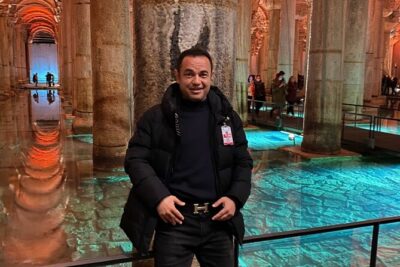
If your dates fall on the closure days, don’t panic. The operator notes itinerary shifting or replacement stops like the underground cistern or Galata Tower, so you can still build a full Istanbul day.
My main “don’t-book-without-thinking” moment is the pace. Because entrances and lunch aren’t included, and because you’ll be walking, you’ll want to plan meals and shoe comfort in advance.
FAQ
FAQ
What does the tour price include?
The price includes the guide and hotel pickup and drop-off (for the selected option). Entrance fees, transportation, lunch, and drinks are not included.
Is this tour private?
Yes. It’s a private group tour.
How long is the tour?
It’s listed as 7 hours for the one-day option or up to 2 days for the extended option.
Do I skip ticket lines?
Yes. Skip the ticket line is included.
Which days include which main stops?
On Day 1 you’ll cover Hagia Sophia, the Blue Mosque, the Hippodrome, Topkapi Palace, and the Grand Bazaar. On Day 2 you’ll cover the Spice Bazaar, a Bosphorus cruise, Dolmabahce Palace, and end in the Istiklal Street/Taksim Square area.
What if a major site is closed on my day?
The itinerary may be moved to the next available day if your chosen day is affected. If it can’t be moved, the local supplier will replace the closed-day visit with the underground cistern or Galata Tower.
What transportation is used during the tour?
Your local guide takes you around by tram, train, ferry, taxi, and bus. Transportation tickets are not included, and a one-way ticket costs 3 TL (about 1 EUR).
Are there rules about what I can bring?
Yes. Pets and tripods are not allowed.