REVIEW · ISTANBUL
Istanbul Private Tours: 1, 2 or 3 Day Highlights
Book on Viator →Bookable on Viator
Istanbul history stacks up fast here. This private tour keeps the day tight, and I love how you get Ottoman and Byzantine stories side-by-side with a licensed guide. Guides like Ozgur and Ali are especially praised for adapting the pace and explaining the big picture. The one consideration is extra admission is common for the top stops, like Hagia Sophia and the Basilica Cistern.
You’ll start with hotel pickup when you’re in the city center, and if not, your guide meets you at Sura Design Hotel near the old town area. It’s private for your group (capacity is listed as up to 8), and you also get a mobile ticket to make entry smoother on busy days. The tour is in English, and it runs about 6 to 20 hours depending on whether you choose a 1, 2, or 3 day plan.
Most of the sightseeing is built around walking between close landmarks in the core, so you’ll be on your feet and moving through neighborhoods that are active all day. Expect practical timing quirks: the Blue Mosque has Friday schedule limits (outer visit only until around 2–2:30 pm), and the Grand Bazaar is closed on Sundays.
In This Review
- Key Things That Make This Tour Worth It
- How a Private Guide Makes Istanbul Click
- Meeting Point, Pickup, and the Walk-Close Sight System
- The Sultanahmet Cluster: Hippodrome, Blue Mosque, and Hagia Sophia
- Stop 1: Hippodrome Monuments and Constantinople’s Public Life
- Stop 2: Blue Mosque, Tilework, and Friday Timing
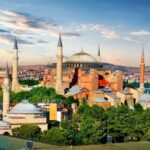
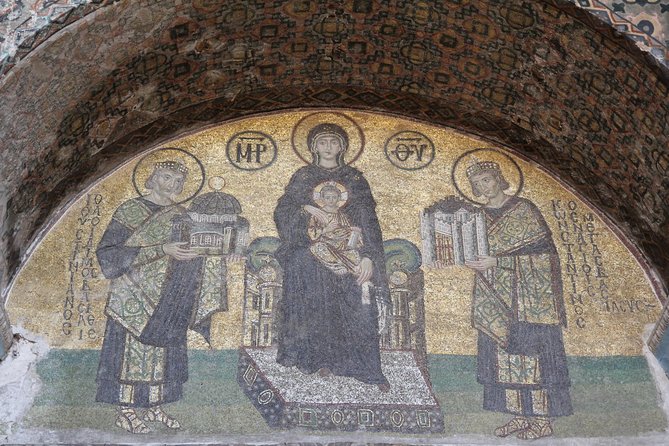
- Stop 3: Hagia Sophia Museum, Mosaics, and Mosque-Era Layers
- Basilica Cistern and Caferaga Medresesi: Istanbul’s Quiet Side
- Stop 5: Basilica Cistern’s Columns and Medusa Carvings
- Stop 4: Caferaga Medresesi as an Ottoman-Designed Showcase
- Ottoman Masterpieces Beyond the Big Names: Suleymaniye and Rustem Pasha
- Stop 14: Suleymaniye Mosque and Mimar Sinan’s Big Scale
- Stop 15: Rustem Pasha Mosque’s Iznik Tile Details
- Grand Bazaar and the Spice Market: Where Shopping Becomes a Sensory Tour
- Stop 6: Grand Bazaar for Old-School Commerce
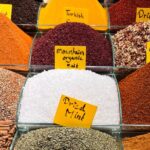
- Stop 7: Misir Carsisi (Spice Market) for Saffron, Sumac, and Tea
- Bosphorus Strait and Dolmabahçe: Views Without Needing a Private Yacht
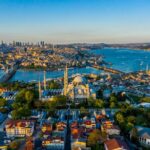
- Stop 8: Public Boat Tour on the Bosphorus
- Stop 12: Dolmabahçe Palace Museum
- Galata, Taksim, and Istiklal: A Quick Hit of Modern Istanbul
- Stop 9: Taksim Square
- Stop 10: Istiklal Caddesi Pedestrian Boulevard
- Stop 11: Galata Tower Outer Visit
- Fener & Balat and the Church of St. George: Colorful Streets and Multiple Faiths
- Stop 17: Fener & Balat
- Stop 18: Fener Rum Patrikhanesi (Church of St. George)
- How the 1, 2, or 3 Day Choice Changes Your Experience
- Price and Value: What $200 Means in Real Terms
- Should You Book This Private Highlights Tour?
- FAQ
- How much does this tour cost?
- How long is the tour?
- Is hotel pickup included?
- What language is the guide?
- Is this tour mostly walking?
- Are admissions included for major sites like Hagia Sophia and the Basilica Cistern?
- What is the Grand Bazaar schedule?
- Are there holiday dates when markets or major sites are closed?
- Can I cancel for a full refund?
Key Things That Make This Tour Worth It
- Licensed local guide with hotel pickup so you spend less time figuring things out
- Ottoman + Byzantine sights in one flow, from the Hippodrome to the mosques
- Hagia Sophia as a highlight with time spent on mosaics and the museum’s details
- Basilica Cistern underground wow-factor, including the Medusa head carvings
- Markets plus a Bosphorus public boat ride, for skyline views without heavy planning
- Private pacing for your group, instead of sprinting with a big bus crowd
How a Private Guide Makes Istanbul Click
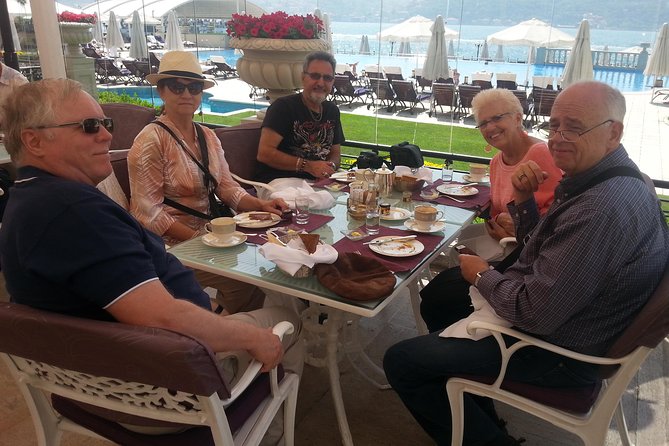
The best part of this kind of tour isn’t a checklist of famous buildings. It’s the way your guide links them into a single story you can actually remember.
I like that you’re not just standing in front of stone and tile. You’re getting the “why” behind what you’re seeing—things like Constantinople’s Roman-era public life at the Hippodrome, then the Ottoman makeover of Istanbul’s most important religious spaces. That shift matters. If you only tour one era, the city feels like separate museums. With this approach, it starts to feel like one long timeline.
And that pacing piece is real. In the feedback, guides named Ozgur and Ali both get credit for being friendly, organized, and willing to adjust to what the group wants—whether that’s slower explanations or a bit more time where you’re most interested.
You can also read our reviews of more private tours in Istanbul

Meeting Point, Pickup, and the Walk-Close Sight System
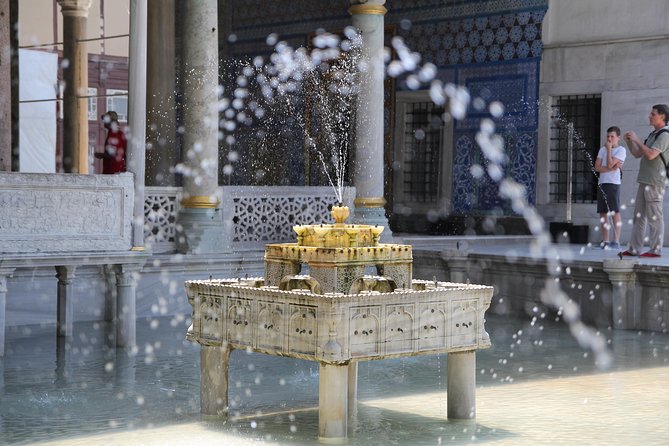
You start either at your hotel (if it’s in the city center or around Galata port) or at Sura Design Hotel in the old city area. If your hotel is centrally located, your guide may pick you up on foot, which is a nice time-saver when traffic and parking can be a hassle.
One practical note: this is built as a walking tour. The highlights are close enough that the route works without constant bus hops, which is great for staying focused. But it also means you should plan for stairs, uneven pavement, and mosque courtyards that can add up—especially if you choose the longer 2–3 day options.
If you really want a break from walking segments, there’s an upgrade option for a private vehicle along with your guide. And if you’re staying in the Sultanahmet area, the plan notes you won’t need to add a vehicle option.
The Sultanahmet Cluster: Hippodrome, Blue Mosque, and Hagia Sophia
This is where many first-time visits to Istanbul start, but the value here is that you see it in context, not as isolated monuments.
Stop 1: Hippodrome Monuments and Constantinople’s Public Life
The day’s first big stop is the Hippodrome—an ancient chariot arena that used to be the heart of Constantinople’s public spectacle. It’s not a museum building you “visit and leave.” It’s open air, with visible reminders that this was where crowds gathered and power showed itself.
You’ll see three standout monuments:
- Obelisk of Theodosius, originally from Egypt and brought to Constantinople
- Serpent Column, with bronze serpent heads
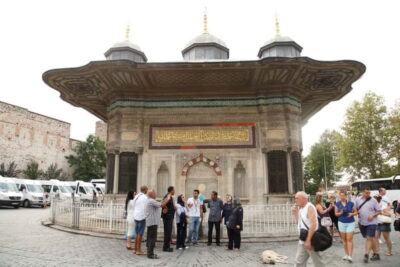
- German Fountain, tied to late 19th-century politics and gifts between rulers
This is a smart start because it explains the city’s “public square” role before the religious architecture takes over.
Stop 2: Blue Mosque, Tilework, and Friday Timing
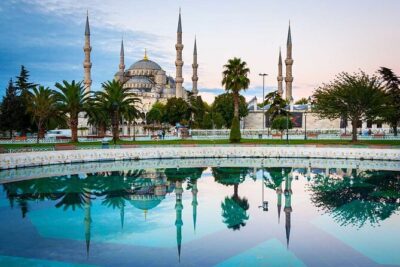
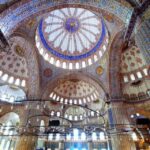
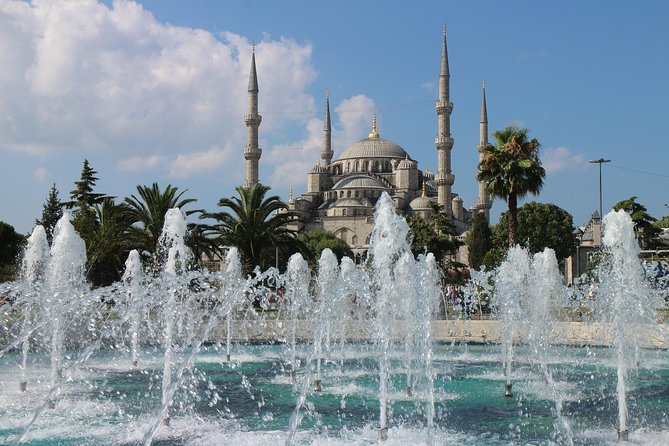
Next up is the Blue Mosque—officially the Sultan Ahmed Mosque—famous for its interior blue tiles and hand-painted decorations. The payoff is inside: the prayer hall’s details can make the building feel alive, especially as light comes through stained-glass windows.
One heads-up you should plan around: on Fridays, the Blue Mosque can close to visitors until about 2–2:30 pm due to the sermon. The plan states it’s outer visit only on Fridays until that time. So if Friday is your day, build your schedule around that.
You can also read our reviews of more tours and experiences in Istanbul


Stop 3: Hagia Sophia Museum, Mosaics, and Mosque-Era Layers
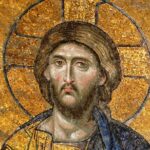
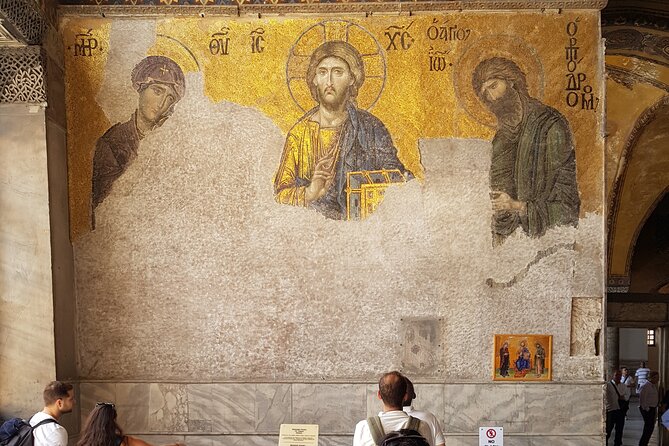
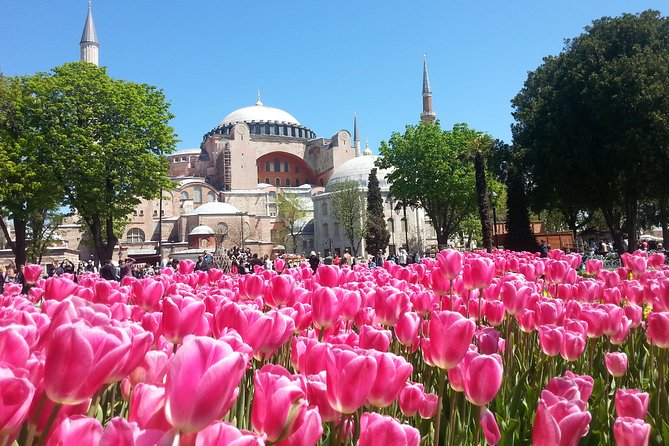
Hagia Sophia is the kind of stop where your guide’s role matters. You’ll learn how the building began as a Christian cathedral in the 6th century, later became a mosque, and now functions as a museum. That layered purpose changes how you read the space.
You should expect time focused on mosaics, intricate calligraphy, and the domes. In the feedback, one of the big “wow” moments came from a guide taking a group up to a gallery area to show glass mosaic details. Ask your guide if that access is available the day you go—it depends on museum operations.
Admission for Hagia Sophia is not included, and the plan also notes it can close during prayer times. That doesn’t mean you’ll miss it, but it does mean you should expect timing shifts.
Basilica Cistern and Caferaga Medresesi: Istanbul’s Quiet Side
Not everything here is meant for selfies and speed. Two stops are built around slowing down and noticing texture.
Stop 5: Basilica Cistern’s Columns and Medusa Carvings
The Basilica Cistern is one of the most unusual places in Istanbul because you’re going underground into a former reservoir. It was built in the 6th century under Emperor Justinian I, and the space is filled with marble columns rising from still water.
What makes it memorable is the mood. Dim light, raised walkways, and those carved Medusa heads you can spot along the way. It’s the kind of stop where you can stand still for a minute and feel like the city disappeared above you.
Admission for the cistern is not included, so budget for that. But if you’re thinking about value, it’s often worth paying for because it’s so unlike the typical streetscape.
Stop 4: Caferaga Medresesi as an Ottoman-Designed Showcase
Caferaga Medresesi is an exhibition hall housed in a building designed by Mimar Sinan. It originally served as a religious school, and today it holds multiple halls with works by Turkish artists and student displays.
This one is short (about 10 minutes), but it works as a calm pause between heavier hitters. If you enjoy architecture and design more than shopping, this stop adds variety without dragging your schedule.
Ottoman Masterpieces Beyond the Big Names: Suleymaniye and Rustem Pasha
Two mosques here show different sides of Ottoman design.
Stop 14: Suleymaniye Mosque and Mimar Sinan’s Big Scale
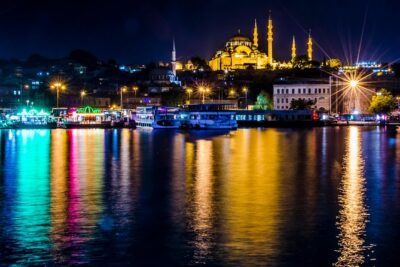
Suleymaniye Mosque is commissioned by Sultan Suleiman the Magnificent and designed by Mimar Sinan. It sits atop the Third Hill of Istanbul, and that location gives you a sense of how power and prayer were meant to relate to the city below.
Inside, you can admire intricate tilework, calligraphy, and stained-glass windows. Then there are the courtyards and gardens—spaces that feel quieter than the street outside. This is a good stop for slowing down, even if you’re doing the tour at a fast pace.
Stop 15: Rustem Pasha Mosque’s Iznik Tile Details
Rustem Pasha Mosque is smaller and more intimate, and it’s famous for its İznik tiles. The walls and decorations use floral motifs and geometric patterns that look incredible in natural light.
It’s listed as an hour, and I’d treat it as a “pause” stop. You’re not rushing. You’re looking closely at tile and light, and letting the place do the work.
Admission here is listed as free, which makes the stop a strong value if you’re trying to manage costs.
Grand Bazaar and the Spice Market: Where Shopping Becomes a Sensory Tour
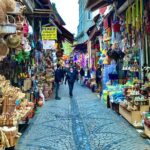
The markets are where Istanbul becomes less about monuments and more about daily life. You’ll move through dense lanes, see stalls of textiles, ceramics, jewelry, and spices, and feel how old commercial routes still shape the city.
Stop 6: Grand Bazaar for Old-School Commerce
The Grand Bazaar is one of the world’s oldest and largest covered markets, with over 4,000 shops. The “why” here isn’t just scale—it’s the cover, the maze layout, and the way it turns buying into a kind of navigation game.
Admission is free. But it’s closed on Sundays, so plan accordingly.
Stop 7: Misir Carsisi (Spice Market) for Saffron, Sumac, and Tea
The Spice Market, also called the Egyptian Bazaar, dates back to the 17th century. The point isn’t just to buy. It’s to smell. You’ll see saffron, cinnamon, sumac, dried fruits, nuts, teas, Turkish delight, and sweets.
This market also has closure notes around religious holidays and certain public holidays. If you’re traveling during those dates, check ahead so you’re not left staring at empty stalls.
Bosphorus Strait and Dolmabahçe: Views Without Needing a Private Yacht
The Bosphorus boat segment is one of the easiest ways to understand Istanbul’s layout. You’re literally moving between Europe and Asia.
Stop 8: Public Boat Tour on the Bosphorus
This is a public boat tour (not a private charter), lasting about two hours. You get panoramic views of the skyline, plus guided insights as you pass major landmarks.
The plan specifically mentions passing:
- Dolmabahçe Palace
- Ortaköy Mosque
- Rumeli Fortress
Because it’s scheduled and guided, you don’t have to figure out routes, ticket counters, and timing. You can just show up and ride.
Stop 12: Dolmabahçe Palace Museum
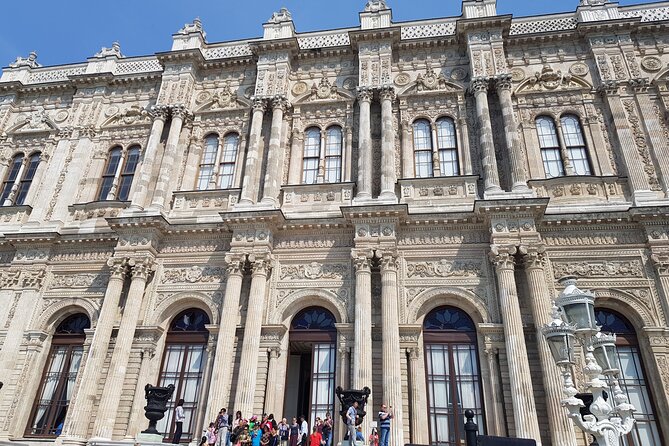
Dolmabahçe Palace sits right on the Bosphorus shoreline and was a residence for monarchs until the abolition of the sultanate in 1922. Today it’s a museum, and admission is not included.
If you’re trying to decide whether to add this, think about what you enjoy most. If you like art, interiors, and state power, it’s a strong choice. If your energy is limited, you may treat it as optional depending on your chosen day length.
Galata, Taksim, and Istiklal: A Quick Hit of Modern Istanbul
After the historic core, you get a feel for modern street life.
Stop 9: Taksim Square
Taksim Square is described as the heart of modern Istanbul, and it’s also a major transit point for the metro network. It’s a good area to connect your old-city story to how people actually move today.
Stop 10: Istiklal Caddesi Pedestrian Boulevard
Istiklal Caddesi is a main pedestrian street lined with 19th-century buildings, shops, theaters, and cafes. Side streets spill into the experience, with bars, antiques, and rooftop spots that can offer Bosphorus views.
Stop 11: Galata Tower Outer Visit
Galata Tower is an iconic structure built in 1348 to help protect the city from fires. Later it served as a prison and also as an observation point. In this plan it’s an outer visit only, so you won’t plan a long pause here.
Fener & Balat and the Church of St. George: Colorful Streets and Multiple Faiths
This is the neighborhood stop that often feels different from the big monuments.
Stop 17: Fener & Balat
You’ll walk around colorful streets with Ottoman-era houses and wooden balconies. The area is known for a mix of cafes, shops, and local rhythm, including the presence of traditional hammams and everyday markets.
There are also notable landmarks nearby, and this stop is listed as about two hours—enough time to wander without feeling lost.
Stop 18: Fener Rum Patrikhanesi (Church of St. George)
The Church of St. George is described as a major Eastern Orthodox church. The plan also frames it within Istanbul’s role as Constantinople (Byzantine Empire) until 1453 and the Ottoman Empire until 1922.
Admission is listed as free, and the stop is about 45 minutes, giving you time to notice architecture and placement within the neighborhood.
How the 1, 2, or 3 Day Choice Changes Your Experience
Because the tour is offered in 1, 2, or 3 day formats, you’re really choosing how many themes you want.
A shorter option is best if:
- You’re seeing Istanbul for the first time and want the key “must-sees” in less time
- You want a fast start before branching into other parts of the city afterward
One guide-led half-day plan has been described as a highlight, covering the old city in about 4–5 hours and leaving time to explore other areas later.
A 2-day plan works if you want:
- The main monuments plus underground and extra mosques
- Markets and at least one water/skyline view
A 3-day plan makes sense if:
- You like variety: big icons, side mosques, and neighborhood wandering
- You want more time for breaks, photos, and slower browsing
If you hate walking, the vehicle upgrade can be a practical way to keep the schedule comfortable—especially on longer plans.
Price and Value: What $200 Means in Real Terms
The price is listed as $200 per group, with a group size up to 5 in the pricing section. The private tour note also says your group can be up to 8, so when you book, confirm the exact cap for your option. Either way, you’re paying for a private guide, pickup support, and a structured route that reduces the effort of planning.
Value usually comes from three places:
1) A licensed guide who helps you interpret what you’re seeing
2) Time saved on sorting out logistics in a city that can feel chaotic
3) Admissions planning clarity—because you’ll know what’s free versus what costs extra
One major factor: admission fees are not included for several stops (Hagia Sophia, Basilica Cistern, Bosphorus boat, and Dolmabahçe Palace are called out as not included). So the final cost can rise depending on which sites you include and on current museum pricing.
Still, if you’d rather pay a guide to handle the flow and keep you focused, this is a solid deal. You’re effectively buying structure, context, and fewer decision points.
Should You Book This Private Highlights Tour?
Book it if you want a confident first pass through Istanbul without turning your day into a map-and-museum scramble. You’ll like it most if you care about understanding why the city looks the way it does—Roman public life at the Hippodrome, Ottoman architecture at the mosques, then neighborhood texture at Fener & Balat and commercial energy at the markets.
Skip or adapt the plan if you:
- Have limited mobility (because the core is walk-heavy)
- Don’t want to pay extra admission for key museums
- Are visiting on a schedule that clashes with known closures (Grand Bazaar Sundays, Friday Blue Mosque timing limits, and holiday closures around Ramadan/Eid/Republic Day)
If you do book, do one simple thing: bring comfortable shoes and plan to stay flexible. Istanbul rewards the slower moments—and with a private guide, those moments become the best part.
FAQ
How much does this tour cost?
It costs $200.00 per group.
How long is the tour?
The duration is listed as approximately 6 to 20 hours, depending on the 1, 2, or 3 day option you choose.
Is hotel pickup included?
Pickup is offered. Your guide meets you in your hotel lobby if you are in the city center area; otherwise, the meeting point is the Sura Design Hotel at the old city.
What language is the guide?
The tour is offered in English.
Is this tour mostly walking?
Yes. It’s described as a walking tour because the highlights are located in a large pedestrian area and are close to each other.
Are admissions included for major sites like Hagia Sophia and the Basilica Cistern?
Admission fees are not included for several stops mentioned on the route, including Hagia Sophia and the Basilica Cistern. Some stops are listed as free, but not all.
What is the Grand Bazaar schedule?
The Grand Bazaar is closed on Sundays.
Are there holiday dates when markets or major sites are closed?
Yes. The plan notes Grand Bazaar and Spice Market closures during Ramadan religious fest dates (2025 March 30–31 and April 1), during Eid al Adha (2025 June 6–9), and on Republic Day (October 29).
Can I cancel for a full refund?
Yes. Free cancellation is available if you cancel up to 24 hours in advance of the experience start time for a full refund. If you cancel less than 24 hours before, the amount paid is not refunded.