REVIEW · ISTANBUL
2 Day Ephesus and Pamukkale Tour From Istanbul
Book on Viator →Operated by Travel Store Turkey · Bookable on Viator
Ephesus and Pamukkale in two days sounds ambitious, and that’s exactly why it’s interesting. You get an organized, small-group route that pairs major UNESCO ruins with the famed white travertines of Pamukkale.
What I like most is the hassle-free flow: round-trip flights plus airport transfers and a guide who explains what you’re seeing (not just pointing). I also appreciate the pacing that keeps you moving between sites without the constant logistics headache.
The big trade-off is time. Even when the sites are great, you can spend a lot of hours in transit, and one reviewer called out a very early pickup and a late return.
In This Review
- Quick takeaways before you go
- The Istanbul-to-Aegean rhythm: why this tour can feel long
- Ephesus: where the monuments still feel alive
- Library of Celsus to the Great Theatre: how to get more out of your walk
- Temple of Artemis and İsa Bey Mosque: short stops, real contrasts
- House of the Virgin Mary: the stop that divides opinions
- Şirince village: your palate-cleanser from the ruins
- Pamukkale’s Cotton Castle: the views are worth it, plan for the crowds
- Hierapolis ruins: Roman spa city logic you can actually follow
- Cleopatra’s Pool: thermal water, warm temps, and a shallow reality
- Hotels and meals: where the included value shows up (and where it doesn’t)
- Price and value: is $843.35 worth it?
- Who should book this tour (and who should plan differently)
- Final verdict: should you book?
- FAQ
- What’s included in the tour price?
- Do you get picked up from your Istanbul hotel?
- Is breakfast included?
- How many travelers are in the group?
- Is admission to Ephesus and Pamukkale covered?
- What happens if the weather is poor?
Quick takeaways before you go
- Small group (max 15): easier questions, less chaos at crowded stops
- Flights + transfers included: you’re not stitching together trains, buses, and hotels
- Ephesus is the anchor day: major monuments plus a real sense of scale
- Pamukkale can feel crowded and shallow: the views are unforgettable, but don’t expect deep swimming
- No breakfast included: you’ll want a plan for mornings at the hotel
The Istanbul-to-Aegean rhythm: why this tour can feel long
This is a “fly out, site-hop, sleep, site-hop again” style tour. The payoff is convenience: you don’t have to research how to get from Istanbul to the Aegean coast, or how to manage a tight schedule across multiple sites.
Here’s what you should expect from the movement. You’re picked up from your Istanbul hotel in the city center. Then you fly and connect with local transfers for the Ephesus area and later for Pamukkale/Hierapolis. You also get an overnight stay in Selçuk or Kuşadası, which matters, because it lets you actually sleep in the region instead of doing a full back-and-forth day trip.
Now the realism: the itinerary may be listed as about two days, but the hours can balloon. One reviewer described a 4am pickup and a return near midnight—meaning you’re with the tour team for a long stretch, even if the visits to Ephesus and Pamukkale feel shorter than you’d like. That’s not unusual for a tour that bundles flights, transfers, and multiple UNESCO sites. Just go in knowing it’s a commitment.
If you hate long travel days, this is the section you should read twice. If you love structured trips and want everything handled, that long-day feeling is the price you pay for not planning.
You can also read our reviews of more tours and experiences in Istanbul



Ephesus: where the monuments still feel alive
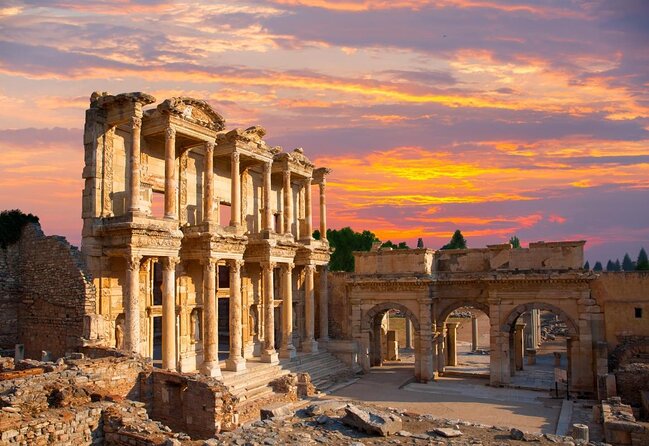
Ephesus is the reason this route works. This ancient city is one of the best-preserved in the region, and it reads like a timeline of Greek and Roman power. What I love about walking through Ephesus is how many landmark types you get in one place: civic buildings, religious sites, and theatre space that still conveys crowd energy.
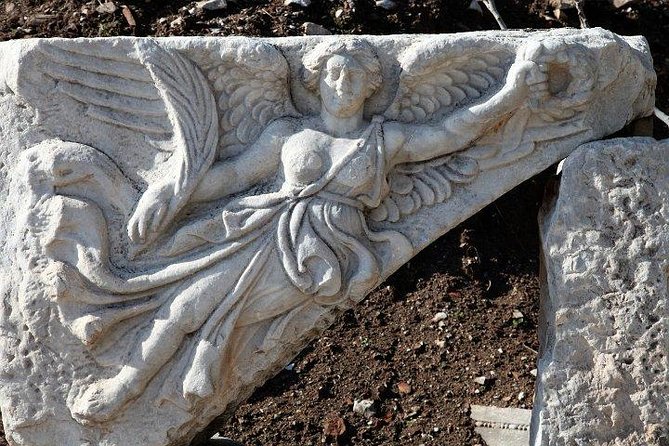
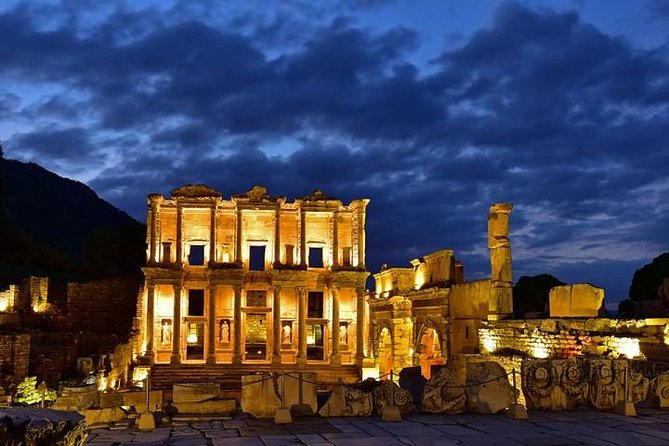
You’ll see the Library of Celsus and the Great Theatre, plus major remains connected to Ephesus’s commercial and cultural importance. The city’s famous marble streets and archaeological details—like mosaics—help you picture daily life rather than treating it like just stone leftovers. It also helps that the UNESCO framing isn’t “lecture mode.” You can actually walk the geometry of the city and feel the scale.
There’s also a religious layer here. Ephesus is tied to Christian tradition through beliefs that the Virgin Mary and Saint John visited the region. Whether you’re strongly religious or just historically curious, that adds a second storyline to the ruins, so the guide can connect architecture and tradition in a way you might not get from a quick self-guided stop.
Practical note: Ephesus can be hot, especially in summer. The sites are outdoor. If you’re going in warmer months, plan for sunscreen, a hat, and drinking water on your own rhythm—even if the tour includes lunch later.
Library of Celsus to the Great Theatre: how to get more out of your walk
Many first-timers try to see everything at once, then feel a little numb by hour two. I’d do the opposite: give yourself small goals so each stop feels like progress.
Here are two ways to make your visit land better:
- Pick one “wow structure” early: Celsus is a great first target because it anchors your understanding of Roman wealth and civic pride.
- Use the theatre to learn the city’s layout: the Great Theatre helps you understand how crowds gathered and where important processions may have moved through the streets.
Also, if you’re the type who likes explanations, this is where your guide matters. One of the strongest themes in customer feedback is that the guiding helped people understand context. That’s valuable at Ephesus, because the ruins can look scattered unless someone connects the dots.
A fair caution: not every stop gets the same emotional hit. One person felt that the history was more compelling than the remains themselves—especially for parts beyond the best-known landmarks. That doesn’t mean Ephesus isn’t worth it. It just means you’ll enjoy it more if you arrive ready for archaeology, not a perfectly restored city.
Temple of Artemis and İsa Bey Mosque: short stops, real contrasts
After Ephesus, you’ll move into a cluster of nearby highlights.
The Temple of Artemis stop is brief—scheduled for about 30 minutes—but it’s still a powerful lesson in how ancient wonders evolve. Built around 550 BCE for the goddess Artemis, it was once one of the Seven Wonders of the Ancient World. Today, you’ll mainly see remnants, including one standing column. That can feel underwhelming if you expect full walls, but it’s also the point: you’re watching time compress a mega-structure into surviving fragments.
Then comes İsa Bey Mosque in Selçuk. This is a very different vibe from Artemis. Built in 1375, it’s described as an example of Seljuk architecture, with intricate stone and marble work and calligraphy. It’s partly ruined but still active as a worship space. The courtyard and design details give you a calmer moment after the large-scale Roman scene of Ephesus.
These stops are worth it because they show you that the region isn’t only about one era. You see layers: ancient Greek/Roman power, then later Islamic architecture shaping the same geography.
House of the Virgin Mary: the stop that divides opinions
The House of Virgin Mary (Meryemana) is one hour and included. It’s tied to Christian tradition and described as a pilgrimage site, believed to be the final resting place of the Virgin Mary, brought there by the Apostle John after the crucifixion.
The key thing I’d tell you: don’t treat it like a compulsory museum stop. If faith sites are meaningful to you, you’ll likely feel the atmosphere here. If you’re more of a pure archaeology person, you may find it lighter on material spectacle. One reviewer specifically said it’s not worth the time unless you care about that tradition.
That doesn’t make it bad. It just means it’s a “values-dependent” stop. If you’re visiting with mixed interests, the guide can help interpret the site’s place in tradition so you can connect it, even if your heart isn’t in pilgrimage culture.




Şirince village: your palate-cleanser from the ruins
Then you get a stop in Şirince, a traditional village known for preserved Greek-style architecture and hilltop views. This is your slower moment. You’ll walk narrow cobblestone streets and see whitewashed houses with wooden shutters, and you’ll also have time to experience village life rather than monuments.
Şirince is also tied to vineyards and local fruit wines—peach, mulberry, cherry—so you’ll often see small tastings or shops. Since lunch is included (but drinks aren’t), this can be a nice “taste Turkey” segment that doesn’t require another museum ticket.
If Ephesus is your history hit, Şirince is your reset button. Even if you only spend an hour, the change of pace helps the second day feel less like a second assignment.
Pamukkale’s Cotton Castle: the views are worth it, plan for the crowds
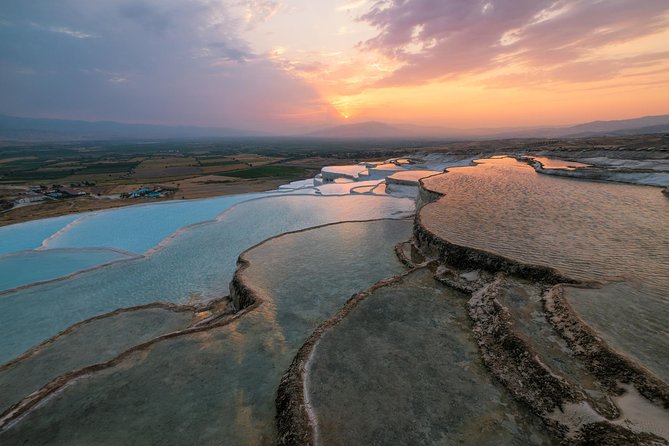
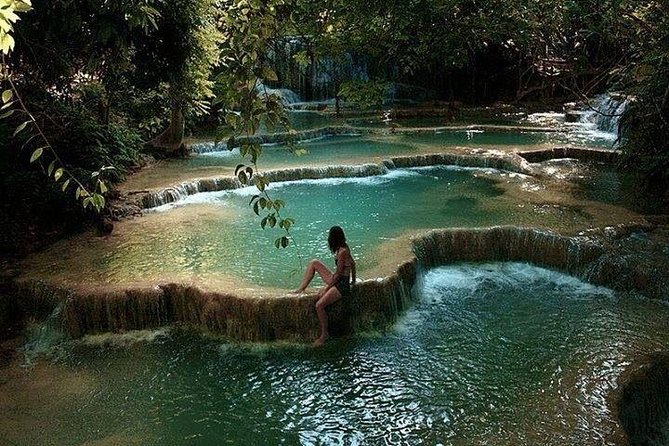
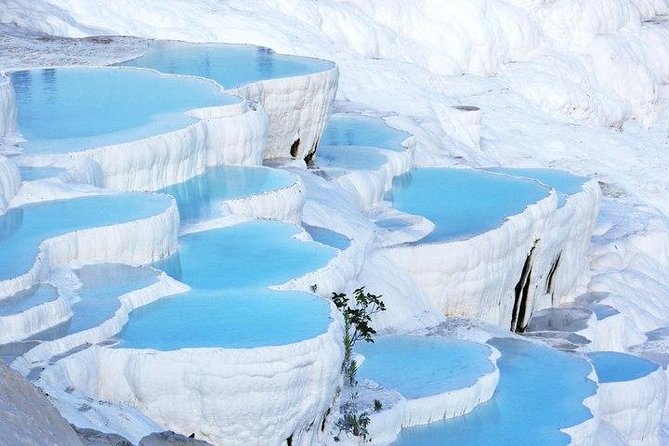
On day two, you’ll hit Pamukkale, known for its white travertine terraces formed by calcium-rich thermal water. Pamukkale’s “Cotton Castle” look is famous for a reason. It’s a surreal scene of cascading white rock edges shaped by thermal flow.
This is also where you should calibrate expectations. One reviewer called out that the area is super crowded and that the water can be shallow—around two feet deep, and not suited for real swimming. Another practical warning: the terraces can be slippery, so watch your footing.
Still, even with crowds and shallow water, Pamukkale works because it’s unique. You can’t fake this look. The terraces plus the thermal feeling create a visual experience that’s different from standard ruins-and-a-theatre days.
Tip: wear footwear you trust on wet surfaces. If you’re traveling with mobility issues, you’ll want to take extra care here, since uneven slick surfaces are part of the experience.
Hierapolis ruins: Roman spa city logic you can actually follow
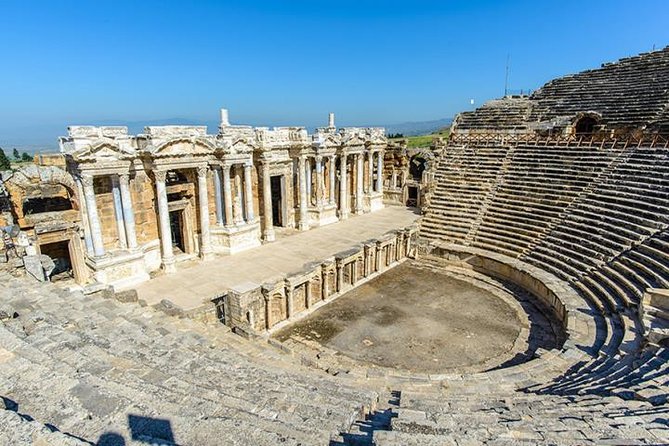
Next to the terraces is Hierapolis, a UNESCO site with Roman ruins. The city is described as a spa city connected to hot springs believed to have healing properties.
What’s especially useful here is that the ruins aren’t just random blocks. They’re connected to a spa/health theme. You’ll see highlights like a Roman theatre, temples, necropolis (cemetery), and the Plutonium, a sacred cave dedicated to Pluto.
The theatre helps you connect Hierapolis’s public spaces. The necropolis adds a different angle on Roman beliefs and the way people memorialized death near healing waters. It’s one of those places where a guide can make the walking feel logical instead of like scattered stone.
One more note from a practical standpoint: the stop times are relatively tight (for example, the Hierapolis visit is listed at two hours). That’s good if you like focused visits. If you want slow wandering, you might feel you’re moving quickly.
Cleopatra’s Pool: thermal water, warm temps, and a shallow reality
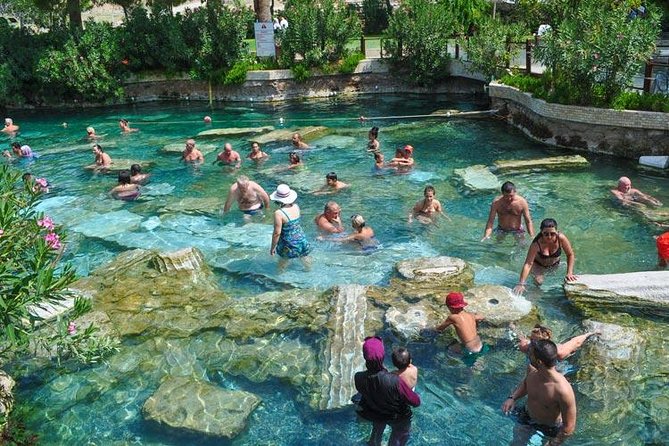
Finally, there’s Cleopatra’s Pool, scheduled for about two hours and included. This is the thermal spring filled with warm, mineral-rich water, described as around 36°C / 96°F year-round. That means it’s comfortable even when you’re spending time around the terraces.
You’ll also be given the legendary angle—Mark Antony and Cleopatra—plus the historical texture. The pool includes submerged fragments of marble columns, believed to have fallen during an earthquake in antiquity.
Expect relaxation, not a long swim session. Based on reviewer feedback, the water is shallow, and the main experience is being in the thermal water in a historic setting rather than doing laps.
Also remember the slip-factor: if you’re entering or standing around the pool area, keep your balance. Thermal rock surfaces and wet steps are not forgiving.
Hotels and meals: where the included value shows up (and where it doesn’t)
This tour includes an overnight stay in Selçuk or Kuşadası, plus lunch on both days. Drinks and breakfast are not included. That’s a real difference compared with some full-board tours.
Food is described as included lunch (two meals). One reviewer criticized lunch quality as “buffet style” with limited meat options on day one, and another noted that drinks weren’t included. So treat lunch as a basic fuel stop, not a food journey.
The good news: lodging quality seems mixed, but many comments praised the hotel as clean and functional, with some people describing it as better than they expected. One reviewer even singled out the hotel as very good.
Still, if you’re picky about accommodations, don’t assume a luxury standard. You’re paying for logistics, guiding, entrance tickets, and flights. You’re not buying a foodie weekend with world-class dining or a resort stay.
Price and value: is $843.35 worth it?
At $843.35 per person for roughly two days, you’re not paying for sightseeing alone. You’re paying for a bundled package: round-trip flights, transfers, a guide, entrance fees, and overnight accommodation, plus two lunches.
So how do you judge value?
You’re getting strong value if:
- you hate planning flights and coordinating multiple ground transfers
- you want a guide to make Ephesus and Hierapolis click
- you’re okay with long transit hours for the sake of convenience
You might feel it’s overpriced if:
- you strongly prefer more time at fewer sites
- you dislike shopping-style “workshop” stops (some reviews mention cultural workshops with a sales feel)
- you care a lot about breakfast and drink options, since those aren’t included
One reviewer did a rough cost comparison and argued that entrances can be cheaper when you DIY, and that they felt the tour added about $200 for service they found underwhelming. On the other hand, another reviewer described it as must-do and praised punctual transfers, communication, and the guides.
My practical take: this price makes sense when you value organization and you want to reduce risk. If you’re experienced at independent travel and can handle logistics, DIY could be cheaper. But DIY takes time and research—especially when you’re moving between Istanbul, the Ephesus area, and Pamukkale.
Who should book this tour (and who should plan differently)
This tour fits best if you:
- want a structured two-day hit of Ephesus and Pamukkale
- enjoy history and are happy to trade speed for coverage
- like small-group travel (max 15) and appreciate clear guidance
It’s less ideal if you:
- need lots of downtime and hate long early departures and late returns
- dislike crowded tourist sites and don’t like slippery wet terrain
- have strong preferences around food (breakfast and drinks aren’t included)
If you’re traveling with someone who cares more about scenery than ruins, you’ll still get plenty of visual payoff—Ephesus has atmosphere, and Pamukkale is a photo and wow-factor stop. Just don’t expect the tour to slow down for deep wandering.
Final verdict: should you book?
I’d book it if you want everything handled and you’re happy trading a big chunk of travel time for major highlights with a guide. Ephesus and Pamukkale are genuinely worth it, and the bundled flights/transfers make this route far less stressful than building it yourself.
I’d think twice if you’re very time-sensitive or easily frustrated by crowds, shallow thermal-water rules, and a schedule that can feel intense. In that case, you might get more satisfaction by planning independently and spending more hours on fewer stops.
If you do book, go in with the right mindset: this is a fast, guided “greatest hits” sprint across the Aegean—not a slow coastal vacation.
FAQ
What’s included in the tour price?
The price includes overnight accommodation, Istanbul hotel pickup, round-trip flights with taxes and baggage limits, airport transfers (including Izmir and Pamukkale area transfers), a guide for two days, lunch on both days, and entrance fees.
Do you get picked up from your Istanbul hotel?
Yes. Pickup is offered from any hotel in Istanbul city center.
Is breakfast included?
No. Breakfast is not included.
How many travelers are in the group?
The maximum group size is 15 travelers.
Is admission to Ephesus and Pamukkale covered?
Yes. Admission tickets for the included sites are listed as included in the tour.
What happens if the weather is poor?
This experience requires good weather. If it’s canceled due to poor weather, you’ll be offered a different date or a full refund.