REVIEW · ISTANBUL
Istanbul: Best of the City 1, 2 or 3-Day Private Guided Tour
Book on GetYourGuide →Operated by Guided Istanbul Tours · Bookable on GetYourGuide
Early mornings aren’t required here.
This is a private Istanbul plan built around your interests, so you’re not stuck in a one-size-fits-all loop. I like the tailor-made approach, plus the included skip-the-line ticket help when it’s available, which matters a lot in places like Hagia Sophia and Topkapi.
I love the fact that you’re traveling with a private guide who can shift the order and focus as you go. I also like how the day-by-day rhythm mixes big monuments with practical city context, from imperial Ottoman and Byzantine layers to everyday details like food traditions and local neighborhoods. You’ll get explanations that stay readable, not lecture-heavy.
One caution: there’s substantial walking, and mosque schedules can change what you see in full. On Fridays you may view Hagia Sophia or the Blue Mosque from outside due to worship, and you should expect queues at active mosques even with the ticket-line support.
In This Review
- Key highlights worth knowing before you go
- How a private guide changes Istanbul (for the better)
- Day 1: Hagia Sophia, Blue Mosque, Topkapi, and the Grand Bazaar power loop
- Hagia Sophia and the reality of worship hours
- Blue Mosque: Iznik tiles and the dome effect
- Hippodrome Square: a quick history stage-set
- Topkapi Palace: the Ottoman sultans’ imperial home
- Grand Bazaar: shopping with direction, not wandering
- Day 2: Bosphorus ferry + Dolmabahce Palace + Taksim and Istiklal
- Spice Market and street-scale Istanbul
- Bosphorus cruise: the views do half the explaining
- Dolmabahce Palace: where regulations change the experience
- Taksim Square and Istiklal Street: people-watching with a storyline
- Day 3: Fener-Balat streets, Iron Church, Pierre Loti, and Chora Church
- Fener and Balat: neighborhood layers you can actually see
- Pierre Loti Hill and the cable car ride
- Iron Church (St. Stephen Church) and Chora Church
- Suleymaniye Mosque: a strong final anchor
- Skip-the-line is helpful, but here’s the honest version
- Timing, closures, and why your start time matters
- Transportation, pickup, and what to pack
- Price: is $102 per person good value?
- Who should book this private Istanbul tour?
- Should you book it?
- FAQ
- How long is the Istanbul private guided tour?
- Where do I meet the guide?
- Is skip-the-line access included?
- What languages are available?
- What’s included in the price, and what’s not?
- Are there closures or special rules for certain days?
- Is the tour suitable for everyone?
Key highlights worth knowing before you go
- Private guide, custom route: you shape the day order and emphasis with your guide on the spot.
- Imperial Istanbul focus: Topkapi Palace and the Blue Mosque are built into the core experience.
- Two continents in one day: you use a Bosphorus ferry to see the European and Asian sides.
- Neighborhood Istanbul on Day 3: Fener and Balat lets you slow down and see churches, hills, and views.
- Skip-the-line tickets, not skip-the-queue everywhere: active mosques still have security and entry lines.
- Replacements are planned: if a mosque can’t be visited, the Basilica Cistern often fills the gap.
How a private guide changes Istanbul (for the better)
Istanbul can feel like a test of stamina. You have long lines, strict entry rules, and sites that are closed on certain days. This kind of private guided tour helps because the guide isn’t just narrating. They’re managing the order, timing, and transitions so you spend your energy on the places you care about most.
Because your route is customizable, you can steer the emphasis. If you’re drawn to Ottoman power, you’ll likely weight Topkapi Palace and the imperial vibe harder. If you’re more into Byzantine art and sacred architecture, you’ll spend extra time around Hagia Sophia and the cistern option if needed. And if you care about neighborhoods and daily life, Day 3’s focus on Fener-Balat and viewpoints works well.
The “private” part also matters for comfort. You’ll meet your guide at your hotel or port, and pickup is organized so you’re not doing a complicated start. Just plan for being on time—being ready about 10 minutes before the scheduled meeting time helps the whole day flow.
You can also read our reviews of more guided tours in Istanbul


Day 1: Hagia Sophia, Blue Mosque, Topkapi, and the Grand Bazaar power loop
Day 1 is the classic Istanbul sweep, built around the big visual anchors: Hagia Sophia, the Blue Mosque, and Topkapi Palace. Add the Hippodrome Square area in the mix and you get a quick sense of how the city’s layers overlap in the same neighborhoods.
Hagia Sophia and the reality of worship hours
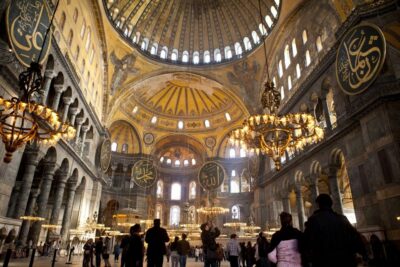
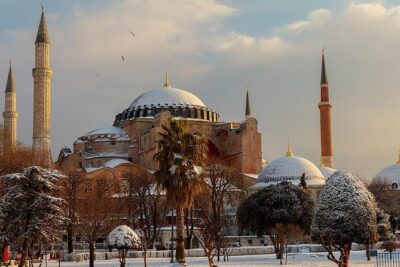
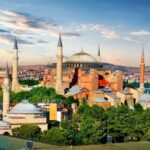
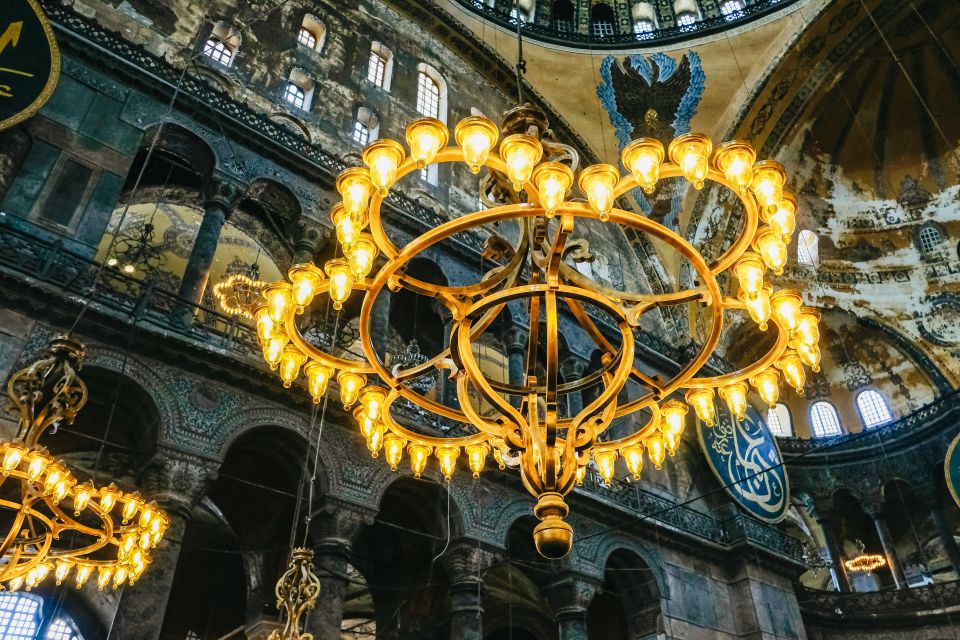
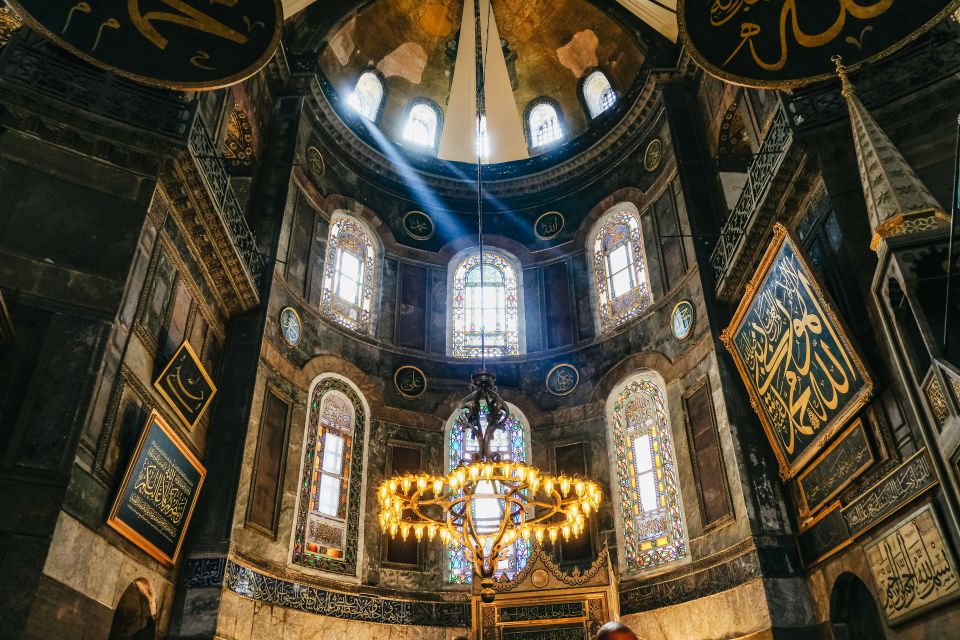
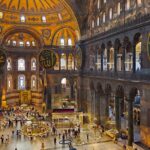
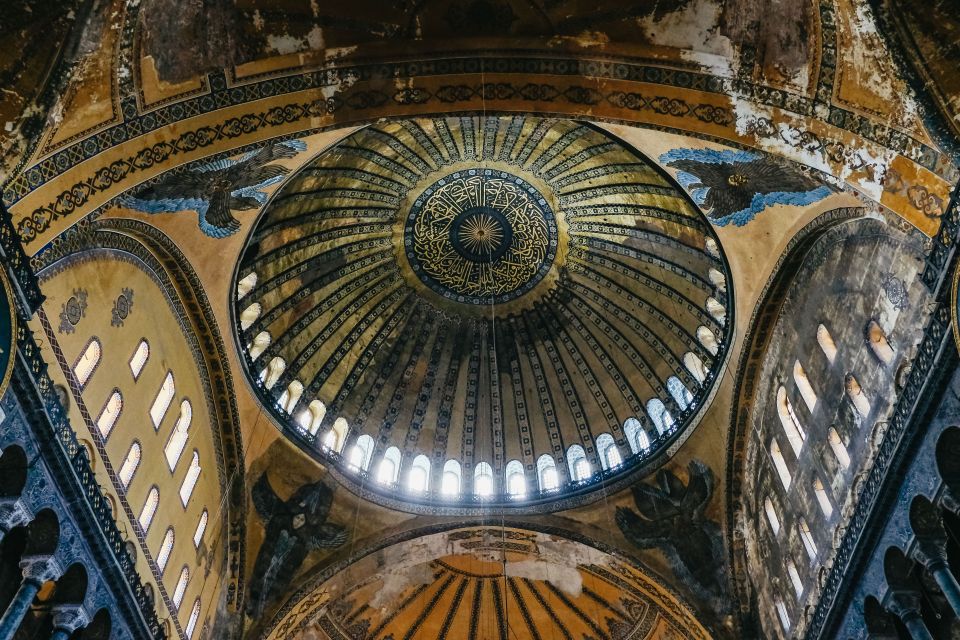
You’ll visit Hagia Sophia, the former church turned mosque. The guide’s explanations are especially useful here because the building is doing multiple jobs at once—art history, religious meaning, and architecture all in one space. You’ll also notice how entry timing can shift during praying time, and access can be restricted.
On Fridays, this site can be viewed from outside because worship takes priority. It’s not a deal-breaker, but it’s the kind of rule that you should plan for. If you’re coming on a Friday and you really want indoor viewing, you’ll want to keep flexibility in your expectations.
Blue Mosque: Iznik tiles and the dome effect
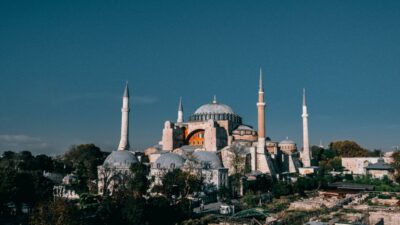
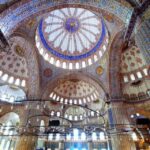
Next up is the Blue Mosque, famous for its blue Iznik tiles and its dramatic dome presence. If you visit on a Friday, the mosque may be closed until 2 pm, and the guide may adjust the plan. Even when access is limited, the exterior and context still give you the “why” behind what you’re seeing.
This is also one of those places where skip-the-line ticket support can help, but it doesn’t erase entry procedures. The tour notes that skip-the-line service is not available for active mosques, so expect a queue for entrance.
Hippodrome Square: a quick history stage-set
The Hippodrome Square stop is short but useful. It gives you a mental map of where major public life played out in Byzantine times. It’s the kind of place where the guide can point out cues so you don’t just pass by stone without understanding why that space mattered.
You can also read our reviews of more city tours in Istanbul



Topkapi Palace: the Ottoman sultans’ imperial home
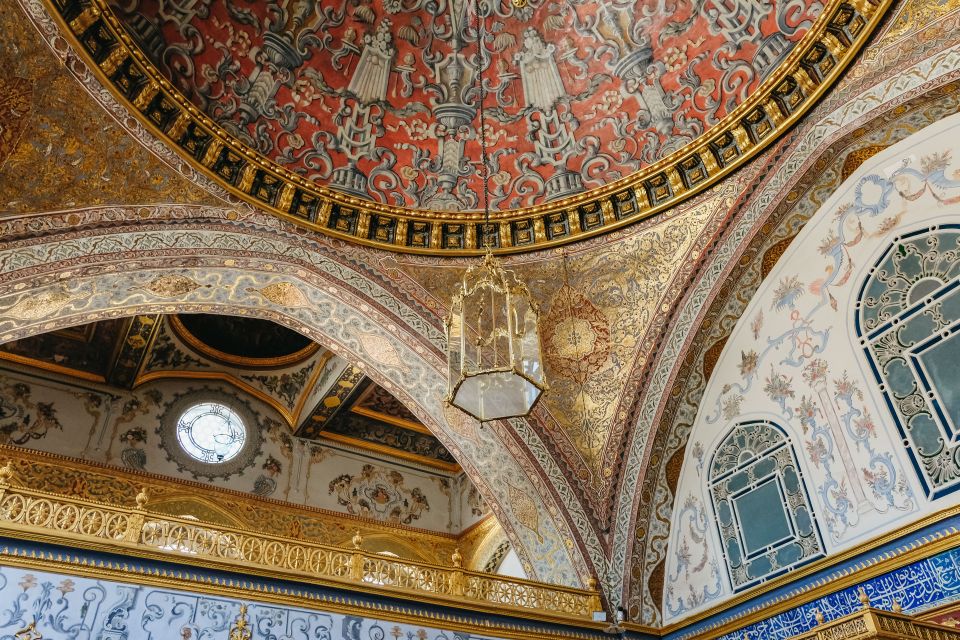
Then you move into Topkapi Palace, the Ottoman sultanate’s imperial residence. This stop tends to land well because you’re not looking at one room—you’re walking through how power was organized: where rulers lived, how authority was displayed, and how the palace functioned as a state-within-a-city.
On Tuesdays, Topkapi Palace and Hagia Irene Church are closed, so the day’s exact shape may shift. If your dates include a Tuesday, the guide should adjust the plan so you still get the imperial highlights without dead time.
Grand Bazaar: shopping with direction, not wandering
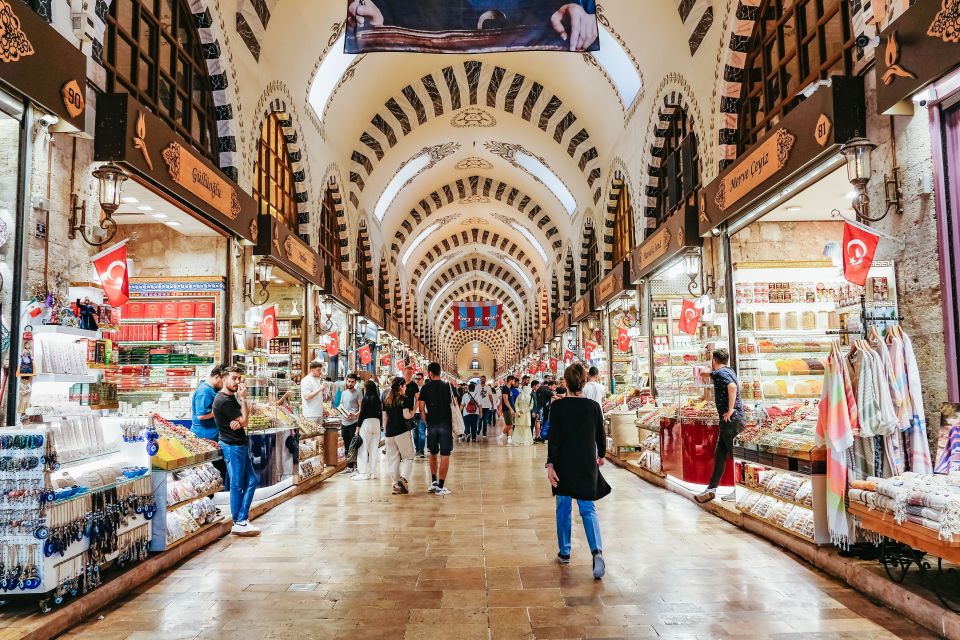
You end up near the Grand Bazaar area. The big advantage of having a guide here is not just knowing what to buy—it’s knowing how to move. If the Bazaar is closed on Sundays, your route will adjust, because the tour’s structure stays tied to opening hours.
Even if you’re not a heavy shopper, the Bazaar is worth visiting for atmosphere and the sense of Istanbul as a trading crossroads.
Day 2: Bosphorus ferry + Dolmabahce Palace + Taksim and Istiklal
Day 2 is built around the city’s geography. You take a public ferry on the Bosphorus to see both sides of Istanbul—Europe first, then Asia—so the water becomes your “how the city connects” lesson. The ferry also breaks up the day physically, giving your legs a chance to reset between monument clusters.
Spice Market and street-scale Istanbul
The day often starts with the Spice Market, a place that’s more about senses than speeches. It’s a strong contrast after the monumental feel of Day 1. You’ll get a better understanding of Istanbul as a market city, where goods, smells, and small interactions shape daily life.
Bosphorus cruise: the views do half the explaining
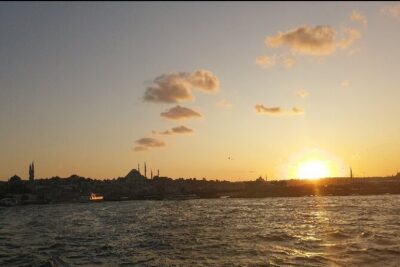
The Bosphorus segment is one of the best ways to make sense of what you’ve already been seeing. You see skylines, waterfronts, and the way neighborhoods line up along the water. The guide helps you connect these views to what you learned about history and empire.
Dolmabahce Palace: where regulations change the experience
Next is Dolmabahce Palace. It’s a major sight, but here’s a key practical detail: the tour says that due to regulations, a live guide service is not available inside Dolmabahce Palace. Translation: you’ll still get guidance around the visit, but you may need to rely more on your own reading and the guide’s setup before or after.
If Dolmabahce is closed on Mondays, the guide adjusts accordingly.
Taksim Square and Istiklal Street: people-watching with a storyline
You’ll head to Taksim Square and walk Istiklal Street, plus related stops like Cicek Passage and the Galata area. This part is useful because it turns Istanbul into a lived-in city rather than a museum circuit. The guide’s job is to keep you oriented while you move through a dense, energetic corridor.
Again, timing matters. If your tour starts later than 11 am, you may have to skip one or a couple of sites because closures can reduce options by 7 pm. The tour notes your guide will adjust to match your priorities—so it’s worth being clear about what you don’t want to miss.
Day 3: Fener-Balat streets, Iron Church, Pierre Loti, and Chora Church
Day 3 is the most “slow looking” of the three. It trades grand monuments for neighborhood texture: churches turned into museums or mosques, hill viewpoints, and walkable lanes that feel like Istanbul lives here, not just in brochures.
Fener and Balat: neighborhood layers you can actually see
You walk through Fener and Balat, two historic neighborhoods known for distinct communities and architecture. This is a great choice if you’ve already seen the huge headline sites and want the city’s human scale.
It’s also a smart day to take photos with patience. The streets give you angles and details that you can’t fake with a quick stop.
Pierre Loti Hill and the cable car ride
You’ll enjoy a cable car ride and soak up views from Pierre Loti Hill. This is one of those “your eyes need a break” moments. You’ll get a broader look at how the city spreads, how the coastline curves, and how neighborhoods stack against hills.
Iron Church (St. Stephen Church) and Chora Church
You’ll visit St. Stephen Church (Iron Church) and then see Chora Church (or an alternative, depending on circumstances). These stops tend to matter because they show Istanbul’s religious transformation and architectural adaptation over time.
If you’re especially interested in visual storytelling—mosaics, church interiors, and how sacred art is interpreted—this is the day to lean in. If something can’t happen as planned, the guide’s alternative helps you keep the day moving.
Suleymaniye Mosque: a strong final anchor
You end with Suleymaniye Mosque. It’s a powerful way to cap the “spiritual Istanbul” arc that began with Hagia Sophia and the Blue Mosque. Expect queues for entry if it’s active worship space, since the tour notes skip-the-line services don’t override mosque entry lines.
Skip-the-line is helpful, but here’s the honest version
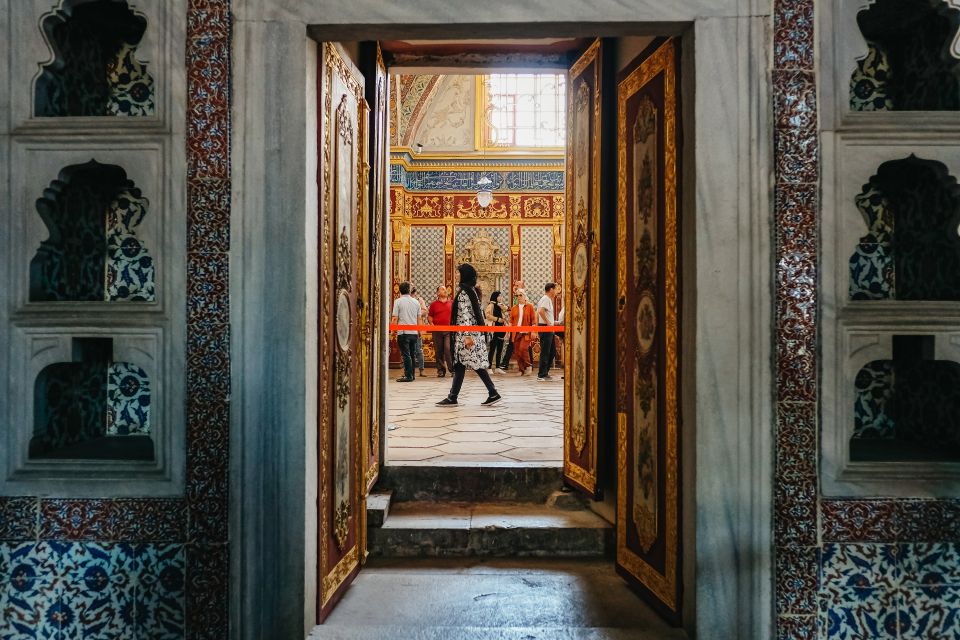
This tour includes skip-the-line access to buy tickets, and that’s a real time-saver at popular sites. But the fine print is important: skip-the-line service is not available for active mosques. So you should plan for queues at entrances even with the guided support.
Also, some sites have built-in constraints:
- Hagia Sophia entrance may be restricted during praying time
- On Fridays, Hagia Sophia or Blue Mosque may be viewed from outside due to worship
- If one of the mosques isn’t visited, the tour can include Basilica Cistern as a replacement
I like that the plan doesn’t leave you stuck. It means you still get a major Ottoman/Byzantine-area experience even when religious schedules shift the route.
Timing, closures, and why your start time matters
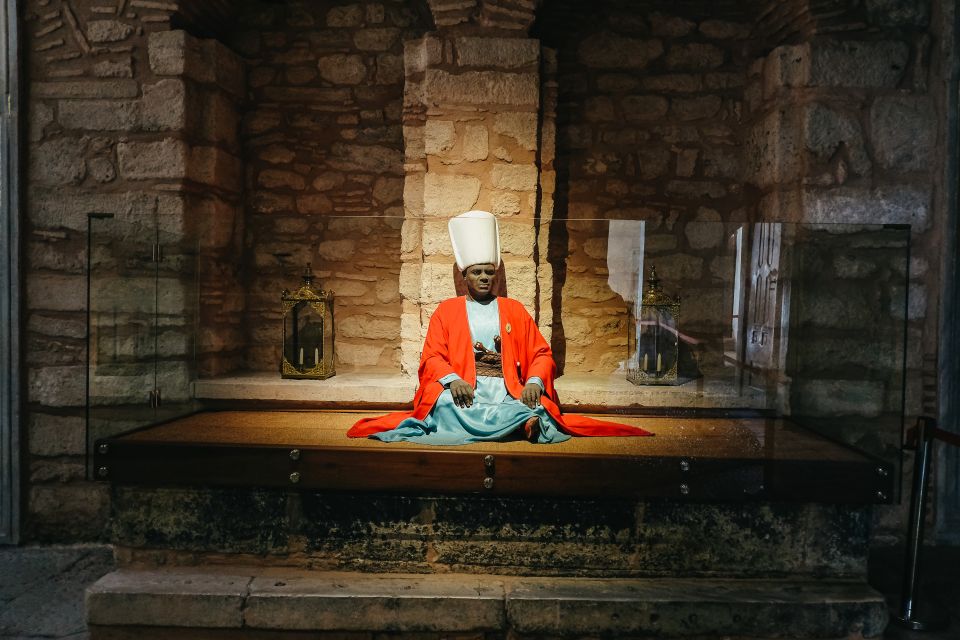
Istanbul runs on rules: days of closure, prayer schedules, and evening closing times. The tour provides closure guidance, and you’ll want to use it.
Here are the key date-linked facts you should keep in mind:
- Topkapi Palace and Hagia Irene Church are closed on Tuesdays
- Grand Bazaar is closed on Sundays
- Dolmabahce Palace is closed on Mondays
- Blue Mosque is closed until 2 pm on Fridays
- Hagia Sophia access can be restricted during praying time
- If the tour starts later than 11 am, you might have to skip a couple sites because many close by 7 pm
This is also where a private guide earns their keep. You can change your priorities quickly—so if your favorite is Hagia Sophia, you can push for it earlier. If your must-see is Topkapi, you can shift emphasis and accept a shorter Bazaar stop.
Transportation, pickup, and what to pack
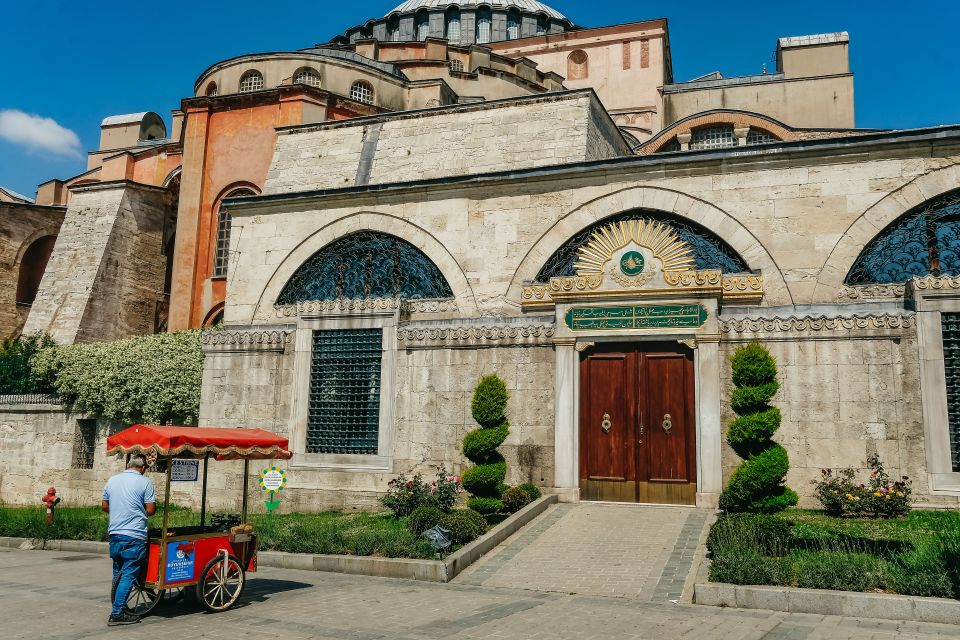
Your day starts with pickup from centrally-located hotels on foot, or from the port. You’ll meet your guide in the lobby or at the port and should be ready about 10 minutes early.
If you choose the van option, transportation is included. If you don’t, the guide still handles movement in whatever way fits the day’s walking plan.
The big packing item is simple: comfortable shoes. The tour description calls out substantial walking, and the places you visit are not designed for strollers or slow, step-free wandering. The tour also lists two “not suitable” categories: mobility impairments and epilepsy. If either applies to you, I’d treat this as a hard stop unless you’ve gotten specific reassurance.
Price: is $102 per person good value?
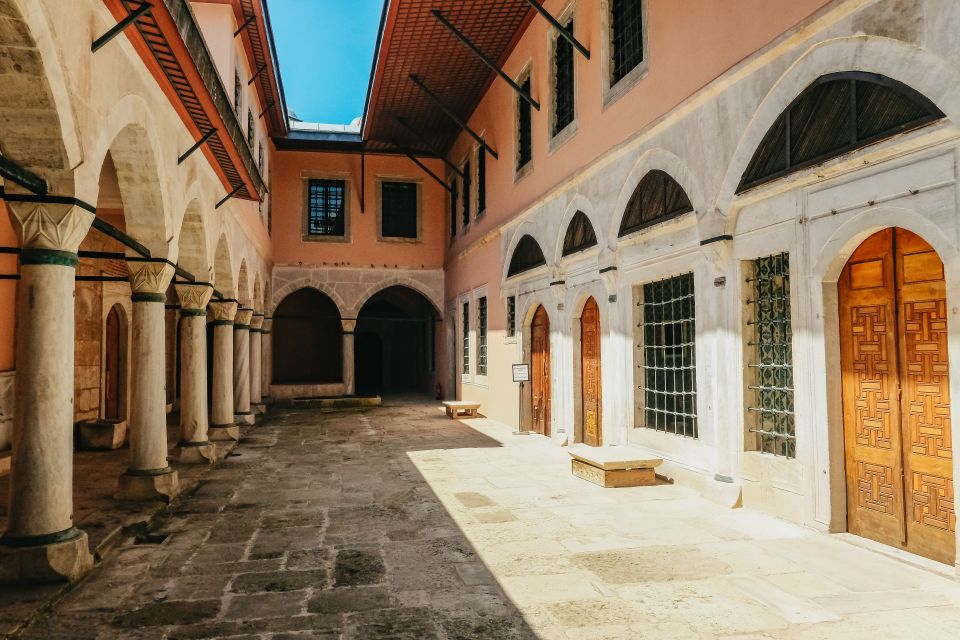
The price shown is $102 per person, and the duration listed runs 7 hours up to a 3-day range, depending on which option you pick. Since private guide time is the core product, the value hinges on how much you want your time optimized.
Here’s what you’re getting that you’d otherwise pay for in time and stress:
- A multilingual private guide (English, German, French, Spanish)
- Pickup from your accommodation/port area
- Skip-the-line ticket help where it applies
- A van option if you select it
What’s not included:
- Entrance and attraction fees
- Lunch
- Hotel drop-off
- Transportation (unless you booked the van option)
So, is it worth it? If you’re the kind of person who wants to see Hagia Sophia, the Blue Mosque, Topkapi, and then still have a plan for the Bosphorus and neighborhoods without spending hours figuring out logistics, the cost can feel fair fast. If you’d rather DIY with a guidebook and you don’t mind lineups, you may find cheaper alternatives. But with Istanbul’s schedule traps, this kind of private support often saves you more than money—it saves your energy.
Who should book this private Istanbul tour?
I think this tour is a great fit if:
- You want the big Istanbul icons in a logical order
- You value a guide who can tailor your schedule based on your interests
- You’re open to a walking-heavy plan across multiple days
- You want both monument Istanbul and neighborhood Istanbul (especially Day 3)
It may not fit you if:
- You need step-free access or have mobility limits
- You’re coming in with very limited time and want only one site (this is built for depth, not speed)
- You’re strict about indoor viewing on religious days (Friday rules can affect access)
A nice detail: guides connected with this tour include people like Ahmet, Ezgi, Sema, Ozan, Ozi, and Abdullah As. In practice, the tour’s big strength is that different guides can keep the experience feeling human, not templated—especially when you’re pushing for the schedule you care about.
Should you book it?
Yes, if you want Istanbul without the coordination headaches, and you’re happy trading a lot of walking for a lot of seeing. The mix is smart: imperial landmarks on Day 1, the Bosphorus and modern city pulse on Day 2, and Fener-Balat + viewpoints + church artistry on Day 3.
If you’re on a Friday or your dates include major closure days, I’d book it with eyes open. The tour does have replacement and adjustment built in, including the Basilica Cistern possibility, and your guide can shift based on what can actually be entered.
If that sounds like your style, this private Istanbul experience is a strong way to get more meaning out of every stop, not just more photos.
FAQ
How long is the Istanbul private guided tour?
It’s listed as 7 hours up to 3 days, depending on whether you choose the 1-day, 2-day, or 3-day option. You’ll need to check availability for starting times.
Where do I meet the guide?
Pickup is available from centrally-located hotels in Istanbul (you meet your guide at your hotel lobby) or from the port. Plan to be ready about 10 minutes before the scheduled time.
Is skip-the-line access included?
Skip-the-line support is included for buying tickets, but skip-the-line service is not available for active mosques. You should expect a queue for mosque entrances.
What languages are available?
Live guides are available in English, German, French, and Spanish.
What’s included in the price, and what’s not?
Included: private tour, multilingual guide, skip-the-line ticket help, pickup, and transportation by van if you choose that option. Not included: entrance/attraction fees, lunch, hotel drop-off, and transportation unless you booked it.
Are there closures or special rules for certain days?
Yes. Topkapi Palace and Hagia Irene are closed on Tuesdays. Grand Bazaar is closed on Sundays. Dolmabahce Palace is closed on Mondays, and live guide service isn’t available there due to regulations. Blue Mosque is closed until 2 pm on Fridays, and on Fridays Hagia Sophia or Blue Mosque may be seen from outside because of worship.
Is the tour suitable for everyone?
The tour is listed as not suitable for people with mobility impairments and people with epilepsy.