REVIEW · ISTANBUL
Istanbul City Walk: Blue Mosque, Hippodrome & Hagia Sophia
Book on GetYourGuide →Operated by TOURMANIA · Bookable on GetYourGuide
Sultanahmet in two hours is possible, and it’s a smart way to get oriented. I like that this tour ties together Roman, Byzantine, and Ottoman Istanbul in Sultanahmet Old Town, with a professional, licensed guide keeping the story clear. I also love the practical rhythm: enough stops to matter, but not so many you feel cooked. One drawback to flag up front: Hagia Sophia is exterior-only, so you’ll still want a separate ticketed visit if you want to go inside.
You’ll start at the German Fountain area and then move through the places you’ve seen in photos—Hippodrome monuments, Hagia Sophia, and finally the Blue Mosque with time to see the interior. It’s ideal for a first visit, especially if you don’t want to wrestle with routes on your own. Just remember entrance fees aren’t included, even though the tour helps you skip the ticket line where possible.
In This Review
- Key Highlights I’d Plan Around
- Why This 2-Hour Sultanahmet Walk Works
- Meeting at Alman Çeşmesi: Getting Started Smoothly
- Sultanahmet Square: Where Constantinople Felt Like the Center
- The Hippodrome of Constantinople: Obelisk + Serpent Column
- German Fountain: Ottoman–German Friendship in Stone
- Hagia Sophia: What You Can Learn Without Going Inside
- Blue Mosque: Minarets, İznik Tiles, and Time to Explore
- The Guide Factor: Clear Answers, But Watch Timing and Accuracy
- Price and Logistics: What $19 Really Buys
- Practical Tips Before You Go
- Who This Tour Suits (and Who Should Skip It)
- FAQ
- FAQ
- Is Hagia Sophia included inside on this tour?
- Does the tour include the Blue Mosque interior?
- What are the main stops on the walk?
- Where does the tour start?
- How long is the tour?
- How much does it cost?
- Are entrance fees included?
- Is hotel pickup included?
- What languages are available?
- Is this tour suitable for people with mobility impairments?
- What’s the cancellation policy?
- Should You Book This Istanbul City Walk?
Key Highlights I’d Plan Around

- Alman Çeşmesi as the starting point: a perfect anchor in the Sultanahmet area, easy to find later.
- Hippodrome specifics: you’ll see the Obelisk of Theodosius and the Serpent Column, not just vague “old ruins.”
- German Fountain stop: a quick lesson on Ottoman–German friendship, right where you’ll walk past it anyway.
- Hagia Sophia story without the ticket: guided from the outside so you learn what you’re looking at.
- Blue Mosque interior time: plus explanations focused on Ottoman architecture and daily religious life.
- A guide who answers questions: several bookings mention clear explanations and an organized pace.
Why This 2-Hour Sultanahmet Walk Works
Two hours is short by modern Istanbul standards, but that’s exactly why this tour fits. You’re not trying to “do everything.” You’re getting the backbone of the Old Town: the squares, the arena space, the signature cathedral/mosque landmark, and the Ottoman showpiece mosque. Think of it as a fast map in human form.
At $19 per person (with hotel pick-up included), the value is mostly about what you avoid. You’re paying for a guide to put order on the chaos: where you are, why the buildings matter, and what details to notice instead of just snapping pictures and hoping the dots connect.
There’s one trade-off. You’re moving by foot through the densest historical core, so it’s not the time to be casual and slow. And if your dream includes going inside Hagia Sophia, this won’t be that day. It’s the exterior explanation version, which is still useful—you just need an additional plan for interior access later.
You can also read our reviews of more walking tours in Istanbul



Meeting at Alman Çeşmesi: Getting Started Smoothly
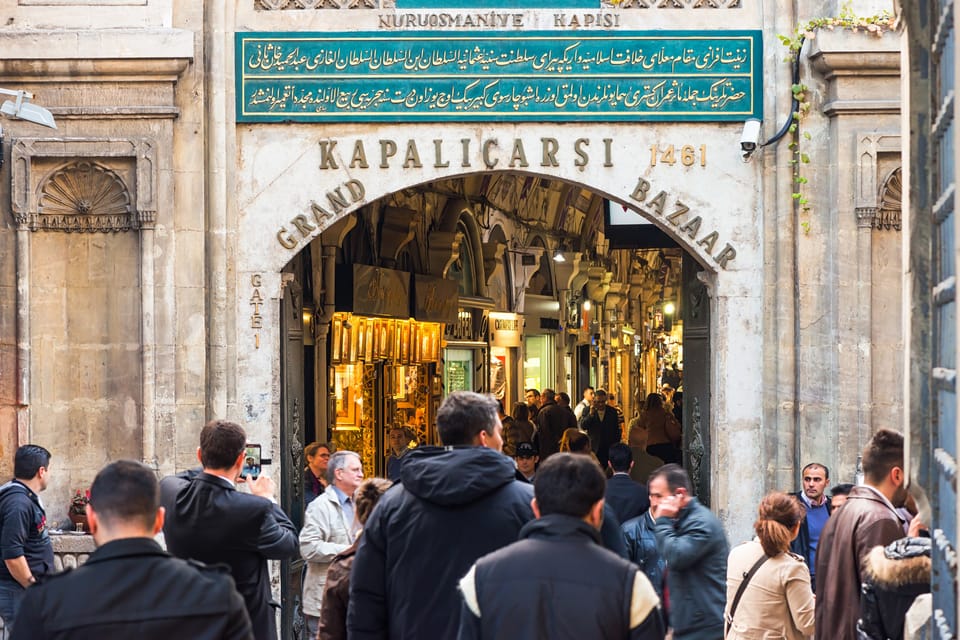
You’ll begin at Alman Çeşmesi (the German Fountain). This matters because Sultanahmet can feel like one long maze of tram lines, alleys, and tourist clusters. Starting at a landmark gives you a mental peg from day one.
Hotel pick-up is included, which helps a lot when you’re trying to keep your first day efficient. One booking praised an on-time pickup even outside the operator’s usual search area, which suggests the team can sometimes be flexible. Still, not every experience is identical—another review noted pickup was later than expected. So if you have a tight schedule after the tour, I’d build in a little buffer.
The tour itself is designed to be an easy walk: photo stops, short breaks, and guided segments. That makes it a good fit if you want momentum without feeling dragged.
Sultanahmet Square: Where Constantinople Felt Like the Center
Your walk gets going in the heart of the old city at Sultanahmet Square, once the social and political center of Constantinople. This is the kind of spot where it’s easy to think, okay, it’s a plaza. With a guide, it becomes something else.
Here’s what you’re learning to see:
- Why this area mattered before it became a tourist postcard.
- How the city’s identity shifted across eras without the geography changing much.
- How later monuments were placed to dominate the skyline and guide movement.
Even if you’ve read about Istanbul’s history, standing in the square with a clear timeline helps. You’ll stop taking buildings as isolated icons and start seeing how they connect—especially once you move toward the Hippodrome.
The Hippodrome of Constantinople: Obelisk + Serpent Column
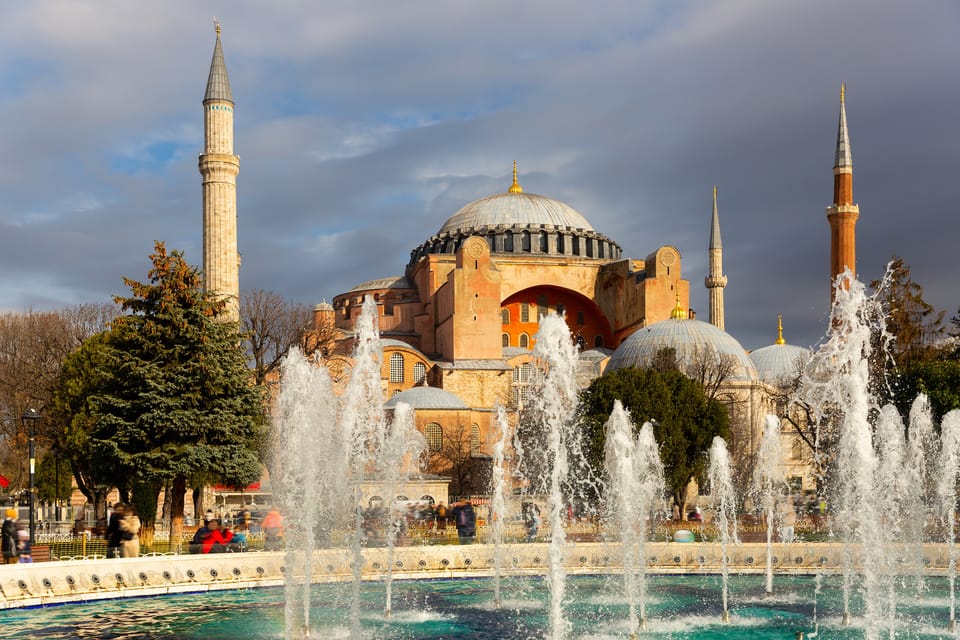
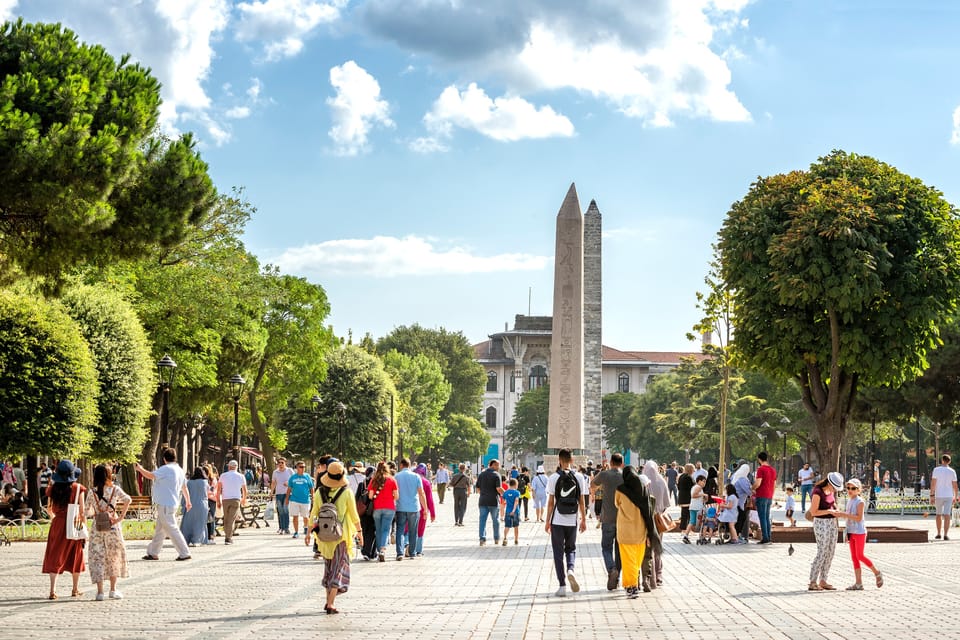
Next comes the Hippodrome of Constantinople, the former arena for chariot racing. This isn’t a quiet “park stroll” area. It’s a big open space where the monuments are fragments of a much larger public machine.
The tour points out two standout pieces:
- The Obelisk of Theodosius
- The Serpent Column
You’ll also get a photo stop and a short break, which is smart because the area can be sunny and busy. The guide’s job here is to translate the arena concept into something you can imagine. Chariot racing wasn’t just sport—it was a major civic event, tied to power, public opinion, and who got to control the narrative.
Practical tip: when you’re in the Hippodrome space, look for line-of-sight landmarks. You’ll better understand how people in past centuries would have used this ground as a stage.
German Fountain: Ottoman–German Friendship in Stone
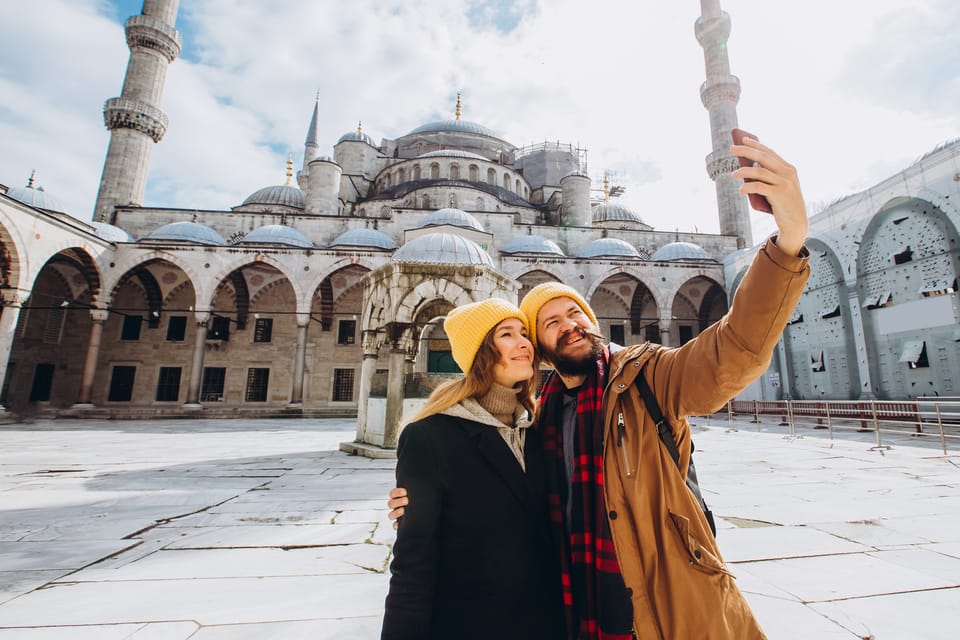
Between the big monuments, you’ll stop at the German Fountain—called Alman Çeşmesi—a symbol of Ottoman–German friendship. This stop can feel small compared to Hagia Sophia and the Blue Mosque, but that’s exactly why I like it.
It’s a reminder that Istanbul’s layers aren’t only ancient. Even newer diplomatic history left physical marks, and Sultanahmet is full of them if you know what you’re looking at.
This fountain also functions as a breathing point in the walk. You get a moment to reset your pace, check photos, and take in a different kind of story—less about empires fighting across centuries, more about relationships in more modern times.
You can also read our reviews of more city tours in Istanbul





Hagia Sophia: What You Can Learn Without Going Inside
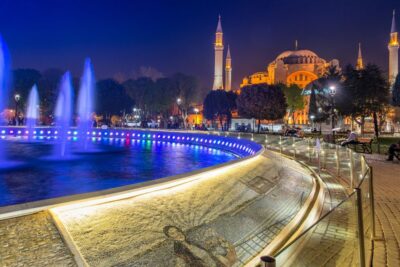
Your route continues to Hagia Sophia, one of the most important landmarks in world architecture. Here’s the key point: you’ll get a guided explanation from the outside only—no interior visit included.
That limitation is worth respecting, because Hagia Sophia’s inside experience is famous for a reason. But the exterior tour is still valuable, especially if you:
- want a clear overview fast,
- are trying to understand the building’s long life,
- or don’t want to get stuck in ticket and entry logistics.
From the outside, your guide will explain Hagia Sophia’s major identity changes:
- Byzantine cathedral
- Ottoman mosque
- modern landmark
Even without entering, you can learn how the structure carries those chapters. Pay attention to the massing, domes, and the way the building presents itself to the square. With that framework, your future interior visit—if you schedule it—will click faster.
Blue Mosque: Minarets, İznik Tiles, and Time to Explore
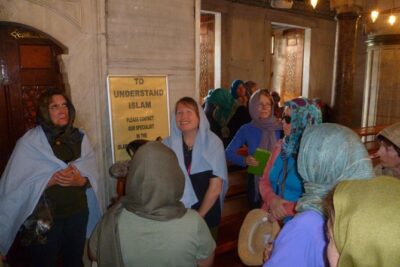
Then you’ll reach the Blue Mosque (Sultan Ahmed Mosque), instantly recognizable for its six minarets. The tour focuses on Ottoman architecture and Islamic traditions, with the guide helping you understand the mosque’s role in daily life. That part matters because a mosque isn’t just a monument—it’s a living place of worship and community.
Inside, you’ll get free time to explore (the tour includes time for you to see it, not just stand outside and admire). And yes, the İznik tiles are a highlight for a reason. Up close, the patterns and color are much easier to appreciate than in photos.
A small practical thought: this is still a mosque. So be ready to behave accordingly—quiet voices, respectful clothing, and slower walking. The guide’s context helps, but your best move is to let the space set the pace once you’re inside.
The Guide Factor: Clear Answers, But Watch Timing and Accuracy
This tour stands or falls on the guide, and the feedback pattern is pretty consistent. Many bookings praise a guide who is organized and on time, able to answer questions, and easy to understand in English and other languages.
You may also see variation. One review mentioned pickup was late. Another noted that some information about Islam wasn’t correct enough to take them out of the experience. That doesn’t mean the whole tour is unreliable—it does mean you should actively use your own judgment. If you care about a specific topic, ask a direct question and see how the guide responds.
If you want a low-stress experience, choose this tour when you’re open to learning in broad strokes. If you need ultra-precise theological explanations, you may want to pair the walk with reading or a separate specialized guide.
Price and Logistics: What $19 Really Buys
Here’s the honest value equation. You’re paying $19 for about 2 hours of guided walking through major highlights plus hotel pick-up. Entrance fees aren’t included, so you’re still responsible for any ticketed entry costs.
The tour also says it skips the ticket line. That can save time at high-demand sites, which is one of the biggest reasons guided tours feel worth it in Istanbul. But it doesn’t mean every single stop is automatically “free.” Think of it as time savings on the stuff that requires tickets, not a full ticket bundle.
If you only have one morning or one half-day and want the skyline heavyweights handled in a single plan, the value is strong. If you already know you want interior Hagia Sophia on the same day, you may need a second booking (or rethink your schedule).
Practical Tips Before You Go
A few things to make the walk smoother:
- Wear comfortable shoes. The route is a compact Old Town loop, but you’ll be on your feet.
- Use your free time well at the Blue Mosque. The interior is where you’ll notice tile details and patterns, so don’t rush it.
- Plan around entrances. Entrance fees are not included, so set aside money for tickets.
- Respect the mosque setting. Dress and behavior matter here in a way they don’t at every other stop.
- Consider mobility needs. The tour notes it’s not suitable for people with mobility impairments, so if that’s relevant to you, choose a different format.
And if hotel pickup is important to you, give yourself a little buffer time. Reviews include both positive on-time experiences and one note about late pickup, so padding your schedule is the easiest fix.
Who This Tour Suits (and Who Should Skip It)
I think this tour fits best if you:
- are visiting Istanbul for the first time,
- want a guided overview of Sultanahmet without long transit,
- prefer a short, structured walk instead of wandering alone,
- want Hagia Sophia context even if you’re not entering that day,
- and like learning from an organized guide.
I’d be less excited for you if:
- Hagia Sophia interior access is the main goal of your trip (this tour is outside-only there),
- you need a fully accessible walking plan,
- or you want deep, highly specific religious instruction without any chance of simplification.
For many first-time visitors, though, this tour does exactly what it promises: a clear start point for your Istanbul photos and your history timeline.
FAQ
FAQ
Is Hagia Sophia included inside on this tour?
No. Hagia Sophia is explained and guided from the outside only, and there is no interior visit included.
Does the tour include the Blue Mosque interior?
Yes. You’ll have free time to explore the Blue Mosque interior after learning about it.
What are the main stops on the walk?
You’ll see Sultanahmet Square, the Hippodrome of Constantinople with its monuments (including the Obelisk of Theodosius and the Serpent Column), Hagia Sophia (exterior only), and the Blue Mosque.
Where does the tour start?
The tour starts at Alman Çeşmesi (the German Fountain).
How long is the tour?
It runs for 2 hours.
How much does it cost?
The price is $19 per person.
Are entrance fees included?
No. Entrance fees are not included, and the tour does not provide them.
Is hotel pickup included?
Yes. Hotel pick-up is included, but hotel drop-off is not included.
What languages are available?
The live guide is available in English, French, German, Italian, Spanish, Japanese, Chinese.
Is this tour suitable for people with mobility impairments?
No. It’s listed as not suitable for people with mobility impairments.
What’s the cancellation policy?
You can cancel up to 24 hours in advance for a full refund.
Should You Book This Istanbul City Walk?
If you want a fast, structured introduction to Istanbul’s Old Town—Sultanahmet Square to the Blue Mosque, with Hagia Sophia explained outside—this is a strong choice. The price-to-time ratio is reasonable, and the guided pace helps you see more than you would on your own in the same window.
Book it if you’re a first-timer who wants clarity and you don’t mind handling Hagia Sophia interior separately. Skip or rethink it if interior Hagia Sophia is non-negotiable, or if accessibility is a concern for you. For most visitors, though, it’s an efficient, story-driven way to get your bearings fast and enjoy the landmarks without turning the day into a logistical headache.