REVIEW · ISTANBUL
Istanbul: 7-Day Cappadocia, Pamukkale, and Ephesus Tour
Book on GetYourGuide →Operated by Tour Altinkum · Bookable on GetYourGuide
Istanbul to Ephesus in one smooth arc. This 7-day trip strings together some of Turkey’s most famous sights—Hagia Sophia, the Cappadocia fairy chimneys, Pamukkale’s white terraces, and Ephesus—without you having to plan the logistics yourself. I like the way the route is built around efficient daytime sightseeing plus domestic flights, so you spend your energy on sites instead of long overland transfers.
Two things I especially like: the full, guided Istanbul day with major landmarks, and the Cappadocia mix of open-air views plus an underground city experience. One thing to consider up front is cost beyond the tour price: major site entry tickets are listed separately, so you’ll want to budget for historical-site admissions.
In This Review
- Key takeaways before you go
- A 7-day route that actually makes sense
- Istanbul days: Hagia Sophia, Topkapi, Blue Mosque, and the Grand Bazaar
- Flying to Kayseri, then settling into Cappadocia
- Goreme Open Air Museum, fairy chimneys, and the Pasabag moment
- Rose Valley, Cavusin, Pigeon Valley, and the underground city payoff
- Pamukkale and Hierapolis: the travertine terraces and Sacred Pool
- Ephesus day: House of Virgin Mary, Ancient Ephesus, and Artemis
- Getting around: domestic flights and time saved
- Hotels and the small-group reality
- Price and what’s actually included (and what to budget)
- Days with closures: how your dates can shift stops
- Practical tips: what to bring and how to stay comfortable
- Should you book this Istanbul–Cappadocia–Pamukkale–Ephesus tour?
- FAQ
- What meals are included on this 7-day tour?
- Are entry tickets to historical sites included in the price?
- Are domestic flights included?
- Will I have a live guide, and what language?
- Does the tour include skip-the-line access?
- What happens if I’m in Istanbul on a Tuesday?
- Is the Grand Bazaar included if I’m there on Sunday?
- How does airport pickup work on the first day?
- Is this tour wheelchair accessible?
Key takeaways before you go
- Small-group focus keeps questions possible, and the pace tends to feel manageable across long travel days.
- Skip-the-line access via a separate entrance can save time at key stops.
- Cappadocia variety goes beyond the famous valleys: you’ll see panoramas, rock formations, and at least one underground city.
- Pamukkale pairs nature and ruins, with travertines plus Hierapolis sites like the necropolis and the Sacred Pool.
- Ephesus is treated as a full day, not a rushed photo stop, with the House of Virgin Mary and the Temple of Artemis on the agenda.
- Expect added shopping pressure on the road, since some guided days include stops at retail sites; you may want to set expectations with your guide early.
A 7-day route that actually makes sense
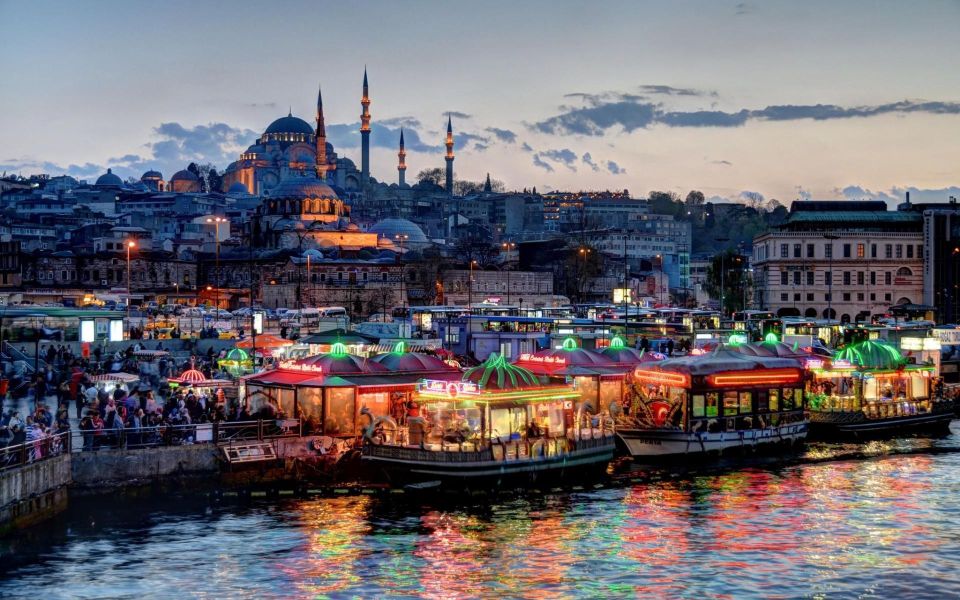
This tour is designed for people who want “greatest hits” Turkey in a week: Istanbul’s monumental old city, two classic regions in Anatolia, and then Ephesus. The biggest advantage is that the itinerary is stitched together with domestic flights, not nonstop bus days. That matters because time is the hidden cost of any multi-region trip.
You’ll also notice how meals are handled. Lunch is included on most days, and that tends to keep you from spending sightseeing time hunting for food. Dinner isn’t included, though, so you’ll still have freedom in the evenings to wander around your hotel area and choose what fits your appetite and energy.
Price-wise, the headline number looks straightforward, but the real comparison is: what do you get for the money versus what you pay separately. Here, site entry tickets are explicitly not included, which is typical for Turkey—but still something you should account for early.
You can also read our reviews of more tours and experiences in Istanbul
Istanbul days: Hagia Sophia, Topkapi, Blue Mosque, and the Grand Bazaar
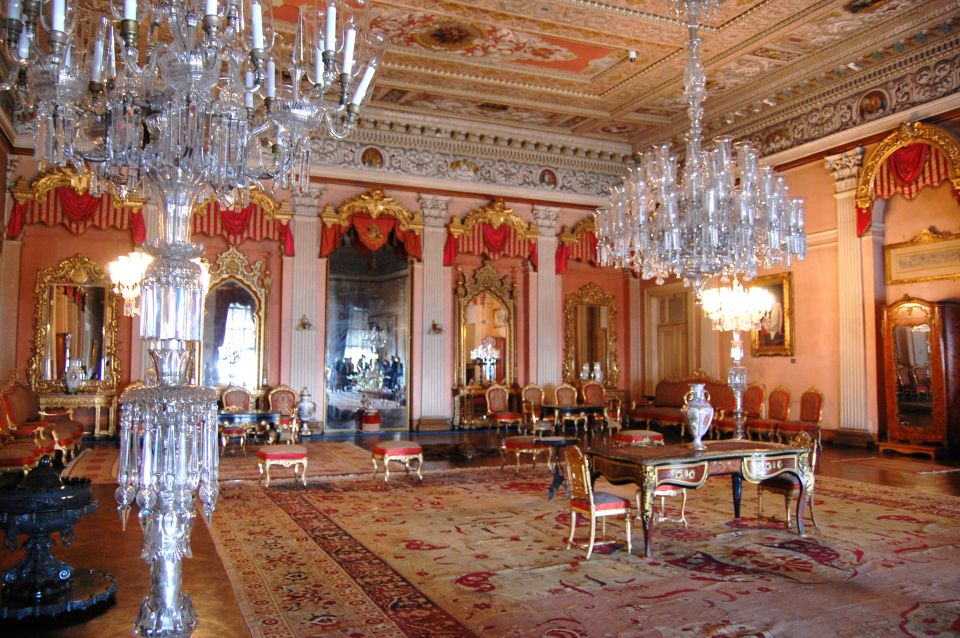
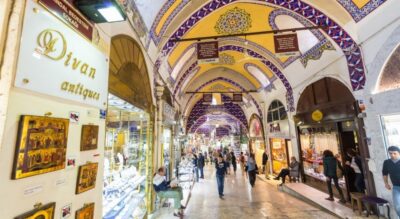
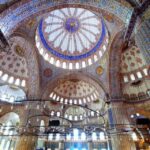
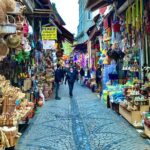
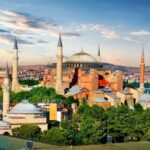
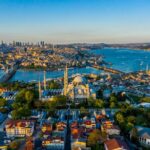
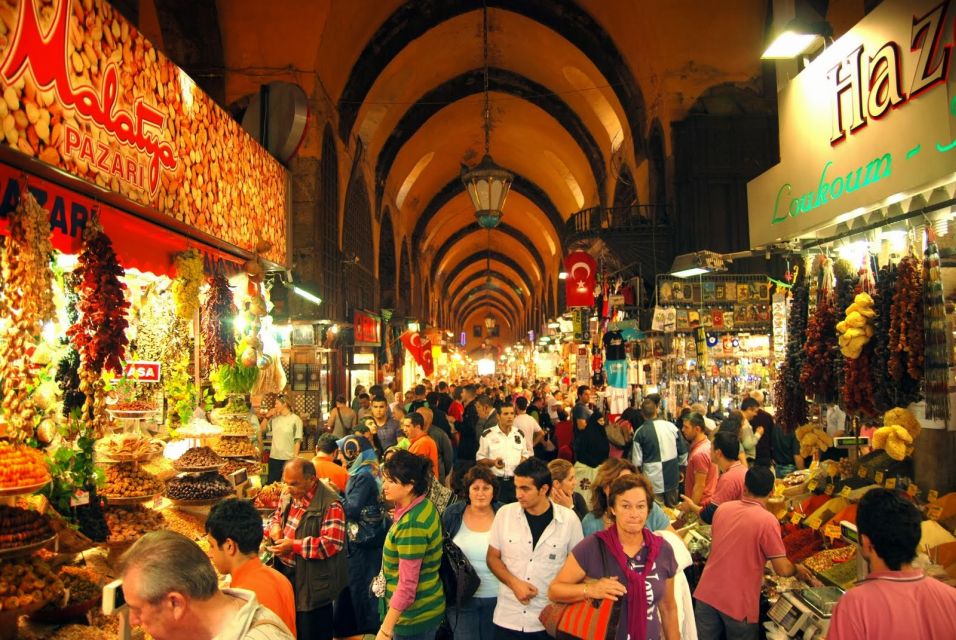
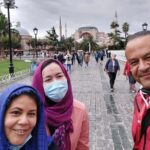
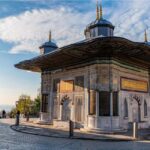
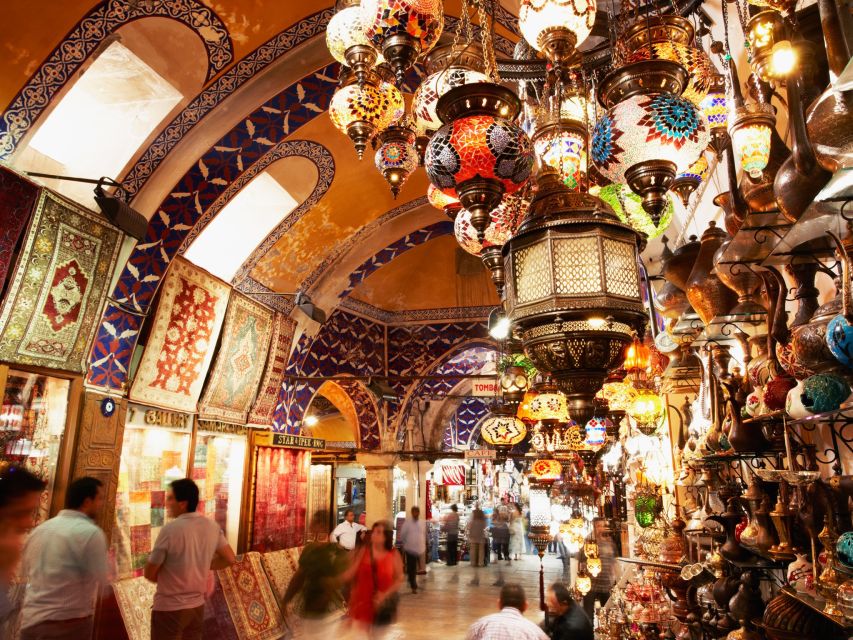
Your trip starts with two nights in Istanbul and a full guided day packed with recognizable landmarks. If you like architecture and city context, this is a strong start. The route takes you to Hagia Sophia, Topkapi Palace, the Hippodrome, and the Blue Mosque, then pushes onward to the Grand Bazaar.
What makes this set of stops click is that it tells multiple stories in one day: imperial power (Topkapi), religious architecture (Hagia Sophia and the Blue Mosque), and everyday commerce (the Grand Bazaar). You’ll also get city orientation—where things sit relative to each other—so later visits feel easier.
Two practical notes to keep in mind. First, Topkapi Palace is closed on Tuesdays; on those dates the Basilica Cistern replaces it. Second, the Grand Bazaar is closed on Sundays, so your day’s shopping time may be shorter or shifted. If you’re set on a specific palace or market, check your day-of-week before you fall in love with a plan.
Flying to Kayseri, then settling into Cappadocia
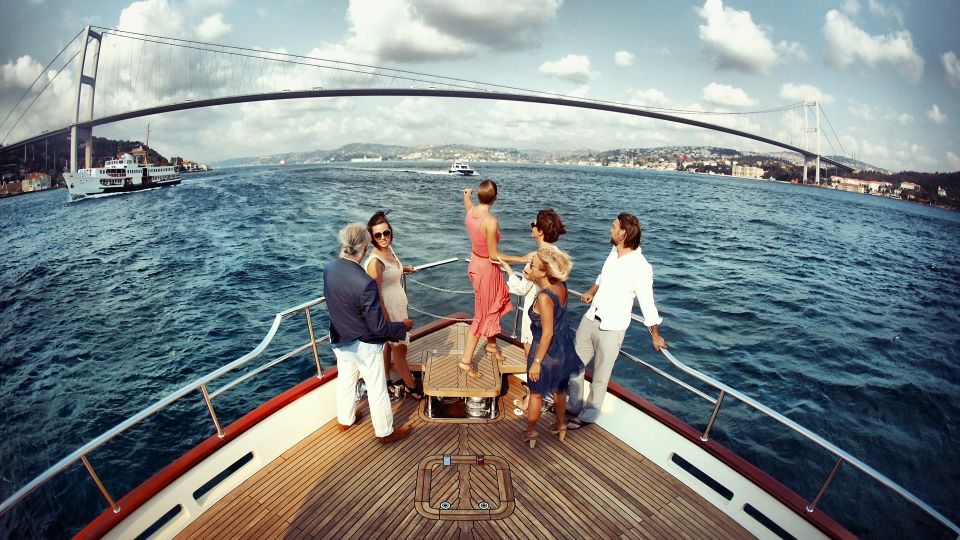
After Istanbul, you fly to Kayseri and transfer into Cappadocia for two nights. This is one of the trip’s better uses of your time: you avoid a long overland squeeze, and you arrive ready for daylight sightseeing instead of arriving late and losing the next morning.
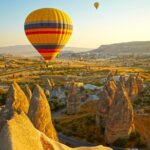
In Cappadocia, your days are structured around regions and viewpoints, not just single monuments. That’s how you get the “wow” moments—chimneys on the horizon, rock towers, and wide valleys where you can actually see why early people would have chosen this area for settlement and survival.
Also, keep in mind that you’ll be in mixed terrain. Expect some walking on uneven surfaces around viewpoints and historical areas. This tour is described as stroller accessible, but it is not wheelchair accessible, and that can matter at older sites and village paths.
Goreme Open Air Museum, fairy chimneys, and the Pasabag moment
Cappadocia Day 3 focuses on the best-known highlights with a thoughtful spread. You’ll visit the Goreme Open Air Museum, then head to Devrent Valley, and on to Pasabag (Monks Valley) for the classic fairy chimneys.
This day works because the scenery builds. Goreme gives you the human scale: rock churches and dwellings that feel built into the earth. Then Devrent Valley offers a more playful, natural-feeling landscape, and Pasabag brings the iconic chimney shapes into sharper view. Even if you’ve seen photos, seeing the chimneys from the right angles makes the whole geography feel real.
Lunch is included, and you’ll continue on to Avanos for a pottery experience. Even if you’re not buying ceramics, Avanos is worth a visit because it connects craft with place. The region’s geology and clay tradition are part of why this kind of work fits here.
You’ll also get the Goreme Panorama viewpoints and visit Uchisar Rock Castle, which sits high enough to make the area’s layout easier to read.
Rose Valley, Cavusin, Pigeon Valley, and the underground city payoff
On the next Cappadocia day, the route turns slightly more adventurous. You’ll go through Rose Valley, stop in Cavusin Village, and visit Pigeon Valley. These are the kinds of places where the best moments are often the ones you can’t “schedule”: you look, you pause, and you realize the valley is doing the storytelling.
Then the itinerary adds the underground element with a stop at one of Cappadocia’s underground cities. These spaces were used as refuge by early Christians, so you’re not just touring caves—you’re walking through a defensive design shaped by fear, faith, and survival. The experience can feel surprisingly emotional, especially when you imagine how life moved when the outside was unsafe.
One more village stop, Ortahisar, rounds out the day before you head back to Kayseri Airport for a domestic flight to Izmir. That flight link is part of the tour’s comfort strategy: you’re not stranded in a long transit loop.

Pamukkale and Hierapolis: the travertine terraces and Sacred Pool
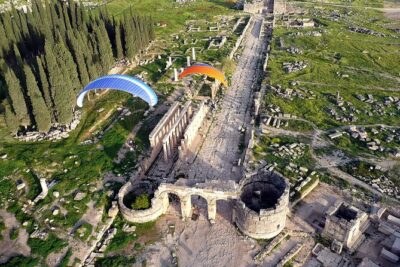
Pamukkale Day 5 is a full day dedicated to white travertine terraces and the ancient city of Hierapolis. You’ll see the travertines, and you’ll also tour sites like the Necropolis and the Sacred Pool.
Here’s why this pairing is smart. The terraces are a “slow look” attraction, best appreciated when you have enough time to move between areas and absorb the color and texture. Hierapolis adds the context that makes the natural site feel like part of a wider destination, not a standalone postcard.
Practical tip: expect sun and reflections. The travertines can look blinding in midday light, so plan for shade breaks and wear footwear that grips well. Bring something for water and a hat if you tend to burn easily.
Afterward you return to your hotel in Kusadasi, which is a convenient base for Ephesus the next day.
Ephesus day: House of Virgin Mary, Ancient Ephesus, and Artemis
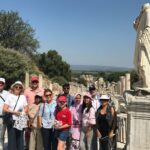
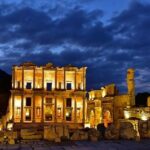
Day 6 is built around Ephesus, but it doesn’t treat it as a single ruin. You’ll visit the House of Virgin Mary, then go to Ancient Ephesus, and finally the Temple of Artemis.
What I like about including the House of Virgin Mary is that it gives Ephesus a broader religious context before you step into the city’s civic and architectural remains. Then you arrive at Ancient Ephesus and get the “grid” of what made the city powerful.
The Temple of Artemis is often the quick photo moment for people on their own. Here, it sits at the end of the day, which can be useful if you want to understand what you’re seeing after you’ve already gotten a grasp of Ephesus itself.
Logistics wise, you’ll transfer to Izmir Airport and fly back to Istanbul on the same day, then overnight in Istanbul again. That means you’ll want to keep your luggage simple and be ready for a late-day airport routine.
Getting around: domestic flights and time saved
A defining feature of this tour is its use of domestic flights for intercity movement. That’s not just convenience—it’s how you keep a week from turning into a marathon of driving. You fly from Istanbul to Kayseri for Cappadocia, then from Kayseri to Izmir for the Aegean, and you fly back to Istanbul after Ephesus.
The tour also includes transfers from and to airports. On Day 1, you’ll be met at either Istanbul Airport or Sabiha Gokcen Airport (based on your arrival) and taken to the contracted hotel, regardless of arrival time. That’s a big relief if you’re landing late and don’t want to figure out local transport.
The land days use an air-conditioned, non-smoking vehicle, which matters when temperatures and walking time start to add up.
Hotels and the small-group reality
Accommodation is described as centrally located “special class” boutique hotels. That wording usually means: fewer edges, better access to dinner options, and shorter walks to where you want to be. You’ll have two nights in Istanbul, two in Cappadocia, and two in Kusadasi.
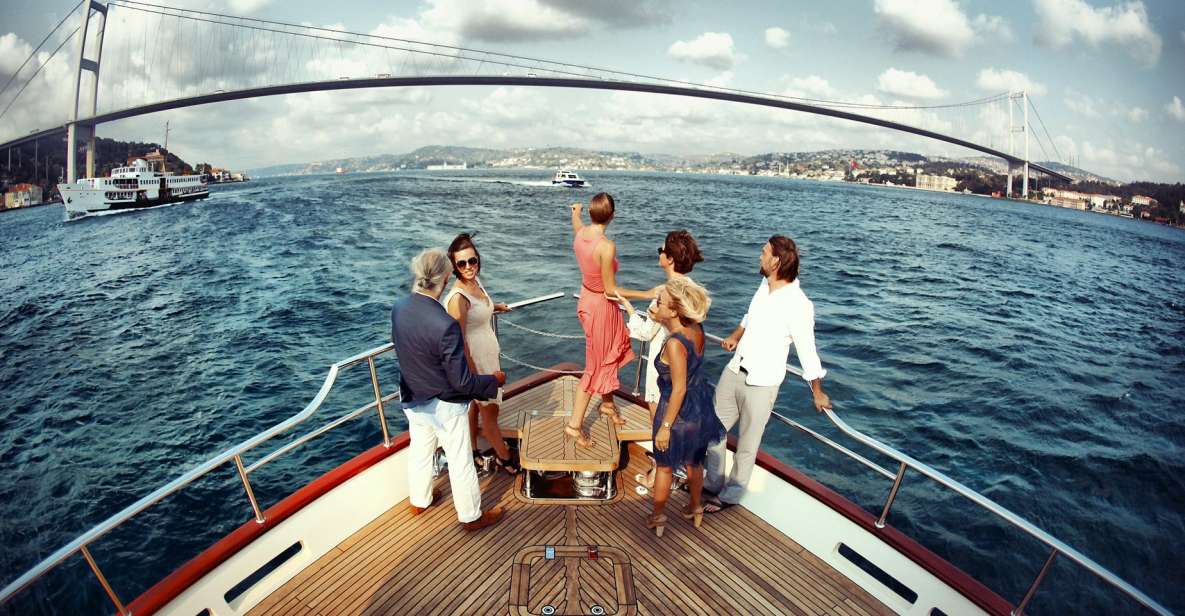
Group size is a big deal on multi-day tours. One review highlighted that the group was small enough for lots of Q&A, and another specifically mentioned a comfortable Mercedes van. Those details point to the same truth: when the group is tighter, the guide can spend more time explaining instead of just moving people along.
Still, keep expectations realistic. Some guided days may include stops that feel more retail-oriented than purely sightseeing. One earlier experience flagged pressure to buy merchandise. If that’s a worry for you, tell your guide you’re only there for the sightseeing and you’d rather not feel pushed.
Price and what’s actually included (and what to budget)
At $1,004 per person for a 7-day tour, you’re paying for a lot of coordination: guided sightseeing, domestic flights (when you choose the included option), transfers, and meals. Lunch is included for 5 days, and breakfast is included for 6 days.
But there’s an important line item you shouldn’t ignore: entry tickets to historical sites are not included and are listed as EUR 230 per person. That can swing the true total depending on exactly which sites you enter and how your dates line up with any closures.
Food-wise, beverages with meals aren’t included, and dinner isn’t included at all. So if you compare this to a “full board” package, the cost isn’t the same. On the other hand, dinners not being included can be a plus: you can eat like a local without being locked into a set menu.
Value comes down to your style. If you want someone to handle the timetable, flights, and guided stops, the price can feel fair. If you’re comfortable booking transport and guides separately, you might be able to do it cheaper—but you’ll trade that saved money for planning time and less cohesion.
Days with closures: how your dates can shift stops
Two specific scheduling quirks are spelled out:
- Topkapi Palace is closed on Tuesdays, with the Basilica Cistern visited instead.
- The Grand Bazaar is closed on Sundays.
Other closures can happen during religious or national holidays, and some sites may change for that reason. The best move is simple: before you finalize travel dates, ask the team to confirm what’s operating on the exact days you’ll be in Istanbul.
Practical tips: what to bring and how to stay comfortable
Here’s the “don’t make it harder than it is” checklist based on what’s required and how the days are set up.
- Bring your passport.
- Wear shoes that handle uneven ground and stairs, especially around cave and valley areas.
- Pack for sun and glare on travertine days.
- Expect some long days because the itinerary blends sightseeing with flights.
On transport comfort: you’ll be in air-conditioned vehicles on land segments, and the domestic flights help cut the worst travel fatigue.
Should you book this Istanbul–Cappadocia–Pamukkale–Ephesus tour?
Book it if you want a week that covers major sights with guided support, airport transfers, and intercity flights. It’s a strong fit if you value structure and hate planning dozens of tiny details. The mix—major Istanbul icons plus Cappadocia’s chimneys and underground cities, then Pamukkale’s terraces and Ephesus—gives you variety without losing the plot.
Think twice if you’re on a tight budget once you add site entry tickets and you prefer to control your own day plans. Also consider the shopping-style stops possibility; if you dislike retail interruptions, set expectations before you roll.
If your goal is to see the big names and come away with a clear understanding of how each region connects, this tour is built for that.
FAQ
What meals are included on this 7-day tour?
Breakfast is included for 6 days, and lunch is included for 5 days. Dinner and beverages with meals are not included.
Are entry tickets to historical sites included in the price?
No. Entry tickets to historical sites are listed separately at EUR 230 per person.
Are domestic flights included?
Domestic flights are included if you select the option with included flight tickets. If you select the excluded flights option, then domestic flights are not included.
Will I have a live guide, and what language?
Yes, the tour includes a live English-speaking guide.
Does the tour include skip-the-line access?
Yes, skip-the-line access is provided via a separate entrance.
What happens if I’m in Istanbul on a Tuesday?
Topkapi Palace is closed on Tuesdays. On those days, the Basilica Cistern is visited instead.
Is the Grand Bazaar included if I’m there on Sunday?
The Grand Bazaar is closed on Sundays, so your visit may be affected by the closure.
How does airport pickup work on the first day?
On the arrival day, you’ll be met at the airport and transferred to the contracted hotel, regardless of your arrival time. You should share your flight details in advance.
Is this tour wheelchair accessible?
No. It is not wheelchair accessible, though it is stroller accessible.