REVIEW · ISTANBUL
Tour to Byzantium
Book on GetYourGuide →Operated by Gray Line Turkey · Bookable on GetYourGuide
Byzantium starts on the Golden Horn. This 4-hour tour strings together the city’s Byzantine power sites from the Golden Horn to the city walls, so you’re not just looking at landmarks—you’re seeing how Istanbul worked for more than 1,000 years.
I especially like the mix of sacred and political places: the Patriarchate at Fener and Panagia of Blachernae tell you what the empire believed and celebrated, while stops like Anemas Dungeons and Tekfur Palace show how authority was built into stone. One thing to consider: at St. Savior in Chora (the Kariye Museum), you’ll view it from the outside only, so don’t expect to roam inside the mosaics.
In This Review
- Key Takeaways
- A Time-Travel Walk That Starts at the Golden Horn
- Fener Patriarchate: Orthodox Christianity in the Byzantine Chain of Power
- Panagia of Blachernae: Hagiasma Holy Water and Hagion Lousma Stories
- St. Savior in Chora (Kariye Museum): Outside Views with a Big Reputation
- Anemas Dungeons: The Palace Prison Below Sea Level
- Tekfur Palace and the Byzantine City Walls: Scale You Can Feel
- Price and What You Actually Get for $85
- How the Day Runs: Group Size, Tuesday Departures, and Hotel Shuttles
- Who This Tour Fits Best (and Who Might Want a Different Plan)
- Should You Book Tour to Byzantium?
- FAQ
- What’s the duration of the Tour to Byzantium?
- How much does the Tour to Byzantium cost?
- What’s included in the tour price?
- Is St. Savior in Chora included for an interior visit?
- Are hotel drop-offs included?
- Do I need to call after booking?
- What hotel pick-up options are available?
- What do I need to bring, and are there any restrictions?
Key Takeaways
- Golden Horn orientation: you learn why this harbor was named for its hornlike shape and golden shine from the hills
- Fener’s Orthodox roots: the Patriarchate connects the city to the Roman Empire’s shift under Constantine
- Panagia of Blachernae devotion: the story of Hagiasma holy water and Hagion Lousma sacred bath adds real meaning to the stop
- Chora viewing style: you’ll see St. Savior in Chora from outside, with the big mosaic and fresco reputation in mind
- Anemas Dungeons engineering: 14 dungeon spaces with basements below sea level is a standout architectural detail
- Real wall scale: you’ll get the 5th-century context of 22 km of walls, with towers and main gates
A Time-Travel Walk That Starts at the Golden Horn
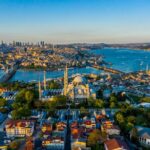
The tour begins where the Byzantines naturally launched their ships: the Golden Horn. It’s more than a pretty waterway. You’ll hear why it was named for its hornlike curve and why, under sunshine, it could look golden from the hilltops across the water. That detail matters because it frames the whole day: Istanbul’s story here is about geography, not just monuments.
From there, you cross the Bosphorus view to the Golden Horn area and start walking through Byzantine-era streets. This is a good format if you want context fast. Instead of picking one famous building and getting tunnel vision, you get a connected route through the parts of the city tied to religion, courts, and defense.
Also, you’re not stuck with guessing what you’re seeing. A live guide explains how these sites fit into the Byzantine era, stretching from the 4th to the 15th century. That time span alone helps you look at each stop with better questions: Who controlled the city here? Who visited? Who ruled?
You can also read our reviews of more tours and experiences in Istanbul.


Fener Patriarchate: Orthodox Christianity in the Byzantine Chain of Power
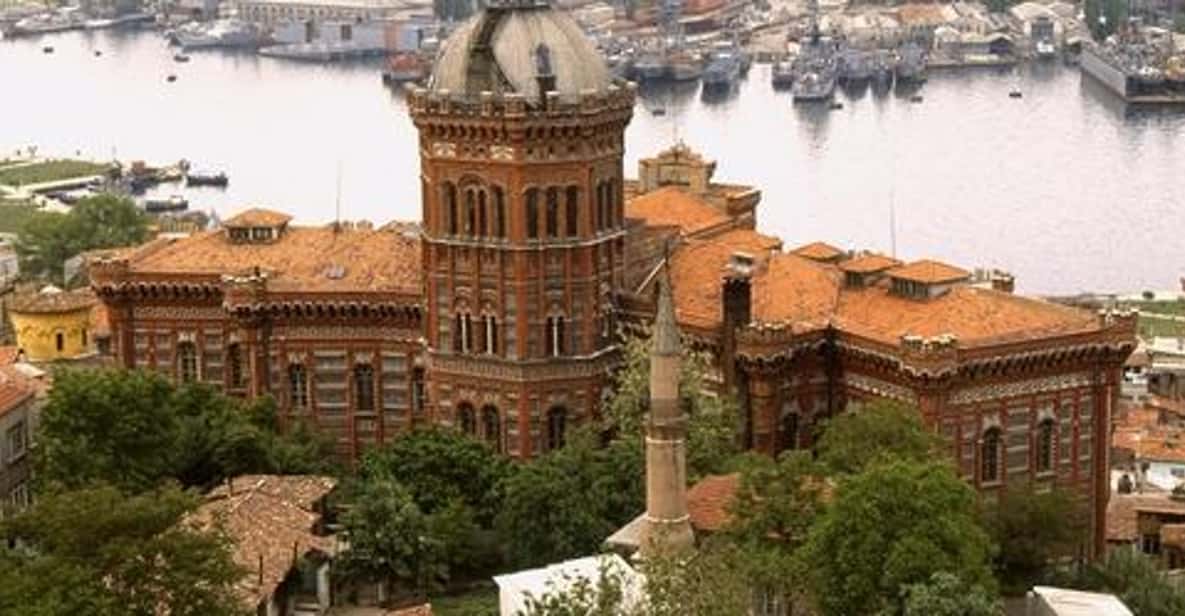
Next up is the Patriarchate at Fener. This stop is a shift from stone-and-views to ideas and influence. You’ll hear how it became the seat of Orthodox Christianity after Constantine the Great declared Christianity the official religion of the Roman Empire. In other words, this wasn’t just a local church story—it was tied to empire-scale decisions.
I like this kind of framing. When a guide connects a religious center to political change, your brain starts organizing what you see. You stop thinking of Byzantine Istanbul as only mosaics and emperors, and you start recognizing it as a system where spiritual authority and civic power moved together.
Even if you’re not religious, the visit can still click because it gives you a lens for understanding the next places. You’re heading toward famous sites of Marian devotion and holy water practices. When you know where the Orthodox center sits, you understand why later shrines mattered to daily life, pilgrimages, and local identity.
Panagia of Blachernae: Hagiasma Holy Water and Hagion Lousma Stories
The tour continues to the Church of Panagia of Blachernae, often described as the best-known and most celebrated shrine of the Holy Virgin. This stop stands out because it comes with specific devotion lore: the Hagiasma (holy water) and the Hagion Lousma (sacred bath). Those names aren’t just trivia. They shape how people historically experienced the site, not just how it looks from the street.
What I find useful is that the guide doesn’t treat these as random legends. You’re getting the idea of a shrine functioning like a magnet for meaning. Holy water and sacred bath traditions imply ritual, hope, and pilgrimage. So when you’re physically near the church, you can connect the stories to why people came in waves over time.
This is also where you’ll benefit most from the tour’s pacing. The day isn’t only about rushing from one monument to the next. It’s built to let your understanding build step by step: Orthodox authority at Fener, then a high-profile shrine like Blachernae, then (soon after) the famous Chora church mosaics you’ll learn about next.
St. Savior in Chora (Kariye Museum): Outside Views with a Big Reputation
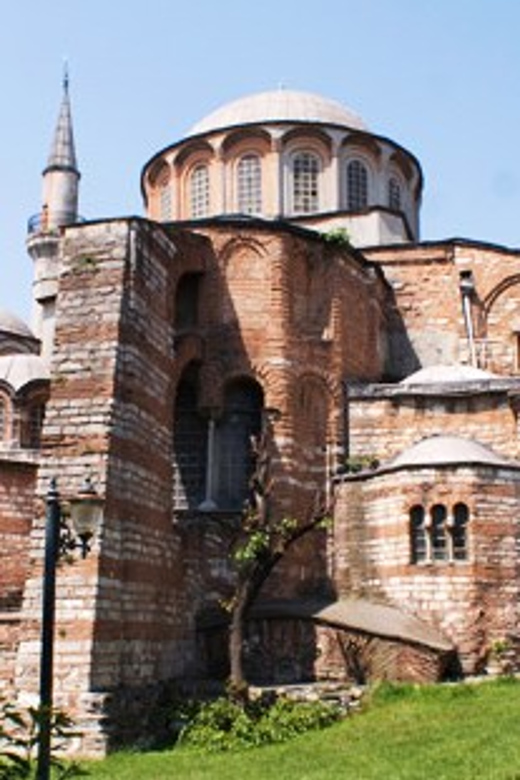
Next comes St. Savior in Chora, now the Kariye Museum. The key detail for your expectations: you’ll visit from the outside only, with no interior visit.
Still, this can be a smart stop. St. Savior in Chora matters because it’s tied to Byzantine monastery life and because it’s famous for mosaics and frescoes that portray scenes from the bible. Even without going inside, you can look at the building with that knowledge in mind. You’re essentially learning the why before the wow.
If you’re the type of traveler who likes to understand a site’s significance before you ever step into a room, you’ll appreciate this approach. It keeps the tour flowing and prevents the day from turning into a checklist where you miss the relationships between stops.
One practical point: because this is an outside-only viewpoint, you may want to decide ahead of time what you care about most. If you’re mainly chasing indoor masterpieces, you might later add an extra museum visit on your own. If you want a guided route through multiple Byzantine landmarks, this format is a good compromise.
Anemas Dungeons: The Palace Prison Below Sea Level
This is one of the most distinctive stops on the route: Anemas Dungeons. It’s part of the Blachernae Palace and described as unique in the world for its architectural structure. The big hook here is the prison design. You’ll hear that it served as a prison for high-ranking statesmen and included 14 separate dungeons, with two basements below sea level.
That combination—palace proximity plus deep, controlled confinement—is the kind of thing that makes Byzantine governance feel real. It’s not only about theology or art. It’s also about power, punishment, and how buildings reinforced control.
I also like that this stop adds variety. Earlier you’re in religious spaces and shrine context. Here you’re in an architectural story that’s unusually specific. Even if you don’t see every angle of the structure, you’re walking away with a clear mental picture: multiple dungeon units, and basements engineered to sit below sea level.
If you enjoy unusual architectural details and dark history handled with care, this portion is often the one people remember later.



Tekfur Palace and the Byzantine City Walls: Scale You Can Feel
Then you move toward Tekfur Palace, built in the 12th century and adjacent to the city walls. The tour frames Tekfur Palace as the only surviving pavilion of the Blachernae Palace. That matters because it gives the stop a strong sense of survival. You’re not just seeing ruins. You’re seeing what endured long enough to keep speaking.
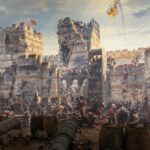
From there, the tour brings you to the remains of the 5th-century Byzantine city walls, which once surrounded the acropolis of Byzantium. The numbers are big enough to recalibrate how you picture the city: about 13 miles (22 kilometers) long, with 96 towers and 9 main gates.
This is where I think the tour becomes especially valuable for orientation. When you’re told the wall scale, you start to understand why Istanbul is so layered. The city’s modern streets don’t erase the old defense lines. They often sit right alongside them or within the same logic of movement and control.
If you enjoy standing in one spot and imagining the medieval city function around it, this segment delivers. It’s less about one perfect photograph and more about scale, structure, and context.
Price and What You Actually Get for $85
At $85 per person, this tour isn’t the cheapest way to spend a morning or afternoon in Istanbul. But it also isn’t just a guide pointing at buildings.
The price includes air-conditioned transportation, museum entrance fees, and pick-up service from centrally located Istanbul hotels, plus a live guide in English or Spanish. It also includes skip the ticket line, which can save you time if you’re trying to keep the rest of your day organized.
Here’s how I’d judge the value: you’re paying for a curated route across multiple Byzantine sites that would otherwise require more planning and transit juggling on your own. You’re also getting explanations that tie the sites together into a story from the Golden Horn through Orthodox centers, shrines, palace prisons, and defensive walls.
One caution on value expectations: St. Savior in Chora is outside-only. You’re paying for guided context and included parts of the route, not for a full interior museum day. If your main goal is indoor mosaic time, you may want to plan an additional self-guided museum visit later.
How the Day Runs: Group Size, Tuesday Departures, and Hotel Shuttles
This is designed as a 4-hour experience. You’ll also see it described as about 3 hours of touring time, so the sensible expectation is that part of the schedule includes transport and transitions between sites.
A few logistics details matter for planning:
- A minimum of 6 people is required to operate the tour, and departure is guaranteed Tuesday afternoons.
- After booking, you need to call the local supplier to learn the exact time and whether free shuttle pick-up is available for your specific hotel.
- Pickup is only for centrally located hotels. If your hotel isn’t accessible, the supplier can suggest alternative meeting points.
There’s also a free shuttle window: between 13:00 and 14:00 depending on where your hotel is, and the shuttle ride takes about 45 to 60 minutes. That means you should plan around a mid-day start even if your exact pickup varies.
I like tours that reduce decision fatigue. This one does that well, but you have to be ready to confirm timing with the supplier after booking. It’s a small step that helps the whole day go smoothly.
Who This Tour Fits Best (and Who Might Want a Different Plan)
I think this tour suits you if you want Byzantine Istanbul as a connected storyline, not a random museum hop. It’s especially good for:
- People who enjoy learning how religion, politics, and defense intertwine
- Travelers who like architecture stories, especially when they include details like Anemas Dungeons and the scale of the city walls
- Anyone working on an Istanbul first pass and wants a clear, guided “map in your head”
It may be less ideal if your top priority is indoor, full-detail museum time. With St. Savior in Chora being outside only, you’ll still learn why it’s famous, but you won’t experience the interiors as part of this specific tour.
If you’re traveling with a friend who loves facts and structure, this kind of route can be great because the guide can keep both of you focused while the sites change from shrine to prison to walls.
Also, bring your passport or ID card as required.
Should You Book Tour to Byzantium?
Book it if you want the fastest way to understand how Byzantine Istanbul functioned across major themes: spiritual authority, imperial power, and defense. For $85, the value comes from the guided route plus transportation and included fees, not from any single stop alone.
I’d lean yes if you’re the type of traveler who likes your history tied to real places and real design choices. Guides can really shape this experience, and one standout example from past tours is Umut, who was praised for being a true historian and for adding meaningful context that makes the Constantinople-to-Istanbul connection click.
Skip it only if you mainly want interior museum time at St. Savior in Chora, or if you already have a well-planned itinerary covering these specific stops with a museum focus. Otherwise, this is a strong way to get oriented and feel the Byzantine city’s structure in your head.
FAQ
What’s the duration of the Tour to Byzantium?
The tour is listed as 4 hours. You should check availability to see the starting times.
How much does the Tour to Byzantium cost?
The price is listed at $85 per person.
What’s included in the tour price?
It includes air-conditioned transportation, museum entrance fees, and pick-up service from centrally located Istanbul hotels. A live English or Spanish tour guide is included, and you also get skip-the-ticket-line.
Is St. Savior in Chora included for an interior visit?
No. You’ll visit St. Savior in Chora (the Kariye Museum) from the outside only, with no interior visit.
Are hotel drop-offs included?
No. Hotel drop-off is not included.
Do I need to call after booking?
Yes. After booking, you need to call the local supplier to learn the exact time and whether free shuttle availability applies to your location.
What hotel pick-up options are available?
Pick-up is only available for centrally located Istanbul hotels. If your hotel isn’t accessible, the supplier will advise you on alternative meeting points.
What do I need to bring, and are there any restrictions?
Bring your passport or ID card. Pets are not allowed, and smoking is not allowed.