REVIEW · ISTANBUL
3-Day Small-Group Tour from Istanbul to Kusadasi: Troy, Gallipoli, ANZAC Battlefields and Ephesus Ancient City
Book on Viator →Operated by Neon Tours · Bookable on Viator
Early mornings meet ancient wonders.
This Istanbul to Kusadasi small-group trip stitches together Gallipoli’s WWI memorials and UNESCO-listed Troy and Ephesus in just three days, so you keep moving without feeling rushed. I especially love how the day at Gallipoli is built around real places like Lone Pine and ANZAC Cove, not just names on a map, and I like that you also get myth and medicine—Trojan War stories one day, the Asclepion’s ancient healing practices the next. The main drawback to watch is that the tour ends in Kusadasi, so you’re not heading back to Istanbul afterward.
If you’re the type who likes clear pacing and a guide who talks like they truly care, this can be a great fit. The group is capped at 15, and I’ve seen it run with very small numbers, which usually means more personal attention and more flexibility with photo stops. Just keep expectations realistic: it’s early starts, long coach days, and site visits packed tightly.
In This Review
- Key highlights to know before you go
- 3 days of history: how the pace really feels
- Istanbul pickup and the early-departure reality
- Gallipoli’s memorials: Lone Pine, ANZAC Cove, and why walking matters
- Gallipoli walking stops that connect the story
- The one thing to prepare for
- Evening check-in in Çanakkale
- Troy: the Trojan Horse and making myth feel real
- What you’ll do at Troy
- A museum stop in the Troy area
- How Troy fits the overall trip
- Pergamum’s Asclepion: where ancient medicine met daily routine
- Why the Asclepion experience is worth your feet
- Arrival in Kusadasi and evening downtime
- Ephesus on foot: Arcadian Way, Theater, and Hadrian’s temple
- The walking tour highlights you should not rush
- House of the Virgin Mary: a slower, pilgrimage tone
- Temple of Artemis and quick final stops
- Hotels in Çanakkale and Kusadasi: real rest, not just beds
- Price and value: is $1,195 a fair deal for what you get?
- Who this tour suits best (and who should look elsewhere)
- Should you book this Istanbul to Kusadasi tour?
- FAQ
- What time does the tour start and where is the pickup?
- Where does the tour end?
- How many nights of accommodation are included?
- Which meals are included in the price?
- Is hotel pickup and drop-off included?
- How large is the group?
- Are admission tickets included?
- What is the cancellation deadline for a full refund?
Key highlights to know before you go
- Gallipoli walking focus on memorials and trenches, with key stops like Lone Pine and ANZAC Cove
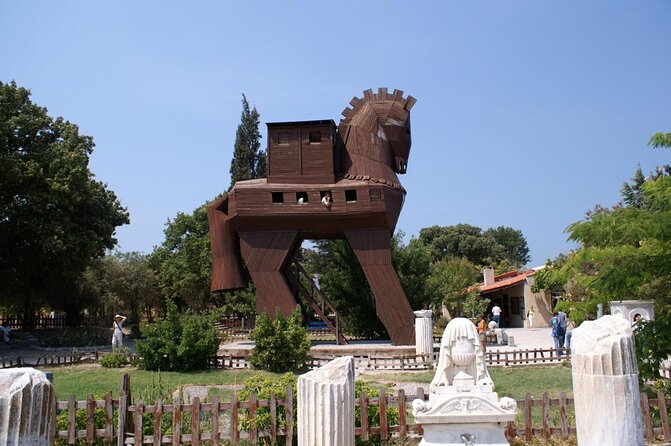
- Trojan Horse photo time in Troy, paired with enough guide story to make it click
- Pergamum’s Asclepion for ancient medicine—a whole complex built around healing routines
- Ephesus ruins on foot including the Arcadian Way and Temple of Hadrian
- House of the Virgin Mary for a different tone, part chapel, part pilgrimage site
- 4-star hotels in Çanakkale and Kusadasi to break up the travel time
3 days of history: how the pace really feels
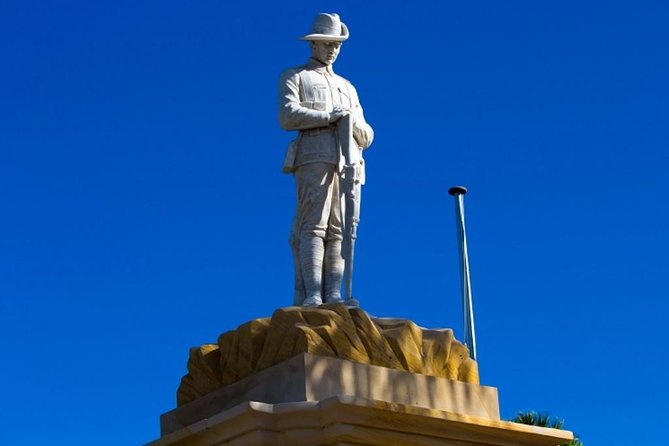
This tour is the “big hits” version of Turkey’s western classics. You start in Istanbul at 6:30 am and move by coach toward the Dardanelles, then swing to Troy, then on to the Aegean coast for Ephesus and the Virgin Mary’s House. With only three days, the best way to think about it is as a guided route that helps you connect dots you’d miss if you tried it alone.
You’ll spend real time outside, and that’s the point. The memorial sites at Gallipoli are easier to understand once you’re walking the terrain, not just reading captions. The same idea holds for Ephesus: the scale is huge, but a guided walk helps you spot what matters first—major avenues, theaters, and temple remains—before you start wandering for details.
Two practical notes shape the experience. First, the days are long, with driving plus walking. Second, you’re dealing with multiple regions in quick succession—so plan on arriving tired some evenings, then enjoying the dinner and resting up.
You can also read our reviews of more city tours in Istanbul

Istanbul pickup and the early-departure reality
Your day begins with pickup in central Istanbul (the meeting point listed is Ottoman Hotel Imperial Sultanahmet, Caferiye Sk. No:6/1, 34122). Start time is 6:30 am, and you’ll travel by coach from there.
This matters more than you’d think. An early start is the difference between a comfortable first visit and a day that feels rushed right out of the gate. It also means you’ll likely have the heat or crowds a bit less intense later in the day—especially around outdoor stops.
Do one small thing that saves stress: you’re asked to contact the local service provider 24 hours prior to reconfirm your departure point and time. Also, because this is a multi-city route, clarify the end-of-trip drop-off when you book, so there are no surprises about where you spend the final evening.
Gallipoli’s memorials: Lone Pine, ANZAC Cove, and why walking matters
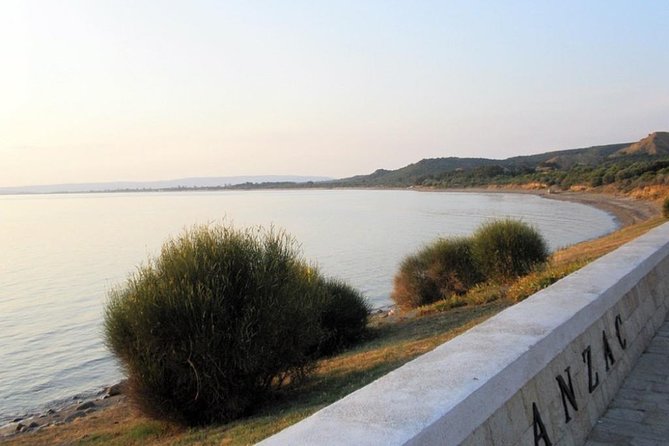
Day 1 is Gallipoli, and it’s not a “quick drive-by.” You’ll head to the peninsula by coach while your guide sets the scene about the 1915 campaign around Constantinople (now Istanbul). Then you shift into a walking day focused on key battles and memorials visited by many nations.
Gallipoli walking stops that connect the story
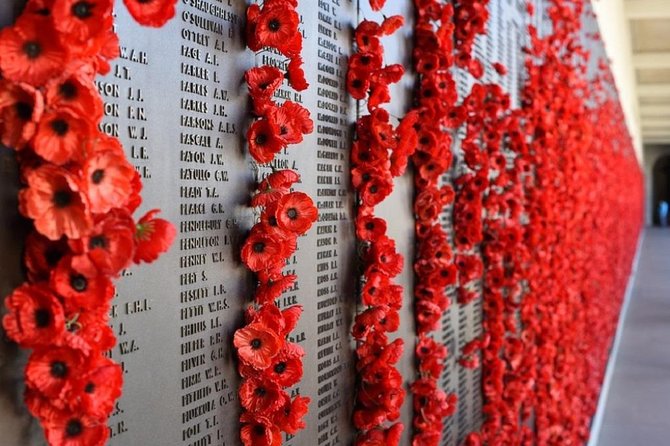
After a lunch break in the area, you’ll get a walking tour built around the most famous remembrance locations. The big emotional anchor is Australia’s memorial area at Lone Pine, where you’ll also hear about the troops who stormed the woodland and see the trench areas of Nek. Then you move on to Chunuk Bair and ANZAC Cove, where the focus becomes respect and context rather than sightseeing.
You’ll also have time to see museum-related exhibits at the Kabatepe Museum area as part of the overall Gallipoli day. Even if you’re not a WWI buff, this is where the tour earns its keep: the guide’s job is to translate history into what you can see on the ground.
The one thing to prepare for
This is a walking-and-standing day. Wear shoes you trust and don’t plan on heavy shopping afterward. If you get motion-sick on buses, bring what helps you—because the coach time plus short walks can add up.
You can also read our reviews of more tours and experiences in Istanbul

Evening check-in in Çanakkale
By early evening you cross back toward the Dardanelles Strait area and check into your Çanakkale hotel in time for dinner. That first night is your recovery buffer. You’ll want it, because Day 2 turns from battlefields to myth and ancient cities.
Troy: the Trojan Horse and making myth feel real
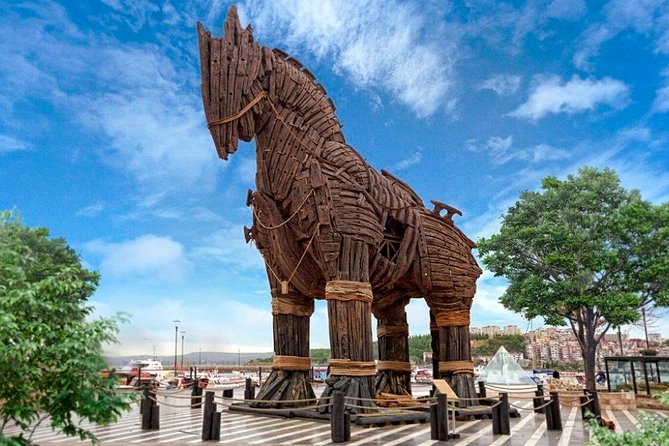
Day 2 starts with breakfast, then you head to Troy (Truva), one of the world’s most famous archaeological sites. The place is layered: settlements changed across centuries, from Bronze Age life to later Byzantine occupation. That’s important, because Troy isn’t just a single ruin—it’s a site with history stacked on history.
The guide narrative ties it to the Trojan War myth: the story of Paris and Helen, and a conflict that lasts ten years in the legend. But the real payoff for most people comes when you’re standing in the environment and can look around the way the story describes it.
What you’ll do at Troy
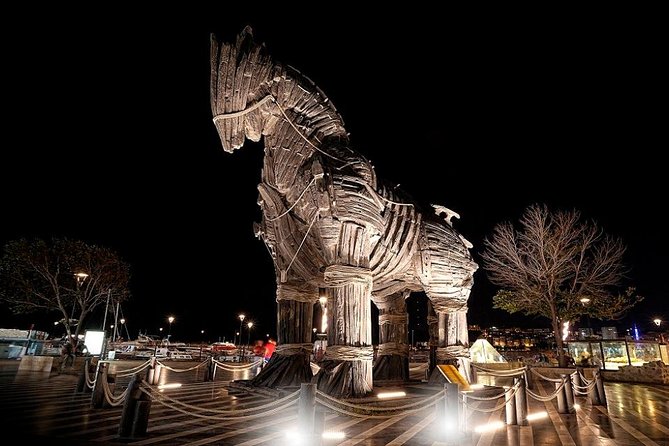
You’ll tour Troy with enough time for close-up photos. The standout moment is the chance to see the famous Trojan Horse sculpture, which your guide will frame with story so it doesn’t feel like a random prop. You’ll get free time for photos, which is exactly when you’ll want it—so you can step back, look again, then shoot from a second angle without a guide rushing you.
A museum stop in the Troy area
You also visit the Museum of Troy (Troya Muzesi) for about an hour. Even if you don’t plan to read every label, museums here help you connect what you just walked through with what’s inside the ground.
How Troy fits the overall trip
Troy works as the “myth day” between WWI and the ancient cities of the Aegean. It’s the same bigger theme: how places become symbols long after the original events. This makes the tour feel more connected than a simple list of monuments.
Pergamum’s Asclepion: where ancient medicine met daily routine
After Troy, you’ll head to the Pergamum region, with time around the Pergamon Amphitheater area and then the star attraction: Pergamum Asclepion.
This is the stop that gives the tour a different flavor. Instead of temples of empire or battlefields, you get a place built around healing. The Asclepion began with what sound like lifestyle recommendations—think sun exposure and herbal remedies—and grew into an organized medical center and school. The tour’s framing is clear: this wasn’t random magic, it was a system of practices that influenced later approaches to medicine.
Why the Asclepion experience is worth your feet
When you’re walking ruins that were designed for treatment, you tend to notice details differently. You can see how people moved through spaces and how the environment itself was part of the care routine. Even without medical training, it’s a fascinating reminder that “health” has always been connected to daily life.
One practical note: this area is outdoors and your time is limited, so bring water and pace yourself. If you like photos, plan a minute or two at viewpoints, then refocus—because the guide will keep pointing you toward the parts that matter for the story.
Arrival in Kusadasi and evening downtime
After exploring the Asclepion area, you continue to Kusadasi for hotel check-in, dinner, and a free evening. That downtime is more valuable than it sounds. You’ll have energy for a stroll, a meal on your own, or just an early night after three heavy days.
Ephesus on foot: Arcadian Way, Theater, and Hadrian’s temple
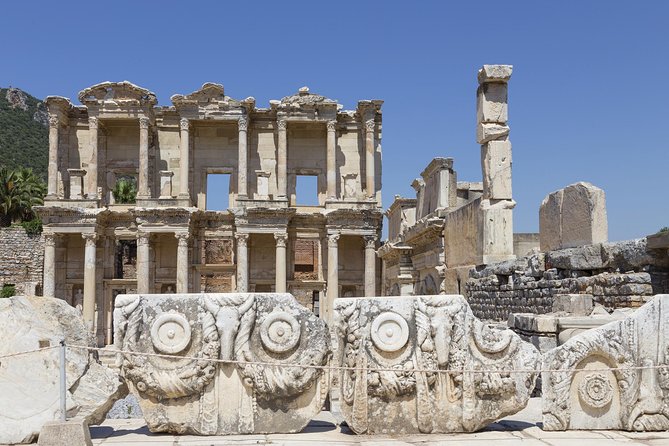
Day 3 is Ephesus, and it’s one of the easiest sites on this itinerary to get why people keep returning. Ephesus is considered one of Europe’s best-preserved Classical cities, and the scale is obvious the second you start walking.
The walking tour highlights you should not rush
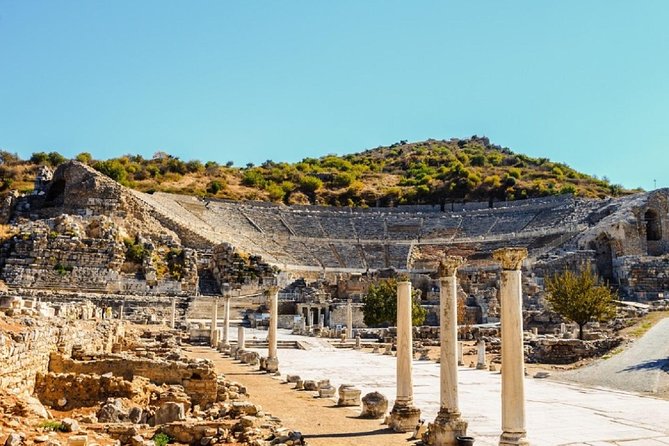
You’ll see the Arcadian Way, a major colonnaded street that helps you grasp how the city functioned. You’ll also see the Temple of Hadrian, built to honor Emperor’s visits. These aren’t just ruins for the sake of ruins; they show how ceremony, politics, and public life were built into the urban layout.
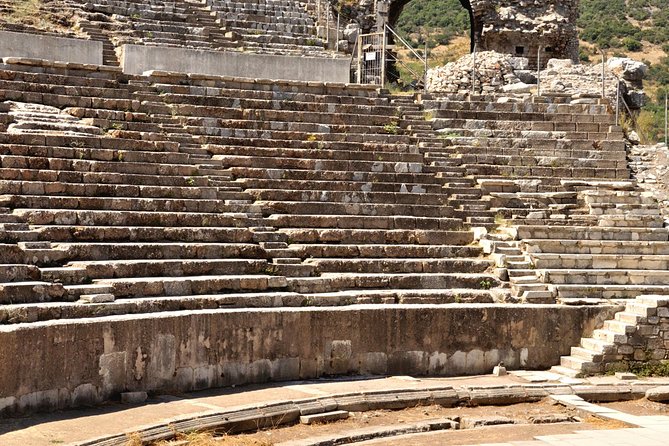
You’ll also spend time around the area’s theater structures. In Ephesus, theaters aren’t just for performances—they’re where community energy gathered. On a short timeline, it’s smart to listen carefully to what the guide points out, because those details change what you notice while walking.
House of the Virgin Mary: a slower, pilgrimage tone
After lunch time in the area, you continue to Meryemana (the House of the Virgin Mary). The tour includes time to look inside the chapel and hear its history as a pilgrimage place tied to the belief that Mary spent her last days there.
This stop breaks the Roman-city rhythm. It’s quieter, more reflective, and it helps you remember that people still connect to these places today, not just in textbooks.
Temple of Artemis and quick final stops
Your Day 3 includes short additional sights such as the Temple of Artemis area and theater viewpoints like the Odeion and the Grand Theatre. These are shorter segments, but they’re strategic: they cap your day with iconic images and a sense of the city’s “greatest hits.”
Hotels in Çanakkale and Kusadasi: real rest, not just beds
Accommodation is included for two nights in Çanakkale and Kusadasi, with 4-star hotels (names can vary). This is a big value point, because the itinerary is built around travel time between regions. Having lodging included means you’re not juggling separate bookings for each leg.
The hotels also help you reset. After long coach days and outdoor walking, you want a room that’s actually restful. In past experiences with this kind of route, the difference between a basic room and a proper 4-star setup shows up quickly—clean comfort after dinner is the difference between “I’ll see sights later” and “I’ll sleep and miss sunset.”
Price and value: is $1,195 a fair deal for what you get?
At $1,195 per person, this isn’t a bargain-basement tour. But you are paying for three things that add up fast on your own: guided interpretation, transportation across multiple regions, and lodging with meals included for part of the trip.
Here’s how the math feels in real life. You get:
- 2 nights of 4-star hotels
- hotel pickup and drop-off
- a professional guide
- breakfast (2) and dinner (2) included
- guided visits to major sites you’d otherwise need multiple tickets, maps, and planning to stitch together
Add the coach time from Istanbul, plus the regional travel once you’re out on the peninsula and along the Aegean coast. That transportation isn’t free if you’re arranging it yourself, and it’s the kind of logistics that can derail a DIY plan.
Group size is another value ingredient. The tour caps at 15 travelers, which usually means you won’t spend every stop trapped in a big crowd. Also, I’ve seen this trip operate with very small group numbers at times, so the pace can feel more personal than you might expect for a “small group” label.
Who this tour suits best (and who should look elsewhere)
This fits best if you want:
- a guided route that connects WWI history, myth, and ancient cities
- clear structure, so you don’t spend your limited time figuring out where to go next
- overnight stays included so you can focus on the sights
It may feel too packed if you want slow travel. Day 1 and Day 2 in particular are heavy on the mental load: emotional memorials, then Troy, then medicine ruins, then back to another major city.
It also may not fit if your priority is deep museum time or long free wandering. You’ll have some photo and pacing flexibility at key moments, but the schedule is built to cover the big names.
Should you book this Istanbul to Kusadasi tour?
I’d book it if you like guided context and want a “greatest hits” route without the stress of planning transport and transfers between Istanbul, Gallipoli, Troy, and Ephesus. The best part is how the guide helps you connect places—battlefields to memorials, myth to archaeology, and ancient medicine to a real functioning complex.
I’d think twice if you hate early mornings, don’t do well with lots of walking, or expect the trip to end back in Istanbul. The tour ends with a drop-off in Kusadasi, so your post-tour plan should start there.
If you book, do two things: confirm pickup details 24 hours prior, and plan your last evening in Kusadasi so you’re not rushing to catch something immediately after the tour finishes around 6 pm.
FAQ
What time does the tour start and where is the pickup?
The tour starts at 6:30 am from Ottoman Hotel Imperial Sultanahmet (Caferiye Sk. No:6/1, 34122 Fatih/İstanbul).
Where does the tour end?
The tour finishes in Kusadasi around 6 pm on Day 3, with a hotel drop-off.
How many nights of accommodation are included?
You get 2 nights of accommodation, in Çanakkale and Kusadasi, at 4-star hotels (hotel names may vary).
Which meals are included in the price?
The tour includes breakfast (2) and dinner (2). Lunch is mentioned as part of the day’s timing, but only breakfast and dinner are clearly listed as included.
Is hotel pickup and drop-off included?
Yes, hotel pickup and drop-off are included.
How large is the group?
This tour has a maximum of 15 travelers.
Are admission tickets included?
Some stops are listed as free, while others have admission tickets included as part of the itinerary.
What is the cancellation deadline for a full refund?
You can cancel up to 6 days in advance for a full refund, and you must cancel at least 6 full days before the experience start time.
If you want, tell me your travel month and your tolerance for early starts, and I’ll help you decide if this pace matches your style.