REVIEW · ISTANBUL
Magnificent Mosques of Istanbul
Book on GetYourGuide →Operated by TourThese · Bookable on GetYourGuide
Five mosques and two markets in one walk. I like how this route ties together architecture and faith stories, and I especially enjoy the stop at Rustem Pasha Mosque for its İznik tiles. The main tradeoff is the tour is a half-day walking route, up to 5 miles, so comfortable shoes matter.
You’ll go with a live guide (multiple languages available), and you’re not just staring at buildings. I also like the pacing: photo stops when you want them, then guided time where details actually land, plus coffee or tea to keep you going.
One logistics note: entry tickets are not included, and Hagia Sophia has a listed entry cost (30 EUR per person). Add that to your planning, and the day feels like a good value for what you get.
In This Review
- Key highlights worth planning around
- How a 5-hour private mosque route keeps Istanbul from feeling random
- From the German Fountain to Sultan Ahmed Mosque: start with the most iconic “face”
- Hagia Sophia in about an hour: what to watch for and why frescos matter
- Süleymaniye Mosque: stories of Sultan Süleiman and Roxana
- Nuruosmaniye Mosque and the tile-led detour at Rustem Pasha
- Markets between prayers: Kapalı Çarşı, Spice Bazaar, and the finish at Egyptian Bazaar
- Price and value: why $71 can work (if you plan for entry tickets)
- What it’s like on the ground: walking, dress rules, and keeping the day comfortable
- Should you book? Who this tour is best for
- FAQ
- Meeting point and where does the tour end?
- How long is the tour, and how much walking is involved?
- What’s included in the $71 price?
- What costs are not included?
- How much is the Hagia Sophia entry ticket?
- Will I need special clothing for the mosques?
- What languages are available for the live guide?
Key highlights worth planning around
- Rustem Pasha Mosque’s İznik tile work: a smaller, tile-forward stop that’s easy to miss on your own
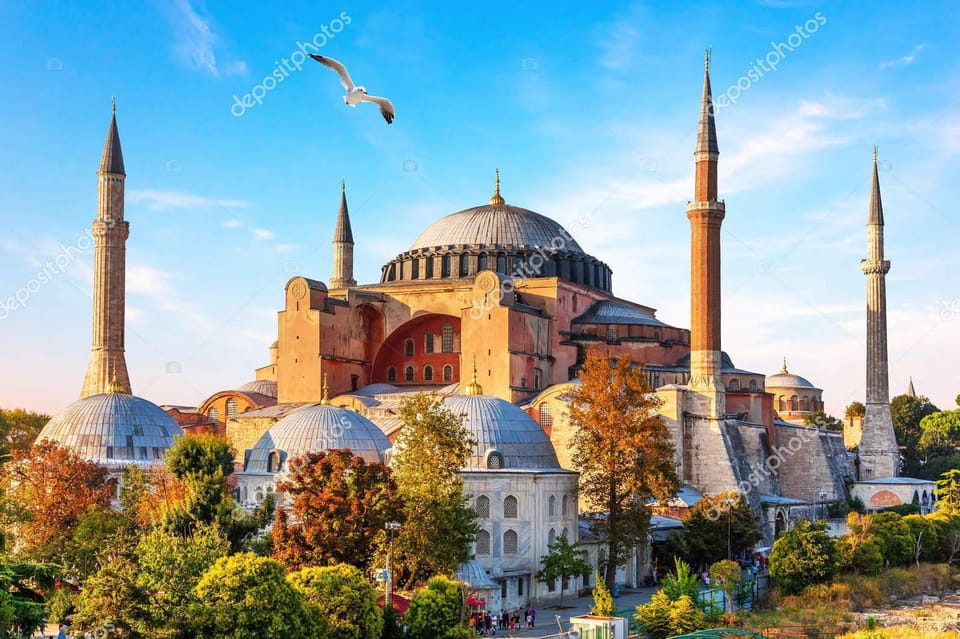
- Hagia Sophia’s 1500 years of stories: frescos, context, and why the building matters
- The Blue Mosque nickname explained: you’ll get the story behind what makes people call it that
- Süleymaniye with Sultan Süleiman and Roxana: guided storytelling beyond the postcard version
- Markets as part of the experience: Spice Bazaar sweets-and-tea time, plus Kapalı Çarşı and the finish at Egyptian Bazaar
- Private group, multilingual guide: practical explanations in your language
How a 5-hour private mosque route keeps Istanbul from feeling random
This tour works because it treats Istanbul’s mosques like living context. You see the big names, but you also get the “why” that connects names, designs, and the city’s religious culture.
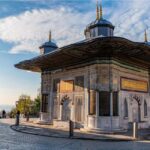
You’ll start at the German Fountain near Sultanahmet Tram Station (about a 2-minute walk). Your guide holds a TourThese flag, so you’re not playing spot-the-logo for long. Then the day flows through the Sultanahmet area into the hills for Süleymaniye, and back down through lesser-known stops and into market time.
The big practical point: it’s a walking city tour. The tour calls for up to 5 miles, and that includes mosque-to-mosque walking plus time inside. If you’re the type who wants to rest between stops, build in a slower pace and don’t plan extra sightseeing afterward.
You can also read our reviews of more tours and experiences in Istanbul.
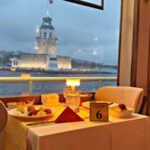


From the German Fountain to Sultan Ahmed Mosque: start with the most iconic “face”
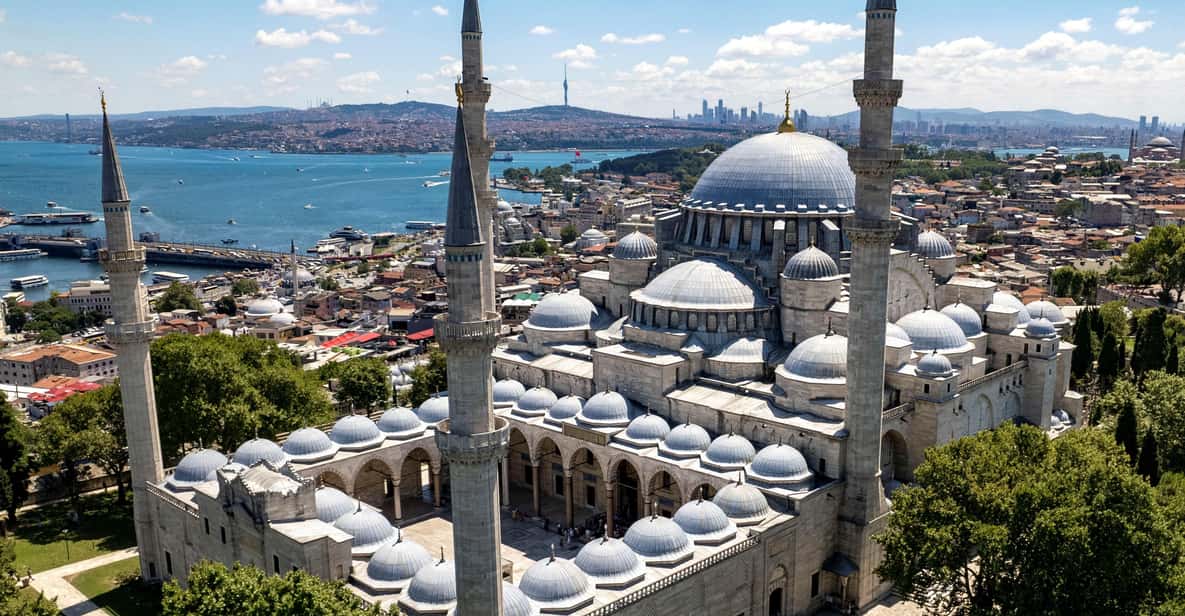
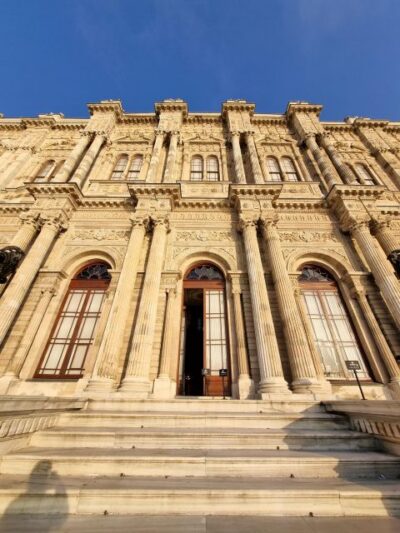
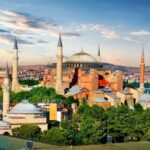
Your first real destination is the Sultan Ahmed Mosque—the one most people know as the Blue Mosque, even before the guide explains why. Expect a photo stop plus a guided visit and time for sightseeing. You’ll spend about an hour here, which is enough to get past surface photos and understand what you’re looking at.
What I like about starting here: it sets the visual baseline. When you later see Hagia Sophia and Süleymaniye, the design choices start to feel connected, not random. Also, this is the moment where a guide can explain naming and features in plain language, which helps a lot when you’re surrounded by crowds.
Practical tip: go in with a plan for photos. Pick a spot, take a few shots, then step back so the guide’s explanation has your full attention. Inside and around the mosque you’ll want to keep moving calmly—this is a place of worship, not a photo set.
Hagia Sophia in about an hour: what to watch for and why frescos matter
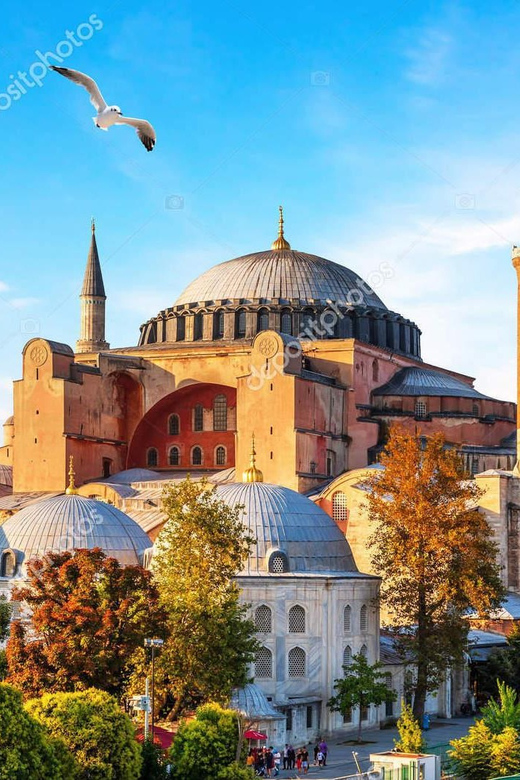
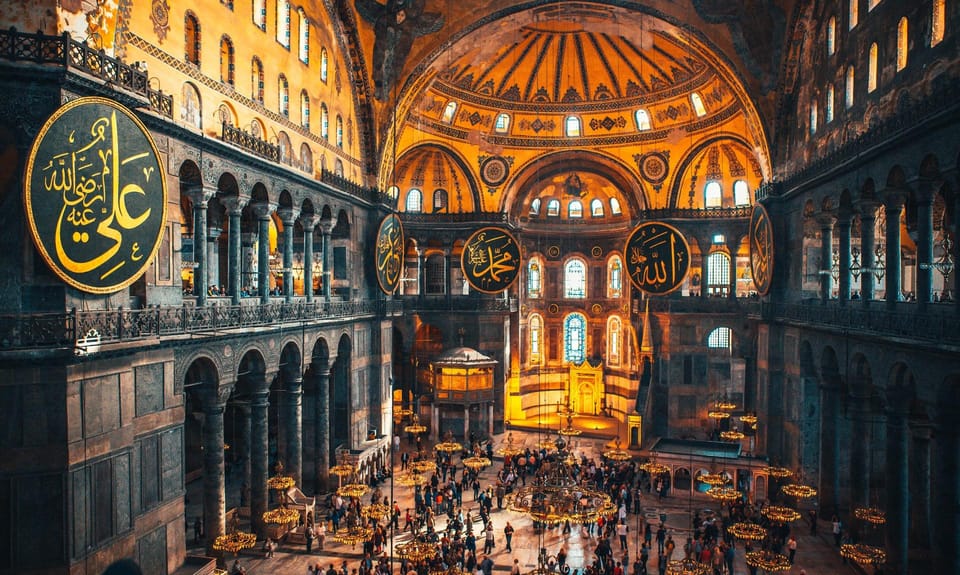
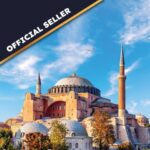
Next comes Hagia Sophia, the world-famous monument with around 1500 years of story. You’ll get a photo stop, then guided visit and sightseeing time, about an hour in total.
A good guide turns Hagia Sophia from a “famous building” into a timeline you can feel. The tour specifically focuses on its frescos and the long arc of history—what survived, what changed, and why the interior looks the way it does. Even if you’ve seen pictures before, this stop is about learning how to read the room.
Possible drawback: Hagia Sophia’s popularity means you’ll likely deal with the real-world crowd situation and the practical flow of entering and moving. That’s not the tour’s fault; it’s just Istanbul’s megasite energy. If you’re sensitive to crowds, keep your expectations realistic and treat the guide’s pacing as part of the value.
Also budget for the ticket. Hagia Sophia has an entry ticket listed at 30 EUR per person, and entry tickets are not included in the tour price.
Süleymaniye Mosque: stories of Sultan Süleiman and Roxana
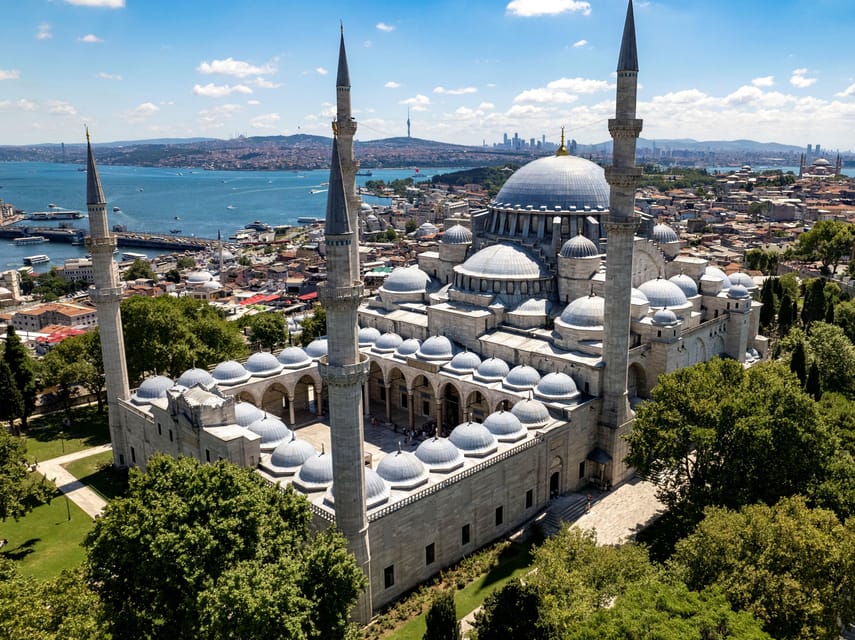
After Hagia Sophia, you head to Süleymaniye Mosque, described as the second biggest in Istanbul after the one on the Asian side. You’ll get around 1.5 hours here, including photo time, guided visit, and sightseeing.
This is where the tour leans hard into storytelling. You’ll hear the history tied to Sultan Süleiman the Magnificent, plus the story of his wife Roxana. That detail matters because it shifts your attention from architecture alone to the people and decisions behind the buildings.
When I think about value on tours like this, I focus on whether the guide gives meaning you can carry with you. Süleymaniye is set up for that. It’s large, visually impressive, and also a place where the guide’s background helps you notice features you would otherwise ignore.
One more practical note: mosque time can be physically demanding, not because the walking is extreme at this stage, but because you may be standing, looking up, and moving through covered areas. Pace yourself, drink water when you can, and let the guide do the heavy lifting on explanations.
Nuruosmaniye Mosque and the tile-led detour at Rustem Pasha
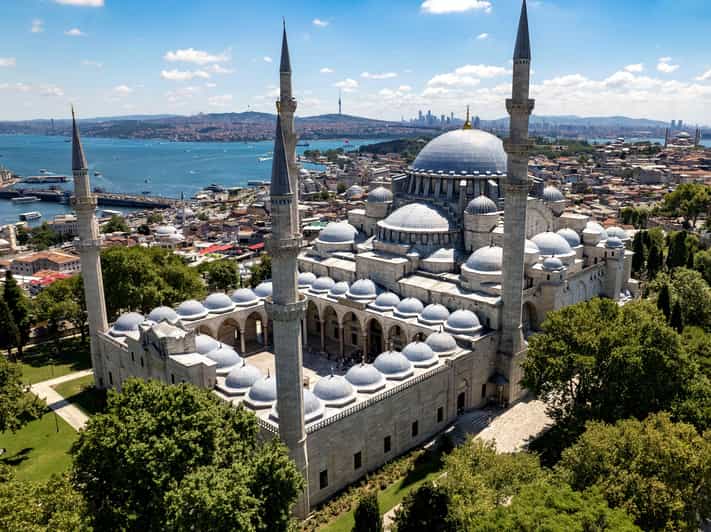
The itinerary includes Nuruosmaniye Mosque with about 30 minutes for photo stop, guided visit, and sightseeing. This shorter stop is perfect if you like variety without overthinking it. You’ll get an additional layer of understanding beyond the biggest landmarks.
Then comes a stop that people tend to remember: Rustem Pasha Mosque. The tour highlights it for its Iznik tiles—and this is exactly the kind of place that benefits from a guide. Even when you know tiles exist in Istanbul, it’s hard to appreciate the full effect without context on what you’re looking at and why it’s significant.
The tour description also notes that Rustem Pasha is an “exact blue” type reference in the sense that it connects tile-and-color impressions to what people expect from the Blue Mosque experience. The real point for you: Rustem Pasha is a tile-focused contrast to the larger scale mosques earlier in the day.
Important respect note: mosques are active places of worship. You’ll want to keep your voice down, move with care, and follow the guide’s instructions on timing and positioning.


Markets between prayers: Kapalı Çarşı, Spice Bazaar, and the finish at Egyptian Bazaar
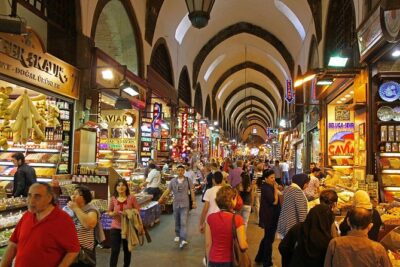
Once you’ve seen the major worship sites, the tour shifts into the part that makes the day feel like Istanbul, not just sightseeing. There’s a market rhythm built in: Kapalı Çarşı, the Spice Bazaar, and then the finish at Egyptian Bazaar.
You’ll spend about 1 hour at Kapalı Çarşı for guided sightseeing and shopping. This is your chance to browse with context—what to look for, how bargaining culture works in general terms, and how to avoid getting pulled into low-value choices.
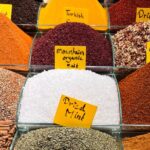
Then there’s the bonus stop at Spice Bazaar, framed around a Turkish proverb: Eat sweet, talk sweet. In practice, this means you get a sensory break after mosque time. You’ll likely have chances to taste and shop spices and related treats, and you’ll have your guide there to help you navigate what’s high quality.
Finally, you end at Egyptian Bazaar. The day closes with market energy, which makes the tour feel complete. You’ve spent hours with stories of faith and empire, and then you finish with the everyday Istanbul trade scene.
If you’re thinking about souvenirs, this is where you’ll want to focus. Pick the items you can use up after the trip—spice blends, tea, small gifts—rather than relying on big bulky purchases you regret later.
Price and value: why $71 can work (if you plan for entry tickets)
The price listed is $71 per person for a private tour lasting about 5 hours. Included items are a guide plus coffee or tea. What’s not included: transportation, entry tickets, and lunch.
Here’s how I’d think about the value:
- You’re paying for a guide-led route through several major religious sites plus markets, which can be hard to stitch together efficiently without local help.
- You also get private-group time, which tends to make explanations more relevant to you (especially if you ask questions).
- The “cost” you still need to budget for is mostly in entry tickets, with Hagia Sophia specifically listed at 30 EUR per person.
If you’re already planning to enter Hagia Sophia, the tour price starts to look more reasonable because you’re not paying for a separate guide day on top of your tickets. If you weren’t planning to enter major sites at all, then the guide’s value may be harder to justify.
Bottom line: it’s good value when you want meaning, not just movement between landmarks.
What it’s like on the ground: walking, dress rules, and keeping the day comfortable
This tour is designed as a half-day walking experience. It calls for walking up to 5 miles, so comfortable shoes aren’t optional. I’d also bring a light layer. In mosque areas, it can feel cooler inside than you expect, and you’ll want to be able to adjust without losing time.
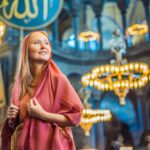
For dress, the tour states that when you visit mosques, headscarves and skirts will be provided at the mosque entrances. That removes a lot of stress for visitors who didn’t pack coverage items.
One more comfort tip: plan your hydration and snacks. Lunch is not included, and you’ll want something ready for the gaps between markets and mosque stops. Coffee/tea is included, but it won’t replace a proper meal.
Should you book? Who this tour is best for
Book this tour if you want a guided day that connects major mosques to real stories—people, design choices, and the meaning behind what you see. It’s also a strong pick if you like being told what matters while you’re standing in front of it, instead of sorting through guidebooks on your own.
It’s especially worth it for the stops that benefit from explanation. Rustem Pasha Mosque and its Iznik tiles is exactly the kind of place you can miss or underestimate without help. And the tour’s blend of Sultanahmet landmarks + Süleymaniye + markets makes it more than a checklist.
Skip it if you want minimal walking, or if you’d rather control every stop yourself. The route is built for momentum and interpretation, so it won’t feel relaxed if you prefer slow museum-style pacing.
FAQ
Meeting point and where does the tour end?
You meet at the German Fountain. The guide is holding the TourThese flag, and the start is about a 2-minute walk from Sultanahmet Tram Station. The tour finishes at Egyptian Bazaar.
How long is the tour, and how much walking is involved?
The duration is 5 hours. It’s a half-day walking city tour with a walk of up to 5 miles.
What’s included in the $71 price?
The tour includes a private tour, a guide, and coffee or tea.
What costs are not included?
Transportation, entry tickets, and lunch are not included.
How much is the Hagia Sophia entry ticket?
The entry ticket cost for Hagia Sophia is listed as 30 EUR per person.
Will I need special clothing for the mosques?
Yes, you’ll be kindly provided with headscarves and skirts to cover yourself at the mosque entrances.
What languages are available for the live guide?
The live tour guide is available in Russian, Greek, Spanish, Portuguese, German, French, and English.