REVIEW · ISTANBUL
Guided Bosphorus Afternoon Cruise on Yacht
Book on Viator →Operated by Golden City Tours · Bookable on Viator
A Bosphorus cruise feels like a shortcut to understanding Istanbul. You get live English narration while relaxing on a clean, comfortable yacht, plus snacks and drinks that make the 2-hour timing painless. The main trade-off: it is mostly a boat-and-views experience, so if you want lots of time inside buildings, plan for that separately.
I like that this one is small-group style, with a maximum of 30 people and a restroom onboard. I also like the food setup: seasonal fruit, cookies, baklava, hot drinks, water, tea, coffee, and a mint lemonade made with fresh mint. One thing to consider upfront if you’re sensitive to motion: this isn’t recommended for travelers with vertigo or seasickness.
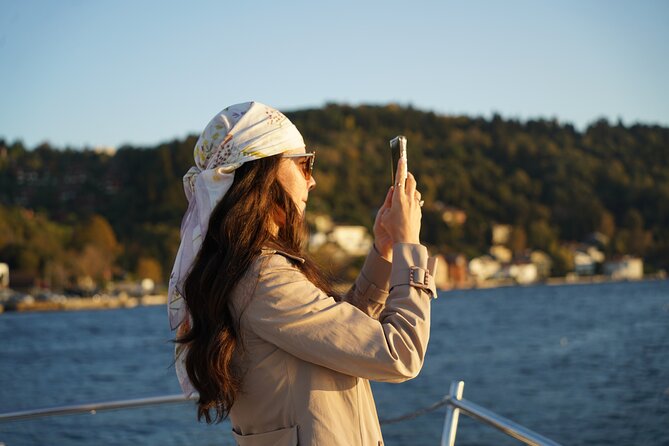
If you choose the 1:00 pm sailing, you also dodge the harshest morning light and still catch golden-hour vibes before evening plans. It ends back at the meeting point, so you’re not forced into an awkward “now what?” scramble afterward.
In This Review
- Key takeaways
- The Bosphorus in 2 hours: why this timing works
- The live narration (and guide Erdal’s safety-first vibe)
- Dolmabahçe Palace and Çırağan Palace: Ottoman power with a European face
- Ortaköy to Bebek: neighborhoods, the Bosphorus Bridge, and photo-friendly pauses
- Rumeli Hisarı and Anadolu Hisarı: the fortresses that controlled the narrowest point
- Beylerbeyi Palace and the Ottoman pavilion museum: high-style summer life
- How the cruise wraps near Galata Tower and Galata Bridge
- Snacks, drinks, and keeping comfortable on a yacht
- Price and value: what $60.47 buys you on the water
- Who should book this Bosphorus afternoon cruise
- Should you book this Bosphorus afternoon yacht cruise?
- FAQ
- How long is the Bosphorus afternoon cruise?
- What’s included in the ticket price?
- Is the tour offered in English?
- Where does the tour start and end?
- Do I need to arrange transfers?
- Is alcohol included?
- Is it suitable if I get motion sickness?
Key takeaways
- Live guide in English keeps the sights meaningful, not just scenic.
- Mint lemonade with fresh mint plus fruit, cookies, and baklava makes it feel like a real break.
- Dolmabahçe Palace admission included adds a culture payoff beyond views.
- Small group (max 30) means you can hear the guide without shouting.
- Fortresses and palaces line the route, from Rumeli Hisarı to Beylerbeyi.
- Smooth, yacht-style comfort with a restroom onboard.
The Bosphorus in 2 hours: why this timing works
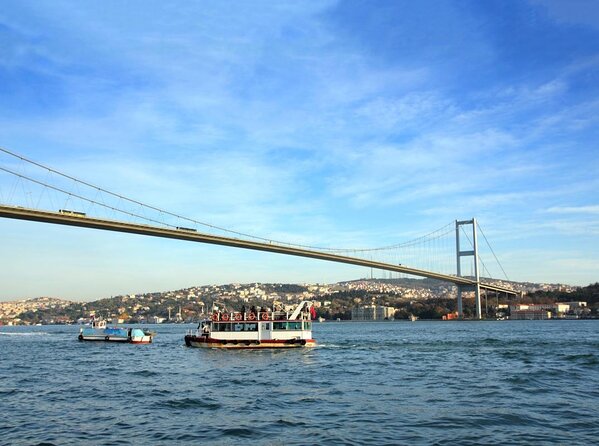
Two hours on the water is long enough to feel like you left the city, but short enough that your afternoon stays flexible. The route is built around the Bosphorus corridor, where the Ottoman era, European-style architecture, and modern Istanbul all share the same shoreline.
This is also a smart way to “sort the city” fast. From the boat, Istanbul’s layout makes sense: palaces and fortifications cluster along the strait, and bridges make the modern city’s scale obvious. You’ll walk away with a mental map you can use for the rest of your stay.
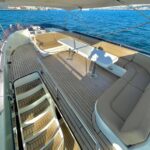
The cruise duration is listed as about 2 hours, and it’s a luxury yacht format, not a crowded ferry situation. That matters because you can relax and actually listen to the guide, instead of holding your place in a crush of people.
You can also read our reviews of more boat tours in Istanbul
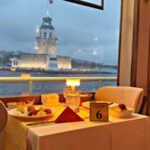


The live narration (and guide Erdal’s safety-first vibe)
The experience is built around a professional tour guide who narrates as you go, in English. That’s huge on the Bosphorus, where you’ll otherwise see big buildings and think, nice, what is it?
In the best-case scenario, the guide sets the pace and keeps everyone oriented. On this cruise, the overall tone from the guide and crew is attentive—especially when it comes to comfort and safety. Erdal is specifically called out as knowledgeable and kind, going out of his way to make sure a solo guest felt safe and well cared for.
On a yacht, that kind of care adds up. You’re close to railings and open water, so a good crew isn’t just helpful, they’re practical. If you’re traveling solo, it also helps to feel like you’re not stuck figuring things out on your own.
Dolmabahçe Palace and Çırağan Palace: Ottoman power with a European face
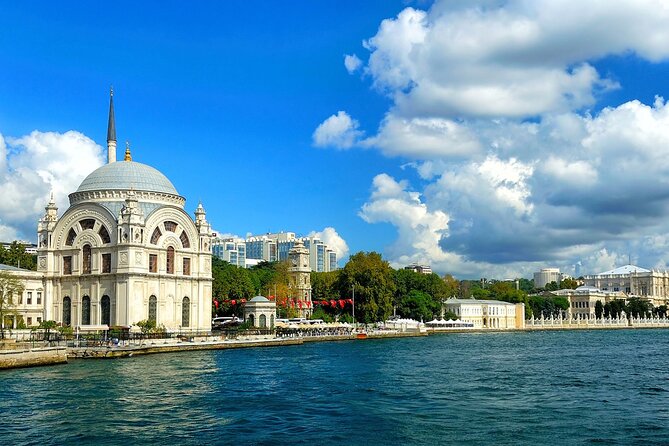
Dolmabahçe Palace is one of those places where the architecture alone tells a story. It was built between 1843 and 1856 by court architect Karabet Balyan for Sultan Abdulmecid, and the palace was designed on a symmetrical plan with 285 rooms and 43 halls.
What I like about including Dolmabahçe in this kind of cruise plan is how it frames the Bosphorus as more than scenery. The palace isn’t a random stop; it’s a symbol of the Ottoman court’s reach and ambition, right on the water. Even if you don’t spend hours inside during your visit window, the viewpoint helps you understand why waterfront mattered so much.
Dolmabahçe is also described as having survived intact with original decorations, furniture, silk carpets, and curtains. If your schedule includes the palace component with admission included, you’ll get a rare chance to see the interior side of the wealth you view outside.
Then there’s Çırağan Palace, commissioned by Sultan Abdulaziz and designed by architect Sarkis Balyan. It was completed in 1871 and is made of marble, spreading over a total area of 80,000 square meters—an impressive scale that signals how seriously the Ottomans invested in comfort and display.
Today, Çırağan is converted to a luxury hotel by Kempinski. The practical takeaway for you: even if you’re not staying there, you can still read the shoreline like a timeline—Ottoman building, later reinvention, modern luxury layered on top.
Ortaköy to Bebek: neighborhoods, the Bosphorus Bridge, and photo-friendly pauses
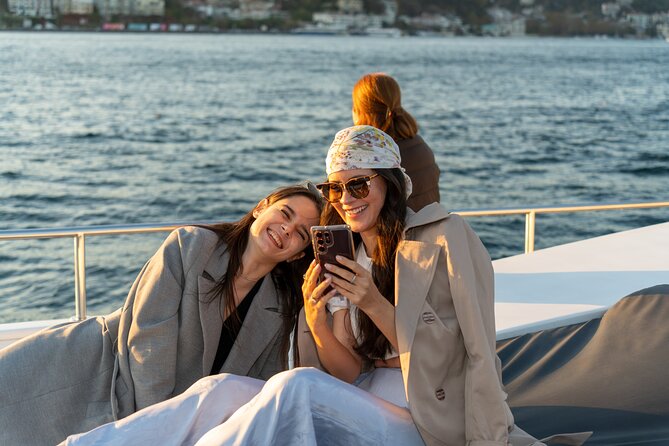
This cruise includes a narrative stop in Ortaköy, on the European side of the Bosphorus. Ortaköy is known for its bazaar area with cafes, bars, restaurants, and souvenir shops—plus an “intellectual market” vibe. Morning can feel a bit quieter; after 10:00 am, the energy comes back.
Why does that matter for your cruise? It’s one of the ways you can connect what you’re seeing from the boat to what’s on land. If you want to continue exploring after the cruise, Ortaköy gives you a direct next step without needing to plan from scratch.
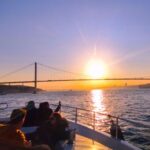
The route also ties in the Bosphorus Bridge. The feet of the bridge are in Ortaköy (European side) and Beylerbeyi (Anatolian side), and it’s described as the first bridge built on the Bosphorus—connecting Europe and Asia. Whether you’re a bridge nerd or not, this is one of the most visually clear “modern Istanbul” moments from the water.
After that, the cruise route highlights Bebek, a historic Bosphorus neighborhood on the European shore. Its name is tied to the neighborhood being positioned as attractive and “baby”-like in translation, and the area is framed by mansions and views, with places like Boğaziçi University in the mix.
A good word for Bebek from a traveler’s perspective: it’s scenic. You don’t have to plan a full day there to benefit from it—you’ll get the “why people love this stretch of water” feeling from the cruise.
Rumeli Hisarı and Anadolu Hisarı: the fortresses that controlled the narrowest point
One of the best parts of this cruise plan is that it doesn’t skip the military geography. The Bosphorus isn’t just pretty; it was strategically important, and these walls prove it.
On the European side, you’ll see Rumeli Hisarı in Sariyer. Construction began in 1453 on the order of Sultan Mehmet the Conqueror, placed at the narrowest point of the Bosphorus. The fortress was completed in just three months, and before the conquest of Istanbul it was used to protect against naval attacks.
After the conquest, it shifted roles and became an inspection point for maritime traffic. Today it’s used as an open-air theater and museum. That blend—defense turned cultural space—adds meaning to what could otherwise be just “big old stone.”
On the Anatolian side, the cruise narrative includes Anadolu Hisarı in Beykoz. It was built in 1395 by Beyazıt I and includes a citadel plus exterior castle walls. After the conquest, it lost much of its strategic importance and became a military hospital.
Later restoration work between 1991 and 1993 converted the area into a museum, but it’s not open to the public. You can visit outer walls, and the road passes through the area. For you, this is a useful clue: if you want to explore on foot later, you’ll likely be limited to outside viewing rather than a full inside museum experience.
Taken together, these two fortresses make the Bosphorus feel like a living textbook. You see why ships slowed, why control mattered, and why the city developed the way it did.
You can also read our reviews of more guided tours in Istanbul

Beylerbeyi Palace and the Ottoman pavilion museum: high-style summer life
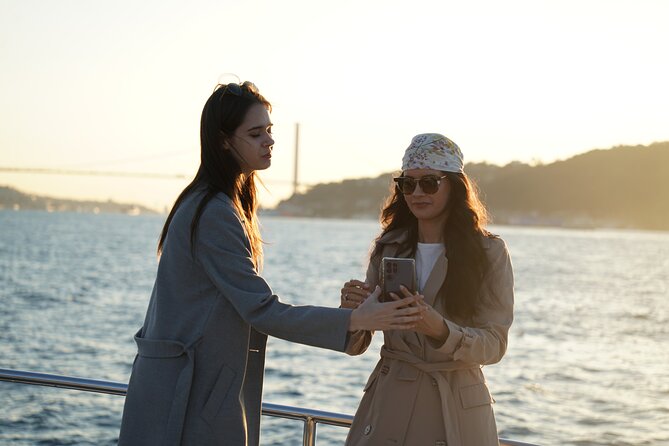
A cruise like this gives you the main visual anchors of Ottoman waterfront life, and Beylerbeyi Palace is a major one. It’s an Ottoman summer palace complex built in the 1860s on the shores of the Bosphorus, right under the Bosphorus Bridge.
The palace was designed by Sarkis Balyan, and it mixes elements from Renaissance, Baroque, and other styles from both East and West. That mix is important. It’s not just decoration—it’s evidence of the Ottoman court’s taste at the time, and how international influences showed up in local power spaces.
The complex includes Imperial Mabeyn on the south side and the Valide Sultan’s apartment on the north side. It’s described as having two storeys with six halls, 24 rooms, and also a hamam and a bathroom.
One practical reason I like this stop in the cruise narration: the lily pond and large garden are highlighted. Those details help you understand why summer palaces belonged on the water. They weren’t only for grand ceremonies—they were for daily life, cooling breezes, and formal comfort.
The itinerary also mentions an Ottoman pavilion used by emperors as a hunting lodge, now used as a museum. This is the kind of stop that feels small in time, but big in character. If you care about how Ottoman architecture worked in real settings—not just palace halls—it’s a good kind of add-on.
How the cruise wraps near Galata Tower and Galata Bridge
The route includes views tied to Galata Tower and the Galata Bridge area near the Golden Horn. Galata Tower is described as nine stories, 66.90 meters tall, built by the Genoese in 1348, and the tallest building in the city at the time.
The Ottoman-era uses are part of the story too, including fire observatory and jail. Then you get the famous 1632 flight attempt by Hezarfen Ahmet Çelebi from the top of the tower toward Üsküdar using self-constructed wings. Later, the conic roof was destroyed during a storm in 1875 and restored in the 1960s with changes to the interior.
Why include this from a Bosphorus cruise? It’s a reminder that Istanbul’s water stories don’t end at the Bosphorus. The city’s different waterfronts connect into one bigger system, and Galata is one of the easiest ways to “see” that system from above street level and out on the water.
The Galata Bridge is also framed as a daily-life classic, with restaurants, cafes, hookah lounges below, and tram plus pedestrian traffic above. It’s also noted as a great picture spot, especially later in the day when the scene feels lively. Even if you don’t hang out there afterward, the view from the water helps you understand why people keep coming back.
Snacks, drinks, and keeping comfortable on a yacht

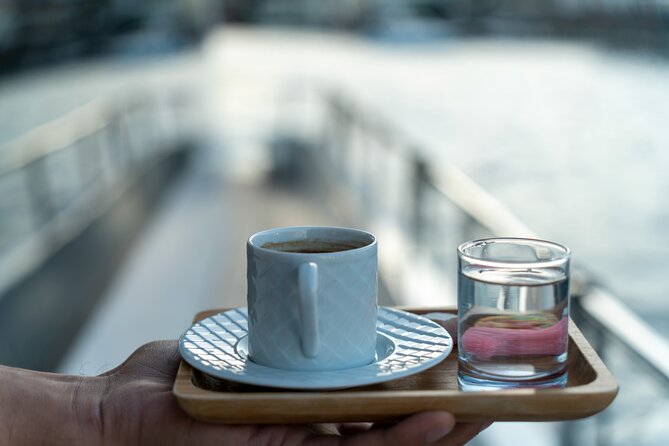
This cruise is set up to remove the usual “I’m hungry” problem. Included fare is a fresh fruit plate, cookies, baklava, and hot drinks. You also get complimentary drinks like homemade mint lemonade, water, tea, and coffee.
The mint lemonade detail is worth your attention. Many tours say lemonade; this one specifies fresh mint, so it’s less syrupy and more like something you’d actually want after time in sun and salt air.
Restroom access matters too. A Bosphorus cruise can run long on the water, but knowing there’s a restroom onboard makes the experience feel less strict. For a 2-hour afternoon outing, that kind of comfort can be the difference between relaxing and constantly thinking about logistics.
Alcoholic beverages are not included. If you want beer or wine, you’ll need to bring that assumption up front and plan accordingly, either by skipping alcohol on this outing or handling it elsewhere.
Finally, this is a moving boat, so dress for changeable conditions. Even in afternoon weather, wind off the strait can feel cooler than you expect once you’re underway.
Price and value: what $60.47 buys you on the water
At about $60.47 per person, this isn’t a budget ferry ride, but it’s also not priced like a private charter. What makes it feel like good value is that you get the full package: 2 hours on a luxury yacht, a professional guide, restroom access, and food plus non-alcoholic drinks.
A lot of city sightseeing tours charge extra for basic things like drinks or snacks. Here, those basics are built in—fruit, cookies, baklava, hot drinks, tea, coffee, water, and the mint lemonade. That means you’re not forced into spending more once you’re already onboard.
The other value factor is the included culture piece tied to Dolmabahçe Palace. Admission is listed as included for the experience, which helps you turn the cruise into more than just photos.
If you measure value by comfort, small-group feel, and included extras, this one checks a lot of boxes. If you measure value by maximum time onshore in multiple stops, the 2-hour format may feel short.
Who should book this Bosphorus afternoon cruise
This is a great fit if you want a relaxed, guided way to see Istanbul’s Bosphorus in a single afternoon. I’d especially recommend it if you like architectural variety—from Dolmabahçe’s European-influenced palace design to the fortress walls at Rumeli Hisarı and Anadolu Hisarı.
It also suits solo travelers who want a handled experience. The cruise format is small-group, and the guide and crew are described as attentive, helpful, and considerate—exactly what you want when you’re traveling alone.
Skip it if motion is an issue. The tour notes it’s not recommended for travelers with vertigo or seasickness. Also, if you dislike waiting for sights to appear from the water, you might find this more observational than hands-on.
This one pairs well with a bigger Istanbul plan. Use it as your “Bosphorus orientation hour” so that later you know which neighborhoods to target and which buildings you actually want to revisit.
Should you book this Bosphorus afternoon yacht cruise?
I think you should book it if you want a calm, well-paced Bosphorus overview with real comfort and included snacks. The combination of live English narration, a clean luxury yacht, and the food-and-drink setup makes the price feel easier to justify.
I’d skip it if your top goal is spending long time inside multiple sites. This experience is strong at showing you what matters along the water, not at turning Istanbul into a do-everything checklist.
If the weather cooperates and you’re comfortable on boats, this is one of those Istanbul afternoons that lets you see big icons without turning your trip into a sprint.
FAQ
How long is the Bosphorus afternoon cruise?
The cruise runs for about 2 hours.
What’s included in the ticket price?
You get a professional tour guide, a 2-hour luxury yacht cruise, restroom onboard, snacks (fresh seasonal fruit, cookies, baklava), and complimentary drinks (homemade mint lemonade, water, tea, and coffee).
Is the tour offered in English?
Yes, it’s offered in English.
Where does the tour start and end?
It starts at Ömer Avni, Meclis-i Mebusan Cd. No:34, 34427 Beyoğlu/İstanbul, Türkiye, and ends back at the meeting point.
Do I need to arrange transfers?
Transfers aren’t included, so you’ll need to get yourself to the meeting point. The meeting point is near public transportation.
Is alcohol included?
No. Alcoholic beverages are not included.
Is it suitable if I get motion sickness?
It is not recommended for travelers who have vertigo and/or seasickness.