REVIEW · ISTANBUL
3 Days Private Istanbul Tour Including Ottoman and Byzantine Sites
Book on Viator →Operated by Pupa Travel · Bookable on Viator
Three days can flip Istanbul’s timeline for you. This private route strings together major Ottoman and Byzantine landmarks in a logical flow, so the city feels less like random monuments and more like one story you can follow. You also get an easy start with airport help and a guide who helps you get your bearings fast.
What I like most is the pacing. You’re not just being herded between ticket lines. You have private guiding, time to absorb big spaces like Hagia Sophia and Topkapi, and a steady base in Sultanahmet for an overnight reset.
One consideration: the tour price includes guiding, transfers, and lunch, but accommodation isn’t listed as included. So you’ll want to confirm how your hotel is handled and budget for personal spending and drinks.
In This Review
- Key highlights you’ll care about
- Why this 3-day Istanbul mix works (Ottoman + Byzantine, back to back)
- Day 1: Airport arrival, hotel check-in, and a quick Istanbul orientation
- Day 2: Blue Mosque and Topkapi—Ottoman power in one tight route
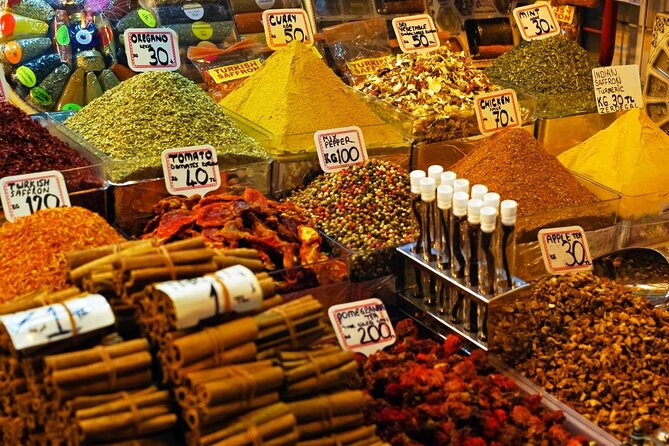
- The Spice Market neighborhood: Rustem Pasha Mosque, then Misir Carsisi
- Grand Bazaar Jewelers: shopping time with a guide’s navigation
- Day 3: Hippodrome first—how to read ancient Constantinople quickly
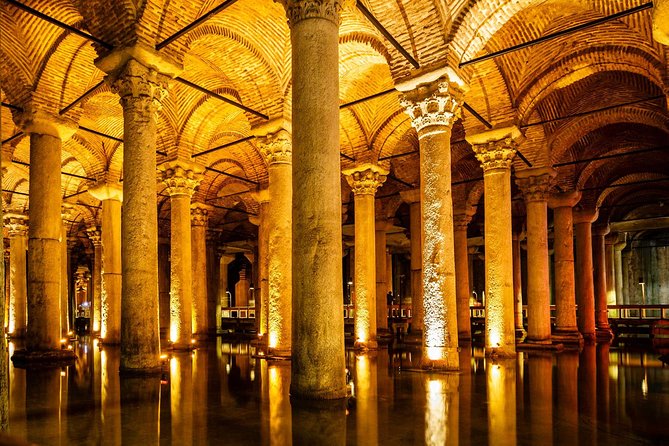
- Basilica Cistern: the short stop that feels like another world
- Ayasofya (Hagia Sophia): plan for time, not just photos
- Chora Museum: Byzantine mosaics with a smaller-feeling stop
- Price and value: what $701 per person buys you (and what it doesn’t)
- What the guided style gives you (especially if you care about real Istanbul)
- Who this private tour fits best
- Should you book this Istanbul private tour?
- FAQ
- How long is the tour?
- Is this a private tour?
- Do you provide airport transfers?
- Is pickup offered from my location besides the airport?
- What’s included in the price?
- Are admission tickets included?
- Does the tour include meals?
- Where do I stay overnight?
- Do I get a mobile ticket?
Key highlights you’ll care about
- Private airport transfers to and from Istanbul Airport, plus in-between logistics handled by the team
- Sultanahmet as your overnight base, making it easier to hit the historic sites without long commutes
- Blue Mosque + Topkapi Palace as your first “Ottoman power” block, with included entry time
- Spice Market and Grand Bazaar visits with guided routing, so you spend time shopping intentionally, not wandering
- Hippodrome and Basilica Cistern included on Day 3, with specific sights like the Serpent Column and Medusa heads
- Chora Museum mosaics + Hagia Sophia, pairing major Byzantine art with a more intimate church setting
Why this 3-day Istanbul mix works (Ottoman + Byzantine, back to back)
Istanbul can overwhelm you fast. One day you’re in Ottoman grandeur, the next you’re staring at Byzantine stonework, and suddenly you’re not sure what you’re looking at or why it matters. This tour tackles that head-on by sequencing your days around what you’re seeing: Ottoman rule on Day 2, then Byzantine layers on Day 3.
I like that the tour doesn’t stop at the headline buildings. You also get supporting stops that add context: the Hippodrome helps explain Constantinople’s civic life, and the Basilica Cistern turns Hagia Sophia’s world into something you can feel—cool, enclosed, and dramatic even in a short visit.
Another smart detail is how much is handled for you. You don’t have to plan transit between sites. You’re traveling by private A/C minivan with a guide coordinating the flow, and you’re starting the trip with pickup and orientation right after you land.
You can also read our reviews of more private tours in Istanbul

Day 1: Airport arrival, hotel check-in, and a quick Istanbul orientation
Day 1 is intentionally low-stress. After landing at Istanbul Airport, you meet the transfer team. They bring you to your hotel, you check in, and you get a short orientation session in the lobby with your guide.
This is the part I always appreciate on a short trip. If you start Day 2 already knowing how neighborhoods connect and how to think about walking distances, the rest of the days go smoother. In Istanbul, where streets twist and landmarks don’t always appear in a straight line, a little early orientation can save you energy.
You’ll also be based in Sultanahmet for your overnight. That matters because most of your big sights—Blue Mosque, Hagia Sophia area, the historic core—are clustered in and around it. Fewer commutes means more time at the actual stops.
Day 2: Blue Mosque and Topkapi—Ottoman power in one tight route
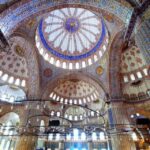
Day 2 starts with the Blue Mosque, built in 1616 by Ottoman Sultan Ahmet I. The plan includes about an hour at this stop. That’s enough time to appreciate the scale and the famous interior without turning it into a rush-job.
Then comes Topkapi Palace, with a longer visit window (about three hours). This is where you see how Ottoman leadership operated at a daily-life level. Topkapi wasn’t just a single building; it was the center of a state where sultans lived for centuries. A guided visit helps you separate what you’re seeing—courtyards, palace spaces, and the overall structure—so it doesn’t blur into one big complex.
A practical note: the day already includes major entry sites, so dress and timing matter. Plan for time spent inside, then use the guided momentum for the next stops rather than trying to map things on your own.
The Spice Market neighborhood: Rustem Pasha Mosque, then Misir Carsisi
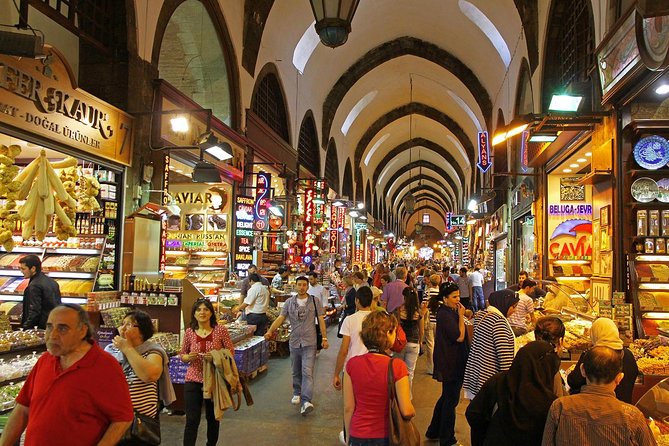
After lunch, the tour shifts into a different Istanbul mode: markets, local streets, and the sense of trade routes that helped make the city wealthy long before modern shipping shortcuts.
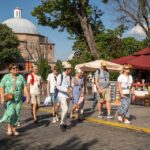
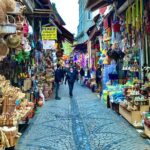
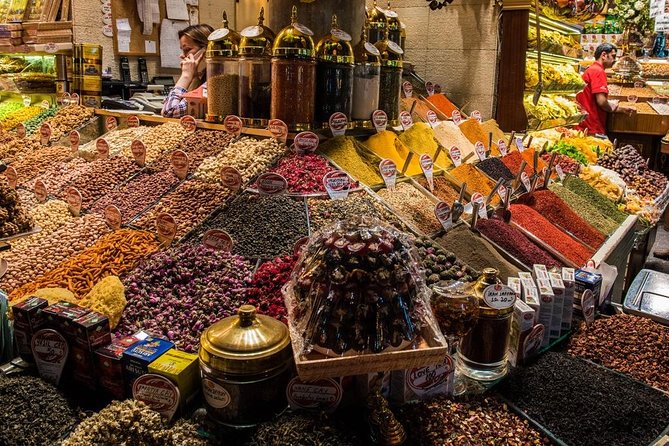
You walk down old cobbled streets toward Rustem Pasha Mosque, then head to the Spice Market (Misir Carsisi). This stop is about one hour, and the entry is listed as free. That usually means you can spend time looking around at your own pace while your guide helps you understand what you’re seeing.
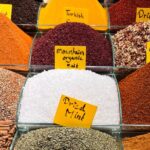
Here’s what I find useful about this market-style stop: the guide framing turns a shopping area into a historical clue. The tour plan specifically connects the Spice Market to older trade patterns, including the idea that goods from places like the East arrived here via the route through Egypt. Even if you don’t buy anything, this context helps you look differently. You’re not just browsing bags of spices; you’re watching a marketplace shaped by geography and shipping history.
Also, remember: the Spice Market can tempt you into impulse buys. If you want to shop smart, decide in advance what you’re looking for—tea, spice blends, dried citrus, or smaller souvenir-size items—so you don’t end up spending time and money zigzagging for the perfect jar.
Grand Bazaar Jewelers: shopping time with a guide’s navigation
After the market block, the tour ends at the Grand Bazaar area, with about an hour allotted and entry listed as free. The Grand Bazaar dates back to the 16th century and has long been one of the city’s core shopping zones.
In a place this big, the real value of a guided stop isn’t the bazaar itself—it’s the route. A guide helps you avoid wandering in circles and gives you a sense of what sections are worth your time. It’s also a chance to learn how to handle shopping confidently. If you want souvenirs, this is where you can browse a lot in a short time.
If you’re not shopping much, you can still enjoy this stop as a snapshot of Istanbul street commerce. But I’d set expectations: the Grand Bazaar is not quiet. It’s a working marketplace, so come ready for crowds and a slightly hectic pace.
You can also read our reviews of more tours and experiences in Istanbul


Day 3: Hippodrome first—how to read ancient Constantinople quickly
Day 3 opens with the Hippodrome. This is a Roman-era site dating to the 2nd century A.D., and it’s one of the best places in Istanbul to spot ancient pieces that you can actually name.
You’ll see the Obelisk of Tuthmosis the Third, the German Fountain, the Serpent Column, and the Obelisk of Constantine, plus other visible features within the Hippodrome space. The visit window is about two hours, which is ideal because it gives you time to understand the layout instead of only snapping photos.
I love this kind of stop because it makes you feel like you’re reading a street-level map from the past. The guide helps you connect the stones and monuments to what the Hippodrome was for—public spectacle—so it doesn’t become just a collection of leftovers.
This is also the day when you’ll likely notice your walking pace. Build your day around the tour flow and keep your water bottle handy.
Basilica Cistern: the short stop that feels like another world
Next up is the Basilica Cistern, built around the same era as Hagia Sophia. The visit is about 30 minutes with included admission.
This stop is famous for the Medusa heads, said to be brought from temples of Constantinople. In the dim, echoing space, those details hit harder than you expect. Even though it’s a short duration, it gives your brain a break from daylight landmarks and lets you experience Byzantine-era engineering in an atmospheric way.
My advice: keep your photo time reasonable. You’ll want a few pictures, but the real win is taking in the scale and the ceiling height while you listen for footsteps and echoes. Cistern spaces reward calm attention.
Ayasofya (Hagia Sophia): plan for time, not just photos
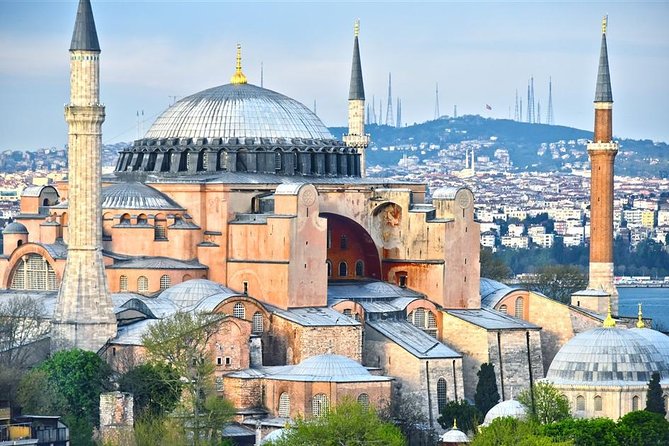
Then you go to Ayasofya, Hagia Sophia, described in the plan as built in 537 by Justinianus. The visit window is about two hours with included admission.
Two hours sounds long until you’re inside. Hagia Sophia takes over your attention span. You’ll spend time looking at architectural elements and thinking through its layered identity—religious building, imperial symbol, and a place that has changed hands and meanings across centuries.
A private guide here is especially useful because the building can feel overwhelming. Instead of trying to read it alone, you follow explanations that help you see major structural themes and historic turning points without needing a textbook.
If you get tired, don’t force it. Step out, reset your eyes, then come back for another focused look. Two hours works best when you pace yourself.
Chora Museum: Byzantine mosaics with a smaller-feeling stop
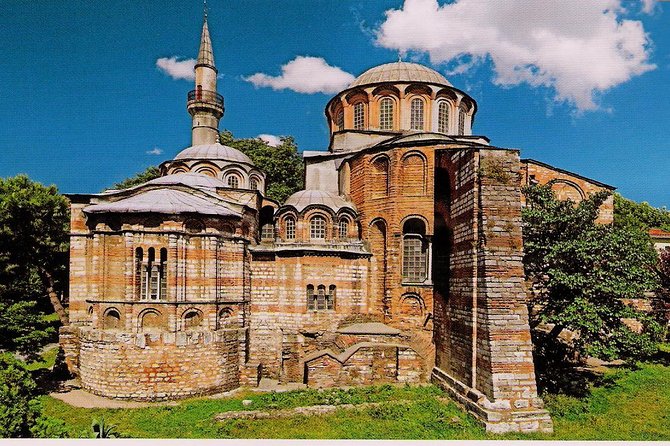
The last major stop is the Chora Museum (Chora Church), included with about one hour on site. The plan describes it as built in the 6th century and known for spectacular mosaics and some frescoes.
This is a great contrast after Hagia Sophia. It’s still Byzantine art, but you get a more intimate experience than the giant scale of Ayasofya. One hour can actually be enough if you focus on a few key mosaic areas rather than trying to absorb everything at once.
I like ending the Byzantine portion this way because it changes your relationship to the style. At Hagia Sophia you think architecture and space. At Chora you think imagery, narrative, and details.
Price and value: what $701 per person buys you (and what it doesn’t)
At $701 per person for an approx. 3-day private plan, you’re paying for a package that covers the hard parts: private guiding, round-trip airport transfers, and an A/C minivan for touring and transport. You also get two lunches included, and entry tickets are included for several major stops.
Here’s how I’d judge value for you:
- If you’d otherwise hire multiple private taxis and scramble for same-day tickets, this cost can start to look reasonable.
- If you already planned to self-tour with transit and do audio guides, you may feel the price more sharply—because the tour is built around avoiding logistics work for you.
The big “watch this” point is accommodation. The overnight is described in Sultanahmet at a hotel, but accommodation is also listed as not included. That means you should confirm exactly what you’re getting for the hotel night. If you’re paying separately for lodging anyway, your true total trip cost will be higher.
Personal expenses and drinks at lunches aren’t included. Build in a small buffer so you’re not checking your wallet every time someone offers tea.
What the guided style gives you (especially if you care about real Istanbul)
The best private tours aren’t just about seeing sites; they’re about how you see them.
Pupa Travel has been praised for guides like Ilker Olcaydu, who was described as very helpful, full of knowledge, and good at building a strong itinerary around travelers needs. Another note that shows up is organization and responsiveness—Sonay Hanım was specifically mentioned for taking care of everything and running a full, well-handled tour.
You don’t need a super fancy “translation app” experience if your guide is the person who can explain what you’re looking at, help you move efficiently, and keep the day from turning into an exhausting series of waits.
Who this private tour fits best
This is a good match if:
- You want a guided Istanbul with minimal planning stress.
- You want a focused route that hits Ottoman and Byzantine highlights without spreading your time thin across too many neighborhoods.
- You prefer a private format where the pace and stops feel coordinated for your group.
It may feel less ideal if:
- You’re the type who loves wandering freely and hates structured schedules.
- You’re on a tight budget, especially once you add accommodation and meals/drinks beyond the included lunches.
Should you book this Istanbul private tour?
I’d book it if you want the “big Istanbul” experience in a short time, with airport transfers, private guidance, and tickets handled, and if Sultanahmet is where you’re happy to base yourself for a night.
I wouldn’t book blindly if you haven’t sorted out lodging yet. Since accommodation is listed separately, confirm how the overnight is handled so the final cost matches what you expect. If you do that one check, this tour is a smart way to connect Ottoman power centers and Byzantine masterpieces into one coherent 3-day story you can actually follow.
FAQ
How long is the tour?
The tour is for approx. 3 days.
Is this a private tour?
Yes. It’s a private tour/activity, and only your group participates.
Do you provide airport transfers?
Yes. Return private airport transfers are included.
Is pickup offered from my location besides the airport?
Pickup is offered, and the itinerary specifically includes transfers for the airport arrival and departure.
What’s included in the price?
The tour includes return private airport transfers, a private A/C minivan for tours and transfers, private guiding, local taxes and 18% VAT, and lunch (2).
Are admission tickets included?
Admission tickets are included for stops like the Blue Mosque, Topkapi Palace, Hippodrome, Basilica Cistern, Hagia Sophia, and Chora Museum. Some stops are listed as admission ticket free, such as the Spice Market and Grand Bazaar areas.
Does the tour include meals?
Yes. Lunch is included twice, and drinks at lunches are not included.
Where do I stay overnight?
The overnight is described as at a hotel in Sultanahmet, but accommodation is also listed as not included—so you should confirm what’s covered for your booking.
Do I get a mobile ticket?
Yes. Mobile ticket is listed as a feature.