REVIEW · ISTANBUL
Istanbul Private Full-Day Classics Tour with Options
Book on GetYourGuide →Operated by Los Picos Travel · Bookable on GetYourGuide
Some tours hit monuments. This one connects the dots. You start at the Hippodrome, then walk into the Blue Mosque area, with a guide who helps you see how each stop fits Istanbul’s story. The tour also pairs major sights with real-world time for a lunch break and a late wander through the Grand Bazaar, where you can actually shop instead of just look.
What I like most is how the morning is built for momentum—Byzantine remnants first, then Ottoman-era splendor right next door. A second win: Topkapi Palace gives you the Ottoman sultan’s everyday world, not just a photo stop. The one consideration is that site admission fees (and lunch) aren’t included, so you’ll budget extra beyond the tour price.
In This Review
- Key highlights you’ll feel right away
- From the Hippodrome to the Blue Mosque: a perfect morning start
- The Blue Mosque details that make the photos make sense
- Topkapi Palace: Ottoman power, everyday objects, and the big museum layout
- Hagia Sophia: switching identities across centuries
- Lunch break that doesn’t slow your momentum
- Grand Bazaar: the smart way to enjoy 3,000+ shops
- Private guide value: what you get when the storytelling is good
- Price, tickets, and the one Tuesday catch
- Should you book this private Istanbul classics tour?
- FAQ
- What is the duration of the Istanbul Private Full-Day Classics Tour?
- Which sites are included on the itinerary?
- Is hotel pickup included?
- Are entrance tickets included in the price?
- Is lunch included?
- What languages are available for the live tour guide?
- Is Topkapi Palace open every day?
- What is the cancellation policy?
Key highlights you’ll feel right away
- Hippodrome remains: Obelisk of Thutmose III and the Serpent Column give shape to the ancient stadium
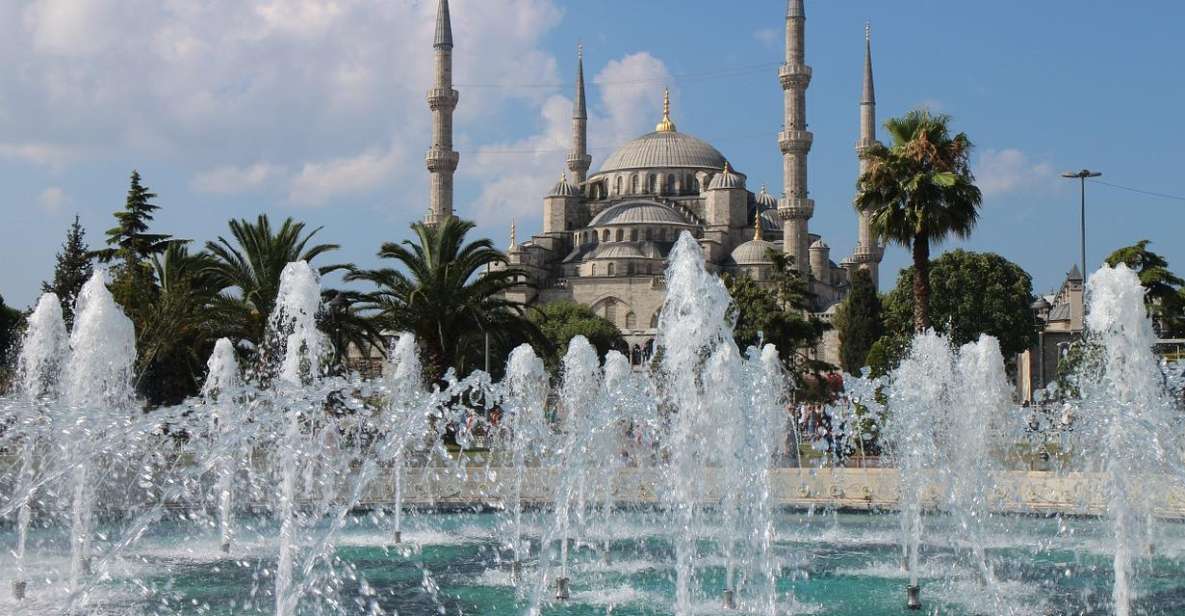
- Blue Mosque architecture, explained: one main dome, eight secondary domes, six minarets, and its blue-tile identity
- Topkapi Palace context: a palace that served Ottoman sultans for nearly four centuries, now a museum
- Hagia Sophia’s timeline: built as a Christian church, later an imperial mosque, then converted into a museum
- Grand Bazaar logistics: 61 covered streets and 3,000+ shops means a guide helps you navigate faster
- Private-guide energy: reviews mention engaging storytelling and even kid-energy management by guides like Salim
From the Hippodrome to the Blue Mosque: a perfect morning start
This full-day tour begins in the morning at the Hippodrome, once the social and recreational heart of Byzantine Istanbul. The cool part is that you’re not staring at a “ruin” with no story—you’re seeing specific surviving pieces that still let you picture the space. Two standouts are the Obelisk of Thutmose III and the Serpent Column. Even if you’ve seen pictures before, seeing them in context makes them feel less random and more intentional.
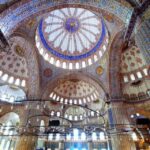
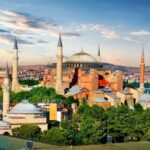
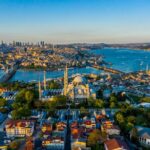
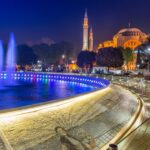
Right after, you move to the Blue Mosque, also called the Sultan Ahmed Mosque, located beside the Hippodrome. This is one of those Istanbul sights where structure matters as much as ornament. You’ll learn how the building is organized—one main dome, eight secondary domes, and six minarets—and why the interior color story is so recognizable. The name comes from the blue tiles, but what the guide usually makes clear is that the tiles aren’t just decoration. They’re part of how the mosque’s visual language communicates awe and order.
It also continues to function as an active mosque. That changes the tone of your visit. You’ll experience it with the awareness that this is still a living place of worship, not only a museum set.
Small drawback to keep in mind: the morning is sight-packed, and you’ll likely spend time moving and standing. If you like long museum sits, you may need your own mini “pause breaks” during transit.
You can also read our reviews of more private tours in Istanbul

The Blue Mosque details that make the photos make sense
The Blue Mosque can look like a single big postcard from far away. Up close, it becomes more readable. The guide’s value here is turning “wow” into understanding—why the domes matter, what the minarets signal, and how the tile work creates atmosphere.
This is also a good moment to set your Istanbul expectations. A lot of cities have one dominant era that tourists see. Istanbul is different. In one morning you’re moving from a Byzantine public arena concept to a distinctly Ottoman architectural statement, with the city’s layers stacked like pages.
If you’re curious about how Istanbul balances religion, empire, and public life, this stop is one of the clearest lessons on the route. And because it’s next to the Hippodrome, you can compare the “public gathering” theme right away—stadium life outside, mosque life at the center of the city’s moral and artistic world.
Also worth knowing: the tour includes pre-reserved entrance tickets for the sites, but the admission fees still have to be paid as extra (more on that later). That setup helps you keep the day moving without wasting time.
Topkapi Palace: Ottoman power, everyday objects, and the big museum layout
After the Blue Mosque, you’ll head to Topkapi Palace, which dates back to 1459. This is where Istanbul’s Ottoman chapter becomes physical. Topkapi served as the primary residence of the Ottoman sultans for nearly four centuries—so you’re not just touring a building. You’re walking through a place built to run an empire, with rooms and collections that reflect power, taste, and daily life at court.
The palace is large, and that matters. You can’t see everything in a few hours, so the guide’s job is to focus your attention on the right highlights and the right “why.” You’ll see a fine collection of Imperial and Ottoman utensils, relics, caftans, and portraits of the sultans. Those sound like museum categories, but they do something important: they connect art and authority. Clothing and personal items aren’t trivia here—they’re part of how rulership communicated itself.
You’ll also want to pace yourself. Topkapi’s scale can be a little disorienting if you’re there alone. With a guide, you get direction without needing a map every five minutes.
One practical heads-up: Topkapi Palace is closed on Tuesdays. If your visit lands on a Tuesday, double-check how the tour adapts, since the schedule notes closure. Plan your day around that reality.
Hagia Sophia: switching identities across centuries
Next comes Hagia Sophia, a site that makes Istanbul feel like a time machine you can walk through. The building has served both Christianity and Islam at different points in history, which is exactly why it’s one of the city’s most talked-about monuments.
Here’s the timeline you’ll be working with during your visit:
- Built in 537 as an Eastern Orthodox church
- In 1453, after Constantinople was conquered by the Ottoman Turks, the hall was transformed into an imperial mosque
- About five centuries later, it was converted into a museum
That sequence gives you a lens for what you’re seeing. Instead of treating Hagia Sophia like a single-style masterpiece, you can understand it as a layered conversion story—how each era reused, changed, and re-signaled the same sacred space.
This stop also balances with your earlier morning. By the time you arrive, you’ve already seen Byzantine-era remnants and Ottoman-era architecture. Hagia Sophia becomes the strongest “bridge” monument—its identity has been rewritten multiple times, yet the structure still pulls you in.
If you’re the type who likes context more than crowds, this is where a good guide can really pay off. Reviews mention guides who bring serious interpretive insight—one even described as providing substantial theological and cultural perspectives—so the storytelling quality can be a big part of your Hagia Sophia experience.
Lunch break that doesn’t slow your momentum
After Topkapi, the itinerary includes time for a lunch break. Your guide will recommend restaurants for Turkish cuisine. Since lunch isn’t included, this is a chance to control your own comfort level: quick sit-down, casual bite, or something that fits your energy.
This timing is smart. Topkapi can take it out of you, and then Hagia Sophia plus the Grand Bazaar could feel like an endurance event if you try to do it all without a reset. A guided day is helpful, but you still want real food and real downtime.
If you’re traveling with kids, one of the strongest themes from reviews is that some guides—like Salim—know how to manage changing kid energy across the day. A lunch break is where that flexibility matters most.
You can also read our reviews of more tours and experiences in Istanbul


Grand Bazaar: the smart way to enjoy 3,000+ shops
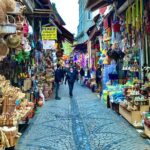
By afternoon, you’ll reach the Grand Bazaar, one of the oldest and largest covered markets in the world. The scale is the headline: 61 covered streets and more than 3,000 shops offering almost anything you might need.
On your own, that many shops can turn into two things: confusion and wasted time. With a guide, it becomes more intentional. You’re not just walking; you’re learning how the market works so you can browse with less stress.
The Grand Bazaar is also part of the walled city and was built between 1455 and 1461. So even your shopping time isn’t separate from the theme of the day. It still ties into Istanbul’s centuries-old commercial life.
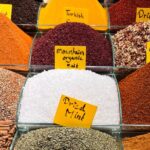
What I like about ending here is that the tour shifts from “look and learn” into “use and decide.” If you want Turkish delight, souvenirs, textiles, or small gifts, this is the moment. If you don’t want to shop much, you can still enjoy the covered lanes, the textures of the stalls, and the lived-in market feel.
Just keep expectations practical: this is a market. It’s not a quiet gallery. Plan for movement, noise, and the fact that “anything you might want” usually comes with sales pressure. A guide helps you keep your pace and stay oriented.
Private guide value: what you get when the storytelling is good
This is a private group tour with a live guide. That matters more than you might think on a classics day. The monuments are famous. What you’re really paying for is someone translating them into a coherent walk-through—so the sites don’t feel like five separate attractions you checked off.
The guide language options are English, French, and German, which is great if you want clarity without guesswork.
The strongest praise in the reviews points to guides who are:
- engaging and fun to talk to
- able to manage energy levels, including kids
- serious about giving real insight, with one mention of a PhD-level approach
- strong at explaining how history, culture, and religion shape what you’re seeing
One review also mentions a drawback: the guide used a cell phone too much at one point, which can reduce the feeling of a truly personal tour. That’s not guaranteed to happen, but it’s a useful reminder. If you’re booking, treat the guide quality as part of the value proposition.
Bottom line: with a good guide, the day becomes more than monuments. It becomes a story you can follow from the Hippodrome to the market corridors.
Price, tickets, and the one Tuesday catch
Let’s talk value in plain terms. The listed price is $244 per group, for a 6-hour private tour. That price includes hotel pickup on foot, a tour guide, and pre-reserved entrance tickets. But you should know what you’ll still pay separately: admission fees for sites (the value must be paid to your guide as extra), plus transportation, lunches, and personal expenses.
So is it good value? Often, yes—especially if you value time saved and context earned. “Skip the ticket line” can be meaningful in a high-demand area like Sultanahmet. And with private guiding, you’re not sharing the day with a large group that limits questions.
However, it’s not an all-in-one bargain. Because admission fees and lunch aren’t included, your total day cost will depend on the current entry fees and how you handle meals. If you want total predictable spending, you’ll need to plan for those add-ons.
Two extra logistics notes based on the info you have:
- Transportation isn’t included. The tour includes pickup on foot, but you’ll still want to be ready to cover any movement that isn’t handled in the itinerary.
- Topkapi Palace is closed on Tuesdays. If you’re traveling on a Tuesday, expect the day to change around that closure.
Should you book this private Istanbul classics tour?
Book it if you want a structured classics day in Istanbul with a guide who can connect Byzantine and Ottoman layers clearly. It’s especially a good fit if you enjoy architectural details (like the Blue Mosque’s domes and tile story) and want Ottoman context through Topkapi’s collections.
Skip or rethink it if you need a fully all-in-one cost with no extra site fees, or if you’re the type who prefers to wander entirely on your own without a fixed route. Also, check your day of week if you’re aiming for Topkapi—Tuesdays are a key factor.
If you book, I’d choose this format for the same reason people love Istanbul most: the city rewards attention. This tour keeps you focused on the landmarks that explain the city instead of just listing them.
FAQ
What is the duration of the Istanbul Private Full-Day Classics Tour?
The tour lasts 6 hours.
Which sites are included on the itinerary?
You’ll visit the Hippodrome, the Blue Mosque, Hagia Sophia, Topkapi Palace, and the Grand Bazaar.
Is hotel pickup included?
Yes. Pickup is included on foot from your hotel.
Are entrance tickets included in the price?
Pre-reserved entrance tickets are included, but the admission fees for the sites are not included and must be paid to your guide as extra.
Is lunch included?
No. Lunches are not included, and your guide will recommend restaurants.
What languages are available for the live tour guide?
The guide is available in English, French, and German.
Is Topkapi Palace open every day?
No. Topkapi Palace is closed on Tuesdays.
What is the cancellation policy?
You can cancel up to 24 hours in advance for a full refund.