REVIEW · ISTANBUL
From Istanbul: Gallipoli and Anzac Full-Day Tour
Book on GetYourGuide →Operated by All Tours Istanbul · Bookable on GetYourGuide
A long day, but it hits hard. This is one of the most direct ways to see the Gallipoli Campaign sites around the Dardanelles, with an English guide, planned stops at cemeteries and memorials, and enough time to absorb what those places mean. I like that it’s kept to a small group of up to 15 people, so you aren’t stuck watching history through a crowd.
Two things I really liked: you get hotel pickup and drop-off from central European-side areas, which makes the early start workable, and the guidance tends to connect the Allied story with the Turkish perspective in a way that feels respectful, not robotic. One drawback to consider is simply the pace: you’ll be on the road for a long time, with an early morning departure and a late return.
In This Review
- Key highlights worth planning for
- From Istanbul to the Dardanelles: why the long drive is worth it
- Pickup in central Istanbul and what that means for your morning
- Breakfast at the right time, before your historical day gets heavy
- Eceabat lunch: a breather with real views before the memorial circuit
- Starting at the narrowest point: understanding the strait before you walk it
- Kilitbahir Castle (1463): the Turkish layer you don’t want to miss
- Ariburnu to Anzac Cove: what to look for at the landing beaches
- The ANZAC Museum: learning the tragedy without turning it into a lecture
- Lone Pine and Chunuk Bair: memorials that deserve your full attention
- John Simpson Kirkpatrick’s grave: the moment that makes it personal
- Guide style is the secret ingredient: humor, compassion, and clear explanations
- Transportation comfort and the pace you should plan for
- Price and value: what $159 buys on a day this big
- Who this tour is best for
- Should you book this Gallipoli full-day tour?
- FAQ
- How long is the Gallipoli and Anzac full-day tour from Istanbul?
- Where does pickup and drop-off happen in Istanbul?
- What’s included in the price besides transportation?
- Is breakfast included?
- Is the tour wheelchair accessible?
- Is the tour guided in English?
Key highlights worth planning for
- Up to 15 people keeps the day focused and easier to manage at memorial sites
- Kilitbahir Castle adds a Turkish viewpoint, built in 1463 by Fatih Sultan Mehmet
- ANZAC landing circuit includes Ariburnu and Anzac Cove plus the cemeteries and base areas
- Memorial stops you can actually linger at, like Lone Pine and Chunuk Bair
- English live guide + English audio guide helps you follow the story even while you’re walking
From Istanbul to the Dardanelles: why the long drive is worth it
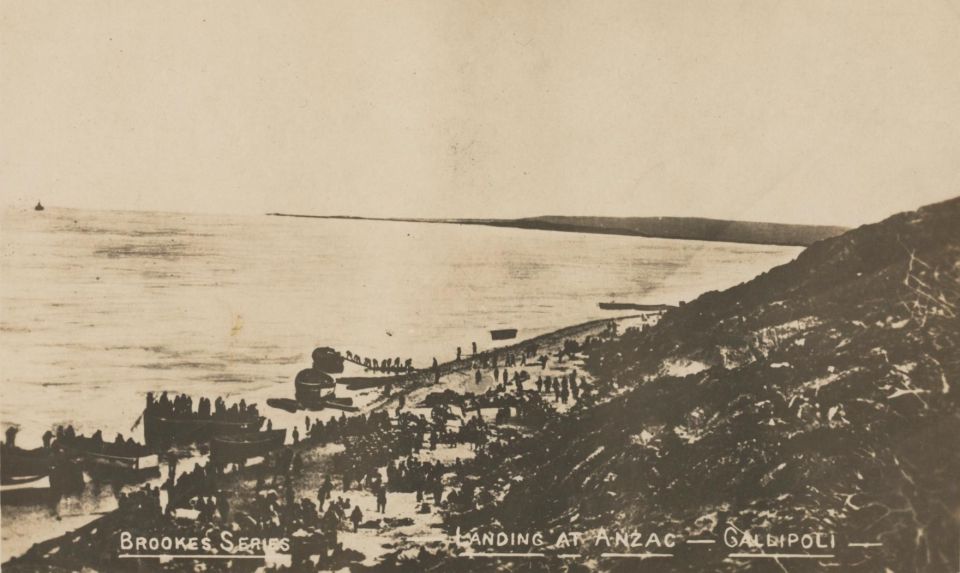
Gallipoli is famous because it’s close enough to reach from Istanbul, but far enough to make the day feel like a real journey. You’ll depart early in the morning by air-conditioned, no-smoking coach, then head straight toward the Dardanelles battle zone. The payoff is that you arrive before the day feels rushed, so the memorial sites don’t blur together.
What you’re buying with this full-day format is time. Not “see a sign and move on” time, but the kind where you can stand at Ariburnu Cemetery, then later walk the Anzac Cove area and understand the terrain that shaped the fighting.
You can also read our reviews of more tours and experiences in Istanbul



Pickup in central Istanbul and what that means for your morning
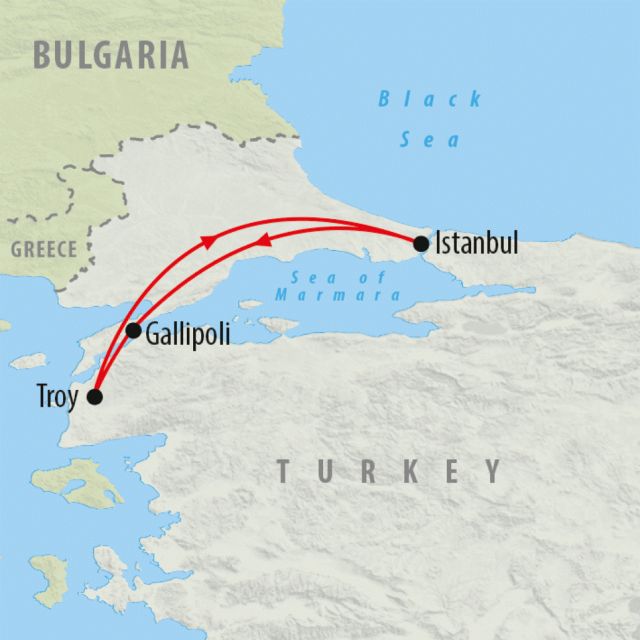
The tour includes pickup and drop-off from hotels in Taksim and Sultanahmet area (plus the central hotel neighborhoods listed for those zones). If you’re staying on the European side, it’s a relief to have a plan already set for the hardest part: getting out of the city early without figuring out transport at 6-something in the morning.
One practical note: pickup time for the Taksim area runs roughly between 6:00 AM and 6:20 AM, while Sultanahmet pickup is roughly 6:30 AM to 7:00 AM. Your exact time depends on your hotel, so confirm it before the morning arrives. Also, there is no pickup/drop-off service from the Asian side, so this one won’t fit if you’re based over there.
Breakfast at the right time, before your historical day gets heavy
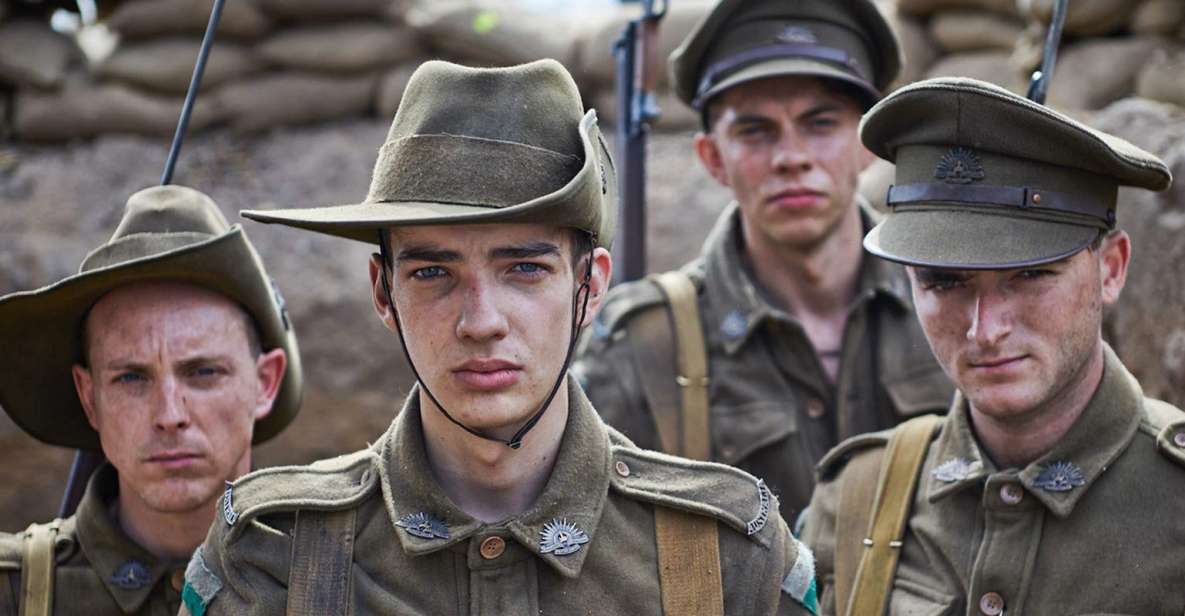
There’s an en-route stop for breakfast around 09:30–10:00 AM. The tour doesn’t bundle an open buffet breakfast as part of the price, but the stop exists so you’re not trying to do solemn sites on an empty stomach. This matters more than it sounds: cemeteries and memorials can get emotionally draining, and you’ll want a little fuel in you before the main stops begin.
If you tend to get cold early or need something light, consider how you’ll handle breakfast and water needs, since drinks aren’t included on the tour.
Eceabat lunch: a breather with real views before the memorial circuit

Once you arrive in the Eceabat area, you’ll have lunch at a restaurant in Eceabat Village. The best part here is the timing: you eat after arriving, then head into the sites while you’re not rushed or starving. The day has a “drive, view, learn, pause, walk, repeat” rhythm, and lunch breaks the tension in a useful way.
From what’s described, lunch comes with panoramic views of the Dardanelles landscape, which gives you a sense of scale before you start moving among smaller, specific sites. That context helps your brain connect the geography to the story.
Starting at the narrowest point: understanding the strait before you walk it
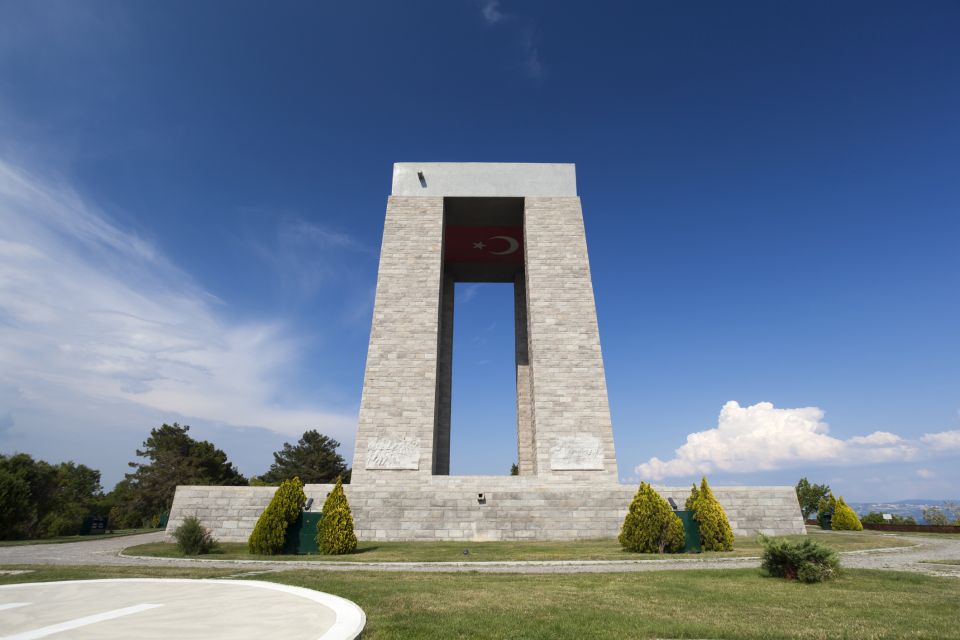
After lunch, your guide begins with an overview around the narrowest point of the Dardanelles, then transitions into the battle areas, war memorials, and cemeteries. This is a smart sequence. If you understand why the strait mattered—who needed to pass through and who tried to stop them—you’ll read every later stop differently.
You’ll also hear the bigger reason the campaign happened: Allied forces, including many Australians and New Zealanders, tried to open a supply route to Russia during World War I. Knowing that before you see landing beaches makes the day feel less like a list of places and more like a coherent story.





Kilitbahir Castle (1463): the Turkish layer you don’t want to miss
One of the most interesting stops is Kilitbahir Castle, built in 1463 by Fatih Sultan Mehmet. This is where you get more than just the Allied memorial narrative. You see how long the straits have been strategically important—and how later generations still built to control them.
It also gives your day a different emotional tone: instead of only thinking about the 1915 landings, you’re stepping into a longer timeline. You get to stand in a fortress space meant to guard the passage, then move on to the 20th-century battlefield locations with a better sense of why the area mattered long before Gallipoli.
Ariburnu to Anzac Cove: what to look for at the landing beaches
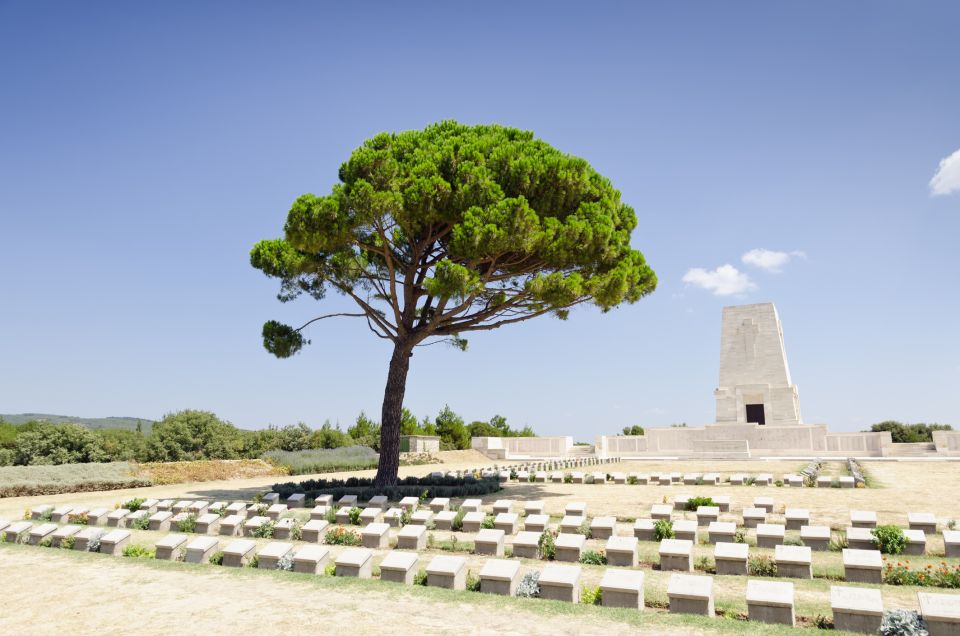
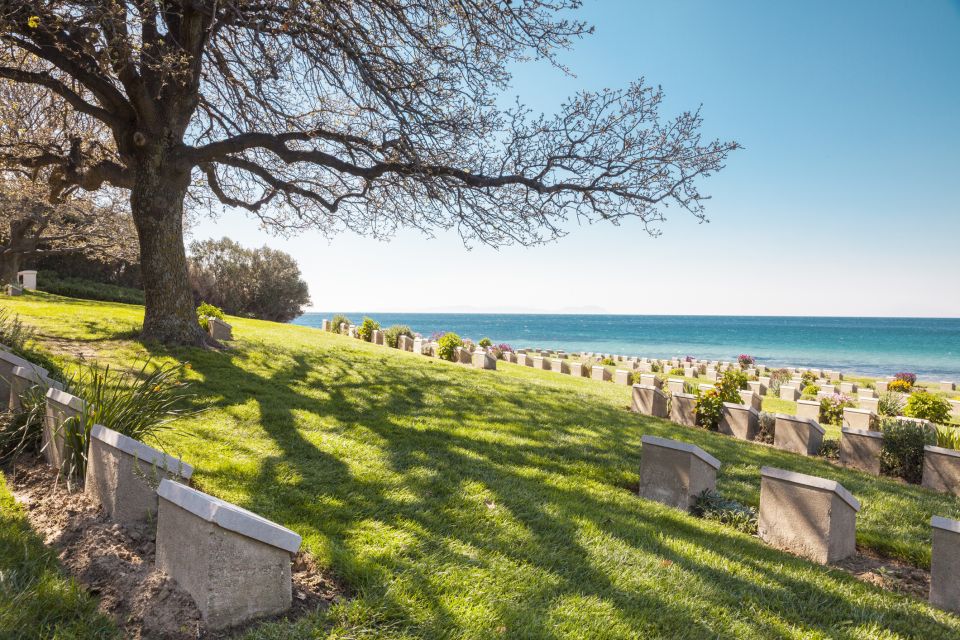
The tour then focuses heavily on the landing beaches and base areas of the Gallipoli Campaign. You’ll visit key sites including Ariburnu Cemetery and the ANZAC Commemorative Site, then continue toward the Turkish Canon Batteries and the main Anzac Cove landing area.
Here’s how to make these stops more meaningful while you’re there:
- Pause and picture the coastline you’re seeing from the shore. Even a small change in shoreline shape can change how you imagine movement and visibility.
- Keep one question in mind: what did the attackers need to do quickly, and what could defenders control?
- Take photos, sure, but also look away from your camera for a minute. At places like cemeteries and memorials, that habit helps you actually remember what you felt rather than just what you captured.
You’ll also learn how the British Empire landing effort (supported by French troops) related to what later happened with the Anzacs at Ariburnu, which is where a lot of the story’s tension sharpens.
The ANZAC Museum: learning the tragedy without turning it into a lecture
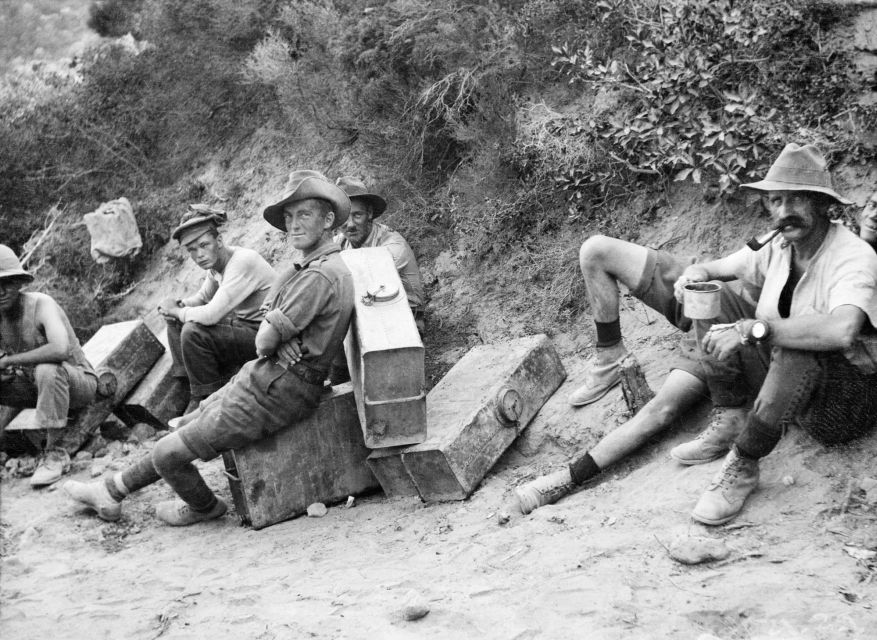
You’ll include a visit to the ANZAC Museum, where you learn about the tragic events of World War I and the human cost behind the landing story. This is valuable because it helps connect what you see outdoors—cemeteries, beaches, memorial names—to what those places represent.
What I like about this museum stop in a day like this is that it breaks the “walk-only” pattern. If you only spent the day outdoors, it would be easy for details to slide past. The museum helps your brain pin the emotional weight to a set of facts and context.
If you’re the type who wants more museum time, keep your expectations aligned. This tour includes the ANZAC Museum, but if you’re a major museum fan looking for extra exhibitions beyond that, you might want a second stop in the future to expand your understanding.
Lone Pine and Chunuk Bair: memorials that deserve your full attention
Two memorial stops tend to be the heart of the tour for many people: Lone Pine Australian Memorial and Chunuk Bair New Zealand Memorial. These places shift the day from battlefield geography to remembrance—names, symbols, and the sense that the war reached into communities far from the strait.
One small consideration: some sites feel time-hungry. If your group schedule is tight, you’ll still see what you need to see, but if you want to read every element carefully, plan to stand with the memorial for longer than your first instinct. This is one of those days where the pause is part of the product.
John Simpson Kirkpatrick’s grave: the moment that makes it personal
The tour also includes a stop connected to John Simpson Kirkpatrick, the well-known figure associated with carrying water and helping the wounded, with his burial site mentioned as part of the day. This is one of the stops that tends to stick in your mind, because it turns “history” back into a person-shaped story.
If you’re traveling with a personal connection—family research, a relative’s name, or even just a strong emotional reason for being here—this kind of stop is often where the day changes from learning to reflection.
Guide style is the secret ingredient: humor, compassion, and clear explanations
The most consistent theme in guide praise is how the storytelling lands. Several guides associated with this kind of day—names like Burak/Bourak, Charlie, Ibi/Ibo, Hassan, Bulent, Hussein, and Ibrahim—are described as mixing careful explanation with humor and a respectful tone. That combination matters on Gallipoli.
You don’t want jokes that cheapen the site. But a bit of levity can actually help you process difficult material without shutting down. If your guide uses maps, speaks clearly, and connects both Turkish and ANZAC sides, the memorials stop feeling like separate monuments and start feeling like a single, tragic sequence.
One more practical perk: because the day is long, strong guide pacing helps you keep up without fatigue stealing your attention. A guide who answers questions well also makes it easier to connect your own interests to what you’re seeing on the ground.
Transportation comfort and the pace you should plan for
You’re in a coach for a lot of the day, and you should treat it like part of the itinerary. The upside is that the ride is air-conditioned, no-smoking, and planned with breaks—so you’re not stuck grinding through every hour without rest.
You’ll return to Istanbul with departure from Gallipoli area at around 6:00 PM, arriving back at about 11:00 PM, with an en-route rest stop. That means you should treat the evening after as recovery time, not a “go out for dinner right away” kind of plan.
Price and value: what $159 buys on a day this big
At $159 per person for a 15-hour outing, you’re paying for a lot more than a driver. You get:
- central Istanbul hotel pickup and drop-off
- air-conditioned coach transport
- an English-speaking guide plus an English audio guide
- a full Gallipoli battlefields and memorials day
- entrance fees
- lunch in Eceabat Village
Drinks aren’t included, and open buffet breakfast is available for an extra cost, but lunch and entrances being handled saves time and stress. For a day this long, that kind of bundling is where the value usually shows up.
If you were trying to piece this together yourself with transport plus multiple paid sites, the cost would likely rise fast. Here, you’re also getting the structured sequence that helps you make sense of terrain and timeline without guessing.
Who this tour is best for
This works especially well if you:
- care about ANZAC history and want to see the landing sites and memorials in one go
- like historical explanations matched to real places, not just names on a page
- want a day that treats both sides with respect, including Turkish context
It’s also a good fit if you’re staying in central Istanbul and don’t want to wrestle with a DIY schedule. The small group size helps keep the day from turning into a stampede.
It may be less suitable if you:
- need wheelchair access (this tour isn’t suitable for wheelchair users)
- hate long travel days or late returns
- prefer a totally flexible pace rather than a timed route
Should you book this Gallipoli full-day tour?
I’d book it if you want a structured, deeply moving Gallipoli day that’s still manageable—pickup handled, entrances covered, and guidance that can handle sensitive history without making it cold. The combination of cemeteries, landing beaches, major memorials, Kilitbahir Castle, and the ANZAC Museum is exactly what you need for a first serious visit.
I’d think twice if you’re short on energy for an early start and late return. Also, if your goal is purely museum time or purely battlefield time with very slow pacing, this format may feel packed.
If you can handle a long day, this is one of the most practical ways to turn Gallipoli from something you learned about into something you actually understood.
FAQ
How long is the Gallipoli and Anzac full-day tour from Istanbul?
The tour runs for about 15 hours, with an early morning departure and a late return to Istanbul around 11:00 PM.
Where does pickup and drop-off happen in Istanbul?
Pickup and drop-off are available only from hotels in central Istanbul on the European side, including the Taksim and Sultanahmet areas. There is no pickup/drop-off from the Asian side. Pickup times vary by area, roughly between 6:00–6:20 AM for Taksim hotels and 6:30–7:00 AM for Sultanahmet hotels.
What’s included in the price besides transportation?
The price includes an English-speaking guide, an English audio guide, lunch at Eceabat Village, entrance fees, and hotel pickup/drop-off within the listed central areas.
Is breakfast included?
There is an en-route stop for breakfast around 09:30–10:00 AM, but an open buffet breakfast is available for an additional cost.
Is the tour wheelchair accessible?
No. This tour is not suitable for wheelchair users.
Is the tour guided in English?
Yes. You’ll have an English-speaking live guide, and an English audio guide is also included.