REVIEW · ISTANBUL
Half Day Old City Tour by Art Historian
Book on GetYourGuide →Operated by Fenerwalks · Bookable on GetYourGuide
Istanbul can feel like a swirl of names and monuments. This 4-hour Old City tour turns that swirl into a clear story, led the whole time by an art historian professional guide (often Yunus/Yunis is the name you’ll hear). You’ll hit the landmarks from Roman-era Istanbul through Ottoman power, with photo stops planned so you’re not hunting for angles in the crowd.
What I like most is the guide’s pacing and focus: you’re guided through the big sights (including Blue Mosque and Suleymaniye Mosque) and you get helpful context, not just dates. Another big plus is how they handle the Grand Bazaar moment—this is not a pushy shopping circuit, and you’ll get tea plus optional guidance that helps you avoid scams. One thing to consider: this is a lot of walking and it’s not suitable for people with mobility impairments, so plan accordingly.
In This Review
- Key Highlights to Expect on This Old City Walk
- The Real Value: A 4-Hour Route That Teaches You How Istanbul Works
- Starting Point Near Hippodrome: Where the Stories Start Stacking Up
- Hippodrome Monuments: The Obelisks and Columns Aren’t Just Decor
- Sultanahmet Square and the Blue Mosque: Art Details You Can Spot
- Hagia Sophia Area: You’ll See It, But Not in Full Interior Mode
- Topkapi Palace First Courtyard: The Ottoman Power Center, Without the Full Marathon
- Suleymaniye Mosque and Bosphorus Views: The Best Farewell From the Hill
- Grand Bazaar Tea, Light Shopping, and Staying Safe in a Maze
- Price and Logistics: Is $59 Good Value for This Much Ground?
- Who Should Book This Old City Tour (and Who Might Want Something Else)
- Should You Book Half Day Old City Tour with an Art Historian Guide?
- FAQ
- What is the duration of the Half Day Old City Tour?
- Where does the tour start, and how do I recognize the guide?
- Is this tour in English?
- Are Hagia Sophia and Topkapı Palace interior visits included?
- Will there be mosque visits, and what should I wear?
- Is this a shopping tour in the Grand Bazaar?
- Is the tour suitable for people with mobility impairments?
Key Highlights to Expect on This Old City Walk
- Art historian guide all the way: you don’t lose the thread between monuments
- Sultanahmet core in one route: major stops from the Hippodrome area to Grand Bazaar
- Planned photo stops: you’ll know where to stand for landmark views
- Mosque visits with practical dress guidance: scarf + modest clothing required
- Grand Bazaar tea and optional “shop-smart” help: no shopping pressure
The Real Value: A 4-Hour Route That Teaches You How Istanbul Works
For $59 per person, the best part isn’t the headliner list. It’s the way the tour links them. Istanbul’s Old City is crowded with layers, and without a guide, you can walk past a column, a fountain, and a mosque and feel like you saw three random things.
Here, you’ll connect them into a timeline you can actually remember—Roman-era power symbols, then Ottoman architecture and city identity, and finally the daily-life energy of the Grand Bazaar. It’s a smart use of time if you’re trying to get your bearings fast, but you still care about details.
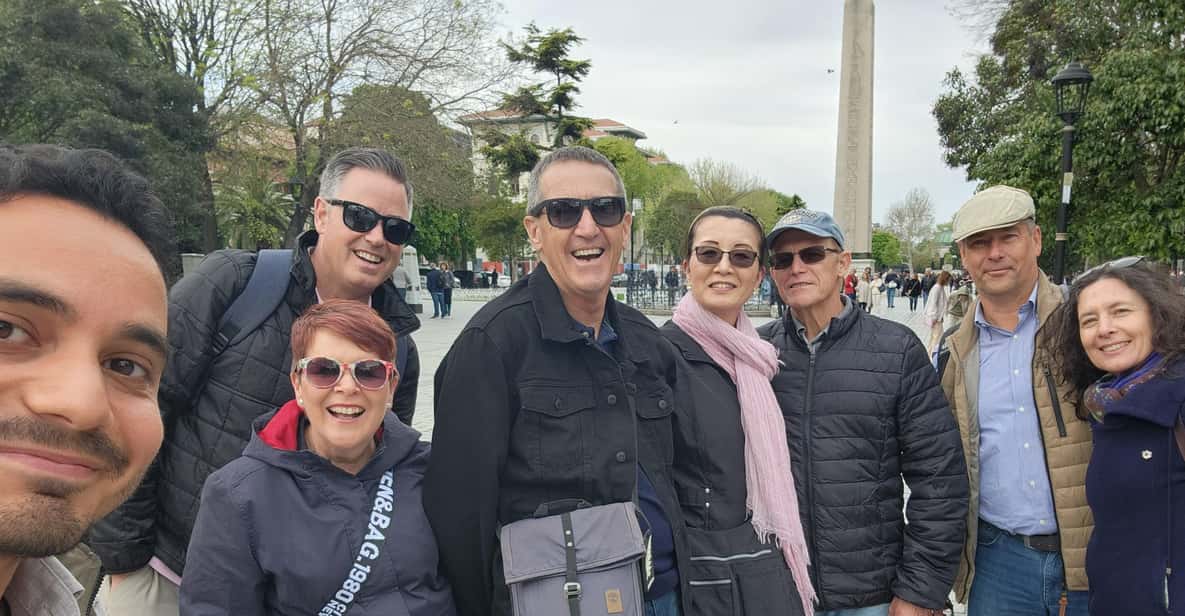
The tour is also built for attention. This is described as a peaceful small group, and the guides’ style in the feedback is consistent: relaxed pace, time for questions, and breaks without drama. That matters in Istanbul, where the “big sight” phase is usually where people get rushed or overwhelmed.
You can also read our reviews of more city tours in Istanbul


Starting Point Near Hippodrome: Where the Stories Start Stacking Up
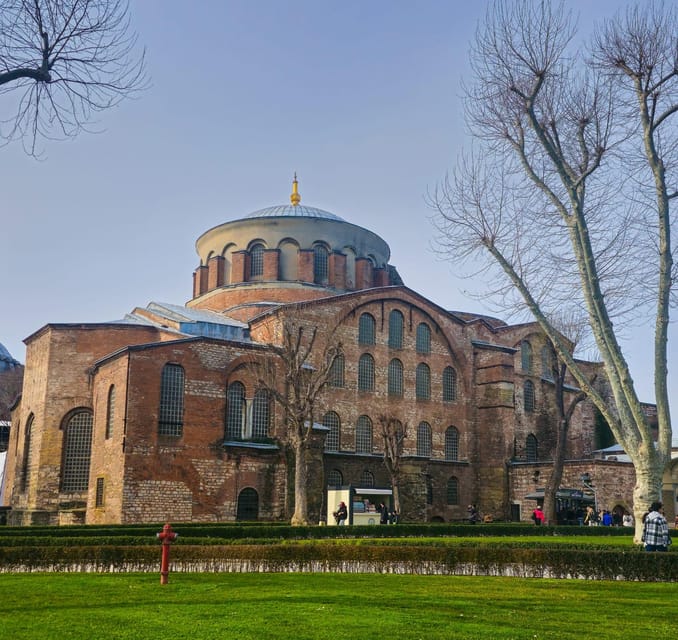
You meet at Ibrahim Pasha Palace, and the walk kicks off in the same general Old Town zone around the Hippodrome Arena, near the Turkish and Islamic Arts Museum. The starting area sets the tone: you’re in the heart of ancient public space, the kind of place built to impress people.
From here, the guide guides your eyes. Instead of treating the Hippodrome monuments like separate “photos,” you see them as messages—who had power, who wanted to be remembered, and how later empires reused earlier symbols.
This is one of the most useful parts of the tour because it teaches you what to look for:
- shapes and inscriptions that signal status
- how empires carried old trophies into new eras
- why the same square can feel Roman, Byzantine, and Ottoman in a single walk
If you want the day to feel organized instead of chaotic, this opening section is doing the heavy lifting.
Hippodrome Monuments: The Obelisks and Columns Aren’t Just Decor
The route moves through the core Hippodrome area with quick, focused stops. You’ll have photo stops plus short guided segments that explain what each piece meant in its original context—and how it survived.
Key highlights include:
- Obelisk of Theodosius III: you get a quick guide moment so you understand what you’re looking at, not just that it’s tall.
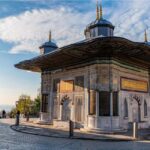
- German Fountain: a smaller stop, but it gives variety and a breather in the middle of the ancient-stone run.
- Serpent Column: another photo-friendly monument that’s best enjoyed when someone explains the symbolism rather than letting you guess.
- Column of Constantine: another “read this with your guide” moment—especially useful if you’re not already familiar with Byzantine-era references.
These stops are short on purpose. In 4 hours, the tour can’t turn every object into a lecture. But the guide’s goal here is clear: give you enough context that the monuments start making sense when you look at them.
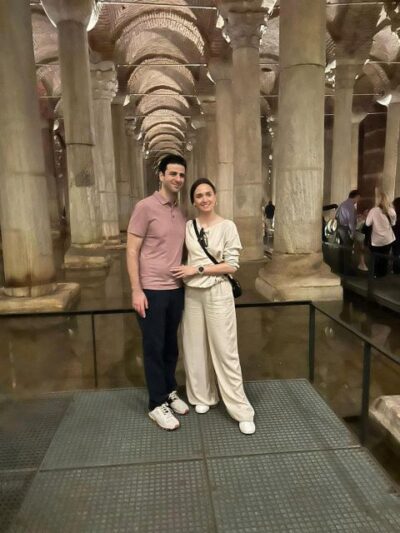
A small extra pass-by moment also breaks the pattern: you’ll go by the Hurrem Sultan Hammam, the Stone of Million, and the Basilica Cistern area. Since these are pass-by segments, you’re not getting deep interior time—but you are getting orientation. That’s valuable if you plan to come back later.
Sultanahmet Square and the Blue Mosque: Art Details You Can Spot
After the Hippodrome monuments, the tour shifts into the Sultanahmet square zone. You get a photo stop and short visit around Sultanahmet Square, which is where most first-timers realize how concentrated the Old City sights really are.
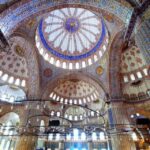
Then comes Sultan Ahmed Mosque (what many people call the Blue Mosque). Here, the tour leans into art history in a practical way—showing what matters inside without turning it into a long detour.
Two things I’d focus on as you’re walking in:
- The tiles and color story, including the guide’s note about turquoise (Turkuaz) being associated with Turkish people creating that distinct tone.
- How the interior decoration helps you understand Ottoman taste: it’s not random ornament. It’s part of the building’s message and mood.
This is also where the dress rules kick in. For mosque entry, you’ll want modest clothing—no shorts, mini skirts, or sleeveless tops—and you should bring a scarf. The info also says that entrances provide alternatives for some emergency needs at mosques, but don’t count on it as your plan A.
One possible drawback: mosque interiors can mean lines, crowding, and slower movement. The tour keeps Blue Mosque within a guided block (about 45 minutes), so you’ll still cover everything—but if you’re someone who likes long, quiet time inside big sites, you’ll likely want to return separately.
Hagia Sophia Area: You’ll See It, But Not in Full Interior Mode
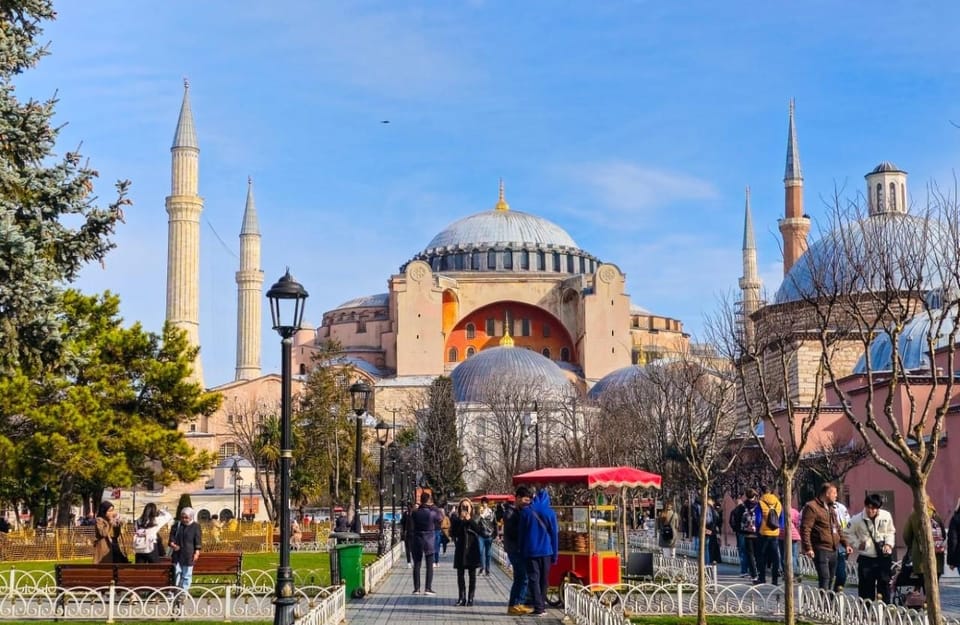
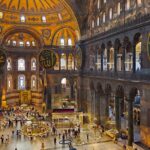
You’ll have a photo stop and guided pass-by around Hagia Sophia (Santa Sophia). The important point is how the tour handles it: there’s no interior visit on this half-day format.
The guidance here is practical. You’ll still get the essentials: context for the building and a sense of why it continues to matter to both Christians and Muslims across time. The guide also covers fun fact-style questions—like the confusion over whether Sophia is only a girls’ name—because that kind of storytelling makes the place stick.
Also note the current situation given in the tour info: there’s a fee for visitor access to the second floor (25€), and this tour does not include interior entry to the parts covered by that fee. So if you’re planning your budget, treat Hagia Sophia “inside” as a separate decision rather than a guaranteed included element.




Topkapi Palace First Courtyard: The Ottoman Power Center, Without the Full Marathon
Next up is Topkapi Palace, with entry limited to the First Court. You’ll have a mix of photo time, a guided segment, and then pass-by time rather than a deep interior route through multiple courts.
This is exactly the kind of choice that works for a half-day tour. Topkapi can eat time if you try to do everything. Here, you get the core meaning—Topkapi as the “palace of victory,” built by the Ottoman Sultan Mehmet (as referenced in the tour narrative), plus guided explanation that frames the palace as a statement of rule.
If you want the palace interior in full depth, you’ll likely need another visit. But for orientation and a solid first look, First Court access plus commentary is a good fit.
Don’t forget: Hagia Sophia and Topkapi have important interior limitations on this tour, so you should treat this experience as Old City context building rather than an “everything inside” day.
Suleymaniye Mosque and Bosphorus Views: The Best Farewell From the Hill
Then the day climbs—both literally and in mood—to Suleymaniye Mosque, with about 45 minutes including a guided visit and a walk.
This is a standout stop for me because it gives you something the Sultanahmet cluster can’t: a different viewpoint and a different architecture feeling. The tour presents it as a major Ottoman statement tied to Sultan Suleyman the Magnificent and designed by Sinan. You’ll also get story-driven context about Ottoman education and the mosque’s role, not just its exterior.
And then there’s the payoff: a panoramic view of the Bosphorus from the surrounding area. The timing matters here. Ending with a view makes the whole route feel complete, like you’ve stepped back and understood where Istanbul’s power geography actually sits.
A note on photography: the tour explicitly calls out best photograph spots, and this is the type of stop where that practice matters. The guide helps you position yourself so you’re not fighting angles or waiting for everyone to shuffle into a random spot.
You’ll likely feel ready to slow down after this, which is why it works well as the farewell before the market section.
Grand Bazaar Tea, Light Shopping, and Staying Safe in a Maze
The final stretch is Grand Bazaar, with a photo stop, visit, tea, guided tour time, and a shopping/walk window, plus a short food tasting segment.
Two practical thoughts:
- This is presented as a not-a-shopping-tour experience. You’re not supposed to get pressured into buying.
- If you want help, the guide can show recommendations when requested and also point out how to avoid scammers.
That last part matters. Grand Bazaar isn’t automatically dangerous, but it is easy to feel confused, separated, or overcharged if you don’t know how to navigate it. The guide’s role here is less about shopping advice and more about keeping you oriented.
You’ll also get a short food tasting and tea, which helps this market segment feel like a cultural pause rather than pure browsing. In a half-day tour, those pauses are gold. They keep you energized for the final walk and help you remember the day as more than a checklist.
Price and Logistics: Is $59 Good Value for This Much Ground?
At $59 per person for about 4 hours, the price is easiest to judge by what’s included.
You’re paying for:
- a professional English guide for the entire tour
- guided coverage of major sights, including Blue Mosque, Suleymaniye Mosque, Grand Bazaar, and the Old Town core
- Topkapi Palace (First Court) and Hagia Sophia outside context
You’re not paying for:
- hotel pickup/drop-off
- lunch
- interior visits for Hagia Sophia and the additional Topkapi courts
In plain terms: this price is good if you want a guided blueprint of Istanbul’s center and don’t need full interior access everywhere. If you’re the type who will sit in museums for hours and insist on every courtyard and level, you’ll probably spend extra elsewhere anyway.
Also, the tour notes that it’s not suitable for mobility impairments, so the “value” equation depends on how confidently you can walk and keep moving at a steady rhythm.
Who Should Book This Old City Tour (and Who Might Want Something Else)
This tour is a strong fit if you:
- want a fast, guided orientation to Sultanahmet and the Old City core
- care about how art and architecture connect across time (Roman through Ottoman)
- want planned photo spots and explanations, not just “go see the big places”
- prefer a relaxed group experience where questions get answered
You might choose differently if you:
- need long interior time in major sites like Hagia Sophia or Topkapi
- can’t handle mosque dress rules and walking segments
- need mobility-friendly routes (this one isn’t built for that)
Should You Book Half Day Old City Tour with an Art Historian Guide?
If your goal is to leave Istanbul with a clear mental map—who built what, why these monuments matter, and where to stand for the best photos—then yes, I’d book this. The combination of an art historian guide, structured stops, and a Grand Bazaar finish with tea and food tasting makes the half-day format feel complete instead of rushed.
Just go in with the right expectation: this is not an all-interiors day. Hagia Sophia and Topkapi interiors are limited, so you’ll still want your own time later if interior exploration is your main goal. If that limitation is okay for you, the route and storytelling style make this one of the more satisfying ways to get your bearings in Istanbul’s historic heart.
FAQ
What is the duration of the Half Day Old City Tour?
The tour lasts 4 hours.
Where does the tour start, and how do I recognize the guide?
The meeting point is Ibrahim Pasha Palace. The guide will be wearing a red strip license and carrying a black umbrella, making them easy to spot.
Is this tour in English?
Yes, it’s a live tour guide in English.
Are Hagia Sophia and Topkapı Palace interior visits included?
Hagia Sophia is listed as outside (photo stop and guided pass-by), with no interior visit included. Topkapı Palace is included only for the First Court; other courts and interior areas are not included.
Will there be mosque visits, and what should I wear?
Yes, there are mosque visits. You’ll need modest clothing (no shorts, mini skirts, or sleeveless tops) and you should bring a scarf. The information also notes that entrances provide items for emergency situations.
Is this a shopping tour in the Grand Bazaar?
No. It’s not a shopping tour, and there’s a guarantee that you won’t be pressured to buy. If you want help, the guide can provide recommendations and tips to avoid scammers.
Is the tour suitable for people with mobility impairments?
No. The tour is stated as not suitable for people with mobility impairments.