REVIEW · ISTANBUL
Istanbul: Jewish District 3-Hour Walking Tour
Book on GetYourGuide →Operated by ISTANBUL WALKS · Bookable on GetYourGuide
Istanbul’s Jewish stories walk with you. This Jewish Quarter route links historic Jewish landmarks with today’s galleries in Tophane and Karaköy, all while you’re moving along Galata’s streets.
I especially like the old photographs at the Jewish Museum, which make the past feel specific instead of vague. I also like the chance to visit the Ashkenazi Synagogue—when advance reservation rules are met.
One watch-out: it’s a lot of walking with hills, and hotel drop-off isn’t included, so you’ll want to plan how you get back once the tour ends.
In This Review
- Key highlights at a glance
- From Galatasaray High School to the Jewish Museum: a smart way to start
- The Jewish Museum: old photographs that make the community feel real
- Ashkenazi Synagogue visits: beautiful inside, but plan ahead
- Galata streets and the Kamondo steps: expect hills and keep moving
- Beyoğlu to Tophane and Karaköy: the contemporary art twist
- The modern art museum finale: why the last stop matters
- Guide matters: English-led small group with real personalities
- Price and logistics: what $561 per person really buys
- What to bring and how to avoid day-of headaches
- Should you book the Jewish District walking tour?
- FAQ
- How long is the Jewish District walking tour in Istanbul?
- What’s the group size?
- Are synagogue visits included?
- Do I need to bring my passport?
- What’s included in the price?
- What’s not included?
Key highlights at a glance
- Jewish Museum photos: old images that show day-to-day life in Istanbul, not just big names
- Abraham Camondo: the tour spotlights the financier and what his story says about the community
- Ashkenazi Synagogue access: inside visits depend on synagogue permission requests made ahead of time
- Galata to Beyoğlu streets: narrow lanes, viewpoints, and a sense of how neighborhoods connect
- Tophane and Karaköy art stops: contemporary galleries with conversation about East-West shifts
- A modern art museum finale: the tour ends at a museum described as the first in Istanbul to stage modern art exhibitions
From Galatasaray High School to the Jewish Museum: a smart way to start
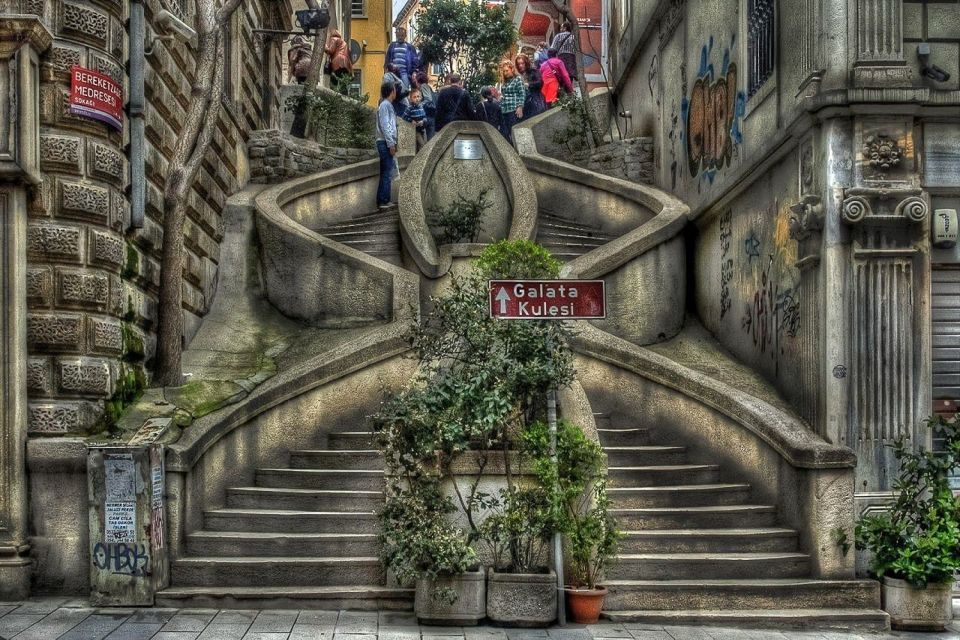
The tour begins at Galatasaray High School and kicks off on İstiklal Street, one of Istanbul’s main arteries. That’s a good move because you get instant orientation. You’re not dropped into the deep end of side streets right away—you ease into the city’s geography first.
From there, you’ll shift into the Jewish Quarter/Galata area, where the streets feel older than the big thoroughfares. This matters on a history-focused walk. Istanbul is layered. The best tours help you see the layers in the right order, and starting on İstiklal sets you up to notice what changes as you move into quieter lanes.
I like that the tour isn’t only about buildings. It starts with context, then turns into places. You’ll feel the neighborhood’s story building as you go.
You can also read our reviews of more walking tours in Istanbul



The Jewish Museum: old photographs that make the community feel real
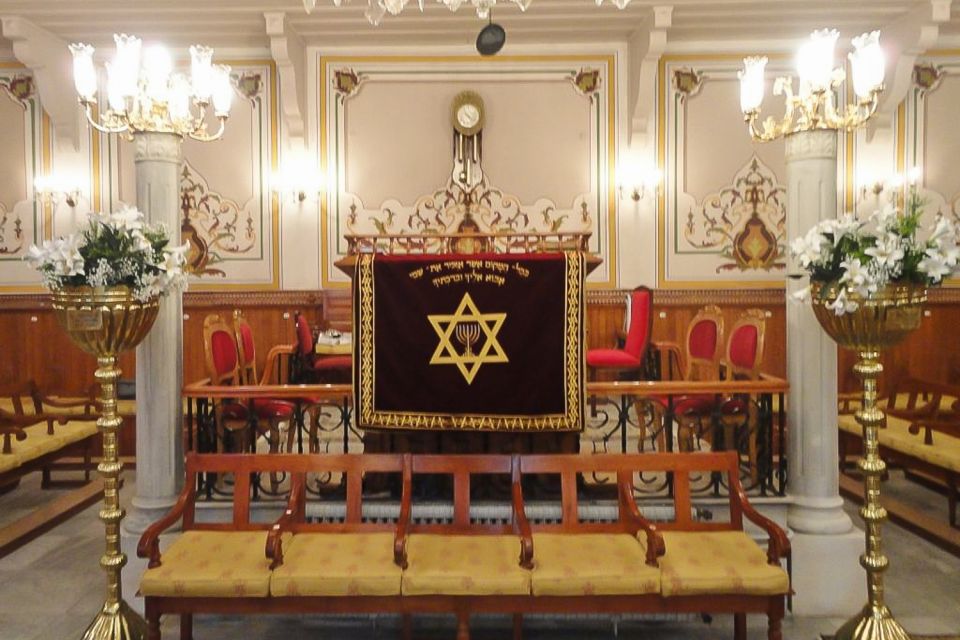
One of the strongest parts of this experience is the Jewish Museum stop. You’ll spend time with old photographs that chronicle Jewish life in Istanbul. The big win here is tone: photos do more than explain dates. They show people—families, public life, and the texture of everyday existence.
This is also where the tour connects individual stories to the broader neighborhood. You’ll hear about the Jewish financier Abraham Camondo, a name tied to Istanbul’s cultural and economic currents. The point isn’t just memorizing facts. It’s understanding why certain families and figures mattered in a port city that connected Europe and the Middle East.
If you care about how communities evolve under changing politics and trade routes, this stop lands. It gives you a baseline before you step into religious spaces and then move on to modern culture.
Ashkenazi Synagogue visits: beautiful inside, but plan ahead
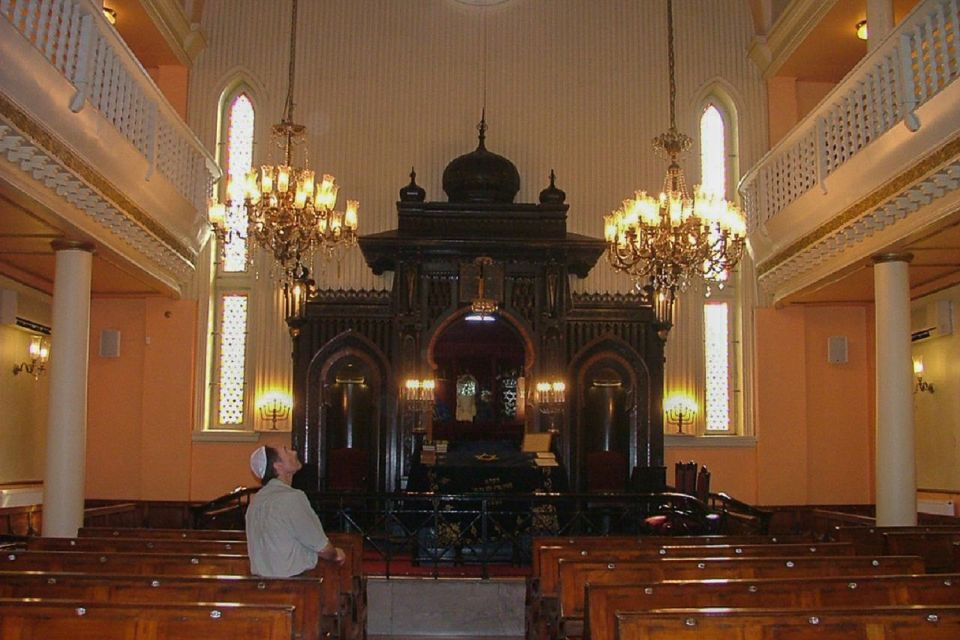
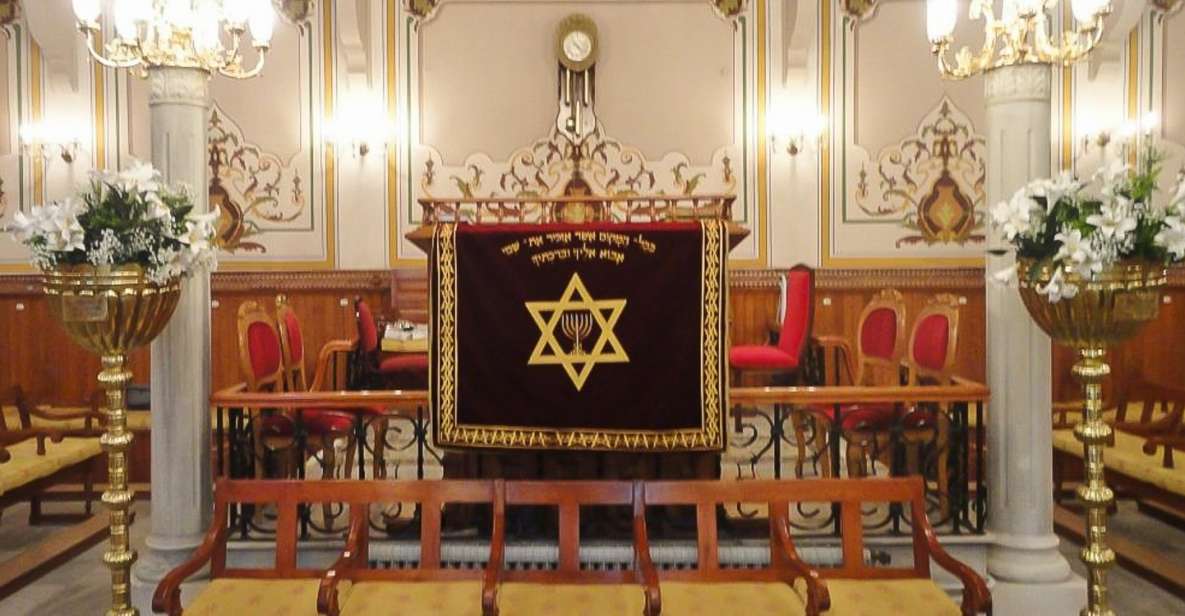
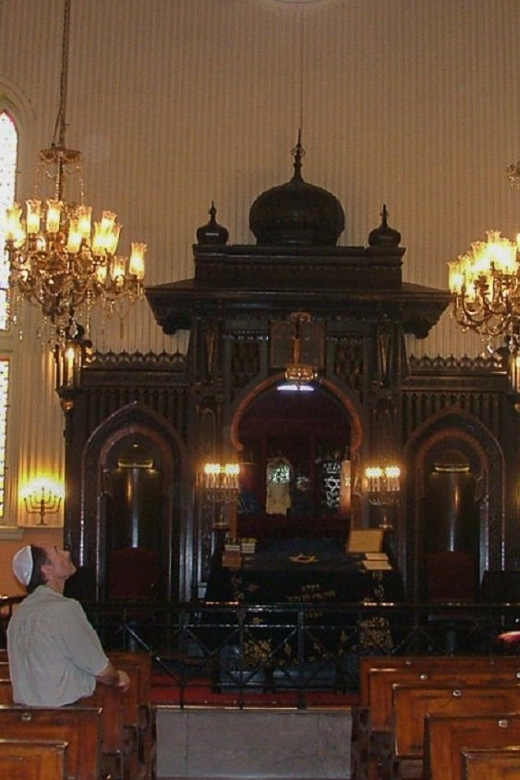
The itinerary includes the Ashkenazi Synagogue, and that’s a major draw. Seeing a synagogue from the outside is one thing. Visiting inside—when it’s on the schedule—adds a level of immediacy you can’t fake with photos.
Here’s the practical rule you should treat seriously: to get permission to enter synagogues, you need to make reservations 4 days prior to departure. If that timing isn’t met, visits inside may not be included. That means your planning matters even before you arrive in Istanbul.
Also, bring paperwork. You’re asked to bring copies of your passport or fax them to the number listed on your voucher. Don’t assume this is optional. Permission procedures can be strict, and the difference between seeing inside versus only viewing from outside is the difference between a good story and a great one.
Galata streets and the Kamondo steps: expect hills and keep moving
This walk is described as a morning walking tour lasting about 4 hours, even though the name highlights 3 hours. Either way, you should treat it as real walking time. The route includes narrow streets and some steep hills, so comfortable shoes aren’t a suggestion—they’re the difference between enjoying the scenery and huffing through it.
As you move through Beyoğlu and toward Galata, you’ll pass or notice different synagogues, including ones that are still functioning and others that feel quieter. Even when you’re not going inside every building, just seeing their placement in the street grid helps you understand how religion, daily life, and neighborhood boundaries used to overlap.
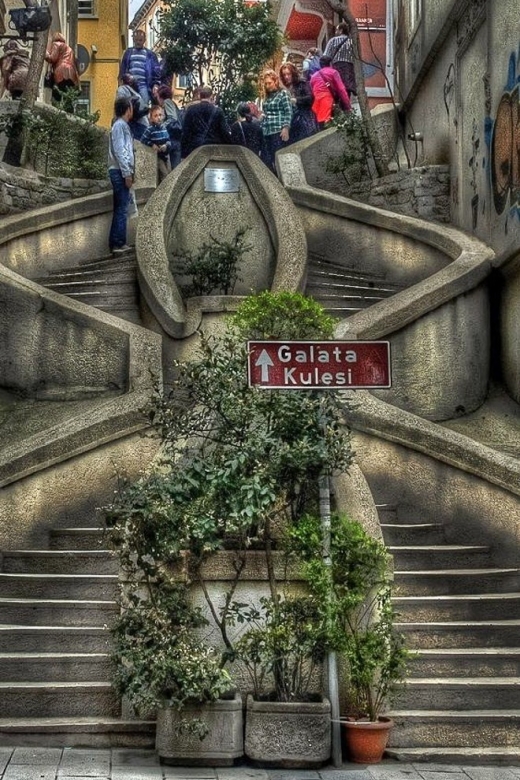
One detail that can help your eyes: there’s mention of the Kamondo steps area. When you see a set of steps like that, you start to grasp how steep the city can be—and why neighborhoods were shaped as much by topography as by politics.
Tip: if you’re the kind of person who hates being rushed, pace yourself anyway. The route is structured, but you’ll get more out of it if you stop for a moment to look at stonework, doorways, and street lines when your guide points things out.
Beyoğlu to Tophane and Karaköy: the contemporary art twist
The tour doesn’t stop at history. After the synagogue and museum content, it pivots into contemporary culture by visiting cutting-edge galleries in Tophane and Karaköy.
Why does this work? Because Istanbul itself is a bridge city. The guide explains how the contemporary art world changes as political and economic power shifts eastward. You’re not just getting art suggestions. You’re getting a framework for why the art scene looks the way it does right now.
Also, Istanbul straddles two continents, and the neighborhoods you walk through reflect that in a practical way. As you move from historic Jewish sites toward modern gallery spaces, you can feel the shift in audience, architecture, and street energy. You might notice the contrast immediately, or you might need your guide’s prompts to catch it. Either way, the transition gives the tour its point of difference.
If you enjoy art that has context—art connected to current events and cultural identity—this section is likely to be your favorite part after the synagogues.
You can also read our reviews of more tours and experiences in Istanbul

The modern art museum finale: why the last stop matters
The walk ends at the first museum in Istanbul to organize modern art exhibitions, as described in the tour framing. That makes the ending more than a random museum stop. It positions your day in a timeline: from the photographed past, to the lived religious present, then forward into modern art’s institutional history.
Because you’ve already been learning about community life and then the contemporary art scene, you’ll be in a better mindset to look closely at what’s on the walls. You’ll be asking, consciously or not: who gets to exhibit, what gets labeled modern, and how institutions shape taste.
Even if modern art isn’t your usual Sunday reading, the museum finish gives structure to the tour’s theme. You finish with a place that makes the day feel like a narrative, not just a collection of stops.
Guide matters: English-led small group with real personalities
This is a small group, limited to 5 participants. That size changes how the walk feels. You’re not trying to hear details over a crowd. You can ask questions, and the guide can steer conversations toward your interests.
The guides named in the experience include Tuncer, Diana, Ilker, and Sanem. That variety matters too. Some guides lean more into historical stories; others link history and art more directly. Either way, the common thread in the feedback is that the guides bring energy and keep the tour moving with clarity.
Another practical plus: the tour is English-speaking, and guides are comfortable fielding questions about what you’re seeing. On a topic as specific as Istanbul’s Jewish Quarter, that confidence helps.
Price and logistics: what $561 per person really buys
Let’s talk value honestly. $561 per person is not a casual add-on. For many people, it will feel like a premium choice. So you should ask: what’s included that a budget walking tour wouldn’t provide?
From the tour details, you’re getting:
- an English-speaking guide
- entrance fees and donations
- transportation plus hotel pickup
- access tied to museum and synagogue planning
And that matters because synagogue access isn’t always guaranteed. When permission rules are met, you get inside access to a key site. That can be the difference between a standard walking tour and a visit that feels genuinely special.
Still, you should note the trade-offs. Lunch and beverages aren’t included, and hotel drop-off isn’t included. One practical implication: you might end your tour at the museum and then handle the last step home on your own.
If you’re traveling as a single person and paying full rate, it’s even more important to decide whether you’ll use all the inclusions. For couples or friends who share the trip cost, the price can feel easier to stomach, especially for a small group with guided entry.
What to bring and how to avoid day-of headaches
Here’s how to set yourself up for an easy, low-stress morning.
Bring:
- Copies of your passport (or follow the fax instruction tied to your voucher)
- Comfortable shoes for hills and steep stretches
- Only carry what you can manage on foot, since luggage or large bags aren’t allowed
Plan around the religion calendar:
- The tour may not run during Jewish and Muslim religious holidays
- It won’t run on Saturdays and Sundays
Also keep your schedule flexible if you’re hoping for synagogue interior access. The 4-day reservation rule means you should book with enough lead time that the required permission can be secured.
Small details can make a big difference in Istanbul. For example, if your guide helps with practical transit like tram tickets on the way back, take advantage of it. Even when transportation is included for the tour itself, getting home smoothly is still on you after the final stop.
Should you book the Jewish District walking tour?
Book it if you want an Istanbul experience that connects historic Jewish landmarks with modern art culture in the same morning. The combination of Jewish Museum photo context, a planned focus on Abraham Camondo, and the potential for Ashkenazi Synagogue interior access makes it feel more purposeful than a generic neighborhood walk.
Skip or reconsider if you hate hill-walking or you can’t be flexible about synagogue entry rules and timing. Also, if you’re budgeting tightly, $561 per person is steep, and the lack of lunch and hotel drop-off may add costs you hadn’t planned for.
My bottom line: if you’re curious about how Istanbul’s identity shifts from neighborhood traditions into today’s art world, this guided route is built for that. Just come prepared with documents, good shoes, and a transport plan for the end of the day.
FAQ
How long is the Jewish District walking tour in Istanbul?
The experience is listed as a 4-hour morning walking tour. Plan for real walking time rather than a quick 3-hour stroll.
What’s the group size?
It’s a small group with a maximum of 5 participants.
Are synagogue visits included?
Entrance to synagogues is included, but interior access depends on permission. Reservations must be made 4 days prior to departure, otherwise synagogue visits inside may not be on the schedule.
Do I need to bring my passport?
Yes. You should bring copies of your passport, or fax them to the number shown on your voucher.
What’s included in the price?
An English-speaking guide, entrance fees, transportation, and hotel pickup (from centrally-located hotels in the listed areas) are included, along with entrance fees and donations.
What’s not included?
Lunch and beverages are not included, and hotel drop-off after the tour is not included. Personal expenses are also not included.