REVIEW · ISTANBUL
Istanbul Grand Bazaar and Egyptian Bazaar Shopping Tour
Book on Viator →Operated by Plan Tours · Bookable on Viator
Step into a market maze with a smart guide. This 4-hour tour strings together Istanbul’s two biggest shopping worlds—the Egyptian (Spice) Bazaar and the Grand Bazaar—so you can shop without aimlessly wandering for hours. I like that it’s set up as small-group shopping with an expert who helps you scout better stalls and negotiate. One thing to consider: it’s still a shopping tour, so you’ll want to stay in control of what you buy and where you spend.
You’ll start at 9:30 am, with hotel pickup by air-conditioned vehicle and an English-speaking guide. I also like that the route includes a ceramics workshop focused on blue-and-white Iznik-style tiles and pottery, which adds more craft than just souvenirs. The main drawback? Food and drinks aren’t included, so plan to grab water and snacks before or after—especially if you get hit with a hot walk between stops.
In This Review
- Key things I’d pay attention to
- Your 4-hour game plan in Istanbul’s shopping dens
- Getting picked up and staying on track at the start
- Stop 1: Grand Bazaar (covered maze shopping with real stakes)
- What can go wrong here (and how to avoid it)
- Stop 2: Egyptian Bazaar (Spice Market) for smells, colors, and everyday finds
- Sultanahmet Square stop: quick context in the Old City
- The ceramics workshop: blue-and-white Iznik-style craft time
- Haggling skills: how the guide helps you avoid awkward pricing
- What’s included, what’s not, and what that means for your day
- Group size and the guide quality factor (this is where the experience rises)
- Shopping strategy: what to buy in each market
- Grand Bazaar: best for larger souvenirs and craft-style items
- Egyptian Bazaar: best for food gifts and everyday goods
- Ceramics workshop: best for learning what quality looks like
- Price and value: what you’re paying for
- Who this tour fits best
- Should you book this Istanbul bazaar shopping tour?
- FAQ
- How long is the Istanbul Grand Bazaar and Egyptian Bazaar shopping tour?
- What does the tour cost?
- Is hotel pickup and drop-off included?
- Is the tour offered in English?
- Which stops are included?
- Is food included?
- Are tickets included for the bazaars?
- How many people are on the tour?
- What time does it start?
Key things I’d pay attention to
- Two famous bazaars, one guided loop: Grand Bazaar first, then the Egyptian Bazaar for spices and everyday market goods.
- Guide-led “quality scouting” instead of random browsing: you’re meant to find good stalls faster.
- Haggling help built into the tour: you get practical tips so price talks don’t feel awkward.
- A ceramics workshop stop: watch blue-and-white Iznik tiles and pottery being made.
- Grand Bazaar entry is included: you’re not juggling tickets mid-walk.
- Small group scale: listings point to a maximum around 10 travelers, and the experience is also described as up to 15.
Your 4-hour game plan in Istanbul’s shopping dens
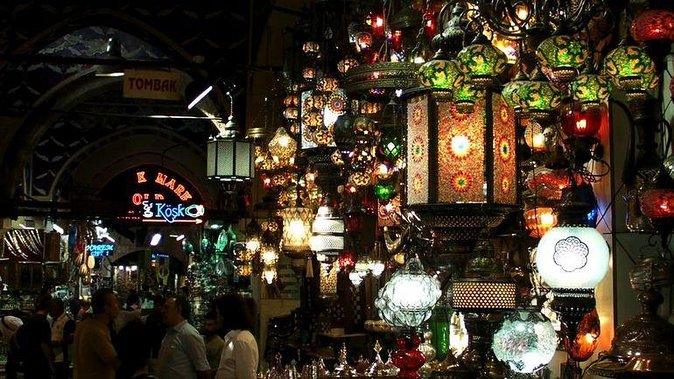
This tour is basically built for one thing: helping you shop in two places that are famous for swallowing your time. The Grand Bazaar is huge—about 4,000-plus stalls—and the Egyptian Bazaar has that intense, sensory wall of scents where it’s easy to get distracted and miss the best buys. With a guide, you’re not just sightseeing while lost; you’re shopping with a route and someone to steer the walk.
At $90.31 per person for about 4 hours, the value comes from the combination of guided time, included transport, and Grand Bazaar admission (while the Spice Market portion is free entry). If you were to go solo, you’d pay entry anyway, spend time figuring out where to start, and likely wander into pricier stalls just because you didn’t have context.
The tour also leans into the practical side of market shopping: how to ask for prices, what to look for, and how to spot better quality without getting pushed around. That matters more than it sounds, especially if you only have a short window in Istanbul.
You can also read our reviews of more shopping tours in Istanbul



Getting picked up and staying on track at the start
Pickup makes or breaks market tours, and this one includes it. You’ll meet at the pickup area by looking for Plan Tours and Gray Line blue-and-white buses. Your start time is 9:30 am, and the tour ends back at the meeting point.
Two practical notes you’ll be glad you took seriously:
- You’ll want to arrive a little early at the bus meet spot, especially if you’re trying to avoid last-minute stress.
- If your hotel is hard to reach, you may be directed to an alternative meeting point. That’s common in dense areas, so don’t treat the pickup as guaranteed to be right outside your door.
Stop 1: Grand Bazaar (covered maze shopping with real stakes)
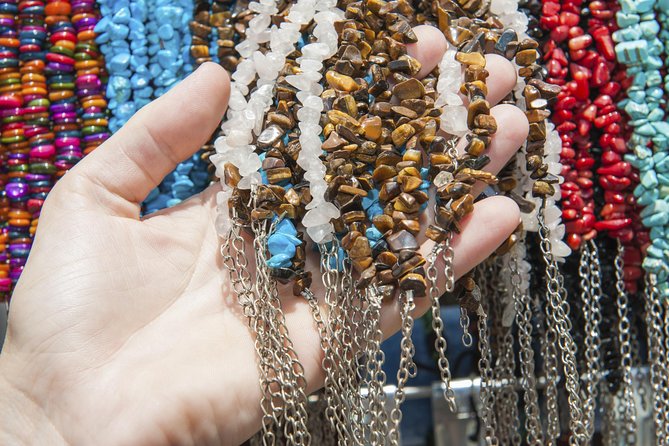
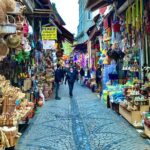
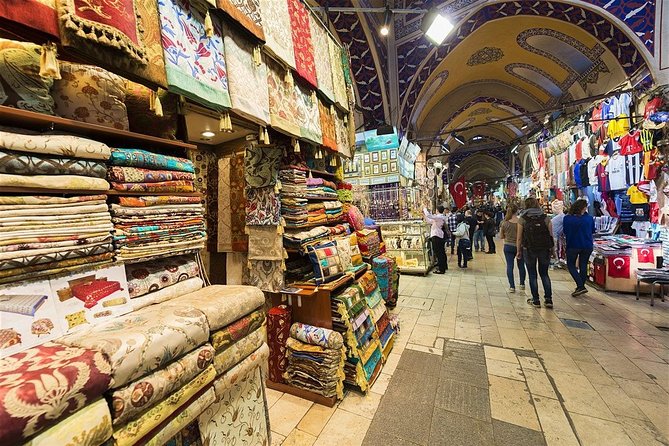
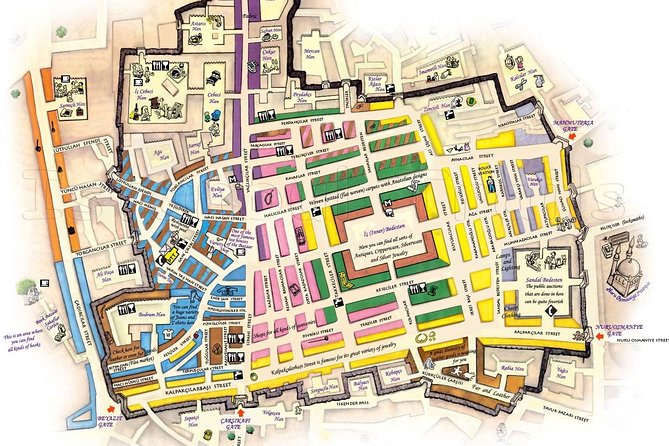
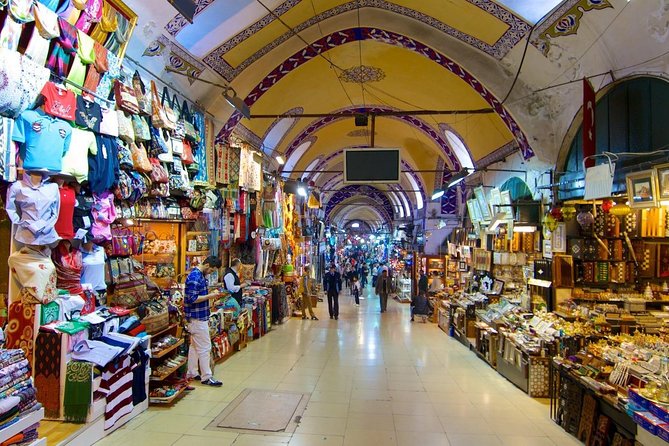
The Grand Bazaar is the headline act. It’s a massive covered market with thousands of shops selling everything from jewelry and antiques to carpets, leather goods, and souvenirs. With the guide, the goal is simple: don’t waste your energy wandering randomly.
What I like about this stop is that it’s not framed as a quick look. You get about 1 hour 30 minutes here, plus admission is included. That’s time enough to:
- compare stall styles (handmade vs. mass-produced-looking items),
- see price ranges without feeling rushed,
- and ask specific questions instead of buying the first thing you like.
If you’re into carpets or textiles, the tour notes an art demonstration of handmade Turkish carpets upon request. Even if you’re not planning to buy a rug, that kind of explanation helps you recognize differences in quality and labor, which changes the way you haggle.
What can go wrong here (and how to avoid it)
The Grand Bazaar is a high-pressure environment by design—people work on commission, and the crowd does the rest. The best protection is a guide who helps you:
- target what you actually want,
- and keep you moving past stalls that don’t fit your budget or taste.
Still, keep your eyes open. One concern that shows up with this kind of market tour is offsite or external shopping stops where you might feel pressured to spend big money. If your plan is to stay focused on market stalls, you can protect yourself by asking where you’re headed next and whether it’s inside the bazaar area or outside it.
Stop 2: Egyptian Bazaar (Spice Market) for smells, colors, and everyday finds
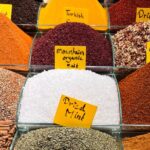
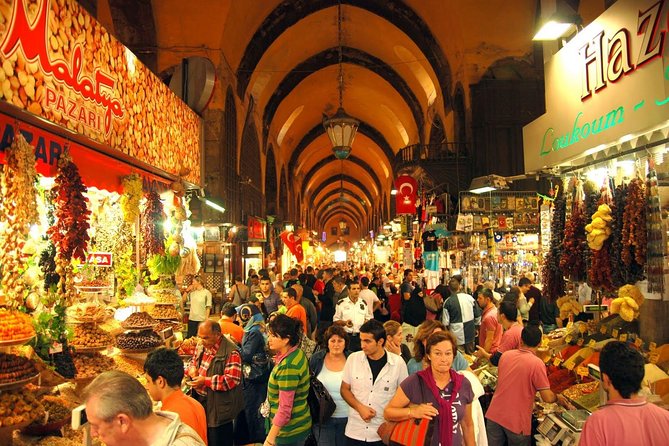
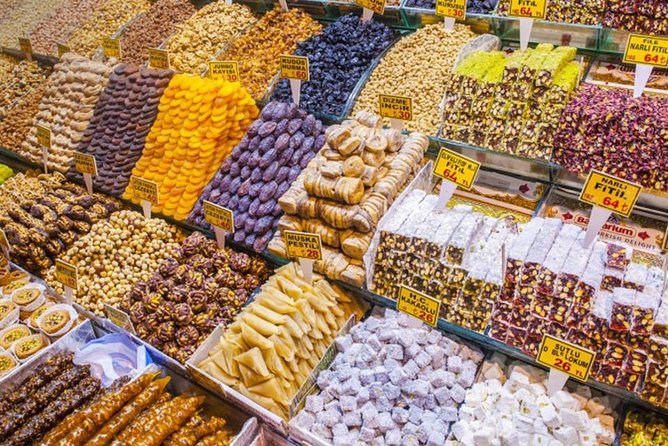
After the Grand Bazaar’s interior maze, you switch to the Egyptian Bazaar, also known as the Spice Market (Misir Carsisi). This part is about sensory shopping: the air filled with the aromas of spices, herbs, nuts, and sweets, plus plenty of shops selling fruits, vegetables, fish, and flowers.
You get about 1 hour 30 minutes here, and the entry is listed as free. That time window matters. The Spice Market isn’t just pretty—it’s practical. You can stock up on:
- spices and dried herbs,
- nut mixes,
- Turkish delight and other sweets (often seen in many stalls),
- and small gifts that are easier to pack than big items.
One review highlight pattern that you should take seriously for your own shopping: the best results come when your guide points out stalls with better quality rather than just the most tourist-friendly displays. If your guide names specific spots for ceramics, sweets, or spices, it’s usually because they’ve done this kind of shopping route before and know which sellers are worth your minutes.
You can also read our reviews of more tours and experiences in Istanbul

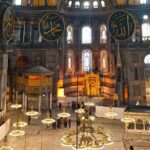


Sultanahmet Square stop: quick context in the Old City
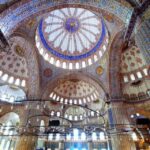
The itinerary includes a brief stop at Sultanahmet Square (listed as “Sultan Ahmet Center”), described as the heart of Istanbul’s Old City, tied to Byzantine and Ottoman rule. It’s only about 30 minutes, and there’s no ticket included.
Think of this as a short reset between intense markets. It gives you a breather and a place to regroup, check photos, and mentally switch gears from bargaining mode to “where am I in this city?” mode.
If you want more detailed sightseeing, you’ll need a separate outing—this tour is mostly shopping-forward.
The ceramics workshop: blue-and-white Iznik-style craft time
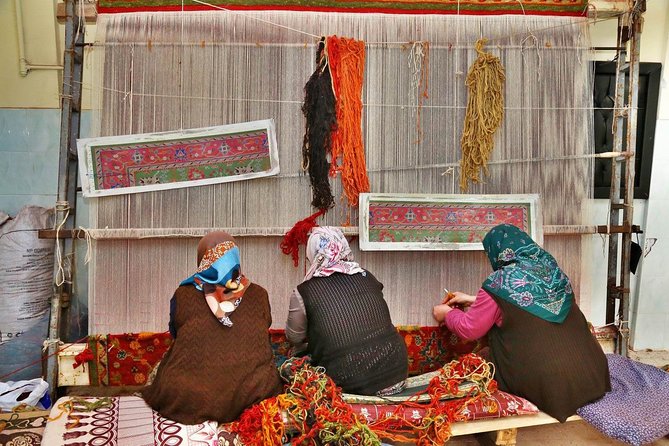
This tour also includes a ceramics workshop visit where artists craft blue-and-white Iznik tiles and pottery. Even without extra museum-style explanations, watching hands at work can be the difference between buying a souvenir and buying something you actually understand.
Here’s why this stop is worth it for real value:
- It shifts you away from only buying items that can feel interchangeable.
- It gives you a mental checklist for what to look for in tile or pottery quality when you see it later.
Since the tour description specifically calls out Iznik-style blue-and-white work, I’d treat this as your “education stop.” If you want to buy ceramics, you’ll be in a better position to judge details after seeing how pieces are made.
Haggling skills: how the guide helps you avoid awkward pricing
One of the most praised parts of this kind of tour is help with haggling. The practical angle is: you learn how to talk price without turning it into a mess.
Here’s what I’d watch for as you follow the guide’s lead:
- Ask questions early, before the seller assumes you’re ready to buy.
- Be clear about what you want (size, material type, intended use), because vague shopping leads to inflated quotes.
- If you don’t like the first price, calmly keep the conversation going rather than freezing.
Also, keep bargaining realistic. Markets can be negotiation-heavy, but quality differences are real. The best guides help you compare options so your counteroffers aren’t just guesswork.
What’s included, what’s not, and what that means for your day
Included:
- Hotel pickup and drop-off
- Air-conditioned vehicle transport
- Local guide
- Grand Bazaar admission ticket included
- Mobile ticket
- English-speaking guide
Not included:
- Food and drinks
This matters because shopping tours can run hot, fast, and thirst-making. I’d bring a plan:
- Drink water before you start.
- Have a light breakfast if you can.
- If you see snacks you like, budget time to grab them nearby; don’t rely on the tour to feed you.
Group size and the guide quality factor (this is where the experience rises)
The tour is described as small-group, with a maximum around 10 travelers in the details, while the features also mention a small-group cap up to 15. Either way, the intent is the same: you should have enough attention to get advice, not just a crowd herded through stalls.
Guide quality shows up hard in the feedback. Names that have stood out include Aik, Ike, Ertugrul, and Yldray. The common thread in the best experiences: guides made the market feel navigable, helped find quality items, and kept the tour aligned with what people actually wanted to buy—especially ceramics and sweets.
On the flip side, there are also cautionary notes about guides not explaining much or spending too much time away from the group. Your protection here is simple: if the guide isn’t giving you direction, ask questions right away. If you want the tour to feel useful, you need to help steer it—at least as much as your preferences allow.
Shopping strategy: what to buy in each market
Let’s keep it simple: don’t treat both bazaars as the same kind of store.
Grand Bazaar: best for larger souvenirs and craft-style items
In the Grand Bazaar, you’ll see categories like:
- jewelry and gold items,
- antiques and collectibles,
- carpets and textiles,
- leather goods,
- and classic souvenir shopping.
This is where you can spend more time if you want items that feel more “I picked this because I chose it,” like textiles or ceramics pieces.
Egyptian Bazaar: best for food gifts and everyday goods
The Spice Market is ideal for:
- spice blends,
- herbs and nuts,
- sweet treats,
- and small edible gifts.
Even if you’re not buying a suitcase full, it’s a great place to create a mini flavor kit for home.
Ceramics workshop: best for learning what quality looks like
If you want Iznik-style tiles or pottery, treat this as your quality baseline. When you spot something you like later, you’ll recognize better what you’re paying for.
Price and value: what you’re paying for
At $90.31 for around 4 hours, you’re paying for more than the right to enter markets.
You’re getting:
- guided navigation through two enormous shopping areas,
- transportation with a vehicle and pickup/drop-off,
- Grand Bazaar admission included,
- and a crafts visit (ceramics workshop).
Where the value can drop is when the tour feels like a hard sell, or when explanations are thin. That’s not a reason to avoid the whole experience, but it is a reason to go in with a firm shopping mindset:
- Know what you want before you start.
- Decide your rough budget range.
- If you feel pushed into a high-ticket purchase that isn’t your target, pause and slow down.
Who this tour fits best
This is a strong match if:
- you want shopping guidance and hate getting lost,
- you’re interested in Turkish crafts like Iznik ceramics,
- you want help learning how to haggle,
- you have a limited time window and want a structured route.
It might feel less ideal if:
- you’re expecting a museum-style history tour (this is shopping-focused),
- you only want one market and don’t care about the second,
- you get very uncomfortable with negotiation environments.
Should you book this Istanbul bazaar shopping tour?
I’d book it if your main goal is smart shopping in the Grand Bazaar and Spice Market with a guide helping you find better stalls and make price conversations easier. The inclusion of Grand Bazaar entry, hotel pickup, and a ceramics workshop adds real structure for the time.
Skip it or book with extra caution if you dislike shopping pressure or you’re nervous about unexpected stops outside the market area. In that case, go in clear about what you want, ask where you’re going next, and keep your spending decisions tied to your own checklist.
If you’re ready for a focused shopping morning and want help navigating a maze, this tour is built for you.
FAQ
How long is the Istanbul Grand Bazaar and Egyptian Bazaar shopping tour?
It runs for about 4 hours (approx.), with specific time allocated to the Grand Bazaar and the Egyptian Bazaar.
What does the tour cost?
The price is $90.31 per person.
Is hotel pickup and drop-off included?
Yes. The tour includes hotel pickup and drop-off, plus transport in an air-conditioned vehicle.
Is the tour offered in English?
Yes, it’s offered in English.
Which stops are included?
The tour includes the Grand Bazaar, Misir Carsisi (Spice Market / Egyptian Bazaar), and a stop at Sultanahmet Square. It also includes a ceramics workshop visit.
Is food included?
No. Food and drinks are not included.
Are tickets included for the bazaars?
Grand Bazaar admission is included. The Spice Market (Egyptian Bazaar) portion is listed as free.
How many people are on the tour?
It’s listed as a maximum of 10 travelers for this activity, and it’s also described as a small-group tour capped around 15.
What time does it start?
The tour starts at 9:30 am and ends back at the meeting point. Confirmation is received at booking time.