REVIEW · ISTANBUL
Istanbul Unveiled: A Quest for the Unique and Unusual Jewels
Book on Viator →Operated by Serif Yenen Travel & Tourism Co. · Bookable on Viator
Old Istanbul has a second floor.
This tour is built for it, with underground cisterns and permission-only stops that most visitors never see. I also love how the route is paced around real stories, from early Byzantine work to Ottoman masterpieces, with tea and lunch breaks that keep you moving without feeling rushed. One possible drawback: you do need strong physical fitness because you’ll be walking and going down into underground spaces.
You’ll travel with English-speaking guide Serif, who’s repeatedly praised for clear explanations, good humor, and real access to places other tours struggle to reach. It’s also easy to feel taken care of: you’re given an Istanbul map, you get food along the way (coffee/tea, boza, lunch), and the day ends with a classic skyline payoff. If you expect a quick hits-and-photos day, this isn’t that. This is a slower, story-heavy route where you’ll pause to understand what you’re looking at.
In This Review
- Key highlights you’ll actually feel during the day
- Old Istanbul, but with the lights turned on
- Price and timing: $490 for 6–7 hours of guided access
- Stop 1: Küçük Ayasofya Mosque garden cafe and Justinian’s earlier footprint
- Stop 2: The Eresin Hotel Sultanahmet area and Byzantine Great Palace ruins
- Stop 3: Nakkas Oriental Rugs & Textiles and the cistern beneath the city
- Stop 4: The Hippodrome, where Constantinople’s crowds once gathered
- Stop 5: Seven Hills Hotel panoramic terrace views
- Stop 6: Binbirdirek Cistern (Cistern of Philoxenos) and Mark Twain’s connection
- Stop 7: Forum of Constantine and the Column of Constantine
- Stop 8: Lunch at a lokanta with fast service
- Stop 9: Forum of Theodosius and the Column of Theodosius reliefs
- Stop 10: Kalenderhane Camii outside-only, Byzantine meets Ottoman
- Stop 11: Vefa Bozacisi for boza tasting
- Stop 12: Şehzade Mehmet Mosque, Mimar Sinan’s Ottoman masterpiece
- Stop 13: Valens Aqueduct (Bozdogan Kemeri) and the day’s final skyline moment
- Where Serif’s guide style makes a real difference
- Who should book this tour, and who might skip it
- FAQ
- FAQ
- How long is the Istanbul Unveiled tour?
- What language is the tour offered in?
- What does the price include?
- Is private transportation included?
- Where does the tour start and where does it end?
- What are the age and fitness requirements?
- Can I cancel for a full refund?
Key highlights you’ll actually feel during the day
- Permission-only access to special ruins and underground areas that aren’t on standard tourist paths
- Cistern time in more than one waterway, including Binbirdirek (Cistern of Philoxenos)
- Serif’s connections and pacing, with lots of attention to how the group is doing
- Tea, boza, and lokanta lunch built into the day so you’re not scrambling to eat
- Major landmarks with context, like the Column of Constantine and Şehzade Mosque
- Central start and drop-off convenience, so you spend less time commuting
Old Istanbul, but with the lights turned on
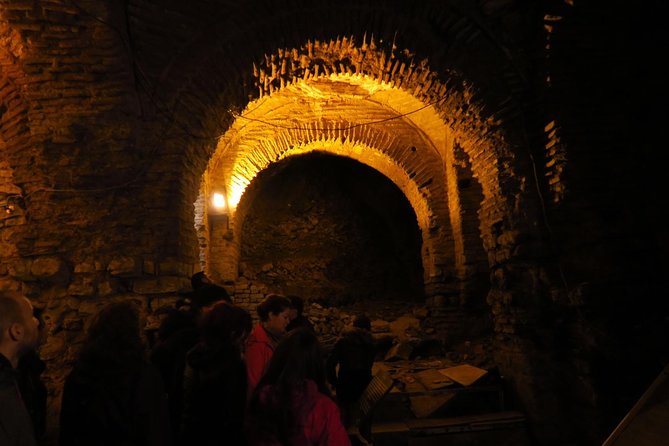
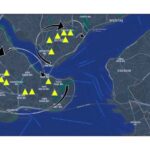
Istanbul can be noisy on the surface. This tour gives you the version underneath: the water systems, the shifted empires, and the architecture that changed hands without asking permission. You start in the Sultanahmet/Fatih area, then work through Roman forums, Byzantine public spaces, Ottoman worship spots, and finally finish with a Roman engineering relic.
The biggest value for me is the balance. You get major sights like the Hippodrome and the Column of Constantine, but the middle of the day is where it gets interesting: you’ll spend real time in places reached with special permission, plus multiple cistern stops. That mix makes the day feel less like a checklist and more like a guided walk through how the city worked.
You can also read our reviews of more tours and experiences in Istanbul.


Price and timing: $490 for 6–7 hours of guided access
At $490 per person for a 6 to 7 hour window, the math only works if you care about more than surface-level sightseeing. The tour includes entrance costs, a professional guide, coffee/tea, boza tasting, lunch, and even an Istanbul map. What’s not included is private transportation, so you’ll rely on walking plus nearby public transit connections.
This is also listed as a private tour/activity, meaning it’s only your group. There’s a minimum of 2 travelers to book, and the tour is offered in English. If you’re traveling as a couple or a small group, that private format is often where the price starts to feel reasonable—especially because several stops require special access.
One practical point: this is a walking day. Comfortable shoes are not optional. If you’re prone to sore knees or back pain, plan early and keep your pace steady when you hit stairy sections around older stone areas and cistern descents.
Stop 1: Küçük Ayasofya Mosque garden cafe and Justinian’s earlier footprint
You begin at the Küçük Ayasofya Mosque garden cafe, which is a smart start. Before you rush into monuments, you get Turkish tea in a calm setting, with a backdrop that helps you place Istanbul’s geography and historical timeline.
Küçük Ayasofya itself is a lesser-known star. It’s often described as a precursor to Hagia Sophia, built under Emperor Justinian before the famous building took over the spotlight. You’ll hear how it retains Byzantine architectural features and why that matters when you’re trying to understand how ideas evolved in the city.
Why this works: starting here sets expectations for the whole day. You stop thinking of Istanbul as one era, and you start seeing how each wave of rulers reused, rebuilt, and rebranded what was already there.
Practical note: you’re outdoors first, then later the route shifts into underground and more enclosed spaces. If you run cold easily, keep a light layer in your day bag.
Stop 2: The Eresin Hotel Sultanahmet area and Byzantine Great Palace ruins
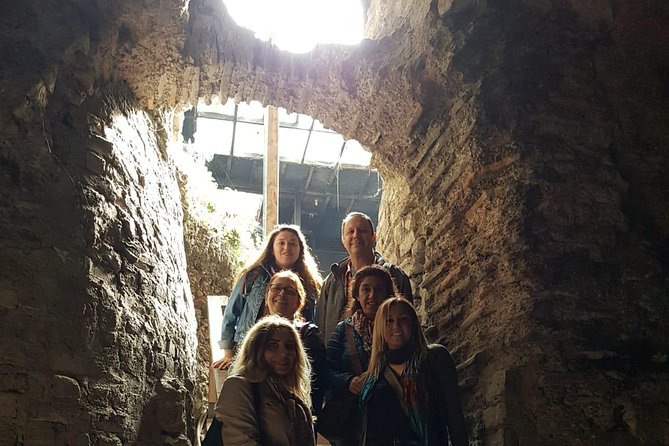
Next comes a “you have to be in the right place” kind of stop at the Eresin Hotel Sultanahmet. Here, you explore ruins connected with the Byzantine Great Palace in a private-access setting.
This is one of those moments where the tour’s promise shows up: you’re not just viewing stones behind a fence. You’re taken to a location that requires special permission, and it’s treated like a surprise stop. The payoff is how personal the history feels once you’re in a controlled, less crowded space.
The tradeoff is simple: shorter time here means you’ll want to listen closely at the start. If you drift, you’ll miss why the permission-only access matters and what you’re supposed to look for in the ruins.
Stop 3: Nakkas Oriental Rugs & Textiles and the cistern beneath the city
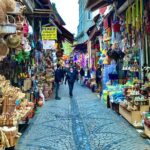
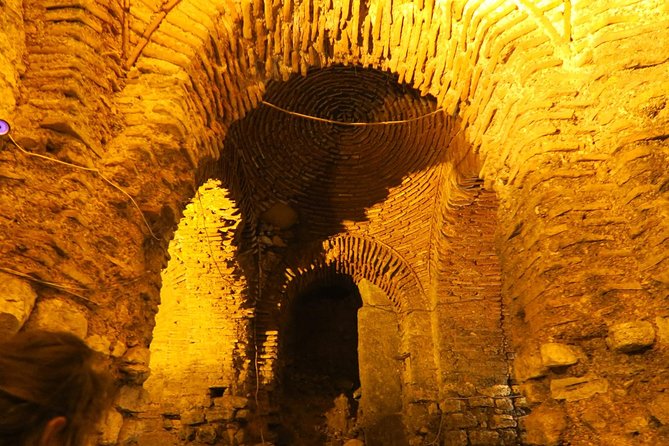
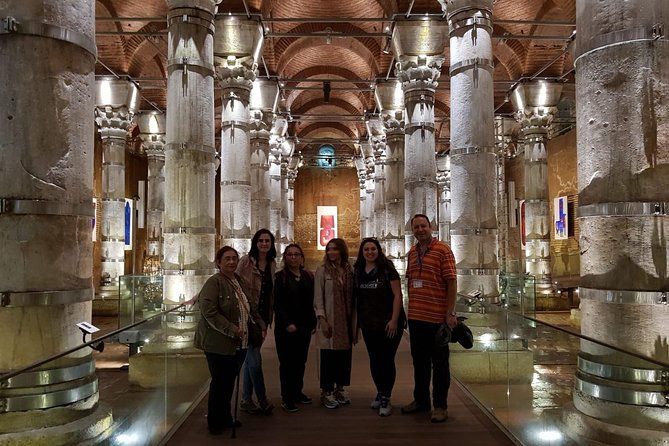
Then you head to Nakkas Oriental Rugs & Textiles, which sounds like a shopping stop until you get the storyline. The tour pairs it with an underground Byzantine cistern visit at a secluded spot that also needs special access permission.
What makes this stop memorable is the combination: the cistern itself plus an exhibition tied to the ancient Hippodrome. So you’re not just seeing water storage. You’re connecting it to public life above—where crowds gathered and where the city’s entertainment culture played out.
For your comfort: cistern areas are underground and can feel dim. Bring your good vision habits—slow down and look around first before snapping photos. The guide’s context is what turns a dim room into a readable scene.

Stop 4: The Hippodrome, where Constantinople’s crowds once gathered
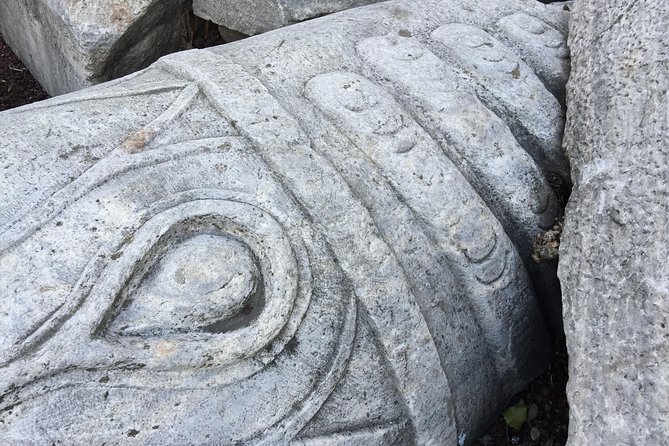
After the underground stops, you come back up to the Hippodrome. This is the Byzantine era heart of public entertainment and political display in Constantinople. You’ll trace what happened here—chariot races, big civic gatherings, and the everyday energy that came from being in the center of the city’s attention.
This segment is only about 20 minutes, so it’s not a long lecture. It’s enough time to connect the idea of power and public spectacle to what you just learned underground beneath the city.
If you’re the type who loves crowd history—who cares who sat where and why a site mattered—you’ll like this.
Stop 5: Seven Hills Hotel panoramic terrace views
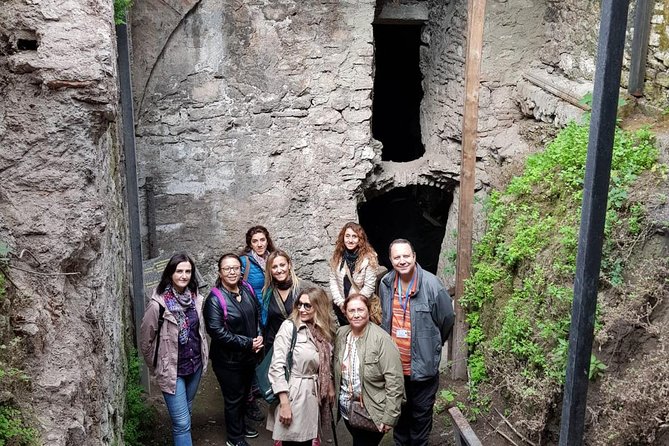
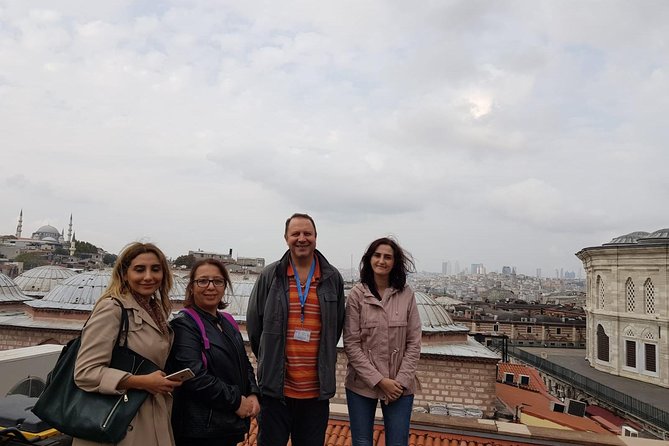
A short break follows at the Seven Hills Hotel panoramic terrace. This is one of those stops that can feel optional on a checklist, but it’s useful in real life. After underground spaces and forum stones, the view helps you reset your mental map.
It also gives you a calmer moment before you move into more architecture and monuments. If your feet are getting tired, this pause is a relief.
Stop 6: Binbirdirek Cistern (Cistern of Philoxenos) and Mark Twain’s connection
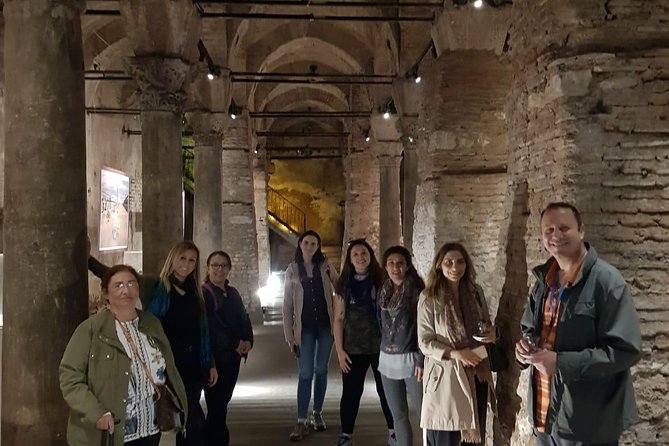
Next is the Binbirdirek Cistern, also called the Cistern of Philoxenos. It’s presented as the second largest cistern in Istanbul, and the tour makes a point of how often it’s missed in favor of the more famous Basilica Cistern.
That choice is part of the value here. When you visit the lesser-seen waterway, the cistern doesn’t feel like one more photo stop. And the tour highlights a fun detail: Mark Twain visited and wrote about it.
If you’re the kind of traveler who likes confirmation that you’re seeing something unusual, this stop delivers. It’s not just quieter. It has a story that follows it beyond the city.
Stop 7: Forum of Constantine and the Column of Constantine
You then reach the Forum of Constantine and see the Column of Constantine, the main surviving monument from that forum. This column was erected to mark Istanbul as the new capital of the Roman Empire around 1700 years ago.
Here’s why this matters for your understanding of the day: the cisterns and palace ruins have one theme—how the city functioned physically. The forum and column tie that into power—how the city was explained politically and celebrated through monuments.
Time is short (about 20 minutes), so focus on the bigger idea the guide gives you: stone used as messaging.
Stop 8: Lunch at a lokanta with fast service
For lunch, you head to a nearby lokanta—a Turkish-style eatery known for quick service and lots of choices. The tour description notes it’s popular with local shopkeepers, which is exactly the sort of detail that helps you eat more like a resident than a museum-goer.
It’s included and runs about 45 minutes, which is a good window. Not too long, so you don’t lose momentum. Not too short, so you can actually eat.
One practical tip: since this tour includes a boza tasting earlier or later, don’t plan your day around eating huge portions at every stop. You’ll likely end up sampling more than you expected.
Stop 9: Forum of Theodosius and the Column of Theodosius reliefs
After lunch, you visit the Forum of Theodosius. It was built by Emperor Theodosius I in the late 4th century, once filled with arcades, shops, and marketplaces. At its core was the tall Column of Theodosius, with reliefs spiraling upward to record military victories.
Even though much of the forum is gone, you still get a sense of how public life ran—processions, announcements, debates, and the constant flow of people around the emperor’s symbol.
This is the kind of stop you’ll enjoy if you like reading space. Even in ruins, the layout teaches you how the city organized attention.
Stop 10: Kalenderhane Camii outside-only, Byzantine meets Ottoman
Next is Kalenderhane Camii, the former Theotokos Kyriotissa Church. This one is specifically called out for mixed Byzantine and Islamic architectural styling. You visit from the outside, which keeps your expectations clear and helps you focus on domes and brickwork patterns.
If you love architecture, this stop is a visual rest stop. You’re not walking into another underground room. You’re seeing how eras left their signatures on the same structure.
Stop 11: Vefa Bozacisi for boza tasting
Then it’s time for something you can taste: boza tasting at Vefa Bozacisi. Boza is a fermented Turkish drink with a unique flavor and texture, and this stop treats it like a cultural snack rather than a tourist gimmick.
This is included and lasts about 15 minutes, so it won’t derail your day. Still, it’s one of the most memorable moments for a lot of people because it’s different from what you’re likely used to at home.
If you’re worried about unfamiliar drinks, you can take a small sample and see how your taste buds handle the tangy, fermented profile.
Stop 12: Şehzade Mehmet Mosque, Mimar Sinan’s Ottoman masterpiece
You finish the monument sequence at the Şehzade Mehmet Mosque, designed by Mimar Sinan. It was commissioned by Sultan Süleyman the Magnificent in memory of his son.
This is a major Ottoman landmark, with elegant domes and calligraphy. The tour gives you about 30 minutes here, which is enough time to appreciate the design and slow down for a more peaceful stop after all the civic and subterranean sites.
If you like Ottoman architecture and want it in the same day as Byzantine and Roman sites, this is one of the best ways to connect the dots.
Stop 13: Valens Aqueduct (Bozdogan Kemeri) and the day’s final skyline moment
To wrap up, you visit the Valens Aqueduct, also known as Bozdogan Kemeri. It’s a 4th-century Roman engineering remnant that supplied water to Constantinople, spanning the valley between hills.
This is a strong final stop because it ties the whole tour together. Earlier, you saw cisterns—storage and water systems. Here, you see the supply line logic: the city’s infrastructure that made urban life possible.
The tour ends around Valens Aqueduct on the European side in the Kalenderhane area.
Where Serif’s guide style makes a real difference
One theme that comes through strongly in the guide coverage is how much personal attention you get. People consistently describe Serif as friendly, funny, and sharp at explaining how eras connect. They also mention his ability to get access to places other guides struggle to reach, which matters because permission-only stops are a big part of what you’re paying for.
You’ll also benefit from his pacing decisions. The tour is structured, but it’s not so rigid that you never learn the why behind what you’re seeing. And there’s mention of thoughtful adjustments when someone in the group has dietary needs, including vegetarian preferences.
Bottom line: if you want history with context and good practical care, this is the kind of guided day where you can feel the difference fast.
Who should book this tour, and who might skip it
Book it if you:
- Want Istanbul beyond the main photo circuit
- Enjoy Byzantine and Ottoman architecture with clear explanations
- Like unusual stops like cisterns, forums, and permission-only access
- Appreciate that lunch, boza, and tea are built into the schedule
Consider a different option if you:
- Prefer a low-walk, minimal-stairs day
- Want extra free time to wander on your own
- Are expecting shopping as the main event (the rug/textile stop is mainly a route to the cistern experience)
Also keep in mind the tour is listed as requiring strong physical fitness and recommends comfortable walking shoes, so plan accordingly.
FAQ
FAQ
How long is the Istanbul Unveiled tour?
It runs about 6 to 7 hours.
What language is the tour offered in?
The tour is offered in English.
What does the price include?
Entrance costs, a professional guide, coffee and/or tea, an Istanbul map, boza tasting, and lunch are included.
Is private transportation included?
No. Private transportation is not included.
Where does the tour start and where does it end?
It starts at the Küçük Ayasofya Mosque (Küçük Ayasofya Camii Sokagi No:20, 34122 Fatih/İstanbul). It ends around Valens Aqueduct on the European side, in the Kalenderhane area (34083 Fatih/İstanbul).
What are the age and fitness requirements?
Minimum age is 8 years old, and the tour requires strong physical fitness. Comfortable walking shoes are recommended.
Can I cancel for a full refund?
Yes. Free cancellation is available. You must cancel at least 24 hours in advance of the experience’s start time for a full refund. If you cancel less than 24 hours before, it won’t be refunded.