REVIEW · ISTANBUL
Istanbul: Hagia Sophia Skip-the-Ticket Line & Audio Guide
Book on GetYourGuide →Operated by Herms · Bookable on GetYourGuide
You feel small the moment you look up. That’s what makes Hagia Sophia special, and this entry setup helps you spend more time inside it. You’ll get skip-the-ticket-line entry plus an English digital audio guide that explains what you’re seeing as Istanbul’s layers change hands around the same walls.
I especially like the convenience of arriving with a QR ticket already set up by email, so you’re not stuck hunting for the ticket booth. I also like the way the audio guide turns big, famous visuals into specific details—Byzantine mosaics, Islamic calligraphy, and the odd-but-fascinating stone elements you’d otherwise walk past.
The main drawback is you still go through security and entry checks, and the ticket limits you to the upper viewing areas. Plan your expectations around that, especially if you were hoping to linger in every major space.
In This Review
- Key things to know before you go
- Hagia Sophia Skip-Line Reality Check: What You’re Really Paying For
- Getting Your QR Ticket and Finding the Tourist Entrance Near Topkapi
- The Upper Galleries Ticket: What You Can See (and What’s Not Included)
- Audio Guide App in English: How to Use It Without Bad Tech Moments
- Inside Hagia Sophia: Dome Views, Mosaics, and Calligraphy Stories
- The Medusa Heads and Submerged Columns: The Strange Parts That Stick With You
- Dress Code, Security, and Photo Rules That Affect Your Timing
- Timing Strategy: Best Hours to Reduce Lines and Heat
- Price and Value: Is $41 Worth It for One Day?
- Who This Experience Suits Best
- Quick Practical FAQ Before You Go
- FAQ
- Do I get a live guide with this Hagia Sophia ticket?
- Where do I enter Hagia Sophia with my tourist ticket?
- What lines does skip-the-ticket-line actually help with?
- When do I receive my QR code tickets?
- Is the audio guide included, and what language is it in?
- Do I need to bring headphones?
- Which areas inside Hagia Sophia does my ticket cover?
- What’s the dress code for entering?
- Are photos allowed?
- Is the booking refundable?
- Should You Book This Hagia Sophia Skip-Line Ticket With Audio Guide?
Key things to know before you go
- It’s not a guided tour: you enter on your own at your chosen time with QR access.
- You skip ticket-buying lines, not necessarily the longest entry/security line.
- Upper galleries only: your ticket is for the top/viewing areas, not the main ground-level prayer hall.
- A digital audio guide is included in English (headphones not included).
- Expect strict rules: no flash/tripods, and keep voices low near worship areas.
- Early timing helps a lot: morning slots usually feel calmer than later arrivals.
Hagia Sophia Skip-Line Reality Check: What You’re Really Paying For
This experience is sold as a time-saver, and it is—just not in the magical way some people hope for. Your skip-the-ticket-line benefit mainly helps with the line to buy tickets on site. You’ll still need to pass security and follow the flow of the crowd when you actually enter.
So if your goal is to avoid wasting half a day standing in queues, this ticket can be worth it. If your goal is zero lines, you might end up doing the standard “queue ballet” anyway—just with less time spent at the ticket booths.
One more thing to keep in mind: the included audio guide is a big part of the value. Without it, Hagia Sophia can feel like you’re just staring upward and moving on. With it, you get a storyline for why the visuals look the way they do.
You can also read our reviews of more tours and experiences in Istanbul



Getting Your QR Ticket and Finding the Tourist Entrance Near Topkapi
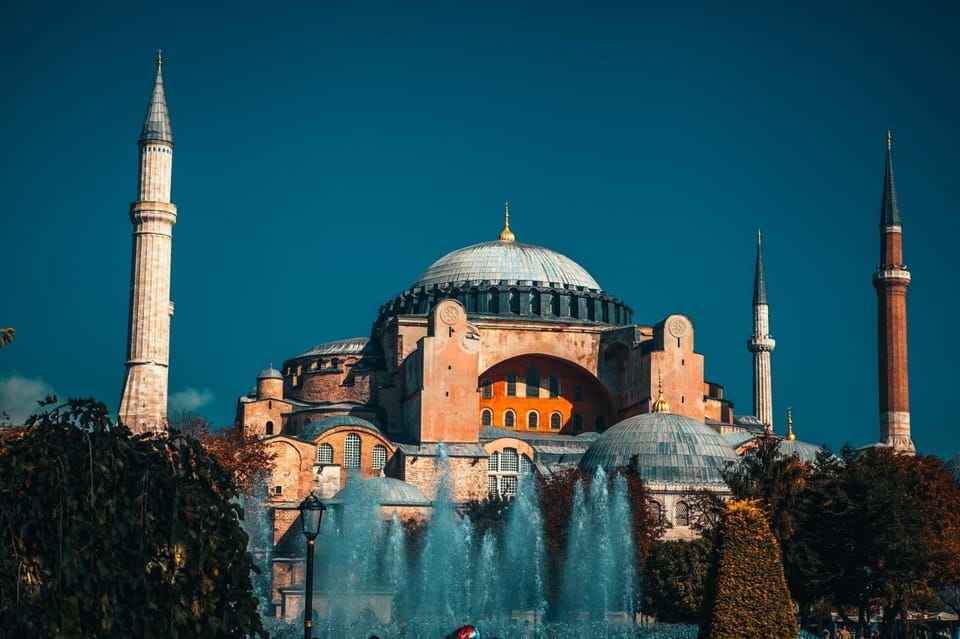
You don’t meet a guide at a set time and get herded inside. Instead, your QR-code tickets arrive by email the day before. That means the night before is a quick checklist: download/save the QR on your phone and open the audio guide link when it’s ready.
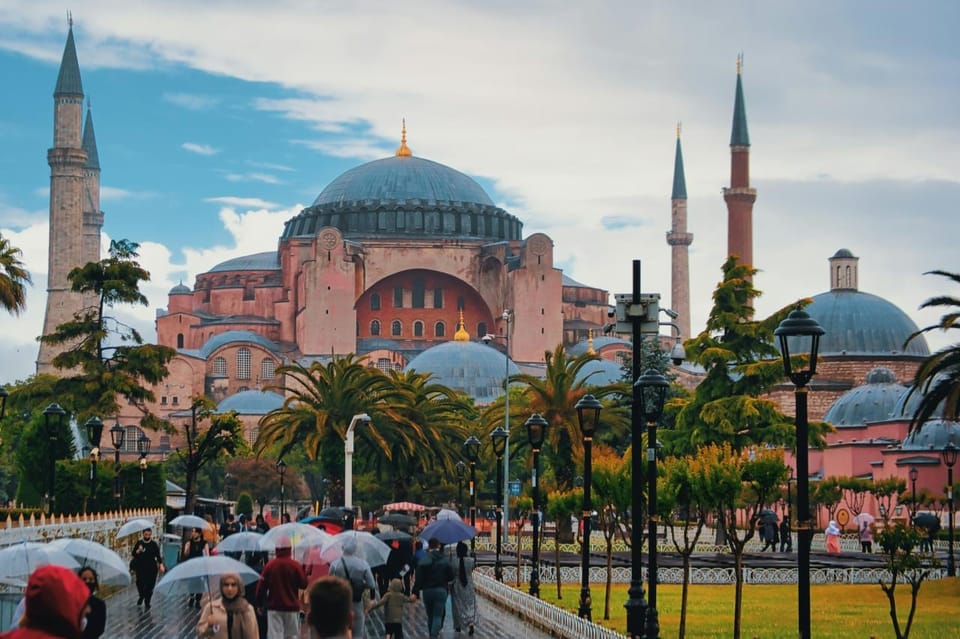
When you arrive, you enter Hagia Sophia through the newly opened tourist entrance near Topkapi Palace. For foreigners, this route gives direct access to the upper floor galleries via a gentle ramp, which is a practical win when you’re traveling with limited time.
Your ticket time is still a scheduling idea more than a locked-door guarantee. Even with a time slot, you can hit security and entry traffic depending on the day and hour. In other words: come early if you want the smoothest experience.
The Upper Galleries Ticket: What You Can See (and What’s Not Included)
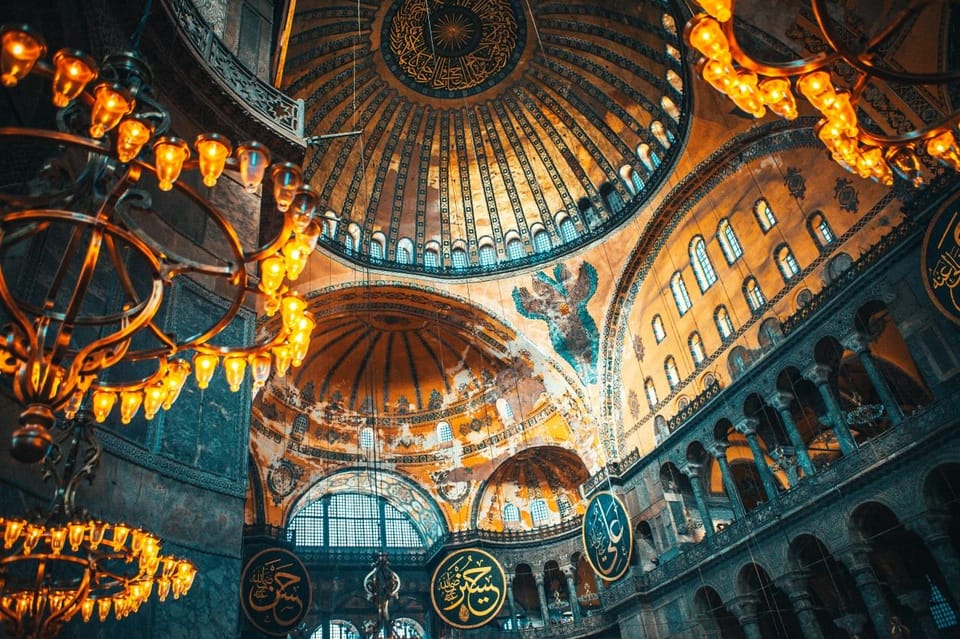
Your ticket grants access to upper gallery and viewing area only. It does not include the ground-level prayer hall. That’s not a small detail—it shapes how long you’ll be inside and what kind of views you’ll get.
Why this matters: Hagia Sophia has different “layers” of experience. The upper areas are ideal for getting the big picture—the dome, the arrangement of balconies, and the mosaic zones people remember. But if you were hoping for every area of the worship space, you’ll need to plan that separately.
Some optional add-ons are mentioned too. If you selected it, you can also access the History and Experience Museum. If you did not select that option, then you’ll be focused on the core Hagia Sophia viewing areas.
Audio Guide App in English: How to Use It Without Bad Tech Moments
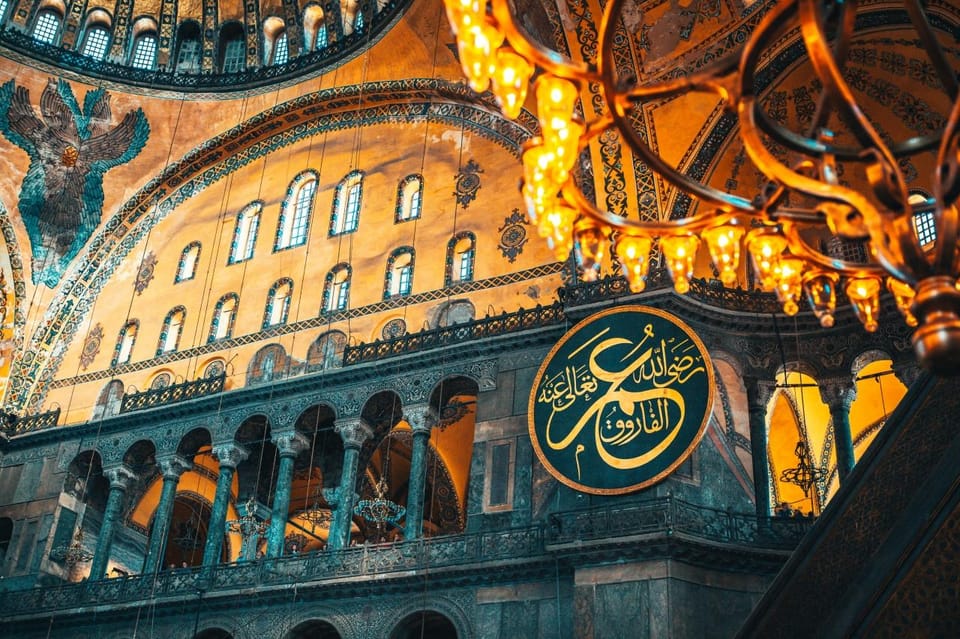
This is a digital city audio guide, included in English, and the app link is sent with your ticket email. Since headphones aren’t included, I strongly recommend bringing your own (or use whatever you’re comfortable with on your device). Listening out loud in a mosque area is not the vibe.
A smart move: download or prep the audio ahead of time. Inside, connectivity can be shaky, and the app might not load smoothly when you want it most. Even when the app works, you may find the experience better if you’re not hunting for audio while standing still in a moving crowd.
What you’ll hear is where the value really shows up. The guide is designed to explain:
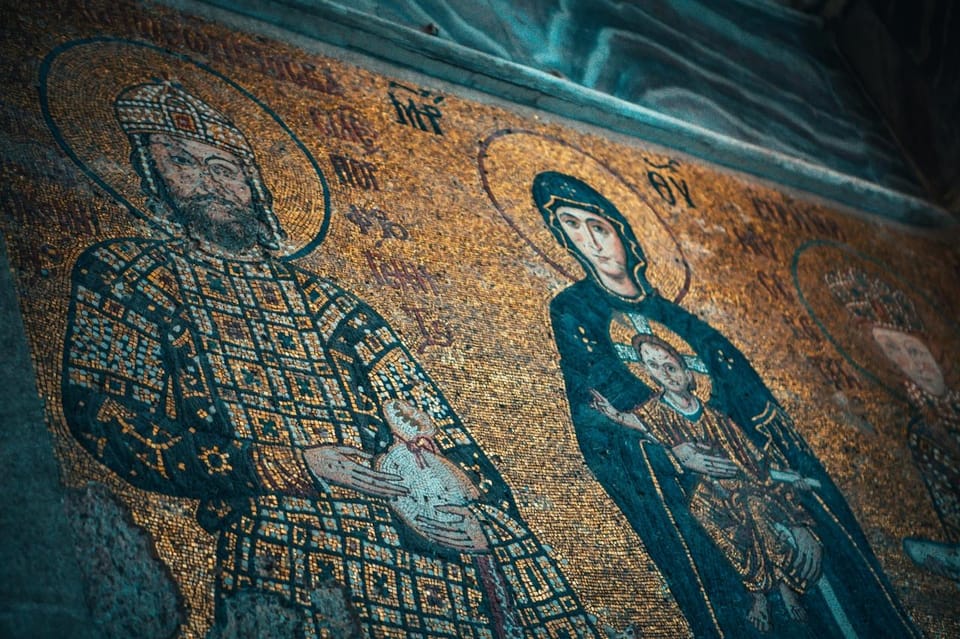
- the Byzantine mosaic scenes
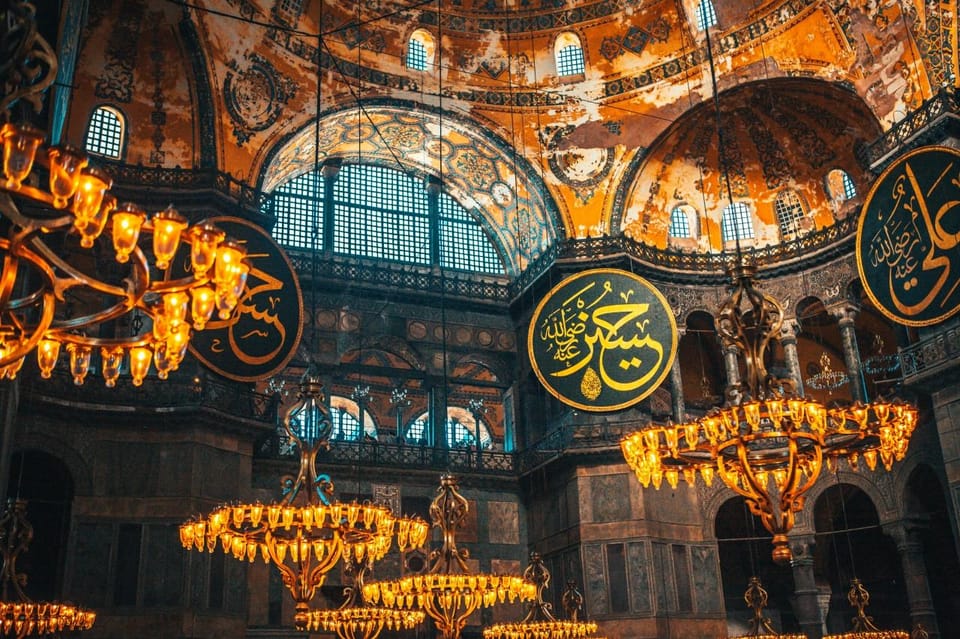
- Islamic calligraphy additions and meaning
- how multiple empires and religious shifts shaped the building
You’ll also get explanations tied to specific weird wonders—like the upside-down Medusa heads and the submerged marble columns. Those are the kinds of details you’d miss if you just walk and scan.
Inside Hagia Sophia: Dome Views, Mosaics, and Calligraphy Stories
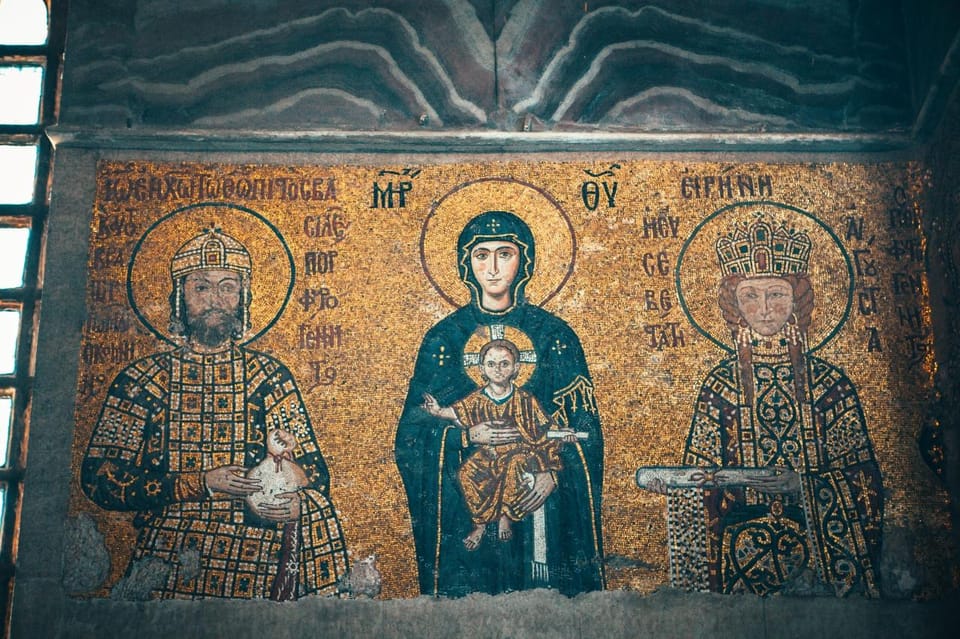
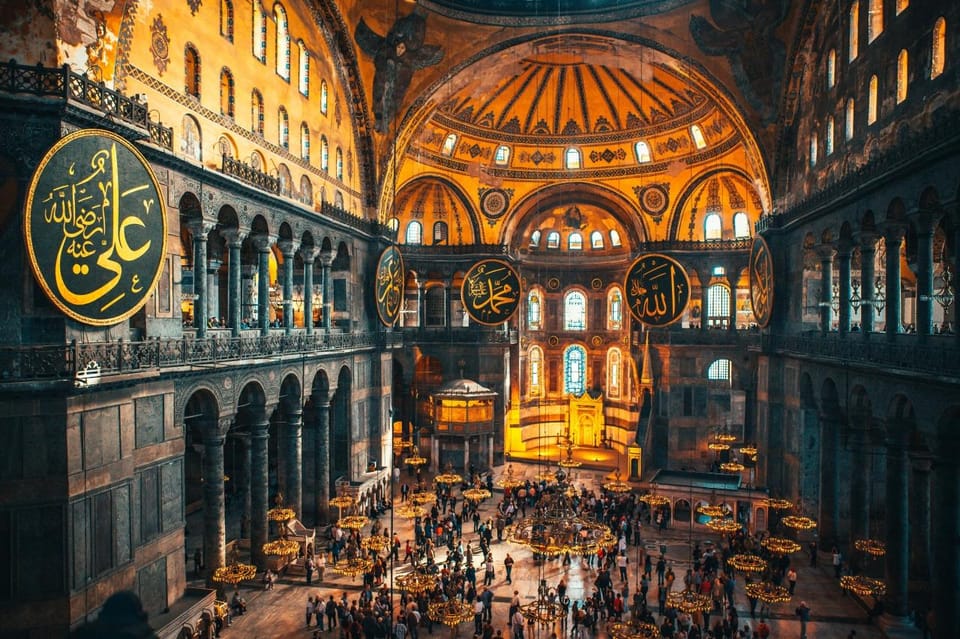
Once you’re through the entry flow, the experience becomes all about scale and surfaces. Yes, you’ll look up, but you should also look sideways. The mosaics aren’t random decoration—they reflect changing power, taste, and theology over centuries.
With the audio guide playing, you’ll connect what you see to what the building used to be. That matters because Hagia Sophia is not one single story; it’s a stack of stories. The guide helps you read that stack without needing a textbook.
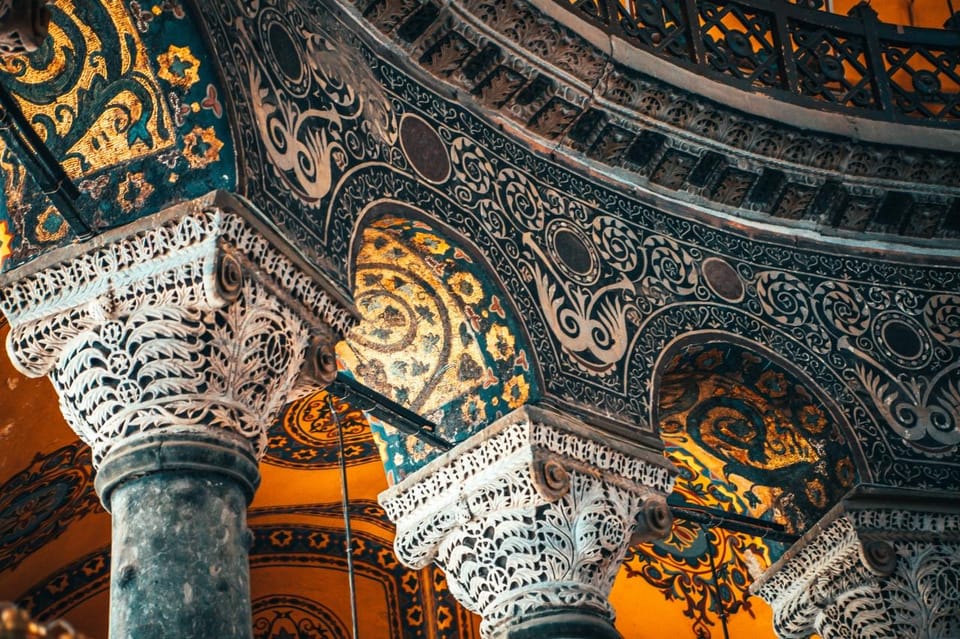
Expect to spend time orienting yourself. The dome and interior architecture create a kind of visual loop—your eyes keep getting pulled back upward. The audio makes that loop smarter by pointing out what to notice when you’re there: mosaic panels, decorative borders, and areas where calligraphy overlays earlier styles.
And yes, you’ll probably feel that quiet awe people talk about. Hagia Sophia is famous for a reason, but the audio turns the feeling into understanding, which makes the time feel better spent.
You can also read our reviews of more guided tours in Istanbul





The Medusa Heads and Submerged Columns: The Strange Parts That Stick With You
Some attractions impress you once. Hagia Sophia has details that feel like secrets.
One standout is the upside-down Medusa heads. They’re eerie in a good way—my advice is to slow down when you spot them. Don’t rush past because you think you’ve already seen everything. These stone carvings are the kind of thing that makes the building feel alive and human across time.
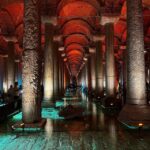
Another memorable moment is the ancient, submerged columns crafted from marble. You don’t just see a column—you see evidence of earlier building techniques and how the structure has survived through damage, repair, and environmental realities. The audio guide helps you understand why those columns look the way they do and why they feel slightly haunting.
If you only move fast, you might miss these elements. If you give yourself a little patience, you’ll come away with specific images rather than just one big “wow.”
Dress Code, Security, and Photo Rules That Affect Your Timing
Hagia Sophia has a real, practical dress code:
- Women must cover head, shoulders, and knees
- Men must cover knees and shoulders
Headscarves and body wraps are available for a small fee at the ticket booth, which is useful if you’re traveling light. Still, it’s smart to plan ahead so you’re not stuck buying a wrap when you’re already in a queue.
On the rules side:
- Weapons or sharp objects are not allowed
- Luggage or large bags are not allowed
- Smoking indoors is prohibited
- Avoid making noise, especially near worship areas
- Photography has restrictions: flash and tripods are prohibited, and you should avoid photographing worshippers
One tricky detail: the info also says photography is not allowed inside, while also allowing photos for personal use in visitor areas. Practically, this means follow signage and staff instructions on the day. If in doubt, take fewer photos and focus on the visuals you can actually see clearly.
Timing Strategy: Best Hours to Reduce Lines and Heat
Timing is your secret weapon here.
Several people found that going early in the morning can mean far less waiting. If you can, pick the earliest available slot, such as a 9:00AM entry. Mornings tend to mean fewer crowds and smoother security movement.
Later in the day, the entry line can stretch out. Even if you’ve pre-booked, security checkpoints and entry flow can still be slow during peak periods. Bring water if you tolerate it in your routine, and don’t plan to squeeze this in when you also have a long walking day elsewhere.
There’s also a reality check: your time slot doesn’t guarantee instant admission at the exact minute. You might still wait, but you’ll usually spend less total time overall than people buying tickets on site.
Price and Value: Is $41 Worth It for One Day?
At $41 per person, you’re paying for three things:
1) your Hagia Sophia entry ticket
2) the skip-the-ticket-line convenience
3) an included English audio guide app
What you’re not getting is also part of the math. Your ticket is limited to the upper galleries, not the ground-level prayer hall. And it doesn’t include the Hagia Sophia Museum entry ticket (unless you chose the option for the History and Experience Museum).
So here’s my value read:
- If you’re on a short trip and timing matters, this price can feel fair because it protects your schedule.
- If you don’t care about saving time and you’re happy with a slower entrance, you might feel it’s expensive.
- If you’re the type who remembers places better with context (mosaics, calligraphy, hidden carvings), the audio guide is a real boost.
For me, the best way to decide is simple: if skipping ticket-buying lines saves you even one major hassle, the audio guide helps you make the visit count. That combination is what you’re really buying.
Who This Experience Suits Best
This works best if you:
- want a self-paced visit (no live guide timing)
- value an audio narrative so you don’t miss the important visual details
- are trying to avoid wasting hours in ticket lines
- like exploring architectural layers—Byzantine mosaics and later Islamic calligraphy—without needing a lecture
It may be less ideal if you:
- need access to the ground-level prayer hall
- hate apps and prefer printed info (the audio guide is central)
- expect absolutely no waiting anywhere inside the complex
Also note: your “meeting point” is basically you showing up at Hagia Sophia. There’s no live guide walking you in, so you’ll want to be comfortable navigating your way once you arrive.
Quick Practical FAQ Before You Go
No guided tour here, just clean entry and an audio companion. Here are the most useful direct answers:
FAQ
Do I get a live guide with this Hagia Sophia ticket?
No. This is not a guided tour. You enter on your own using your QR ticket at the Hagia Sophia.
Where do I enter Hagia Sophia with my tourist ticket?
Foreigners can enter via the newly opened tourist entrance near Topkapi Palace, which provides direct access to the upper galleries via a gentle ramp.
What lines does skip-the-ticket-line actually help with?
It helps with the line to buy tickets. You should still expect waiting during security and entry checks during peak times.
When do I receive my QR code tickets?
Your tickets with a QR code are sent by email one day before your tour date.
Is the audio guide included, and what language is it in?
Yes. A complimentary digital audio guide app is included, and it is available in English.
Do I need to bring headphones?
Headphones are not included. You’ll likely want your own so you can listen clearly.
Which areas inside Hagia Sophia does my ticket cover?
Your ticket grants access to the upper gallery and viewing area only. Entry to the ground-level prayer hall is not included.
What’s the dress code for entering?
Women must cover head, shoulders, and knees. Men must cover knees and shoulders. Headscarves and body wraps are available at the ticket booth for a small fee.
Are photos allowed?
Personal-use photography is allowed in visitor areas, but flash and tripods are prohibited. Please also refrain from photographing worshippers.
Is the booking refundable?
Yes. Free cancellation is available up to 24 hours in advance for a full refund.
Should You Book This Hagia Sophia Skip-Line Ticket With Audio Guide?
I’d book it if you want the easiest way into Hagia Sophia with less ticket-line time and you’ll actually use the English audio guide to make sense of mosaics, calligraphy, and those standout carvings.
I would skip it (or at least reconsider) if your priority is ground-level prayer hall access, or if you’re traveling with zero patience for apps and tech. Also, if you’re flexible enough to go very early and you’re okay handling regular queues, you may not feel the urgency to pay extra.
If your goal is to see Hagia Sophia efficiently, understand it while you’re there, and walk out with more than one vague memory, this setup is a solid way to do it.