REVIEW · ISTANBUL
Istanbul: Hagia Sophia Guided Tour
Book on GetYourGuide →Operated by atourguideinconstantinople · Bookable on GetYourGuide
Hagia Sophia can stop your day. This guided tour is built to help you read the building like a storybook, from the 6th-century AD world to later Byzantine and Ottoman chapters. I love that the guide focuses on the human details—architecture, symbolism, and what changed over time—and I also love the push toward mosaics and intricate stonework instead of a speed-walk stamp-through.
One catch: the timed tour is not the same thing as museum entry. You get skip-the-ticket-line access, but you still must pay the Hagia Sophia entry ticket to the guide on the day (cash), and the amount can vary.
In This Review
- Key Things That Make This Hagia Sophia Tour Worth Your Time
- Hagia Sophia’s Layers, Told Like a Human Story (Not a Lecture)
- The Mosaics Moment: Why This Tour Emphasizes What Most People Rush Past
- Ottoman vs. Byzantine: What You Learn by Walking the Same Space Differently
- Skip the Ticket Line: Faster Entry, Still One Reality—Security
- Timing That Tries to Beat the Crowd (and Help Your Eyes)
- What to Wear and Bring (So You Don’t Get Stopped at the Door)
- Meeting Point Near the Blue Mosque Tram: Easy to Find If You Arrive Early
- Price and Value: What You’re Paying for (and What You Still Need to Budget)
- Who This Tour Suits Best (and Who Might Be Happier Elsewhere)
- Should You Book This Hagia Sophia Guided Tour?
- FAQ
- Is the Hagia Sophia entry ticket included?
- Do I get skip-the-ticket-line access?
- Where do I meet the guide for the tour?
- What time should I arrive at the meeting point?
- How long is the tour?
- What should I bring or wear?
- Is the tour wheelchair accessible?
Key Things That Make This Hagia Sophia Tour Worth Your Time
- Skip-the-ticket-line access so you spend more time inside and less time stuck at counters
- 6th-century to Ottoman storytelling that explains why the building looks the way it does
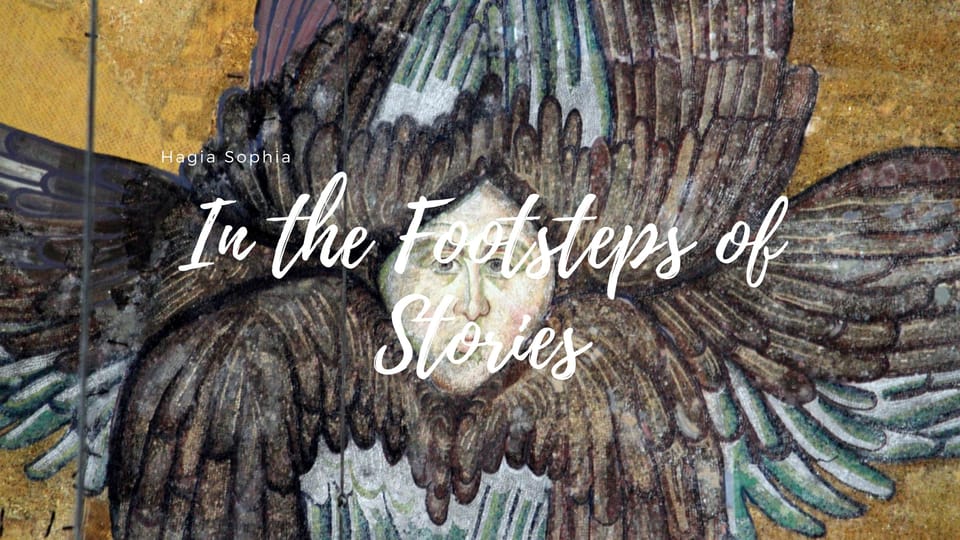
- Dozens of mosaics plus close attention to stone textures and surfaces
- Planned outside peak hours to reduce the worst crowd crush
- Hidden corners for a less “tour bus” view of major spaces
- English live guide who narrates, not just recites
Hagia Sophia’s Layers, Told Like a Human Story (Not a Lecture)
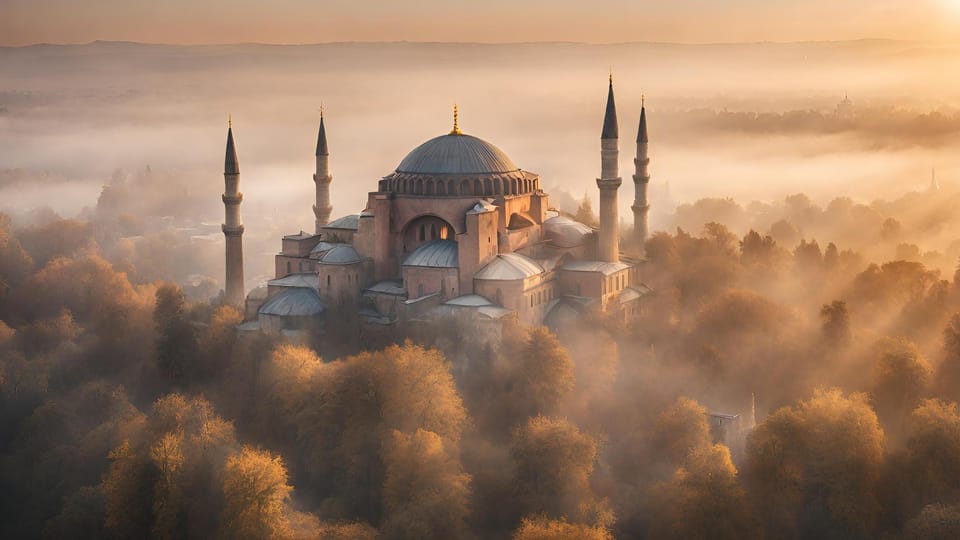
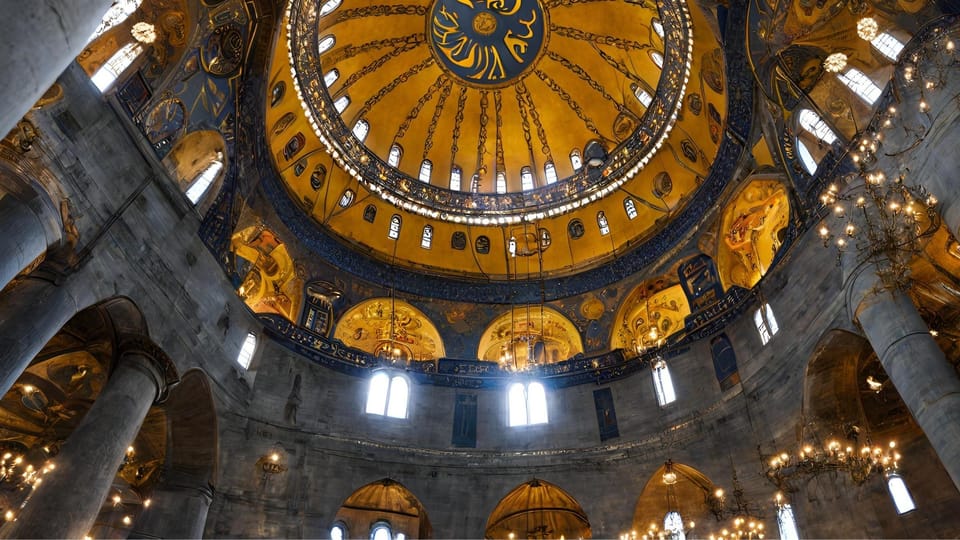
Hagia Sophia is one of those places where you stop thinking in dates and start thinking in layers. This tour is designed to help you do that. In about 60+ minutes, your guide walks you through how a single monument can carry multiple eras at once—Byzantine beginnings, Ottoman transformations, and what you’re seeing today.
What I like most about the storytelling format is that it’s tied directly to what you can see. Instead of just pointing at domes and calling it impressive, the guide helps you notice the clues: how elements were adapted, where meaning shifted, and why certain details matter. That’s where the “turn back to the 6th century” feeling comes from. You’re not just admiring old architecture; you’re learning how the building functioned, what it represented, and why people cared enough to remake it.
And yes, the mosaics matter here. The tour is built around exploring them as a theme—together—so you don’t end up missing them while you’re trying to keep up with crowds or navigation.
You can also read our reviews of more guided tours in Istanbul


The Mosaics Moment: Why This Tour Emphasizes What Most People Rush Past
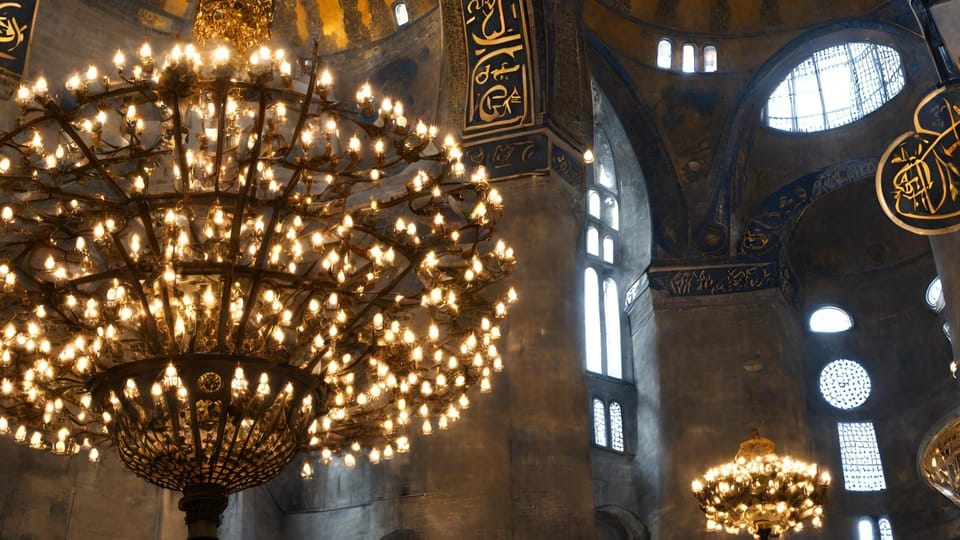
If you’ve ever wandered inside Hagia Sophia without a guide, you know the problem: there’s so much to see that your eyes start jumping. This tour keeps you on one lane long enough to actually understand what you’re looking at.
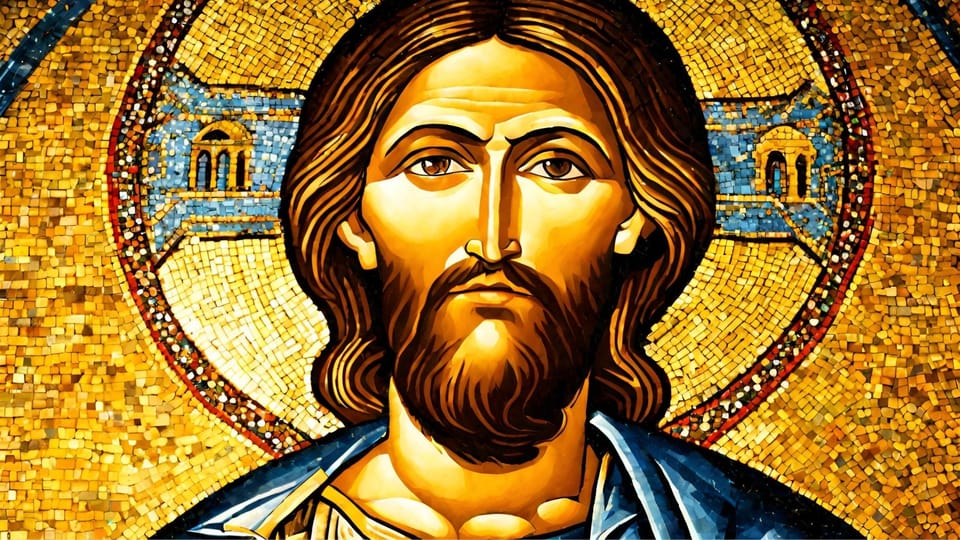
The guide leads you through mosaics and helps you notice their craftsmanship and storytelling value. You’ll also pay attention to the surfaces—stone textures and the way light plays across them—so the building feels less like a backdrop and more like a living canvas.
Some guides have been specifically highlighted by name in the past, such as Can and Oğulcan/Ogulcan. While you can’t assume you’ll get the same person, it’s a strong sign of the tour’s overall style: narrators who can connect Byzantine details to the bigger picture. That matters, because Hagia Sophia is the kind of site where the small things are usually the best things.
Ottoman vs. Byzantine: What You Learn by Walking the Same Space Differently
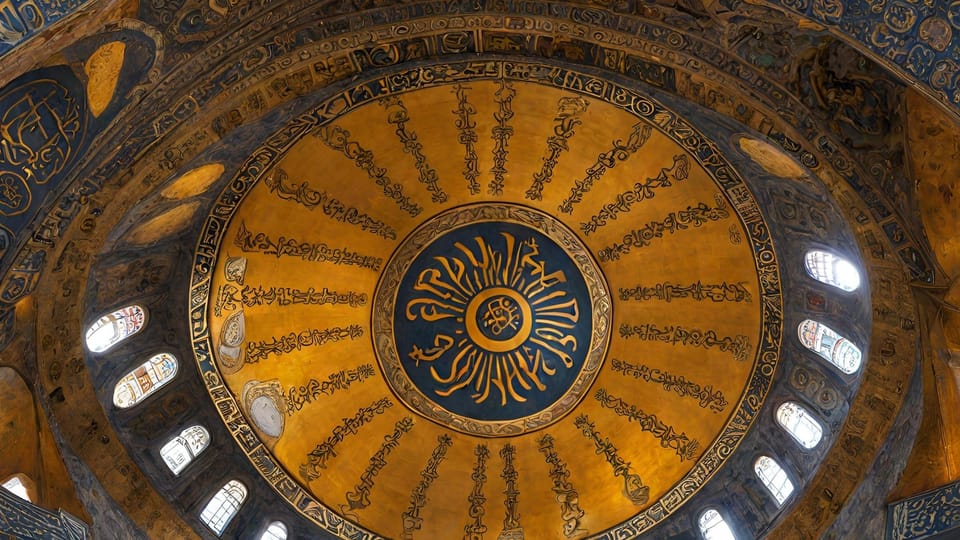
Hagia Sophia isn’t “two buildings in one.” It’s more like a conversation between eras. One empire’s choices affect what the next empire inherits, changes, or reinterprets. This is exactly the point of the guide’s approach.
You’ll hear how the site moved through major transitions—Byzantine and Ottoman—and how those shifts show up visually. Even when the monument looks unified, the meanings aren’t the same across centuries. The guide’s job is to help you read those meaning changes without needing a history degree.
That’s also why the tour includes time for “hidden corners.” When you’re guided, you’re more likely to notice secondary spaces and details that a self-guided walk often misses, especially when you’re trying not to get swept up in the main crowd flow.
Skip the Ticket Line: Faster Entry, Still One Reality—Security
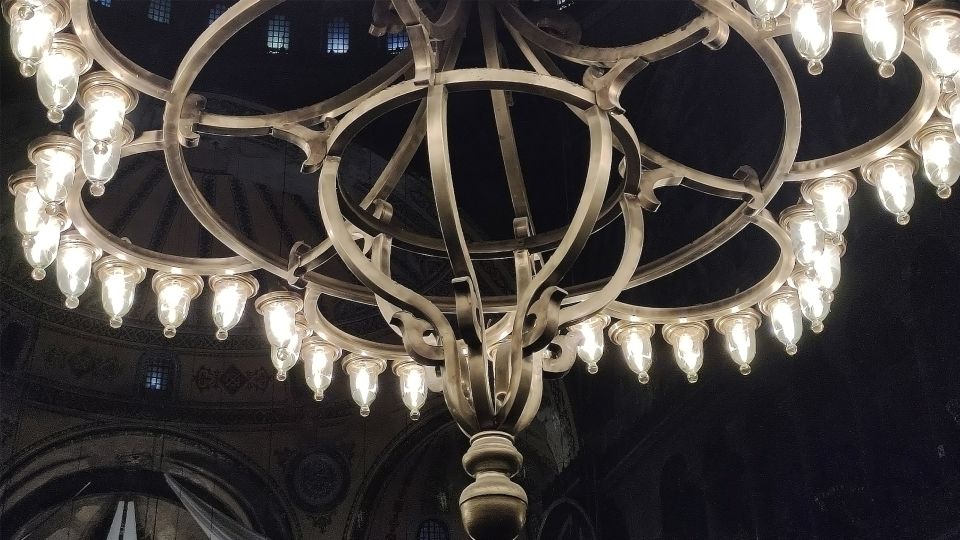
The big practical win is skip-the-ticket-line access. That can save real time when Hagia Sophia is crowded, and it helps you protect your focus. Less time waiting means more energy for looking.
But here’s the balance: even with skip-the-ticket-line entry, you may still need to go through security screening. The tour notes that the security check can take longer than expected depending on how busy the building is. So I’d treat your visit like a “plan for motion” experience, not a perfectly timed museum session.
Also, remember that a skip-the-line benefit only works if you’re at the right meeting point on time. Arrive early and you’ll keep the flow. Be late, and you’re the one who ends up paying the time cost.
Timing That Tries to Beat the Crowd (and Help Your Eyes)
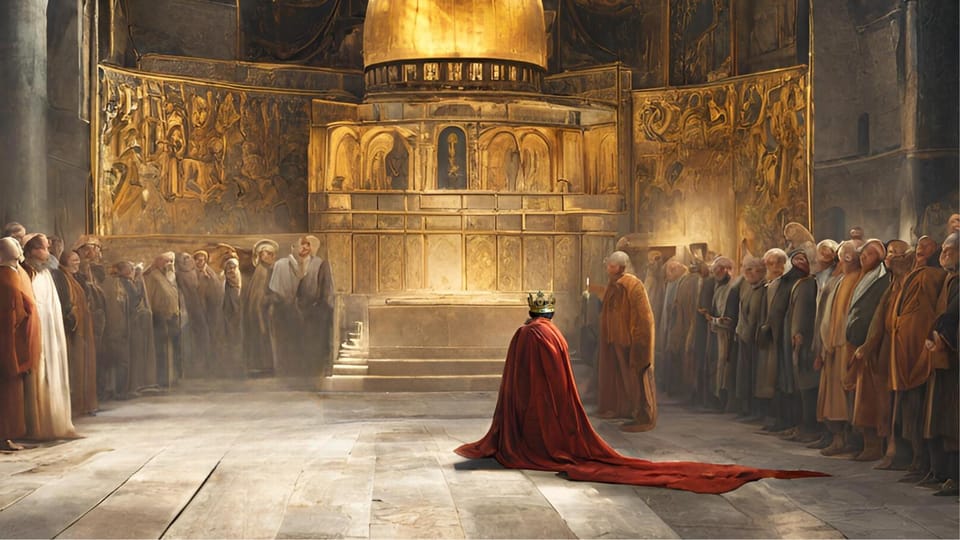
A huge part of enjoying Hagia Sophia is not just what you see, but how you see it. This tour is planned out of peak hours to avoid the worst crowd conditions.
That timing is meaningful. Crowds don’t just slow you down; they flatten the experience. If you’re pressed by people behind you, you stop reading details and start scanning headlines. By shifting away from peak periods, the guide can spend more of that one-hour window on explanation, mosaics, and quiet corners.
If you’re visiting during a hot season, the timing also helps your body. The tour doesn’t promise weather miracles, but “less peak” usually means the experience is more comfortable from start to finish.



What to Wear and Bring (So You Don’t Get Stopped at the Door)
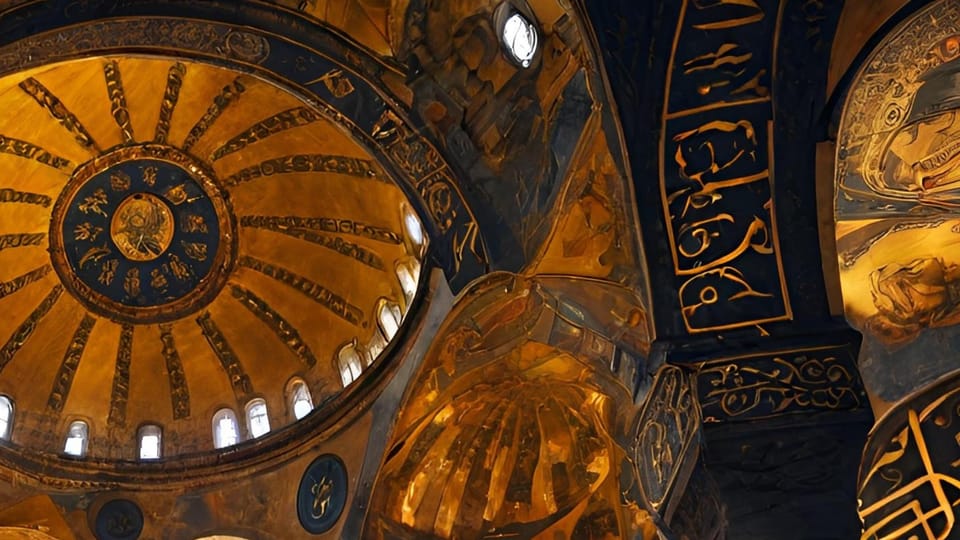
This is an important reality check: Hagia Sophia has a dress expectation, and the tour prepares you for it.
Bring:
- a long-sleeved shirt
- long pants
- a scarf (and plan for a headscarf)
Don’t bring:
- shorts
- sleeveless shirts
- short skirts
- weapons or sharp objects
- tripods
- flash photography
The tour also specifically mentions that scarf is not included, so don’t count on borrowing one at the last minute. If you need one, pack it.
One more practical note: the tour is listed as not suitable for wheelchairs. Baby strollers are accepted if they’re foldable to carry, but you’ll still want to think about the walking and crowd geometry inside.
Meeting Point Near the Blue Mosque Tram: Easy to Find If You Arrive Early
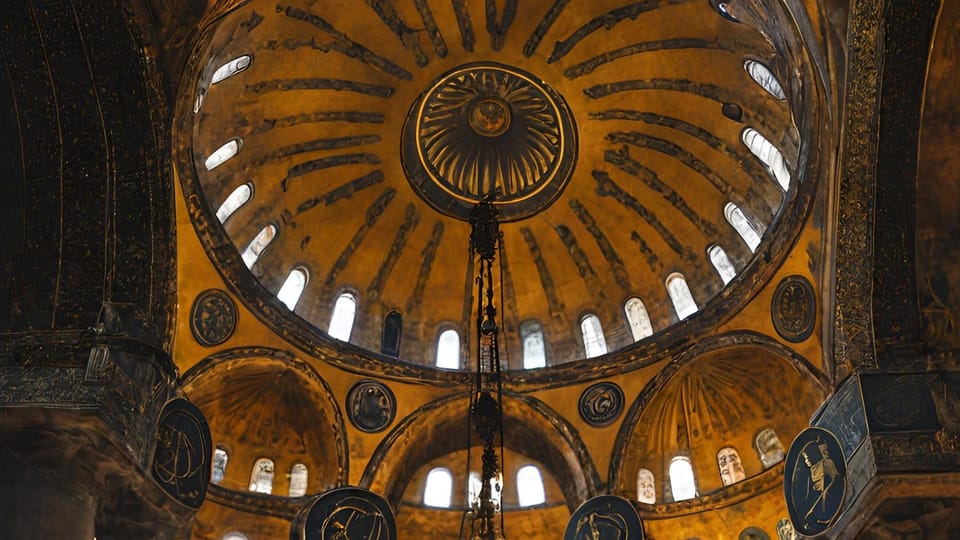
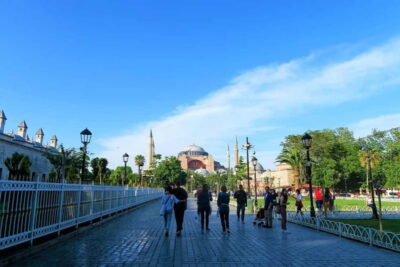
The meeting point is practical and central. You meet behind the Sultanahmet Blue Mosque Tram Stop, in the park called Mehmet Akif Ersoy, near the Firuz Aga Mosque.
Your guide will be holding a black atourguideinconstantinople flag. Because last-minute calls about the meeting point may be missed, I’d treat this as a “show up early and verify with your eyes” moment, not a “call and hope” moment.
The tour asks you to arrive 15 minutes early. In a place like this, that buffer matters. You’ll need time to regroup, check your clothing, and handle any unexpected security timing without turning the first 20 minutes into a stress sprint.
The tour ends back at the meeting point, which is helpful if you want to keep your day’s route simple afterward.
Price and Value: What You’re Paying for (and What You Still Need to Budget)
The tour price is listed at $29 per person, and the time commitment is about 1 hour. On top of that, Hagia Sophia’s entry ticket is not included. You pay it to the guide during the meeting, and the ticket is listed at 25€ per person (cash required). It also notes the entry fee can vary on the day due to museum pricing policies, so you should come prepared with cash and a little flexibility.
So is it good value? Here’s the trade:
- You’re paying for a live guide who explains what matters (mosaics, layers, interpretation).
- You’re paying for skip-the-ticket-line access, which can be the difference between enjoying the site and spending your best hour stuck in a queue.
- You’re paying for a guided plan that aims to reduce the crowd pressure by working around peak times.
If you were only doing Hagia Sophia as a checklist item, a self-guided walk might feel cheaper. But if you want the building to “make sense” visually and historically, this format is usually where the value shows up—especially because it’s short enough that you won’t feel trapped in a long tour, and structured enough that you don’t miss the mosaics.
Who This Tour Suits Best (and Who Might Be Happier Elsewhere)
This is a great fit if:
- you like architecture and art details, especially mosaics
- you want a guide to explain why the building looks the way it does across eras
- you’d rather see Hagia Sophia with a plan than wander and hope you catch the best parts
It’s less ideal if:
- you need wheelchair access (the tour is not suitable for wheelchairs)
- you prefer a totally free-form visit with no dress rules (this tour expects specific clothing and rules)
- you’re bringing items that aren’t allowed (tripods and flash photography are out)
It also suits people who want a “big site” experience without committing your whole day. Sixty minutes plus entry time is manageable, and you’ll still be able to plan other stops in the Sultanahmet area afterward.
Should You Book This Hagia Sophia Guided Tour?
Book it if you want Hagia Sophia to feel understandable, not overwhelming. The combination of skip-the-ticket-line access, a live English guide, and an emphasis on mosaics plus multiple historical layers is exactly what turns a famous monument into a memorable one-hour story.
Skip it if you’re only interested in a casual walk, or if you know you won’t be able to meet the dress expectations (long sleeves, long pants, scarf/headscarf). Also, if mobility is a concern, take the wheelchair note seriously.
If you do book, do two things that really affect your experience: arrive at the meeting point early (behind the Blue Mosque tram stop, in Mehmet Akif Ersoy park), and bring cash for the entry ticket your guide collects that day.
FAQ
Is the Hagia Sophia entry ticket included?
No. The entry ticket is not included in the tour price. You pay the ticket to the guide on the day of the tour in cash, and the listed entry price is 25€ per person (it may vary on the day).
Do I get skip-the-ticket-line access?
Yes. The tour includes skip-the-ticket-line access so you can enter without waiting in the ticket line.
Where do I meet the guide for the tour?
Meet behind the Sultanahmet Blue Mosque Tram Stop, in the park called Mehmet Akif Ersoy, by the Firuz Aga Mosque. Your guide will be waiting with a black atourguideinconstantinople flag.
What time should I arrive at the meeting point?
Arrive 15 minutes early. Last-minute calls about the meeting point may be missed due to welcoming other guests.
How long is the tour?
The tour lasts about 1 hour (it says 60 minutes or more). Starting times vary, so check availability.
What should I bring or wear?
Bring a long-sleeved shirt, long pants, and a scarf (and plan for a headscarf). Scarfs are not included, so you should bring your own.
Is the tour wheelchair accessible?
No. It is not suitable for wheelchair users. Baby strollers are accepted if they’re foldable to carry.