REVIEW · ISTANBUL
Istanbul Full-Day Private Christian (Byzantium) Tour
Book on GetYourGuide →Operated by All Tours Istanbul · Bookable on GetYourGuide
Byzantine Istanbul reads like a living museum. You’ll get a focused day on Christian relics and Byzantine art, with standout stops like the Church of St. Saviour in Chora and the Fener Orthodox Patriarchate—and the main catch is that Chora is closed for renovation until 31 Dec 2024, so your guide will swap in another site.
This is a solid value for an 8-hour private outing because you’re bundled with hotel pickup/drop-off (from the European side) and an air-conditioned coach, which matters in Istanbul traffic. The trade-off is that you’ll want to plan for separate entry costs where indicated (Hagia Sophia tickets are not included) and a fair amount of standing and walking in historic areas.
In This Review
- Key highlights at a glance
- How this full-day Byzantine Christian route actually feels
- Hotel pickup, coach travel, and why the “private” part matters
- Church of St. Saviour in Chora (Kariye): mosaics and the meaning of outside the walls
- What you’ll want to bring for Chora-style visiting
- Fener Orthodox Patriarchate: how religion and politics shared the same address
- Hagia Sophia Museum: Divine Wisdom and the scale of Byzantine engineering
- Tickets and what to plan for
- Basilica Cistern (Yerebatan Sarayı): the sunken palace under your feet
- Price and logistics: is $413 for 8 hours actually good value?
- Who this tour suits best (and who should think twice)
- Tips to make the Byzantine details click fast
- Should you book this Christian (Byzantium) private day?
- FAQ
- What sites are included in this full-day private tour?
- Is the Hagia Sophia ticket included?
- Is the Church of St. Saviour in Chora open?
- How long is the tour?
- What’s included in the price?
- What should I bring?
- Is lunch included?
Key highlights at a glance
- Church of St. Saviour in Chora (Kariye): mosaics and frescoes tied to the Byzantine world
- Fener Orthodox Patriarchate: the Ecumenical Patriarchate seat since Constantine’s era
- Hagia Sophia Museum: “Divine Wisdom” and the dome’s engineering scale
- Basilica Cistern (Yerebatan Sarayı): Justinian-era atmosphere 500 feet from Hagia Sophia
- A real private format: live guide and hotel pickup make the day easier to manage
How this full-day Byzantine Christian route actually feels
This tour is built around one big idea: Constantinople wasn’t just famous for emperors and conquest—it was famous for Christian worship, art, and ceremonial spaces. Instead of treating Istanbul as a checklist of famous monuments, you’ll see it through the lens of Byzantine Christianity: church buildings, religious authority, and the visual language of faith.
I like that it’s not only about the headline sites. The route ties together major landmarks—Chora, Fener, and Hagia Sophia—then adds the Basilica Cistern so the day includes both sacred space and the infrastructure that made the city work. That’s a smart way to feel how Byzantium lived, not just what it built.
There’s one practical reality to plan around: because the Church/ Mosque of Chora is listed as closed until 31 December 2024, your day depends on what your guide replaces it with. If Chora mosaics are your top reason for booking, I’d treat that as the main decision point.
You can also read our reviews of more private tours in Istanbul

Hotel pickup, coach travel, and why the “private” part matters
You start with pickup and drop-off from European city center hotels, and the service is specifically offered from areas like Sultanahmet–Laleli–Topkapı–Aksaray–Taksim–Sirkeci and Şişli. For a day like this, that’s more than convenience. Istanbul is full of short, stressful transfers where you can lose your best energy before you even reach the first monument.
The tour runs for 8 hours on an air-conditioned coach. That’s a real help for timing, especially if you’re moving between places on the historic peninsula and the Fener area. You also get a live guide in multiple languages (English, Spanish, French, German, Italian, Russian), which is important because Byzantine art rewards people who can explain what you’re seeing.
Private doesn’t mean silence. It usually means you can ask questions, slow down for a detail, or get directed toward the parts that match your interests—church art, religious history, or architecture.
Church of St. Saviour in Chora (Kariye): mosaics and the meaning of outside the walls
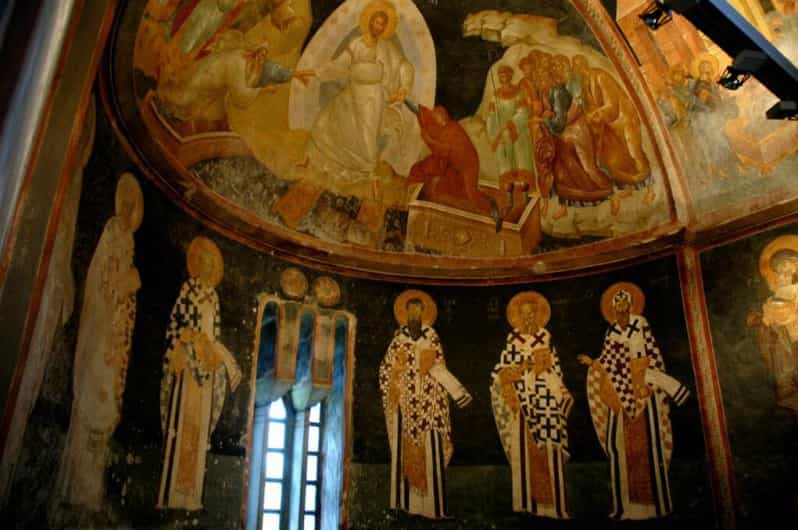
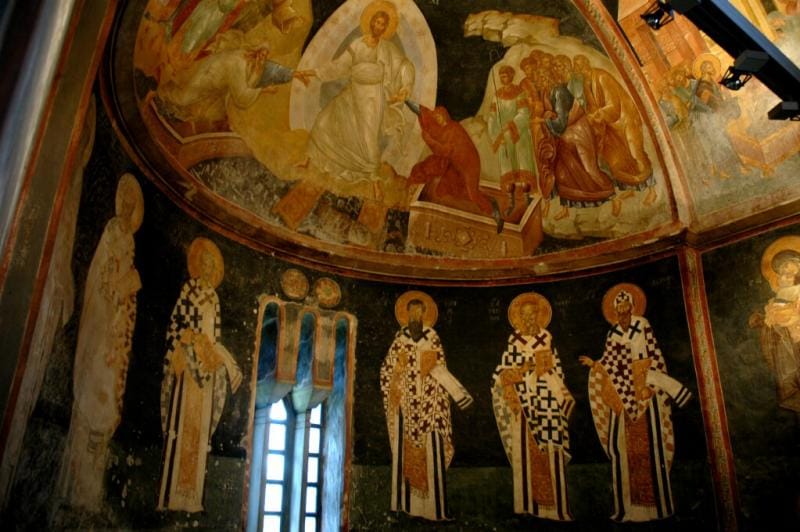
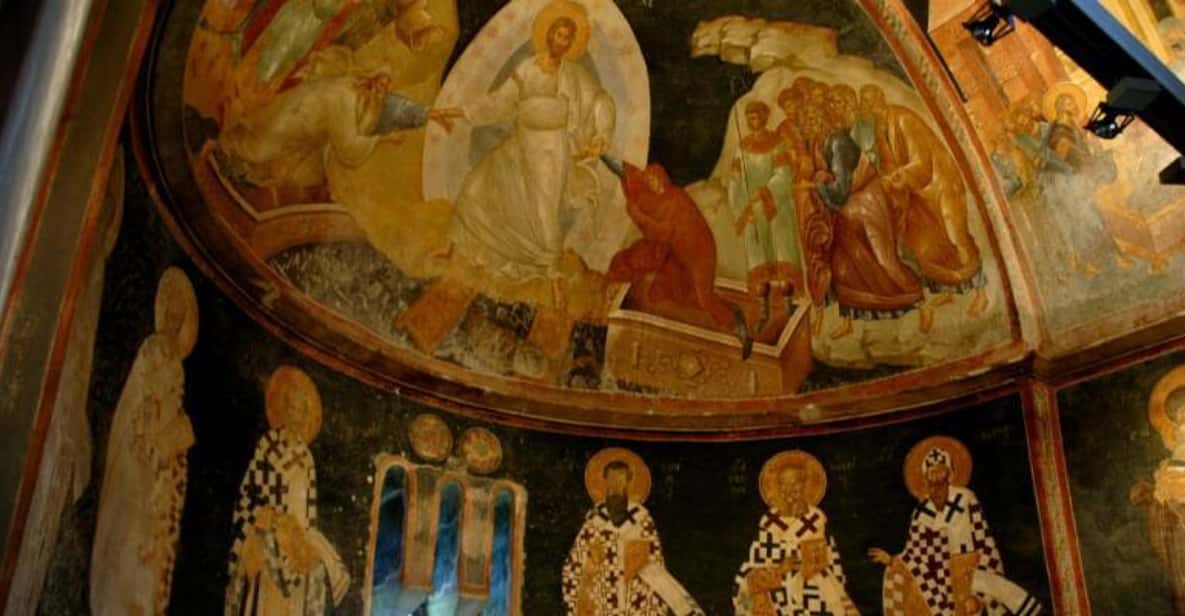
If Chora is open on your date, this is the emotional center of the day. The Church of St. Saviour in Chora—also known as Kariye—has long been celebrated for its superb mosaics and frescoes. Even if you’re not a “mosaic person,” the way the scenes are arranged and layered can make the Byzantine world feel close to you, like you’re watching theology translated into color.
Here’s the historical context that makes the building more than a pretty interior: the Turkish name Kariye is derived from the ancient Greek word Chora, meaning outside of the city. The idea is that before the city walls were erected, there was already a chapel outside the walls by the 5th century. Later, the church was rebuilt by Justinianus, and in the Komnenoi era it served as a court chapel for major religious ceremonies. That’s a lot of meaning packed into a single stop.
Now the important planning note: the Chora Church/ Mosque is listed as closed until 31 December 2024 for renovation, and the guide will offer another place instead. The best way to handle this is to confirm what replacement site you’ll get before you lock in your schedule, especially if your focus is specifically Christian (Byzantine) art.
What you’ll want to bring for Chora-style visiting
Wear comfortable shoes. Interiors can be cool but transitions in and out of buildings can be quick. Bring a camera if you want to spend time framing details. And bring your passport or ID card, since it’s required for the tour.
Fener Orthodox Patriarchate: how religion and politics shared the same address
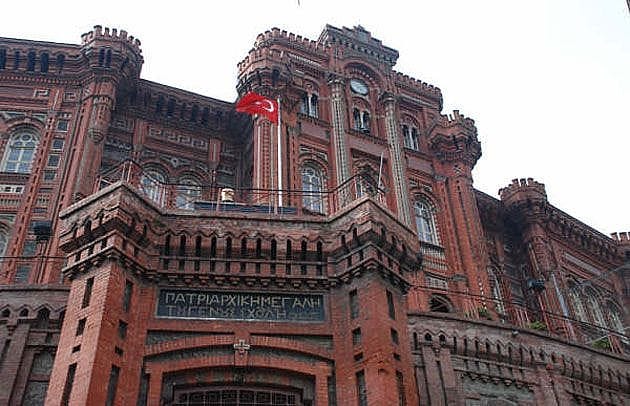
After Chora (or its replacement), you’ll head to the Fener Orthodox Patriarchate, also known as the Ecumenical Patriarchate of Constantinople. This is the seat of Orthodox Christianity since Constantine the Great’s declaration of Christianity as the religion of the Roman Empire.
That matters because Byzantine Christianity wasn’t only spiritual. It had institutional weight. Standing in this place helps you connect the dots between the artwork you saw earlier and the authority structure behind it. Think of the mosaics as the visual language, and Patriarchate history as the governance behind the scenes.
This stop also does something useful for your day: it anchors you in a real continuity. You’re not only looking at “what used to be there.” You’re seeing a place connected to the story from early Christian acceptance under Constantine onward.
You can also read our reviews of more tours and experiences in Istanbul



Hagia Sophia Museum: Divine Wisdom and the scale of Byzantine engineering
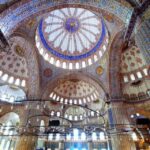
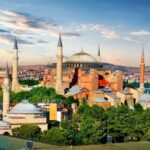
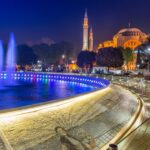
Hagia Sophia is the next anchor. The tour frames it as one of the greatest examples of Byzantine architecture still standing, dedicated to Hagia Sophia—often described as Divine Wisdom.
Even if you’ve seen photos, it’s worth understanding why this building earned its reputation. For centuries, Hagia Sophia was the largest church in the world, and its dome still ranks among the biggest domes globally (listed here as the 4th largest, after St. Paul’s in London, St. Peter’s in Rome, and the Duomo in Florence). The dome’s size isn’t just a trivia flex—it’s why the interior feels so controlled and so dramatic at the same time.
This stop is also where you’ll learn to see layers. Hagia Sophia has been repurposed over time, but in a Byzantine Christian-focused tour, you’re essentially looking at how the building carried religious meaning through its structure and decoration. The fact that it’s visited as a museum means you’ll usually get context and interpretation rather than only worship-space atmosphere.
Tickets and what to plan for
Hagia Sophia’s ticket is not included in the tour cost. So budget extra time and money for that entry. If you’re trying to keep your day smooth, check your ticket plan early so you don’t lose momentum at the gates.
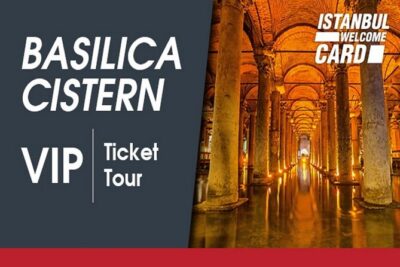
Basilica Cistern (Yerebatan Sarayı): the sunken palace under your feet
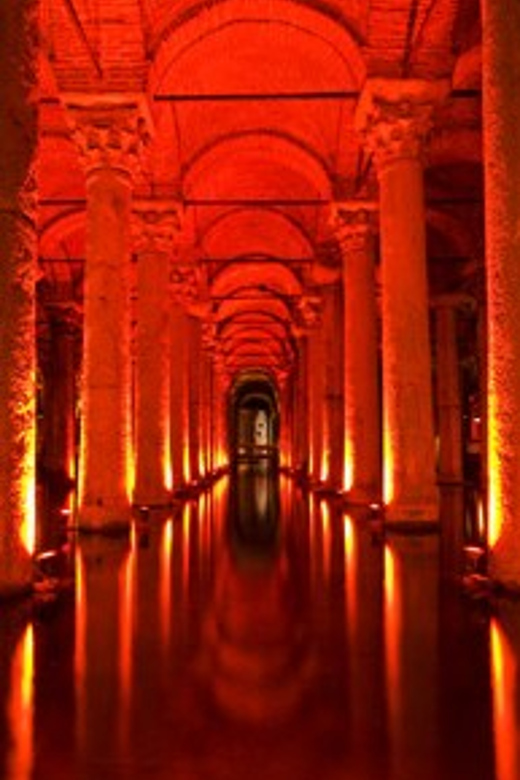
Ending at the Basilica Cistern is a clever choice because it changes the mood. Hagia Sophia is bright and high. The Basilica Cistern is underground, cool, and atmospheric—more like a chamber than a monument.
The tour describes it as the largest of several hundred ancient cisterns beneath Istanbul. You’ll be there for the “Sunken Palace” atmosphere, with the key detail being its 6th-century roots in the reign of Emperor Justinian I. And it’s located about 500 feet (150 meters) southwest of Hagia Sophia on the Sarayburnu peninsula.
Here’s what I’d tell you to pay attention to: this isn’t a random detour. Cisterns are part of how Istanbul functioned at a city scale. In a Byzantine-Christian day, ending underground gives you a different kind of appreciation for the era—less “church art,” more “how the city was sustained.”
Also, the setting makes it easy to slow down. If the day has been fast, this stop brings you back to softer sensory details: the sound, the lighting, the reflections.
Price and logistics: is $413 for 8 hours actually good value?
At $413 per person for an 8-hour private tour, you’re paying for three main things: a private guide, transportation with air-conditioned coach service, and hotel pickup/drop-off from designated European-side areas. You also get entrance fees for places listed in the itinerary, though Hagia Sophia’s ticket is specifically noted as not included.
So the value equation is simple:
- If you’ll use the pickup and you want a guide who can tie Christian/Byzantine themes together, the cost starts to look reasonable for a private format.
- If you don’t care much about the Christian lens and you’d rather go at your own pace, you might feel the price is high compared to standard group tours.
The biggest “value risk” isn’t the price itself—it’s whether Chora is replaced with a stop that still fits your expectations. Since Chora is closed until 31 December 2024, you’re relying on the quality and relevance of the substitution.
My practical advice: if Chora mosaics are your priority, ask the provider what replacement location you’ll see, and confirm that it matches the Christian/Byzantine focus promised by the day.
Who this tour suits best (and who should think twice)
This tour is a great fit if you:
- care about Byzantine Christian art and want guided context rather than guesswork,
- like the idea of connecting major religious sites in one day,
- prefer private pacing and pickup so you’re not managing transit across old neighborhoods.
It may be less ideal if:
- you want total flexibility to linger long in one place and skip others,
- you’re strongly budget-focused and don’t want extra spending for Hagia Sophia entry,
- you’re sensitive to walking and standing during transfers between historic areas.
Tips to make the Byzantine details click fast
First, treat Hagia Sophia as more than a photo stop. Use the dome scale and the idea of Divine Wisdom to anchor your attention. When you can name what you’re looking at, the building stops feeling like “just another big church” and starts feeling like a crafted message.
Second, if Chora is replaced, don’t panic—just re-center. Your day still includes major Christian institutions and Byzantine architecture, and the cistern finale can still make the period feel tangible.
Third, plan your energy. This is an 8-hour day with multiple major stops. Lunch isn’t included, so have a simple plan for food—either a light meal timing you can count on nearby, or a snack strategy so you don’t get cranky halfway through the museum hours.
Finally, bring your ID/passport, comfy shoes, and a camera if you like to capture details. Sunglasses are smart in daytime Istanbul, even if you’ll be indoors part of the day.
Should you book this Christian (Byzantium) private day?
I’d book it if your top interest is Byzantine Christianity through institutions and art—Chora’s mosaics (if open or replaced well), Fener’s Orthodox presence, and the Hagia Sophia museum experience, followed by a quieter ending in the Basilica Cistern. The private format plus pickup makes it a comfortable way to pack a lot into one day without turning your trip into transit math.
If Chora is your must-see, I’d do one extra step before paying: confirm what replacement stop you’ll get during the closure period. If the substitution keeps the day aligned with Byzantine Christian art and not just generic sightseeing, then the overall route is a strong, memorable one for an 8-hour Istanbul visit.
FAQ
What sites are included in this full-day private tour?
You’ll visit the Church of St. Saviour in Chora (Kariye), the Fener Orthodox Patriarchate (Ecumenical Patriarchate), Hagia Sophia (museum visit), and the Basilica Cistern (Yerebatan Sarayı).
Is the Hagia Sophia ticket included?
No. Hagia Sophia ticket is not included.
Is the Church of St. Saviour in Chora open?
It is listed as closed until 31 December 2024 for renovation. The guide will inform guests from outside and offers another place instead.
How long is the tour?
The duration is 8 hours.
What’s included in the price?
The tour includes hotel pickup and drop-off from European city center hotels, plus entrance fees mentioned in the itinerary.
What should I bring?
Bring your passport or ID card, comfortable shoes, sunglasses, and a camera.
Is lunch included?
No. Lunch is not included.