REVIEW · ISTANBUL
Istanbul: Full-Day Old City Tour with Lunch
Book on GetYourGuide →Operated by TURISTA TRAVEL AGENCY · Bookable on GetYourGuide
The hardest part is choosing what to look at first. This full-day route strings together Istanbul’s most famous landmarks—Hagia Sophia Museum, the Blue Mosque, Topkapi Palace, and the Grand Bazaar—so you see a lot without spending your whole trip planning. I especially love how the day keeps you moving through real historic layers, from Byzantine-era mosaics to Ottoman power.
Two things I like a lot: the local expert guide who helps you make sense of what you’re seeing, and the included traditional Turkish lunch that keeps the day from turning into a snack-only sprint. One drawback to consider: it’s a long, mostly walking-focused day, and it’s not suitable if you have mobility impairments.
Pickup makes it easier: you’re collected from hotel areas like Taksim Square, Aksaray, Beyazit, Sultanahmet, or Sirkeci, then dropped back at the end. You’ll also deal with lots of security and crowds in the old city—though the tour includes an express security check to speed things up.
In This Review
- Key Things That Make This Tour Worth Your Time
- From Hagia Sophia Mosaics to Blue Mosque Tiles
- Hippodrome and Caferağa Madrassah: How the Same Streets Changed Empires
- Egyptian Spice Market: Sights, Smells, and a Sense of Daily Life
- Lunch Break: A Real Reset in the Middle of the Route
- Grand Bazaar With a Guide: Shopping Without the Stress
- Topkapi Palace: Ottoman Power in Actual Rooms
- Price and Value: What $170 Covers in a 7-Hour Old City Day
- Logistics You Should Plan For Before You Go
- Should You Book This Istanbul Old City Highlights Tour?
- FAQ
- How long is the Istanbul Old City tour?
- What’s included in the price?
- Is lunch included, and what kind of food is it?
- Are drinks included with lunch?
- Where does hotel pickup happen?
- Does the tour skip the line for security?
- Is the tour suitable for people with mobility impairments?
- Is there free cancellation?
Key Things That Make This Tour Worth Your Time
- Hagia Sophia mosaics up close inside a museum setting, including Byzantine-style artwork
- The Blue Mosque’s signature blue tiles that give the building its name
- Hippodrome area context for how Constantinople and the Ottomans used the same space for centuries
- Caferağa Madrassah and the Spice Market as more than photo stops, with culture lessons
- Grand Bazaar shopping with a guide so you don’t get lost in the maze
- Topkapi Palace as an operating system of empire, not just a pretty palace
From Hagia Sophia Mosaics to Blue Mosque Tiles
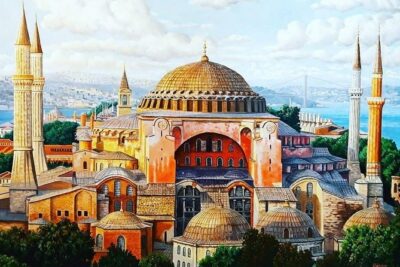
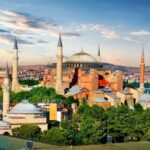
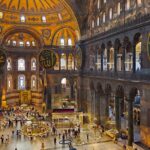
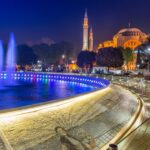
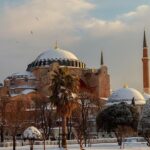
Your day starts at Hagia Sophia Museum, the landmark people mention even before they can pronounce the name. Plan to take your time in the interior: you’re looking at a building that has been repurposed over time, and the museum setup makes it easier to focus on the artwork and architectural details rather than ticket-hopping across disconnected sites.
The big payoff here is the Byzantine mosaic heritage. The experience isn’t just about standing in front of famous walls; it’s about understanding why these surfaces matter—how decoration, light, and design were used to communicate power and faith. If you’re the type who likes details (tiles, patterns, artwork placement), this is a great place to let your brain slow down for a moment.
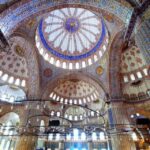
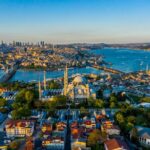
Next comes the Blue Mosque (Sultan Ahmed Mosque), where the visual hit lands fast. The name comes from the mosque’s blue-toned tiles, and once you’re inside you’ll see why that color theme was so memorable. I like that this stop balances Hagia Sophia’s museum feel with a living, ongoing religious space.
A practical note: dress and entry rules are real here, and you’ll want to be prepared to adjust quickly. Comfortable shoes matter even more than usual because the day moves through multiple historic zones and you’ll be on your feet for hours.
You can also read our reviews of more city tours in Istanbul

Hippodrome and Caferağa Madrassah: How the Same Streets Changed Empires
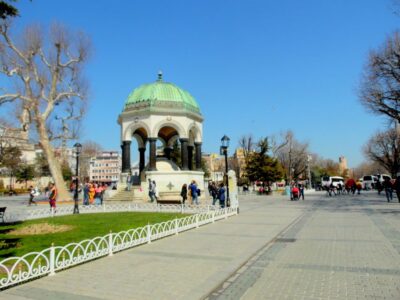
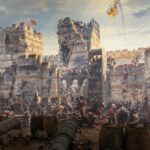
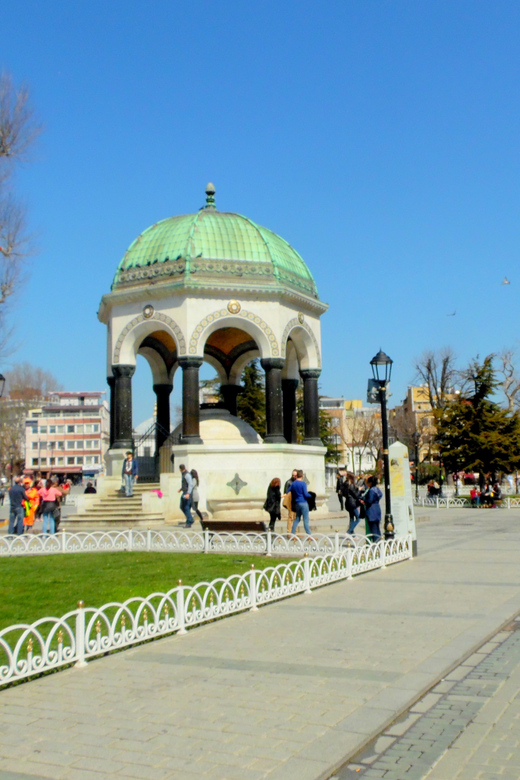
After the major “wow” buildings, you shift into a different kind of sightseeing: city-story time. The tour includes the Hippodrome of Constantinople, described as the former political center of the city, with artifacts and context tied to the Constantinople era. This is one of those places where a guide can do real work—because without explanation it can feel like a big open historic area, even if it’s clearly important.
You’ll also hear how this same location remained important through Ottoman life for centuries. The Hippodrome is tied to chariot races and also to political drama, so it’s not just architecture—it’s a stage where leadership, spectacle, and conflict all mixed. That framing makes your other stops click. You start seeing the old city as a continuous machine of power rather than a collection of monuments.
Then comes Caferağa Madrassah, included specifically to help you learn more about Turkish culture. I like that the tour doesn’t treat madrasahs as background scenery. Even if you only get a short look, the idea is that you’re not just sightseeing big names—you’re seeing how education and community life fit into the broader Ottoman world.
Egyptian Spice Market: Sights, Smells, and a Sense of Daily Life
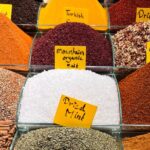
From big monuments, you slide into something more sensory at the Egyptian spice market. You’ll spend time soaking up the sights and smells of a busy food market, which is a refreshing shift after centuries of marble and tile. This stop works well for photos, sure—but it’s also where you start noticing how Istanbul still runs on everyday commerce.
What you’ll take away is not just the products. It’s the street-level energy: the way people negotiate, the way shopfronts compete, and the way spices and dried goods instantly tell you which cuisines Istanbul has kept close. If you enjoy markets as a window into daily life, you’ll likely leave here with more curiosity than purchase plans.
One thing to keep in mind: it can be crowded and fragrant. If you’re sensitive to strong smells or you get overwhelmed easily, step out and reset when you need to. The tour still has plenty ahead.
Lunch Break: A Real Reset in the Middle of the Route
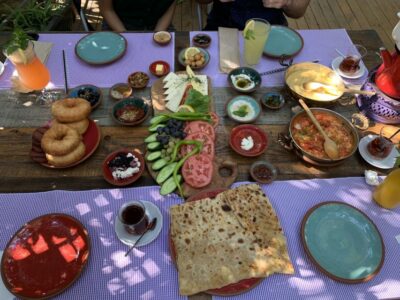
Then you get a break for lunch at a local restaurant with typical Turkish cuisine. This matters more than it sounds. In a day this packed, a sit-down meal gives you a chance to regroup, refill your energy, and stop walking for a bit.
It’s also an easy win for value. Your ticket covers lunch, so you’re not constantly doing the mental math of what’s included, what’s extra, and what will cost you more than you planned. Just remember that drinks are not included, so have a small buffer ready.
If you’re hungry from earlier walking, don’t rush lunch. Even a 30- or 60-minute reset can dramatically change how you enjoy the afternoon, especially once the bazaar and palace start demanding attention.
Grand Bazaar With a Guide: Shopping Without the Stress
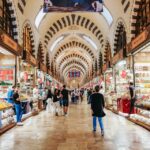
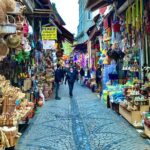
Next you arrive at the Grand Bazaar, one of the most famous bazaars in the world. This is the part where a guide becomes more than a lecturer. With the maze of corridors and storefronts, it’s easy to waste time bouncing in circles—especially if you’re trying to shop with any confidence.
Your guide helps you discover the bazaar’s shopping areas and also supports you as you navigate. The market is described as packed with gold, jewelry, leather, and spices shops, so you can go in with a shopping list (or a curiosity list) and actually know where to aim your time.
I like the practical angle here: the bazaar isn’t just for shopping. It’s also about understanding how goods were traded and displayed over time, and how today’s layout still carries that logic. If you’re the type who hates aggressive sales pressure, go in with a calm pace and remember you’re in charge of what you stop to examine.
Keep an eye on your feet. The bazaar floors are uneven in spots, and after hours outside you’ll want stable shoes more than ever. If you’re planning to buy anything heavy or fragile, check how you’ll carry it since large luggage isn’t allowed on the tour.
You can also read our reviews of more tours and experiences in Istanbul



Topkapi Palace: Ottoman Power in Actual Rooms
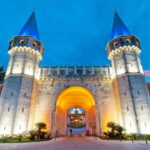
The day’s big closing act is Topkapi Palace, described as the largest and oldest surviving palace complex in the world to reach today. More importantly, it was the primary residence of Ottoman sultans for about 400 years, so you’re not just looking at decoration—you’re looking at an administrative and political machine.
Topkapi wasn’t only a home for the Sultan and his court. It also functioned as a center for the Divan (the supreme executive and judiciary council) and a training school. That framing changes the experience. Instead of seeing hallways and courtyards as only beautiful spaces, you start imagining how decisions were made, where staff learned, and how authority was staged.
The tour also highlights the production side: the palace was supported by the empire’s best artists and craftsmen. In practical terms, that means the palace interiors you see are the result of real investment—materials, design choices, and craftsmanship meant to impress, persuade, and endure.
This is the place where you’ll likely want to slow down and let details land. If you usually rush “because there’s so much to see,” try not to do that here. Topkapi rewards attention: plan to look at the design logic, not only the biggest rooms.
Price and Value: What $170 Covers in a 7-Hour Old City Day
At $170 per person for about 7 hours, this isn’t a budget shortcut—and it doesn’t pretend to be. The real value is that the price bundles the heavy parts: hotel pickup and drop-off, all entrance fees, a local expert guide, and lunch.
If you tried to do this yourself, you’d quickly spend money on separate tickets, lose time figuring out what to see first, and pay in stress when locations don’t line up well. Here, the guide helps compress the learning curve: you spend your time looking at monuments instead of wondering which door, which room, or which story matters.
The trade-off is that you’re buying structure. That’s why the day can feel long. You should only choose it if you’re comfortable with a full schedule, walking, and finishing strong in the late afternoon.
Logistics You Should Plan For Before You Go
This tour keeps things simple, but it still has a few rules that matter.
Wear comfortable shoes. You’ll be on your feet from Hagia Sophia through the Blue Mosque area, then into the Hippodrome zone, the spice market, and finally the Grand Bazaar and Topkapi Palace. You can’t treat this like a quick walk-and-photo day.
Leave bulky stuff behind. Luggage or large bags are not allowed, so plan on a small daypack. If you’re staying outside the pickup areas, make sure you know how you’ll get to your assigned meeting point area without dragging extra bags through the old city.
Also, note the tour is not suitable for people with mobility impairments. The route is structured around classic historic-site access and walking distances.
Language is English, with a live guide. The guides you get can vary, and one guest highlighted a guide named Volkan as friendly and genuinely informative, while another mentioned Ms. Songul as excellent and knowledgeable. Either way, you’re choosing this tour because you want a human guide, not just a self-guided ticket.
Should You Book This Istanbul Old City Highlights Tour?
Book it if you want a single day that covers the loudest, most important landmarks of Istanbul’s historic core—Hagia Sophia, the Blue Mosque, Topkapi Palace, plus the Grand Bazaar—with context from a guide and lunch handled for you. It’s also a good pick if you’d rather spend energy understanding what you’re seeing than coordinating entrances, routes, and timing on your own.
Skip it (or consider a lighter version) if you don’t like long days of walking or if you need mobility-friendly pacing. And if you’re the kind of traveler who wants one site in depth with long, quiet time, you may find the schedule a bit intense.
If you do book, go in with one goal: use the guide to get the story, then use your own eyes to judge what you personally love.
FAQ
How long is the Istanbul Old City tour?
The duration is listed as 7 hours.
What’s included in the price?
It includes hotel pickup and drop-off, all entrance fees, a local expert guide, and lunch.
Is lunch included, and what kind of food is it?
Yes, lunch is included, and it’s described as typical Turkish cuisine at a local restaurant.
Are drinks included with lunch?
No. Drinks are not included.
Where does hotel pickup happen?
Pickup is included from hotel areas in Taksim Square, Aksaray, Beyazit, Sultanahmet, or Sirkeci.
Does the tour skip the line for security?
Yes. The tour includes express security check and helps with skipping slower security lines.
Is the tour suitable for people with mobility impairments?
No, it is listed as not suitable for people with mobility impairments.
Is there free cancellation?
Yes. Free cancellation is available up to 24 hours in advance for a full refund.