REVIEW · ISTANBUL
Istanbul: Full-Day Imperial & Asia Small Group Tour
Book on GetYourGuide →Operated by Adore Tour & Travel · Bookable on GetYourGuide
Few places pack this much into one day.
This small-group tour strings together Imperial Istanbul sights and the Asia-side skyline with guided stops, entrance fees, and a proper included lunch.
I especially like the tight focus: you hit the Hagia Sophia complex, the Blue Mosque, and the Hippodrome area in a way that helps it all make sense. I also like that you don’t just look from afar—you get a guided Bosphorus crossing, then photo stops and a palace visit on the water. The one drawback is simple: it’s a long day and not ideal if you have mobility limits, since it’s not recommended for walking difficulties and wheelchair users aren’t suitable.
In This Review
- Key Things You’ll Notice on This Tour
- Sultanahmet Highlights Without the Guesswork: Hagia Sophia, Blue Mosque, Hippodrome
- Grand Bazaar Time: Browsing the 4,000-Shop Maze Like a Pro
- German Fountain and Sultanahmet Breakpoints: How the Day Gets Organized
- Lunch in Sultanahmet: Included, Practical, and Worth Planning Around
- Bosphorus Bridge Crossing to Çamlıca Hill: The View Shift You Actually Need
- Grand Çamlıca Mosque: A Modern Big Moment on the Asia Side
- Beylerbeyi Palace on the Water: Late Ottoman Elegance, with a Timing Caveat
- Price and Logistics: Is $141 a Good Value for an 8-Hour Day?
- Who This Tour Best Suits (and Who Should Rethink)
- Should You Book the Istanbul Imperial & Asia Small Group Tour?
- FAQ
- How long is the Istanbul Imperial & Asia Small Group Tour?
- Where does pickup and drop-off happen?
- Are entrance fees included?
- Is lunch included, and can I choose a vegetarian option?
- What happens on Friday morning?
- Is the Grand Bazaar open on Sundays?
- Is the tour suitable for wheelchair users?
Key Things You’ll Notice on This Tour

- Small-group pace (20–25 people) that still keeps moving through the major sites
- Skip-the-ticket-line style touring at the big religious monuments
- Grand Bazaar with real time to browse (and a backup plan on Sundays)
- Asia-side views via Çamlıca Hill plus a look at the new Grand Çamlıca Mosque area
- Bosphorus Bridge + Beylerbeyi Palace for a change of scenery after Sultanahmet
Sultanahmet Highlights Without the Guesswork: Hagia Sophia, Blue Mosque, Hippodrome
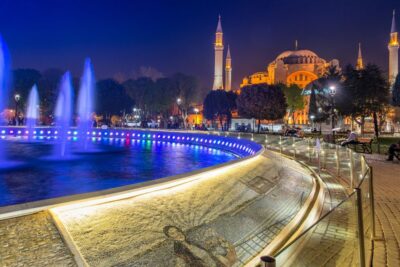
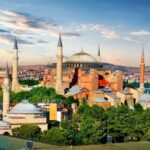
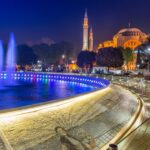
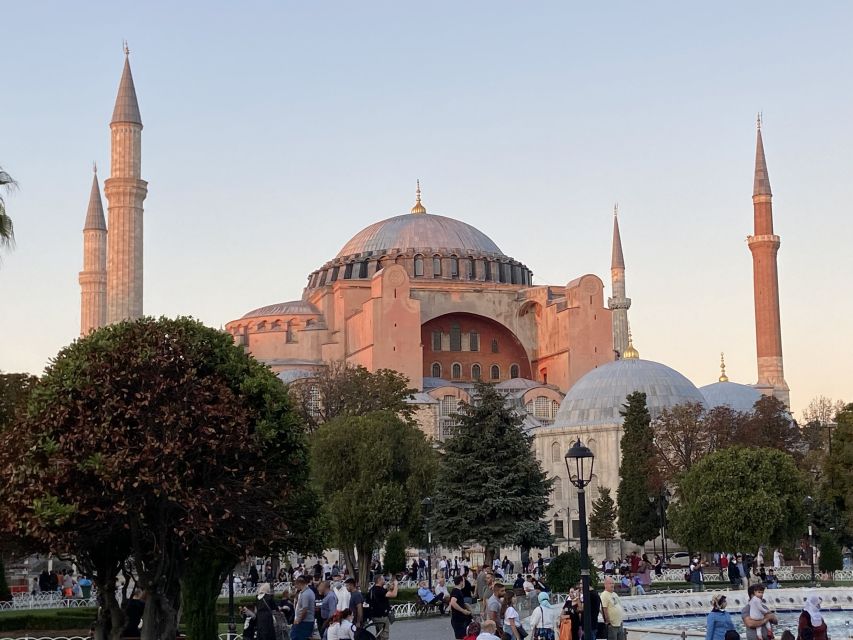
I Istanbul’s old district, Sultanahmet can feel like a maze. This tour is built to prevent that. You start right where the city’s visual language begins: at Hagia Sophia, one of the world’s most recognizable domes.
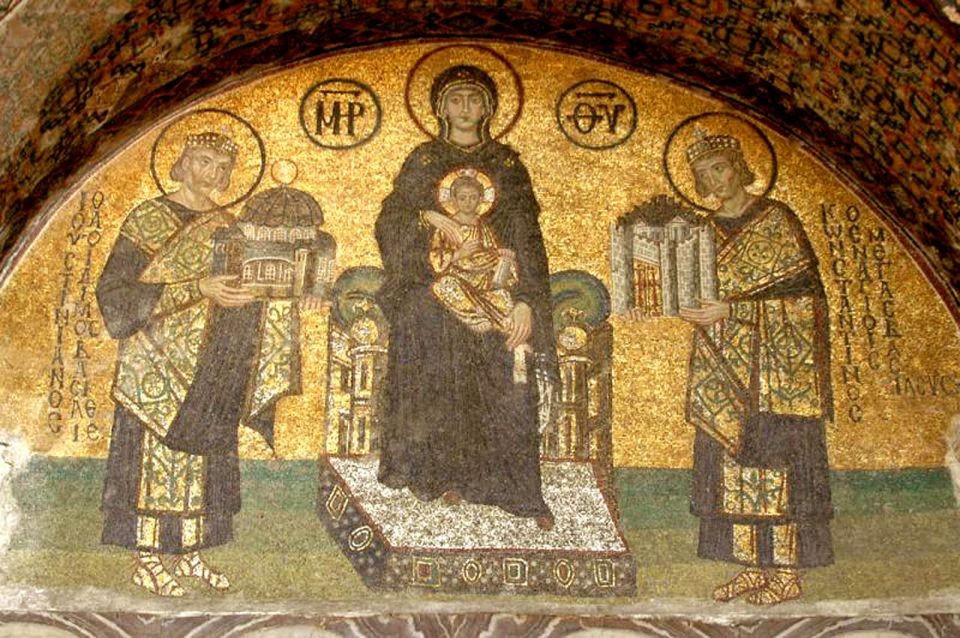
Hagia Sophia (early 6th century) was commissioned by Emperor Justinian and designed by Anthemius of Tralles and Isidore of Miletus. What I like for your planning is that you’re not just seeing a famous building—you’re getting the story behind why it looks the way it does. Even if you’ve seen photos, the scale hits differently in person, and the tour also points out its mosaic tradition. The mosaics can be surprisingly emotional, including a well-known depiction of a Virgin and Child.
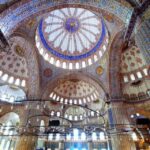
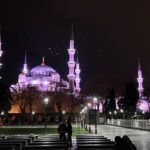
Next comes the Blue Mosque. The key detail here is the tiles: the mosque is named for the stained-blue patterns inside. It was built in the early 1600s under Sultan Ahmet I and designed by a pupil of Sinan (the “house name” behind a lot of Ottoman architecture). You’ll also get the courtyard experience, which helps you understand how Ottoman religious spaces worked as community places, not only prayer interiors.
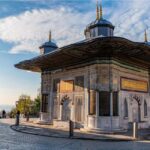
Then the Hippodrome area—Byzantium’s old stadium zone—adds a different type of Istanbul flavor. You’re not only in religious architecture land. You’re in imperial spectacle land. The surviving details matter: an Egyptian obelisk and a bronze sculpture of three entwined serpents from Delphi still link this space to the wider empire.
Practical tip for this part of the day: come ready for crowds and sacred-space rules. The tour handles the timing and guidance, but you still want your priorities: dome and mosaics first at Hagia Sophia, tiles and courtyard first at the Blue Mosque, then use the Hippodrome area to reset your brain before the shopping segment.
One important calendar note: on Friday morning, the Blue Mosque and Hagia Sophia are only viewed from outside because of Friday Prayer. If your dates land on a Friday morning, I’d adjust expectations and focus on the architecture exteriors and the rest of the day’s indoor stops.
You can also read our reviews of more tours and experiences in Istanbul
Grand Bazaar Time: Browsing the 4,000-Shop Maze Like a Pro
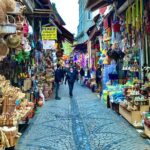
After the monumental stops, you get a shift that’s very Istanbul: shopping and small-world trade. The Grand Bazaar is huge—about 4,000 shops—and the tour gives you about an hour of free time to wander and shop on your own.
Here’s why that matters. If you get stuck in a guided-only pattern, you either feel herded or you miss the good stuff. This structure—guided morning, then real browsing time—lets you actually see the variety: carpets and kilims, silks, jewelry, ceramics, icons, and leather goods. Even if you don’t buy, walking the lanes gives you a sense of how Istanbul’s older commercial heart worked.
There’s also an optional brief handicrafts presentation and lecture near the bazaar. It’s the kind of add-on that can help you interpret what you’re seeing—especially around textiles and craft styles—without turning the day into a classroom.
Two logistics details to know up front:
- Grand Bazaar is closed on Sundays. On Sundays, you visit Nuruosmaniye Street around the bazaar area instead.
- During religious holidays, the Spice Market and Grand Bazaar may be closed.
My advice for getting value here: set a quick shopping plan in your head before you enter. Decide whether you want one textile item, a small souvenir, or just window browsing. In an hour, you can find a deal if you know what you’re aiming for; you can also burn time if you try to browse everything.
German Fountain and Sultanahmet Breakpoints: How the Day Gets Organized
Some tours jump from “big landmark to big landmark” with little connective tissue. This one includes Sultanahmet Square and the German Fountain area as guided stops. That might sound small, but it helps you understand the geography of old Istanbul.
When you’re moving across historic districts, these in-between moments do real work: they give you reference points for photos, rest stops for your feet (even if only short), and orientation before you head into the bazaar zone and then eastward.
This is also where the tour’s “small-group” factor shows. With a group of 20–25, you’ll spend less time waiting for a long chain of arrivals and more time focusing on what’s in front of you.
Lunch in Sultanahmet: Included, Practical, and Worth Planning Around
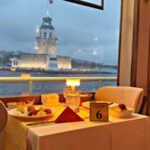
You’ll enjoy lunch in the Sultanahmet district, and it’s included as a 4-course meal. The tour notes a vegetarian menu is available, and a sample format includes soup and seasonal appetizers and salad, a main course such as meatballs or chicken, and dessert.
This is practical value because you’re not hunting for food between sites—and you’re not paying city-center prices on top of a packed day.
Still, I’d treat lunch as “satisfying fuel,” not as a food-obsessed destination. Group catering can be inconsistent by day and by venue, and one of the tour’s published feedback experiences suggests the meal quality can be a weak point on some days. If you have strong preferences, I’d plan a second snack option later (something quick you can buy near your next stop).
Also remember: drinks aren’t included, so if you like soda, tea, or water beyond what the venue provides, budget for that separately.
Bosphorus Bridge Crossing to Çamlıca Hill: The View Shift You Actually Need
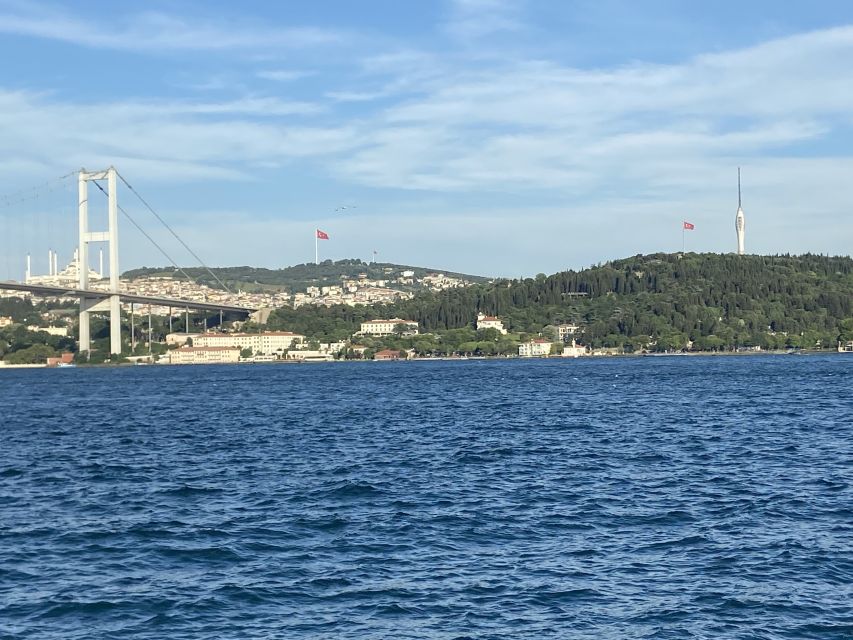
Old Istanbul is about domes and history. Then comes the day’s biggest mood change: you drive over the Bosphorus Bridge and head for Çamlıca Hill.
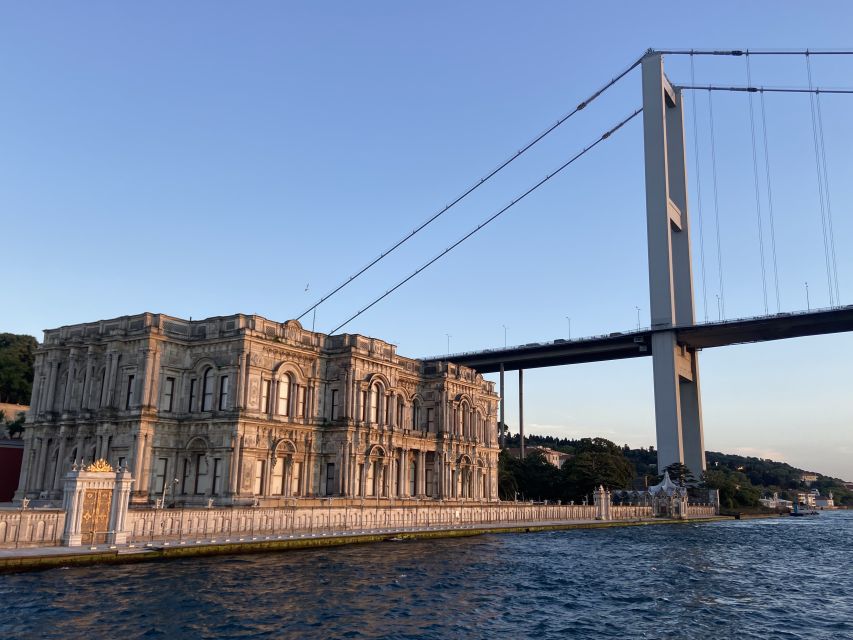
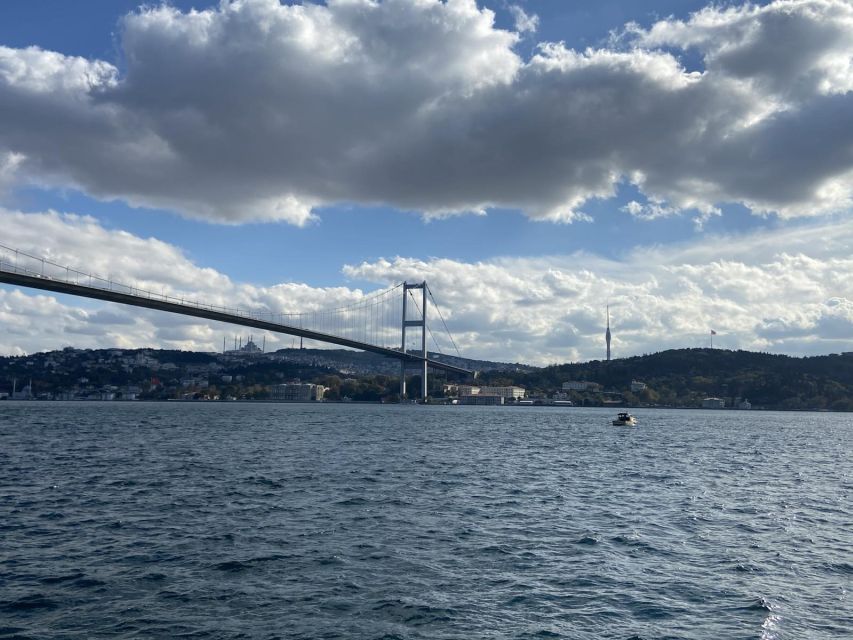
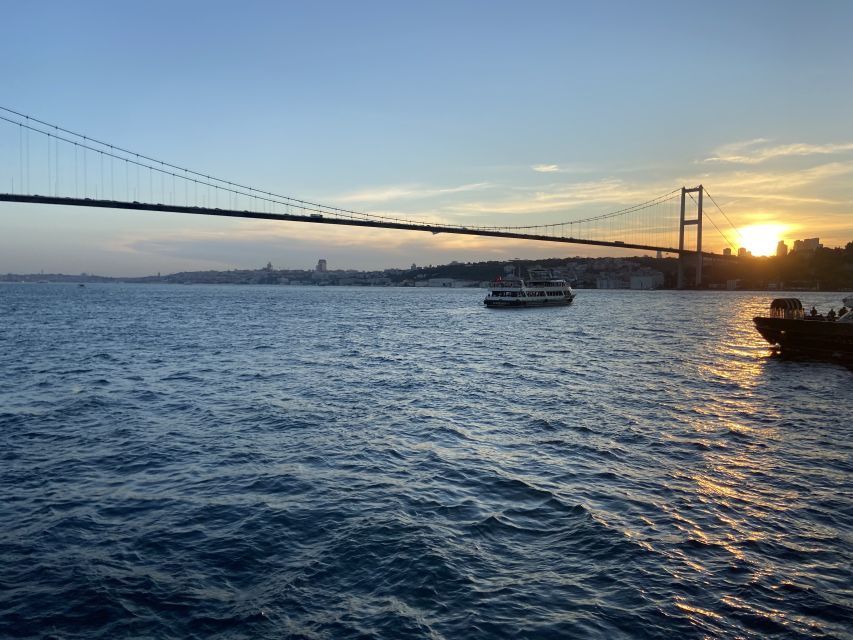
The Bosphorus Bridge is a landmark in its own right—once the world’s longest suspension bridge—and it’s a smart transition from the dense historic core. From there, the tour takes you up to Çamlıca Hill for panoramic views over the Sea of Marmara and out toward the Princes’ Islands.
This is a great stop because it resets your perspective. After hours of monuments and markets, you get sky, water, and distance. You’ll likely come away with the sense that Istanbul isn’t one city—it’s two continents and a strait that controls everything.
Photo stops matter here. The tour schedules a guided component plus time for pictures at both Çamlıca Hill and the next stop.



Grand Çamlıca Mosque: A Modern Big Moment on the Asia Side
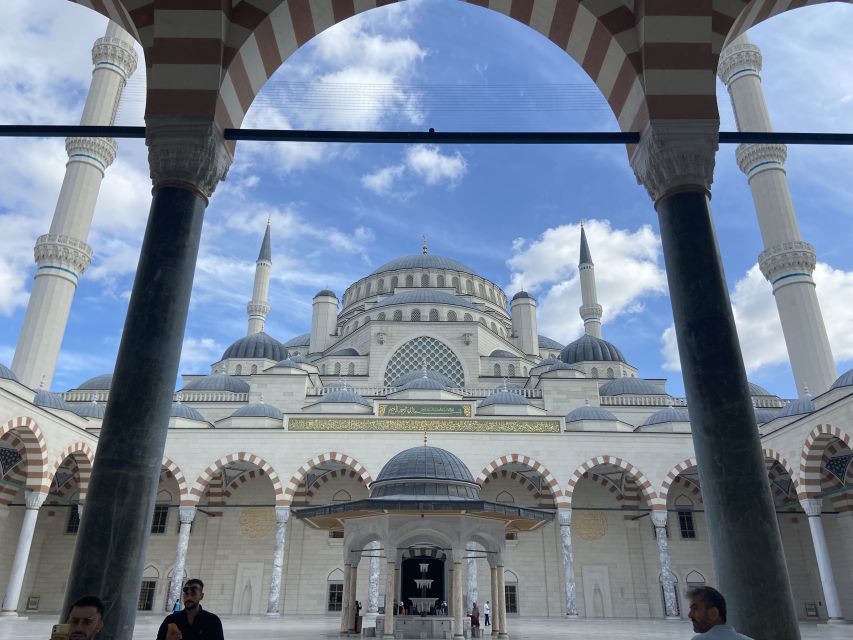
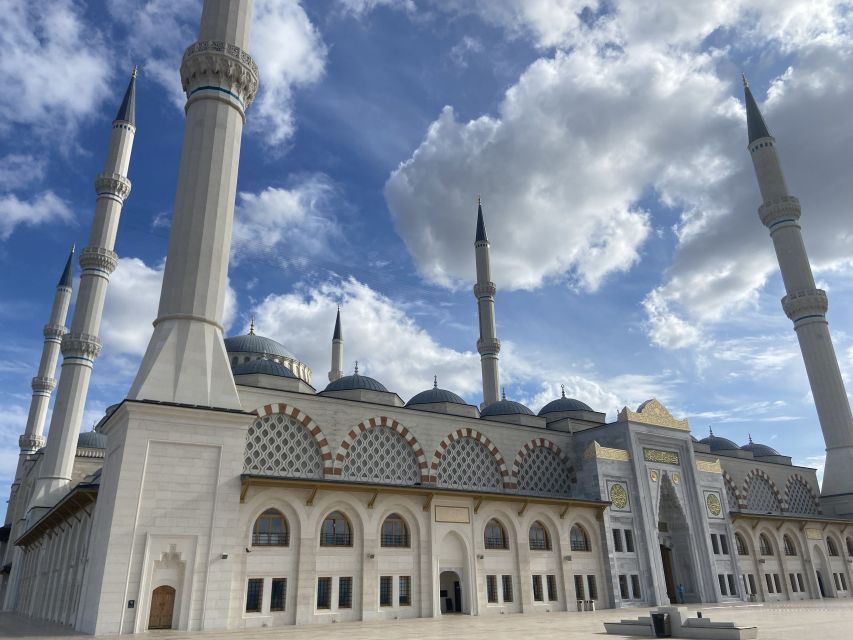
Next up: the Grand Çamlıca Mosque, opened in 2019. The details that stand out are architectural and cultural. It’s the largest mosque in Turkey, and it was designed by two female architects: Bahar Mızrak and Hayriye Gül Totu.
Even if you’ve been to famous mosques before, a new monumental mosque tends to give you a different “how modern Istanbul works” feeling. You’re not comparing tile patterns from centuries ago; you’re seeing what the country builds today to hold religious life at a grand scale.
One practical note: dress rules still apply at religious sites. The tour provides cover ups and head scarves at the Blue Mosque, and for Hagia Sophia, the tour specifically notes ladies should have a scarf (or can buy one at the mosque).
Beylerbeyi Palace on the Water: Late Ottoman Elegance, with a Timing Caveat
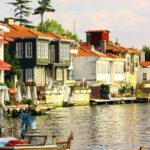
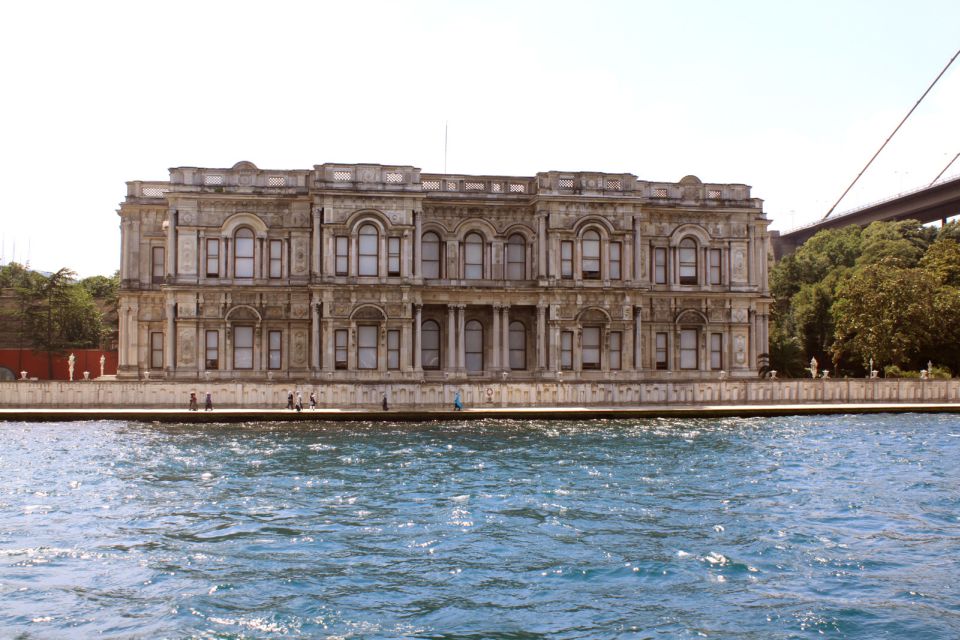
Your final “wow” on the European-to-Asia circuit is the Beylerbeyi Palace on the Bosphorus shore. This is a different Istanbul style—late Ottoman, designed for guests and state hosting.
Beylerbeyi has six reception halls with striking decoration, including Bohemian crystal chandeliers and Sèvres and Chinese vases. There’s also a main salon with an indoor fountain, which adds a sensory dimension you don’t get from exterior photos.
The palace is also known for its guest list: Empress Eugénie of France, Shah Nasruddin of Persia, and Grand Duke Nicholas of Russia were among those who visited. That’s the kind of detail that makes the space feel like a political stage, not just a pretty building.
Timing matters here. The palace is visited every day except Mondays. If your trip date lands on a Monday or if the palace is temporarily unavailable, you may see changes in the plan. One published experience from the tour’s feedback indicates a day where later stops were swapped for a Bosphorus boat option. So if Beylerbeyi is your top must-see, I’d keep your expectations flexible on the exact day—this tour aims to replace where possible rather than cancel the whole thing.
Price and Logistics: Is $141 a Good Value for an 8-Hour Day?
At $141 per person for an 8-hour day, the key question is what you’re buying beyond the sightseeing names.
You’re getting:
- Complimentary hotel pickup and drop-off for city center hotels on the European side
- An English live guide
- Entrance fees included as per the itinerary
- An air-conditioned vehicle
- A 4-course lunch (vegetarian option available)
- And a skip-the-ticket-line approach for the major sites
That’s real value when you compare it to piecing everything together yourself: transport + guided context + entrance logistics + meal. The tour is also structured for efficiency—because you have limited time and you want the landmarks to connect, not feel like separate bus stops.
Where you should spend extra attention:
- Drinks aren’t included, so you’ll want a little cash for water or other beverages.
- It’s not recommended for walking difficulties, and wheelchair users aren’t suitable.
- With 20–25 people, it’s not a private tour, so time at each stop is managed tightly.
Overall, if you want a guided overview that includes the pricey entry points and a meal, this price can make sense.
Who This Tour Best Suits (and Who Should Rethink)
This tour is ideal if you want:
- A strong first-day orientation to Istanbul’s big-picture geography (Europe + Asia in one sweep)
- Guided storytelling at Hagia Sophia and the Blue Mosque
- Grand Bazaar browsing time that doesn’t trap you in a classroom pace
- A view-based payoff at Çamlıca Hill and a finishing touch at Beylerbeyi Palace
It may be less ideal if:
- You have mobility limitations and need a more flexible pace
- You want lots of free time to linger in museums or shopping streets
- You’re visiting on Friday morning and hoped for full interior time at Hagia Sophia and the Blue Mosque (you’ll see them from outside due to prayer)
Should You Book the Istanbul Imperial & Asia Small Group Tour?
I’d book it if you’re the kind of traveler who likes a plan with good priorities: iconic architecture early, bazaar time mid-day, then a scenic shift to the Asia side with Çamlıca Hill views and Beylerbeyi Palace on the water.
I’d hesitate only if you need a slower pace, have significant walking constraints, or plan to treat lunch as a highlight. Also consider your dates: Friday morning changes mosque and Hagia Sophia access, and Sundays change the Grand Bazaar stop.
If your goal is to get your bearings fast and leave with a clear sense of what Istanbul is, this tour’s structure is built for that.
FAQ
How long is the Istanbul Imperial & Asia Small Group Tour?
It lasts about 8 hours.
Where does pickup and drop-off happen?
Pickup and drop-off are complimentary for city center hotels on the European side of Istanbul.
Are entrance fees included?
Yes. Entrance fees are included as per the itinerary.
Is lunch included, and can I choose a vegetarian option?
Yes. Lunch is included as a 4-course meal, and a vegetarian menu is available.
What happens on Friday morning?
On Friday morning, the Blue Mosque and Hagia Sophia are only viewed from outside because of Friday Prayer.
Is the Grand Bazaar open on Sundays?
No. On Sundays, Grand Bazaar is closed, and the tour visits Nuruosmaniye Street around the Grand Bazaar area instead.
Is the tour suitable for wheelchair users?
No. It is not suitable for wheelchair users, and it’s also not recommended for participants with walking difficulties.