REVIEW · ISTANBUL
Istanbul Classics Half-Day Morning Tour
Book on GetYourGuide →Operated by ISTANBUL WALKS · Bookable on GetYourGuide
Four hours, four Istanbul icons. This half-day tour strings together the Hagia Sophia and Blue Mosque with the Hippodrome and German Fountain, all in the instantly recognizable Sultanahmet area. It’s a smart way to see big-ticket landmarks without turning your day into a maze of logistics.
I especially like the way the route forces you to notice layers. At Hagia Sophia, you’ll get the timeline basics (church in 360 under Justinian, later turned into a mosque during Ottoman rule, then opened to the public as a museum in 1935). Another strong point is the small-group format, capped at 6, with a live English guide and skip-the-ticket-line convenience; guides like Dogus, Ozzie, and Meltan are singled out for turning art and history into stories you can actually follow.
One drawback to plan for: 4 hours is tight once you factor in walking and entering major sights. Lunch and drinks aren’t included, and wheelchair access isn’t offered, so you’ll want to manage your pace and bring what you need.
In This Review
- Key highlights worth your attention
- Why this morning route works in Sultanahmet
- Hagia Sophia: from Justinian’s church to museum layers
- German Fountain: a diplomatic gift with a backstory
- Hippodrome walking: chariot races and the Egyptian obelisk
- Blue Mosque interior: six minarets and blue tile impact
- Price and logistics: is $531 worth it for 4 hours?
- The kind of guide this tour tends to attract
- Who should book this half-day tour
- Tips to make your 4 hours feel smooth
- Should you book this Istanbul Classics half-day tour?
- FAQ
- Is hotel pickup included?
- What’s the duration of the tour?
- Does the tour skip the ticket line?
- Is lunch included?
- What group size and language should I expect?
- Is the tour wheelchair accessible?
Key highlights worth your attention
- Small group of up to 6 means more questions and less waiting around
- Skip-the-ticket-line helps you spend time inside, not standing outside
- Hagia Sophia’s layered timeline (Justinian to Ottoman mosque to museum) gives meaning to what you see
- German Fountain diplomacy story adds a surprising political angle near Sultanahmet
- Hippodrome monuments, including the Egyptian obelisk, turn a “courtyard” area into a history stop
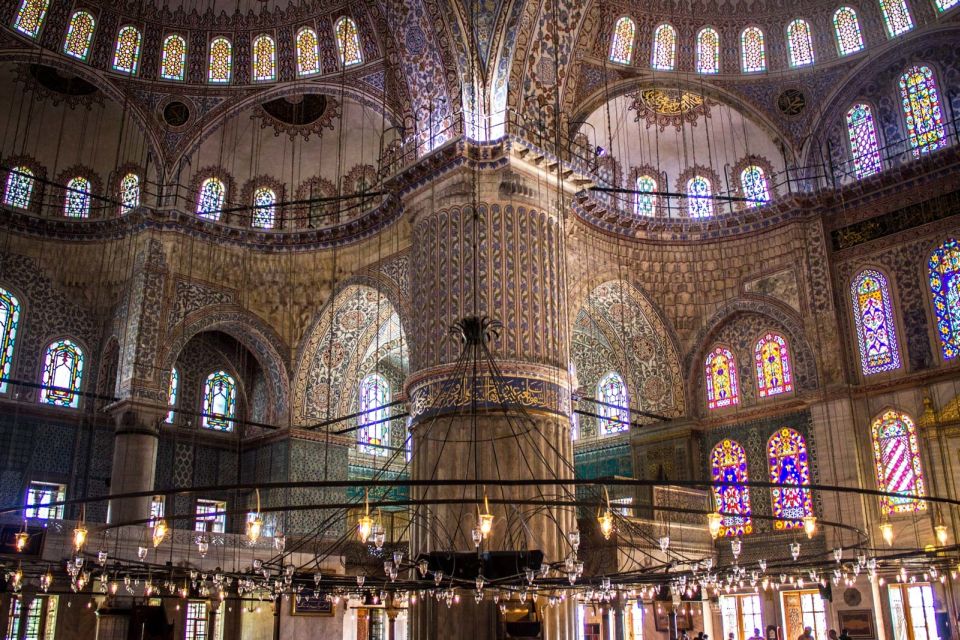
- Blue Mosque interior with blue tiles makes the architecture feel personal, not abstract
Why this morning route works in Sultanahmet
Sultanahmet is where Istanbul’s old-world landmarks cluster. This tour leans into that reality: you concentrate your time in one neighborhood instead of hopping across town. That matters because most first-time visitors feel the pressure to see everything, then they waste energy traveling between sites.
The tour is designed as a half-day morning experience with a 4-hour duration and a small group (limited to 6). In practice, that format usually keeps the flow moving while still leaving room to pause and look closely. Guides in this format also tend to bring extra context through mini stories and history trivia, which is exactly what you want when the sights are famous enough that your brain can otherwise go on autopilot.
Pickup is included from centrally located areas (Taksim Square, Şişli, Beşiktaş, Sultanahmet, and Fatih). Hotel drop-off isn’t included, so just plan for that at the end of the tour. Also, pets and luggage or large bags aren’t allowed, which is a good thing for the experience but can affect how you pack.
You can also read our reviews of more tours and experiences in Istanbul
- Bosphorus Yacht Cruise with Stopover on the Asian Side – (Morning or Afternoon)
★ 5.0 · 1,657 reviews


Hagia Sophia: from Justinian’s church to museum layers

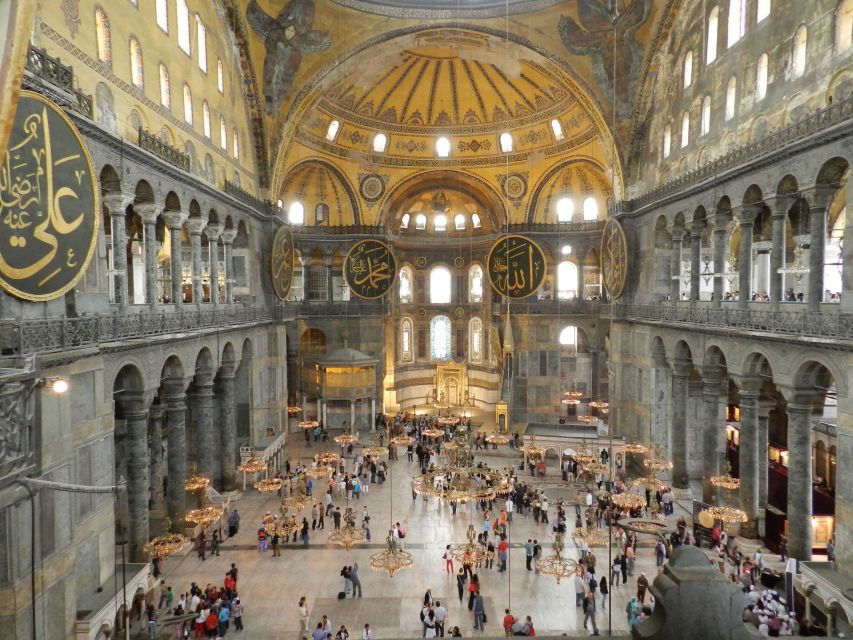
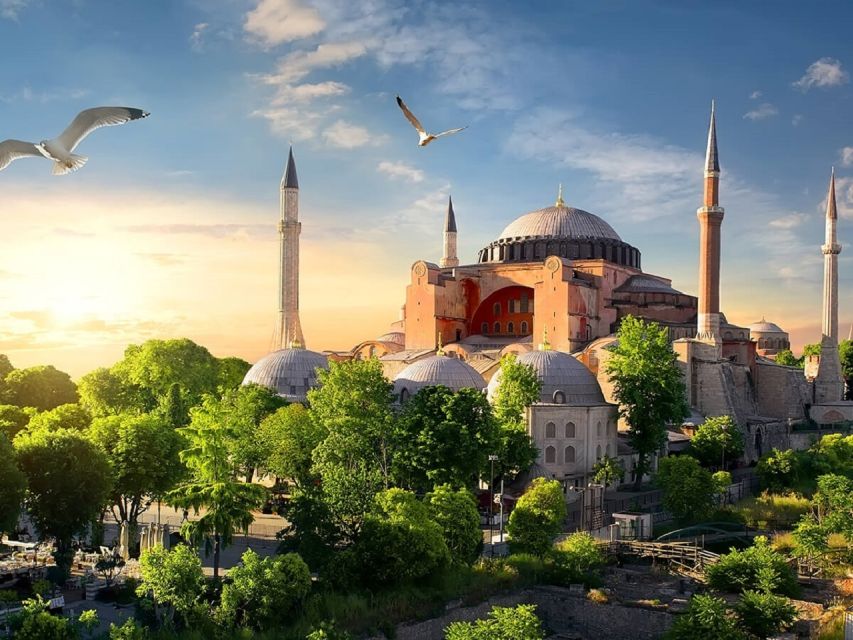
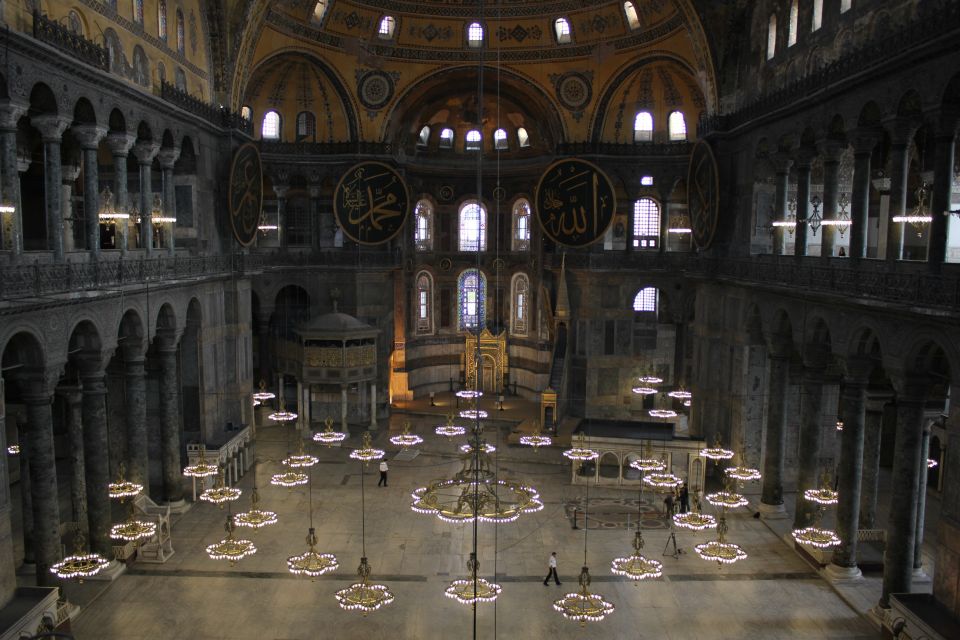
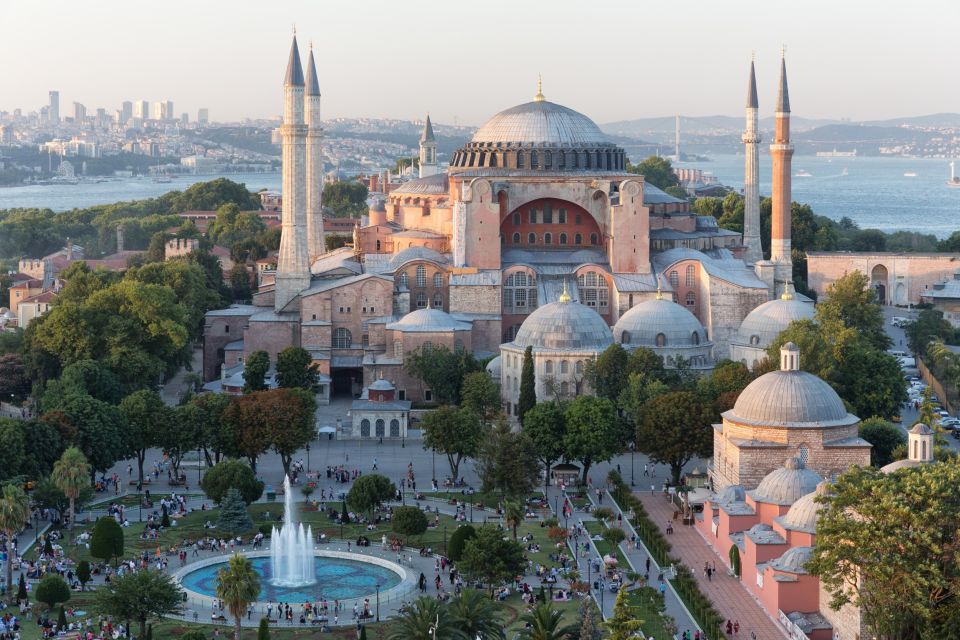
Your tour starts at Hagia Sophia, often called the Church of Divine Wisdom. You’ll hear the key dates that make the building make sense: dedicated as a church in the year 360 by Roman Emperor Justinian, converted into a mosque during Ottoman rule, and opened to the public as a museum in 1935.
The value here isn’t just the headline history. It’s that the guide can help you read the space as layers of different eras rather than one uniform monument. Once you know it moved between faiths and functions over centuries, the architecture stops feeling like a static postcard and starts feeling like evidence.
What to expect on the ground: you’ll be inside a major landmark early enough that you can take your time absorbing scale and detail. The tour pace is built for a guided visit rather than a self-guided sprint. If you enjoy understanding what you’re looking at, this first stop sets the tone for the rest of the morning.
A minor consideration: Hagia Sophia is a big, intense site. If crowds or crowds’ noise tend to overwhelm you, mentally prepare for that. Still, having an English guide framing what you’re seeing can make the experience feel calmer and more connected.
German Fountain: a diplomatic gift with a backstory
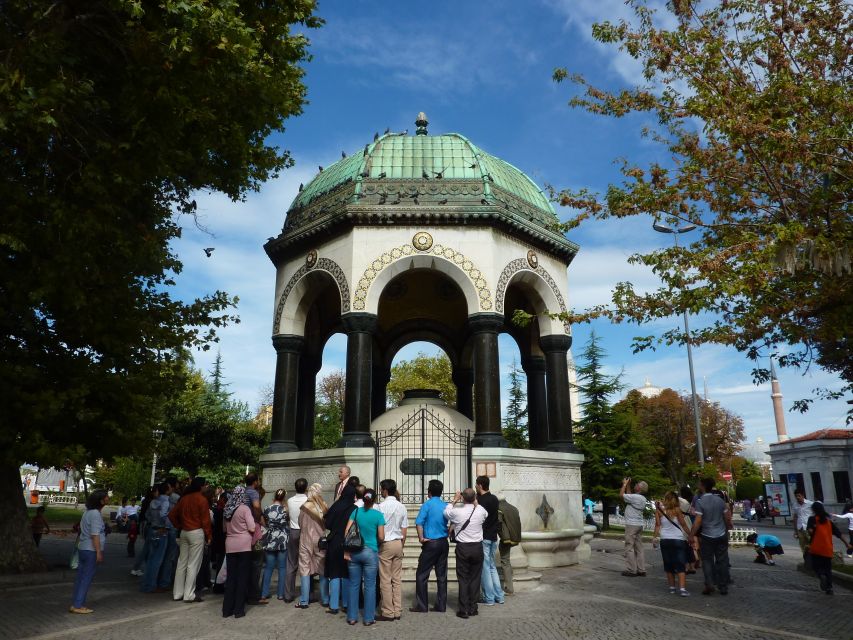
Next up is the German Fountain, a gift from Kaiser Wilhelm II of Germany to Ottoman Sultan Abdulhamid. You’ll also hear the connection between the two rulers, including the Kaiser’s trips to the Ottoman Empire and how that relationship developed.
This is one of those stops that can look like just another landmark if you’re not told what it represents. With a guide, it becomes a window into how diplomacy shaped visible parts of the city. Instead of seeing the Fountain as decoration, you start seeing it as symbolism: public art used to mark relationships between governments.
The practical upside is that it’s a relatively quick and manageable stop compared with the bigger interiors. That’s useful in a half-day format because it breaks up the heavier sights with something more interpretive and story-driven.
The only “watch-out” is timing and attention. If you rush through on autopilot, you’ll miss what makes it interesting. But if you lean in for the explanation, you get a memorable contrast to the religious architecture of nearby stops.
Hippodrome walking: chariot races and the Egyptian obelisk
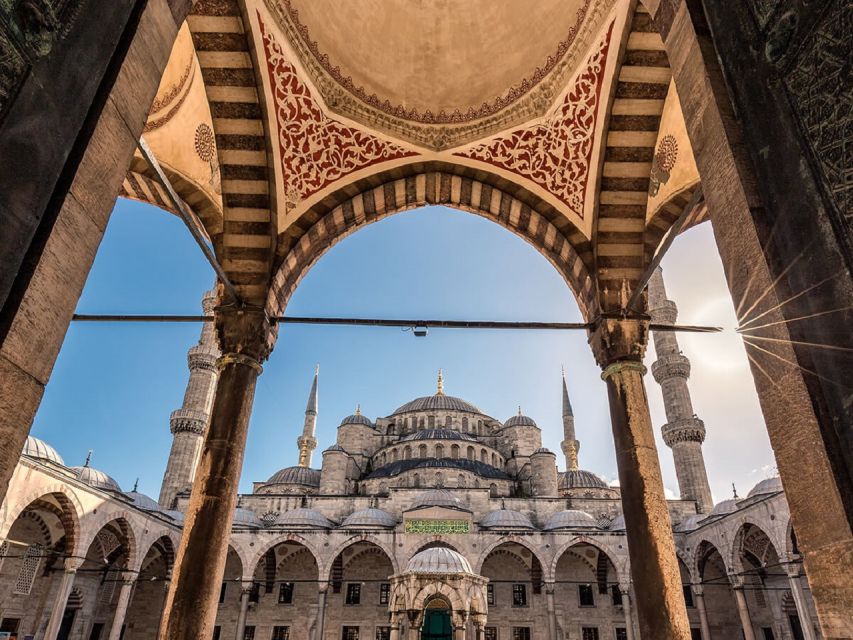
After the Fountain, you’ll move to the Hippodrome, a nearby area connected to Roman and Byzantine chariot races. This is where the tour earns its “wow” factor for people who thought the Hippodrome would be a simple open space.
The guide helps you understand the place as a stage for public spectacle. And then you get the impressive monuments—especially the Egyptian obelisk, which stands out immediately once someone points out what you’re looking at. The obelisk is the kind of feature that makes you stop walking without realizing you’ve stopped; it’s big, historical, and slightly surreal in an urban setting.
What I like about this portion is that it turns outdoor sightseeing into something meaningful. You’re not just passing time between two major entrances. You’re learning how this area functioned in earlier eras, so the landmarks feel less random.
The drawback to consider is straightforward: outdoor walking can be demanding in the morning, depending on weather and crowd flow. Wear comfortable shoes and plan for a bit of city-stroll time. The upside is that the Hippodrome area gives your eyes a break from interior crowds while still feeding you context.
Blue Mosque interior: six minarets and blue tile impact
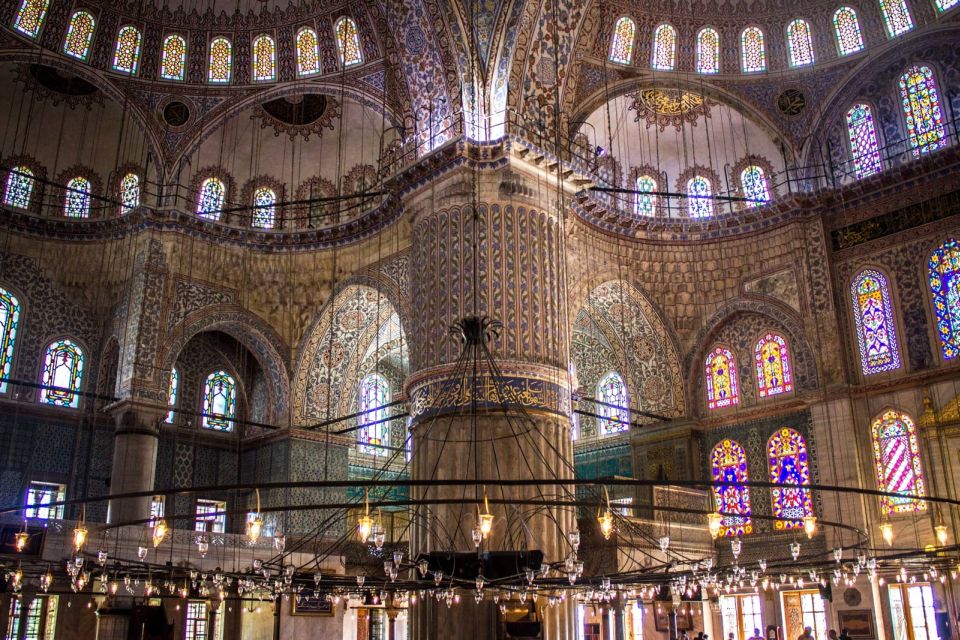
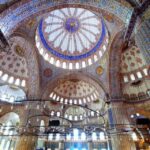
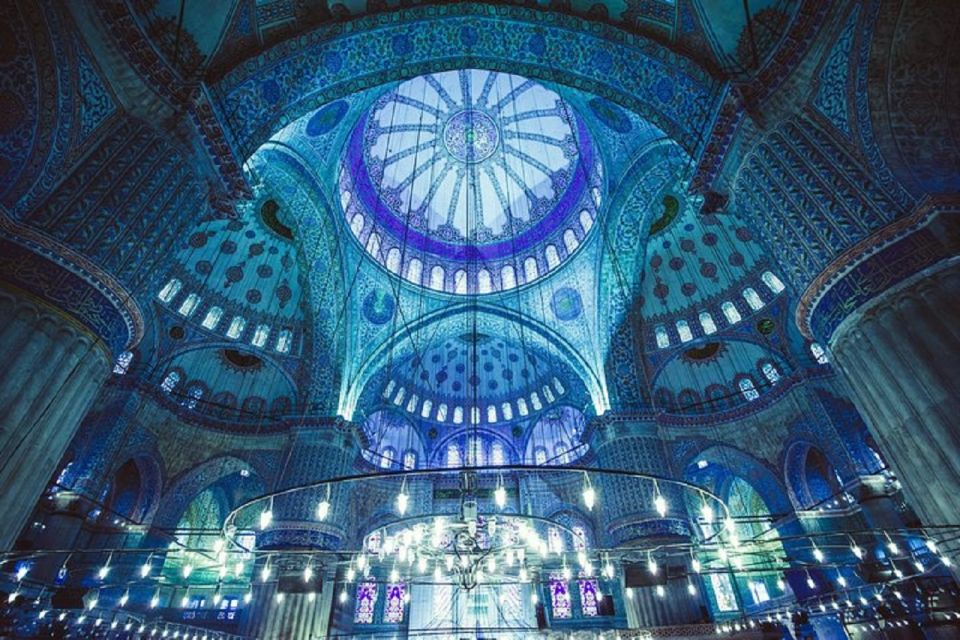
The tour ends with the Blue Mosque, Istanbul’s first mosque with six minarets, dating back to 1616. The name comes from the blue tiles that decorate the interior, and this is the kind of detail that rewards slow looking.
When you arrive, don’t treat it like just another famous mosque stop. Focus on how the decoration changes your sense of space. The tiles and the interior design work together to make the building feel like a crafted environment rather than a blank room. With a guide, you’ll also connect what you’re seeing to the mosque’s place in Istanbul’s larger story.
Blue Mosque as a finishing point is a smart choice. By then, your brain has the right framework from Hagia Sophia and the Hippodrome. Instead of feeling overwhelmed by icons, you’re more prepared to notice contrasts: how different eras expressed faith and power through architecture.
One practical consideration: interiors tend to be visually packed. It’s easy to overdo it on your phone and forget the structure. I’d treat it like a museum visit, with a couple of anchor moments: the tile detail, the scale, and the overall interior design. A small group helps here because you can adjust your pace without getting swallowed by a huge crowd.
You can also read our reviews of more tours and experiences in Istanbul




Price and logistics: is $531 worth it for 4 hours?
At $531 per person for a 4-hour morning tour, this isn’t a budget add-on. But it’s priced for convenience and guided time in the places that matter most on a first trip.
Here’s what you’re paying for, based on what’s included:
- Hotel pickup from several central Istanbul areas
- A professional, live English guide
- Skip-the-ticket-line
- A limited group size (up to 6)
- A structured route through major Sultanahmet landmarks
If you were to do this on your own, you’d still spend money on tickets, time lining up, and probably a chunk of your morning figuring out the best order and pacing. The skip-the-line component and guide framing can save that headspace, which is often the real cost of travel.
What’s not included matters too: lunch and drinks aren’t part of the deal. Since the tour is only half a day, you’ll want to plan a proper meal afterward. Bringing water or a snack before you start can help you avoid the feeling of rushing while everyone else is still exploring.
For me, the “value test” is simple: if you want context, not just photos, and you like the idea of a tight small-group morning, this price starts making sense. If you’d rather wander independently and you don’t care about explanations, there are cheaper ways to hit the same landmarks.
The kind of guide this tour tends to attract
A huge part of this experience is the guide’s delivery. The standout theme from guide praise is not just facts, but how the facts get told. Guides such as Dogus, Ozzie, and Meltan are repeatedly described as friendly and engaging, with explanations that stay entertaining instead of turning into a lecture.
You’ll also get a sense of a balanced rhythm. One guide is noted for keeping the tour interesting using little history trivia, while another style described is a mix of guided time with moments to explore on your own. That balance is exactly what you want in Sultanahmet, because the sights are famous and you’ll want a minute to look for yourself after you get the key context.
This matters because these landmarks can easily blur together. A good guide helps you separate them mentally: Hagia Sophia as a story of evolving function, the German Fountain as a diplomacy marker, the Hippodrome as a public spectacle venue, and the Blue Mosque as an architecture-first experience.
Who should book this half-day tour
This is a strong pick if you’re:
- Visiting Istanbul for the first time and want maximum clarity in limited time
- Interested in how religions, empires, and politics shaped buildings and public spaces
- Traveling with a style that prefers guided structure over total independence
- Comfortable with moderate walking and indoor entrances within major sites
It’s not a fit if you need wheelchair access, since the tour isn’t suitable for wheelchair users. It also doesn’t allow pets or luggage/large bags, so keep your day light and pack accordingly.
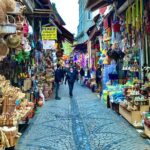
Also, if you love to browse, you may appreciate the small-group pacing. One recent group experience included a quick chance to browse a souvenir shop near the Grand Bazaar area at the end, which can be a handy way to turn the final minutes into a last look at local goods.
Tips to make your 4 hours feel smooth
This tour is compact. Your job is to make it easy on yourself.
- Wear comfortable shoes. You’ll be moving between Sultanahmet sights and spending time inside major interiors.
- Plan to eat after. Lunch and drinks aren’t included, so build your schedule around a real meal afterward.
- Keep your bag small. Pets aren’t allowed, and luggage or large bags won’t work with the tour rules.
- Use the guide’s order. Starting at Hagia Sophia, then moving to the Fountain, Hippodrome, and Blue Mosque gives your brain a storyline instead of random stopping points.
- Ask questions when something clicks. If a guide mentions something specific like the German Fountain’s Kaiser-to-Sultan connection, that’s a great moment to ask follow-ups.
If you’re a photo person, you’ll still get plenty of chances to shoot, but try to treat the camera as a tool, not the main event. The interior tile work at the Blue Mosque and the obelisk at the Hippodrome are the kinds of things that look better when you actually look.
Should you book this Istanbul Classics half-day tour?
If you want a guided introduction to four of Istanbul’s most recognizable landmarks, I think this tour is a solid booking. The biggest reason is the combination: small group (up to 6), English live guide, and skip-the-ticket-line value, all focused on Sultanahmet’s most meaningful cluster of sites.
Book it if you’ll appreciate context as much as sightseeing. Hagia Sophia’s timeline, the German Fountain’s political backstory, and the Hippodrome’s monuments all benefit from someone turning “famous places” into understandable place-by-place stories. And if you’ve got limited time, 4 hours is long enough to feel satisfied, short enough not to wreck the rest of your day.
Pass on it if you hate structured schedules, you’re very price-sensitive, or you rely on wheelchair access. Also consider skipping if you’d rather wander freely without explanations. For everyone else, this is one of the more efficient ways to see Istanbul’s old core without turning your morning into a stressful transport puzzle.
FAQ
Is hotel pickup included?
Yes. Hotel pickup is included from centrally located Istanbul hotels within Taksim Square, Şişli, Beşiktaş, Sultanahmet, and Fatih neighborhoods.
What’s the duration of the tour?
The tour lasts 4 hours.
Does the tour skip the ticket line?
Yes. Ticket line skipping is included.
Is lunch included?
No. Lunch and drinks are not included.
What group size and language should I expect?
It’s a small group limited to 6 participants, with a live English-speaking guide.
Is the tour wheelchair accessible?
No. The tour is not suitable for wheelchair users.
You Might Also Enjoy

More Morning in Istanbul
- Bosphorus Yacht Cruise with Stopover on the Asian Side – (Morning or Afternoon)
★ 5.0 · 1,657 reviews