REVIEW · ISTANBUL
Istanbul: Cistern of Theodosius Entry Ticket and Audio Guide
Book on GetYourGuide →Operated by Istanbul Tourist Pass® · Bookable on GetYourGuide
Silent columns, big engineering brains. That’s the vibe inside the Cistern of Theodosius (also called the Serefiye Cistern), where you can explore a 1600-year-old underground water system and follow the story at your own pace with an audio guide.
I especially like two things: you get skip-the-line entry so you waste less time waiting, and the audio narration is clear enough that you’ll actually understand what you’re looking at. Instead of staring at columns like it’s a quiz, you get the why behind the design.
One possible drawback: this isn’t a guided tour, and there’s no 3D show included. If you’re the type who wants a person leading you through every detail, you may find it a bit more self-directed than you hoped.
In This Review
- Key points at a glance
- Cistern of Theodosius (Serefiye): why it can feel calmer than the big-name cisterns
- Skip the lines: getting your ticket scanned and your QR code
- What to notice inside: marble columns, 45 sail vaults, and 11-meter ceilings
- The Byzantine water system: Theodosius II through Ottoman expansion
- The surrounding site story: Arif Pasa Estate and the 2010 rediscovery
- Audio guide strategy: how to get the most out of self-paced storytelling
- Price and value of a $30 self-paced entry
- Pairing this stop with the rest of your Istanbul day
- Should you book this Istanbul Tourist Pass cistern entry?
Key points at a glance
- Skip-the-line access with an entrance QR code, which helps you get moving quickly
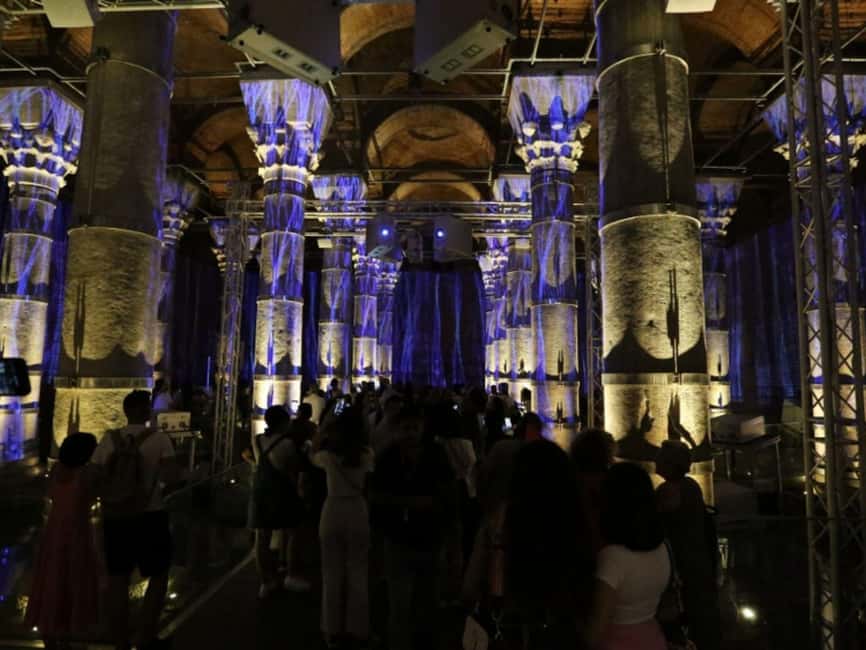
- 32 Marmara Island marble columns to spot as you walk through the hall
- 45 sail vaults and an 11-meter ceiling that make the architecture feel surprisingly big
- Byzantine water storage built under Theodosius II, later expanded by the Ottomans
- Rediscovered in 2010, when nearby demolition uncovered it and restoration followed
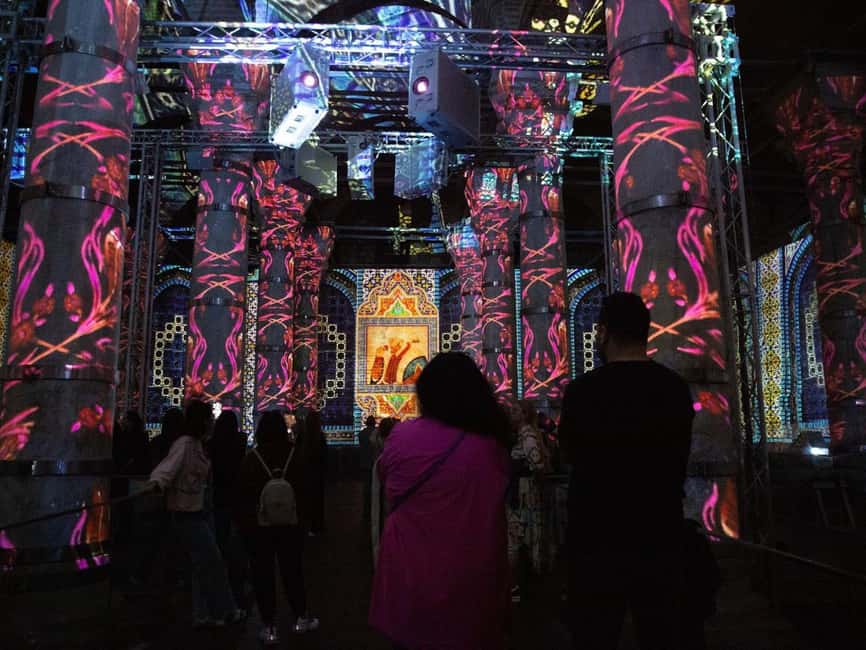
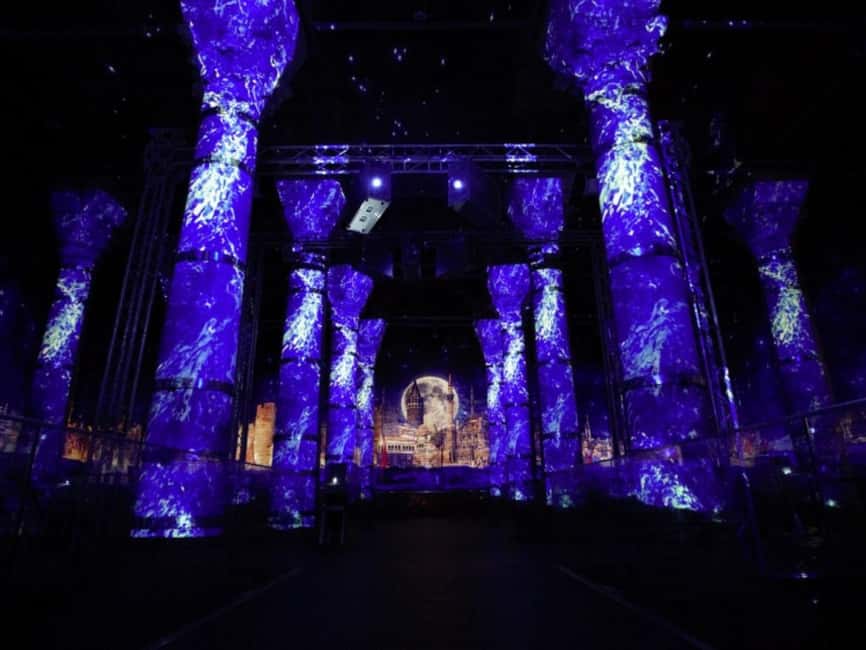
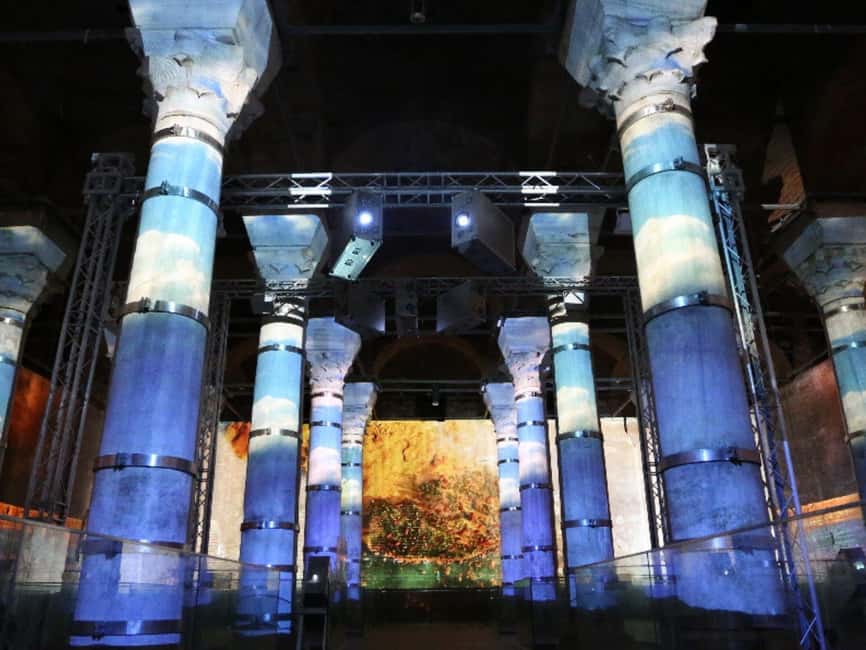
- A light show moment can be a highlight if it’s running during your visit
Cistern of Theodosius (Serefiye): why it can feel calmer than the big-name cisterns
If you’ve already heard about the famous Basilica Cistern, this one is a different mood. The Cistern of Theodosius doesn’t try to be a spectacle first. It’s more about the engineering and the atmosphere: tall columns, low light, and that quiet feeling you only get when you’re underground in a working city.
I like that it can be easier to experience without the same kind of crowds that grab the headlines. You still get the classic Istanbul “how did they build this” feeling, but you’re more likely to take your time, look closely, and let the details land.
And because the ticket comes with an audio guide, you’re not stuck guessing. You’ll hear what each space was for, how it worked as a water store, and how the cistern connects to the wider story of Istanbul—without you having to line up for a live guide.
You can also read our reviews of more tours and experiences in Istanbul



Skip the lines: getting your ticket scanned and your QR code
Here’s what makes the entry process genuinely practical: you’re not starting the day stuck in a long ticket queue. The experience is set up so you can enter smoothly, and the key moment is at the entrance, where you receive your QR code.
That QR code is your shortcut to getting in fast. Keep your confirmation handy and make sure your order is properly connected to the entry scan process before you head inside. There’s a real-world lesson here: even when people buy online ahead of time, the ticket handoff at the entrance can still be fiddly. So I’d treat the entrance desk like a checkpoint, not something you can fully ignore.
Once you’re inside, the pace is yours. You’re not tied to a group schedule or a set tour route. That matters here because the cistern is all about slow observation—columns, ceiling lines, and the way the space holds light (and sound).
If you want maximum efficiency on a packed Istanbul day, this is the kind of attraction that rewards skipping the line. Underground spaces move people along, and waiting outside is a time tax you don’t need to pay.
What to notice inside: marble columns, 45 sail vaults, and 11-meter ceilings
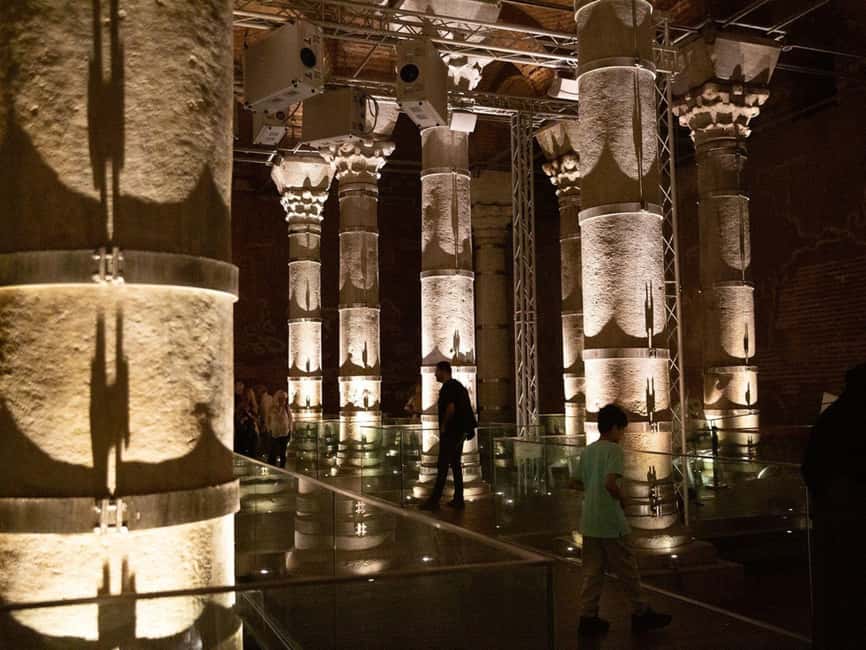
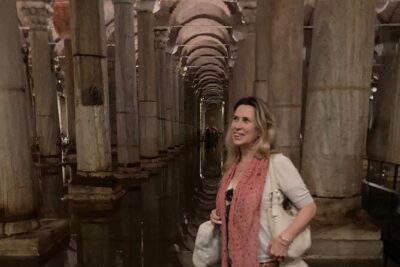
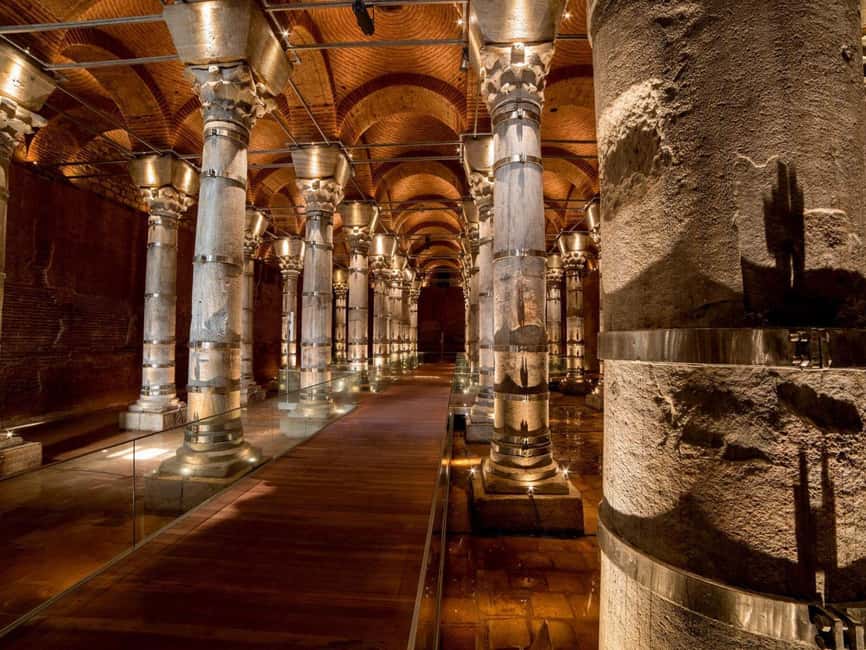
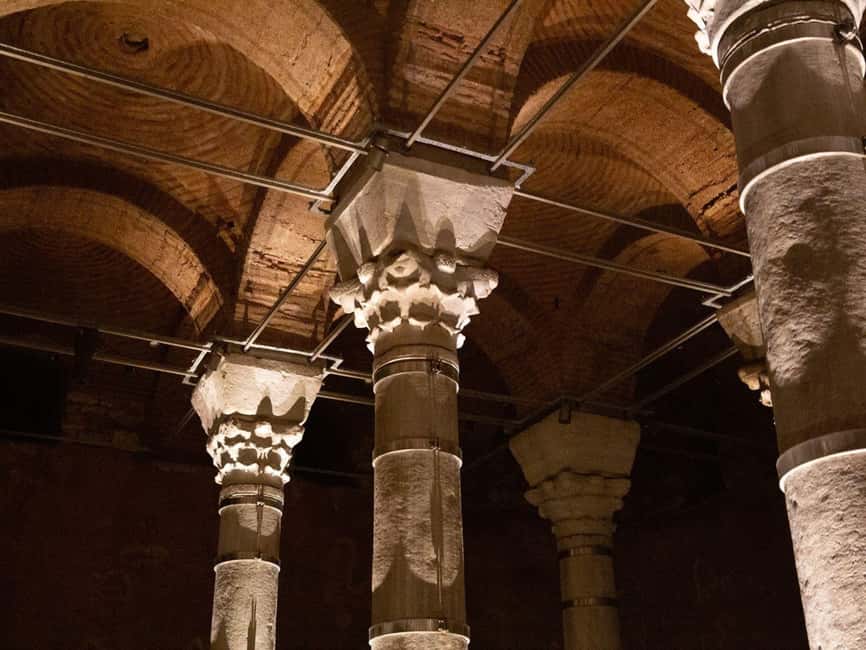
This cistern is built to impress even if you don’t read a single plaque. The dimensions alone help you understand why it feels so solid: it covers about 24 by 40 meters, with a ceiling height of roughly 11 meters. Underground, that height translates into a wide-open sense of space, not claustrophobia.
Now the details that make your photos and your eyes line up:
- 32 columns support the structure, made from Marmara Island marble. As you move through, try to notice how the columns break up the hall into sections, turning a big room into a series of “views” rather than one flat wall of stone.
- The architecture uses 45 sail vaults. Those curved shapes are part of why the space feels graceful instead of purely functional. If you look up as you walk, the ceiling geometry becomes the story.
- The walls were coated with watertight plaster. That’s the practical genius: the structure wasn’t just decorative stonework. It was engineered to hold water.
- Thick walls plus curved corners were designed to handle pressure. This isn’t a fragile ruin; it’s a carefully built system meant to survive.
The setting also helps. The cistern interior feels serene compared to many surface landmarks. That quiet makes it easier to focus on the structure and follow the audio narration without the stress of constant interruptions.
One smart way to enjoy it: don’t try to absorb everything at once. Walk in, take a moment for your first orientation, then slow down for the ceiling and column areas while your audio guide explains the building’s purpose.
The Byzantine water system: Theodosius II through Ottoman expansion
The Cistern of Theodosius was built during the reign of Emperor Theodosius II, around 408 to 450 AD. Think of it as city infrastructure—an underground water storage system created to support Istanbul when water was needed most, especially during shortages or siege conditions.
That “water storage first” design is what makes the site interesting in a different way than purely religious monuments. You’re not only seeing artistry; you’re seeing logic. The cistern’s layout, the support structure, and the waterproofing all point to a single mission: store water and keep it there.
Later, the Ottomans expanded the cistern. That’s important context for your visit. Istanbul wasn’t frozen in one era. The city kept adapting the infrastructure it inherited, adding layers of function and use over time.
So as you walk, listen for how the audio guide frames the cistern as part of a system rather than an isolated object. When you understand it as water engineering, the columns and vaults stop looking like random decoration. They become parts of a machine that kept people alive.
If you like architecture that has a job, not just a look, this is one of the better “explain it well” stops in Istanbul.
The surrounding site story: Arif Pasa Estate and the 2010 rediscovery
The cistern isn’t just inside walls. Its story spills outward into the area around it. The name connects to Emperor Theodosius II, and the surrounding neighborhood went through major changes over time.
One detail that helps you picture the modern city above it: an Arif Pasa Estate, built in the late 18th or early 19th century, once housed municipal offices. That means you’re not just stepping into an ancient hole in the ground. You’re moving through layers—office buildings, city administration, and then, underneath it all, the older water infrastructure.
Then comes the rediscovery chapter. In 2010, demolition of nearby buildings uncovered the cistern. Restoration followed, and an archaeological park was created around it.
That matters for your visit because you’re seeing a recovered historical structure that still sits within an active urban context. The cistern was brought back into the light, but it still feels “found,” not like a monument that’s been treated the same way for centuries.
The audio experience also includes a segment that connects the cistern’s story to larger national history, including a mention of the founding of the Turkish Republic. It’s a reminder that Istanbul’s underground and Istanbul’s modern identity are connected by more than just geography.
You can also read our reviews of more guided tours in Istanbul





Audio guide strategy: how to get the most out of self-paced storytelling
This is a self-paced experience with an audio guide, not a live guided tour. That sounds simple, but it changes how you should plan your time.
I recommend treating the audio guide like a flashlight, not like background noise. When the narration shifts to structure or purpose, pause your walking for a minute. Look where it tells you to look: columns supporting the hall, the vault lines overhead, and the way the space stays functional and solid.
The narration is described as clear, with interesting facts about the cistern’s past. You’ll get context that helps you understand the logic behind:
- The cistern’s water-storing role
- The significance of the Byzantine build under Theodosius II
- The later Ottoman expansion
- The rediscovery in 2010 and the site’s restoration
If you’re someone who likes to read and then move on, you’ll probably enjoy this. If you hate audio guides in general, you might want to spend a shorter visit and focus purely on what you can visually spot.
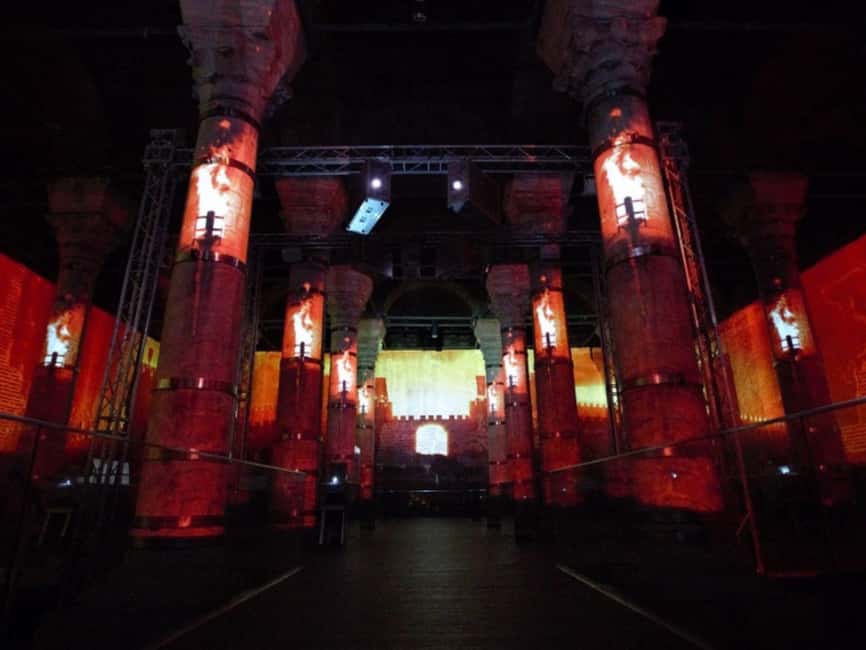
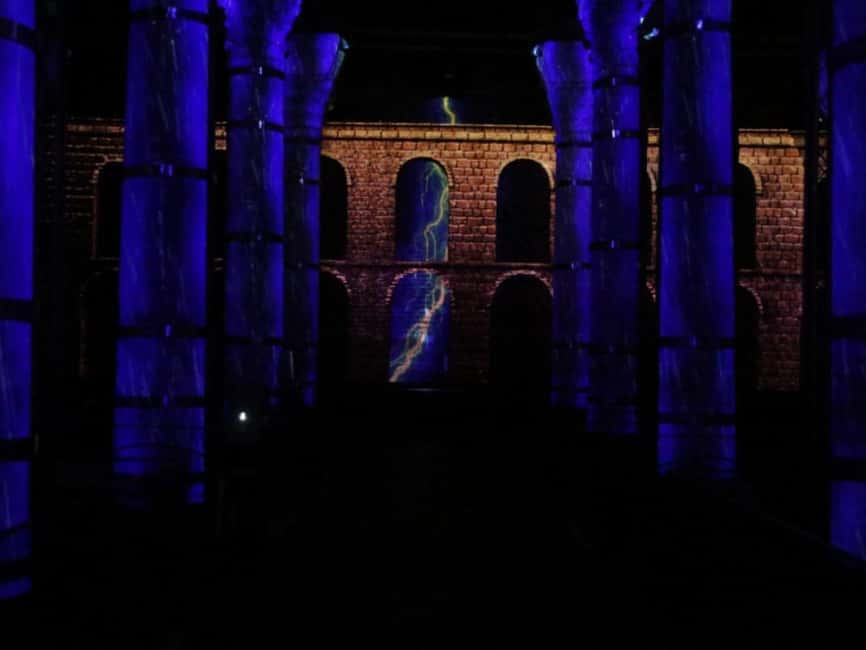
Also, if there’s a light show during your visit, don’t sprint through the end. A lighting moment can make the column surfaces and ceiling geometry look totally different than they do in plain light. Even if you’re focused on architecture, it’s worth giving yourself the option to catch that timing.
Price and value of a $30 self-paced entry
At $30 per person, you’re paying for two main things: entry ticket access and an audio guide. You’re also paying for reduced friction—skip the ticket line, then walk in with less waiting.
Is it worth it? For the right traveler, yes, because the cistern is one of those sights where understanding the building changes the experience. If you’re going to spend time underground and you want the architecture explained, this combo is good value.
On the other hand, you’re not buying a human-led tour. There’s no guided tour included, and there’s no 3D show included. If your idea of value is a docent who answers questions on the spot, you may feel like you’re missing part of the experience.
So I’d judge it like this:
- If you want a calm, self-directed visit with narration: $30 makes sense.
- If you expect a guided lecture or extra multimedia included: it may feel pricey for what’s offered.
Pairing this stop with the rest of your Istanbul day
One of the nicest planning features here is flexibility. The experience highlights that you can have flexible time to explore multiple sites. While this specific ticket is for the cistern, the real advantage is scheduling freedom.
A cistern visit doesn’t need perfect timing like a timed-entry museum. You can often fit it between busier landmarks. Go early if you prefer a quieter interior, or go later if you want to connect it to other parts of your day without rushing.
This is also a good “reset” stop. When you’re touring Istanbul, you can end up overloading your brain with surface sights. Spending time underground with the audio guide gives you a different kind of context: infrastructure, engineering, and the way old Istanbul handled real-world problems.
Just keep in mind your time is yours. That sounds great, but it also means you should decide how long you want to stay. If you’re the type who walks until you run out of energy, build in a little buffer so you’re not leaving right as the audio guide hits the best story segments.
Should you book this Istanbul Tourist Pass cistern entry?
Book it if you want an efficient way to see a major Istanbul site without ticket-line stress, and you’ll actually use an audio guide. You’ll like it most if you enjoy architecture and want to understand why the cistern was built the way it was—columns, vaults, waterproofing, and siege-ready water storage.
Skip or rethink it if you expect a live guide, a guided experience with Q&A, or included multimedia like a 3D show. Also, arrive with a little patience for entrance processing. Even if you’ve planned ahead, the QR-code handoff is where small glitches can happen.
If your goal is a calm, self-paced walkthrough of Byzantine engineering with helpful narration, this is a solid purchase.