REVIEW · ISTANBUL
Gallipoli Day Trip from Istanbul
Book on Viator →Operated by Fez Travel · Bookable on Viator
Gallipoli arrives fast and hits hard. This small-group day trip from Istanbul strings together nine WWI memorial sites on the Gallipoli peninsula, guided in English with hotel pickup to cut the hassle. You’ll learn why Australian and New Zealand troops landed here in 1915, and how the Ottoman defenders fought back for months.
What I like most is how little you have to manage: lunch is included and entry fees are handled, so your time goes to the sites instead of ticket lines. I also like that the route doesn’t treat Gallipoli as one-sided history—it connects the ANZAC story with major Turkish memorial stops. One drawback is the sheer schedule: you’ll start around 6:15–6:45 a.m. and you may not get back until late at night, depending on traffic.
In This Review
- Key highlights worth your attention
- From Istanbul to Gallipoli: the early pickup and the long road
- ANZAC Cove and Lone Pine: the emotional spine of the peninsula
- The Nek and the trenches: how the fighting story changes when you walk it
- Chunuk Bair and the New Zealand story: capturing a hill, losing control
- Cemeteries, beach sites, and Turkish memorials: what you see when you look past the headlines
- Lunch at Savod and break strategy: how to keep your energy up
- Price of $240.15: is it value or just the price of emotion?
- Guide quality is the difference-maker: Burak, Ercan Yavuz, Ikut, Alp, and John
- Who should book this Gallipoli day trip, and who should consider something else
- Practical tips so you enjoy the day instead of just surviving it
- Should you book this Gallipoli day trip?
- FAQ
- How long is the Gallipoli day trip from Istanbul?
- Where does pickup happen?
- What’s included in the $240.15 price?
- Is breakfast included?
- How many WWI sites are visited?
- What happens if the tour is canceled?
Key highlights worth your attention

- Hotel pickup plus real day-trip structure: early departure, timed stops, and an evening return rather than a vague “day out.”
- Nine major WWI locations in one pass: ANZAC Cove, Lone Pine, Chunuk Bair, The Nek, Johnston’s Jolly, and more.
- Lunch and entrance fees included: you can focus on walking, reading, and listening.
- Both ANZAC and Turkish remembrance sites: the tour is built for understanding how both sides experienced the campaign.
- English-guided storytelling (with photos and period letters): several guides are praised for strong context and humor.
- Long drive, but organized: the coach ride is long, yet the stops keep you from feeling stuck.
From Istanbul to Gallipoli: the early pickup and the long road
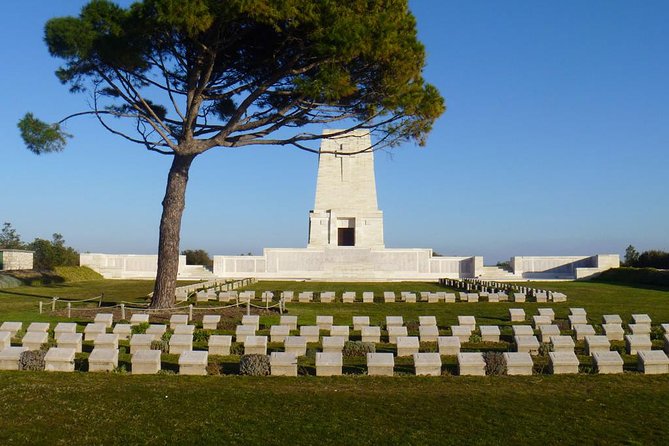
This is the kind of trip where the day starts before your coffee kicks in. Pickup runs between 6:15 a.m. and 6:45 a.m., and the exact time depends on where your hotel sits in Istanbul. If you’re in the Sultanahmet/Old City or Taksim area, pickup is included; otherwise, you’ll meet at Sultan Hostel & Guesthouse near Cankurtaran (not far from the historical core).
You travel in a fully air-conditioned, non-smoking vehicle. The group size tops out at 20 travelers, which matters on a day like this—fewer people means you spend less time waiting at gates and more time at graves and memorials. The route follows Turkey’s European edge south toward the peninsula, and you’re also given a short break for breakfast (own expense) in the Tekirdağ area to stretch your legs.
A practical heads-up: this is a long day with a long drive each way. Some schedules return around late evening; on heavy-travel days, delays can stretch well past what you’d hope for. If you’re sensitive to late arrivals, build extra patience into your plan and keep your evening free.
You can also read our reviews of more tours and experiences in Istanbul


ANZAC Cove and Lone Pine: the emotional spine of the peninsula
Once you reach Gallipoli, the tour’s structure becomes clear: it leads with the places that shaped the campaign’s public memory. You’ll hop off the coach at ANZAC Cove, where the guide explains how the first landing unfolded and why these headlands became so symbolic. This stop isn’t just a photo stop. You’ll have time to wander and take in the coastline, and the guide’s job is to help you picture the terrain as it would have looked in 1915.
Next comes Lone Pine, Australia’s key memorial site here. The memorial is named for a single pine tree that lived in the area, and it’s a powerful way to understand how one location can become a shorthand for thousands of lives lost. You’ll also get to see the names of 5,000 soldiers resting there after dying in battle—this is the part of the day where reading is half the experience. If you like meaning and not just monuments, plan to slow down.
Two things help at stops like these. First, pace yourself—memorials can feel repetitive if you rush. Second, give yourself a moment to step back and actually look at the setting before focusing on plaques and lists. The scenery is part of why the history lands so sharply.
The Nek and the trenches: how the fighting story changes when you walk it
After the big-name memorials, the tour turns toward the gritty reality of the campaign: positions, trenches, and the “in-between” spaces where survival depended on small advantages. At The Nek, you’ll hear about the war-torn trenches and how soldiers attacked from hiding places in nearby forests. It’s not romantic. It’s tactical, and the terrain explains why.
Then you’ll visit Johnston’s Jolly, with stops that include original Allied and Turkish trenches and tunnels. This is one of those places where you can’t fully understand from a book. Walking through or near the trench lines (and seeing the layout) helps you grasp how close the sides were—and how hard it was for either side to gain lasting control.
The best guides for this part of the day don’t just recite dates. They help you connect the maps in your head to what you’re seeing around you. Several guides on this route are praised for using period photos and even letters from the time to make the narrative feel grounded. If that’s your style, you’re in the right place.
One practical drawback: this segment can involve more walking than you expect on a “day trip.” Wear shoes you trust on uneven ground, and don’t plan to do this part with minimal stamina.
Chunuk Bair and the New Zealand story: capturing a hill, losing control
The tour continues with Chunuk Bair, and it treats the site with the right kind of careful framing. You’ll learn how the Allies were able to capture the position but couldn’t defend it. That detail matters because it shifts Gallipoli from a simple “landing and battle” story into a struggle over control—over heights, access routes, and staying power.
You’ll also observe memorials tied to the New Zealanders who fought until the end. This is where the day’s focus becomes more than ANZAC branding. It becomes an explanation of how different units experienced the same campaign in different ways, and why particular places earned lasting national remembrance.
If you’re the type who wants context (not just “what happened here”), this is a strong stretch of the tour. Guides often tie the fighting to the landscape so you understand why these hills became so important. Take your time. Even if you’ve read about Gallipoli before, you’ll likely notice how your mental map changes after standing here.
Cemeteries, beach sites, and Turkish memorials: what you see when you look past the headlines
A good Gallipoli day trip balances the famous names with the quieter ground that holds the same weight. You’ll stop at Burnu Cemetery, honoring 252 servicemen buried there. A cemetery stop like this is simple, but it’s rarely simple emotionally—especially if you have any family connection or even a general interest in how war casualties are remembered.
You’ll also pass by or visit several beach-related locations, including Brighton Beach, Beach Cemetery, and Ari Burnu Cemetery. These stops help explain how the coastline shaped both the initial landings and the long grind that followed. Some of these points are best experienced by looking first, reading second, and then letting the guide connect the dots.
Don’t skip the Turkish memorial moments, either. The itinerary includes the 57th Regiment Turkish Memorial, which gives you an essential reminder: this campaign wasn’t only seen through Allied eyes. Seeing the Ottoman perspective laid into the route is part of what makes the day feel balanced rather than one-note.





Lunch at Savod and break strategy: how to keep your energy up
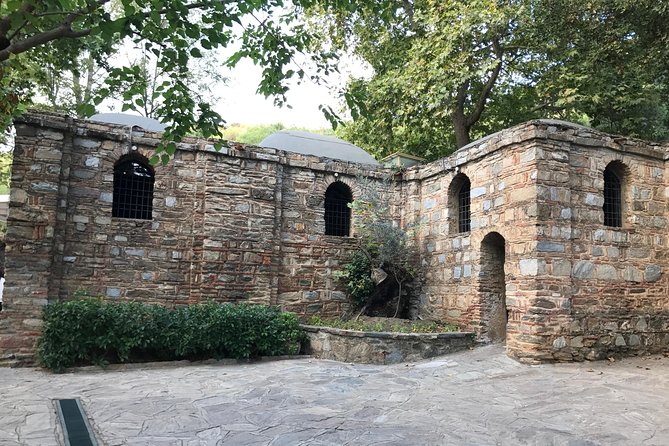
The tour includes a restaurant lunch in the nearby town (labeled Savod in the tour description). This is a real value add because your day includes a breakfast stop that’s not included and a bunch of sites spread across the peninsula. Without a planned lunch, you’d spend precious time searching for food—or eating something that doesn’t sit well on a long bus ride.
That said, the day still runs long. One person’s “adequate lunch” can be another person’s “I needed better fuel,” so I treat lunch as a minimum. If you’re the kind who gets cranky late in the day, consider bringing a small snack for the coach (as long as it doesn’t violate any group rules). Also, plan to use restroom stops during coach breaks, not after you’re already settled back on the road.
Time management is another hidden feature here. You get a morning start, enough site time to walk around, and then a return trip that lines up with the long-distance travel. You won’t feel like you’ve been dropped at one place with a vague pick-up time—this trip keeps moving.
Price of $240.15: is it value or just the price of emotion?

At $240.15 per person, this isn’t a cheap outing. The value argument is mostly practical, not sentimental.
Here’s what that price is covering in a way a DIY plan struggles to match:
- Pickup and drop-off in Istanbul (or at least in the Old City pickup zone)
- Air-conditioned transportation for roughly a full day
- A professional English-speaking guide throughout the tour
- Entrance fees for the memorial sites
- Lunch included
If you tried to copy this yourself, you’d still pay for gas, parking, and tickets—and you’d lose the guided context that explains what you’re looking at. In Gallipoli, the terrain and memorial language are the story. Paying for a guide can be the difference between scanning plaques and actually understanding the campaign’s logic.
Two pricing cautions, though. First, tips aren’t fully covered—tips except driver and guide are included, so you’ll still want to budget for those. Second, the day is long enough that you need to be comfortable paying for time-saving logistics, not just sightseeing.
Guide quality is the difference-maker: Burak, Ercan Yavuz, Ikut, Alp, and John
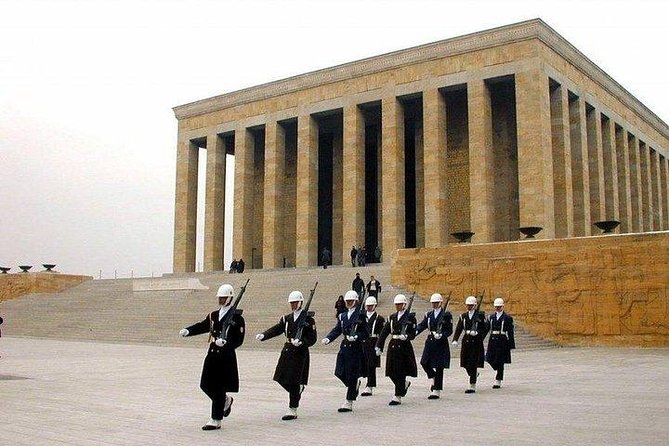
One recurring theme in experiences on this route is the guide’s role as translator of chaos into clarity. Several guides named in experiences include Burak, Ercan Yavuz, Alp, Ikut, and John—and the strongest moments tend to be when guides don’t just list facts, but explain how and why people fought here.
For example, Burak is praised for challenging assumed knowledge and using supporting materials like photos and letters tied to the time of the campaign. Ercan Yavuz is described as able to pack in a lot of context while keeping it coherent, even when the day feels like it could fill five days. Ikut is called out for deep command and turning a personal visit (like a family grave) into a broader understanding of the lead-up and aftermath. Others are noted for humor and for using Australian slang comfortably, which can make heavy material easier to handle.
There is one caution to keep in mind: the guide’s English delivery can matter. Some experiences report that English quality can be a weak link, with one person saying it affected comprehension. If you’re picky about how someone explains history and you want Q&A to land cleanly, plan to lean on the site signage too, since it’s available.
Who should book this Gallipoli day trip, and who should consider something else
This tour fits best if you:
- Want a one-day overview of the Gallipoli peninsula’s core WWI sites
- Care about ANZAC history but also want Turkish remembrance included
- Prefer structured timing with transport and entry fees handled
- Are comfortable with a long day of coach travel
It may also work for families, since at least one experience notes that a 10-year-old did well with the pace. But I’d still be honest: you’re on the road early and walking around memorial areas, so bring realistic expectations about attention span.
If you’re someone who needs more time at each site to read everything slowly, you might feel rushed in a one-day format. And if late-night returns would ruin your plans, then this is not the trip for tightly scheduled evenings.
Practical tips so you enjoy the day instead of just surviving it
- Start by choosing shoes for memorial walking, not city sightseeing. You’ll cover multiple areas and want traction.
- Bring a light layer even in summer. Coastal conditions can shift, and early morning starts can feel cooler than midday.
- Keep a charger handy for your phone. You’re using a mobile ticket, and you’ll likely want photos and maps.
- If you have family names tied to a grave, decide ahead of time where you want to go (like Lone Pine). That helps you feel less frantic once you’re there.
- Use the guide. Don’t just watch the coach windows. Ask about terrain, not only battle dates, because the guide’s job is to connect ground to story.
Should you book this Gallipoli day trip?
I’d book it if you want an efficiently organized, English-guided day that hits the major ANZAC and Turkish remembrance points without forcing you to plan transport and tickets yourself. The included lunch and entrance fees do real work here, and the small-group size helps the day feel controlled even though you’re covering a lot.
Skip or think twice if you’re highly sensitive to long travel days, need a late-night return with certainty, or want the freedom to spend hours at just one cemetery. Also, if your enjoyment depends on precise English delivery and interactive explanations, consider that guide quality can vary—then plan to use the memorial signage as your backup.
FAQ
How long is the Gallipoli day trip from Istanbul?
The tour runs about 14 hours. Pickup starts around 6:15 a.m. to 6:45 a.m., and you return to Istanbul in the evening.
Where does pickup happen?
Pickup is available from hotels in Sultanahmet (Old City) or Taksim. If you’re not in those zones, you’ll meet at Sultan Hostel & Guesthouse near Cankurtaran.
What’s included in the $240.15 price?
You get a professional English-speaking guide, air-conditioned non-smoking transportation, pickup and drop-off, entrance fees, and lunch. Tips for the driver and guide are not included.
Is breakfast included?
No. There’s a breakfast break stop in the Tekirdağ area, but breakfast is own expense.
How many WWI sites are visited?
The day is designed to cover nine different WWI sites across the Gallipoli peninsula, including places like ANZAC Cove, Lone Pine, Chunuk Bair, The Nek, and multiple cemeteries and trench areas.
What happens if the tour is canceled?
The experience is non-refundable and can’t be changed. If it’s canceled due to poor weather, you’re offered a different date or a full refund. If the minimum number of travelers isn’t met, you’re offered a different date/experience or a full refund.