REVIEW · ISTANBUL
Full-day Gallipoli Tour
Book on GetYourGuide →Operated by Neon Tours · Bookable on GetYourGuide
Gallipoli hits fast—and stays. This full-day tour gives you a guided walk through key World War I sites, with spot-on hotel pickup and a strong English guide who explains what happened beyond the movie version. I especially liked how the day connects the April 1915 landings to the later turning point in December. One thing to plan for: it’s a long 16-hour day, and the return can run late if traffic piles up.
You’ll be in a small group (limited to 14) with an air-conditioned vehicle, and you’ll cover the main places most first-timers only glimpse from afar. Expect stops at Anzac Cove, Brighton Beach, Lone Pine Ridge, and the Gabatepe Museum, where you can see campaign relics up close. If you prefer slow travel or minimal walking, this may feel like a lot of emotional ground in one day.
In This Review
- Quick hits before you go
- A 16-hour Gallipoli day that actually makes sense
- Hotel pickup from Sultanahmet: easy start, early feel
- Driving through Turkey to the Gallipoli Peninsula
- Anzac Cove: the landing that changed everything
- Brighton Beach: seeing the next step of the beachhead story
- Lone Pine Ridge and the Gallipoli film connection
- Gabatepe Museum: relics that make the campaign tangible
- The campaign timeline your guide will keep you focused on
- Price and value: what you’re really paying for at $185
- Timing tip: lunch length and the late return to Istanbul
- Who this tour suits best (and who should skip it)
- Should you book this full-day Gallipoli tour?
- FAQ
- How long is the full-day Gallipoli tour?
- Where does pickup happen?
- Is the tour in English?
- How large is the group?
- What stops are included during the day?
- What’s included in the price?
- Are beverages included?
- Are there any dates when the tour doesn’t run?
- What if I need to cancel?
Quick hits before you go
- Small group (14 max): easier questions and a calmer pace.
- Hotel pickup from Sultanahmet: convenient start, especially if you’re staying in the Old City.
- Anzac Cove + Brighton Beach: the early landings and the high cost of first decisions.
- Lone Pine Ridge: the film Gallipoli connection, plus the real stories tied to the ridge.
- Gabatepe Museum relics: weapons, ammunition, photographs, and private soldier items.
- Lunch included: helpful fuel for a day that stretches to 16 hours.
A 16-hour Gallipoli day that actually makes sense
This is built as a full-day, coast-to-coast kind of history outing—meaning you’re not just “seeing views.” The goal is to connect the sequence of events: Allied plans in spring 1915, the brutal landings, then the eventual evacuation later that year. You’ll move site to site long enough to build a real timeline in your head.
It also helps that you’re not navigating alone. You’ll have a guide, a driver, and an air-conditioned vehicle doing the heavy lifting between sites. The value here is time: Gallipoli can be confusing if you’re trying to piece it together on your own from scattered locations.
The emotional weight is real. So yes, this feels like more than a sightseeing tour. It’s also structured, with stops that let the story land clearly instead of turning into a pile of names.
You can also read our reviews of more tours and experiences in Istanbul
Hotel pickup from Sultanahmet: easy start, early feel
Your day begins with hotel pickup from centrally located hotels in the Sultanahmet area (Old City). Pickup time can vary based on where your hotel is, but the important thing is that you don’t have to arrange transport or meet at some remote spot.
You should also factor that this is an early start. The tour runs 16 hours, so even if you’re comfortable with day trips, you’re still committing to a long stretch. Bring something for the ride (water, a light snack if you’re the type who gets hungry before lunch), and consider how you’ll handle timing if your hotel doesn’t have easy early breakfast options.
From a practical standpoint, the ride quality matters. One of the best parts of this experience is how smooth the logistics feel once the pickup happens—spot-on timing and a good driver make a huge difference when you’re headed somewhere this emotionally intense.
Driving through Turkey to the Gallipoli Peninsula
Between stops, you’ll drive through the Turkish countryside. It’s not just filler time. That stretch is useful: it gives you space to settle in, review what you’re about to see, and shift from Istanbul city rhythms into peninsula history mode.
Because it’s a small group, you’ll also get a little more continuity. You’re not constantly waiting while the bus figures out where everyone is. The vehicle stays together and you keep moving, which helps the day feel like one coherent storyline.
If you’re prone to getting motion-sick, plan as you would for any long coach ride. The tour provides air-conditioned comfort, but it can’t change the fact that you’re spending hours on the road.
Anzac Cove: the landing that changed everything
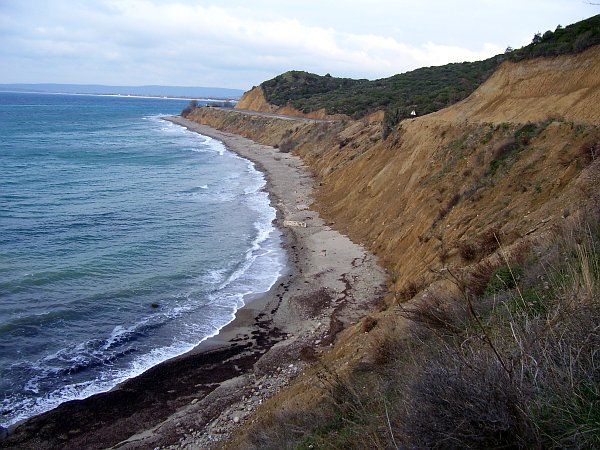
This is the first major focal point: Anzac Cove, where Allied forces made their initial beach landing. Here’s the core idea your guide will keep in the foreground: this landing was a strategic error, and the cost was enormous.
You’ll be standing at the start of a campaign that could have looked different on paper. The guide’s job is to show how decisions, terrain, timing, and resistance collided into something devastating. The emotional punch comes from understanding that this wasn’t some random disaster. It was the outcome of choices made under pressure.
If you know the movie version of Gallipoli, you’ll likely recognize locations and names—but this tour is designed to anchor you in what actually happened. One of the highest praises for the tour is how the guide connects the dots and helps you see beyond the film framing.
Practical tip: take a minute to look around before focusing on the story. When you understand the coastline and the vantage points, the narrative clicks faster. Your photos will also come out better because you’ll know what you’re actually photographing.
Brighton Beach: seeing the next step of the beachhead story
After Anzac Cove, you’ll explore the Allied landing sites, including Brighton Beach. This stop matters because it broadens the picture: you’re not stuck on one famous cove. Instead, you’re tracing how the early landings unfolded across the peninsula.
This is where the guide’s explanation becomes extra valuable. The early phases of Gallipoli are easy to reduce to one famous date, but the reality is more layered. The more your guide explains the mechanics of the landing strategy, the more you’ll understand why those first days were so hard to escape.
If you like your history with location-based clarity, you’ll appreciate this part. The sites are close enough to connect, but distinct enough to avoid the feeling that you’re repeating the same spot over and over.



Lone Pine Ridge and the Gallipoli film connection
Then comes Lone Pine Ridge, a name that carries weight for both military history and popular culture. You’ll hear about it in connection with the movie Gallipoli (Mel Gibson’s film) and, just as importantly, in connection with Australian soldiers who lost their lives there.
What makes this stop powerful is that the story gets personal without turning sentimental. You’re shown why the ridge mattered and how holding (or failing to hold) ground shaped the fighting. The ridge becomes more than a name on a map.
It also gives your brain a milestone. After Anzac Cove and Brighton Beach, Lone Pine Ridge helps you shift from “landing” to “fighting over ground.” That’s a big conceptual step, and this tour gives you that step in a way that feels logical.
Practical tip: wear shoes you can stand in for a while. This is not a drive-by stop where you hop out for five minutes and back on the bus. You’ll want comfortable footwear so you can focus on the story instead of your feet.
Gabatepe Museum: relics that make the campaign tangible
The Gabatepe Museum is where the day gets especially real. It’s not just panels and dates. You’ll have the chance to see campaign relics, including weapons, ammunition, photographs, and private items connected to soldiers.
This stop helps if you ever feel like war history stays too abstract. When you see everyday fragments—personal belongings among the artifacts—your understanding shifts from events as headlines to people as individuals.
The museum also acts like a reset. After moving outdoors through multiple sites, the indoor time gives your mind a place to regroup and process what you’ve seen. Your guide can likely tie museum objects to the wider campaign arc, including the idea of how conditions changed by late 1915.
If you’re short on time, this museum is still worth it because it gives you meaning. You don’t just leave with photos of terrain; you leave with images and objects that support the story you heard outside.
The campaign timeline your guide will keep you focused on
You’ll hear the key framework clearly: the battle began on 25 April 1915. The Allies attempted to take the Gallipoli Peninsula to gain safe access to Constantinople, which is today’s Istanbul. The logic was strategic—if Istanbul fell, Turkey could potentially be knocked out of the war, helping Russia against the Central Powers (Germany and the Austro-Hungarian Empire).
As the day moves, the story doesn’t stop at the first landings. You’ll connect the dots to the later turning point: in December 1915, the Allies were forced to evacuate after thousands of soldiers—British, Australians, New Zealanders, and Turkish—had lost their lives.
What I like about this kind of guided sequence is that it prevents the “checklist tour” problem. You’re not just ticking off sites. You’re learning why each site fits into the campaign as a whole.
The result is that the peninsula stops feeling like a set of beach names. It feels like a campaign with causes, failures, and consequences.
Price and value: what you’re really paying for at $185
At $185 per person for about 16 hours, this isn’t a cheap day trip. But the price starts making sense when you look at what’s included and what it saves you.
You’re getting:
- Hotel pickup and drop-off (from Sultanahmet hotels)
- An air-conditioned vehicle with a professional driver
- Entrance fees
- A live English-speaking guide
- Lunch
In practice, that means you’re paying for time, guidance, and logistics. Gallipoli isn’t just about getting somewhere—it’s about understanding what you’re seeing once you arrive. A good guide can turn a drive into a story that sticks.
Is it still a long day? Yes. Is lunch included? Yes. Are beverages included? No—so budget for drinks on your own.
If you’re traveling solo and thinking about DIY, costs can rise fast once you factor in transport, entry, and the reality that you’ll still need interpretation. For most first-timers, a structured tour like this is the simpler, often better-value choice.
Timing tip: lunch length and the late return to Istanbul
Here’s the practical consideration that matters most: the full-day schedule can push you into late evening return. One experience note that’s worth taking seriously is that getting back around 10:30 can feel like a chore, especially after an intense day of walking and museum time.
Traffic can be the culprit. On the return route, the port area can get clogged when dinner cruises are running. That kind of traffic can eat into your buffer without warning.
If you want to protect your evening, this is the smart move: shorten lunch when possible. A shorter lunch window (think 30–45 minutes) can help you depart Gallipoli earlier and reduce your chance of getting stuck in the worst traffic waves.
Also plan your day around the tour. Don’t book a tight dinner reservation right after pickup time. Instead, assume you’ll be tired and hungry when you return.
Who this tour suits best (and who should skip it)
This is a strong match for:
- First-timers to Gallipoli who want the story told in order
- People interested in World War I and the April–December 1915 arc
- Travelers who value a guide’s interpretation, not just photos
- Small-group seekers who like a calmer pace (max 14)
It may not be your best fit if:
- You dislike long days and late returns
- You need frequent breaks and a slower tempo
- You want a light, casual outing rather than an emotionally heavy historical day
If you’re in the “I can handle it” category, you’ll likely feel satisfied because you cover the major sites without having to plan or connect scattered locations yourself.
Should you book this full-day Gallipoli tour?
I’d book it if you want a guided Gallipoli day that connects the dots: Anzac Cove and Brighton Beach for the landing story, Lone Pine Ridge for the fighting over ground, and the Gabatepe Museum for tangible relics like weapons, ammunition, photographs, and personal items. The small-group size and English guide help make the day feel focused instead of rushed noise.
I’d think twice if you’re sensitive to long schedules. The 16-hour duration and the possibility of a late 10:30 return mean this is more commitment than typical sightseeing.
If you decide to go, do yourself a favor: plan a relaxed evening after you return, and aim for a shorter lunch if that option is available to your group. That one choice can make the difference between arriving home drained versus arriving home miserable.
FAQ
How long is the full-day Gallipoli tour?
The duration is 16 hours.
Where does pickup happen?
Pickup is included from centrally located hotels in the Sultanahmet area (Old City). Pickup time depends on your hotel location.
Is the tour in English?
Yes. The tour guide speaks English.
How large is the group?
The group is limited to 14 participants.
What stops are included during the day?
You’ll visit major Gallipoli Campaign sites, including Anzac Cove, Brighton Beach, Lone Pine Ridge, and the Gabatepe Museum.
What’s included in the price?
Included are hotel pickup and drop-off, entrance fees, a guide with an air-conditioned vehicle, and lunch.
Are beverages included?
No. Beverages are not included.
Are there any dates when the tour doesn’t run?
There are no departures between 22–26 April.
What if I need to cancel?
You can cancel up to 24 hours in advance for a full refund.