REVIEW · ISTANBUL
From Istanbul: Best of Turkey 8 Days, 7 Nights Guided Tour
Book on GetYourGuide →Operated by Ephesus Shuttle Private and Small group · Bookable on GetYourGuide
Eight days, five regions, zero guessing. You’ll get a tightly run Turkey sampler that moves from Istanbul’s big-ticket monuments to Cappadocia’s fairy-tale rock formations, with guided stops built around what’s most worth your time. I especially like how the itinerary strings together day-by-day momentum without leaving you to figure out transfers between cities.
What I also like is the practical balance: pro guidance, entry fees handled, and multi-night stays that let you experience places at more than one time of day—especially with cave-style lodging in Cappadocia. One thing to consider: this trip involves walking, and St. Sophia’s in-building experience changes—live guiding isn’t allowed, so you’ll follow signs and use a smartphone/headphone setup (headphones can be bought on site), plus the tour isn’t suitable for heart problems or wheelchair users.
In This Review
- Key things you’ll notice right away
- The value behind the $1,579-per-person price tag
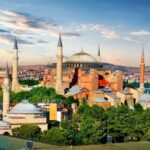
- Istanbul in one guided sweep: Topkapi, Blue Mosque, Hagia Sophia, Grand Bazaar
- Topkapi Palace: where Ottoman power feels real
- Blue Mosque and Hippodrome: the city’s visual grammar
- Hagia Sophia rule change: plan for the smart phone/headphone setup
- Cappadocia flight + cave hotel magic: valleys, fairy chimneys, and an underground stop
- Three Sisters and valley views: why this place feels unreal
- Underground city: the cool-down layer of history
- Cave hotel night: sleeping inside the story
- Devrent Valley, Avanos pottery, and Göreme Open Air Museum
- Konya and Mevlana: the Whirling Dervishes’ home base
- Pamukkale’s thermal hotel + Hierapolis ruins and White Terraces
- Hierapolis and the White Terraces: ancient Greek city meets calcium wonder
- Kusadasi and Ephesus by flight: Artemis Temple, Library of Celsus, and House of the Virgin Mary
- House of the Virgin Mary: a calm counterpoint
- How the reverse itinerary works (and why it can matter)
- Guides who keep things moving (and fix problems fast)
- What to pack and how to pace yourself
- Should you book this Turkey highlights loop?
- FAQ
- What’s included in the tour price?
- Are domestic flights included?
- What meals are included, and what’s not?
- Can the itinerary run in reverse?
- What’s the deal with St. Sophia during the tour?
- When does the Istanbul portion happen for Saturday arrivals?
- Is this tour suitable for everyone?
Key things you’ll notice right away
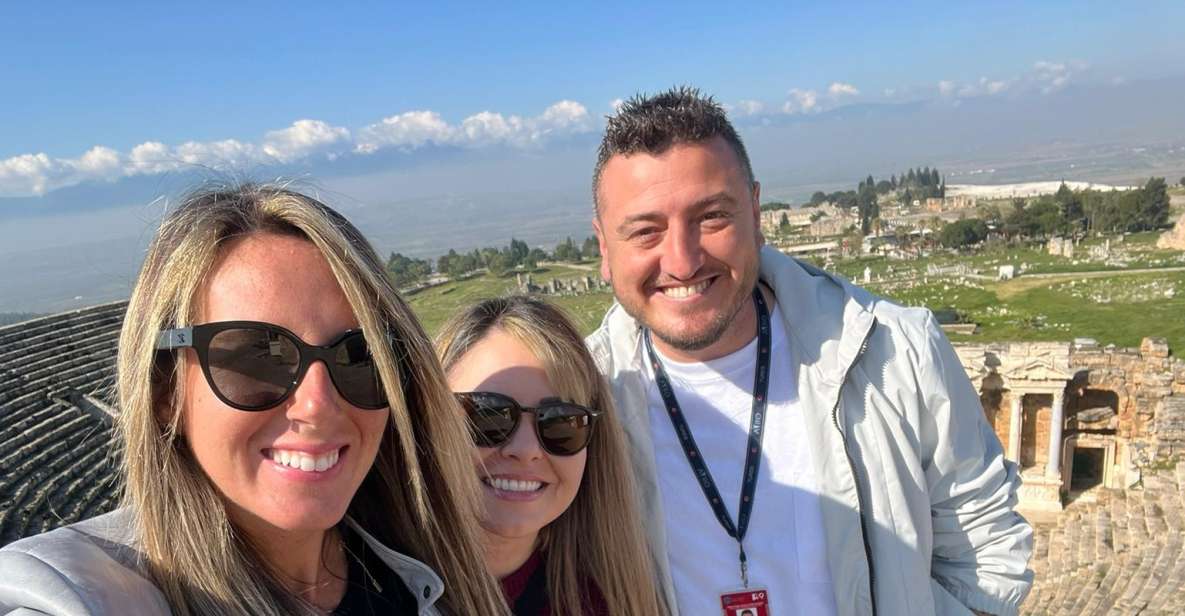
- Licensed, English-language guidance across most major stops (with a special rule for St. Sophia)
- Domestic flights included for the two big jumps: Istanbul to Cappadocia, and Izmir to Istanbul after Ephesus
- Cave hotel nights in Cappadocia plus a thermal-hotel stay in Pamukkale
- Major monuments with included entry fees, not just photo stops
- Responsive logistics, including real problem-solving if something goes wrong (like passport emergencies)
The value behind the $1,579-per-person price tag
For $1,579 per person (8 days / 7 nights), you’re paying for far more than sightseeing. The big value isn’t just the guide—it’s the combination of domestic flights, hotel nights, transport, and entry fees bundled into one program. That matters because Turkey distances can be deceptive: once you factor in flight timing, airport transfers, and ticket queues, the “cheap” DIY version often costs you time (and energy) you’ll never get back.
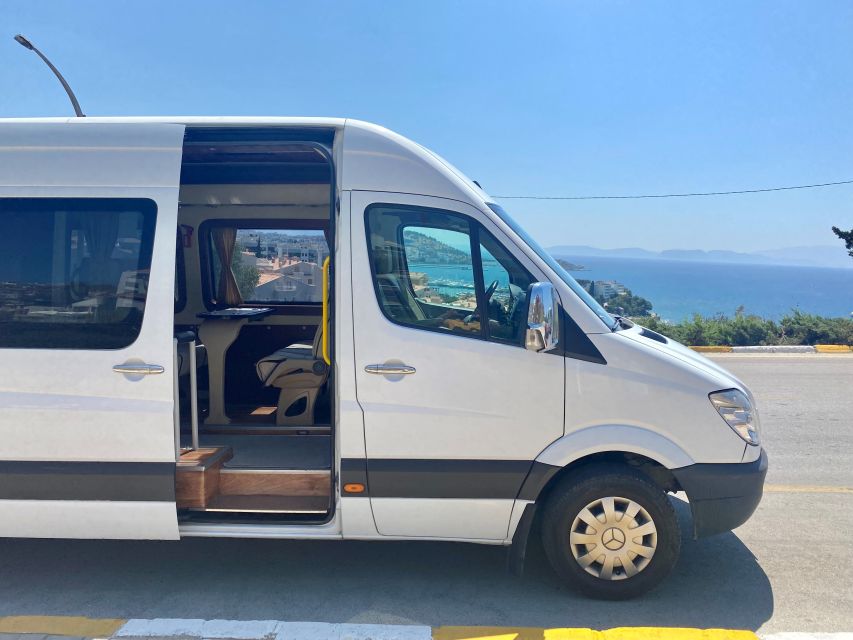
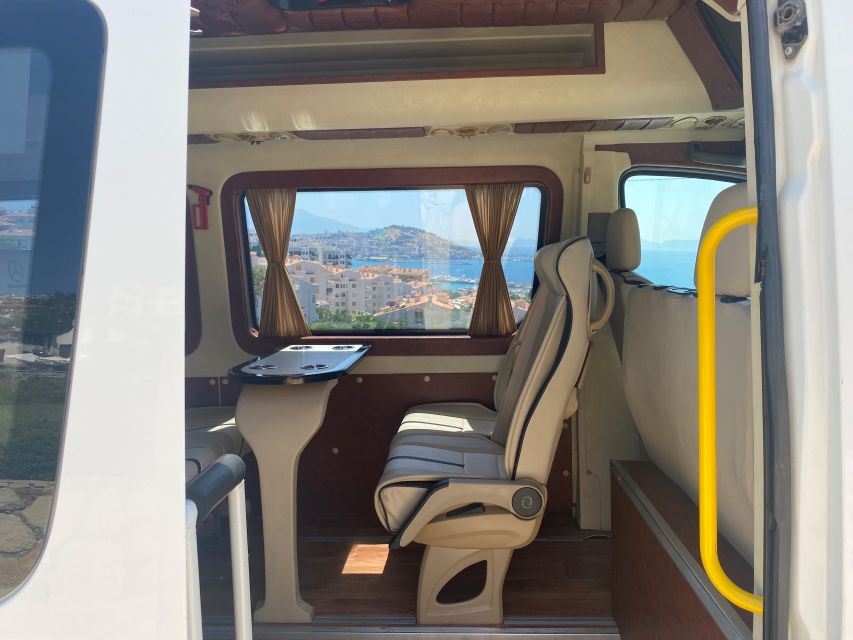
Here’s what the package covers: 7-night accommodation (boutique hotels in Istanbul, cave hotel in Cappadocia, 4-star-style thermal hotels in Pamukkale, and a Kusadasi stay), a licensed guide, an air-conditioned minivan with driver for ground days, 7 breakfasts and 2 dinners, plus entry fees. What’s not included is also clear—lunches and most meals in Istanbul and Cappadocia, plus drinks, personal expenses, visa fees, and travel insurance.
If you want the “I don’t want to plan” comfort factor, this is the sort of itinerary that actually earns its keep—because the route connects Istanbul, Cappadocia, Konya, Pamukkale, and Ephesus in a way that would be a headache to assemble smoothly on your own.
You can also read our reviews of more guided tours in Istanbul
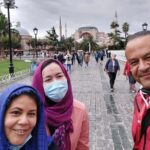

Istanbul in one guided sweep: Topkapi, Blue Mosque, Hagia Sophia, Grand Bazaar
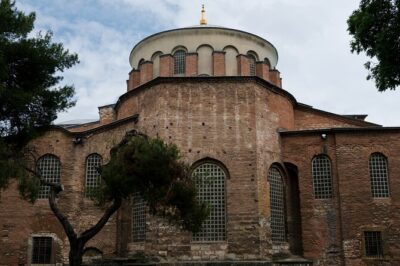
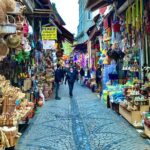
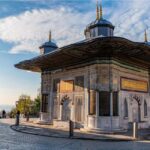
Your tour starts with pickup from Istanbul Airport (IST) or Sabiha Gokcen Airport (SAW), then a transfer to your hotel. The next day is your full-day Istanbul highlight run with a guided approach that hits the landmarks most people come for: Topkapi Palace, Hagia Sophia, the Blue Mosque, and the Hippodrome. You’ll also have time for Grand Bazaar shopping, which is useful because it gives you a controlled window to buy souvenirs without spending your whole day lost in side streets.
Topkapi Palace: where Ottoman power feels real
Topkapi isn’t just impressive because it’s old. It’s impressive because it’s a whole system—courts, treasures, and the practical machinery of how the empire worked. Even if you’ve read about the Ottomans before, this is where the details start making sense as you move through the complex.
Practical tip: wear shoes that forgive long indoor/outdoor walking. Palace days tend to stack up step counts fast.
Blue Mosque and Hippodrome: the city’s visual grammar
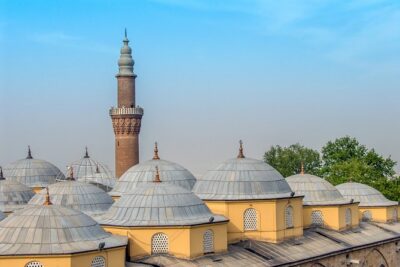
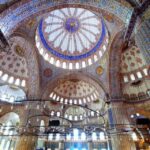
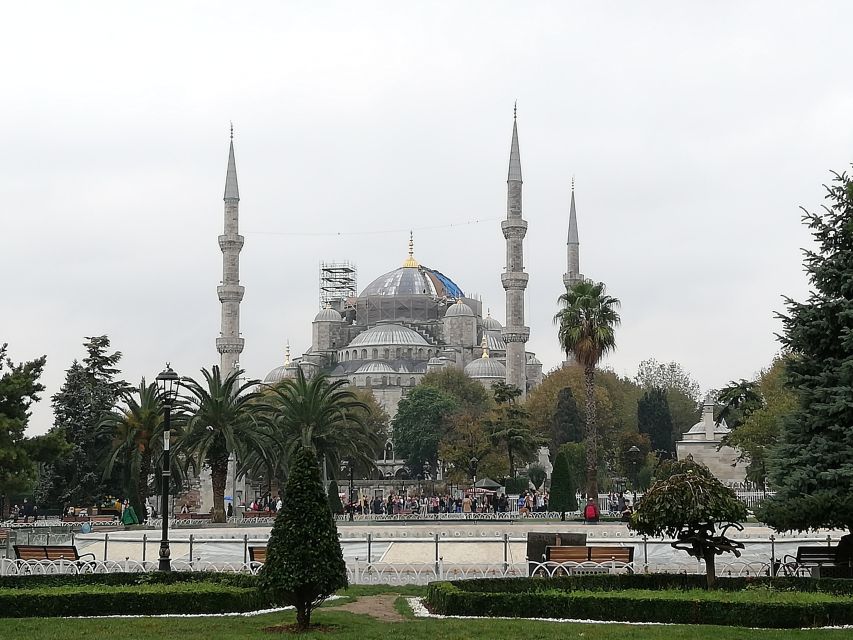
The Blue Mosque is iconic for a reason: it’s a feast for the eye and a quick way to understand Istanbul’s mix of cultures across centuries. The Hippodrome stop helps you place these landmarks in an earlier layer of the city—the area once shaped public life in a very different way.
Hagia Sophia rule change: plan for the smart phone/headphone setup
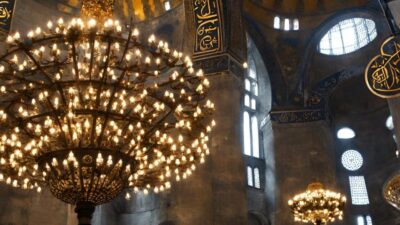
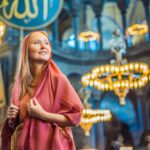
There’s an important update for St. Sophia (Hagia Sophia): live guiding isn’t allowed anymore inside. You’ll follow the experience with signs and a smartphone/headphone system. Headphones can be purchased on site for $3.5, and the experience is similar to an audio guide. If you don’t have a smartphone, you’ll still be able to follow the signs and provided information—but it’s more “self-guided” than the rest of the day.
That’s the main drawback of this Istanbul day: your guide can’t talk you through the interior in the same way. On the plus side, you still get the structure and timing of a guided day, so you’re not standing around wondering what you’re looking at.

Cappadocia flight + cave hotel magic: valleys, fairy chimneys, and an underground stop
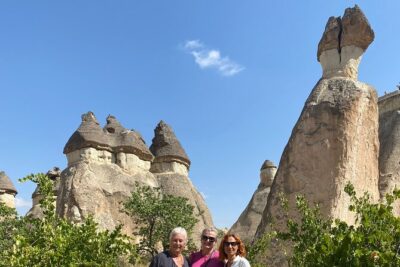
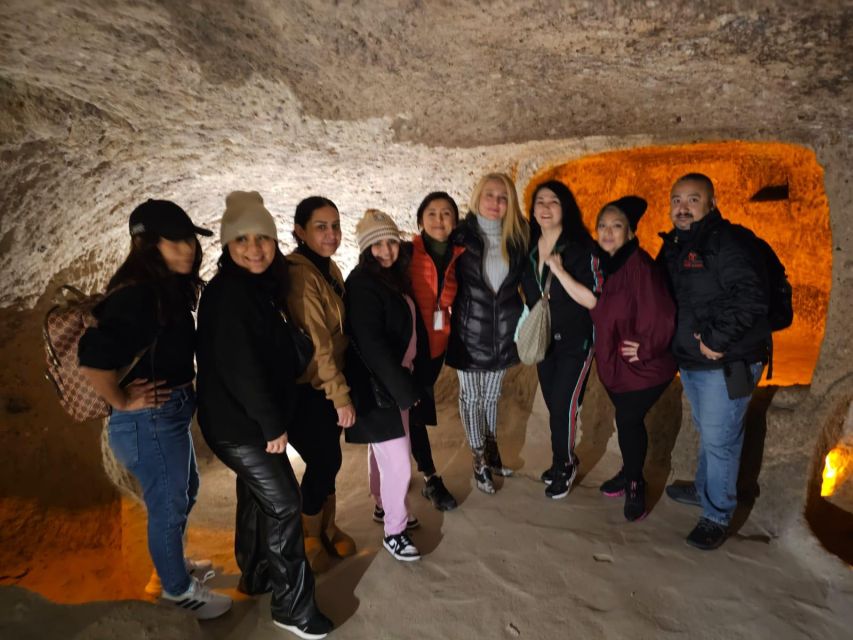
After an early transfer to the airport, you fly to Cappadocia, then head to your hotel. This is where the tour shifts gears—less city, more geology. Your first Cappadocia day is packed but paced around “signature” sights: the Three Sisters Fairy Chimneys in Ürgüp, the Özkonak Underground City, and Uçhisar Rock Castle for valley views.
Three Sisters and valley views: why this place feels unreal
The fairy chimneys are the image people associate with Cappadocia, but the tour does a smart thing: it gives you viewpoints where the scale finally registers. Standing above or around the rock formations helps you understand how the valleys work and why the region became a kind of natural shelter for communities over time.
Underground city: the cool-down layer of history
You’ll descend into the Özkonak Underground City, which provides an entirely different feel from the bright valley scenery. It’s a good contrast stop because it breaks the “pretty rocks” theme and gives you something more hands-on and grounded.
Practical tip: underground spaces can feel cooler and sometimes tighter. Comfortable layers and closed-toe shoes help.
Cave hotel night: sleeping inside the story
You’ll stay in a cave hotel, with options like Melekler Evi, Zeydem Suites, or Fresco Konakları (or similar). Cave-style lodging is one of the most memorable parts of the whole itinerary, not because it’s flashy, but because it makes Cappadocia feel like it’s part of your daily routine, not just a day trip.
Devrent Valley, Avanos pottery, and Göreme Open Air Museum
Your full-day Cappadocia tour leans into variety: shapes, craft, and heritage.
You’ll start with the Devrent Valley, known for its rock formations that can look like animals and figures depending on where you stand. Then you’ll head to Avanos, a center of terracotta artwork with roots that go back to long-ago craft traditions (the itinerary notes production since 3000 BC). You’ll watch a demonstration in a traditional pottery workshop, which is one of the more useful stops on a sightseeing-heavy trip—because you see the process, not just the product.
In the afternoon, you visit the Göreme Open Air Museum, where the rock-cut churches and dwellings give you a clearer sense of how people lived within this landscape.
Practical tip: this is another walking-heavy day. Bring comfortable shoes and plan to take breaks when you need them.
Konya and Mevlana: the Whirling Dervishes’ home base
From Cappadocia you travel toward Konya, with a stop at the Mausoleum of Mevlana (home of the mystic). This day is the bridge between “Cappadocia’s magic rocks” and “Pamukkale’s thermal beauty,” and it’s also the cultural change in tempo.
Konya is a meaningful stop because it shifts the story from physical wonder to spiritual and cultural identity. Even if you’re not planning to attend a whirling performance, visiting Mevlana’s site helps explain why the region’s religious traditions became world-famous.
Pamukkale’s thermal hotel + Hierapolis ruins and White Terraces
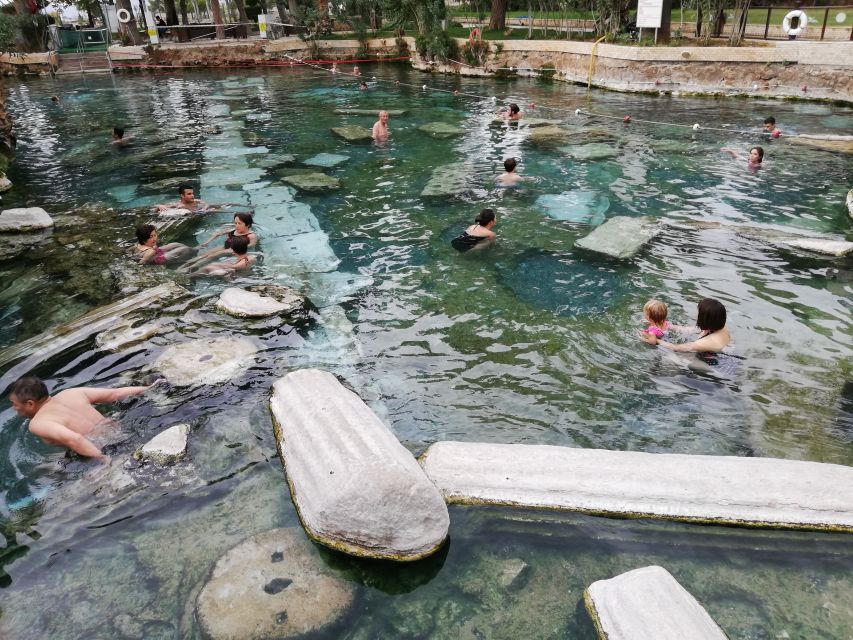
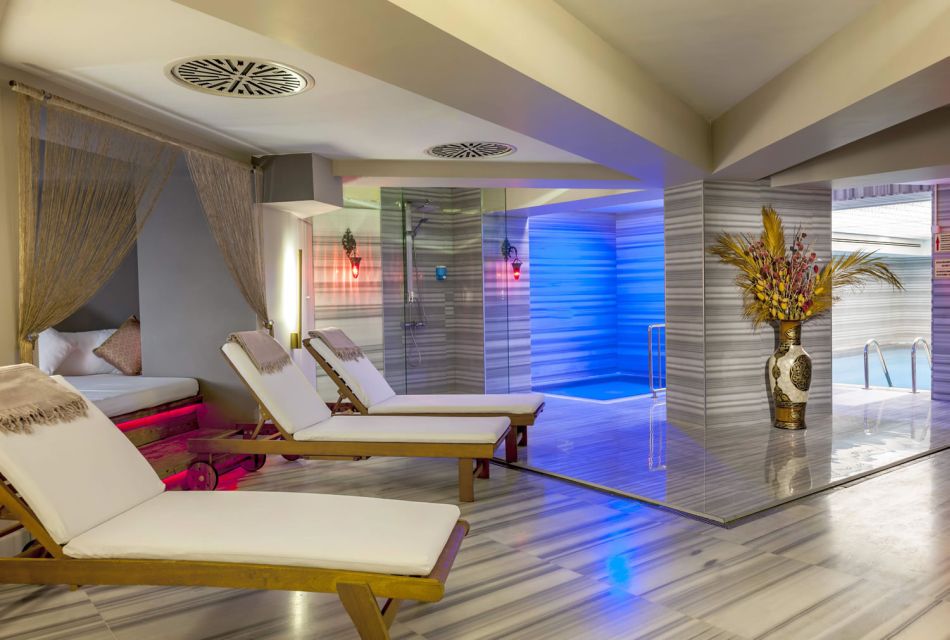
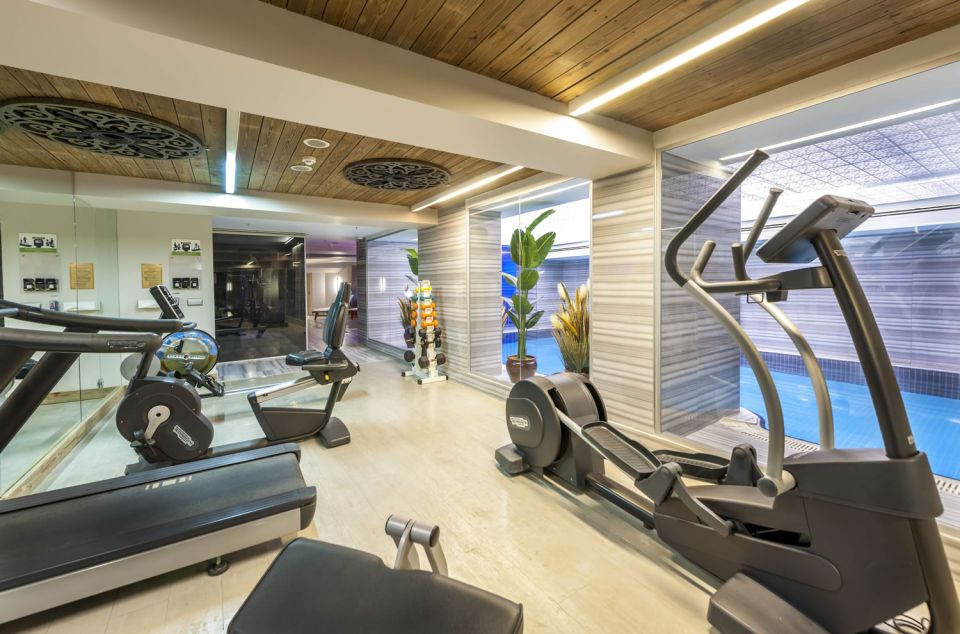
Then comes Pamukkale, and this is the part of the trip that rewards you for staying overnight. You drive early, continue to Konya, and then arrive in Pamukkale for dinner and an overnight stay at a thermal hotel. The itinerary specifically includes time to enjoy the hotel’s rejuvenating thermal pools, and you’ll also have a chance to swim (bring a swimming suit).
Hotels named in the options include Colossae Thermal or Pam Thermal Hotel (or similar). Thermal pool time is more than a perk. It’s one of the easiest ways to recover after days of sightseeing and walking—your body gets a break, and you’re still in a place that feels special because it’s tied to the ruins and the terraces.
Hierapolis and the White Terraces: ancient Greek city meets calcium wonder
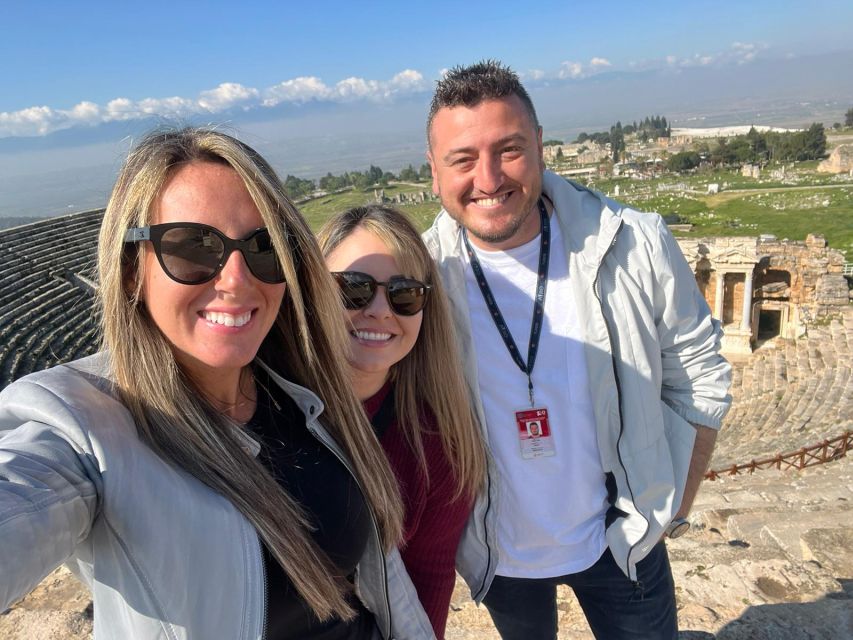
In the morning, you visit the ancient Greek city of Hierapolis, plus the white terraces, travertines, and pools. Hierapolis gives you the archaeology framework; the terraces give you the immediate visual payoff.
The big practical note: Pamukkale can be slippery around the waterline. Wear shoes with good grip, and move slowly.
Kusadasi and Ephesus by flight: Artemis Temple, Library of Celsus, and House of the Virgin Mary
After breakfast, you head toward Kusadasi and your Ephesus day. You’ll also stop at the Artemis Temple, noted in the itinerary as one of the Seven Wonders of the Ancient World. Then you enter Ephesus for a full block of major sites: Baths of Scholastica, the Library of Celsus, the Temple of Hadrian, and the Grand Theater.
This is where the tour earns its “big sights” reputation. Ephesus isn’t one monument—it’s a whole system of civic life, entertainment, and architecture. A guided stop helps because you can connect which ruins served practical purposes, not just what they look like.
House of the Virgin Mary: a calm counterpoint
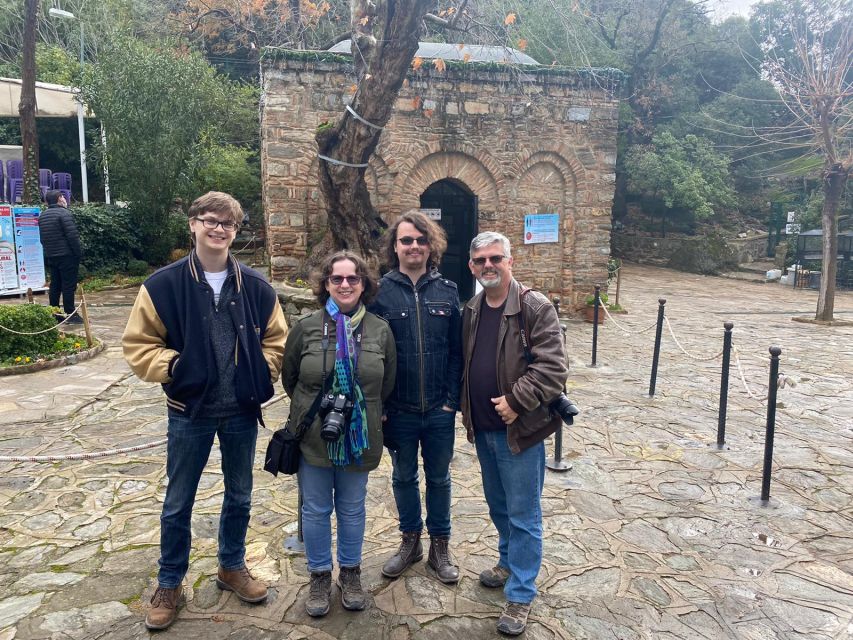
After Ephesus, the itinerary includes the Catholic shrine of the House of the Virgin Mary. It’s a different tone from the archaeological sites—more reflective, more quiet.
Then the tour moves to logistics: you transfer to Izmir airport, fly back to Istanbul, and get a final hotel night.
How the reverse itinerary works (and why it can matter)
Depending on flight and hotel availability, the program can be organized in reverse. The order can run as: Istanbul – Ephesus – Pamukkale – Konya – Cappadocia. Since the same places are visited, the main difference for you is pacing and which days your longest travel stretches fall on.
There’s also a timing note: for Saturday arrivals, Istanbul touring is scheduled at the end of the tour on Friday, and the Istanbul-to-Izmir flight is on Day 2. It’s the kind of detail that can affect how you plan your own days in Turkey—so it’s worth checking once you lock in your dates.
Guides who keep things moving (and fix problems fast)
The reviews that come with this kind of tour tend to highlight two things: how smoothly days run and whether a guide can handle real-life issues. Names that have been praised include Leelaa and Melih, plus Selen for Istanbul. The consistent theme is clear: when something breaks (like a passport emergency), the company and guide are described as quick to rearrange logistics so the trip still works.
That kind of responsiveness isn’t a luxury on an 8-day cross-country itinerary. It’s what turns a list of attractions into an actual journey.
What to pack and how to pace yourself
This is a sightseeing program with real walking. Pack like you’re moving through days, not staying put.
Bring:
- Comfortable shoes (low-heeled or supportive; you’ll walk)
- Sunglasses and a sun hat
- Comfortable clothes for warm weather days
- A camera (you’ll want it for Cappadocia rock shapes and Pamukkale terraces)
- Swimming suit for the thermal pools in Pamukkale
Also keep in mind the tour is not suitable for people with heart problems, and it’s not designed for wheelchair users.
Should you book this Turkey highlights loop?
Yes, if you want a guided, practical way to see the major Turkey hits without turning your trip into a logistics project. This is a strong choice when you value included flights, entry fees, and multi-region hotel stays, because that’s where cost and time savings usually show up.
I’d reconsider if you hate self-guided museum rules (like the Hagia Sophia smart phone/headphone requirement) or if you need a low-walking schedule. Also think carefully if you have mobility or health limits, since the itinerary is built around active days in multiple cities.
If you fall somewhere in the middle—curious, comfortable walking, and ready for a well-run route—this trip is a solid way to experience Turkey’s best-known regions in one coherent 8-day thread.
FAQ
What’s included in the tour price?
The tour includes entry fees, 7-night accommodation across Istanbul, Cappadocia (cave hotel), and Pamukkale (thermal hotel) plus Kusadasi, a licensed English-speaking guide, domestic flights (Istanbul to Cappadocia and Izmir to Istanbul), air-conditioned minivan transportation with driver, and 7 breakfasts plus 2 dinners.
Are domestic flights included?
Yes. Flights are included from Istanbul to Cappadocia and from Izmir back to Istanbul. Ground travel is done by air-conditioned minivan.
What meals are included, and what’s not?
You get 7 breakfasts and 2 dinners. Lunches and drinks in Istanbul and Cappadocia are not included, and other dinners besides the 2 included ones are also not included.
Can the itinerary run in reverse?
Yes. The tour can be organized in reverse depending on flight and hotel availability, such as Istanbul → Ephesus → Pamukkale → Konya → Cappadocia. The same places are visited.
What’s the deal with St. Sophia during the tour?
Live guiding is not allowed inside St. Sophia anymore. You’ll follow signs and information, and you can use a smartphone with headphones. Headphones can be purchased at the cost of $3.5 if you don’t already have them, and if you don’t have a smartphone you’ll still follow the signs.
When does the Istanbul portion happen for Saturday arrivals?
For Saturday arrivals, the Istanbul tour is scheduled at the end of the trip on Friday, and the Istanbul-to-Izmir flight happens on Day 2.
Is this tour suitable for everyone?
It’s not suitable for people with heart problems, and it’s not designed for wheelchair users. The itinerary also includes some walking, so comfortable shoes are important.