REVIEW · ISTANBUL
From Istanbul: 2-Day Gallipoli & Troy w/ Boat Tour
Book on GetYourGuide →Operated by Crowded House Tours · Bookable on GetYourGuide
Early starts, big emotions, real WWII-era facts.
This 2-day trip gives you two strong ways to experience Gallipoli: a guided route over the key sites and then a boat view of the landing beaches from the sea. I also like that the tour pairs the stops with storytelling from expert English-speaking guides, including Hasan on the Gallipoli side and Borak on the Troy side. One thing to keep in mind: the schedule is full, and the boat portion can feel a bit tight and bumpy depending on conditions.
You’ll be picked up in Istanbul at dawn (Taksim 06:00–06:20, Sultanahmet 06:30–07:00) and you’ll walk a lot once you’re on the peninsula. If you do the snorkel, plan ahead because there aren’t towels included, and you may want to think through how you’ll rinse off after swimming before the ride back.
In This Review
- Key points worth clocking before you go
- How the early Istanbul pickup shapes your whole trip
- Crossing to Gallipoli: included lunches and the day’s first rhythm
- Guided Gallipoli sites: what you’ll see and why it matters
- Staying the night in Çanakkale so day two doesn’t feel impossible
- Kabatepe Simulation Centre: the 3D layer that makes the ground make sense
- Gallipoli from the water: the boat trip, North Beach views, and Milo snorkeling
- Troy with Homer’s city layers: Trojan Horse to Troy IX ruins
- The tour’s real value: what $496 buys (and what you’ll pay for)
- Practical tips that prevent annoying surprises
- Who should book this 2-day Gallipoli and Troy tour
- Should you book this tour?
Key points worth clocking before you go
- Gallipoli by land and by sea: Anzac Cove and other key points from both angles.
- Boat tour + snorkel gear included: You get the chance to snorkel the WWI-era wreck of the Milo.
- Kabatepe Simulation Centre: 3D recreations help connect what you see on the ground.
- Troy with real site layers: Trojan Horse area, plus ruins spanning Troy I through Troy IX.
- Early pickup from Istanbul neighborhoods only: Taksim and Sultanahmet get the morning service; the Asian side isn’t covered.
How the early Istanbul pickup shapes your whole trip
This is the kind of tour where the day starts before the sun has fully switched on. You’re collected from the Taksim area or Sultanahmet at very specific windows (about 06:00–06:20 or 06:30–07:00). If you’re staying outside those zones, you may need a meeting point arrangement, so confirm your exact pickup location.
The payoff is that you reach the Gallipoli region with enough time for a meaningful day, not just a quick photo stop. Also, breakfast is on you at the start—so I’d plan on eating before pickup if you can, or grabbing something at the refreshment break on the way. The tour includes a break around late morning for refreshments, but it’s not described as a full included meal.
Practical note: this is a “comfortable shoes, early mornings” type of itinerary. If you’re expecting a slow start and leisurely pace, you’ll probably feel rushed.
You can also read our reviews of more boat tours in Istanbul

Crossing to Gallipoli: included lunches and the day’s first rhythm
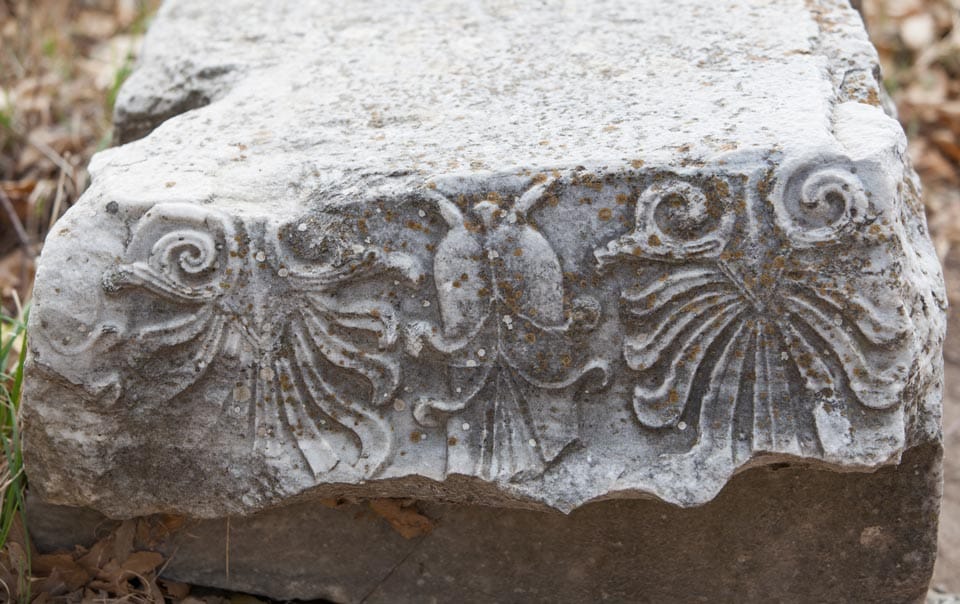
Once you’re moving toward the Gallipoli Peninsula, the first major anchor is timing: the ride is long enough that the early break matters. You’ll stop around 09:00–09:30 for refreshments, and lunch is included when you arrive in Eceabat.
That Eceabat lunch isn’t just a meal. It’s where the day resets—time to hydrate, refuel, and prep your feet for more stops later. And since dinner isn’t included anywhere (more on that later), this included lunch is one of the easiest “value wins” in the whole itinerary.
Guided Gallipoli sites: what you’ll see and why it matters
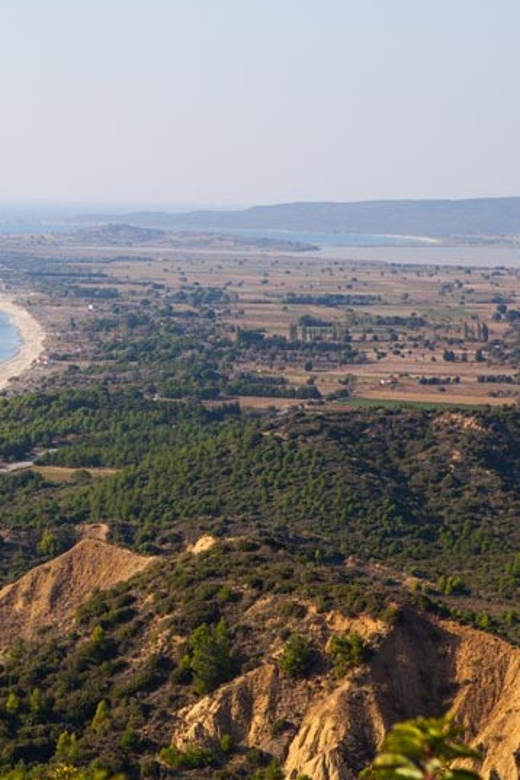
On the Gallipoli day, your local guide leads you through a chain of stops that works like a story you can walk and look at. Instead of one monument and a photo, you get a sequence: coastlines, memorials, and the terrain the fighting depended on.
You’ll visit places tied to the landing and the advance, including Anzac Cove, Brighton Beach, and Beach Cemetery. From there, the route continues into the memorial sites and key positions such as Lone Pine Australian Memorial and the The Nek area, plus Chunuk Bair and the New Zealand Memorial.
Two things make these stops especially worth it with a guide:
- The terrain becomes understandable. When you can see the slopes and vantage points, the battle story stops being abstract.
- The details aren’t only names. A guide can connect what the memorials represent to the kind of ground soldiers had to move across.
There’s also time for moments that feel less like checklist tourism. One useful extra that can happen with certain group pacing is walking along Anzac Cove, which adds a quiet, chilling perspective compared with just viewing from a roadside point.
If you’re someone who likes your history with specifics—units, names, and locations—this part is built for you. If you don’t handle long walking days well, just know there’s a steady pace and plenty of time outdoors.
Staying the night in Çanakkale so day two doesn’t feel impossible
At the end of Day 1, you check in for an overnight stay in Çanakkale at a 3-star hotel (or similar), with a double or twin share setup for two people. Breakfast is included for the next morning.
This overnight matters. Instead of trying to do Troy in the afternoon the same day as Gallipoli, you get a calmer morning to shift gears—less rushing, more actual seeing. It’s also why the trip can pack in both sites without feeling totally chaotic.
One downside to plan for: you’ll likely be tired. You’re moving early and walking a lot on Day 1, so keep your expectations realistic for Day 2. You’ll still have plenty to do, but the hotel stop helps you recover just enough.
Kabatepe Simulation Centre: the 3D layer that makes the ground make sense
After Troy, the itinerary returns to Gallipoli’s campaign story with Kabatepe Simulation Centre. This is where the tour tries to solve a common problem: war memorials can feel like names on stone unless you understand the sequence of events.
Kabatepe uses 3D simulations to recreate events of the campaign. Even if you already know the basics, these simulations can help you connect what you saw earlier—why particular points mattered, how the fighting evolved, and how the coastline relates to troop movement.
I like this approach because it doesn’t replace the real sites. It supports them. You’re going from “I see a memorial” to “I can picture the action in context.”
You can also read our reviews of more tours and experiences in Istanbul






Gallipoli from the water: the boat trip, North Beach views, and Milo snorkeling
This is a standout part of the tour for a very practical reason: you’re viewing the coastline from the same side the landing forces approached. From the boat, you get a perspective that roads and walking paths can’t fully provide.
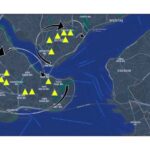
The boat tour focuses on the landing area, including viewpoints tied to Brighton Beach, Beach Cemetery, Anzac Cove, Ariburnu Cemetery, and the Anzac Commemorative Site from the North Beach side. Seeing these points from water-level helps you understand scale and distance fast.
And yes, the tour includes snorkeling. You get snorkel gear, and you’ll have the chance to snorkel over the wreck of the Milo, a steamer deliberately sunk in late 1915 to create a breakwater for Williams Pier.
Two considerations before you get in:
- The water is beautiful, but you should bring the mindset of active time outdoors and plan your comfort.
- There aren’t towels included, so bring your own or plan how you’ll handle a rinse-off later.
Also, one caution from past experience on this style of boat day: the boat can be safe enough, but not the most comfortable. If you’re sensitive to cramped seating or choppy rides, pack accordingly and take it as a “water adventure day,” not a luxury cruise.
Troy with Homer’s city layers: Trojan Horse to Troy IX ruins
Day 2 shifts from WWI landscapes to an older legend: Troy. You’ll go to the site after breakfast, and the guide leads you through highlights tied to Homer and archaeological layers across time.
Key stops include the Trojan Horse area, Sacrificial Altars, and the 3700-year-old city walls. You’ll also move through sections connected to the earliest city layers, including Houses of Troy I and the timeline markers showing Troy I through later periods (Troy I through Troy IX).
As you walk, the ruins give you a sense of how the city shifted and rebuilt itself over centuries. You’ll also see features like the Bouleuterion and the Odeon, plus remains across multiple city phases—so you’re not just visiting one moment in time.
With Borak leading the Troy segment (English guide), the value here is interpretation. Instead of saying “this is old,” the guide connects what you see to why that specific structure matters.
If you love archaeology and legends but don’t want to choose between the two, Troy is a perfect match for this tour.
The tour’s real value: what $496 buys (and what you’ll pay for)
At $496 per person for 2 days, you’re paying for a full Istanbul-to-coast package: transport in air-conditioned “no smoking” vehicles, two guided days (Gallipoli and Troy), two included restaurant lunches in Eceabat, entrance fees to Troy and Kabatepe Simulation Centre, a boat trip, snorkel gear, and one night in a 3-star hotel in Çanakkale with breakfast.
What’s not included is simple: dinners. So you’ll want to budget evening meals in Çanakkale and anything else you decide to add on your own.
Is it good value? For most people, yes—because the price covers logistics that are hard to piece together alone from Istanbul: early pickup coordination, multiple-site guided routing, ferry/transfer timing built into the schedule, and the boat + snorkeling access.
If you’re traveling with limited time and you want the “transport and interpretation handled” package, the price makes sense. If you love slow independent travel and can tolerate DIY routes, you might spend less—but you’ll also trade away the guided context and tight time management.
Practical tips that prevent annoying surprises
I’d come prepared like this:
- Wear comfortable shoes. There’s a lot of walking, and sandals are a bad match for the schedule.
- Bring swimwear and sunscreen. Snorkeling can be weather and water-condition dependent, but your chance comes because swim time is part of the plan.
- Bring a sun hat and sunglasses. You’ll be outdoors for long stretches.
- Bring your own way to dry off after snorkeling. No towels are provided, so plan for a quick solution.
- Bring water and take the refreshment breaks seriously. One guide-led day can turn into two days of thirst if you forget basics.
Also, keep an eye on the flow of the day once you’re on site. The tour is time-managed, but the exact order can shift if weather changes. In the past, when one activity couldn’t happen, a suitable alternative was presented. So stay flexible, not stressed.
Who should book this 2-day Gallipoli and Troy tour
This is a strong fit if you:
- want Gallipoli’s WWI sites with a guide who connects names to terrain,
- like historical travel that includes both memorials and simulations (Kabatepe),
- want Troy without building an itinerary from scratch,
- enjoy a “from the water” angle (boat) and might actually use the snorkeling chance.
It’s not ideal if you:
- dislike early mornings and long road days,
- hate outdoor walking,
- don’t want to deal with swim time and the practical question of rinsing/drying afterward.
Should you book this tour?
If you want a two-day trip that hits Gallipoli by road and by sea and still gives you a serious Troy visit, I think this is a smart booking. The structure does what it should: it reduces planning stress, packs in the major stops, and adds extra learning via Kabatepe’s 3D simulations.
My “yes, book it” checklist is simple: early pickup works for you, you’re okay with walking, and you like the idea of seeing the shoreline from a boat. If those boxes are true, you’ll likely feel like your time—and money—were well used.