REVIEW · ISTANBUL
From Istanbul: 10 days Crossroads of Civilizations
Book on GetYourGuide →Operated by Euromarmara Tours · Bookable on GetYourGuide
Turkey’s crossroads in ten efficient days. This tour strings together Istanbul’s grand sights and Cappadocia’s underground world in a tight, guided route through Turkey’s big turning points. I also like the way it mixes UNESCO-listed stops like Göreme and the Cotton Steps with major religious and historical sites. The only real caution: the schedule can mean early wake-ups, and dinners in Istanbul’s hotel are not included.
What makes it work is the support layer: you’re met at arrival, shuttled between regions by A/C bus or minibus, and guided by a Spanish-speaking professional for the included visits. People also note guides like Murat and Nilofer for their history skills and practical shopping advice, including where to get fair prices and how to avoid tourist traps.
In This Review
- Key highlights at a glance
- A fast route through Turkey’s crossroads
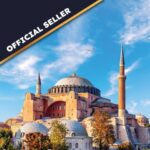
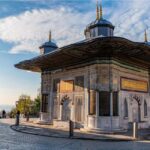
- Istanbul: architecture first, then you breathe
- Ankara stops: Atatürk’s mausoleum and the Anatolian Civilizations Museum
- Cappadocia: underground cities, Göreme caves, Uchisar views
- Pamukkale: the Cotton Steps and Seljuk-era stopovers
- Ephesus and the House of the Virgin Mary: ancient city + faith geography
- Izmir region to Çanakkale: Pergamon’s healing legacy and Troy’s myth pull
- Bursa to Istanbul: Ottoman landmarks before your flight day
- Price and comfort: what $964 really buys you
- Logistics that make the trip feel smoother
- Who should book this tour (and who should not)
- Should you book this tour?
- FAQ
- What cities and regions does the tour cover?
- How long is the experience?
- What is included in the price?
- Are meals included every day?
- Is pickup included when arriving in Istanbul?
- Can I book a single room?
- Is the tour suitable for mobility impairments?
- Can I cancel for a refund?
Key highlights at a glance
- Istanbul focus with real architecture time, not just a quick drive-by
- Cappadocia by both surface and underground, from Göreme to underground cities
- UNESCO stops that make sense on foot, especially Göreme Open Air Museum and Pamukkale’s Cotton Steps
- Ephesus with layered faith, including the Artemis-linked ruins and the House of the Virgin Mary
- Pergamon and Troy in one push, pairing the ancient medical history of Asclepion with Homer vibes
- Bursa’s Ottoman icons to close, including Ulu Camii and Koza Han
A fast route through Turkey’s crossroads
This is a “big Turkey” tour: Istanbul, Ankara, Cappadocia, Pamukkale, Ephesus, Izmir region, Troy, Pergamon, Canakkale, and Bursa, all in 10 days. That means you’re not meant to lounge all day in one place. Instead, you get a clear storyline through time—Byzantine/Ottoman Turkey in the west, Anatolia’s older civilizations in the middle, and ancient Mediterranean worlds around the Aegean.
The value shows up in the structure. Hotels and most meals are arranged across the route, key tickets are included, and you’re not stuck figuring out connections between far-flung regions. If you like seeing the “greatest hits” while still getting enough on-the-ground time to understand what you’re looking at, this format fits well.
Just keep your expectations realistic: the days are packed and some drives are long. Comfortable shoes and patience for departure times make the whole trip feel smoother.
You can also read our reviews of more tours and experiences in Istanbul.
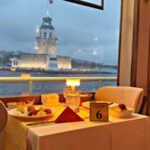


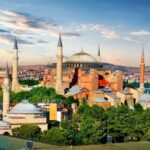
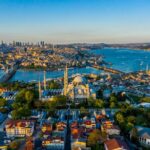
Istanbul: architecture first, then you breathe
Your trip begins with arrival support into Istanbul. There’s an assistant meeting you at the airport with a sign showing your name, and you’re transferred to your hotel for check-in. That early help matters in Istanbul, because even getting from the airport to your first hotel can feel like a small quest when you’re tired.
Days 2 and 3 give you a slow start, with breakfast included on hotel days. Day 3 then shifts gears as you head toward Ankara in the afternoon. Even though Istanbul’s schedule in this program isn’t built like a full city tour, the hotel nights here are the buffer that keeps the trip from feeling like constant rushing.
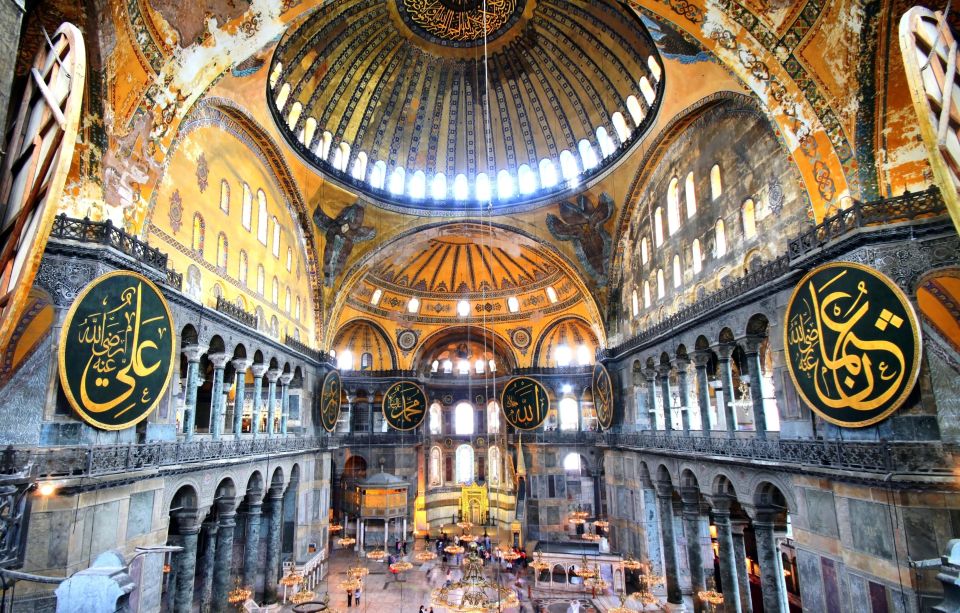
What I like about this approach: you get the framework for later days. Istanbul isn’t just decoration; it’s the political and cultural doorway into the rest of Turkey. When you later see Ottoman and Byzantine influences in Bursa and Ephesus, Istanbul starts to click as the glue between eras.
What to consider: because Istanbul hotel dinners aren’t included, you’ll need to plan at least one evening meal on your own. That can be a plus if you want freedom, but it’s one more thing to handle after travel days.
Ankara stops: Atatürk’s mausoleum and the Anatolian Civilizations Museum
Ankara isn’t a quick detour here. You actually get two meaningful targets.
First is the Anatolian Civilizations Museum, where you’ll see Neolithic and Paleolithic ruins, plus displays tied to Urartu, Hatti, Hittite, and Phrygia. This is useful because it gives context for what you’ll see later: Turkey’s story doesn’t start with the Romans or Ottomans. It runs deeper into older Anatolian cultures.
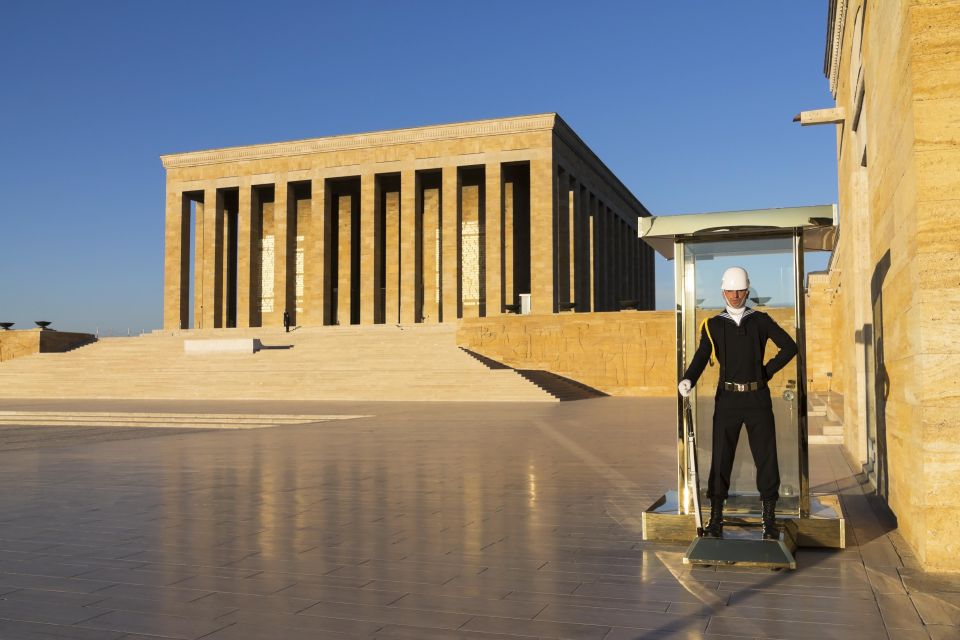
Then there’s the Mausoleum of Atatürk. Even if you’re not a political-history person, this stop is a major piece of how modern Turkey frames itself. It’s the kind of place where the setting matters: you’re stepping into a national symbol, not just touring a building.
Why it’s good value inside this tour: it balances the “spectacle” of places like Cappadocia with a grounding museum stop. It also helps your brain connect the dots when the itinerary turns toward ancient cities and early Christians.
Cappadocia: underground cities, Göreme caves, Uchisar views
Cappadocia is the emotional center of this itinerary, and it’s not treated like a drive-through. You get two full days there.
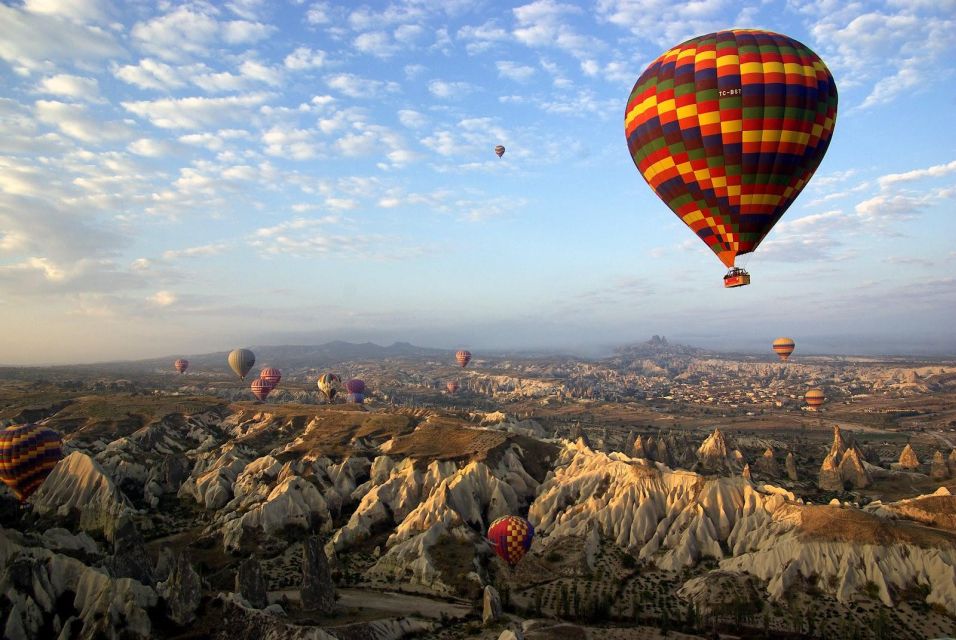
The first Cappadocia day includes a visit to an underground city made by early Christians for protection during attacks. That’s a powerful kind of history—part survival engineering, part community design. Even if you’ve never read about underground settlements, you’ll see the logic quickly: narrow passages, shelter zones, and the sense of living underground when it mattered.
On the second Cappadocia day, you’ll go wide across the area:
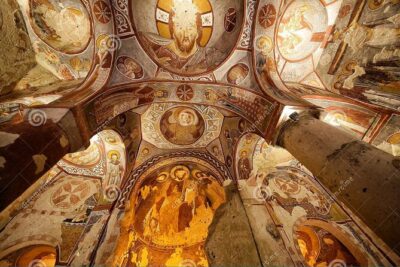
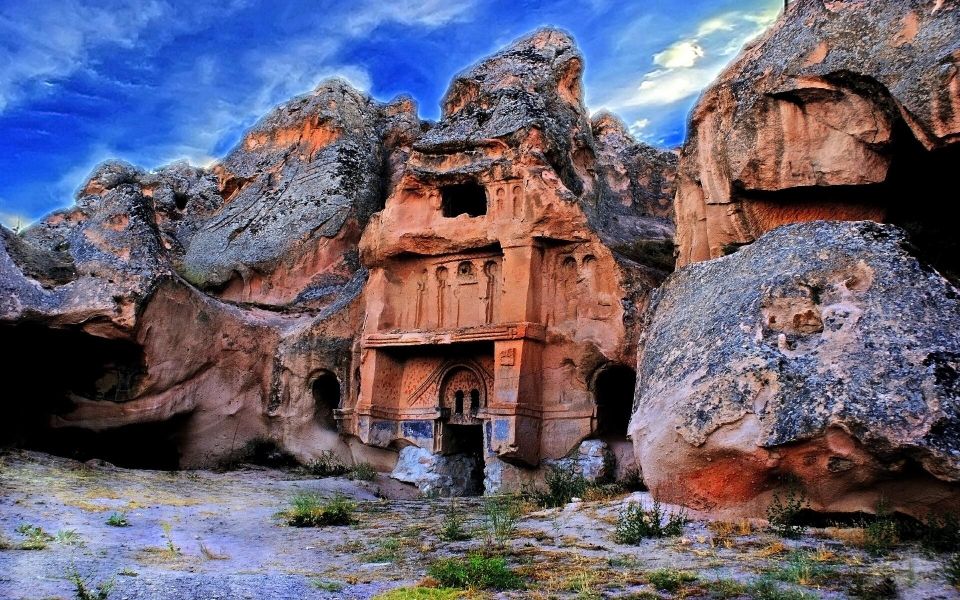
- Göreme Open Air Museum, a UNESCO site famous for its cave churches set in valleys.
- Uchisar Village, often used as a vantage point for the famous fairy chimneys.
- Derbent Valley, known for natural rock formations and hands-on-style workshops connected with carpets and onyx stones.
This mix is smart. Göreme gives you the “wow” of cave architecture. Uchisar adds a viewpoint moment, which makes photos come out better and helps you understand how the valleys are shaped. Derbent then gives you a local-industry angle—how people turn regional materials and craft traditions into livelihoods.
Practical tip for your comfort: plan to walk more than you think, especially around museum areas and valley stops. The program assumes you can handle that with comfortable shoes.
Pamukkale: the Cotton Steps and Seljuk-era stopovers
Pamukkale is a day of contrast: geological wonder plus a historic resting stop on the route.
You’ll drive to Pamukkale and en route visit the Sultanhan Caravansarai, built during the Seljuk Empire and used as a long-stop for travelers and merchants. Caravansarais aren’t just pretty buildings. They’re evidence of how people traveled before highways and Wi-Fi—stopping at planned nodes where animals could be tended and people could sleep.
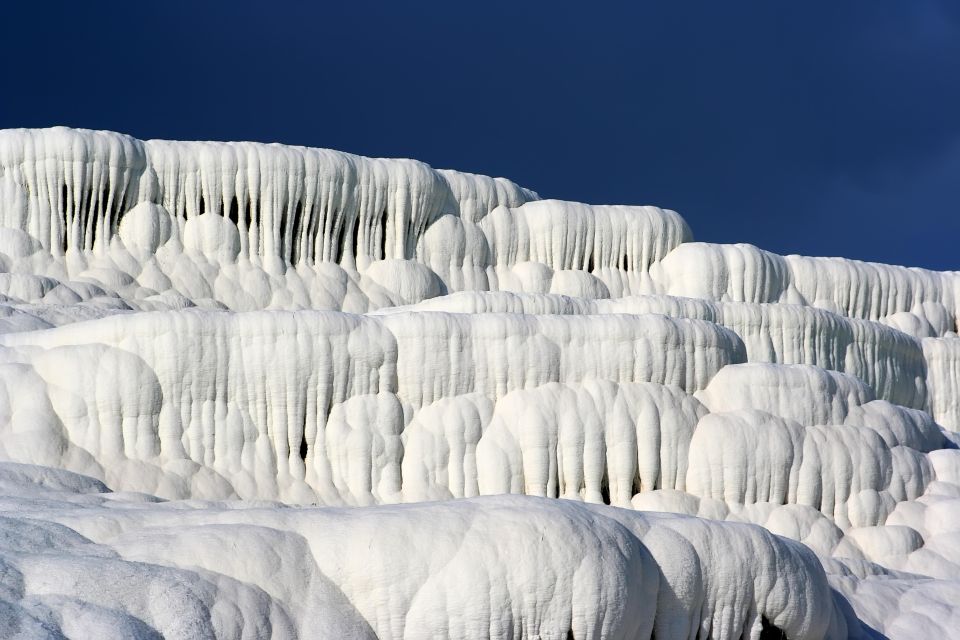
Then comes Pamukkale’s Cotton Steps, a UNESCO Heritage site. The idea is simple and unforgettable: bright terraces formed by mineral-rich thermal waters. People often connect the site to healing thermal water traditions, but even without buying into that, the visual effect is hard to miss.
Why this stop works in the middle of the itinerary: you’ve been climbing through history and caves; Pamukkale gives you a physical, sensory reset. It’s also a great place to slow your pace for a few hours so the rest of the trip doesn’t feel like a blur.
Ephesus and the House of the Virgin Mary: ancient city + faith geography
The Ephesus day is one of the biggest payoffs because you’ll get both monumental ruins and a spiritual stop tied to the Christian tradition.
At Selçuk (near Ephesus), you’ll tour:
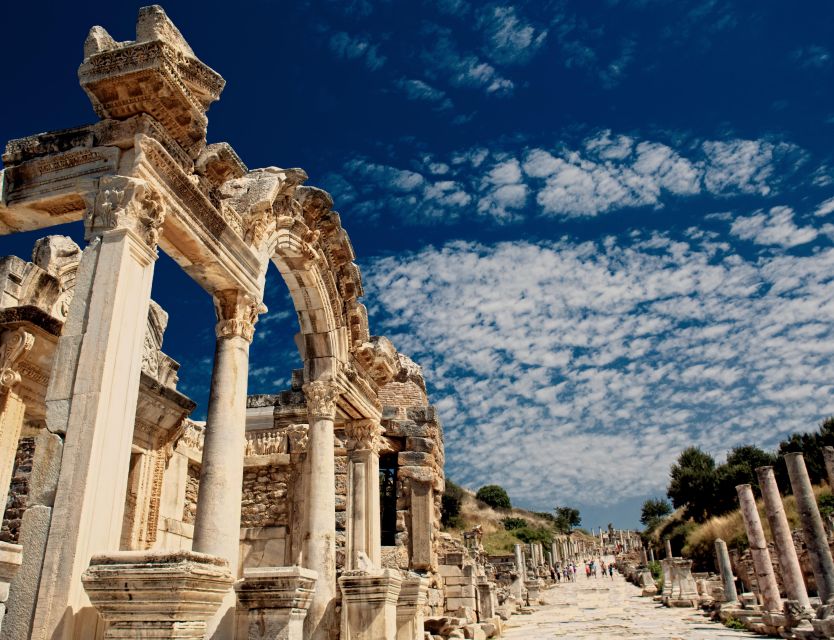
- The Ephesus Ruins, including the Temple of Artemis connections
- Odeon, Temple of Hadrian, the House of Love, the Library of Celsus, and the Agora
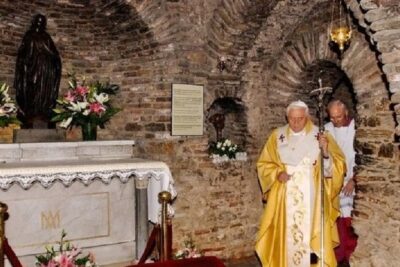
Then you’ll continue to the Virgin Mary House, believed by many to be the final resting place of Jesus’s mother. Whether you approach that as faith history or cultural history, it adds a human layer to the day.
There’s also a stop at a leather production store. These kinds of stops are common on guided routes. If you enjoy watching craft processes and learning how products are made, you’ll likely find it interesting. If you don’t, you can still use the time for a quick break and then get back to the ruins.
Value note: Ephesus can be overwhelming on your own because there’s so much to see. Having a guide to point out the major structures helps you understand what you’re looking at instead of just counting columns.
Izmir region to Çanakkale: Pergamon’s healing legacy and Troy’s myth pull
This day is for people who like their history with a story attached.
You’ll head to the Pergamon (Bergama) region and see the ruins of Asclepion, described here as the first hospital in Asia Minor in human history. That wording matters: Asclepion wasn’t just a medical building. It represents early ideas about health, care, and how communities organized healing.
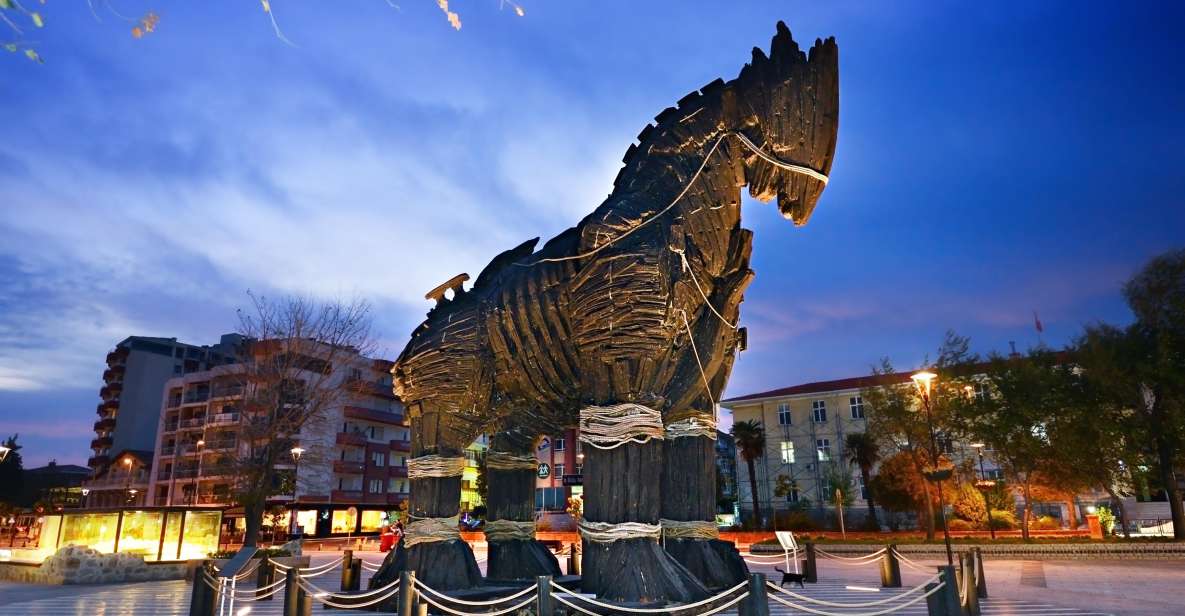
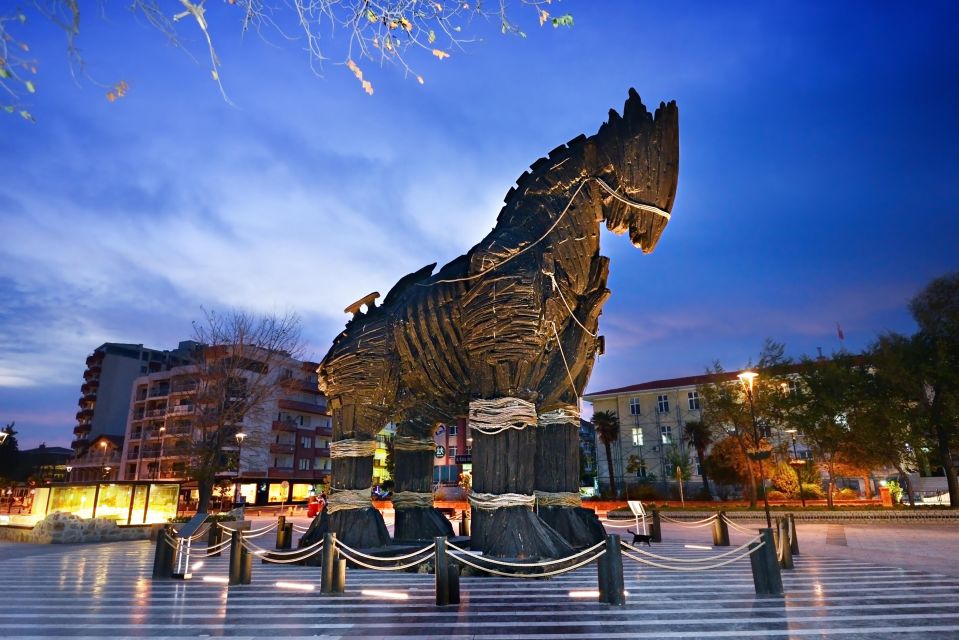
Then you continue to Troy, the famous setting tied to Homer’s Iliad. Even if you’re not a poetry person, the name alone is a draw. You’re stepping onto ground that became a symbol for epic conflict and human drama.
Finally, you reach Çanakkale, where you spend the night. That’s a smart staging point because it sets you up for Bursa the next day without turning the last stretch into a travel marathon.
Bursa to Istanbul: Ottoman landmarks before your flight day
On the final full day, you move from Çanakkale back toward Bursa, the first capital of the Ottoman Empire between 1326 and 1364. That alone gives the stop historical weight: you’re seeing the early Ottoman footprint, not just later grandeur.
You’ll visit:
- Ulu Camii (Great Mosque)
- Koza Han (Silk Bazaar)
- Green Mausoleum (a major Ottoman-era site)
Then you continue on to Istanbul for an overnight. This last night keeps you close to the airport for departure the next morning.
Your last day is straightforward: breakfast at the hotel, then transfer to Istanbul airport for the end of services.
Price and comfort: what $964 really buys you
The listed price is $964 per person, and the tour includes:
- Hotel accommodations: 3 nights in Istanbul, 1 in Ankara, 2 in Cappadocia, 1 in Pamukkale, 1 in Izmir, 1 in Çanakkale
- Breakfast and dinner on most days, with hotel dinners in Istanbul not included
- Transfers in an A/C vehicle
- Spanish-speaking guidance for the included visits
- Tickets for the listed sights
- VAT
That’s the real value: a lot of the usual “extra” costs are absorbed, especially museum and ruins tickets plus guide time. You’re also not paying extra for every connection between regions, which is where budget tours often spring hidden costs.
Two practical financial considerations:
- Drinks during lunch/dinner aren’t included.
- If you want a single room, there’s a €380 supplement.
If you’re comparing this to piecing together the trip yourself, the question isn’t just the sticker price. It’s whether you want to spend your energy on logistics (routes, timing, ticket lines, and intercity travel planning) or spend it on places like Göreme, Cotton Steps, and Ephesus.
Logistics that make the trip feel smoother
A few details help this tour run like a managed experience rather than a DIY scramble:
- Transfers run via minibus or bus with A/C, depending on passenger numbers.
- You get an assistant for transfers, and you’re met at the airport with a sign holding your full name.
- For airport security, there’s mention of an express security check.
- The live tour guide is Spanish, and the airport assistant may speak Spanish or English.
One more note: this tour isn’t set up for people with mobility impairments. The combination of walking at ruins, valley paths, and museum steps can be tough.
Who should book this tour (and who should not)
This works best for you if:
- You want a high-coverage Turkey route without map math.
- You like guided context at major sites like Ephesus, Göreme, and the Anatolian Civilizations Museum.
- You prefer comfortable organization over improvising every day.
It may not fit if:
- You hate early mornings or long drive days. Some people note feeling rushed by wake-up times for walks.
- You want a slow, one-neighborhood vacation. This trip is about movement.
- You need accessibility-friendly routing throughout.
Should you book this tour?
If you want the “crossroads” story told in real places—Ephesus beside Pamukkale, Göreme beside underground Christian caves, Ottoman Bursa after ancient Troy—this itinerary is a strong match. The biggest advantages are the included tickets/guide time and the way the route connects older Anatolia to the Mediterranean world.
My advice: if you book, go in with comfy-shoe energy and a flexible mindset. Plan to manage your Istanbul dinner on your own, and treat the early starts as part of the deal. Done right, this is the kind of Turkey trip that gives you images you’ll remember long after the flight lands.
FAQ
What cities and regions does the tour cover?
The route includes Istanbul, Ankara, Cappadocia, Pamukkale, Izmir (for the Ephesus area), Pergamon, Troy, Çanakkale, Bursa, and then returns to Istanbul for departure.
How long is the experience?
It lasts 10 days, with starting times depending on availability.
What is included in the price?
The package includes hotel accommodation for the listed nights, breakfast (and dinner where stated), transfers with an assistant, a Spanish-speaking guide for the visits, tickets for the visits, and VAT. It also includes trips by A/C minibus or bus.
Are meals included every day?
Breakfast is included daily at the hotels. Dinners are included on the days marked for dinner, but dinners at the Istanbul hotels are not included in the package. Drinks during lunch/dinner are not included.
Is pickup included when arriving in Istanbul?
Yes. If you arrive at Istanbul Airport, the assistant meets you outside the terminal in front of exit number 14 with a sign showing your full name. If you arrive at Sabiha Gökcen Airport, the assistant meets you outside the terminal in front of the column 14. If you arrive at Ataturk Cultural Center, the assistant holds a sign with Get Your Guide or your full name.
Can I book a single room?
Single-room accommodation is available with a supplement of €380 paid on the first day of the tour.
Is the tour suitable for mobility impairments?
No. It is not suitable for people with mobility impairments.
Can I cancel for a refund?
You can cancel up to 10 days in advance for a full refund.