REVIEW · ISTANBUL
Fire of Anatolia – Istanbul, Cappadocia, Pamukkale, Ephesus, Troy
Book on Viator →Operated by Fez Travel · Bookable on Viator
Turkey in 11 days sounds like a sprint, and it mostly is. I love how this trip strings together headline stops—Istanbul and Cappadocia—without wasting days. I also like that your guide is present and vocal throughout, so you’re not left hunting for context at each major site. The trade-off: it’s a packed schedule with transfers and a flight, so you’ll want steady stamina for long sightseeing days.
With a maximum of 20 people, you get a smaller-group feel. Guides like Göksu (often called G) and Fatih Karci are the kind who keep things moving in crowded places, while still answering questions. Add in breakfast, seven dinners, and entrance fees, and the price starts to look more reasonable than you might expect at $2,802.68 per person.
In This Review
- Key things I’d plan around
- A 11-day Turkey hit: what you really get from this route
- Istanbul: palaces, mosques, and a Bosphorus cruise with real context
- Practical tip
- Bosphorus Strait on the move: ferry views before the flight to Cappadocia
- Cappadocia: Goreme Valley, fairy chimneys, and an underground city
- What to pack for Cappadocia
- Konya: Mevlana Rumi and Çatalhöyük in the same journey
- Pamukkale: Hierapolis ruins and the white travertines
- Laodicea and the leather stop: a slower ancient city day
- Ephesus: Library of Celsus, the museum, and carpet-making in Selçuk
- Practical tip
- Pergamon and Troy: acropolis views, UNESCO ruins, and a modern museum
- Gallipoli WW1 battlefields: Lone Pine to trenches and tunnels, then back to Istanbul
- Should you book: pace, value, and the type of traveler who’ll be happiest
- Price and value: does $2,802.68 make sense?
- FAQ
- Is this tour only in Istanbul?
- What’s included in the price?
- Does it have a small group size?
- Do I need any physical fitness for this trip?
- Are any activities optional?
- What happens if weather is poor?
Key things I’d plan around
- Small group size (max 20 travelers) makes it easier to ask questions and keep momentum
- A real English-speaking guide the whole way helps you connect the dots between sites
- Istanbul gets two Bosphorus moments, including a guided public-ferry cruise
- Cappadocia is hands-on: Goreme Valley Open Air Museum plus an underground city visit
- Ephesus isn’t just ruins: you also get the Ephesus Archaeology Museum and a carpet-making lesson
- Gallipoli is emotionally heavy and physically longer, with trench and tunnel stops before heading back to Istanbul
A 11-day Turkey hit: what you really get from this route
This is a classic “highlights of Turkey” sweep, built around distance and big, famous sites. In 11 days, you’ll move through Istanbul, Cappadocia, Konya, Pamukkale, Laodicea, Ephesus/Selçuk area, Troy/Pergamon, and Gallipoli. The big value is that it’s structured: transfers, entry fees, and guiding are handled so you can spend your energy on the places themselves instead of logistics.
You also get a rhythm that works for most people: mornings tend to focus on a major site, afternoons shift to travel or a second activity, and you get free time a few times to breathe. The downside is obvious once you look at the schedule: some days feel full, and you’ll spend time on the road. If you love “one museum, one view, then lunch” travel, this may feel too tight.
You can also read our reviews of more tours and experiences in Istanbul.


Istanbul: palaces, mosques, and a Bosphorus cruise with real context
Istanbul is where the trip starts, and it does it in a smart way. Day 1 is a simple landing day: you’re transferred to your hotel and the rest of the time is free. That matters. You can use it to rest, get your bearings, and plan your own snack stops before official sightseeing kicks in.
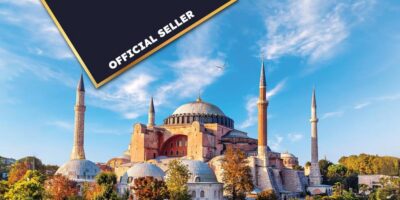
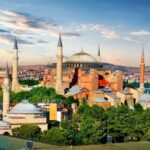
Day 2 is the big Sultanahmet-style day. You’ll visit Topkapi Palace (including Hagia Irene), the Blue Mosque, St Sophia Museum, and the Hippodrome. This is a lot of iconic architecture in one stretch, so a guide makes a real difference. Without that, it’s easy to see stone and domes and miss what changed over time—Byzantine layers here, Ottoman choices there, and the political theater that shaped the city.
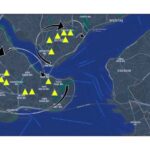
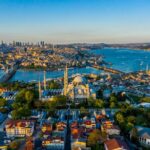
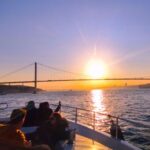
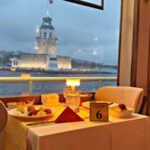
Then comes the water line. You’ll cruise on the stretch that separates Europe and Asia, and there’s an optional half-day Bosphorus cruise if you want extra time on the water. The best part is that the cruise isn’t tacked on as a random boat ride. It’s framed as a historic corridor, so the views come with reasons.
Practical tip
Keep your plans flexible on these days. Even with a guided route, Istanbul crowds can be real. If you want photos, be ready to move quickly when the guide says it’s the best moment.
Bosphorus Strait on the move: ferry views before the flight to Cappadocia
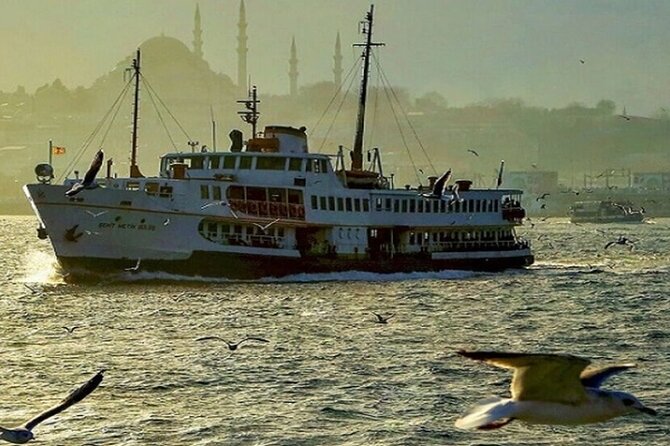
Day 3 adds another Bosphorus experience, timed like a bridge between worlds. After breakfast, you cruise again between Europe and Asia, but this time you also get a 1-hour Bosphorus cruise by public ferry with your guide explaining what you’re seeing along the way.
Then you transition to the next chapter fast: the schedule includes a flight to Cappadocia, and once you arrive you’re transferred to your hotel. After that, the rest of the day is free time to explore.
This matters for planning because it reduces stress. You don’t have to “figure out” how to get from the city to the landscapes. You also get a chance to see Istanbul from the water more than once, which is great if you’re there only briefly.
Cappadocia: Goreme Valley, fairy chimneys, and an underground city
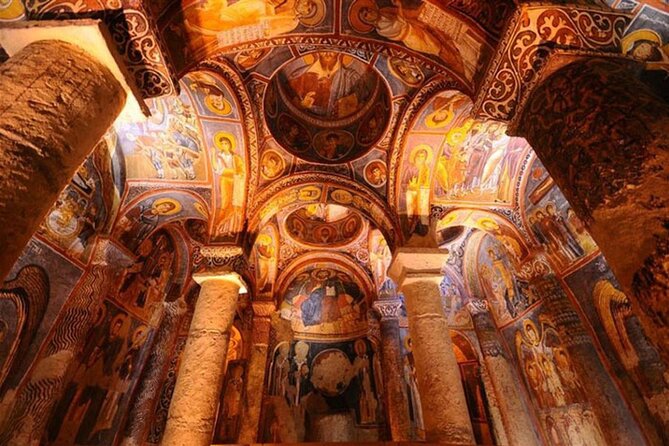
If you’re coming for the surreal, you’ll get it here. Cappadocia day centers on the Goreme Valley Open Air Museum and the fairy chimneys. This is where the region’s look becomes unmistakable: rock formations, cave churches, and the sense that the landscape has been sculpted for centuries.
You’ll also explore underground city levels. That’s not just a novelty stop. Going below ground is the easiest way to understand why people built here—shelter, strategy, and living spaces carved into stone. Expect some uneven ground and tight corridors typical of historic underground sites. You’ll feel it in your legs and breathing, especially if you move quickly for photos.
Tonight is optional: there’s a Turkish folklore evening featuring folklore and belly dancers. Even if you’re not chasing nightlife, it’s a fun cultural add-on because you’re still in “site mode” during the day. It’s also a nice way to stay social in a small group.

What to pack for Cappadocia
Wear shoes you trust. You’ll be walking on museum paths and uneven terrain, plus the underground portion means your feet do more work than you might expect.
Konya: Mevlana Rumi and Çatalhöyük in the same journey
Konya shifts the mood from stone wonders to spiritual and early-human stories. You’ll visit the mausoleum of Mevlana Celaleddin Rumi and the Mevlana Museum, with exhibits tied to the whirling dervishes and their traditions. This stop stands out because it’s not just a building you look at. It’s a place that carries meaning, and the museum helps you understand how art and ritual connect.
Then you continue toward Silk Road territory and add Çatalhöyük Museum. This is tied to one of the world’s oldest and most advanced Neolithic settlements, so you’re getting a timeline jump: from faith practices to early settled life.
It’s a smart pairing because it broadens Turkey beyond the usual ancient-cities-and-battlefields story. If you’re someone who likes learning the “why,” you’ll appreciate how the day links spiritual culture with how communities formed long ago.
Pamukkale: Hierapolis ruins and the white travertines
Pamukkale is the photo moment many people plan around, and you’ll get both the famous terraces and the ancient ruins nearby. The day includes calcium travertines and a visit to the ruins of Hierapolis: the Temple of Apollo and the Necropolis, plus time to stroll over the white calcium terraces.
The terraces are striking, but also keep your footing in mind. Calcium deposits can be slippery, and it’s easy to rush when the light is good for photos. Take your time, move carefully, and wear footwear that gives traction.
Hierapolis gives you the other side of the story: why this place mattered in antiquity and how it connected to a wider region. You’re not just sightseeing a natural feature. You’re stepping into an old city plan and walking among remnants of religious and civic life.
Laodicea and the leather stop: a slower ancient city day
After so many big names, Laodicea feels like a palate cleanser. You’ll explore the ancient city which was the chief city of the Lycus River Valley region. You’ll also hear its earlier name Diospolis (City of Zeus), which helps you place it in the layers of Greek and Roman-era naming.
Then there’s an afternoon stop centered on locally handcrafted leather goods. This isn’t a filler detour. It gives you a chance to connect ancient regional wealth and trade patterns to something people still make today.
This day is more about atmosphere than major “must-see” spectacle. If you like archaeology that’s less crowded and more personal, you’ll probably enjoy it.
Ephesus: Library of Celsus, the museum, and carpet-making in Selçuk
Ephesus is one of those places where a guided walkthrough changes everything. The day includes a guided tour of Ephesus—Temple of Artemis, the grand facade of the Library of Celsus, and the amphitheater. That’s a lot of classic “wow” in a compressed window, but your guide can help you see the layout and understand how a major trade and religious hub functioned.
You also visit the Ephesus Archaeology Museum. This is a valuable move because artifacts in a museum stop the story from being only about broken stone. You get a clearer sense of what people actually used, built, and valued.
Next comes a hands-on cultural experience: a carpet village where you learn how carpets are made by hand and what determines their value. This is the kind of stop that can go either way on tours, but it’s at its best when the focus stays on process and craft. Even if you don’t buy, you’ll come away with a better way to judge what you see.
Then you head to Selçuk for a wine tasting experience. If you’re not a wine person, it can still be a good way to slow down and sit with your group after a long day of walking and standing.
Practical tip
Bring water and plan for sun. Ephesus is outdoors and the day is long enough that you’ll want to stay comfortable.
Pergamon and Troy: acropolis views, UNESCO ruins, and a modern museum
Day 9 is a two-part ancient highlight day. First you visit Bergama and go up to the acropolis of Pergamon. You’ll see impressive temples and the library area, known as a cultural and political center in its time. Pergamon also sets you up for Troy because both places carry a strong sense of myth meeting study.
Then you continue to Troy (Truva), a UNESCO World Heritage Site. You explore the ancient city and also visit the new, award-winning Troy Museum. I really like this combination because it gives you two angles: you walk the site where the story is set, then you step into a museum that helps sort evidence, context, and interpretation.
This is one of those days where you might start off thinking you’re coming for legends, but you’ll leave with a stronger respect for how archaeologists piece together what’s real.
Gallipoli WW1 battlefields: Lone Pine to trenches and tunnels, then back to Istanbul
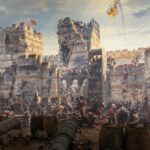
This is the most emotionally intense day on the tour. After breakfast, you visit the WW1 battlefields of Gallipoli, including Lone Pine and Chunuk Bair Memorials, ANZAC Cove, The Nek, Johnston’s Jolly, original trenches and tunnels. It’s a lot of stops, and the terrain can mean long walks and time standing still.
The value of this day is that it isn’t just a general overview. You move through named locations that carry specific memories and stories tied to the campaign. Even if you’re not a history obsessive, the scale of the battlefield and the physical evidence in trenches and tunnels gives the facts weight.
After the battlefield visits, you drive back to Istanbul. That’s a full turnaround, so treat the evening as recovery time rather than more sightseeing.
Should you book: pace, value, and the type of traveler who’ll be happiest
This tour fits best if you want to see major highlights across Turkey without spending your vacation on planning. You’ll likely enjoy it if:
- you like a structured day and a guide who can explain what you’re looking at
- you’re okay with travel days and long sightseeing stretches
- you want a “big country” overview: modern city culture, cave landscapes, ancient sites, and WW1 history in one trip
You might think twice if:
- you prefer slow travel with lots of free time every day
- you get cranky when days are packed and you’re moving from place to place
- you’re sensitive to walking on uneven terrain and long outdoor days
Price and value: does $2,802.68 make sense?
At $2,802.68 per person, this is not a budget tour. But it’s also not “pay for nothing included.” Your package includes air-conditioned vehicle transport, entrance fees, Istanbul inbound and outbound transfers, a professional English-speaking guide for the duration, breakfast (10) and dinner (7). Add in the fact that the itinerary includes several major ticketed attractions across multiple regions, and the value becomes easier to understand.
In plain terms: you’re paying for time saved and effort removed. You’re also buying a guide who can help you move through big sites without losing the story.
If you want Turkey’s biggest hits and you’d rather spend your energy learning than coordinating, this can be a strong deal.
FAQ
Is this tour only in Istanbul?
No. The tour starts in Istanbul and also includes Cappadocia, Konya, Pamukkale, Laodicea, Ephesus/Selçuk, Troy/Pergamon, and Gallipoli, finishing back in Istanbul.
What’s included in the price?
The tour includes air-conditioned vehicle, entrance fees, Istanbul airport transfers (inbound and outbound), a professional English-speaking tour guide for the duration of the tour, and meals (breakfast 10 times and dinner 7 times).
Does it have a small group size?
Yes. It has a maximum of 20 travelers.
Do I need any physical fitness for this trip?
The tour notes a moderate physical fitness level is required.
Are any activities optional?
Yes. There’s an optional Turkish folklore evening in Cappadocia and an optional half-day Bosphorus cruise mentioned for Istanbul.
What happens if weather is poor?
The tour requires good weather. If it’s canceled due to poor weather, you’ll be offered a different date or a full refund.
If you tell me your travel month and whether you’d rather slow down or stay packed, I can also help you decide if this pace is a good match.