REVIEW · ISTANBUL
Chora Museum Skip-the-Ticket-Line Entry with Audio Guide
Book on GetYourGuide →Operated by Istanbul Tourist Pass® · Bookable on GetYourGuide
A church turned mosque turned museum is a lot of work for one building. I love the way the Byzantine mosaics and frescoes tell a story you can actually walk through, and the 25-language audio guide helps you pace it your way. One drawback to plan for: you can’t skip the security check, so there may still be a short line at the entrance.
The museum’s big draw isn’t just the art—it’s how the space changed over centuries, from monastery life to Ottoman worship rules, and then to today’s visitor experience. I also like that the visit is self-paced, so you can linger where your eye lands instead of rushing with a group. The main consideration is timing: the museum is closed to visitors on Fridays, and codes/audio links come by email on separate messages.
If you’re the type who likes looking closely—faces in mosaics, saintly scenes, and those signature Byzantine details—Chora rewards that style of travel. With the right setup, this skips the most annoying part of the day: standing around waiting for tickets.
In This Review
- Key things to know before you go
- Chora Museum’s church-to-mosque story is the real headline
- Skip-the-line sounds great—here’s how it works in real life
- Using the 25-language audio guide without wasting your time
- What you’ll actually see: mosaics, frescoes, and altered spaces
- Getting to Edirnekapı: tram, buses, and easy European-side routing
- Price and value: does $35 make sense?
- Who this is best for (and who should think twice)
- Should you book Chora Museum skip-the-ticket-line with audio?
- FAQ
- Is Chora Museum open on Fridays?
- What’s included with the ticket?
- How do I get the entry QR code and the audio guide?
- Can I skip the security line?
- What languages are available on the audio guide?
- How do I get to the museum?
Key things to know before you go
- QR ticket setup via email: You’ll get your entry QR codes and your audio guide link in separate emails from Istanbul Tourist Pass.
- Security lines still happen: Even with skip-the-ticket-line entry, you can’t skip the security check at the door.
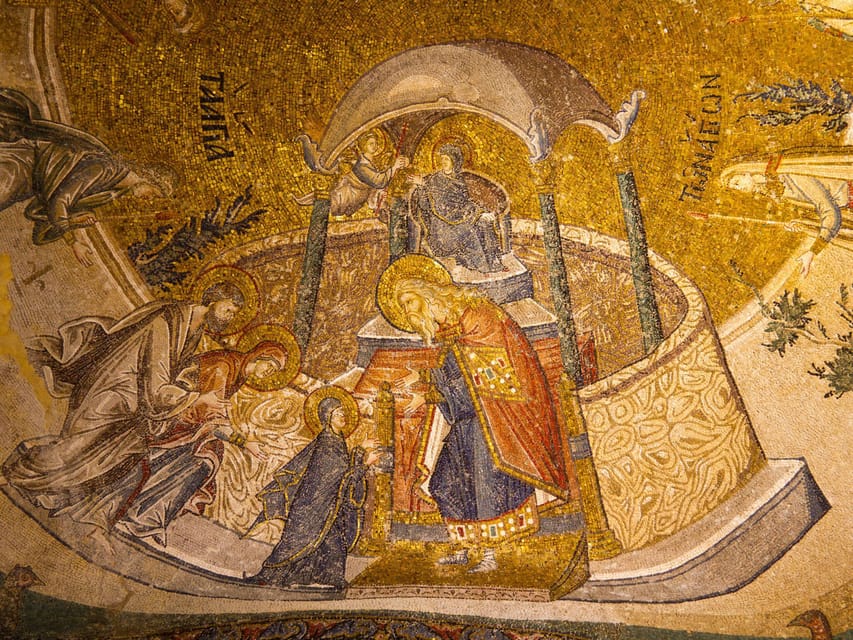
- The art is the main event: Expect Byzantine mosaics and frescoes from the 14th-century reconstruction, plus areas altered under Ottoman mosque use.
- Audio guide in 25 languages: It’s built for self-guided pacing, including English, Italian, Russian, Arabic, and more.
- Friday closure: Plan around the museum being closed to visitors on Fridays.
- Edirnekapı access is straightforward: T4 tram to Edirnekapı station plus a short walk, or nearby buses.
Chora Museum’s church-to-mosque story is the real headline
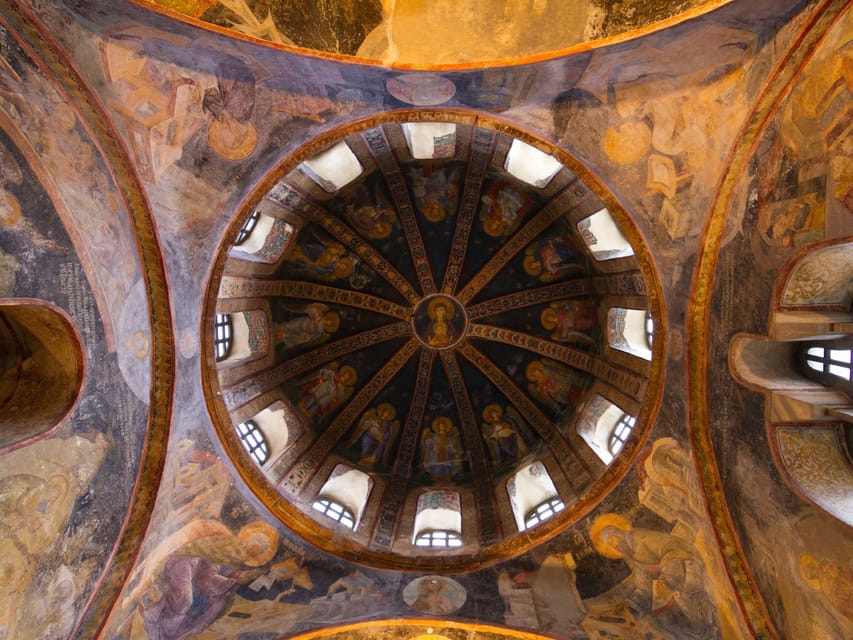
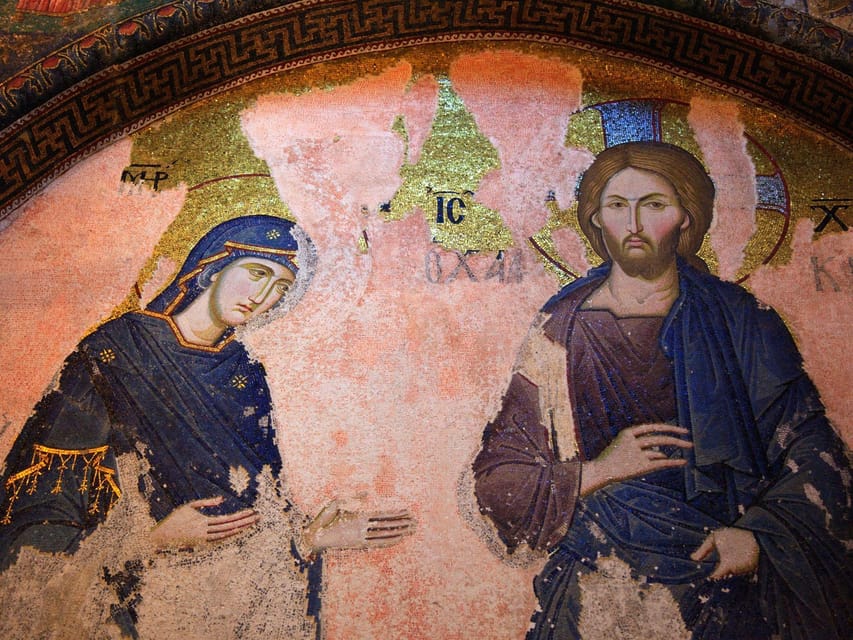
Chora Church Museum—also known as the Kariye Mosque—is in Istanbul’s Edirnekapı area, and it feels like history you can inspect. The building began in the 4th century as part of a monastery complex, then went through major reconstruction in the 14th century, when the famous artwork was created.
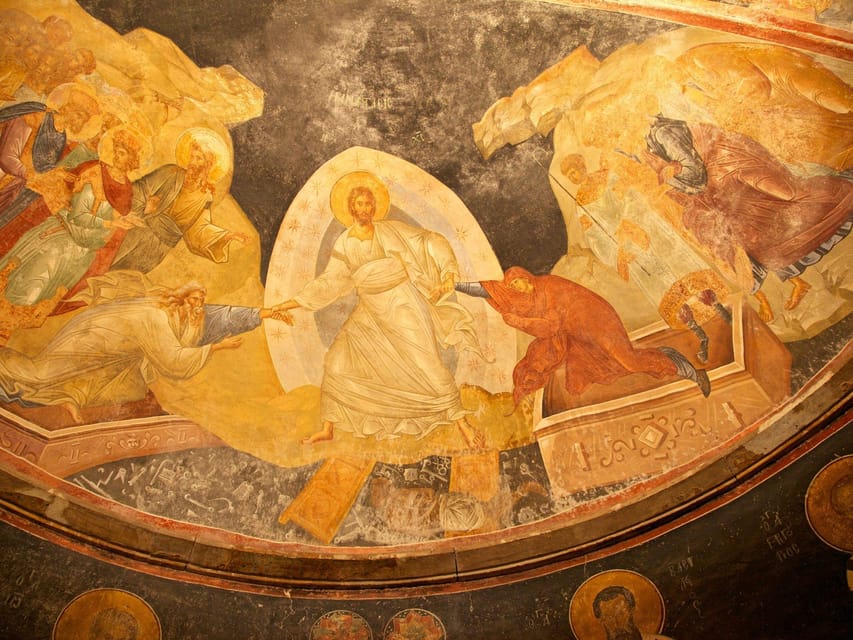
The mosaics and frescoes show Late Byzantine art at its best: Bible scenes, saintly lives, and ornate Byzantine design work in bright, intricate detail. What makes this place more than a “pretty museum” is that you’re seeing layers—Christian icon tradition on display, then later changes connected to Ottoman mosque use, when certain elements were covered or altered according to Islamic traditions.
That blending of influences is exactly what you should look for as you go. When you understand that the building’s purpose shifted, the changes you notice start to feel purposeful instead of random.
You can also read our reviews of more tours and experiences in Istanbul



Skip-the-line sounds great—here’s how it works in real life

The big promise here is practical: skip the ticket lines using a QR online ticket for the Chora Museum. For you, that mainly means less time at the point where most people get stuck—ticket counters.
But the important reality check: you still can’t skip the security lines. The activity description is clear that security is mandatory for all visitors, and there could still be a line right at the entrance. So think of this as skip-the-ticket-line, not skip-the-door.
There’s also a tech detail that matters more than people expect. You’ll receive both Entry Ticket QR Codes and the Audio Guide link by separate email messages from Istanbul Tourist Pass. That separation is where things can go wrong if your inbox search skills are rusty on a busy travel day.
Two patterns show up from real-world experience:
- If codes don’t scan smoothly, you might be forced to buy onsite, which can slow you down and, in some cases, make group timing tricky.
- If you don’t get the audio link email right away, you may still find QR codes inside—so you may not be totally stuck, but it’s worth checking your email before you arrive.
My advice: before you leave, search your email for Istanbul Tourist Pass and confirm you have both messages. Then keep the QR code(s) ready on your phone screen.
Using the 25-language audio guide without wasting your time
This is a self-guided experience, and that’s where the audio guide becomes your best friend. It’s available in 25 languages, including English, German, Russian, Persian, Arabic, French, Italian, Chinese, Dutch, Spanish, Hindi, Romanian, Ukrainian, Korean, Turkish, Bulgarian, Polish, Swedish, Japanese, Indonesian, Greek, Hungarian, Portuguese, Urdu, and Croatian.
What I like about this setup is the freedom it gives you. In a museum like Chora, the temptation is to rush to the “top highlights.” The audio approach helps you do the opposite—take your time and follow themes at your own pace, whether you’re focused on religious scenes, artistic techniques, or the church-to-mosque transformation.
If you prefer structure, use the audio guide to choose one “thread” for your visit:
- Artistic thread: focus on mosaics/frescoes and their scenes.
- Historical thread: focus on what changed when it became a mosque.
- Craft thread: focus on patterns and how detailed work fills ceilings and walls.
And yes, language coverage matters. In practice, it’s comforting to know Italian is included in the audio list, so you shouldn’t have to hunt for other options once you’re inside.
What you’ll actually see: mosaics, frescoes, and altered spaces
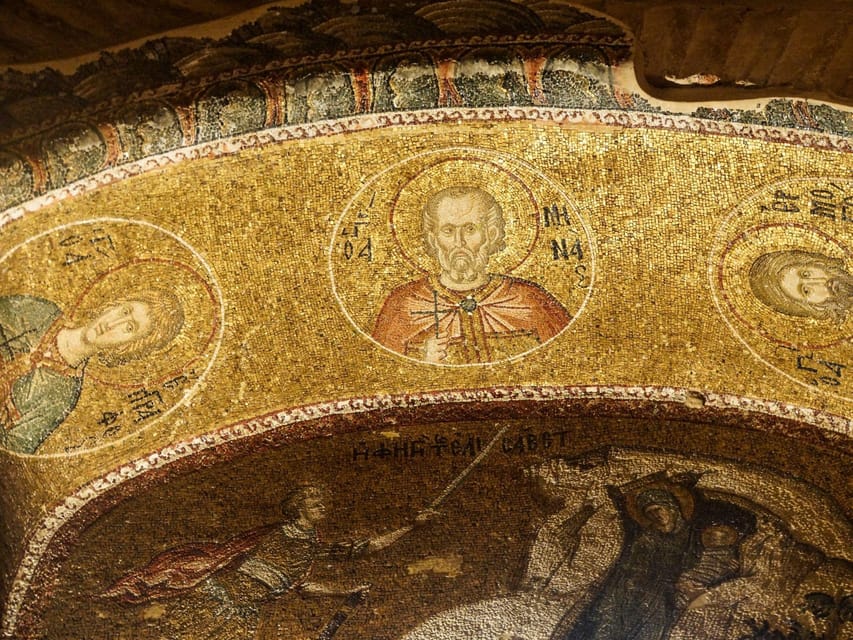
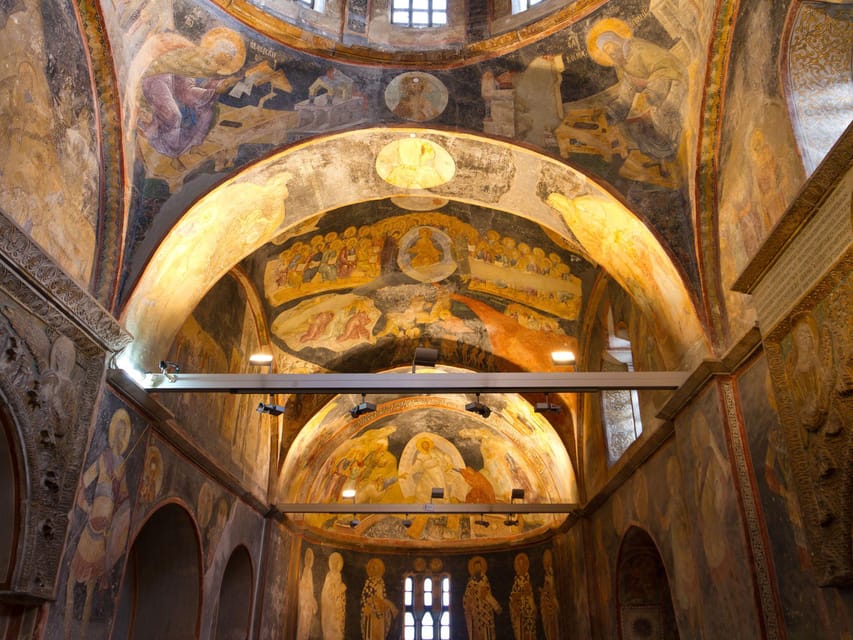
The heart of the Chora Museum experience is its Late Byzantine artwork. During the 14th-century reconstruction, artisans produced mosaics and frescoes that cover walls and ceilings with scenes from the Bible and the lives of saints, plus intricate Byzantine decorative designs.
When you’re there, look for how the artwork is distributed across surfaces—many visitors remember the overall glow, but the payoff is in the details: faces, halos, patterned backgrounds, and the way scenes are composed to feel like a continuous visual story.
Then, keep your eyes open for changes connected to Ottoman mosque use. Certain elements were covered or altered to meet Islamic traditions during the period when the building functioned as a mosque. In other words, you’re not just seeing one “original” moment—you’re seeing how successive eras treated the same walls.
That’s also why self-guided pacing helps. If you have even a little time, you can match your attention to the building’s layers—art first, then the transformation, then back to art with a new lens.
Getting to Edirnekapı: tram, buses, and easy European-side routing
Chora Museum is in Edirnekapı, a historic district area where you’ll likely feel the city shift into older Istanbul neighborhoods. The easiest approach is public transit.
If you want the simplest route, take the T4 tram to Edirnekapı station and walk to the museum entrance. Several bus lines also stop nearby, including 31E, 37E, 38E, and 36KE.
From the Asian side, you can use ferries to Eminönü from Kadıköy or Üsküdar, then connect onward with tram or buses on the European side. This doesn’t require a complicated transfer plan—just follow the connections from Eminönü to T4 or the nearby bus stops.
Practical tip: because you still need to go through security on arrival, plan buffer time. Even with skip-the-ticket-line, getting there early reduces the risk that you’ll feel rushed once inside.
You can also read our reviews of more guided tours in Istanbul





Price and value: does $35 make sense?
At $35 per person for a 1-day timed visit with skip-the-ticket-line entry plus an audio guide in 25 languages, the value depends on what kind of time-saver you need.
Here’s the honest trade:
- If ticket lines are your pain point, skip-the-line entry is a real benefit. You spend less time waiting and more time looking.
- The audio guide is included, so you’re not paying extra for interpretation. For a museum where context matters (church vs. mosque vs. museum), that’s not just convenient—it changes the experience.
On the other hand, if you’re the kind of traveler who doesn’t care about context and just wants a quick look, then the audio and detailed interpretation may feel like extra weight. And remember: you still can’t skip security lines, so you won’t be “instantly inside” just because you bought this option.
Also, closure matters. The museum is closed to visitors on Fridays, so if you’re traveling then, you’d need an alternate plan. That’s not a flaw in the product—it’s just Istanbul schedule reality.
Who this is best for (and who should think twice)
This experience is a great fit if you:
- care about Byzantine art and want mosaics/frescoes with context
- like self-guided travel more than group pacing
- want an audio guide in your language (or in one you can tolerate if you’re practicing)
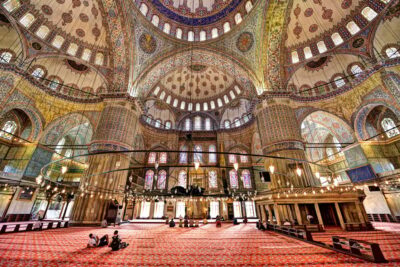
It’s also a strong match if you’re visiting as part of an art-heavy Istanbul day—Chora is often discussed alongside other major Ottoman/Byzantine-era highlights like Aya Sofya (Hagia Sophia) and the Blue Mosque (Sultanahmet Mosque), even though the feel here is quieter and more focused on interior artwork.
You might want to think twice if:
- you’re extremely time-boxed and can’t handle any security/entrance delays
- your phone access is unreliable (because your QR entry depends on your ability to show those codes)
- you’re visiting on a Friday, when the museum is closed to visitors
Should you book Chora Museum skip-the-ticket-line with audio?

I’d book it if you’re planning a serious art visit and you want fewer delays. The combination of skip-the-ticket-line entry and a 25-language audio guide gives you both time savings and better understanding once you’re inside.
If you’re on the fence, here’s my decision rule:
- Book it when you want to look slowly and learn something as you go.
- Reconsider it when you’re only planning a quick pass-through and you don’t need an audio guide.
Either way, double-check your email for the QR codes and the audio link before you leave. That simple step prevents the most common “this should have worked” moments.
FAQ
Is Chora Museum open on Fridays?
No. Chora Museum is closed to visitors on Fridays, so you’ll need a different day to visit.
What’s included with the ticket?
You get skip-the-line entry for the Chora Museum and an audio guide available in 25 languages.
How do I get the entry QR code and the audio guide?
You receive both Entry Ticket QR Codes and the audio guide link via separate email messages from the supplier Istanbul Tourist Pass.
Can I skip the security line?
No. Even with skip-the-ticket-line entry, it’s not possible to skip security, and there may still be a line at the entrance.
What languages are available on the audio guide?
The audio guide is available in 25 languages: English, German, Russian, Persian, Arabic, French, Italian, Chinese, Dutch, Spanish, Hindi, Romanian, Ukrainian, Korean, Turkish, Bulgarian, Polish, Swedish, Japanese, Indonesian, Greek, Hungarian, Portuguese, Urdu, and Croatian.
How do I get to the museum?
You can take the T4 tram to Edirnekapı station, then walk to the entrance. Buses like 31E, 37E, 38E, and 36KE stop nearby. From the Asian side, ferries to Eminönü from Kadıköy or Üsküdar can connect you to tram or buses.