REVIEW · ISTANBUL
Cappadocia & Ephesus & Pamukkale 4Days 3Nights Tour by Plane
Book on Viator →Operated by Tempel Travel · Bookable on Viator
First thing: you can pack three of Turkey’s biggest icons into four days. The trick here is flying between regions and staying in a small group (max 15) with local guides, so you spend more time looking and less time stuck on the road. I especially like the guided way you’ll move through Cappadocia’s valleys and then into Ephesus’ major ruins with clear, practical pacing. One drawback to consider is the itinerary runs early and includes walking, including a required 0.5-mile travertine walk without shoes at Pamukkale.
This is a classic “big places, tight schedule” trip. You’ll get transfers from Istanbul, then you’ll base yourself in Cappadocia before heading onward to Ephesus (Kuşadası area) and finishing in Pamukkale for those famous white terraces.
If you’re the type who hates guessing or running into lines, this tour’s format is built for you: pickup is offered, you get airport transfers, entrance tickets are handled, and it’s set up as a stress-free package with mobile tickets and express/skip-the-line entry mentioned for attractions.
In This Review
- Key highlights you’ll feel right away
- Price and value for a 3-region fly-through
- Flying from Istanbul: how the schedule really works
- Cappadocia’s Red Tour: frescoes, fairy chimneys, and that surreal geology
- Goreme Open-Air Museum and rock-cut churches
- Uchisar Castle village
- Pasabag Monk Valley and fairy chimneys
- Avanos pottery village
- Devrent Valley and Love Valley
- Cappadocia Sunrise, Rose Valley hike, and the underground world
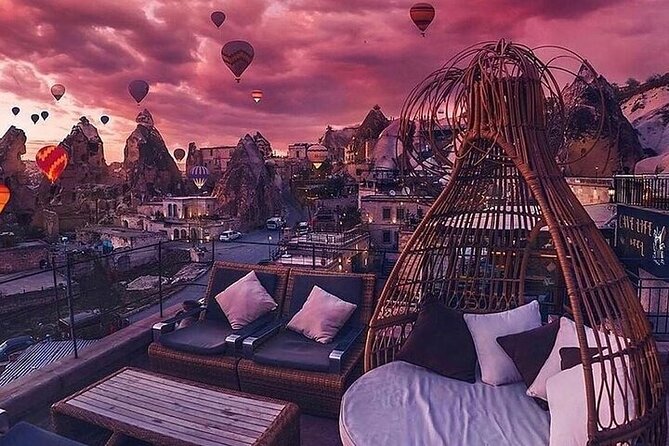
- Optional hot air balloon sunrise
- Rose Valley trekking and rock-cut churches
- Cavusin (Çavuşin) and Greek village history
- Ortahisar Castle area and panoramic pigeon views
- Kaymaklı Underground City
- Ephesus in one downhill route: from Magnesia Gate to the Great Theater
- Magnesia Gate and the downhill flow
- Meryemana (The Virgin Mary’s House)
- Temple of Artemis and Isa Bey Mosque
- Pamukkale: travertines, Hierapolis, and the no-shoes moment
- Early pickup and a short drive
- Thermal pools and the Sacred Pool
- Hierapolis Roman city
- Cardak and flight home
- Guides, small groups, and that smooth feeling
- What’s included, what to double-check, and what you’ll handle yourself
- Who should book this Cappadocia, Ephesus, Pamukkale tour?
- Should you book Tempel Travel’s 4-day fly-through?
- FAQ
- What time is the Istanbul pickup on Day 1?
- Is the hot air balloon ride included?
- How big is the group?
- Are airport transfers included?
- Do I need to pay for entrance tickets?
- What is the walking requirement at Pamukkale?
- How long does it take to reach Pamukkale?
- What is the total trip duration?
- Can the balloon or other weather-dependent parts be canceled?
- Can I cancel for a full refund?
Key highlights you’ll feel right away
- Small-group pacing (max 15) that keeps the day from turning into chaos
- Red and Blue Cappadocia loops with valleys, villages, and rock-cut sites
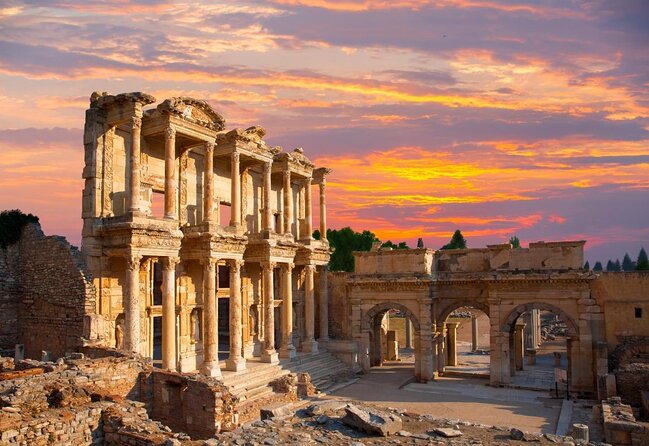
- Ephesus with the big names: Celsus Library, Great Theater, and more
- Virgin Mary’s House visit plus stops like Temple of Artemis
- Pamukkale travertines and Hierapolis with an early start before peak crowds
- Hot air balloon option in Cappadocia (timed sunrise + champagne toast after landing)
Price and value for a 3-region fly-through
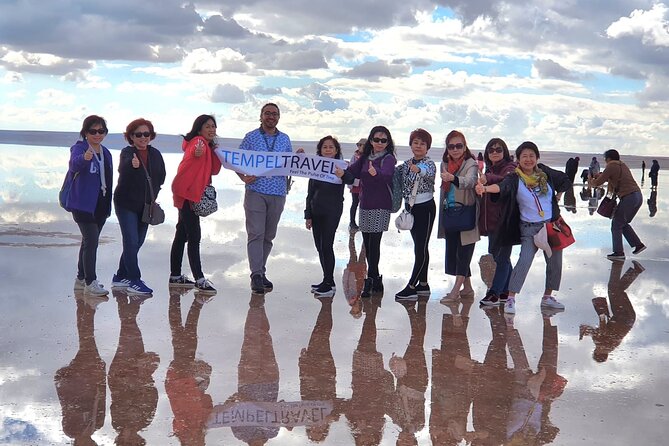
This tour costs $1,499 per person for about four days, and the value mostly comes from what you’re not paying for in time and hassle: domestic flights, airport transfers, guide time, and entrance tickets across several high-demand sites.
At this price, you’re buying convenience and structure. You’re not just “seeing places,” you’re moving efficiently from Cappadocia to the Aegean coast to Pamukkale. That’s the part that can feel worth it if you’re short on vacation days, or if you’d rather pay for logistics than wrestle with them.
Do note a possible confusion in the package details: dinner is listed under Included, but dinner is also listed under Not Included. I’d treat that as a “confirm it before you book” item, so you don’t arrive expecting a covered meal plan that isn’t actually in your booking.
You can also read our reviews of more tours and experiences in Istanbul

Flying from Istanbul: how the schedule really works
The day starts aggressively. On Day 1, you’re picked up from your Istanbul hotel around 04:00 to catch a flight at 06:55. After you land, you’ll transfer to Goreme to meet your local guide and start the Cappadocia sightseeing.
On Day 2, you’ll move even earlier if you choose the optional balloon: the tour begins around 05:00 for sunrise balloons in Cappadocia, with a champagne toast after landing. Then you’ll rejoin the guided “Green/Blue tour” style sightseeing in the late morning (the plan mentions meeting at the hotel lobby and starting again around 09:30 after check-out).
On Day 2, you also fly again: you finish the Cappadocia day around 17:30, transfer to the airport, and take a flight to Izmir around 20:30. From there, Day 3 becomes your Ephesus-focused day.
By Day 4, you’re out the door again at about 07:30 for Pamukkale, and then you fly back to Istanbul in the evening (the plan shows a 19:20 flight from Denizli Airport).
This kind of timing isn’t “relaxing,” but it is effective. If your vacation style is efficient and you like being out early to beat crowds, the schedule will feel logical. If you want slow mornings and long dinners, you might feel rushed.
Cappadocia’s Red Tour: frescoes, fairy chimneys, and that surreal geology
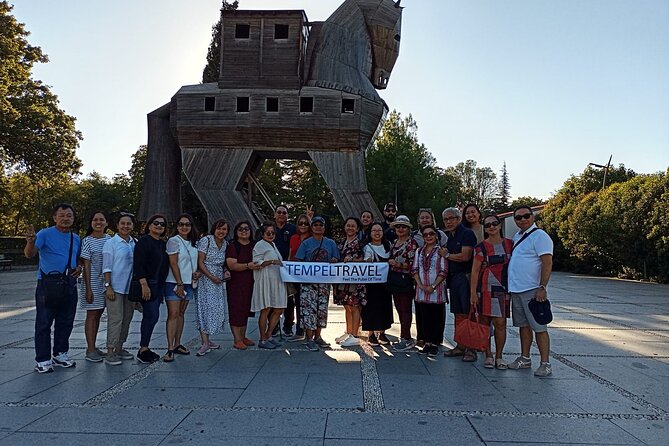
Cappadocia is where this itinerary earns its keep. You’ll get a full guided day with a classic mix of viewpoints and villages that explain the region’s rock formations in plain language.
Goreme Open-Air Museum and rock-cut churches
You’ll visit the Goreme Open-Air Museum, a top site for understanding how communities carved living spaces and worship spaces directly into volcanic rock. The real draw is the frescoed churches and chapels—the kind of artwork that makes the caves feel human, not just geological.
Uchisar Castle village
Next comes Uçhisar, often described as a “castle” village. You’ll see how the terrain itself acts like a fortress, with stone shapes that look both crafted and accidental.




Pasabag Monk Valley and fairy chimneys
Then you’ll hit Pasabag (Monk’s Valley), where the famous “fairy chimneys” dominate the view. This is one of those places where photos can’t fully explain the scale. In person, you’ll feel why this landscape became a visual symbol of Cappadocia.
Avanos pottery village
You’ll also visit Avanos, known for pottery. The plan emphasizes the local red clay source from the Kızılırmak River and the fact that you’ll see locals producing handmade pottery—an easy way to connect the region’s geology to its crafts.
Devrent Valley and Love Valley
Finally, you’ll move through Devrent (Imagination Valley) for sculptural rock formations, plus Love Valley, another standout valley shaped by the same volcanic forces.
What I like: this day gives you a whole “Cappadocia starter kit” in a single loop. You see the museums, the valleys, the viewpoints, and the craft connection.
What to watch: you’ll be on the move. The admission and tour timings are tight enough that comfortable shoes matter.
Cappadocia Sunrise, Rose Valley hike, and the underground world
Day 2 is the more active side, with options that can shape how you remember the trip.
Optional hot air balloon sunrise
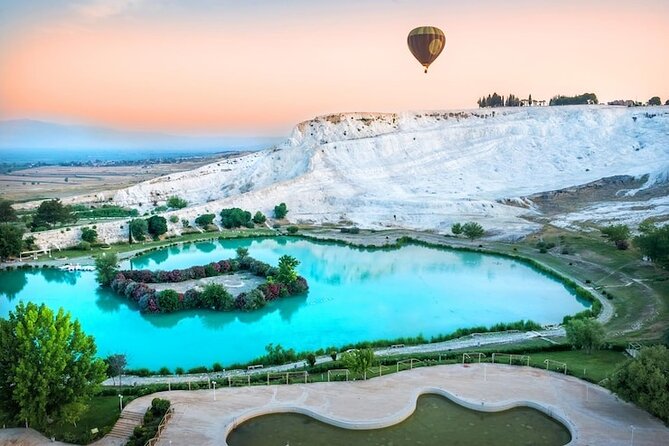
If you want the iconic Cappadocia moment, you’ll start around 05:00 for sunrise balloons. The plan includes a champagne toast after landing, and then you’ll head back to the hotel before the main tour begins again later in the morning.
Balloon rides depend on conditions, so treat this as a highlight you hope for, not a guarantee. The tour notes that the experience requires good weather and can be offered on a different date or refunded if canceled due to poor weather.
Rose Valley trekking and rock-cut churches
For the main day, you’ll explore Rose Valley, described as a beautiful trekking valley. The big payoff is hiking through areas with rock-cut churches, meaning the walk is tied to meaning, not just views.
Cavusin (Çavuşin) and Greek village history
You’ll stop in Çavuşin, an old Greek village known for Christian houses and churches. This part works well if you like travel that includes everyday human history, not only monuments.
Ortahisar Castle area and panoramic pigeon views
You’ll also visit Ortahisar Castle (again, a “castle” shape with storage caves) and later see Pigeon Valley, where dovecotes and old cave homes show how locals used the landscape for practical life.
Kaymaklı Underground City
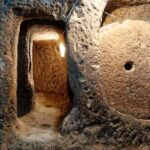
Then comes Kaymaklı (or Özkonak) Underground City—one of the largest and deepest subterranean settlements in Cappadocia. You’ll descend into spaces used for living and protection, including stables, cellars, storage rooms, refectories, churches, and wineries.
What I like: underground stops like this change how you interpret the caves you saw above ground the day before. One day you’re looking at churches carved into rock; the next you’re imagining whole communities living underground for safety.
Small caution: hiking days plus early mornings add up. Bring water, and pace yourself. You’re walking enough that you’ll want to start the day rested.
Ephesus in one downhill route: from Magnesia Gate to the Great Theater
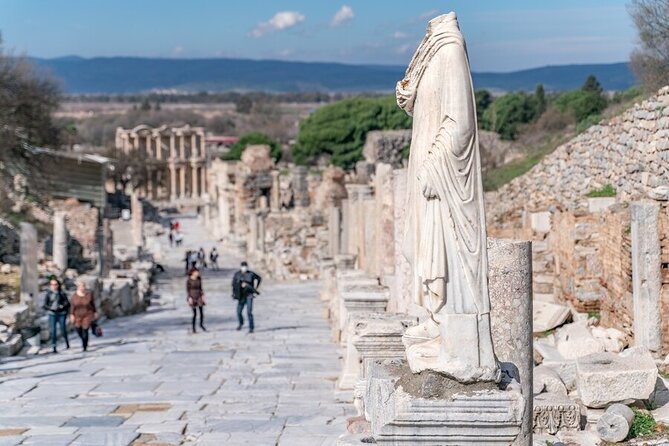
Day 3 is your historical payoff day on the Aegean side. You’ll start in Kuşadası and then move into Ephesus, with a downhill walk that keeps the ruins in a logical order.
Magnesia Gate and the downhill flow
You’ll begin at Magnesia Gate, then the route takes you through key monuments: the Odeon, Celsus Library, Temple of Hadrian, Fountain of Trajan, and the Great Theater.
The Great Theater is one of the best-preserved monuments, and it’s still used for local festivals mentioned in the plan. The guide route also notes it’s believed to be where St Paul preached to the Ephesians.
Why this matters: the guide’s explanation is doing real work here. Ephesus can feel like a “pile of big ruins” if you’re wandering alone. A planned route helps you connect cause and effect—who lived here, how the city functioned, and why these buildings mattered.
Meryemana (The Virgin Mary’s House)
After Ephesus, you drive to Meryemana (The Virgin Mary’s House) on the slopes of Bülbül Mountain. The tour plan explains the belief that St. John brought the Virgin Mother there and that she lived there until her death.
Even if you don’t focus on religious traditions, the location gives the experience a sense of place—hill country, quiet surroundings, and a different pace than the city ruins.
Temple of Artemis and Isa Bey Mosque
You’ll also see the Temple of Artemis, described as dating to around 650 BC, plus Isa Bey Mosque, noted as a strong example from the late Seljuk period (late 14th century).
What to watch: Ephesus is big. Even with guided stops and included entry tickets, you should plan for steady walking and sun exposure.
Pamukkale: travertines, Hierapolis, and the no-shoes moment
Pamukkale is the finale that most people remember with their feet.
Early pickup and a short drive
You’ll be picked up around 07:30, with about 3 hours driving time to reach Pamukkale. You’ll stop for refreshments on the way.
Thermal pools and the Sacred Pool
At the terraces, you’ll visit the thermal pools area, including the Sacred Pool and calcium-rich mineral springs. The plan advises that Pamukkale feels most pleasant once crowds depart but temperatures haven’t dropped yet—meaning early timing helps.
You’ll get practical prep notes too:
- Guests must be able to walk about 0.5 miles over the travertines without shoes
- Bring sunglasses, sunscreen, and a comfortable swimsuit
This isn’t optional in the sense that it’s part of experiencing the terraces. If you have mobility issues, you should think carefully before booking, because the walk requirement is built into the visit.
Hierapolis Roman city
After Pamukkale, you’ll move to Hierapolis, the Roman city associated with limestone layers formed over centuries. The name is explained as “sacred city,” tied to temples in the area.
What I like: the shift from the white terraces to the Roman ruins gives you range. One moment you’re dealing with natural mineral formation; the next you’re reading a city layout through stone remains.
Cardak and flight home
The tour wraps around 16:00, then you drive to Denizli Airport for the evening flight back to Istanbul.
Guides, small groups, and that smooth feeling
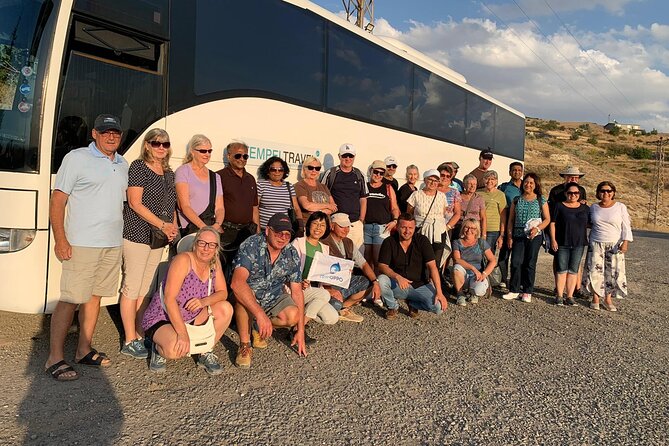
This tour leans hard on guide quality, and the names show up again and again in customer feedback you can use as a clue: guides like Hazan, Nazli, Seyfullah, Esat, Cemil, Duygu, Safak, and Hasan are mentioned as being friendly, patient, and helpful.
You’ll also see the pattern in how the tour is designed:
- Group size stays capped at 15
- You get local guides for Cappadocia and Ephesus
- Airport transfers and domestic movements are included
That matters because it removes the most annoying parts of a multi-city trip: language barriers, ticket handling, and timing mismatches. Even when the days are early, the “stress-free package” idea is the reason the schedule works at all.
What’s included, what to double-check, and what you’ll handle yourself
Based on the tour details, you can expect:
- All airport transfers
- Entrance tickets for museums and included sights
- Professional tour guide and transportation across the four days
- Mobile ticket
- Dinner is listed under Included
- Breakfast is marked optional in the included list (so check your exact booking)
Not included is listed as:
- Personal expenses
- Drinks
- Tips to the driver and guide
- Hotel bookings (you’re responsible for lodging unless your booking package covers it)
One more double-check: the plan also mentions dinner under Not Included, even though dinner is listed under Included. If dinner is important to you, confirm what’s actually covered.
Who should book this Cappadocia, Ephesus, Pamukkale tour?
Book it if:
- You want big sights in a short time and you’re okay with early starts
- You like guided ruins and want a structured route through Ephesus
- You’re excited about Cappadocia’s valleys and possibly the optional balloon sunrise
- You care about not dealing with ticket lines and logistics across multiple regions
Skip it (or at least think twice) if:
- You want a slow pace with long downtime
- You’re not comfortable with walking in hot sun, and especially the no-shoes travertine walk
- You’re hoping for lots of free time built into the schedule (this one is packed)
Should you book Tempel Travel’s 4-day fly-through?
I’d book this if you’re traveling with a “make the most of limited vacation days” mindset and you want a guide to connect the dots between Cappadocia geology, Ephesus urban design, and Pamukkale’s mineral terraces.
Before you commit, do these two quick checks:
- Confirm what’s true for dinner vs not-included dinner in your exact booking
- Confirm any personal comfort limits for the Pamukkale travertine walk (0.5 miles without shoes)
If those boxes work for you, this itinerary is a strong way to experience three of Turkey’s headline locations without losing half your trip to transit.
FAQ
What time is the Istanbul pickup on Day 1?
Pickup from your Istanbul hotel is around 04:00 for a flight at 06:55.
Is the hot air balloon ride included?
A hot air balloon sunrise ride is listed as optional on Day 2, with a champagne toast after landing.
How big is the group?
The tour is described as a small group with a maximum of 15 people.
Are airport transfers included?
Yes. All airport transfers are included.
Do I need to pay for entrance tickets?
Entrance tickets for museums and included attractions are listed as included, and express/skip-the-line entry is also mentioned.
What is the walking requirement at Pamukkale?
You must be able to walk about 0.5 miles over the travertines without shoes.
How long does it take to reach Pamukkale?
The plan states it takes around 3 hours to reach Pamukkale from the pickup point.
What is the total trip duration?
The tour is described as 4 days (approx.) and spans about 4 days and 3 nights.
Can the balloon or other weather-dependent parts be canceled?
The tour notes it requires good weather. If canceled due to poor weather, you’ll be offered a different date or a full refund.
Can I cancel for a full refund?
Yes. You can cancel up to 24 hours in advance for a full refund, and cut-off times are based on the experience’s local time.