REVIEW · ISTANBUL
Byzantine & Ottoman Relics of Istanbul Full Day Tour
Book on GetYourGuide →Operated by Gray Line Turkey · Bookable on GetYourGuide
Istanbul compresses empires into one perfect day. You start with the big visual hits, like Hagia Sophia and the Grand Covered Bazaar, and then you connect the dots between Byzantine Constantinople and Ottoman Istanbul in the same 7-hour stretch.
What I really like is how the itinerary stacks the meaning of each site, not just the photo spots. The Topkapi Palace stop hits like a time machine, and the chance to include Hagia Irene (often overlooked) adds a deeper feel for how layers of worship and power survived in the same walled city.
One thing to weigh: the schedule can change around religious timing and weekly openings. On Fridays, you only visit the Blue Mosque outside until 13:00, and on Sundays the Grand Bazaar is closed and gets replaced by a traditional shop visit instead.
In This Review
- Key points to know before you go
- A smart way to see Istanbul’s power centers (in 7 hours)
- Hagia Sophia and the Blue Mosque: what to notice fast
- Hippodrome: the action square behind the famous buildings
- The Grand Covered Bazaar: shopping time with a real plan
- Topkapi Palace and Hagia Irene: where the power gets personal
- Lunch, transport, and the guide style that can make or break the day
- Price and value: is $213 a good deal for this route?
- What you’ll do and why each stop matters
- Who this tour suits best (and who should skip it)
- Should you book Byzantium & Ottoman Relics of Istanbul?
- FAQ
- How long is the Byzantine & Ottoman Relics of Istanbul tour?
- What is the meeting logistics like for pickup?
- Do I need to buy entrance tickets?
- What major sites are included in the itinerary?
- Is the Grand Bazaar visit guided?
- What happens on Sundays?
- What happens on Fridays for the Blue Mosque?
- What languages is the live guide available in?
- What should I bring, and what is not allowed?
- Is hotel drop-off included?
- Can I cancel and get a full refund?
Key points to know before you go
- Two empires, one tight route: Byzantine and Ottoman sites in a single day without much backtracking
- Icon stops that are actually worth your time: Hagia Sophia, Blue Mosque, Hippodrome, Topkapi, Hagia Irene
- Grand Bazaar visit has freedom built in: you get time to explore on your own (not as a guided walk)
- Friday and Sunday rules affect the day: mosque access shifts by prayer time, and Bazaar access shifts on Sundays
- Skip the ticket line: helps when queues get ugly at the palace and major museums
A smart way to see Istanbul’s power centers (in 7 hours)
If your Istanbul days are limited, this tour is built for one goal: get you to the places that shaped the city’s identity. You’re covering the seat of two empires in the Old City area, moving from landmark architecture to major public spaces to imperial residences.
The pacing is the trade-off. You’re not wandering for hours in one neighborhood. Instead, you travel with air-conditioned transportation, you get entrance fees handled, and you’re guided through the key context you’d otherwise have to piece together yourself. For many first-timers, that’s the sweet spot: enough structure to make the day make sense, without turning your trip into a spreadsheet.
You can also read our reviews of more tours and experiences in Istanbul
Hagia Sophia and the Blue Mosque: what to notice fast
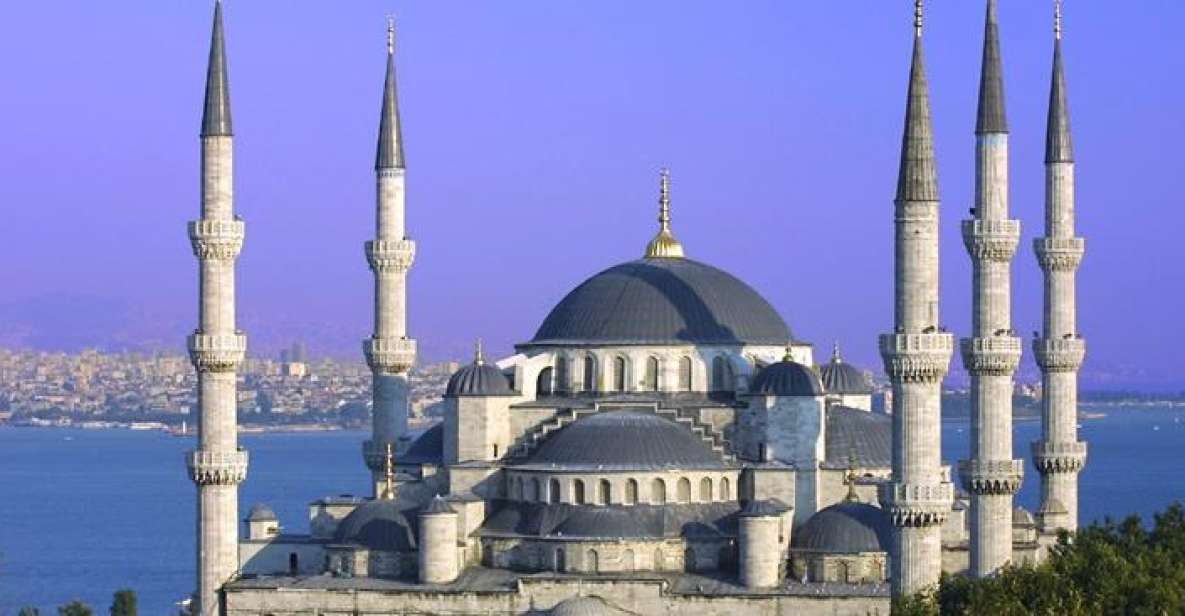
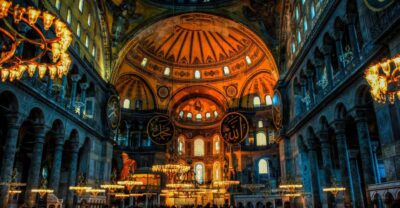
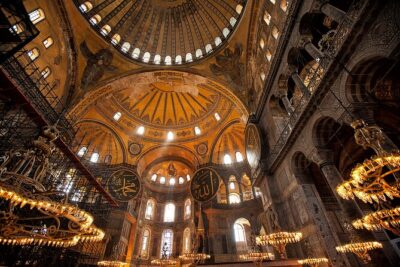
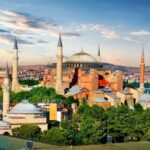
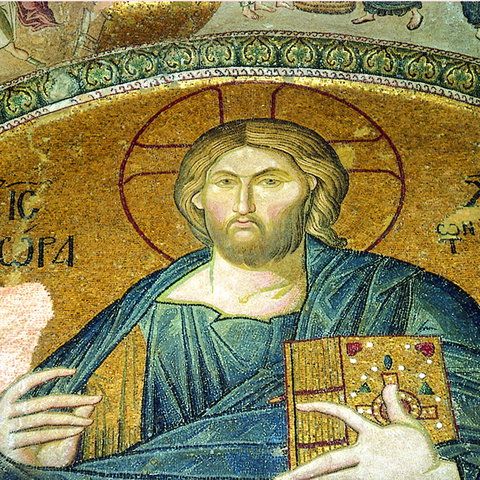
This is where Istanbul shows its muscle. You visit Hagia Sophia, a basilica constructed by Emperor Justinian in the 6th century. Even if you’re not an architecture nerd, you can feel what it meant to build something on that scale so long ago. Look beyond the obvious dome-and-moody-light photos. Try to notice how the building functioned as a statement: religion, authority, and engineering all in one.
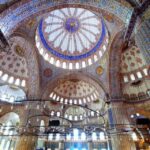
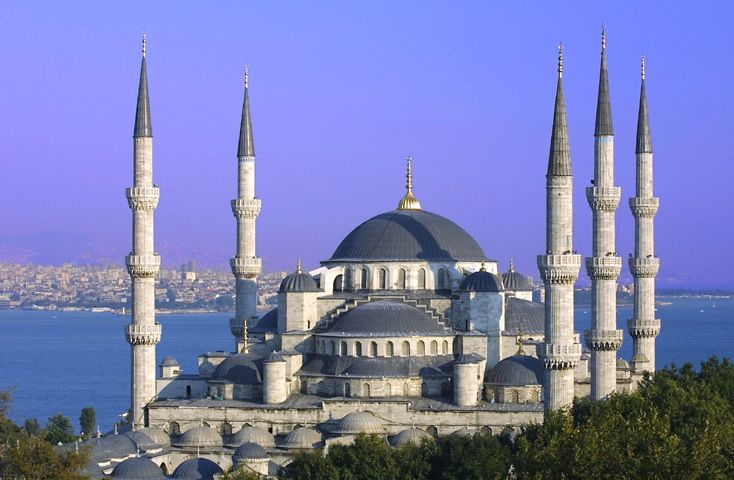
Then you’re positioned for the next contrast: the Blue Mosque, famous for its striking blue interior tiles and its unique six minarets. The Ottoman-era touch is loud and immediate, and standing nearby helps you understand the visual shift from Byzantine messaging to Ottoman styling.
One practical wrinkle matters for planning: on Fridays (because of the noon prayer), you only visit the Blue Mosque outside in the morning until 13:00. That doesn’t kill the experience, but it does mean you should temper expectations if you were hoping for full interior access that day.
Hippodrome: the action square behind the famous buildings
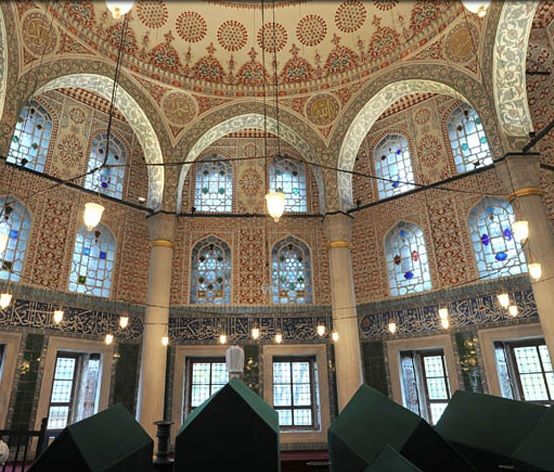
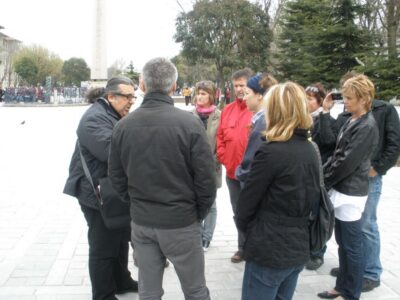
Between religious icons and imperial palaces, the itinerary brings you to the Hippodrome. This wasn’t just a pretty historic zone. It was a center for sporting events like chariot races and also political activity in the Old City.
What makes this stop interesting is how specific artifacts anchor your understanding of the space. You’ll see the Serpentine Column, the Obelisk of Theodosius, and the German Fountain of Wilhelm II. The mix of pieces tells a story: the location stayed important, even when rulers changed.
My advice: keep your expectations flexible here. The Hippodrome is more about reading the site than checking boxes. If you’re the type who wants your brain switched on for symbolism and politics, you’ll enjoy this.
The Grand Covered Bazaar: shopping time with a real plan
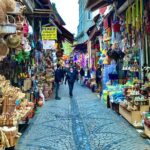
Then you hit the Grand Covered Bazaar, described as the world’s largest souk with nearly 4,000 shops. This is the stop that most people either love or find exhausting. The difference is whether you treat it as a mission or as a maze.
You’ll browse a place that sells everything from antiques and jewelry to gold and carpets. There’s even a demonstration of the making of a traditional handmade Turkish carpet—so it’s not only a shopping hall. You’re seeing how some of the product culture is made, not just displayed.
Two key notes that affect how you experience it:
- You get free time to explore the Grand Bazaar on your own, and that portion is not guided.
- The Bazaar is closed on Sundays. On Sundays, the tour replaces it with a visit to a traditional shop selling authentic Turkish goods.
So if you hate wandering without a map, prepare yourself mentally for that self-explore gap. Go in with 2 or 3 things you want to look for (a spice, a small leather item, a carpet style you can recognize), and you’ll navigate with less stress.
Also, keep your shoes comfortable. You’re on your feet for a reason.
Topkapi Palace and Hagia Irene: where the power gets personal
Lunch comes in between the shopping and the imperial stops, then you move to Topkapi Palace, the residence of Ottoman sultans. This is one of those places where the collections feel like they’re trying to impress you from every doorway.
You’ll see imperial treasures and sacred Islamic relics of the prophet Mohammed, plus items like Chinese porcelain and weapons. The mix is what makes it memorable: Topkapi is not just a palace museum. It’s a statement of reach—religion, diplomacy, trade, and security all in one complex.
The tour also includes Hagia Irene, which you visit as part of the day. It’s a nice choice because it helps broaden the Istanbul story beyond only the headline-famous churches and mosques. When you add a less-touted stop, you get a day that feels more like understanding the city and less like checking famous landmarks.
One caution: if a site is closed on the specific day you book (it can happen with major museums), it can affect the value of what you paid for. I’d treat the date you book as part of your decision, not an afterthought.



Lunch, transport, and the guide style that can make or break the day
This tour includes lunch and air-conditioned transportation, which matters in Istanbul. Heat and distance can turn “a great plan” into “why are we still moving.” With the transport handled, you spend your energy on the sites instead of figuring out buses.
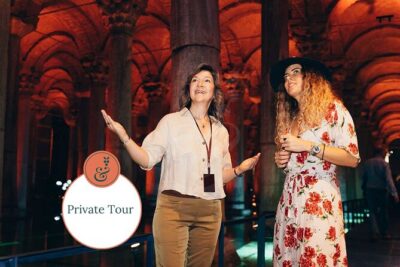
Your experience also depends on the live guide. This tour runs with an English, German, and Spanish live guide, and that multilingual setup can help more people join, but it can also tighten explanations when the guide switches languages. The best tours strike a balance, and there’s strong evidence that when the guide keeps a dynamic rhythm, you’ll walk away feeling like you understood the big picture.
In one example, a guide named Beko was praised for being friendly, dynamic, and able to switch between German and English while still giving lots of details. If you’re sensitive to communication style, that name should be a good sign.
One more logistics reality: pick-up happens from centrally located city hotels. Pick-up is scheduled between 08:00 and 09:00 depending on your hotel, and the shuttle ride can take 45 minutes to 1 hour. That means your true start time might feel earlier than expected, especially if you’re already awake and waiting. If you want to avoid stress, build a little buffer into your morning plans.
Finally: you’ll get free pick-up, but there’s no hotel drop-off included. Plan on returning on your own or arranging transport from the end point.
Price and value: is $213 a good deal for this route?
At $213 per person for a 7-hour day, the price looks steep until you break it down. You’re paying for a lot of the friction in Istanbul:
- entrance fees to major sites
- guided interpretation (English/German/Spanish)
- air-conditioned transportation
- lunch included
- skip the ticket line
If you were booking each stop separately, you’d spend time on planning, ticket logistics, and travel between neighborhoods. Here, the structure is the value. For first-timers, the biggest win is time saved and the connections made between sites.
The potential value leak is not the core itinerary—it’s the risk of schedule changes. Fridays limit Blue Mosque access to outside only, and Sundays swap out the Grand Bazaar. If you book around those days, it may reduce what you expected to see.
Also, shopping-focused parts of the day can feel like you’re being gently nudged toward purchases. A carpet demonstration is educational, but the day can still include retail-style stops. If you hate any shopping pressure, treat the bazaars as a browse-only experience and set a firm budget in your head.
Bottom line: it’s good value if you want structure and you’re okay with a few moving parts.
What you’ll do and why each stop matters
Here’s the order and the purpose in plain terms:
- Hagia Sophia: Byzantine engineering and faith made visible
- Blue Mosque: Ottoman artistic identity with clear visual cues
- Hippodrome: public power—sports and politics in one space
- Grand Covered Bazaar: Ottoman-era commerce culture, plus modern souvenirs and craft demos
- Lunch: included fuel before imperial collections
- Topkapi Palace: sultan life and state collections, mixing art, artifacts, and relics
- Hagia Irene: extra architectural depth without requiring an extra travel day
When the day works, you end up with a mental map that lasts long after your photos. When it doesn’t, it’s usually because of timing constraints (Friday/Sunday) or guide language dynamics.
Who this tour suits best (and who should skip it)
This tour is a great fit if:
- you want the Old City highlights in one day
- you don’t want to organize tickets and transport between sites
- you like having context while you walk through big famous places
- you’re comfortable with one part of the day being self-exploration in the Grand Bazaar
It might not be your best choice if:
- you need a very deep, single-language lecture style
- you dislike any retail stops or shopping demos
- you’re the kind of traveler who wants a slow pace and lots of unstructured time
If you’re traveling with the expectation of a private, tailored guide, the fixed-group style of explanations can feel rushed.
Should you book Byzantium & Ottoman Relics of Istanbul?
I’d book it if you’re here for a short time and you want the high-impact sites without the planning headache. The combination—Hagia Sophia, Blue Mosque, Hippodrome, Grand Bazaar, Topkapi, and Hagia Irene—creates a coherent story of how Istanbul changed while still feeling like one city.
I’d think twice if your day is Sunday (Bazaar closure means a switch) or Friday morning (Blue Mosque is outside only until 13:00). Also, confirm that your travel date won’t hit an unexpected closure for Topkapi, because that’s the one stop where losing entrance time can feel like the biggest letdown.
If you go in with realistic expectations and comfortable shoes, this is one of those days that makes Istanbul feel big in the best way—because it’s not random. It’s organized around power, faith, and commerce.
FAQ
How long is the Byzantine & Ottoman Relics of Istanbul tour?
The tour runs for 7 hours.
What is the meeting logistics like for pickup?
There is free pick-up from centrally located Istanbul hotels. Pick-up typically occurs between 08:00 and 09:00 depending on your hotel, and the shuttle ride can take 45 minutes to 1 hour.
Do I need to buy entrance tickets?
No. Museum entrance fees are included, and you also get skip-the-ticket-line service.
What major sites are included in the itinerary?
You’ll visit Hagia Sophia, the Blue Mosque area, the Hippodrome, the Grand Covered Bazaar, Topkapi Palace, and Hagia Irene.
Is the Grand Bazaar visit guided?
You’ll get free time to explore the Grand Bazaar on your own, and this part is not a guided walk.
What happens on Sundays?
The Grand Covered Bazaar is closed on Sundays, and that portion of the tour is replaced with a visit to a traditional shop selling authentic Turkish goods.
What happens on Fridays for the Blue Mosque?
Because of the noon prayer on Fridays, you will only visit the outside of the Blue Mosque in the morning until 13:00.
What languages is the live guide available in?
The live tour guide is available in English, German, and Spanish.
What should I bring, and what is not allowed?
Bring a passport or ID card and comfortable shoes. Pets are not allowed, smoking is not allowed, and luggage or large bags are not allowed.
Is hotel drop-off included?
No. Pick-up is included for centrally located hotels, but hotel drop-off is not included.
Can I cancel and get a full refund?
Yes. You can cancel up to 24 hours in advance for a full refund.