REVIEW · ISTANBUL
10-Day Highlights of Turkey Private Tour from Istanbul
Book on Viator →Operated by Turkey Private Tours · Bookable on Viator
Your Turkey trip starts with real momentum. In 10 days you link Istanbul with the Aegean’s big ruins and then the surreal moonscape of Cappadocia. I especially like the private format (just your party with a guide/driver) and the fact that entrance fees are handled. The only drawback to plan around is that accommodation is on you, so you’ll want to choose hotels thoughtfully to avoid long transfers.
What makes this itinerary feel smart is the mix of iconic sights and day-trip “why does this matter?” stops. I also like that you get both structure and flexibility: you’re moving every day, but you can contact the team for accommodation suggestions rather than guessing. The consideration: you’ll be doing plenty of walking and some long drives (like the day to Troy), so it helps to pack for comfort and bring a moderate fitness mindset.
One more thing I appreciate from similar private experiences: you get named experts in different regions. In this trip, guides and specialists like Mert (Istanbul), Ertunga (Ephesus area), Nilay (Cappadocia), and Tuna (Aegean region) show up as part of the local know-how, not a one-size-fits-all lecture.
In This Review
- Key highlights worth your attention
- Private Turkey’s Route: Istanbul, the Aegean, and Cappadocia in One Loop
- What You Get for the Money (and What You Don’t)
- Included that actually reduces stress
- Not included, so budget it now
- Day One in Istanbul: From Airport Transfer to Ottoman Icons
- Hippodrome, Blue Mosque, Hagia Sophia: Getting the Byzantine-Ottoman Feel Fast
- Topkapi Palace and the Grand Bazaar: When History Turns Practical
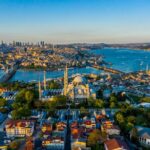
- Bosphorus Day: Palaces, Bridges, and Fortresses from the Water
- Spice Market, Süleymaniye, Basilica Cistern, and Archaeological Museum
- Leaving Istanbul: Troy and Assos for Big Myths and Sea Views
- Troy (Truva): The ancient city you can’t unsee
- Assos: Athena’s temple over the Aegean
- Pergamon, Asklepion, and Kusadasi: Roman Brilliance Before Ephesus
- Pergamon Amphitheater: Steep and impressive
- Asklepion: The ancient hospital concept
- Ephesus, Virgin Mary’s House, and the Artemis Ruins: The Aegean’s Heavy Hitters
- Ancient City of Ephesus: a Roman ruin scale you can feel
- Meryemana (Virgin Mary’s House): faith and geography together
- Temple of Artemis: the seven-wonders connection
- Aphrodisias and Pamukkale/Hierapolis: Art, Stadiums, and Thermal Pools
- Aphrodisias: Aphrodite’s city and a big stadium
- Hierapolis and Pamukkale: thermal terraces you can walk on
- Konya’s Mevlana Museum and the Push Toward Cappadocia
- Cappadocia Without Wasting the Morning: Göreme, Valleys, and Kaymaklı
- Göreme Open-Air Museum: the essential start
- Devrent Valley (Imaginary Valley): lunar shapes for easy photos
- Pasabag (Monks Valley): fairy chimneys
- Zelve Open Air Museum: abandoned valleys
- Kaymaklı Underground City: safety and survival
- Ending the Trip: Transfer to Kayseri/Nevşehir Airport
- Why the Private Format Feels Different (Even on a Packed 10-Day Plan)
- Practical Tips for Comfort and Good Timing
- Who This Tour Suits Best
- Should You Book This Private 10-Day Turkey Highlights Tour?
- FAQ
- Is accommodation included in this 10-day tour?
- What meals are included?
- Are entrance fees included?
- Is this tour private?
- How does the tour start and end?
- Do I need to book a hot-air balloon in advance?
- What kind of fitness level do I need?
- Can I cancel for a full refund?
Key highlights worth your attention
- Private guide/driver all the way so your pace and questions can actually steer the day
- Entrance fees, taxes, fuel surcharges, and service fees included for fewer surprise costs
- Lunch included on 7 days, which helps when you’re moving across regions
- Aegean route packed with major sites: Ephesus, Pergamon, Aphrodisias, and Pamukkale/Hierapolis
- Cappadocia “big rocks” included: Göreme Open-Air Museum plus valleys and the underground city
- Optional early hot-air balloon from the Göreme area if you want the classic morning spectacle
Private Turkey’s Route: Istanbul, the Aegean, and Cappadocia in One Loop
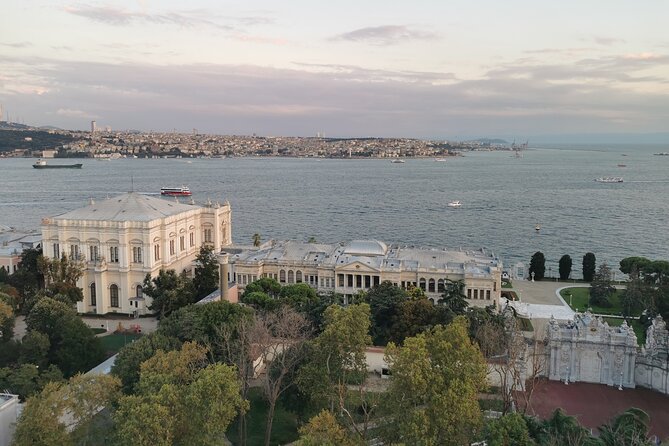
This isn’t a “sit on a bus and tick boxes” plan. It’s built like a connected story across three very different parts of Turkey: Ottoman and Byzantine Istanbul, Roman-era brilliance along the Aegean, and the volcanic fairy-chimney world of Cappadocia.
The private structure matters more than you might think. When you’re with just your party, your guide can slow down for the details you care about (architecture, myths behind ruins, or how daily life changed across empires). It also makes a difference with timing—museums and major churches can feel less stressful when you’re not constantly weaving through crowds.
Price-wise, $2,158.83 per person sounds like a serious number. But you’re not just paying for transportation. Your package covers private airport transfers, daily guided touring, entrance fees, and lunch on multiple days. Accommodation isn’t included, and you’ll still plan for breakfast and dinner, but the biggest variable—ticketing—looks to be managed for you.
You can also read our reviews of more private tours in Istanbul

What You Get for the Money (and What You Don’t)
Here’s the trade: the tour handles a lot of the “logistics friction,” and you handle lodging and meals outside the included lunch.
Included that actually reduces stress
- Pickup and transfers (arrival into Istanbul; and later transfer to the airport for your return flight)
- Private touring with guide/driver, meaning no shared group shuffle
- Entrance fees included (and the package also covers taxes, fuel surcharges, and service fees)
- Lunch included on 7 days
- Parking fees included (small line item, big comfort when you’re on a tight schedule)
Not included, so budget it now
- Accommodation (you choose, or you ask for suggestions)
- Breakfast, dinner, and drinks during the daily tours
I like that the package is clear about this. It helps you avoid the classic trap: thinking a tour price includes everything, then realizing you’re paying extra every day.
Day One in Istanbul: From Airport Transfer to Ottoman Icons
Your first day is all about getting settled fast. You’re picked up from the airport and transferred straight to your hotel, then you overnight in Istanbul. That means you start fresh instead of wasting your first afternoon figuring out public transit.
Then, the sightseeing day is a concentrated sweep through Istanbul’s power centers—political, religious, and mercantile.

Hippodrome, Blue Mosque, Hagia Sophia: Getting the Byzantine-Ottoman Feel Fast
This is a strong start because you see the city through layers.
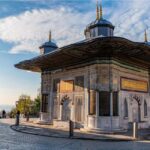
- Hippodrome of Constantinople: it’s entertainment history—public events organized by emperors. Even if you don’t know every detail, it gives context for why this area was important.
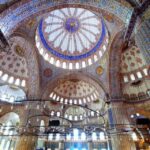
- Blue Mosque (Sultan Ahmed Mosque): famous for its blue handmade ceramic tiles, which makes it feel less like a generic “big mosque” and more like a visual craft project.
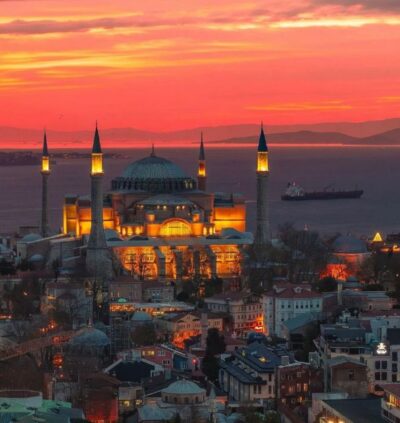
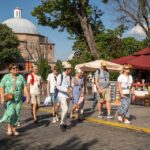
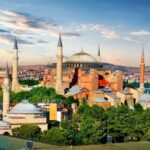
- Ayasofya (Hagia Sophia): you see the transition from a major Orthodox church to today’s museum/mosque. It’s one of those places where just standing still helps you grasp scale.
Time-wise, you’re in the zone for a few hours with fairly standard visit durations for each stop. The advantage of doing it on Day 2 is that you’re fresh and still have energy for the walking that comes next.
Topkapi Palace and the Grand Bazaar: When History Turns Practical
After religious and civic sites, the tour shifts into Ottoman imperial life.
- Topkapi Palace is a major art and architecture showcase: the Ottoman sultans’ residence. It’s not just a pretty building; it’s where governance becomes physical—rooms, courtyards, and the idea of authority.
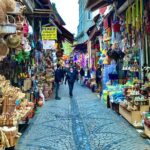
- The Grand Bazaar ends the day with shopping energy. You’re given time to walk and browse in the oldest and largest covered market in the world.
If you’re the type who hates aggressive bargaining, you can still enjoy the bazaar as a sensory experience. Just decide your comfort level early: browse slowly, pick a couple of items you actually want, and leave when it starts to feel like work.
Bosphorus Day: Palaces, Bridges, and Fortresses from the Water
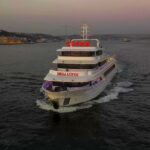
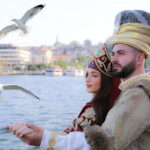
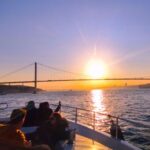
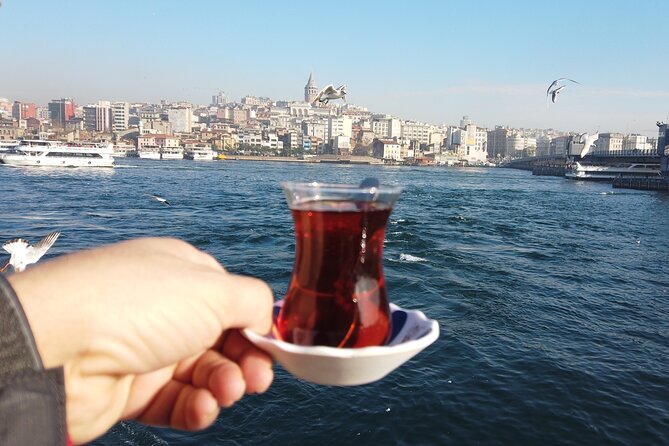
A Bosphorus boat trip is one of Istanbul’s smartest moves because it changes your perspective. Instead of only seeing buildings head-on, you see how the city hugs the strait and how the fortresses and palaces relate to each other.
During this stretch, you’ll pass bridges and landmarks like Dolmabahce and Beylerbeyi Palaces, and you’ll also see fortresses and traditional houses around the water.
This is also a good day to reset mentally. You get a break from museum-style pacing without losing the “wow” factor.
Spice Market, Süleymaniye, Basilica Cistern, and Archaeological Museum
The itinerary keeps variety coming.
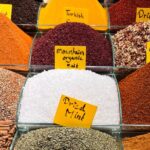
- Spice Market (Misir Çarsisi) adds a daily-life flavor. It’s a 17th-century structure tied to the spice trade. Even if you don’t buy much, the smell and layout make it memorable.
- Süleymaniye Mosque brings you back into Ottoman grandeur. It’s another work by famed architect Sinan, and the stop time is short enough that you won’t feel trapped inside the route.
- Basilica Cistern is a mood change: an underground water system that once supplied the Great Palace of Constantinople. The atmosphere is the point here. It feels cooler, darker, and oddly cinematic.
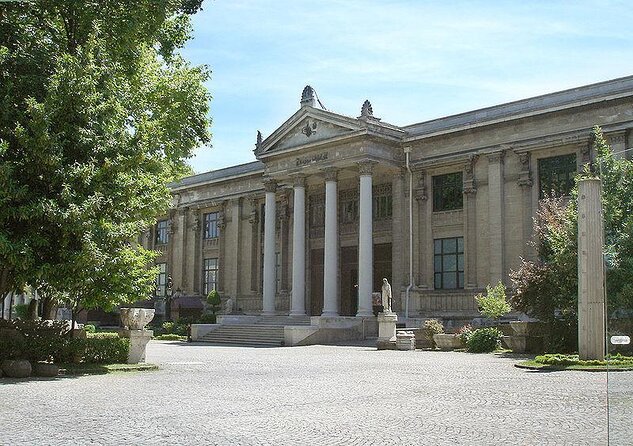
- Istanbul Archaeological Museum rounds things out with a museum stop that complements the architecture and civic sites.
Practical note: after a day like this, your feet will know. This is where good shoes and a lightweight day bag are worth more than any souvenir.
Leaving Istanbul: Troy and Assos for Big Myths and Sea Views
On the day you head out of Istanbul, you trade city crowds for storytelling. The drive to Troy is long enough that it helps to see it as a travel day plus an anchor stop.
Troy (Truva): The ancient city you can’t unsee
You get time to visit the famous ancient city of Troy. The value here is the “place-based myth”—the ideas feel more real when you stand in the landscape rather than reading about it.
Assos: Athena’s temple over the Aegean
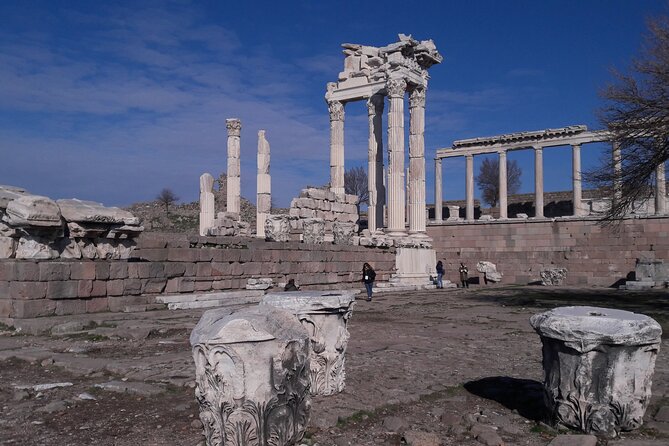
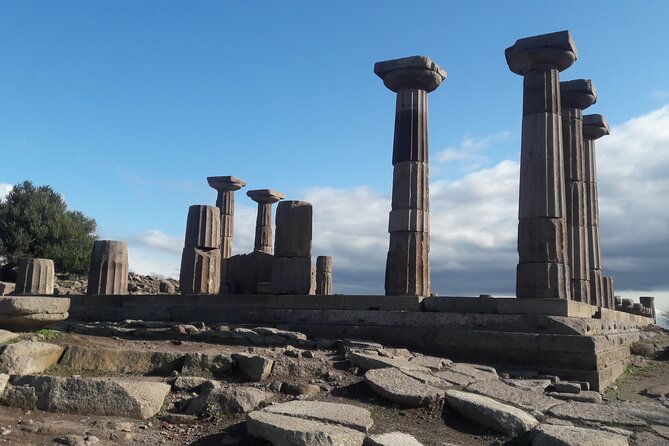
From Troy you continue to Assos, with a stop for the Temple of Athena and time in the ancient city overlooking the Aegean. This isn’t just another ruin stop. The setting is a big part of why it sticks with you.
Overnight in Assos makes the whole region feel less rushed than a straight drive-through.
Pergamon, Asklepion, and Kusadasi: Roman Brilliance Before Ephesus
The next move is into the Pergamon region.
Pergamon Amphitheater: Steep and impressive
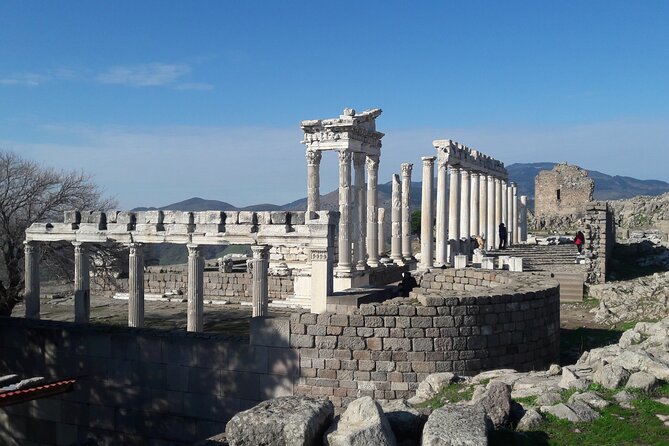
You visit the Acropolis of Pergamon, including the amphitheater. It’s described as one of the steepest theaters in the ancient world, which matters because you can understand ancient spectacle as something built into the terrain.
Asklepion: The ancient hospital concept
You also stop at the Asklepion, known as one of the oldest hospital complexes. You’ll see ruins, but the real lesson is how advanced ancient health thinking could be—at least in how they organized care.
After this, you transfer toward Kusadasi for overnight. That positioning helps you hit the next days’ major sites without wasting time on constant hotel moves.
Ephesus, Virgin Mary’s House, and the Artemis Ruins: The Aegean’s Heavy Hitters
If you want the Aegean to feel like the main event, this is the stretch.
Ancient City of Ephesus: a Roman ruin scale you can feel
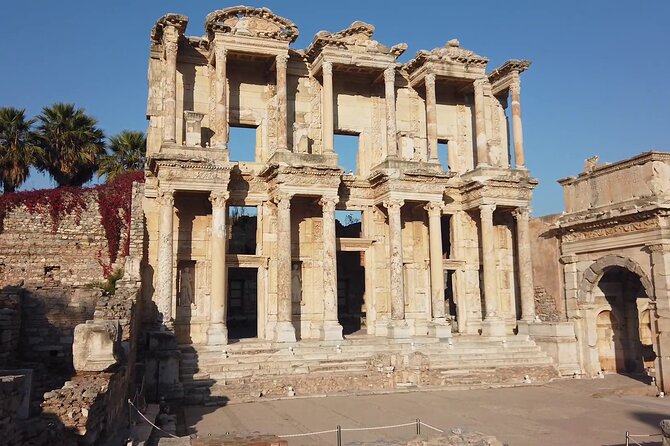
Ephesus is described as very well preserved and a standout Roman ruin collection. Time is set for a solid visit, and it’s one of those sites where you’ll constantly look back and realize you’ve walked past another impressive structure.
Meryemana (Virgin Mary’s House): faith and geography together
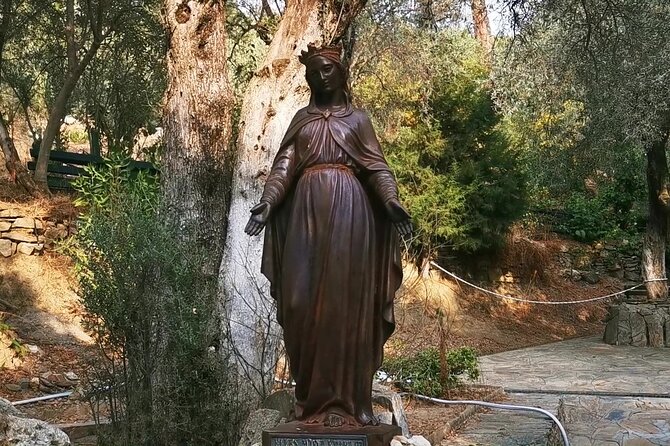
You also visit Meryemana, believed to be a house where the Mother of Jesus spent time. It’s a Catholic church today, which means you’re seeing a sacred site tied to a specific location.
Temple of Artemis: the seven-wonders connection
The day ends with the Temple of Artemis ruins. You’re seeing the remains of one of the ancient world’s famed wonders. Even if you don’t know all the history, you can grasp why people once cared so much about this place.
Aphrodisias and Pamukkale/Hierapolis: Art, Stadiums, and Thermal Pools
After Kusadasi, you head toward two distinct wonders: Aphrodisias and Pamukkale/Hierapolis.
Aphrodisias: Aphrodite’s city and a big stadium
You’ll visit Aphrodisias, associated with Aphrodite and highlighted by a stadium. That stadium detail is useful because it connects the city to public life, not just sculpture and myth.
Hierapolis and Pamukkale: thermal terraces you can walk on
Then comes Pamukkale, with Hierapolis included. You’ll see the thermal pools and ruins of the ancient city, which is one of Turkey’s most recognizable “wow for photos” destinations.
Just be realistic with how you use your time here: it’s easy to overdo walking on uneven areas. Pace it and keep water in mind.
Overnight in Pamukkale keeps travel stress down and makes this stop feel like a destination rather than a stop sign.
Konya’s Mevlana Museum and the Push Toward Cappadocia
You leave Pamukkale and drive toward Konya. The tour stop here is the Mevlana Mausoleum, also called the Mevlana Museum, described as an important spiritual center in the Islamic world.
This day gives you a cultural pause between the ancient ruins and the volcanic fantasy world of Cappadocia. It’s also a nice example of the itinerary not being only about monuments; it includes belief and tradition as well.
Then you continue for the move to Cappadocia and overnight.
Cappadocia Without Wasting the Morning: Göreme, Valleys, and Kaymaklı
Cappadocia is where this tour becomes unforgettable.
Göreme Open-Air Museum: the essential start
Your Cappadocia tour starts from the Göreme Open-Air Museum, a monastery complex carved into volcanic stone. If you want one “must-see” in the region, this is it.
There’s also an optional hot-air balloon flight early in the morning. If you do it, you’ll start early, come back for breakfast, and then move on to the museum portion.
Devrent Valley (Imaginary Valley): lunar shapes for easy photos
You also visit Devrent Valley, known for its lunar landscape. It’s short and flexible, so it works well if you want both pictures and quiet wandering without feeling forced.
Pasabag (Monks Valley): fairy chimneys
Pasabag is where you’ll see the famous fairy chimneys. Even in a short visit, you’ll understand why Cappadocia became a must-have on first-time Turkey trips.
Zelve Open Air Museum: abandoned valleys
Zelve is described as one of the last abandoned valleys in the area. The value here is the sense of place—less like a staged highlight, more like you’re walking through what’s left when a settlement fades.
Kaymaklı Underground City: safety and survival
Finally you visit Kaymaklı Underground City, one of the biggest underground cities in the region used for centuries.
This is a good close to the Cappadocia portion because it answers the question you’ll likely be asking while seeing dramatic landscapes: where did people go when they needed protection?
You overnight in Cappadocia again after this.
Ending the Trip: Transfer to Kayseri/Nevşehir Airport
On the final day, you’re transferred to Kayseri or Nevşehir airport to fly to Istanbul. It’s a clean exit route from Cappadocia back to the main city, without adding extra sightseeing on your departure day.
Why the Private Format Feels Different (Even on a Packed 10-Day Plan)
Even with a lot of sites, the private setup changes how the day feels.
- When you’re with a dedicated guide, you can ask why something was built where it was.
- You can adjust timing when you hit a museum moment you care about more, or if you need a quick break.
- You don’t waste time negotiating shared schedules with strangers.
This is exactly where the named local specialists help. Guides like Ertunga, Nilay, Mert, and Tuna (across regions) give the trip a sense of continuity. It’s not the same voice reading facts in every stop; it’s local knowledge applied to your questions.
Also, the tour is designed as a multi-day trip with transport and parking handled. That removes a lot of planning stress, especially when you’re hopping between continents of geography.
Practical Tips for Comfort and Good Timing
A few things I’d do before you go, given the pace and the mix of city and ruins:
- Wear shoes you can walk in all day. You’ll mix mosques, cistern floors, bazaar walking, and uneven archaeological grounds.
- Plan for sun and dust. Even if the day is mild, open-air ruins can feel exposed.
- Keep a small day bag. You’ll want water, a layer, and a place for small items when you’re switching between stops.
- Treat lunch as a reset. Since lunch is included on 7 days, use that time to slow down. It keeps the afternoon visits enjoyable, not grindy.
And because accommodation is not included, you’ll want to pick hotels that match your expected wake-up times—especially if you’re doing the optional balloon.
Who This Tour Suits Best
This private 10-day highlights route is a good fit if:
- you want the big icons plus major regional ruins without planning inter-city transport yourself
- you prefer private guiding and more control over questions and timing
- you’re okay with a schedule that moves most days, not one with long free afternoons
- you have moderate physical fitness and can handle long walks
If you’re traveling with kids, the pacing can still work, especially because private guiding can slow things down and keep attention on what matters. The same logic works for multigenerational groups—just choose hotels and packing carefully.
Should You Book This Private 10-Day Turkey Highlights Tour?
If you want a Turkey first-timer plan that links three regions into one smooth loop, this is a solid choice. The strongest selling points are the private format, entrance fees handled, and the way the route balances Istanbul’s religious and civic landmarks with the Aegean’s archaeological heavy hitters and Cappadocia’s volcanic landscapes.
I’d book it when you value clarity and convenience over maximum hotel time. It’s also a smart pick if you don’t want to wrestle with ticketing and logistics across multiple cities.
I’d think twice only if you already love planning every detail and you’re hoping for a slower, more free-form trip with fewer long drives.
FAQ
Is accommodation included in this 10-day tour?
No. Accommodation is not included. After you book, you can contact the team for accommodation suggestions.
What meals are included?
Lunch is included on 7 days. Breakfast and dinner are not included, and drinks during lunch are not included.
Are entrance fees included?
Yes. The tour includes entrance fees, along with taxes, fuel surcharges, and service fees.
Is this tour private?
Yes. It’s a private tour/activity, and only your group participates.
How does the tour start and end?
You’re picked up from the airport in Istanbul on the first day and transferred to your hotel. On the last day, you’re transferred to Kayseri/Nevşehir airport to fly to Istanbul.
Do I need to book a hot-air balloon in advance?
The hot-air balloon flight is optional and happens early in the morning from the Göreme area. The tour has it built into the schedule, but balloon flight details like booking process aren’t specified here.
What kind of fitness level do I need?
The tour notes a moderate physical fitness level is required.
Can I cancel for a full refund?
Yes. Free cancellation is offered if you cancel up to 24 hours in advance of the experience start time for a full refund.