REVIEW · ISTANBUL
Istanbul: Turkish Coffee Trail
Book on GetYourGuide →Operated by ISTANBUL WALKS · Bookable on GetYourGuide
Turkish coffee has a storyline you can taste. This small-group coffee trail in Istanbul pairs hands-on learning with stops in old coffee houses and bazaars, so the drink feels tied to place, not just flavor. I like that the tour kicks off with a museum-style history setup, including how Ottoman visitors brought early coffee beans in 1519 and why coffee became Turkey’s national drink. One thing to consider: at the posted price, it’s not a quick caffeine hit, so you’ll want to fully enjoy the workshop and multiple tastings.
I also like the variety of settings. You’ll sip in historic spots, then get a Turkish Delight tasting at Kurukahvedji Inn, before ending with a visit to the oldest coffee shop in Istanbul. The payoff is that you’re not just tasting coffee, you’re learning how people have treated it for centuries.
In This Review
- Key highlights you’ll actually care about
- Starting with the Turkish coffee backstory (before the first sip)
- The workshop: how to prepare Turkish coffee the right way
- The Coffee Route in Eminönü: tastings in old spaces
- Kurukahvedji Inn and Turkish Delight: a smart sweet pairing
- Ottoman storerooms and historic coffee storage buildings: why they’re included
- Guides matter: when the small-group size pays off
- Price and logistics: deciding if $472 is good value for you
- Who this tour suits best (and who should skip)
- Practical tips for a smooth 4-hour Coffee Trail
- Should you book the Istanbul Turkish Coffee Trail?
- FAQ
- FAQ
- How long is the Istanbul Turkish Coffee Trail?
- Is hotel pickup included?
- What is the group size?
- What language is the tour guide?
- What does the tour include for food and drink?
- Is there a hands-on coffee lesson?
- Does the tour run on Sundays?
- Are pets or large bags allowed?
- When and how can I check if it’s running?
Key highlights you’ll actually care about
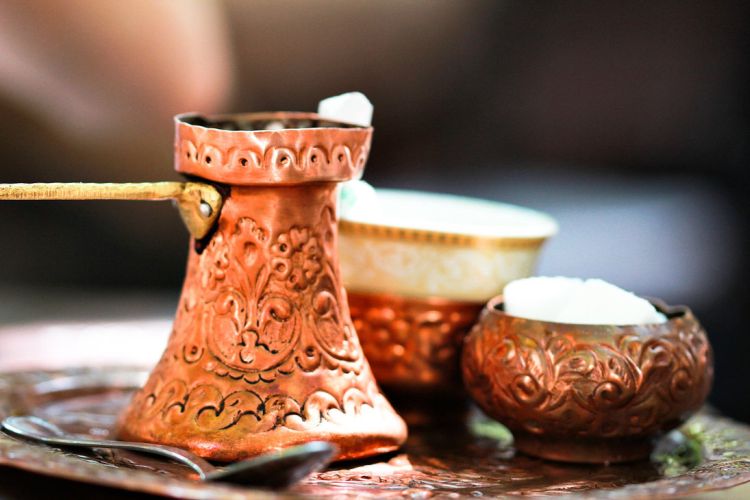
- Museum start for context so the coffee ritual makes sense before you make or taste anything
- Hands-on coffee workshop focused on preparing a proper cup of Turkish coffee
- Historic coffee houses and bazaars along the city center coffee route
- Kurukahvedji Inn and Turkish Delight tasting as a sweet-and-strong pairing
- Ottoman coffee storerooms and the oldest coffee shop for serious old-world atmosphere
Starting with the Turkish coffee backstory (before the first sip)
The tour begins at a museum with exhibits dedicated to Turkish coffee’s history. It’s not just trivia. You’re given the background that explains why the drink became central to everyday social life in Turkey after the Ottomans brought early coffee beans to the region in 1519.
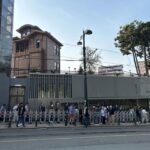
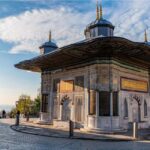
Then you move into the Eminönü district, where some of the earliest coffee shops took root just a few years after coffee arrived. That matters because Eminönü is where you can feel the overlap between old trade routes and daily rituals. Instead of walking into random storefronts, you’re learning what you’re looking at as you go.
Even if you’re not a history nut, this setup gives you an easy framework for the tastings. You’ll know why foam, fineness, and slow brewing are treated as part of the culture, not just the method.
You can also read our reviews of more tours and experiences in Istanbul


The workshop: how to prepare Turkish coffee the right way
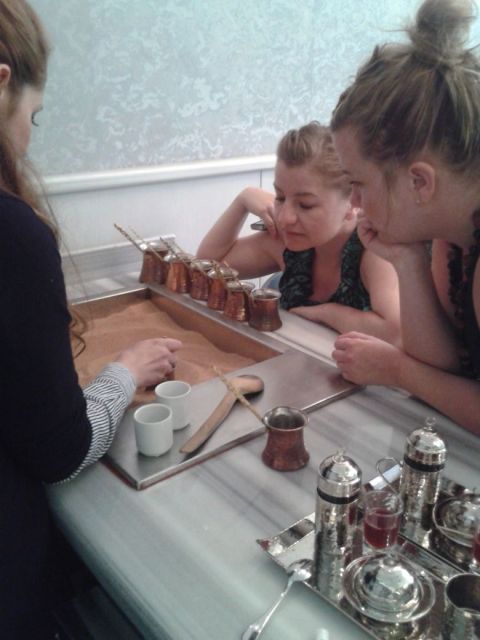
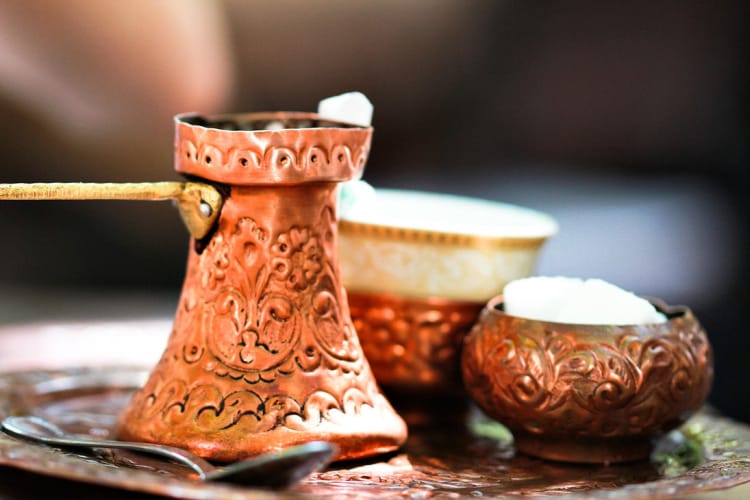
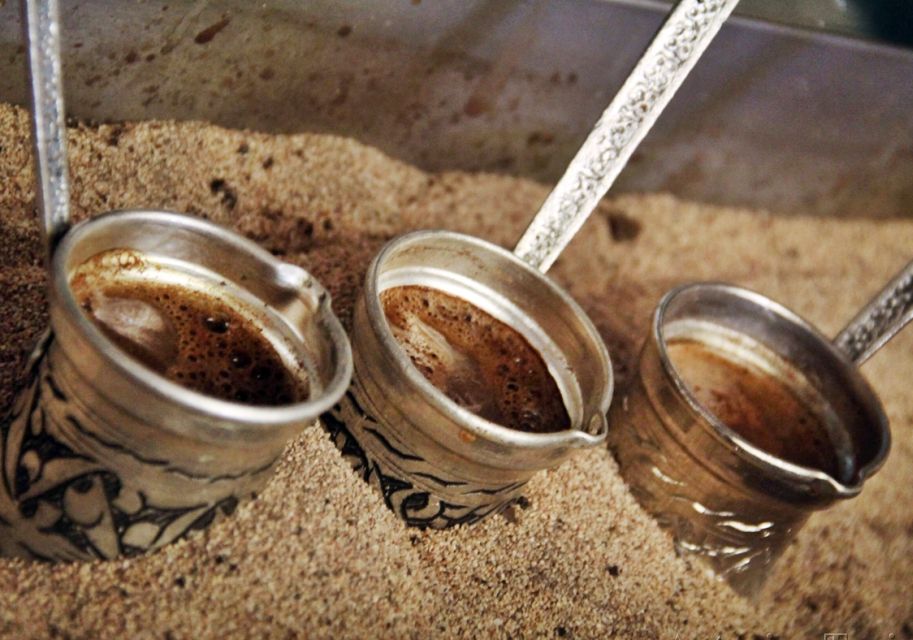
The core experience is a workshop inside a historic coffee shop. The focus is practical: how to prepare a cup of perfect Turkish coffee. You’re learning a method that depends on grind size, careful heat, and patience—so the drink turns out thick, aromatic, and properly foamy rather than weak or gritty.
This is where small details pay off. Turkish coffee is not filter coffee you can rush. If you’ve only had it sweetened and poured quickly, the workshop helps you understand why the ritual is slow by design. You’ll leave with a mental recipe you can actually recreate at home, at least in spirit.
And a big plus: the guiding style can make this segment shine. One guide, Tuncer, is highlighted for both explanations and conversational teaching, which helps the workshop feel like a real exchange rather than a lecture. Another name you might encounter is Yasemin, who is described as fantastic for keeping a single-person day moving while still sharing extra city facts and practical recommendations.
The Coffee Route in Eminönü: tastings in old spaces
After the workshop, you follow a coffee route through the city center. Expect tiny streets and old bazaars, plus coffee-related storage buildings tied to Ottoman times. This is where the tour becomes more than a classroom. You’re seeing the places the coffee trade and coffee culture grew around.
You’ll pop into historic coffee houses along the way and taste coffees in multiple settings. That variety is valuable. Coffee can taste different depending on how it’s served and the surrounding ritual—especially in places that have been doing it for a very long time.
One stop you might experience is in an older structure with past use tied to community life—described as a setting that used to be a mosque and a school. If your group lands there, you’ll likely notice the atmosphere first: smoke from hookah patrons in the same room, patrons lingering, and coffee being treated like an everyday habit.
Another tasting location is described as sitting under beautiful green trees. That contrast helps you pace the experience. You’re not stuck in one room or one vibe. It feels like you’re moving through coffee neighborhoods.
One more thing: the route walk is part of the point, but it means you should plan your body for uneven pavement and lots of steps. If you’re hoping for a minimal-walking tour, this isn’t it.
Kurukahvedji Inn and Turkish Delight: a smart sweet pairing
A highlight is the Turkish Delight tasting at Kurukahvedji Inn. This is one of those stops that makes sense culturally. Turkish Delight isn’t just dessert; it’s part of the hospitality language that shows up in traditional tea and coffee environments.
Why this pairing works: Turkish coffee is strong and often slightly bitter. Turkish Delight is sweet, fragrant, and chewy. Together, they balance. You taste the coffee more clearly, and you taste the sweetness as more than sugar.
If you’ve only had Turkish coffee at restaurants that treat it as a novelty, this stop helps you understand the full ritual. Coffee and sweets were (and still are) a common social combo. Adding the Turkish Delight tasting gives you a reason to pay attention to texture and aroma, not only strength.
Ottoman storerooms and historic coffee storage buildings: why they’re included
One of the tour’s named highlights is seeing old coffee storages from Ottoman times. You might not expect storerooms to be interesting. But here’s the reason they’re worth including: coffee in Istanbul wasn’t just a drink. It was a traded commodity that needed storage, handling, and organization.
That context makes the coffee route feel more grounded. You’re connecting the dots between the museum explanation and what you see outside. The tour gives you a sense of the system—where coffee came from, where it was kept, and how it ended up in daily life.
This is also part of what makes the tour feel authentic. You’re not only going for the most obvious coffee counters. You’re visiting the spaces that supported the trade.



Guides matter: when the small-group size pays off
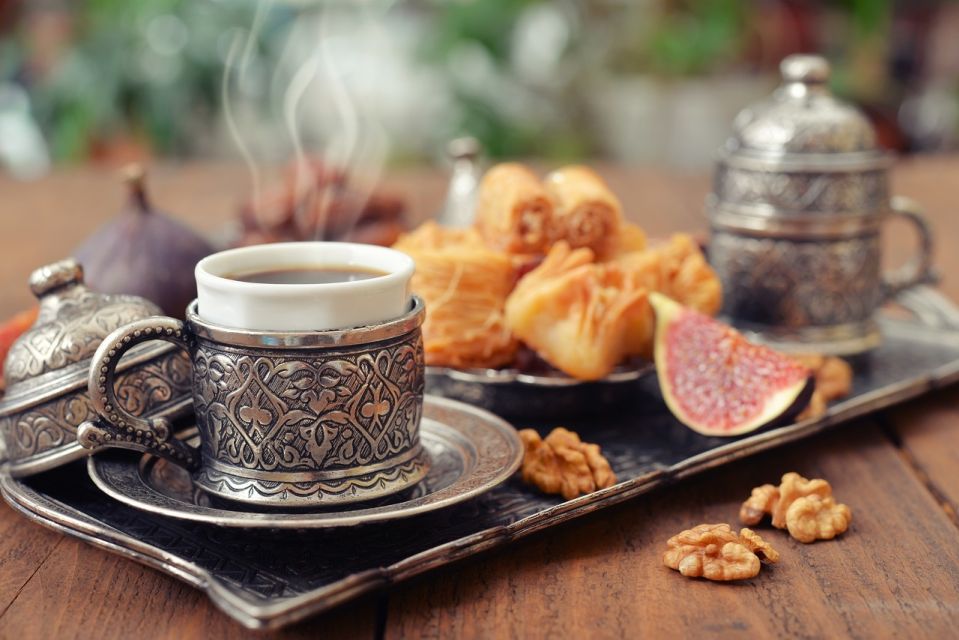
This tour runs as a small group limited to 6 participants, and that changes the tone. With fewer people, your guide can adjust their pace, answer questions, and spend time explaining how to make a proper cup rather than rushing through a script.
The review stories you can learn from are consistent on one theme: guides who know how to teach make the experience feel worth it. LUTFI is described as warm and attentive and delivering a great coffee experience in historic settings. The same account also notes that the tour could have been more informative, which is a fair reminder: your enjoyment will track closely with how much you want storytelling versus pure coffee tasting.
On the other hand, when the guide is strong with conversation, the whole half-day feels easier to enjoy. Tuncer is singled out for making the time fly by through discussion of Turkish culture, art, and history. That kind of guide turns the route into a personal guided walk through the city, not just a checklist of stops.
If you want to maximize your value, come with a few questions:
- What makes a Turkish coffee cup come out right?
- Why does foam matter?
- What would you recommend buying for brewing at home?
Price and logistics: deciding if $472 is good value for you
At about $472 per person for a 4-hour tour, this isn’t a budget snack-and-stroll. The value comes from what’s bundled into the price:
- Hotel pickup and drop-off from centrally located hotels
- Transportation and an English-speaking guide
- Coffee tastings plus a Turkish Delight tasting
- Entrance fees
- A workshop where you learn to prepare Turkish coffee
If you’re paying for “coffee tasting,” you might feel disappointed because the experience is clearly designed around the workshop and multiple stops in historic environments. Think of it as a guided cultural lesson with tastings, not as unlimited cups in cafes.
Also, it runs only on days other than Sundays. If you’re visiting Istanbul on a Sunday and you’re determined to do this specific tour, you’ll need a backup plan.
One last practical note: no pets, and no luggage or large bags. You’ll be walking through tight streets and old areas, so keeping your load light helps a lot.
Who this tour suits best (and who should skip)
This is a strong fit if you:
- Love coffee rituals and want more than a quick taste
- Enjoy walking in historic neighborhoods like Eminönü
- Want a structured half-day activity that combines learning and tasting
- Prefer small groups (max 6) with an English guide
It might be less ideal if you:
- Only want a short coffee stop and you dislike workshops
- Don’t enjoy walking on mixed surfaces
- Are extremely cost-sensitive and expect the experience to feel like a casual cafe crawl
If you’re somewhere in the middle, the workshop and the oldest coffee shop stop are the deciding factors. Those two elements can justify the price if you truly care about the craft and the setting.
Practical tips for a smooth 4-hour Coffee Trail
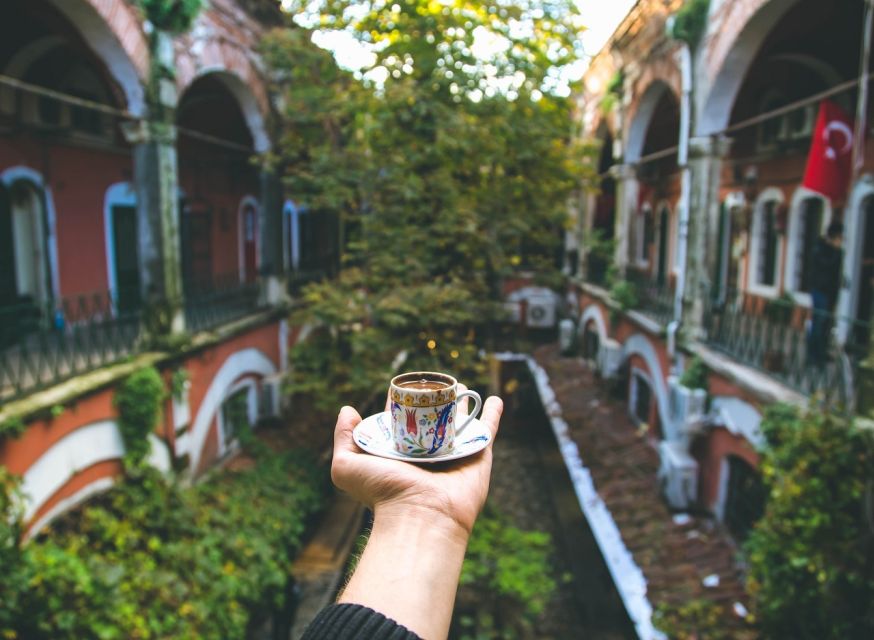
This tour is short, so it’s smart to prepare like you’re doing a compact city walk.
- Wear comfortable shoes. The route uses tiny streets and historic areas.
- Bring a small bag only. Luggage or large bags aren’t allowed, and the day will feel easier with less to manage.
- Expect a guided pace, not a free-form wandering tour. The best coffee moments happen when you listen, then taste with intention.
- Plan for strong smells and shared seating. Some historic coffee spaces can have hookah patrons nearby, so if scents bother you, take note.
- Take your guide seriously during the workshop. If you want a repeatable souvenir, ask how you can recreate the method at home with what you have.
And if you want to buy coffee beans to take home, the guide style can help. Some guides, like Tuncer, are described as pointing out places to buy fresh-roasted beans for use at home. That’s not the same as being a shopping tour, but it’s a helpful extra if your goal is to keep the memory alive.
Should you book the Istanbul Turkish Coffee Trail?
I’d book it if you want a compact, culture-forward coffee experience that combines a museum primer, a hands-on workshop, multiple historic tastings, and a Turkish Delight stop at Kurukahvedji Inn, ending with a visit to the oldest coffee shop in Istanbul. The small group size makes the teaching feel more personal, and the best guides can turn the walk into a lively conversation about Turkish life.
I wouldn’t book it if you’re mainly chasing quantity of coffee at the cheapest price, or if the idea of a workshop feels like work. At this level of cost, you’re paying for guided learning and historic atmosphere more than for simply drinking cups.
FAQ
FAQ
How long is the Istanbul Turkish Coffee Trail?
It lasts 4 hours.
Is hotel pickup included?
Yes. Pickup and drop-off are included from centrally located hotels in Istanbul.
What is the group size?
It’s a small group limited to 6 participants.
What language is the tour guide?
The live tour guide speaks English.
What does the tour include for food and drink?
You’ll get coffee tasting and Turkish Delight tasting, plus entrance fees.
Is there a hands-on coffee lesson?
Yes. The tour includes a workshop on how to prepare Turkish coffee.
Does the tour run on Sundays?
No. This tour will not run on Sundays.
Are pets or large bags allowed?
Pets are not allowed, and luggage or large bags are not allowed.
When and how can I check if it’s running?
You can check availability for starting times, and the tour notes that it doesn’t operate on Sundays.
If you tell me your travel dates and whether you prefer more tasting or more learning, I can help you judge if this one matches your style of Istanbul.