REVIEW · ISTANBUL
Wonders of Turkey – Gulet: Istanbul, Cappadocia, Ephesus, Fethiye
Book on Viator →Operated by Fez Travel · Bookable on Viator
Turkey can feel huge on a map. This route is built to make it feel manageable: Istanbul and the Aegean on land, then a 3-night traditional gulet cruise where the pace slows and the sea does the entertaining.
I like two things most. First, you get hands-on, guided time where it counts—Istanbul’s Old City sites and Ephesus with a proper guide—so you’re not just collecting photos. Second, the gulet portion is a true reset: private-bath cabins, meals included on board, and nightly anchors in secluded coves around the Turkish Riviera.
One thing to think about: the itinerary includes long travel days and some attractions have entrance fees you pay on the spot. Also, the gulet plan can shift based on the captain’s decisions and conditions, so you’ll want a flexible attitude.
In This Review
- Key points I’d plan around
- The route: Istanbul to Gallipoli to Ephesus, then sea and lunar roads
- Price and what $2,356.81 really covers
- Day 1 and 2: Getting oriented in Istanbul’s two-continent Old City
- Practical tip
- Gallipoli: WWI sites that hit different, with a careful route
- Troy and Behramkale: myth, museum time, then a village pause
- Ephesus day: guided ruins plus museum context and a hands-on carpet stop
- Consideration
- From Fethiye onto the gulet: your sea base, cabins, and included meals
- Gulet days 7 and 8: Roman ruins, Lycian hikes, and island swimming
- Day 7 highlights
- Day 8 highlights
- What I think you’ll like
- A consideration for comfort
- Pamukkale and Hierapolis: travertines, hot springs, and ancient columns
- Konya and Cappadocia: caravansary culture, Mevlana, and underground rooms
- Ankara and the end: Anitkabir and back to Istanbul
- Who should book this tour
- Should you book Wonders of Turkey – Gulet?
- FAQ
- How long is the tour?
- How many nights are spent on the gulet?
- Are meals included during the gulet portion?
- Does the tour guide travel with you during the gulet days?
- What about entrance fees for major sites?
- How many passengers are on the gulet?
- Can I travel alone and get my own cabin?
- What if weather affects the cruise?
Key points I’d plan around
- Small group on a max 16-passenger gulet with private bathrooms in 16 cabins
- Aegean sea days built around swimming, snorkeling, and anchoring each night except the last
- Expert land guiding in English for Istanbul, Gallipoli, Troy/Ephesus, Pamukkale, Konya, Cappadocia, and Ankara
- Thoughtful stops tied to WWI (Gallipoli) and to ancient trade and worship (Ephesus)
- Pamukkale’s travertines + Roman-era hot springs in one day, with time to actually relax there
The route: Istanbul to Gallipoli to Ephesus, then sea and lunar roads
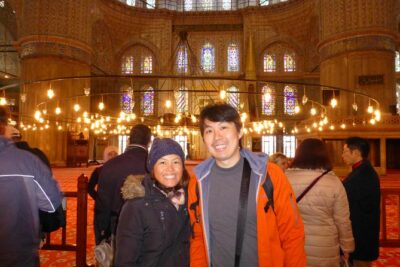
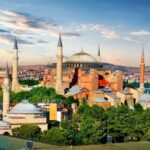
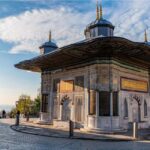
This tour is a smart combo of big-name Turkey and the kind of details you remember later. You start in Istanbul with the classics: Blue Mosque, Hagia Sophia Museum, Topkapi Palace (including Hagia Irene), and the Hippodrome. Then you shift gears hard to the WWI battlefields of Gallipoli—one of those places where you feel history more than you read it.
After that, you roll forward through myth and empire—Troy and then Ephesus—before you reach the Turkish Riviera by way of Fethiye. The gulet days are the emotional center for many people, and for good reason. One past traveler’s take was basically that the cruise was a great way to start the trip, and that matches the vibe: it’s a warm, social reset after intense sightseeing days.
You can also read our reviews of more tours and experiences in Istanbul.


Price and what $2,356.81 really covers
At $2,356.81 per person, this isn’t a budget trip. The value is in what’s bundled and what isn’t.
What you’re paying for that matters:
- Land guiding with a professional English-speaking tour guide for the land section
- 3 nights on board the gulet with private-bath cabins and meals included on the gulet
- Big-ticket locations that require time and local coordination: Istanbul, Gallipoli, Troy, Ephesus, Pamukkale, Cappadocia, and Ankara
- A calmer shipping of logistics during the cruise portion—your “transport” is literally the accommodation
What you should budget separately:
- Entrance fees are listed as payable on the spot in cash: €240 per person
- Alcoholic drinks are not included (you can buy them onboard)
If you’re the kind of traveler who hates hunting for tickets, timing buses, and translating directions all day, the price starts to make more sense fast—especially once the itinerary hands you a structured day-by-day plan.
Day 1 and 2: Getting oriented in Istanbul’s two-continent Old City
You arrive in Istanbul and head on your own to the welcome meeting at the start point near Nidya Hotel Galataport. That’s useful because it gets you time to settle before you get your bearings.
Then comes a full guided day centered on Sultanahmet, the heart of Old Istanbul. You visit:
- Blue Mosque
- St Sophia Museum
- Topkapi Palace (including Hagia Irene)
- Hippodrome
This is a classic “go big or go home” day. What I like about it for first-timers is the structure. A guide helps you see what you’re actually looking at—where one building’s purpose changes from shrine to palace to civic space.
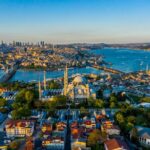
In the afternoon, you cruise the water that separates Europe and Asia, with an optional half-day Bosphorus cruise option. Even if you choose not to add the extra cruise time, you’re still getting the key visual shift: Istanbul from the water, when the city’s scale clicks.
Practical tip
Wear shoes you can stand in. Istanbul’s Old City sites stack up fast, and you’ll appreciate being comfortable before the real crowds hit later in the day.
Gallipoli: WWI sites that hit different, with a careful route
Gallipoli isn’t “tourist history.” It’s emotional history, and the itinerary treats it that way. You spend a full day visiting:
- Lone Pine and Chunuk Bair memorials
- ANZAC Cove
- The Nek
- Johnston’s Jolly
- original trenches and tunnels
This is the kind of day where I’d keep expectations simple: you’re going to feel the weight of what happened. A guided route helps you understand why each point matters, instead of just walking from one viewpoint to another.
A consideration: it’s a long day (listed at 7 hours). If you’re the type who needs frequent breaks, plan to pace yourself with water and snacks between stops.


Troy and Behramkale: myth, museum time, then a village pause
You depart for Troy (Truva) and spend time exploring the ancient site as a UNESCO World Heritage Site, plus the new Troy Museum. After that, you go to Behramkale, an old village with stone houses and narrow streets.
What I like about adding Behramkale: it breaks the “big site” pattern. Even when you only have a little free time, you get a taste of everyday Turkish village life—enough to reset your brain before the next historical hit.
Then you continue south toward Kuşadası for the next leg.
A small drawback to know: days like this can feel packed. You’re bouncing between a major site, a museum, and a village. If you prefer slow travel, you’ll want to treat downtime as a feature, not an inconvenience.
Ephesus day: guided ruins plus museum context and a hands-on carpet stop
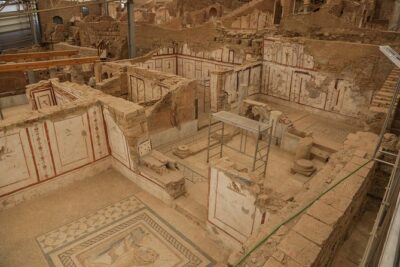
Ephesus is one of Turkey’s best-known ancient cities for a reason. Here, it’s not just walking among stones—it’s paired with context and related stops.
You get a guided visit to the key highlights:
- Temple of Artemis area
- Library of Celsus
- the amphitheater
Then you visit the Ephesus Archaeology Museum, which helps make the site’s details feel less abstract. You’re seeing artifacts with fewer gaps in the story.
Another smart add-on is the carpet village stop. You learn how carpets are made by hand and what affects their value. Even if you’re not buying anything, it’s useful because it gives you a baseline for what you’re looking at later—whether you’re in a shop or outside the museum.
Finally, you go to Selçuk for a wine tasting with 3 local wines (and yes, it’s part of the listed inclusions).
Consideration
This is a 7-hour day, and you’ll do a fair amount of walking. Bring sun protection and plan to slow down when you need shade—Ephesus rewards time, not rushing.
From Fethiye onto the gulet: your sea base, cabins, and included meals
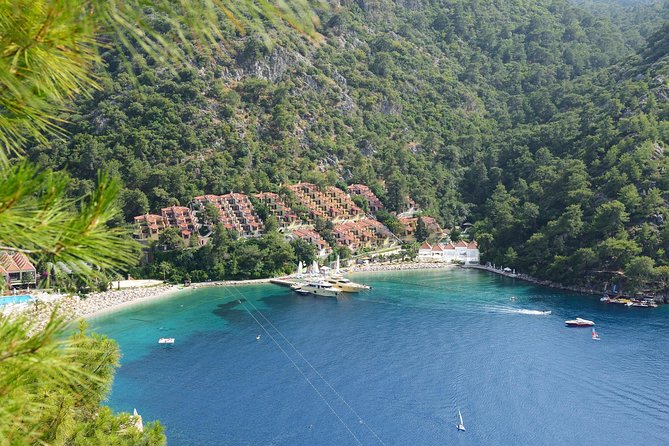
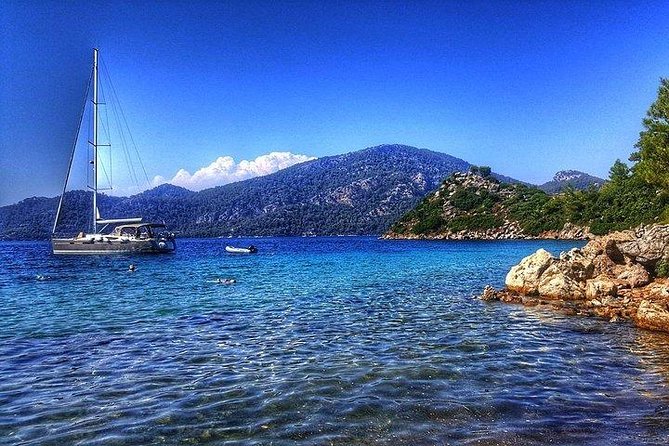
On Day 6, you transfer to Fethiye and board your traditional wooden yacht, a gulet. Boarding is around 15:00, and the cruise starts with swimming and snorkeling options in Turunc Bay or Tarzan Bay.
The ship setup is a big deal here:
- 16 cabins, each with a private bathroom
- max 16 passengers total (small group feel)
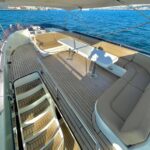
- dining and lounging spaces including a sun deck and saloon bar
- meals are included on the gulet
Also note a key operational detail: the land tour guide does not accompany you during the gulet section. That’s normal for how cruises work, but it means your onboard experience depends on your skipper/crew and the captain’s on-the-water decisions.
That “captain decides” part matters because the gulet itinerary is subject to change without notification. Translation: you’ll go where conditions make sense, not where a calendar says the sea should cooperate.
Gulet days 7 and 8: Roman ruins, Lycian hikes, and island swimming
The gulet portion is built around anchor nights (every night except the last one in Marmaris) and day stops where you can choose your level of effort.
Day 7 highlights
You head to Hamam Bay, where you can swim near Roman Baths said to have been built by Mark Antony as a gift for Cleopatra. Even if you’re not spending the day “touring” ruins, the setting is the point.
Next is Sarsala Bay, pine-surrounded and perfect for a swim. The itinerary also includes a 45-minute hike to an ancient Lycian town notable for inscribed walls from the 3rd century BC.
Then you move to Bedri Rahmi Bay. Named after a Turkish painter, it’s another spot where you can either jump in or explore at your own pace.
Day 8 highlights
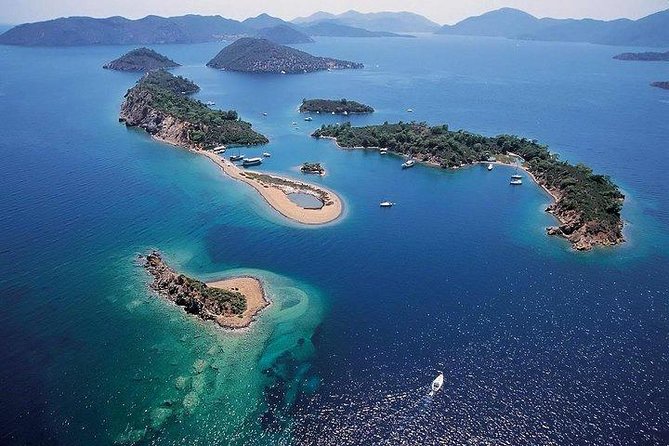
You cruise past the Yassica Islands and Gocek Islands, with stops for swimming and snorkeling. These smaller islands are un-named in the description, but they’re included because they offer quiet anchorage and sandy beaches.
You finish with a final swim at Red Island before returning to Fethiye.
What I think you’ll like
If you prefer choices—swim, snorkel, sit, take photos—this part is built for you. The sea time isn’t just transport; it’s a program.
A consideration for comfort
Because the gulet is a small ship (max 16), you’ll be sharing space with fewer people than a big tour bus. That’s a plus for community, but it also means social dynamics matter more. If you’re the type who needs lots of personal space all day, plan to use the sun deck and quiet moments.
Pamukkale and Hierapolis: travertines, hot springs, and ancient columns
On Day 9, you head to Pamukkale—the famous white travertine terraces. You tour Hierapolis and then get time to take a dip among the hot springs used in Roman times, including the area with ancient columns.
This is one of the few places in Turkey where you can do something both physical and historic: walking on terraces, then relaxing in warm water that’s tied to the site’s story.
A consideration: you’re going to be in a hot environment. Bring water, take breaks, and don’t treat the day like a photo marathon. You’re there to enjoy the weirdness of the place.
Konya and Cappadocia: caravansary culture, Mevlana, and underground rooms
After Pamukkale, the trip heads toward Konya via the Silk Road. You visit:
- Sultanhani Caravansary
- Mevlana museum
That night includes an optional traditional Turkish folklore evening. If you like performances, it’s a good place to add it because the days are already heavy with sights.
Then you reach Cappadocia for the “lunar” feeling day. You visit:
- Goreme Valley Open Air Museum
- fairy chimneys
- an underground city with many levels
Cappadocia can be visually overwhelming in the best way. Here, you’re not only seeing the famous rock shapes—you’re also going underground, which helps you understand why people hid and lived there.
Ankara and the end: Anitkabir and back to Istanbul
On Day 12, you fly through the final leg to Ankara early in the day. You visit Anitkabir, the mausoleum of Mustafa Kemal Ataturk, and then return to Istanbul.
On Day 13, the tour ends after breakfast at the start/meeting point area. It’s a clean finish, with no extra curveball included.
Who should book this tour
I think this fits best if you want:
- a guided hit of Turkey’s major sights on land
- a small group cruise experience (max 16 passengers)
- time to swim and snorkel without micromanaging every stop
- a route that connects ancient sites with WWI history, not just scenery
You might want to reconsider if you:
- hate long travel blocks between regions
- need constant free time with no structured stops
- prefer not to deal with cash entrance fees (listed at €240 per person)
Should you book Wonders of Turkey – Gulet?
If your ideal Turkey trip mixes iconic places with a real “slow down” segment, I’d say yes. The biggest draw is the combo: expert land days, then a gulet that functions like a comfortable base with included meals and a sea-focused rhythm.
Just go in knowing the trade-offs. This itinerary is full. You’ll spend meaningful time in vehicles and walking. The gulet captain can adjust the plan, and entrance fees are payable on arrival in cash.
If that sounds like your style, this is an excellent way to experience Turkey—from the domes of Istanbul to the travertines of Pamukkale, and then out onto the water where the trip finally breathes.
FAQ
How long is the tour?
It runs for 13 days (approx.). The schedule starts after your arrival in Istanbul and ends back at the meeting point after breakfast on Day 13.
How many nights are spent on the gulet?
You have 3 nights on board the gulet as part of the Turkish Riviera cruise.
Are meals included during the gulet portion?
Yes. All meals are included on the gulet.
Does the tour guide travel with you during the gulet days?
No. The land tour guide does not accompany the group during the gulet section.
What about entrance fees for major sites?
Entrance fees are listed as payable on the spot in cash (€240.00 per person).
How many passengers are on the gulet?
The gulet can accommodate a maximum of 16 passengers with 16 cabins.
Can I travel alone and get my own cabin?
Single travelers pay a single supplement and have the hotel room and/or gulet cabin to themselves.
What if weather affects the cruise?
The experience requires good weather. If it’s canceled due to poor weather, you’ll be offered a different date or a full refund. The booking is non-refundable and cannot be changed for any reason.