REVIEW · ISTANBUL
Western Turkey Explorer – 6 Days
Book on Viator →Operated by Tour Altinkum Travel · Bookable on Viator
Six days, and you cross continents of time. I like how this route links airport pickup with skip-the-line help, so you can spend more energy looking at history and less time fighting logistics.
I also like the small-group setup (max 12), which keeps the pace human even when the itinerary packs in major stops across western Turkey.
You’ll travel in an air-conditioned vehicle and you get guided context from start to finish, usually from a morning pickup around 8:00am. The main drawback to plan for is that entry tickets are not included for many headline sites, so budget extra for admissions.
This tour suits you if you want big names like Istanbul, Gallipoli, Ephesus, and Pamukkale without building the plan yourself. And it still leaves room to move with your group’s timing, rather than being stuck only in a rigid bus schedule.
In This Review
- Key things you’ll notice right away
- Istanbul fast-track: from Ottoman power to domes and the Grand Bazaar
- Gallipoli and Troy: heavy story, tight timing, unforgettable sights
- Pergamon and Asclepion: ancient power plus the medical side of the story
- Ephesus and the Temple of Artemis: the walking version of history
- Pamukkale’s terraces and Hierapolis: healing myth meets Roman ruins
- Price and logistics: what $950 really buys you
- Comfort, pacing, and customizing without losing the plot
- Who should book this, and who should skip it
- Should you book Western Turkey Explorer – 6 Days?
- FAQ
- What time does the tour start each day?
- Is airport pickup included?
- How large is the group?
- Are entry tickets to historical sites included?
- Which sights have free admission according to the tour details?
- Where do you stay during the trip?
- What meals are included?
- Can the itinerary be changed to match my interests?
- Is free cancellation available?
- Are children’s entry fees reduced?
Key things you’ll notice right away
- Hassle-free airport-to-hotel transfer in Istanbul, so you start your trip with less stress
- Skip-the-line support from your guide at historical sites (entry fees are still separate)
- Max 12 people for a more personal feel during guided walks
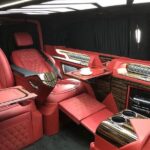
- Comfortable long-distance driving using an air-conditioned vehicle between regions
- Classic western Turkey highlights in one sweep: Gallipoli, Troy, Pergamon, Ephesus, Pamukkale
- Meals included as listed, including five breakfasts and five lunches
Istanbul fast-track: from Ottoman power to domes and the Grand Bazaar
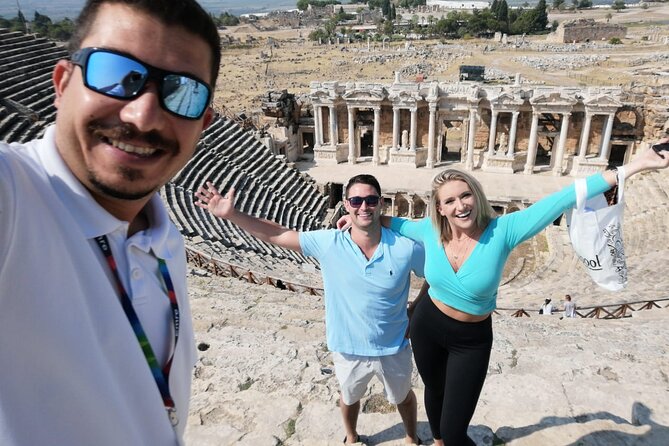
Your trip begins the practical way: you land at Istanbul Airport, get greeted, and ride to your hotel for the night. The next morning starts with an efficient old-city sequence, aimed at helping you see the core symbols of Istanbul without wasting hours figuring out where to go.
Topkapi Palace is a must if you want Ottoman scale. This wasn’t just a palace for show. It served as the imperial residence of the sultan and also the seat of government for nearly 400 years, so you’re seeing the machinery of empire, not only the furniture. Tickets are not included here, so add that to your budget.
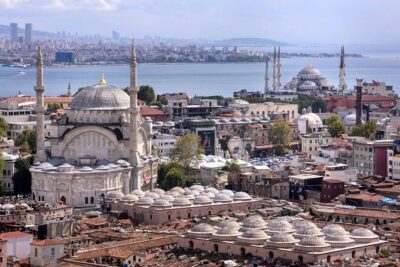
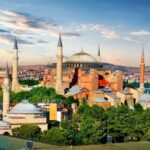
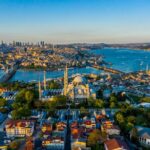
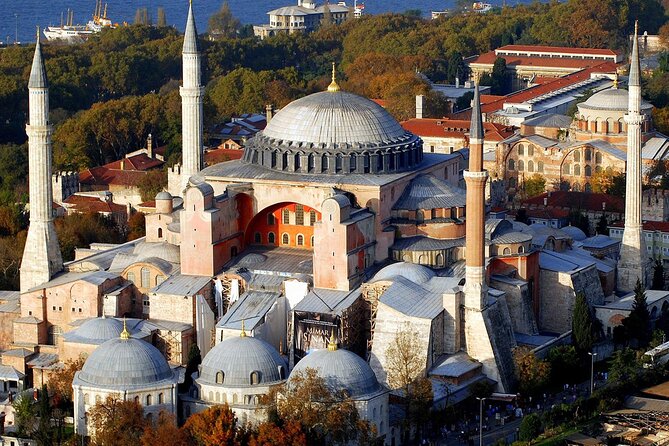
Then you step into Hagia Sophia Grand Mosque and Blue Mosque, two landmark stops with different eras in the same skyline. Hagia Sophia was the religious center during the Byzantine period and was described in the tour notes as the largest building on earth (with comparisons to the Egyptian Pyramids and Great Wall of China). The Blue Mosque, built by Sultan Ahmet I in 1616, is easier to recognize thanks to its famous six minarets and major dome.
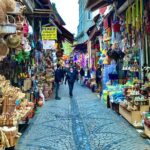
After the mosques, you get a quick Roman-era reality check at the Hippodrome. It was built by Septimus Severus in 203 AD and functioned as a civil center where large crowds could gather. Next comes the Grand Bazaar, with 18 entrances and more than 4,000 shops—long enough to browse, but not so long that you’re trapped for the whole afternoon.
What to consider: this is a full concentration day. If you’re sensitive to crowds or long standing times, wear supportive shoes and take mini breaks whenever you can. Also, because entry tickets aren’t included for some stops, it helps to know which ones you’ll pay for and which are free.
You can also read our reviews of more tours and experiences in Istanbul

Gallipoli and Troy: heavy story, tight timing, unforgettable sights

Day 3 is the kind of travel day that sounds simple on paper and feels big once you’re doing it. You drive roughly four hours toward Çanakkale, then shift into guided Gallipoli touring with a clear focus on the ANZAC battlefields.
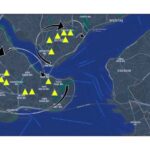
At Gallipoli, you go beyond a few monuments and move through named locations that map the campaign’s human scale. Expect stops like Brighton Beach and ANZAC Cove, plus the Beach Cemetery. The tour also includes major memorial stops such as Lone Pine Australian Memorial and the Turkish and allied tunnels and trenches at Johnston’s Jolly. You finish with the 57th Regiment Turkish Memorial and Chunuk Bair New Zealand Memorial, which matters because it brings multiple sides into the same field of view.
This part is one of the strongest reasons to choose this tour. You’re not only seeing stone. You’re learning how the landscape relates to the story—coastline, trenches, and memorials tied to specific places.
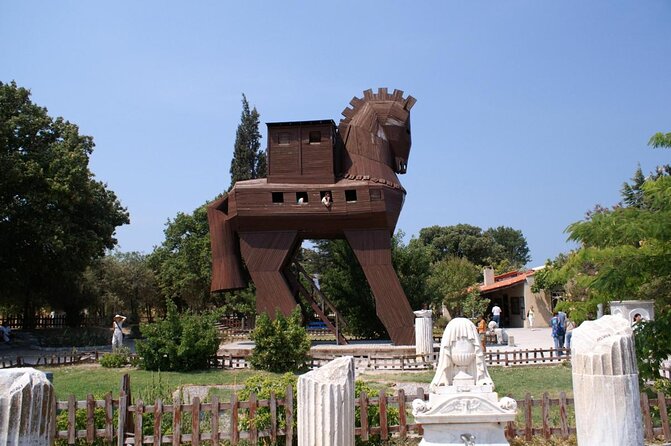
Then you pivot to Troy (Truva), the UNESCO-recognized archaeological site. You stroll through key areas tied to the mythology and the classical world: the Trojan War references that people still use today, the Walls of Troy II, the Megaron House, the Ramp of Troy II, the Roman bath, and the Temple of Athena ruins. Admission is not included for Troy, so again, plan for paid entry.
What to consider: the order is intense. Gallipoli has an emotional weight, then Troy pushes you into myth-and-history mode quickly. If you prefer a slower rhythm, bring a little patience for the transitions.
Pergamon and Asclepion: ancient power plus the medical side of the story
The next day you leave Çanakkale and drive about three hours to Pergamum. This is where the tour starts to feel like a study tour—less about quick photo stops and more about understanding why these places mattered.
Pergamon Ancient City is described as having been a capital for almost four hundred years. The tour also highlights that John wrote his letter there, which adds a different religious layer to what you see among the ruins. You’ll walk through a site that spans layers from Stone and Bronze Ages through Archaic and Classical Periods, so it’s not just one-era sightseeing.
Then you head to the Asklepion, known as the Pergamum God of Health. The notes connect it to dietary health and medicine, and it’s presented as a place that functioned as a major center for centuries. The tour emphasizes medical scholars like Hippocrates and Galenus being born in Pergamum and working there, which is a neat way to make sense of why the site is remembered beyond its stone.
After this, you drive about three hours onward to Kuşadası for the night. This is a smart move for the next stage because Kuşadası is a convenient base for Ephesus touring.
What to consider: Pergamon and Asklepion have paid entry. The good news is that the guide is set up to help you avoid long ticket lines, but you’ll still want to keep a clear budget for these admissions.
Ephesus and the Temple of Artemis: the walking version of history
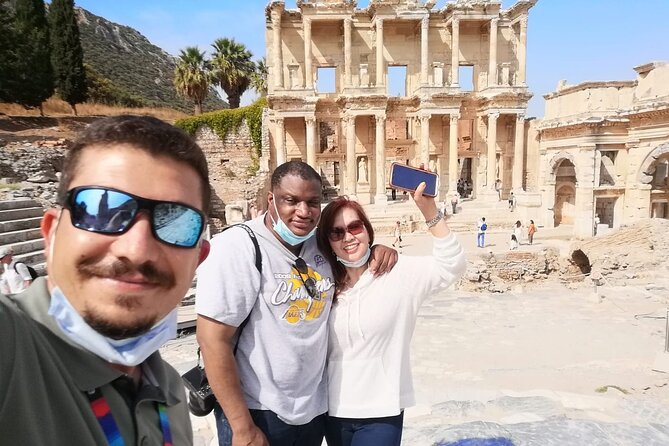
Day 5 is where western Turkey usually hooks people. You start with Meryemana, the Virgin Mary’s House. The tour explains that a church was built from the 6th century AD over the foundations of a house from the 1st century AD, and that this is declared as the final house where Mary spent her last days. Admission is not included for this stop, so plan accordingly.
Next you reach Ephesus, and the tour gives you a high-impact framing. Ephesus is described as the best-preserved classical city in the Eastern Mediterranean and the second largest city in the world after Rome, with more than 250,000 citizens. You’re also told it connects to the Seven Wonders through the Temple of Artemis.
The big payoff here is the sense of scale and survival. You walk among monuments like the third-largest library of the ancient world and the largest Roman theatre on the Asia continent. The tour positions Ephesus so that the streets and structures feel like you’re moving through time rather than scanning a list of ruins.
Then you close with the Temple of Artemis. This is one of the Seven Wonders of the Ancient World, and the tour notes its cult dedication to Artemis was widely famous in antiquity, making Ephesus a major pilgrimage destination. Admission for this stop is listed as free, so it’s a nice relief after the paid segments.
This is also where the human side of the tour shows up in real ways. Past groups describe guides like Emrey and Efe as being strong at explaining what you’re seeing, and even adding humor so the day doesn’t turn into a lecture marathon. Small-group touring helps you actually hear the guide and ask quick questions while you’re standing in front of the ruins.
What to consider: Ephesus is timed tightly at two hours, and the day includes multiple stops. If you love slow wandering, use your free moments for the streets between monuments, not for guessing where everything is.
Pamukkale’s terraces and Hierapolis: healing myth meets Roman ruins
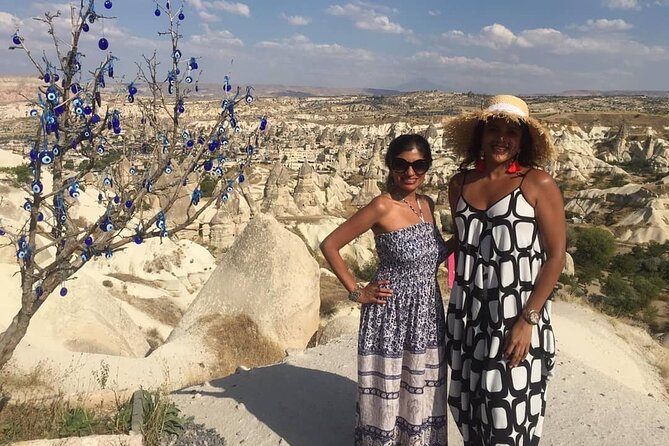
Your final day brings you to Pamukkale thermal pools and the UNESCO setting described as the Pools of Heaven on Earth. The tour notes that warm spring water runs at around 35°C and contains calcium bicarbonate, forming the unique terraces. It also calls Pamukkale an early spa destination, with people traveling long distances in search of healing.
The day is built with a natural rhythm: first the thermal pools (two hours), then Hierapolis & Pamukkale. At Hierapolis, you’re shown the ancient city and especially its necropolis, listed as the biggest in Anatolia with 1,200 gravestones. You’ll also see the Sacred Pool, described as shallow thermal waters rippling over Roman ruins beneath.
This pairing works because it gives you two different ways to absorb the place. Pamukkale is about the visual effect of water and stone. Hierapolis adds the layered “what happened here” layer beneath it.
You finish with a transfer to Denizli Airport or a hotel in Pamukkale, depending on your request. The tour also includes breakfast and lunch on this final day, so you’re not scrambling for meals right at the end.
What to consider: Pamukkale’s thermal pools have paid entry. The tour provides skip-the-line ticket help, but you still need to cover admissions. Also, expect a strong daylight experience—bring sun protection and plan for walking on uneven surfaces.



Price and logistics: what $950 really buys you
At $950 per person, the value is mostly in the structure. You’re not just paying for a bus and a guide. You’re getting:
- 2 nights in Istanbul
- 2 nights in Kuşadası
- 1 night in Çanakkale
- airport transfers in and out of Istanbul (as listed)
- air-conditioned vehicle transport between regions
- a meal plan that includes five breakfasts and five lunches
- guided tours at each stop
Hotels are described as “special class” and centrally located, with a region-appropriate feel rather than the same cookie-cutter big-group lodging. Restaurants are described as family-owned local places, which is a big deal if you care about eating like you’re in Turkey instead of just grabbing standard tourist meals.
Here’s the trade-off: historical entry tickets are excluded. The tour lists many key sites as “admission ticket not included,” including Topkapi Palace, Hagia Sophia Grand Mosque, Troy, Pergamon, Asklepion, Meryemana, Ephesus, and Pamukkale thermal pools. Some stops are explicitly free—Blue Mosque, Hippodrome, Grand Bazaar, Gallipoli sites, Temple of Artemis, and Hierapolis & Pamukkale.
So the smartest way to judge price is this: if you’re the kind of traveler who hates planning entry logistics and wants time saved, the $950 makes sense. If you’re counting every admission cost and already know you want to self-guide, you might compare against a cheaper independent itinerary.
Comfort, pacing, and customizing without losing the plot
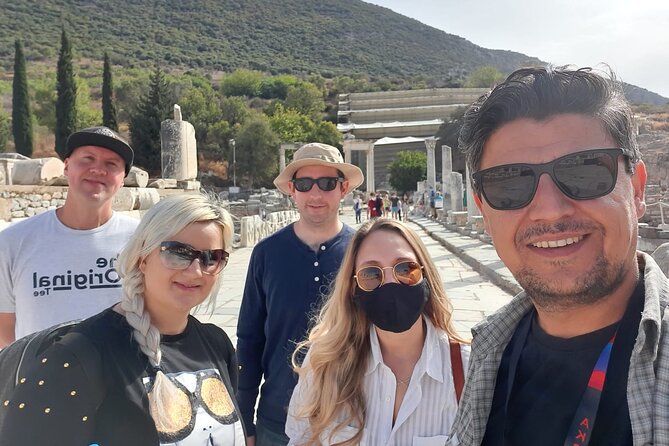
The biggest comfort factor here is the group size: a maximum of 12 people. That matters more than it sounds. With smaller numbers, you’re less likely to get split across the room, less likely to feel like you’re being dragged, and more likely to get clear guidance when you’re standing in front of something complex like a palace courtyard or a theatre.
You also get air-conditioned transport between regions. That helps on long drive legs—like the day you head toward Çanakkale, or the switch from Çanakkale to Pergamon, or the push to Pamukkale at the end.
The tour notes that you can personalize the itinerary based on your interests. In practice, that’s usually most effective as adjustments to pacing and which angles you emphasize on-site, not as a complete swap of everything. Still, it gives you a bit of agency while keeping the backbone of the route intact.
What to consider: the days are packed. Even when you get time at each location, you’ll still be moving on and off vehicles frequently. If you need lots of downtime, this route will feel busy.
Who should book this, and who should skip it
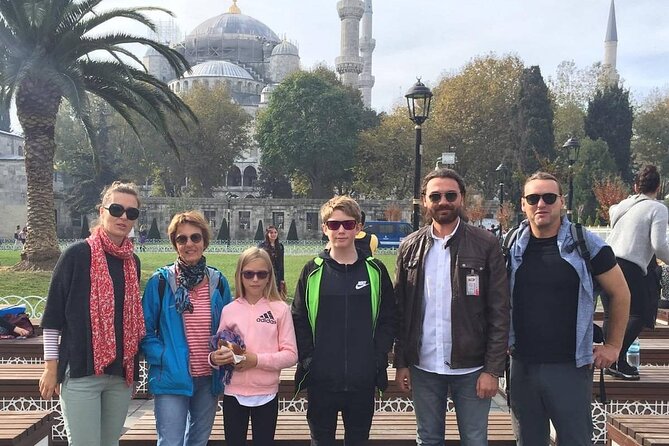
Book it if you want a first-timer-friendly route through western Turkey that hits the big names: Istanbul’s imperial monuments, Gallipoli’s ANZAC battlefields, Troy, Pergamon and Asklepion, Ephesus and Artemis, and finally Pamukkale and Hierapolis. You’ll like it if you value guided context and appreciate skip-the-line ticket support.
Skip it if you’re the type who wants unstructured days, slow museum crawling, or lots of time for deep independent exploration. The tour is built for efficiency, not for staying put for half a day because you found a café you love.
It’s also a good match if you’re traveling with mixed interests—history lovers, culture walkers, and people who want the famous sites without the planning hassle.
Should you book Western Turkey Explorer – 6 Days?
If your goal is to see major highlights of western Turkey with minimal effort, this is a strong booking candidate. The small group size, airport pickup, air-conditioned transport, and guide support around ticket lines are the big reasons it works well.
Just go in with eyes open about admissions. Many core sites cost extra, and a handful are free, so your final spend will depend on which tickets you choose to buy on the day. If you’re comfortable with that, the schedule gives you a lot of variety in a short time.
FAQ
What time does the tour start each day?
The start time listed is 8:00 am, with meeting and pickup times coordinated from hotels.
Is airport pickup included?
Yes. Transfer services from and to airports are included, and Istanbul Airport pickup is part of the first day.
How large is the group?
The tour is limited to a maximum of 12 travelers.
Are entry tickets to historical sites included?
No. Entrance fees are excluded for historical sites, and your guide provides skip-the-line tickets for historical sites to help you avoid long lines.
Which sights have free admission according to the tour details?
Blue Mosque, Hippodrome, Grand Bazaar, Gallipoli stops, Temple of Artemis, and Hierapolis & Pamukkale are listed as free in the tour information.
Where do you stay during the trip?
You get 2 nights in Istanbul, 2 nights in Kuşadası, and 1 night in Çanakkale.
What meals are included?
The tour includes a meal plan as mentioned in the schedule, including five breakfasts and five lunches.
Can the itinerary be changed to match my interests?
The tour information says the itinerary can be personalized to suit your interests.
Is free cancellation available?
Yes. You can cancel up to 24 hours in advance for a full refund.
Are children’s entry fees reduced?
The tour notes that historical sites have free entry for children 8 years old and below.