REVIEW · ISTANBUL
Multi Cultural Istanbul: Galata Tower – Fener and Balat – Golden Horn by Ferry
Book on Viator →Operated by Tematique Tours · Bookable on Viator
If you like Istanbul’s layers, this route makes sense. You start with Galata Tower for a real citywide view, then spend your time walking through neighborhoods where Byzantine, Ottoman, and modern life sit side by side. You’ll also get multiple ways to travel—ferry, tram, and bus—so it feels like you’re moving with the city, not just seeing it.
I especially like the small-group pace (max 8 people) and the fact that you’re with a professional guide the whole time. Guides named Ergil, Erol, İcil, İsliy, Gamze Aksin, and Can (John) came up in feedback, and the common thread was how animated and attentive they were when people asked questions. Another win: the tour includes key entries/donations for the Galata Tower experience (if the all-inclusive option is selected).
One drawback to plan around: you should expect moderate walking on some steep streets, and it’s not stroller accessible. Also, a ferry part can sometimes fail due to operational issues, so keep your mindset flexible on the day.
In This Review
- Key Things to Know Before You Go
- A Timeline You Can Walk: Galata Tower to the Golden Horn
- Entering Galata Tower: Genoese Origins and Panoramic Istanbul
- Museum of Turkish Jews: A Small Stop with Real Human Scale
- Art Nouveau Photo Moment: Those Stairs on the Way Up
- Beyoğlu (Pera) and the Golden Horn Bridge: Where East Meets West
- Fener Rum Patrikhanesi: A Short Visit with Big Spiritual Weight
- Fener and Balat on Foot: Colorful Streets and Community Layers
- Bulgarian Orthodox Church: The Cast-Iron Vienna Connection
- Vlaherna Meryem Ana Church: An Emotional Stop
- Constantinople Walls and City-Scale Context
- Karaköy Finish: Old Streets, Modern Transit
- How Much Time and Walking Is Realistic?
- Price and Value: What Your $79.39 Actually Buys
- Who This Tour Fits Best (and Who Might Skip It)
- Guides Make the Difference: The Istanbul Story Comes Alive
- Should You Book This Multi Cultural Istanbul Tour?
- FAQ
- How long is the Galata Tower – Fener and Balat – Golden Horn tour?
- What does the tour cost?
- Is Galata Tower admission included?
- What transportation is included?
- How big is the group and is it in English?
- Where does the tour start and end?
- Is hotel pickup included?
- Can I cancel for free?
Key Things to Know Before You Go
- Galata Tower access is option-based: included only if you select the all-inclusive option (otherwise a 30 EUR pp fee applies).
- A guided “story walk”: the route moves from Genoese Galata to Ottoman/Eastern Orthodox sites and on to Fener and Balat’s community mix.
- Multiple transport modes: you’ll use ferry, tram, and bus to stitch the neighborhoods together efficiently.
- Small group, big visibility: max 8 travelers means less waiting and more chances to ask questions.
- Steep, photo-friendly streets: expect uphill patches and don’t miss the art nouveau stairs along the way to Galata Tower.
- Golden Horn viewpoints: you’ll cross and look over the Halic inlet, separating older and newer Istanbul.
A Timeline You Can Walk: Galata Tower to the Golden Horn
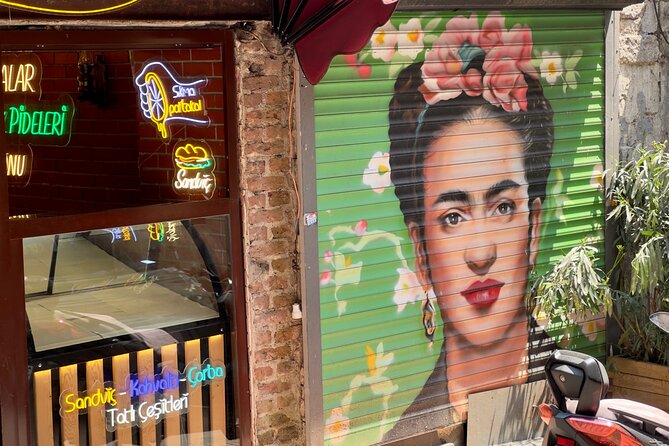
This tour is built like a moving timeline. You begin at one of Istanbul’s best “orientation” points—Galata Tower—so everything you see later has context. Then you work your way through neighborhoods that helped define what Istanbul became: trading hubs, embassies, religious centers, and everyday streets where different communities lived next to each other.
The format matters. Because you’re not just standing in one landmark, you get repetition: views, then streets, then another viewpoint, then another stop with a different cultural lens. It’s a smart way to do history without it turning into a museum lecture.
You can also read our reviews of more tours and experiences in Istanbul.
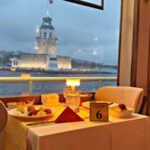


Entering Galata Tower: Genoese Origins and Panoramic Istanbul
Your first stop is Galata Tower, a distinctive fortification dating back to 1348, built by Genoese Italians. The best part here is practical: you need that high-angle view early. Istanbul is a city where hills, waterways, and neighborhoods matter. Once you see the spread from above, the rest of the walk starts to click.
You’ll get about 1 hour at the tower, including the admission ticket (or donations tied into the package, depending on which option you chose). If you did not choose the all-inclusive option, you’ll need to budget for the tower fee separately.
A quick tip: wear shoes you can trust. Even though the tower is the “big attraction,” the approach streets and nearby steps can be uneven. Plan for short climbs and don’t try to treat it like a flat city stroll.
Museum of Turkish Jews: A Small Stop with Real Human Scale
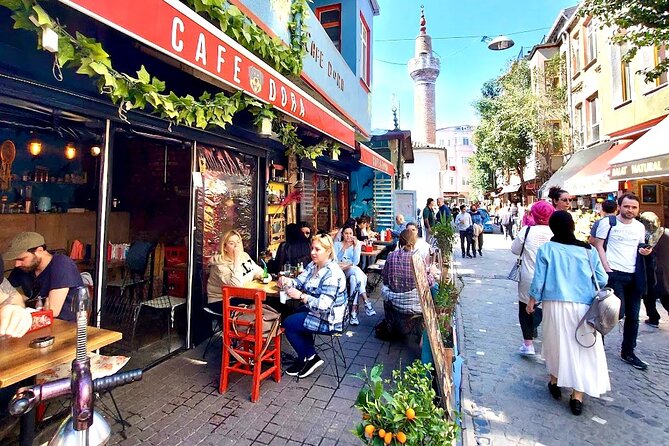
Next comes the Museum of Turkish Jews, where you’ll find artifacts tied to the history of Jewish people in Turkey, along with an art gallery and a synagogue. Even if you’re not usually museum-heavy, this is one of those stops that adds depth to the neighborhood story.
Why it’s valuable: Istanbul’s identity isn’t one continuous culture. It’s a layering of communities and coexistence, plus the shifts and tensions that come with centuries of change. This museum gives that idea a concrete setting rather than leaving it as an abstract concept.
You’ll have time to move through at a comfortable pace, but keep your attention on the connections the guide is making. This isn’t a “quick picture and leave” kind of stop if you want the story to land.
Art Nouveau Photo Moment: Those Stairs on the Way Up
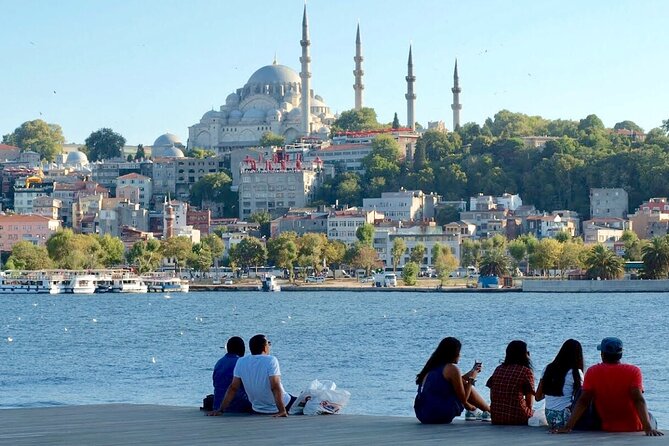
Between the city fabric and the tower itself, you’ll also pass an elegant set of 19th-century art nouveau stairs. They’re popular for photos, but they’re also worth slowing down for because they show how style changed along with the city’s political and economic roles.
Look at the details and then look up at where the stairs lead. That single sightline helps you understand how Galata’s modern layers grew around older power centers.
This part is short, but it’s one of those “only in Istanbul” moments that feels extra when you’re already in the right mood from the tower view.
Beyoğlu (Pera) and the Golden Horn Bridge: Where East Meets West
Your walk connects to Beyoğlu, which was once called Pera, the European Quarter. This was where embassies and trading centers clustered, and where you still see traces of that Parisian-style, 19th-century apartment-house look. It’s the kind of area that feels cosmopolitan not because it’s trying to be, but because it kept evolving that way over time.
Then comes a more structural, very Istanbul moment: a bascule bridge spanning the Golden Horn. The tour frames it as both a literal and symbolic link between two important parts of the city. You get the geography, not just the postcard angle.
You’ll also hear about Halic (Golden Horn)—an inlet that separates older and newer Istanbul. If the light works where you are, take a few extra seconds. The views can be especially good around dawn or dusk, and while you may not be there at those exact times on your day, you can still catch strong water-reflection moments.



Fener Rum Patrikhanesi: A Short Visit with Big Spiritual Weight
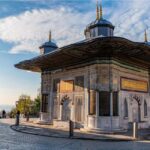
At Fener Rum Patrikhanesi, you’ll visit the Ecumenical Patriarchate, recognized as the spiritual center of Eastern Orthodox Christians—often compared to a Vatican-style spiritual landmark. The stop is brief (about 15 minutes), but it’s the kind of place where you’ll feel the seriousness in the atmosphere.
This is one of those stops where the guide’s framing helps. Istanbul’s religious architecture is not only about design. It’s about authority, community, and centuries of continuity.
If your curiosity runs toward religious history, you’ll likely appreciate how the tour pairs this location with the neighborhood walk that follows.
Fener and Balat on Foot: Colorful Streets and Community Layers
Then you get the big walking portion of the day: Fener and Balat. Together with Ayvansaray and the surrounding area, this is described as a miniature chronicle—from Byzantine to Ottoman and into modern times.
What I like about this part: the streets don’t feel like a staged set. They feel like lived-in city texture. Even if you can’t name every building, the guide helps you read what you’re seeing: which influences came from where, and how different communities shaped the look and rhythm of the area.
You’ll spend about 1 hour here, with the aim of connecting the colors and architecture to the cultural mix behind them. It’s also where the walking reality shows up. Some lanes and steps can be steep, and that can slow your pace even if you’re otherwise fine with moderate walking.
Practical note: bring water. You won’t be out for a full day, but this isn’t a “sit down every five minutes” route.
Bulgarian Orthodox Church: The Cast-Iron Vienna Connection
Next is the Bulgarian Orthodox Church, a white-painted neo-Gothic building that’s interesting not just for appearance, but for construction history. It’s made up from cast iron sections, built (cast) in Vienna in 1896 and then transported to Istanbul.
That detail changes how you look at it. It’s not only a local religious landmark. It’s an example of cross-border manufacturing and engineering showing up in a city famous for blending cultures.
The stop is short (about 15 minutes), so use that time to really look at the structure and not only the exterior style. The guide can help you understand why it matters beyond being unusual.
Vlaherna Meryem Ana Church: An Emotional Stop
The tour also includes Vlaherna Meryem Ana Church, described as a very emotional and spiritual place, with about 10 minutes allocated.
This is a different kind of stop than the tower. Instead of views and architecture-for-photos, it’s more about atmosphere. Even if you’re not religious, you can read how space affects people.
I’d recommend treating this one as a moment to slow down. Don’t rush through it like it’s another stop on your list. Ten minutes goes fast, and you’ll enjoy it more if you let it land.
Constantinople Walls and City-Scale Context
You’ll also see parts of the walls of Constantinople, among the greatest medieval fortifications, with various towers and gates and large sections still standing more or less intact today. This is a good “bridge” between the Orthodox sites and the neighborhood colors, because it reminds you that these districts were shaped by defense, control, and access to the water.
From there, the guide ties Istanbul’s global role together: it’s the only city on two continents and the capital of three major empires—Roman, Byzantine, and the Ottoman. Again, this isn’t delivered as trivia. It’s used to explain why certain neighborhoods and religious sites look the way they do, and why you keep feeling the city shift direction as you walk.
Karaköy Finish: Old Streets, Modern Transit
The route doesn’t end in one last monument. You finish near Karaköy, one of Istanbul’s oldest districts, which today is an important commercial center and transport hub.
Then you’ll end by the Karaköy Ferry Terminal near Galata Bridge, with the tour ending around connections toward Kadıköy and Üsküdar Pier.
This ending is practical. Instead of dropping you in a random dead zone, you end at a transit node where it’s easier to keep moving.
How Much Time and Walking Is Realistic?
The total duration is about 4 hours. That makes it a manageable half-day if you’re juggling jet lag, other museum plans, or an evening dinner you don’t want to lose.
Still, treat the day as a walking tour. You have:
- Moderate walking across neighborhoods
- Some steep streets, which came up in guide-focused feedback
- A key photo situation with the art nouveau stairs and time at Galata Tower
Also remember: not stroller accessible. If you’re pushing a stroller or traveling with limited mobility, this one may feel harder than the 4-hour label suggests.
Price and Value: What Your $79.39 Actually Buys
The price shown is $79.39 per person, and the experience is booked on average about 34 days in advance. You’re getting:
- A professional guide
- Small group size (max 8)
- Transport by ferry, tram, and bus
- Galata Tower entry fees and donations included in the package price when the all-inclusive option is selected
Here’s the part to double-check: if you do not choose the all-inclusive option, Galata Tower entry is not included, and you may pay 30 EUR pp separately. That doesn’t ruin the value, but it changes the math.
So I think this tour is best value if:
- You want guided context (especially for the neighborhood layers)
- You plan to go up Galata Tower
- You like switching between walking and transit rather than doing one long continuous route
If you’re only interested in one landmark and the rest sounds like wandering, you might feel the price more than the experience. But for most people doing a first or second visit to Istanbul, it’s a strong way to connect multiple districts without stress.
Who This Tour Fits Best (and Who Might Skip It)
This is a great match if you:
- Like neighborhoods more than mega-museums
- Want moderate exercise built into a meaningful route
- Enjoy learning how communities, religion, and architecture connect over time
- Prefer smaller groups where you can ask questions and not lose the thread
It might be less ideal if:
- You need totally flat walking routes
- You rely on a stroller or you’re looking for step-free access
- You’re the type who wants a stop-by-stop plan with no flexibility at all
One more small reality check: one piece of feedback mentioned the ferry portion didn’t happen due to an operational issue. That’s not something you can plan around, but it’s a good reason to keep expectations flexible on the day.
Guides Make the Difference: The Istanbul Story Comes Alive
Several guide names came through: Ergil, Erol, İcil, İsliy, Gamze Aksin, and Can (John). The pattern was clear—guides were enthusiastic and detailed in how they connected the route to architecture and cultural change.
If you get the kind of guide people described, you’ll likely enjoy how the walk turns into a conversation. In particular, feedback highlighted that guides were willing to answer questions thoroughly and also took steep streets seriously by being thoughtful and helpful.
Should You Book This Multi Cultural Istanbul Tour?
Yes, if you want a guided, small-group route that mixes Galata Tower views with neighborhood walking in Fener and Balat, plus short stops at major Orthodox and historic sites along the Golden Horn. It’s not a one-note “look at photos” tour. The value is in how the route builds context while you move.
I’d book it if:
- You’re comfortable with moderate walking and uneven streets
- You want the quick-but-impactful “big picture” from Galata Tower early
- You like religion, architecture, and how different communities shaped Istanbul
Skip or consider another option if:
- You need stroller-friendly access
- You’re hoping for mostly flat ground
- You would rather do Istanbul by car-only and stop at fewer places
If you’re aiming for an efficient half-day that makes Istanbul feel understandable, this is a solid pick.
FAQ
How long is the Galata Tower – Fener and Balat – Golden Horn tour?
It lasts about 4 hours (approx.).
What does the tour cost?
The price is $79.39 per person.
Is Galata Tower admission included?
It depends on the option you choose. If you select the all-inclusive option, Galata Tower entry is included. If not, Galata Tower entry is not included and you may need to pay 30 EUR pp.
What transportation is included?
You’ll travel by ferry, tram, and bus.
How big is the group and is it in English?
The tour is a small group with a maximum of 8 travelers, and it’s offered in English.
Where does the tour start and end?
It starts at Anemon Koleksiyon Galata Otel in Beyoğlu and ends at the Karaköy Ferry Terminal near Galata Bridge, with connections toward Kadıköy and Üsküdar Pier.
Is hotel pickup included?
No, hotel pickup and drop-off are not included.
Can I cancel for free?
Yes. You can cancel up to 24 hours in advance for a full refund.