REVIEW · ISTANBUL
Learn Turkish Cuisine from a Local Mom
Book on GetYourGuide →Operated by Lokal Bond · Bookable on GetYourGuide
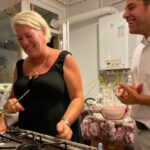
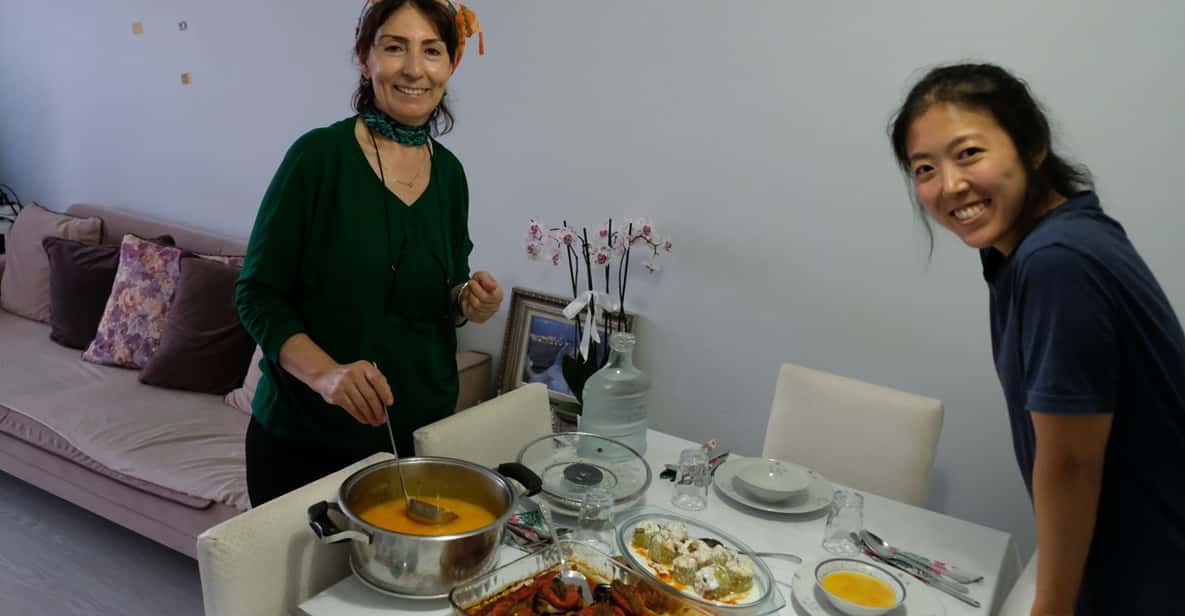
Cooking in a real Istanbul home beats restaurants. This hands-on Turkish cooking experience puts you in a Beşiktaş kitchen with a local mom, where you’ll learn how dolma and other home favorites are made, not just read about them. I love the warm, family-style welcome and conversation, and I love that the recipes feel practical and grounded in everyday life, from kneading dough to building a table of mezes.
The main drawback is that you’re walking into a residential setting. The meeting point is on Selamlık Street, you may walk a bit from Kabataş, and you’ll go up one floor in the building—fine for most people, but it’s not set up like a slick hotel lobby.
In This Review
- Key things I’d zero in on before you go
- Turkish cooking in a Beşiktaş home: what the experience really feels like
- The 3-hour flow: from welcome tea to a full family lunch
- What you’ll cook: dolma, börek dough, and mezes made at home
- Why Turkish cuisine is special (and how the class explains it)
- Breakfast, lunch, and the family table rhythm
- Instructor and language: English support in a local home
- Meeting point near Sultanahmet: tram to Kabataş, then Selamlık Street
- Price and value: what $102 buys you in real terms
- Small group size: why limiting it to 8 changes the quality
- Who should book this (and who might skip it)
- Practical tips to get the most from your Turkish home-cooking day
- Should you book this Turkish cuisine experience?
- FAQ
- Where is this Turkish cooking experience held?
- How long is the experience?
- What language is the instructor?
- How big is the group?
- What food is included?
- Can the menu be adjusted for dietary preferences?
- Where do I meet if I’m staying in Sultanahmet or nearby?
- What’s the cancellation and payment flexibility?
Key things I’d zero in on before you go
- A real home in Beşiktaş, not a commercial classroom, so you feel Istanbul at street level
- Hands-on cooking: rolling dolma, working dough for börek, assembling meze-style dishes
- Tailored menu after a pre-visit chat about your dietary preferences
- Small group size (up to 8), so you get time with the instructor and the family
- Breakfast and lunch at the family table, so the food is part lesson and part meal
Turkish cooking in a Beşiktaş home: what the experience really feels like
This is the kind of Istanbul activity you book when you want more than a photo. You come into a warm household, you cook with a local mom and her family circle, and then you sit down and eat as part of the day’s rhythm. It’s not “museum learning.” It’s more like being invited to help make dinner, then staying long enough to enjoy it properly.
The setting matters. You’re in Beşiktaş, and the experience is described as a warm local home. That means you’ll be dealing with real kitchen flow: pots, pans, shared space, and the practical pace of a family meal. It also means you’ll likely notice details that a restaurant never shows you—how ingredients are handled, what the cook tastes for, and why certain dishes show up again and again in Turkish households.
You’ll also benefit from the small group format. Limited to 8 participants, it’s easier to ask questions and get more hands-on direction. In a bigger group class, you might spend half the time watching. Here, you’re part of the work.
You can also read our reviews of more tours and experiences in Istanbul.



The 3-hour flow: from welcome tea to a full family lunch
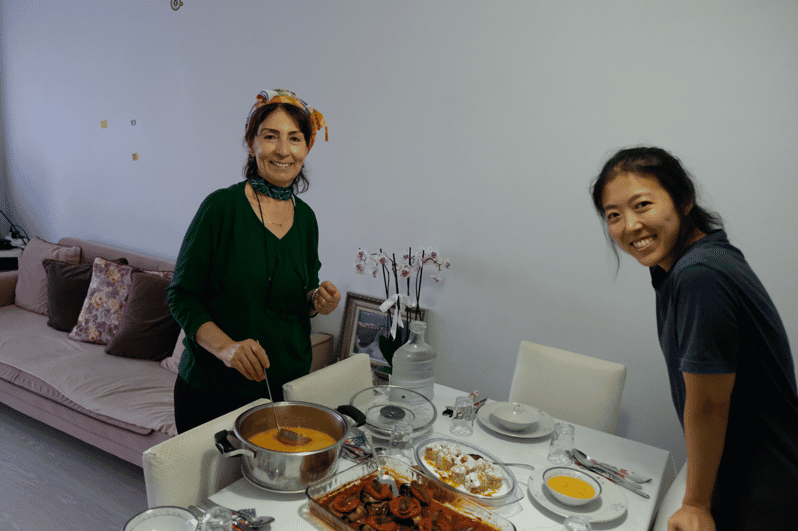
The total experience runs about 3 hours, with starting times varying by availability. Plan to treat it like a half-day anchor, not something you squeeze between fast sightseeing stops.
Here’s the typical arc of the day based on what’s included and how the hosts describe welcoming people:
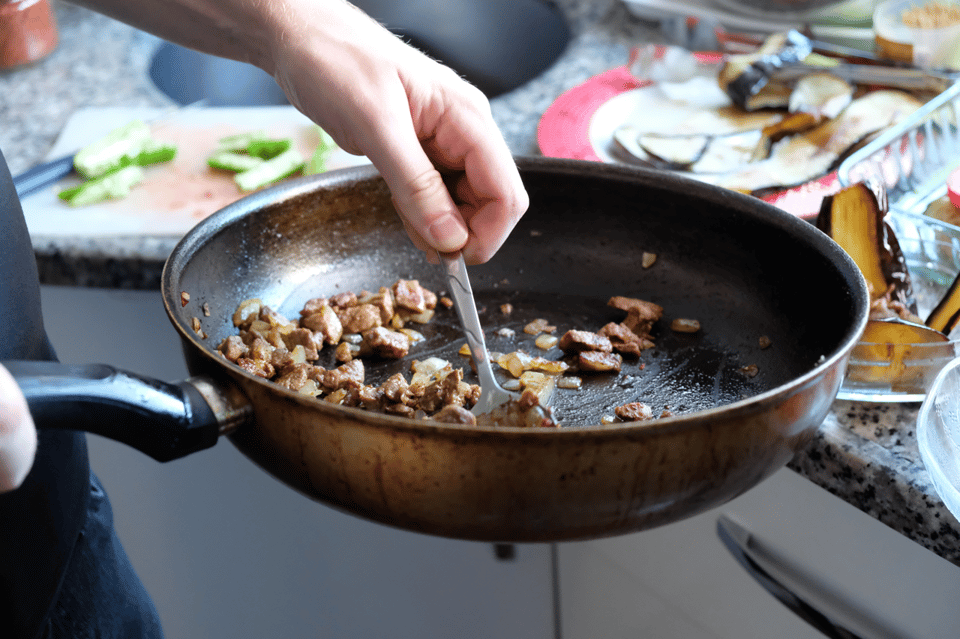
You usually start with a home welcome—tea and something sweet may be offered, and you’ll have breakfast as part of the included program. After that, you shift into cooking. This is when the class turns practical: you learn techniques while the household cooks in parallel, so you can see how the work connects to the final meal.
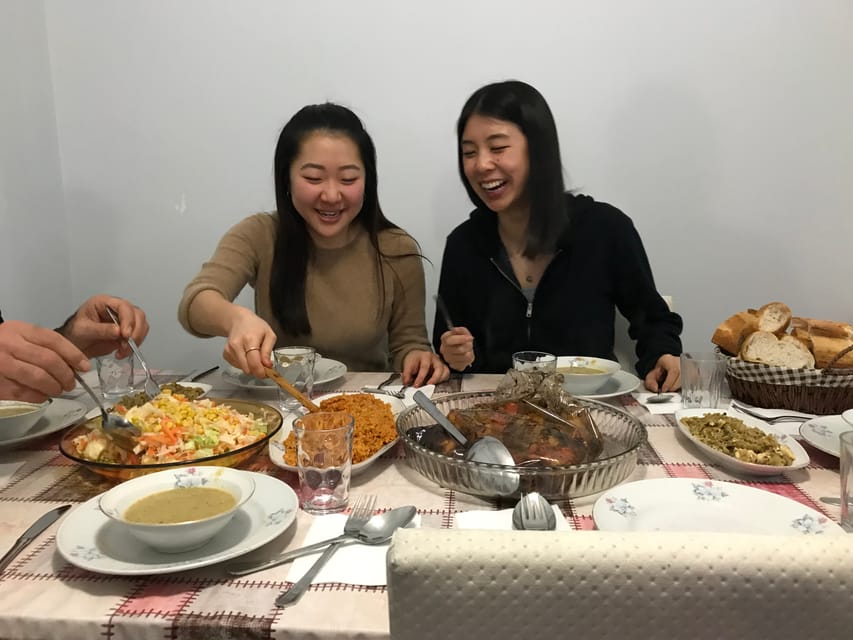
Then you gather around the table. The experience includes lunch, and the program is also described as dining with local friends at home. So you’re not rushing out right after plating. You sit, you eat, and you share stories in the way families do.
One detail I really like: the pace sounds built for conversation as much as cooking. You’re not just standing over a cutting board in silence. The household welcomes you, talks through what matters about the dishes, and explains why food is prepared a certain way.
What you’ll cook: dolma, börek dough, and mezes made at home
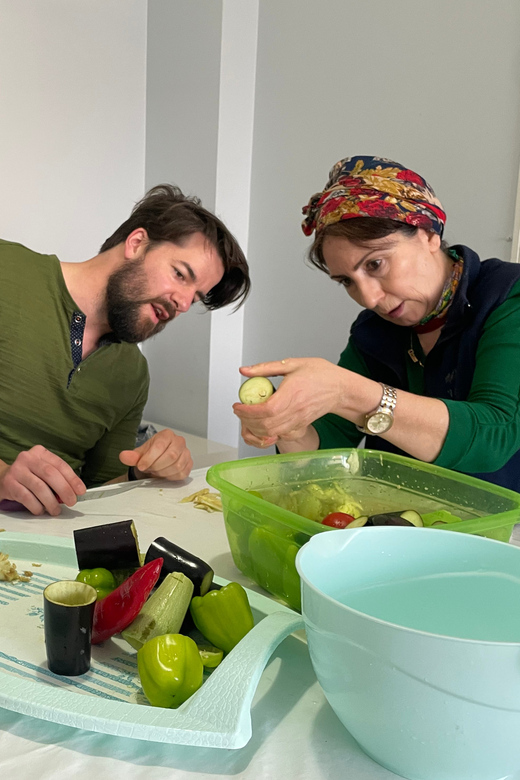
The menu focus is on Turkish local home cooking. The description calls out a few specific things you may learn and make, including:
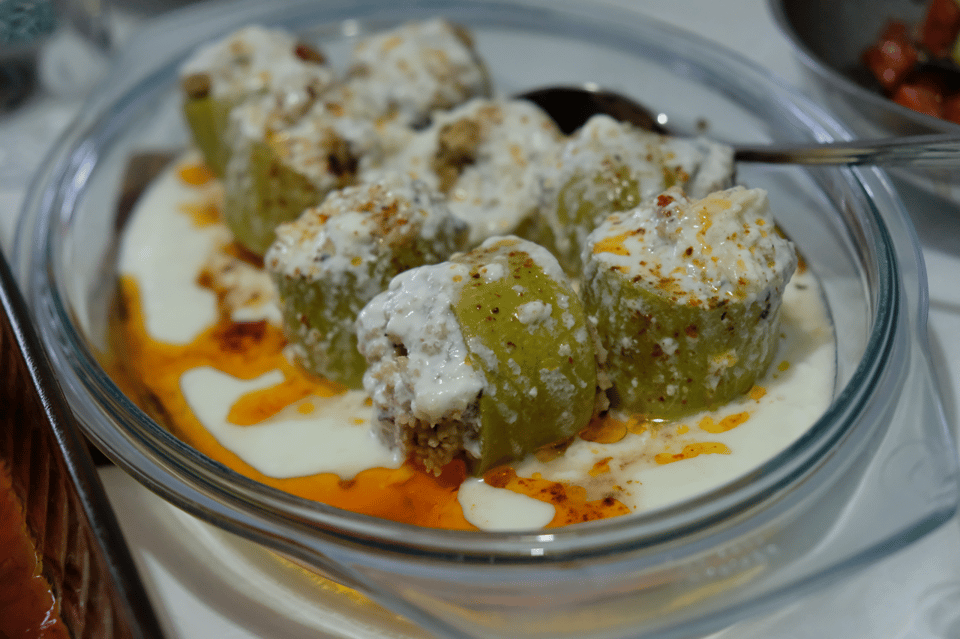
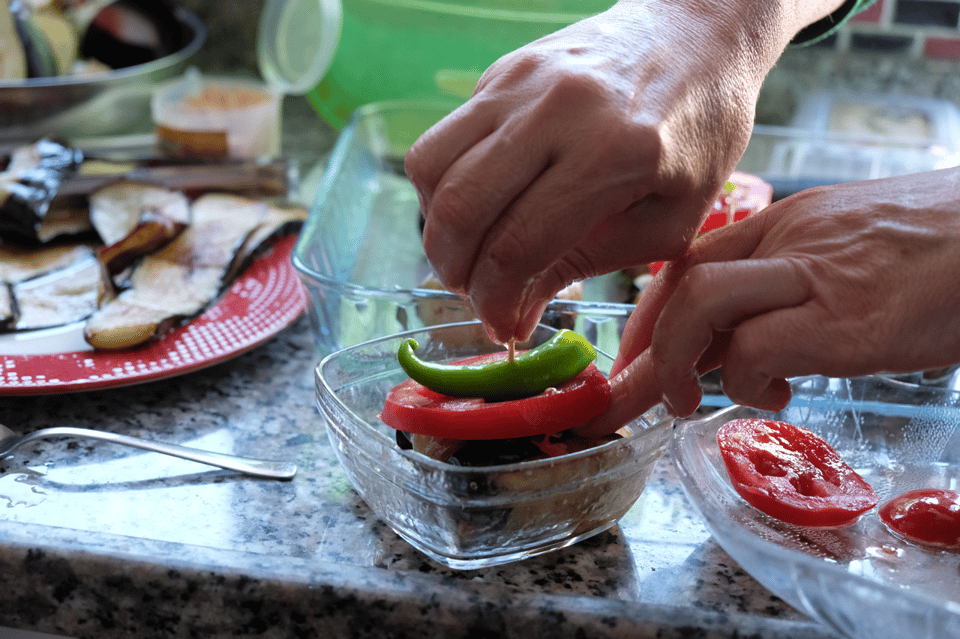
- rolling dolma
- kneading dough for börek
- preparing a table full of mezes
Even if the exact dishes shift based on the home’s menu (and your dietary preferences), those examples tell you a lot about the skill set you’re getting.
Why this matters: Turkish cuisine isn’t one single flavor style. It’s a system. It’s about building variety—hot and cold bites, bread and fillings, herbs and acidity, and sauces that pull everything together. A home cooking session teaches you that logic. You’re not only learning recipes. You’re learning how a Turkish cook thinks: what goes first, what comes second, and how taste changes as food cooks.
The börek dough part is especially useful if you like bread-based food. Kneading isn’t just a step; it’s a way to understand texture. When a host explains why dough is handled a certain way, you can actually recreate the result later rather than just memorizing a recipe.
And dolma? Rolling is detail work. It’s also where you learn that good Turkish cooking often looks calm on the outside, but it’s built on patience and technique.
Why Turkish cuisine is special (and how the class explains it)
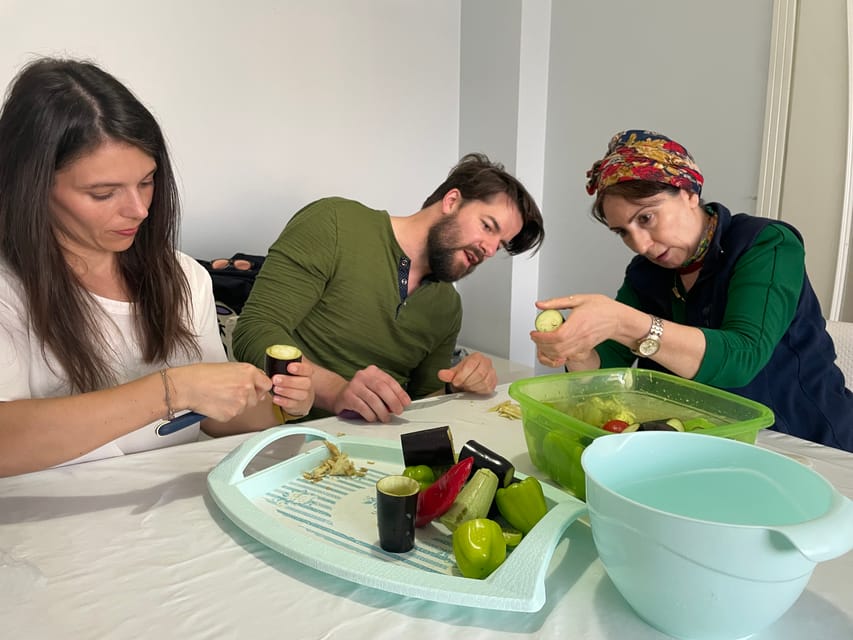
The description makes a point of walking you through why Turkish cuisine is special, and the experience emphasizes that dishes come with stories—tradition, family, and the little details.
In plain terms, here’s what that usually translates to during a class like this:
- You learn the meaning behind dishes, not just the steps
- You pick up how regional differences show up in food
- You get ingredient context—what something is for, not just what it is
One review detail I found helpful: hosts are described as explaining ingredients and why they’re used the way they are. That’s the kind of guidance that helps you understand Turkish cooking beyond the one meal you eat.
If you’re the kind of traveler who likes to order better in restaurants afterward, this is where the lesson pays off. You’ll start recognizing the logic behind mezes, and you’ll be able to ask smarter questions—like what the dish is supposed to taste like, and how it’s built.
Breakfast, lunch, and the family table rhythm
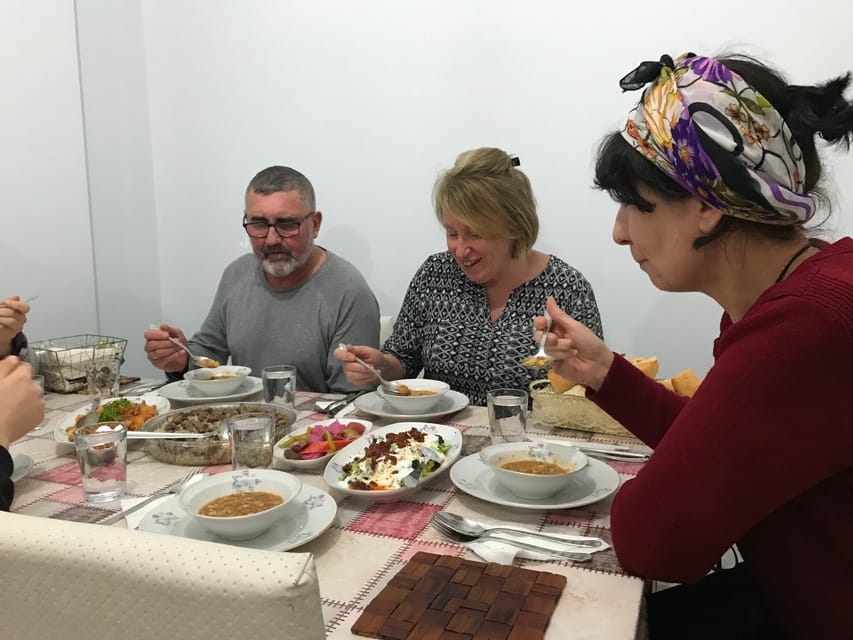
Food here isn’t a side quest. It’s the heart of the day.
The experience includes:
- Breakfast with local friends at home
- Lunch with local friends at home
- Dining with local friends at home as part of the day
That doesn’t just mean “you get fed.” It changes how you learn. A cooking class that ends with a small snack is easy to forget. This one builds in time to taste what you made in the same setting the family uses to eat together.
In practice, you’ll likely feel the difference between “cooking for photos” and “cooking for people.” Families taste as they go, adjust seasonings, and shape the meal so it works as a group experience. When you share that table, you get a clearer sense of how Turkish food is meant to be eaten: warm, varied, and social.
And yes, it’s also delicious. Multiple host accounts describe food as absolutely delicious and healthy, and they highlight the hospitality that makes the meal feel like a privilege rather than a transaction.




Instructor and language: English support in a local home
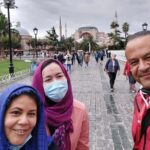
The instructor is listed as speaking English and Turkish. That’s a big deal in a residential setting. It means you can ask questions and still get explanations that stick, even when you’re learning technique with your hands.
A practical note: cooking terms and food names can vary, and pronunciation matters. With English support, you’re more likely to learn how things are called in Turkish, which helps later when you shop for ingredients or order in Istanbul.
Also, the experience includes dining and conversation with the household’s circle. The language blend is part of that, not a separate thing.
Meeting point near Sultanahmet: tram to Kabataş, then Selamlık Street
Getting to a home in Istanbul can be the difference between a smooth start and a stressful one. Here’s the approach you’re given from the Old Town area (Sultanahmet, Hagia Sophia, Grand Bazaar, Eminönü):
1) Take the tram to Kabataş
2) From Kabataş, choose a taxi or bus, or walk for about 25 minutes (described as a nice walk)
3) When you reach Selamlık Street, look for number 21
4) It’s a bit above the car park. The building gate is across from Abbasaga Mosque
5) Ring the bell on the left side: number 6
6) You’ll then walk up one floor
When you finish, the activity ends back at the meeting point.
My advice: do one “low-stress” decision ahead of time. If you’re tired after a full day of sights, skip the long walk from Kabataş. If you enjoy walking and want to see real neighborhoods, the 25-minute option sounds like a good fit.
Either way, aim to arrive a few minutes early. Residential meeting points are easy to miss if you’re cutting it close.
Price and value: what $102 buys you in real terms
At $102 per person for about 3 hours, this isn’t a budget cooking class. But it also isn’t just an “instruction fee.”
What you’re paying for, based on what’s included and how the day is described:
- cooking time with a local mom and family
- a small group size (limited to 8)
- meals: breakfast and lunch, plus dining together
- a tailored menu based on dietary preferences (you’ll chat before you visit)
In other words, you’re paying for access to hospitality plus instruction plus the meal itself. The value makes sense if you care about learning how Turkish home cooking actually works—especially dishes like dolma, börek, and mezes that are hard to master from generic recipes.
It’s less of a bargain if your goal is only to tick off a cooking activity without caring about the household experience. In that case, you might prefer a different type of class or a simple food tour.
Small group size: why limiting it to 8 changes the quality
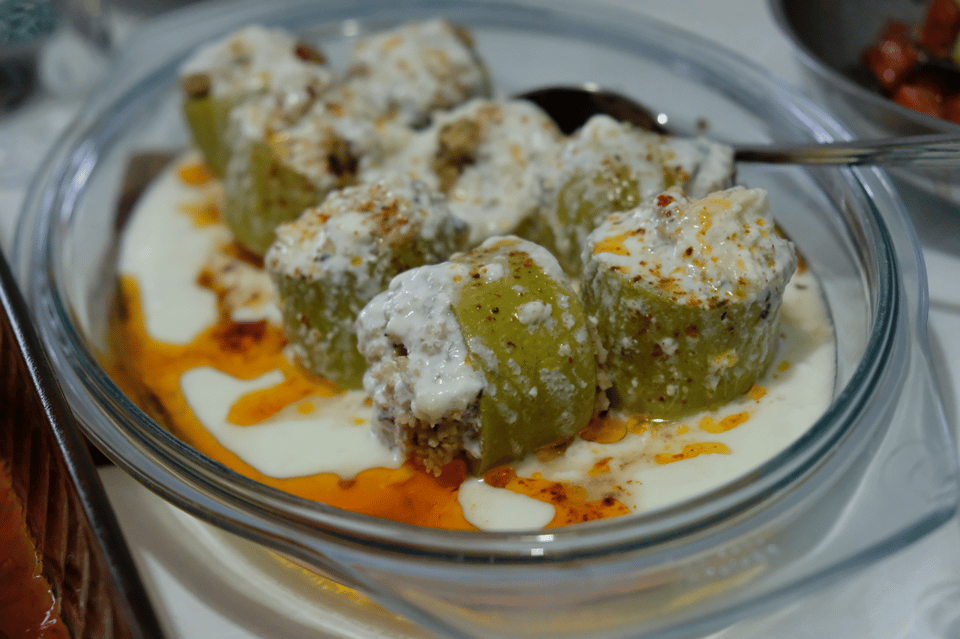
A class capped at 8 participants is a sweet spot for a home setting.
You’re more likely to:
- get direct answers to questions
- get hands-on time instead of hovering
- talk with the household and learn “why” along with “how”
And because it’s in someone’s real living space, the hosts can’t expand the group endlessly. You’ll feel that limit in the best way: it becomes personal instead of industrial.
If you like meeting people while traveling, that intimacy is part of the appeal. Several host stories emphasize warm conversation and meaningful cultural exchange, not just recipe instruction.
Who should book this (and who might skip it)
This is a strong fit for you if you:
- want Turkish cooking with context, not just steps
- enjoy home-style meals and conversation
- like smaller groups and personal guidance
- want a break from crowded tourist areas and want a calmer pace
It might be less ideal if you:
- need wheelchair-level accessibility guarantees (the program notes a walk up one floor)
- want something strictly focused on sightseeing during those 3 hours
- strongly prefer restaurant-style service over a family-style home experience
Practical tips to get the most from your Turkish home-cooking day
A few things will help your experience go smoothly:
- Share dietary preferences clearly before you arrive, since the menu is tailored.
- Wear shoes that handle stair steps and home floors comfortably.
- Keep an open mind about pace. This is about making food and eating together, not rushing through a checklist.
- Ask at least one “why” question. If the host explains ingredients and technique, you’ll learn faster and remember longer.
- Be ready for Istanbul advice. One host story notes that tips for visiting Istanbul are part of the friendly exchange, and you can contact the family with questions.
Also, if you’re excited about learning Turkish food names, pay attention while the host describes dishes. Language sticks best when you learn it right alongside the cooking action.
Should you book this Turkish cuisine experience?
I think you should book it if your idea of a great Istanbul day includes a real neighborhood home, a hands-on cooking session, and a proper shared meal. For $102, you’re not just paying for recipes. You’re buying time with a local mom’s kitchen knowledge plus breakfast and lunch at the family table, capped at a small group so you actually participate.
Skip it only if you’re looking for a tour that’s mostly sightseeing or if you strongly prefer environments designed for strangers. This experience is built for hospitality first, cuisine second, and that’s the whole point.
If you want the kind of Istanbul memory that feels personal and tastes lived-in, this is one of the better ways to do it.
FAQ
Where is this Turkish cooking experience held?
It takes place in a warm local home in Beşiktaş, Istanbul.
How long is the experience?
The duration is 3 hours. Starting times vary, so you’ll need to check availability.
What language is the instructor?
The instructor speaks English and Turkish.
How big is the group?
The group is limited to 8 participants.
What food is included?
You get breakfast and lunch with local friends at home, plus dining together as part of the experience.
Can the menu be adjusted for dietary preferences?
Yes. Before your visit, you’ll chat about dietary preferences so the menu can be tailored.
Where do I meet if I’m staying in Sultanahmet or nearby?
From the Old Town area, you’re advised to take the tram to Kabataş, then either taxi or bus, or walk about 25 minutes. You’ll then find Selamlık Street and look for number 21, across from Abbasaga Mosque, ring the bell on the left side at number 6, and walk up one floor.
What’s the cancellation and payment flexibility?
It offers free cancellation up to 24 hours in advance for a full refund, and it also lists reserve now & pay later so you can book without paying today.