REVIEW · ISTANBUL
Kucuksu Pavilion Skip-the-Line Ticket with Audio Guide
Book on GetYourGuide →Operated by Istanbul Tourist Pass® · Bookable on GetYourGuide
Bosphorus views, no line—what’s not to like? The Küçüksu Pavilion skip-the-line ticket gets you into this historic spot faster, and the English audio guide helps you make sense of what you’re seeing at your own pace. It’s a simple setup, but it works well for a one-day visit.
I like two things a lot. First, you’re not stuck waiting outside with everyone else—you get skip-the-line entry and start exploring sooner. Second, the professional English audio guide turns the pavilion from a pretty building into an easy story: who built it, how it changed, and why it mattered on the Bosphorus.
The only real drawback: you’re exploring without a live guide. There’s no guided tour included, so if you want a person to answer questions, you’ll be doing more of the learning through audio alone.
In This Review
- Key Highlights Worth Your Time
- Küçüksu Pavilion: A Bosphorus Stop You Can Actually Do in One Day
- Skip-the-Line Entry: What It Changes (and What It Doesn’t)
- The English Audio Guide: Your Best Tool for Getting Value
- Küçüksu Pavilion’s Building Story: From 1751 to a New Form
- Between Two Streams: Garden Atmosphere and Bosphorus Views
- How to Plan Your One-Day Visit (Without Overthinking It)
- Price and Value: Is $14 Reasonable for This Experience?
- Who Should Buy This Ticket (and Who Might Skip It)
- Should You Book the Küçüksu Pavilion Skip-the-Line Audio Ticket?
- FAQ
- What’s included in the Küçüksu Pavilion ticket?
- How long is the experience valid for?
- Where is Küçüksu Pavilion located?
- Does this ticket include a guided tour?
- Is the audio guide available in English?
- What are the cancellation terms?
Key Highlights Worth Your Time
- Skip-the-line entry for faster access to the pavilion and museum areas
- English audio guide so you control pace and stop for photos
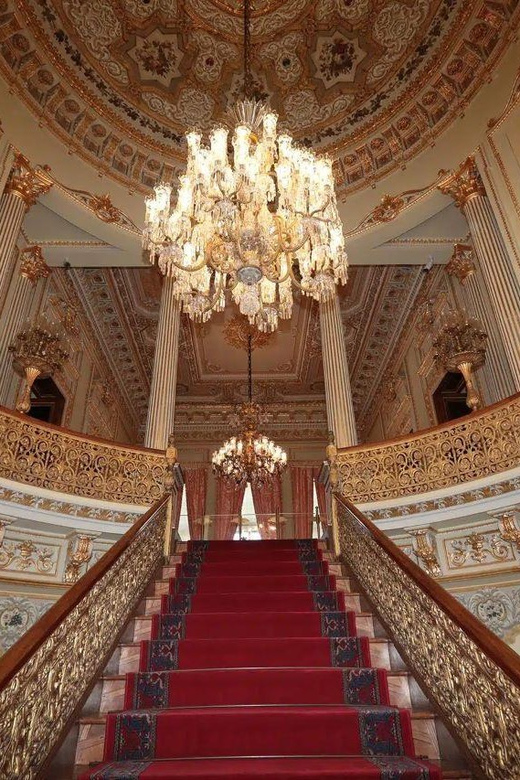
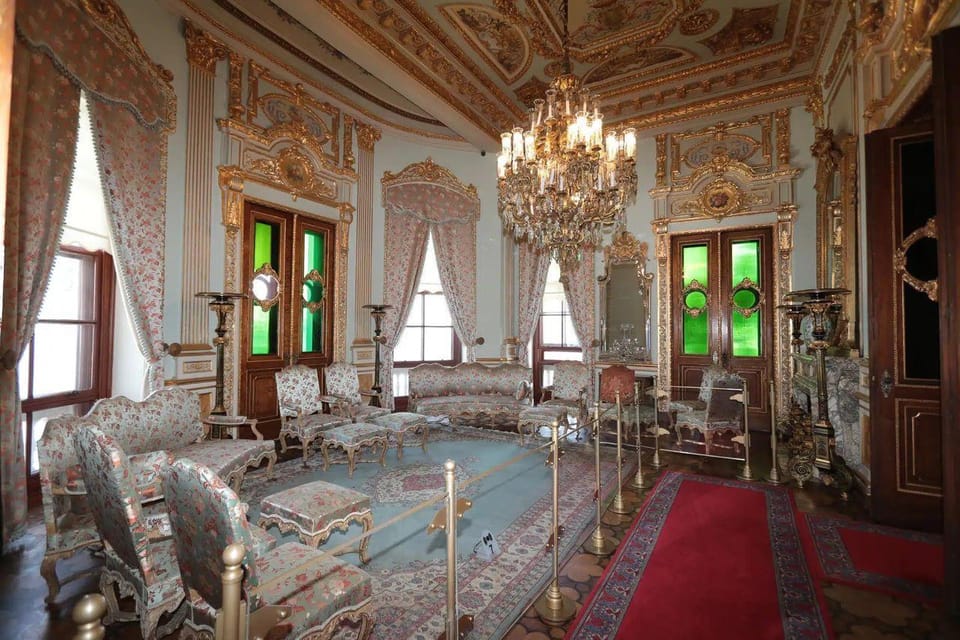
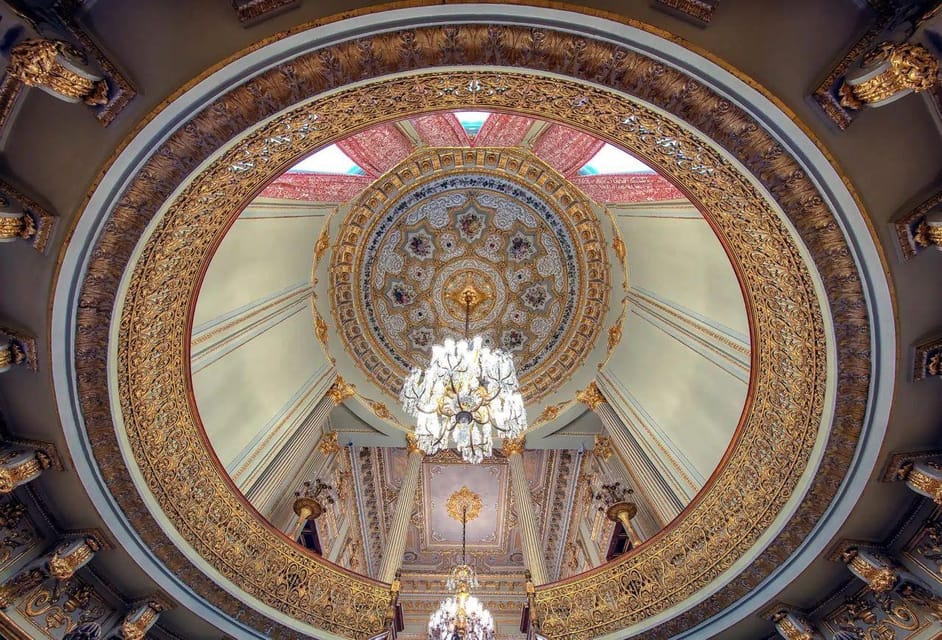
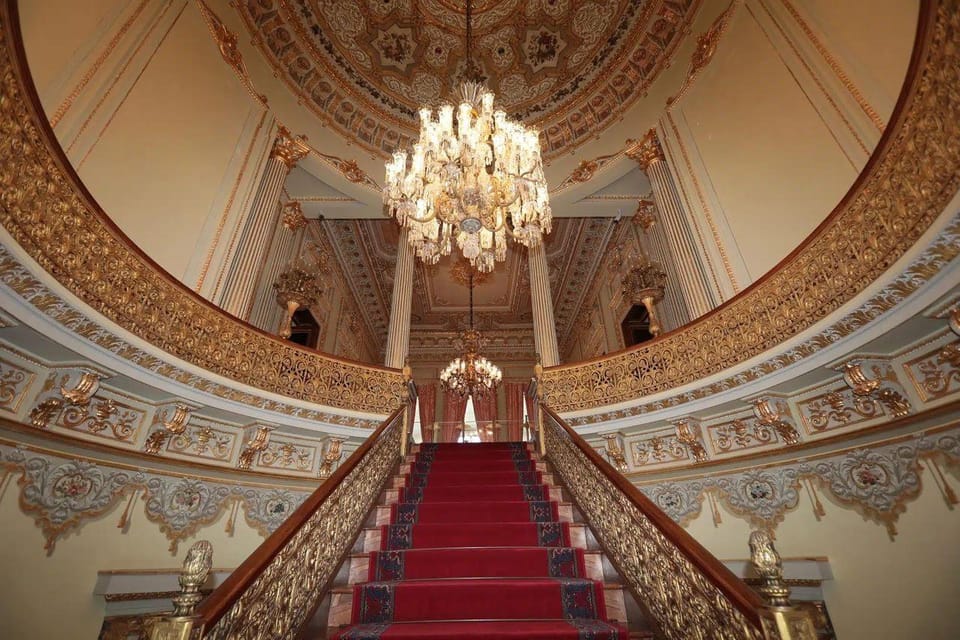
- Ottoman and Western design blend in one compact, two-storey setting
- Bosphorus views plus the pavilion’s garden atmosphere
- A building with multiple eras, from 1751 to its form in 1856–1857
- Museum visit feel since it became a museum in 1983
Küçüksu Pavilion: A Bosphorus Stop You Can Actually Do in One Day

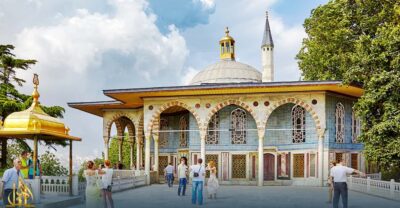
Küçüksu Pavilion sits in the Marmara Region of Turkey, and it feels like it was made for exactly the kind of pause you want on a sightseeing day. You’re not just looking at architecture. You’re stepping into a place shaped by location—near water, looking toward the Bosphorus, and designed to take advantage of the scenery.
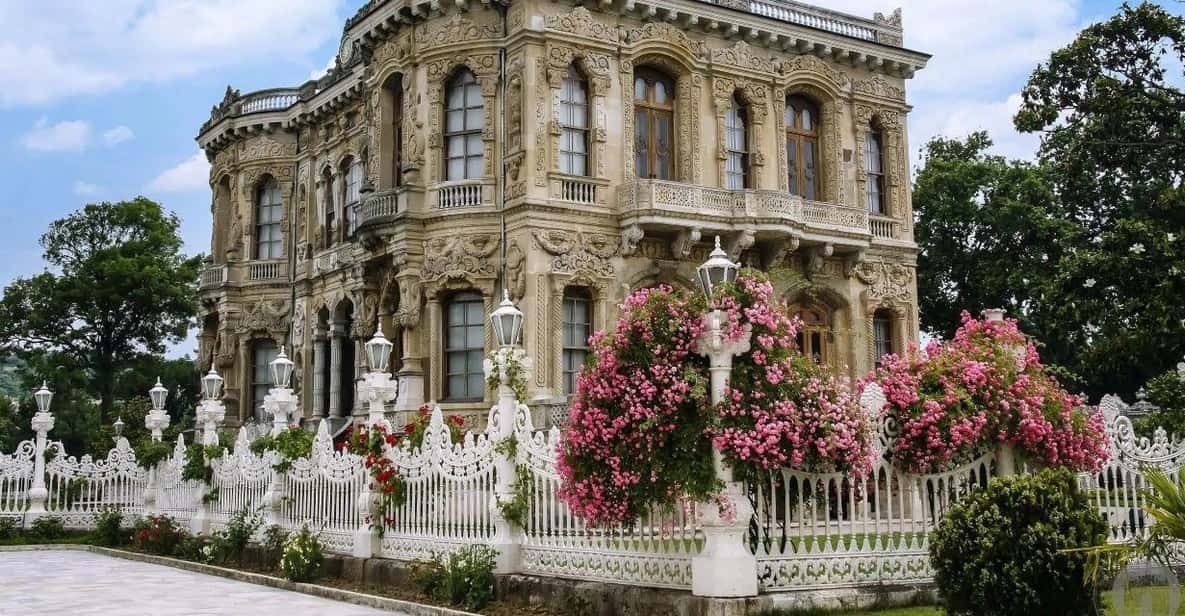
What makes it especially interesting is the mix of cultural signals. The pavilion was built originally during Sultan Mahmud I’s reign, then took on its current form in 1856–1857. That long timeline shows you Istanbul’s evolution in a way that feels physical, not abstract. Even the materials matter: it’s a brick-and-stone, two-storey building, so it has that solid, grounded look you want in historic sites.
And then there’s the setting. The pavilion is described as being located between two streams, with a garden and a historical ambiance. That matters because it’s not only about “what” you see—it’s also about “how” you move through the space while the audio guide quietly fills in the story.
If you’re trying to choose between a museum day and a scenery day, this one blends both.
You can also read our reviews of more tours and experiences in Istanbul



Skip-the-Line Entry: What It Changes (and What It Doesn’t)
A skip-the-line ticket doesn’t magically make you walk faster through history. But it does change the experience in one key way: you lose less time waiting. For a one-day attraction, that’s a big deal. It means you can spend your limited time in the pavilion grounds and building, using the audio guide where it matters—inside the spaces that are explained by the narration.
Here’s what the skip-the-line element does well for you:
- You reduce the “stand around and guess when your turn is coming” stress.
- You get into the site with a calmer rhythm, so you actually press play on the audio guide soon after arrival.
- You’re more likely to finish the visit in the same day without it turning into a scramble.
What it doesn’t change: you still have to do the exploring yourself. There’s no guided tour included. So your pacing, your focus, and your photo stops all rest with you. If that sounds like a win, skip-the-line is a great match. If you want a group with a guide leading the pace, you’ll need a different kind of ticket.
The English Audio Guide: Your Best Tool for Getting Value
The professional audio guide in English is the heart of this ticket. It’s included, so you’re not paying extra once you get there, and you’re not forced into whatever timing a group tour chooses.
Audio guides work best when you treat them like a companion, not a lecture. Use it when you want context. Pause when you want to look closely. Rewind if you missed a detail—especially here, where the building story runs across multiple periods.
The audio guide is also how you connect the pavilion’s design to the big picture. You learn that it was originally constructed on the recommendation of a Grand Vizier, opened in 1751, and later changed form in 1856–1857. You also learn that it became a museum in 1983. Even if you’re not a hardcore architecture nerd, those dates give you anchors. They turn the visit into something you can remember later.
Practical tip based on the structure of this experience: plan to listen in the areas where the pavilion’s features are most visible. Since it’s a two-storey brick-and-stone building with a garden setting, you’ll get more from the audio if you don’t treat it like background noise. Let it guide what you look at.
And because the visit is self-paced, you can spend more time where you naturally linger—often that’s Bosphorus views, or the spaces where the Ottoman and Western design blend shows most clearly.
Küçüksu Pavilion’s Building Story: From 1751 to a New Form
This pavilion isn’t one snapshot. It’s a layered project. That’s the kind of detail that makes an audio guide worth it, because you can connect the present look to earlier intent.
Here’s the timeline you’ll hear (and it’s useful for your own orientation):
- The pavilion was constructed during Sultan Mahmud I’s reign.
- It opened in 1751.
- Its current form was shaped in 1856–1857.
- It later became a museum in 1983.
Why that matters for you: if you arrive expecting one style, the pavilion can surprise you—in a good way. The Ottoman foundation combined with Western influence is exactly the kind of cultural cross-current Istanbul is known for. The pavilion becomes a small, visitable case study of that shift.
The pavilion’s construction details also help you “read” the building. Because it’s built with brick and stone and is two storeys, the architecture feels durable and deliberate, not flimsy or decorative. When you understand that it was built, modified, and later presented as a museum, you start noticing how it’s meant to be viewed—both as a historic residence/pavilion concept and as a place visitors can approach today.
Between Two Streams: Garden Atmosphere and Bosphorus Views
One of the best parts of the Küçüksu Pavilion experience is how the setting supports the building. You’re told the pavilion sits between two streams, and the visit includes the garden and historical ambiance. In other words, it’s not just a structure behind a fence. It’s a whole atmosphere.
I love sites like this because they break up the usual “museum wall, museum wall, museum wall” rhythm. If your day has been heavy on indoor stops, the garden setting gives you mental reset. You can look out, breathe, and then return to the building with fresh focus for the audio guide.
And yes, Bosphorus views are a major part of the appeal here. The pavilion’s fascination with the Bosphorus shores is part of the reason it exists. When you’re standing in the pavilion’s environment, you’re not just seeing water—you’re seeing the logic of why the pavilion was placed where it was.
Ottoman and Western design blends can be easier to appreciate when you’re not rushing. The garden gives you time. It lets you step back and observe how the building’s style works in real space, with the surrounding water and greenery shaping the mood.
You can also read our reviews of more guided tours in Istanbul






How to Plan Your One-Day Visit (Without Overthinking It)

This ticket is valid for 1 day, and you’ll check availability to see starting times. That’s the only “schedule” input you really have here. The rest is about how you spend your time once you’re on site.
Since the visit is self-guided, your best planning tool is your listening style:
- If you like full context, give yourself enough time to move through the two-storey areas and stop where the audio tells you something important.
- If you want highlights, use the audio guide to choose key moments—dates like 1751 and 1856–1857, the Ottoman–Western design angle, and the museum shift in 1983.
Also remember what’s included and what isn’t. You’ll have skip-the-line entry and the audio guide, but there’s no guided tour. So you’re responsible for turning the audio into understanding. The good news is that the guide is included and in English.
If you’re combining Küçüksu Pavilion with other Istanbul sights that same day, build in buffer time. The site is small enough to fit into a single day, but your pace depends on how much you stop for Bosphorus views and garden atmosphere.
Price and Value: Is $14 Reasonable for This Experience?
At about $14 per person for a one-day visit, the value comes from two included things: skip-the-line entry and a professional English audio guide.
For $14, you’re not just paying for access to one building. You’re paying for:
- Faster entry, which saves time you can spend at the pavilion itself
- Built-in interpretation via audio, which reduces the need for extra paid guidance
- A self-paced format that works if your day is already crowded
Could it cost more if you wanted a live tour? Possibly. But live tours aren’t included here. So the pricing matches the self-guided concept. If you’re the type who uses audio well—press play, listen, look, repeat—this is a straightforward deal.
Where value might feel less strong: if you dislike audio learning and would rather have a person explain everything. In that case, you could find yourself thinking about what you’re not getting, since there’s no guided tour option included.
Who Should Buy This Ticket (and Who Might Skip It)
This ticket makes the most sense if you fall into one of these groups:
Buy it if you want:
- Efficient entry and hate waiting in lines
- To explore at your own pace using an English audio guide
- A mix of history, architecture, and Bosphorus views in one place
- A chance to compare Ottoman and Western design influence in a real setting
Consider skipping (or pairing with another option) if:
- You specifically want a guided tour with a person talking you through details
- You prefer totally unstructured visiting with no audio learning at all
- You’re expecting a full-day “program,” not a self-guided pavilion museum visit
Because the duration is listed as 1 day, it also fits well as a planned stop rather than a major anchor of your entire Istanbul trip.
Should You Book the Küçüksu Pavilion Skip-the-Line Audio Ticket?
I’d book it if your goal is a calm, self-paced visit with strong support for understanding what you’re looking at. The combination of skip-the-line access and a professional English audio guide is a practical setup for a one-day stop, especially when the pavilion’s appeal is partly visual and partly historical.
If you want a live guide, you’ll need to look elsewhere. But if you can handle audio interpretation and you’re excited by Bosphorus views, Ottoman–Western design mix, and a pavilion with a timeline from 1751 to its museum era, this ticket is an easy yes.
FAQ
What’s included in the Küçüksu Pavilion ticket?
Your ticket includes a skip-the-line entry ticket for the Küçüksu Pavilion and a professional audio guide in English.
How long is the experience valid for?
The ticket is valid for 1 day. You’ll check availability to see starting times.
Where is Küçüksu Pavilion located?
It’s listed in the Marmara Region, Turkey.
Does this ticket include a guided tour?
No. Guided tours are not included. You’ll explore using the included audio guide.
Is the audio guide available in English?
Yes. The included audio guide is in English.
What are the cancellation terms?
The experience offers free cancellation up to 24 hours in advance for a full refund. It also has a reserve now & pay later option.