REVIEW · ISTANBUL
Istanbul: Whirling Dervishes Ceremony and Mevlevi Sema
Book on GetYourGuide →Operated by Istanbul E-pass · Bookable on GetYourGuide
This is one of Istanbul’s most calming nights, even if it lasts only about an hour. You’ll watch the Mevlevi Sema unfold in a real madrasa setting, with live music driving the mood and whirling that looks almost impossible to master.
I especially love the combination of live music plus the ritual itself. The ceremony moves from chanting and musical performance into the dancers’ turning sequence, so you’re not just watching spinning, you’re following a full flow.
One thing to consider: it’s not a lecture. There’s little in-the-moment explanation, so if you want context, you’ll need to use the included audio guide and do a bit of reading ahead—otherwise it can feel like a beautiful show without the full meaning.
In This Review
- Key things worth knowing before you go
- Why the Mevlevi Sema in Istanbul feels more than a sightseeing stop
- Hoca Rüstem Medrese: the venue makes the ritual feel close
- How the 60-minute ceremony unfolds (and what to watch)
- The symbolism in costumes and movement: what the ritual means to Mevlevi Sema
- Seats, crowding, and the photography issue: choose your vantage point
- Audio guide + etiquette: how to get the full respectful experience
- Price and value: is $23 for 1 hour worth it?
- Who should book this Istanbul whirling dervishes ceremony
- FAQ
- FAQ
- How long is the Mevlevi Sema whirling dervishes ceremony in Istanbul?
- Where does the whirling dervishes ceremony take place?
- What is included in the ticket?
- What should I bring with me?
- What time should I arrive?
- Is the venue wheelchair accessible?
- Should you book this whirling dervishes ceremony?
Key things worth knowing before you go
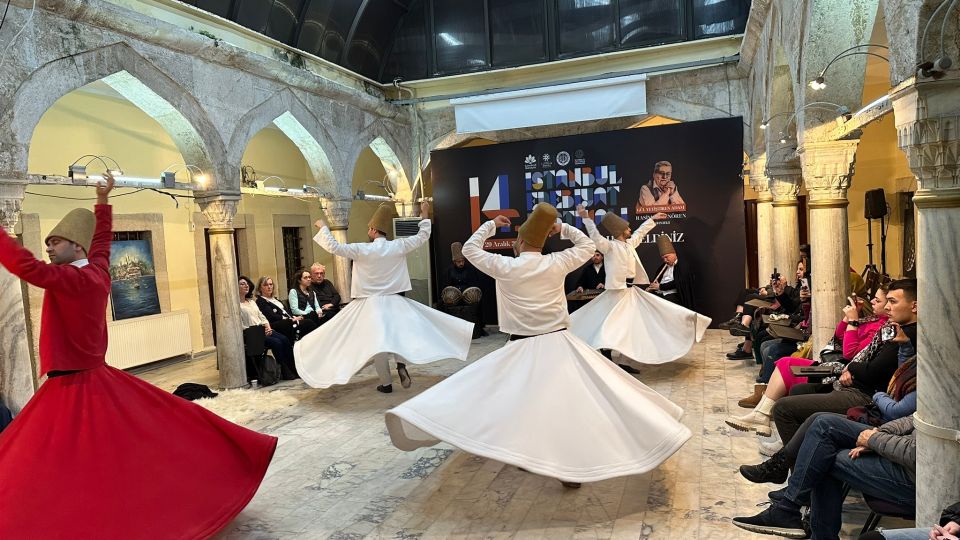
- Hoca Rüstem Medrese setting: intimate madrasa atmosphere that makes the ritual feel close and focused.
- Two-part pacing: music comes first, then the whirling begins.
- Tea before the ceremony: a simple welcome that helps you settle in.
- No big explanations on-site: the audio guide is your friend for symbolism and what to watch.
- Seat strategy matters: small room, pillars, and crowding can affect what you see.
- Etiquette is part of the experience: keep it respectful and quiet during the ritual.
Why the Mevlevi Sema in Istanbul feels more than a sightseeing stop
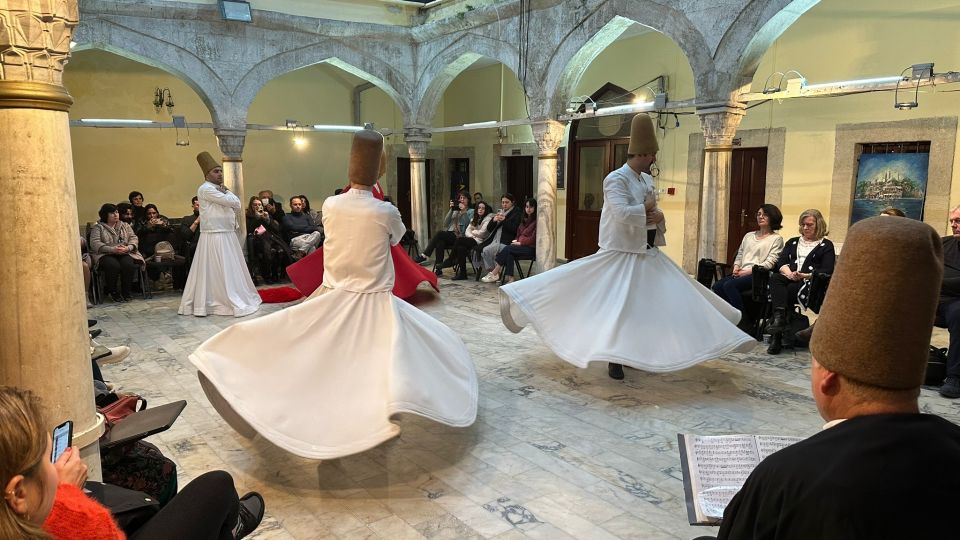
Istanbul has a lot of cultural performances, but the Mevlevi Sema is different because it’s built around devotion and ritual rhythm. The whirling dervishes are part of a Sufi tradition within Islam, connected to the Mevlevi order associated with Mevlana Jelaleddini Rumi. You’ll see costumes and gestures that carry meaning, not just dance moves.
I like that this experience is compact and well paced. Reviews and the event flow point to about 20 minutes of music followed by the dervishes starting their ritual. In an hour, you get the setup, the atmosphere, and the core turning sequence.
Here’s the practical twist: because it’s spiritual practice, not a theatre production, the tone stays serious and quiet. That can be a good thing for your trip—less “tour bus energy,” more focus.
You can also read our reviews of more tours and experiences in Istanbul.


Hoca Rüstem Medrese: the venue makes the ritual feel close
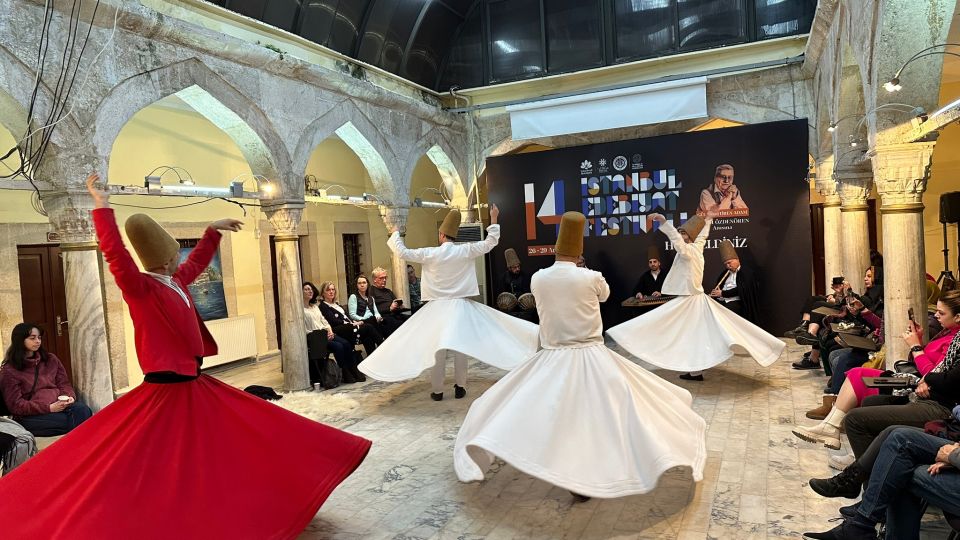
The performance takes place at Hoca Rüstem Medrese, right in central Istanbul (the Sultanahmet/Fatih area comes up often when people describe how easy it is to pair with other sights). A small madrasa setting matters. It doesn’t give you giant stage distance; it puts you near the musicians and the dancers.
That closeness is a big reason this ends up feeling memorable for many people. You’re not craning your neck to see far-off performers, and the sound from the musicians feels part of the room rather than something piped from speakers.
Still, the venue is small, and that’s the trade-off. Some people mention feeling the room gets over packed, and if you end up behind a pillar or too far back, the footwork may be harder to appreciate. If you’re picky about seeing details, your timing and seat choice become your job.
How the 60-minute ceremony unfolds (and what to watch)
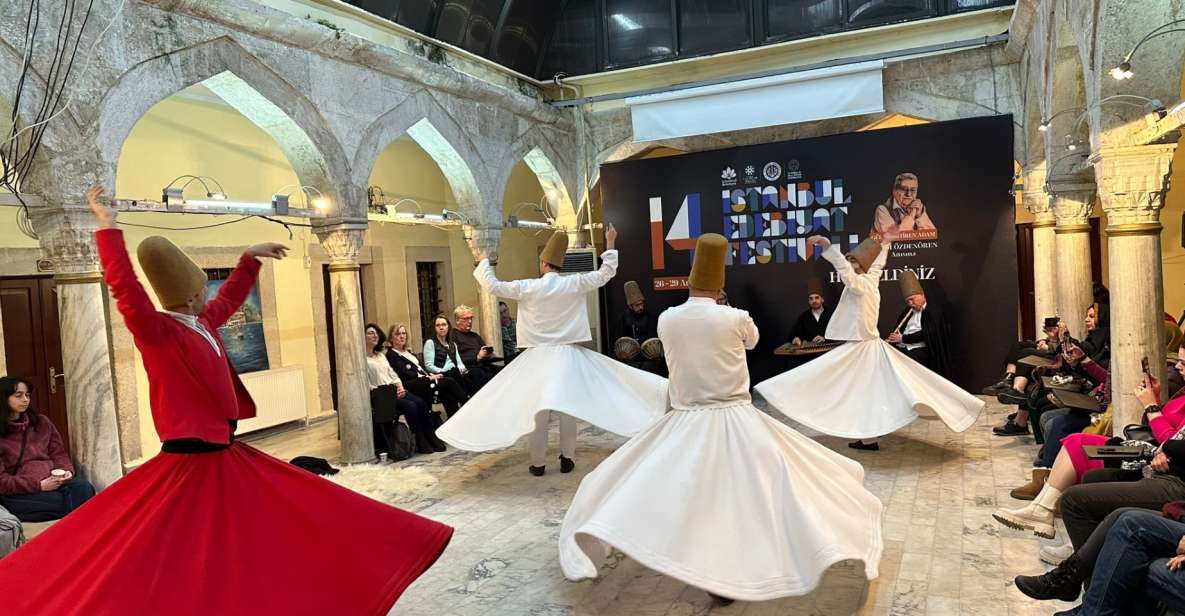
Think of the evening as three phases: settle in, listen and watch the musical opening, then shift your attention to the whirling.
1) Tea and pre-ceremony settling
Before the ritual starts, you should get there early enough to find your spot. You’ll receive tea if you arrive before the show begins. It’s a small touch, but it helps you slow down and get comfortable—especially in winter when people mention the warm drink being a relief.
2) The musical opening
The ceremony begins with live musicians—often described as a trio—with singing/chanting and music. This part sets the pace and the mood. Don’t treat it as background. Listen for how the rhythm builds and how the mood changes as the ceremony transitions.
3) The Sema and whirling sequence
After the music phase, the whirling dervishes come out and begin the ritual. Expect the turning to look controlled rather than frantic. People repeatedly note how steady the dancers appear and how gracefully they keep their focus while spinning.
In other words, watch the full process: the lead-in, the moment the dancers enter, and how the routine develops over time. If you only watch the spinning, you’ll miss the “why” behind the performance.
The symbolism in costumes and movement: what the ritual means to Mevlevi Sema
The whirling isn’t random movement. The order’s philosophy treats the whirling as a way to align with creation—life has patterns, and the ritual reflects that idea. The idea you’ll hear described is harmony across opposites: day and night, summer and winter, life and death.
You’ll also notice that the ceremony uses distinct costume elements and gestures, each tied to meaning. Here are the big visual cues you can actually use in the moment:
- Black/white color meanings: black is associated with death, white with birth.
- Taller hats: described as symbolizing tombstones of the ego.
- Removing certain layers: linked to the idea of shedding the ego.
- Hand gestures: the right hand opening toward the sky is described as receiving blessings, while the left hand points toward the earth as sharing blessings with humanity.
Even if you don’t speak the language, these visual symbols give you something to anchor on. And this is where the audio guide app earns its keep: it’s designed to add context so you can follow what you’re seeing instead of guessing.
Seats, crowding, and the photography issue: choose your vantage point
This is a good event to plan for, not just show up for. The room is intimate, and sightlines can be tricky.
A few points to keep in mind:
- Get there early if you want the best view. Many people say arriving earlier than the minimum helps because there may be only a limited number of rows.
- Pillars can block sight: if you land behind one, the view may be annoying, especially for watching footwork.
- Crowding affects detail: some mention the room can feel packed, making it harder to see the dancers’ lower-body movement.
- Lighting can distract photos: there are mentions of back-lit side panels at the ends of the hall, which can pull attention when you’re trying to take pictures.
My practical advice: arrive early, take what seat you can get that gives you a clear view of the central action, and then switch off your need to film everything. If you watch first and record second, the spinning will feel more hypnotic and less like a lecture in camera angles.




Audio guide + etiquette: how to get the full respectful experience
This one is not about ignoring the rules. The ceremony is religious practice, and the way people behave is part of the environment.
You’ll want to use what’s provided:
- Headphones (bring them)
- A charged smartphone for the audio guide app in English
The audio guide doesn’t just give facts. It helps you understand the flow and the meaning behind elements like costumes and gestures. And since there’s little on-site explanation in the hall itself, this is the main way to turn the hour into something more than pretty spinning.
Etiquette-wise, keep it simple:
- Be quiet during the ritual.
- Don’t treat it like a theatre where applause is expected at any moment.
- If you want to ask questions, do it before or after rather than during the serious parts.
One more smart move: check with the host on arrival about any instructions for where to sit or when the ritual begins. People mention that hosts are friendly and organized, and one name that comes up a lot is Kadir.
Price and value: is $23 for 1 hour worth it?
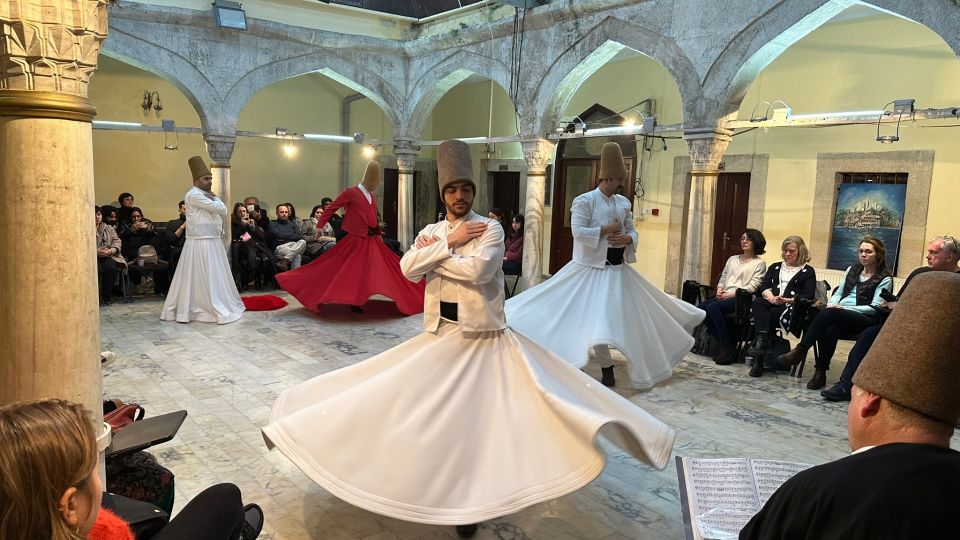
At $23 per person for about 1 hour, this can feel like a lot to someone expecting a free cultural moment. But the value comes from a few things bundled into that time.
What you’re paying for:
- A real venue experience at Hoca Rüstem Medrese
- Live music and the full Sema sequence (not just a highlight clip)
- Tea before the ceremony
- The audio guide app in English
Also, the time efficiency is real. Istanbul trips are packed. This gives you a calm, cultural night that doesn’t eat your whole evening.
The bigger question isn’t the price—it’s whether you want meaning. If you’re open to a spiritual ritual and you’ll use the audio guide, it’s a strong choice. If you want lots of guided talking in the hall, you may feel shortchanged unless you come with context already prepared.
Who should book this Istanbul whirling dervishes ceremony
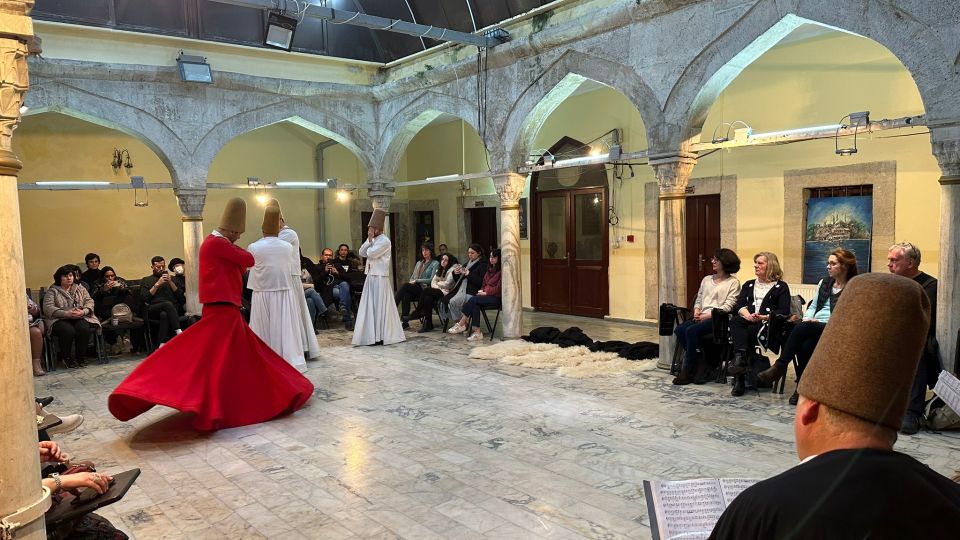
I’d book it if you want:
- A genuinely different experience from the usual palace/mosque-photo circuit
- Live music tied directly to the ritual
- A peaceful hour that’s more about attention than entertainment
It’s especially appealing for people who like cultural depth, even if they don’t claim religious knowledge. Many people note that even without understanding every detail, the atmosphere and focus come through.
It’s less ideal if:
- You need a guided lecture during the ceremony
- You’re highly sensitive to crowding and blocked views (small venue, limited seating rows, pillars)
FAQ
FAQ
How long is the Mevlevi Sema whirling dervishes ceremony in Istanbul?
The ceremony experience lasts about 1 hour.
Where does the whirling dervishes ceremony take place?
It takes place at Hoca Rüstem Medrese in Istanbul.
What is included in the ticket?
Your ticket includes entry to the whirling dervishes ceremony and an audio guide app on your smartphone (English).
What should I bring with me?
Bring headphones and a charged smartphone.
What time should I arrive?
Plan to arrive at least 15 minutes before the show starts and be in the hall before the ceremony begins.
Is the venue wheelchair accessible?
Yes, the experience is listed as wheelchair accessible.
Should you book this whirling dervishes ceremony?
Yes—if you’re okay with a focused, spiritual-style event where the meaning comes through observation and the audio guide. This is a good pick when you want a short, high-impact night in central Istanbul: live music first, then the whirling, in an intimate madrasa setting.
Book it if you can arrive early for a better seat and you’re willing to keep things quiet and respectful during the ritual. Skip it only if you need an on-site lecturer explaining everything in real time, because the ceremony itself doesn’t linger to translate.