REVIEW · ISTANBUL
Istanbul: Private Sightseeing Tour in Multiple Languages
Book on GetYourGuide →Operated by TourThese · Bookable on GetYourGuide
Istanbul’s timeline comes with comfy shoes. This private Sultanahmet day strings together the Greek and Byzantine roots, then the Ottoman era, with a live guide in 8 languages. I love that you can choose how long to linger with help from guides like Yusuf, Gökhan, and Palomba. The main drawback: expect a full-day walk up to 10 miles, plus mosque dress rules.
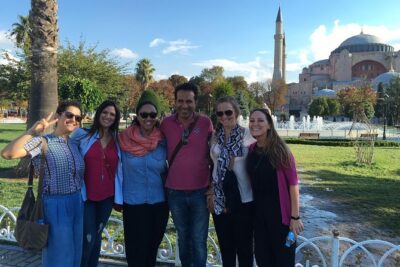
You’ll start at the German Fountain area and spend your day hopping between major landmarks: the Hippodrome zone with its obelisks and columns, Hagia Sophia, the Blue Mosque, and Topkapi Palace, then finishing at the Grand Bazaar for shopping and haggling. Coffee or tea is included during the day, but lunch and entrance fees are not. If you want maximum history with minimal stress, this tour is built for you.
In This Review
- Key things I’d plan around before you go
- Mapping Istanbul’s big story from Byzantium to Ottoman power
- Starting at the German Fountain with a real guide in hand
- Hippodrome of Constantinople: obelisks and columns that still talk
- Hagia Sophia: frescoes and 1,500 years of layered meaning
- The Blue Mosque: photos, nickname story, and a calm rhythm
- Lunch break at Sultanahmet Square: rest your legs and reset
- Topkapi Palace: Ottoman art and architecture as a storyline
- Grand Bazaar hour: shopping with a guide who understands haggling
- Price and what $226 really buys you
- Who this private tour fits best (and who should pick another plan)
- The guide quality is the real star of the day
- Should you book this private Istanbul highlights tour?
Key things I’d plan around before you go
- A private guide in 8 languages (Portuguese, Italian, English, Spanish, Russian, German, French, Greek) so you can ask questions and keep up
- A chronological route through Byzantium to Constantinople to the Ottoman capital, with context that makes the stones make sense
- Time-saving ticket handling with skip-the-line plus a fast-track option for an added fee
- Photo stops at the Hippodrome monuments like the Obelisk of Theodosius III and the Serpent Column
- One hour of Grand Bazaar shopping with a chance to practice your haggling
- A long walking day (up to 10 miles) that can feel like a trek if your fitness level is low
Mapping Istanbul’s big story from Byzantium to Ottoman power
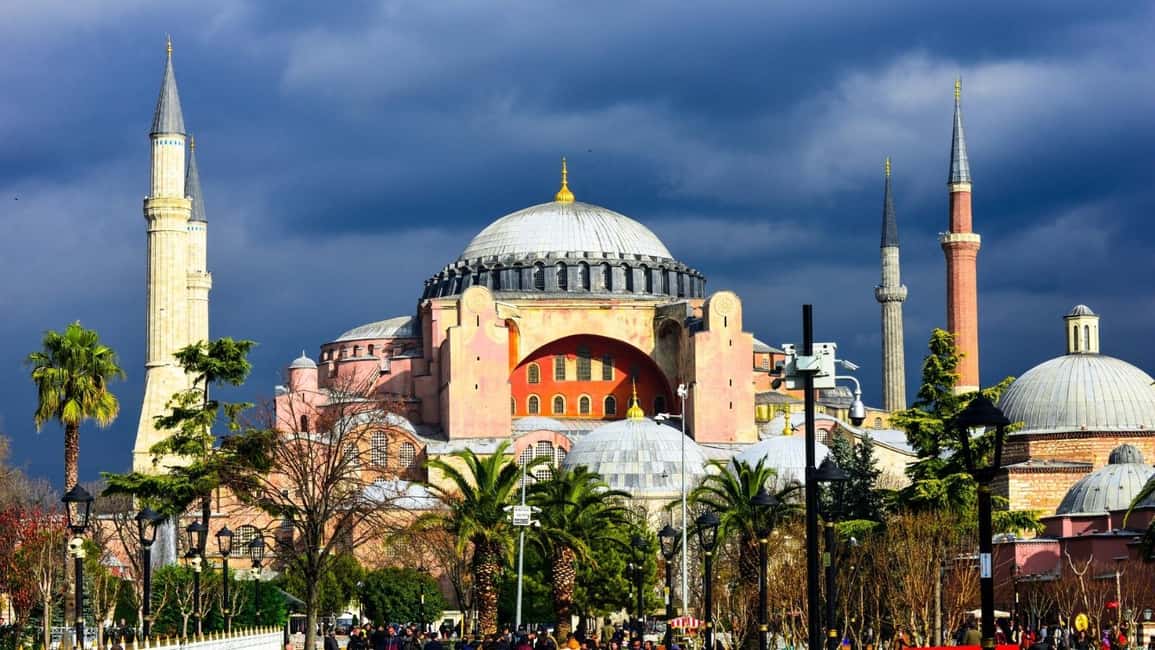
What makes this tour work is the way it connects landmarks into a timeline you can actually follow. You start with the Greek colony period that became Byzantium, then the story expands to New Rome and Constantinople, before the Ottoman era takes the center stage.
You don’t just look at famous buildings. You learn why they’re where they are, and what they’re signaling to whoever lived there. That’s the kind of context that turns a checklist day into a meaningful day, especially in Sultanahmet, where layers of empires sit close together.
For me, the best part is how the guide keeps the flow sensible. A private tour means you’re not stuck waiting behind a slow group or dealing with rushed, generic commentary.
You can also read our reviews of more private tours in Istanbul

Starting at the German Fountain with a real guide in hand
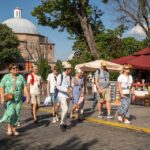
Your day begins at the German Fountain, where your guide is holding the TourThese flag so you can find them quickly. This is simple, but it matters. Istanbul landmarks can be confusing at street level, and a clear meeting point reduces that first-hour wobble.
From there, you’re set up for the core Sultanahmet corridor—mostly walking, with short photo stops and guided time at each major piece of the story. You’ll want to keep your expectations realistic: this is structured sightseeing, not a free-form wander.
Practical tip: wear comfortable shoes and clothes. You’ll be moving for hours, and you’ll want to feel steady when you’re stopping for photos and walking between sites.
Hippodrome of Constantinople: obelisks and columns that still talk
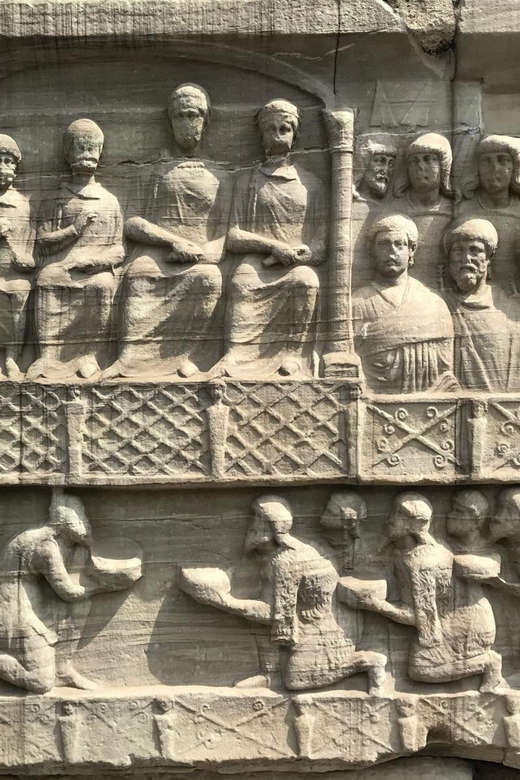
The Hippodrome area is an outdoor museum in the best way. Even when you’re not inside a building, you get history through monuments arranged for you to notice.
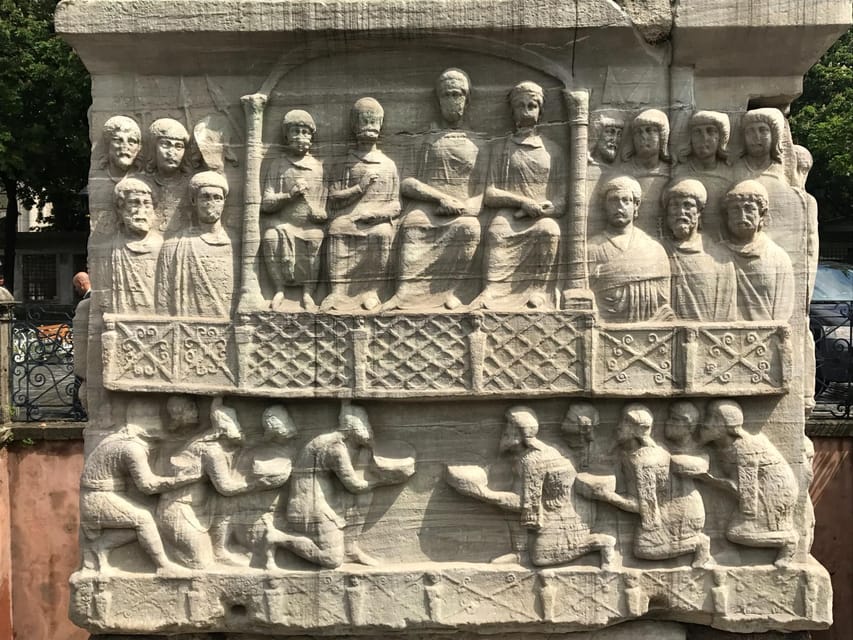
Your tour includes a photo stop and a guided visit there for about 30 minutes. This is where you’ll see major pieces tied to the city’s imperial image-making, including the Egyptian Obelisk and the Serpentine Column, plus the Masonry Obelisk.
Then the tour adds quick, focused stops:
- Obelisk of Theodosius III (photo stop, visit, guided time about 10 minutes)
- Serpent Column (photo stop, visit, guided time about 10 minutes)
Here’s what I think is most valuable: your guide connects these monuments to what the Hippodrome represented. It wasn’t just a spectacle space. It was a stage where power and prestige showed up in stone.
If you like architecture and symbolism, this section is a strong start. If you’re expecting a quiet, cathedral-style atmosphere, it’s a different vibe—more open, more moving, more stone-and-story than room-and-art.
Hagia Sophia: frescoes and 1,500 years of layered meaning
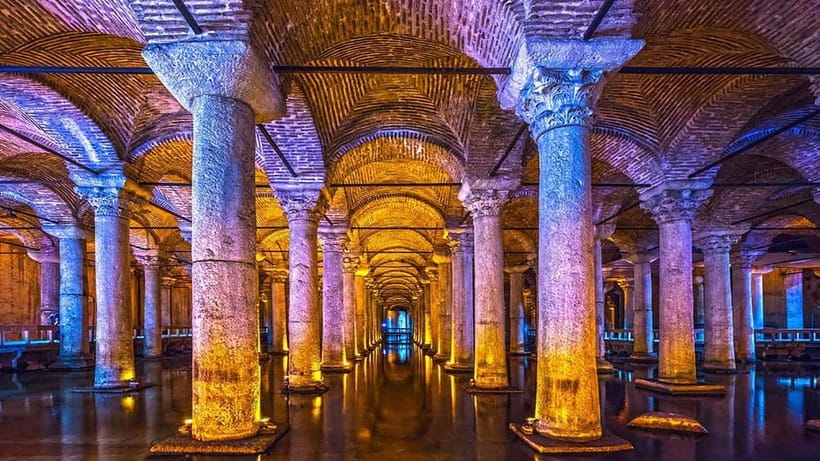
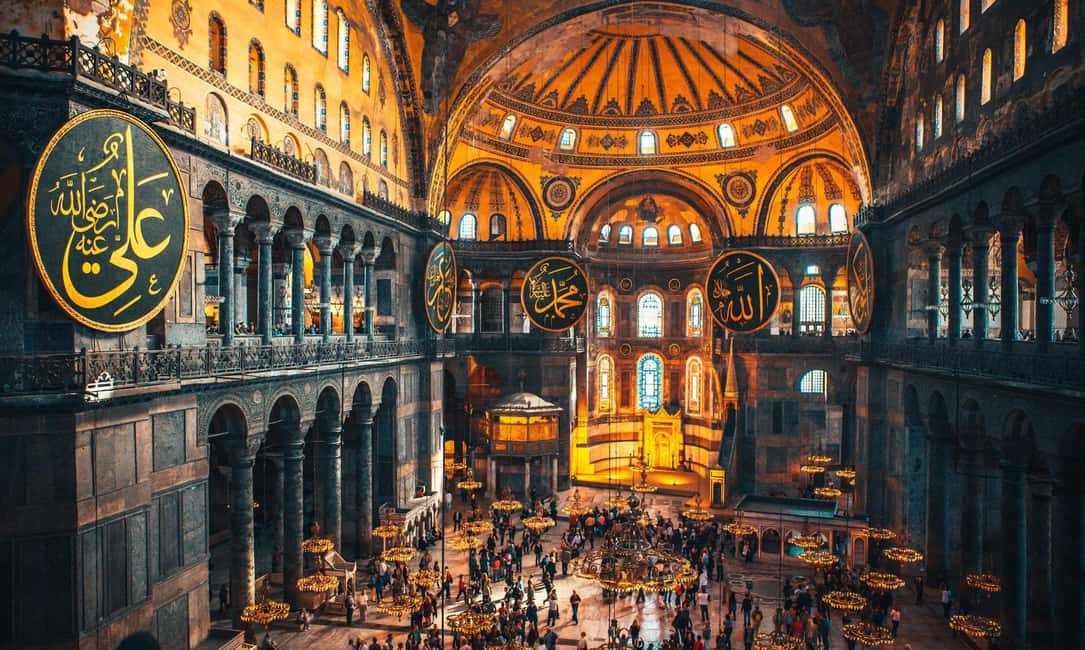
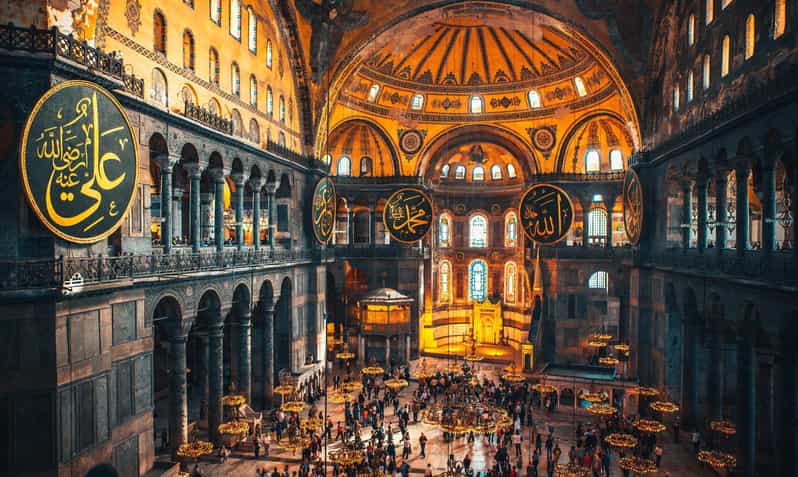
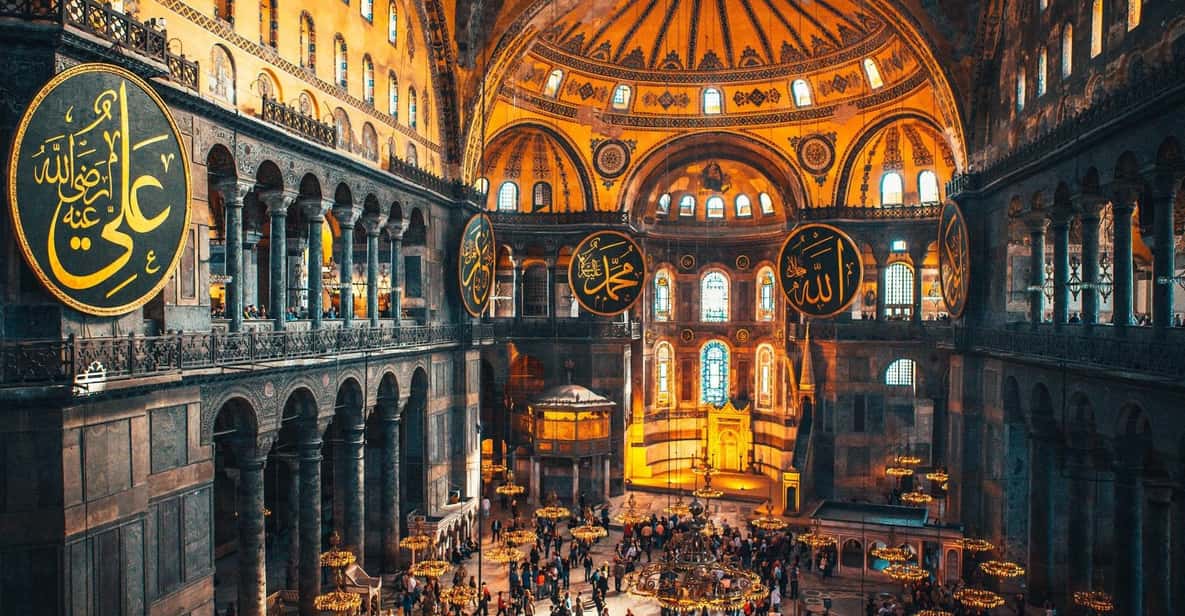
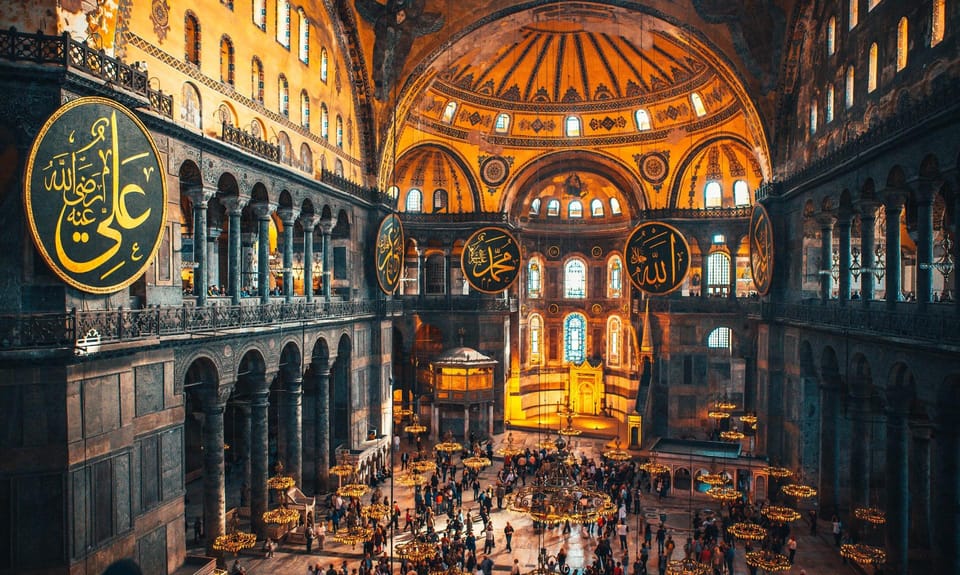
Next up is Hagia Sophia, one of the most famous monuments in the world. You’ll get guided context focused on its frescoes and about 1,500 years of history, explained in a way that helps you understand what you’re looking at.
This stop is where the tour usually feels like it changes gears from city timeline to human-scale artwork. Even if you’ve seen photos, being there in person is another matter. The guide’s job here is to make sure you don’t just admire the big shapes—you notice the details.
A practical consideration: Hagia Sophia is a top draw, so crowds can be intense. That’s exactly why skip-the-ticket-line support is helpful. Entrance fees aren’t included, so you’ll still plan for those, but you should lose less time waiting.
The Blue Mosque: photos, nickname story, and a calm rhythm
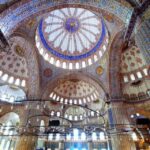
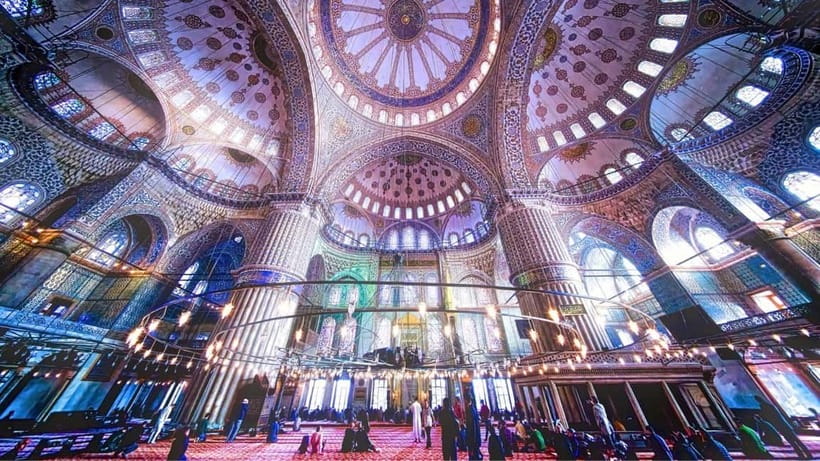
After Hagia Sophia, you head to the Sultan Ahmed Mosque, commonly known as the Blue Mosque. You’ll get photo time plus guided time for about 1 hour, which is a comfortable amount for this kind of stop.
The tour includes learning how the grand building got its nickname. That may sound like trivia, but it’s often tied to what people noticed most when the structure was new, which helps you look at the design with more intent.
One thing to plan for is the prayer space atmosphere. Even on a busy day, mosques carry a different rhythm than museums. Your guide can steer you on what to expect, and that matters for avoiding awkward moments.
Dress code is not optional on this tour:
- Men should wear shorts below the knees
- Women should cover their head and wear long pants or skirts
If you’re traveling with packing flexibility, plan for this. If you aren’t, you’ll spend the day dealing with discomfort instead of enjoying the sights.



Lunch break at Sultanahmet Square: rest your legs and reset
You’ll take a break at Sultanahmet Square. The schedule shows about 1 hour for lunch, but lunch itself is not included.
Coffee or tea is on the tour, so you won’t be completely stuck waiting for your next meal. I like this structure because it prevents the classic sightseeing mistake: pushing through hunger and then rushing the next stop.
This is also your moment to do the two most important things on a long day: use the restroom and check your phone maps before you re-enter the “more people, more lines” zone.
Topkapi Palace: Ottoman art and architecture as a storyline
Topkapi Palace is part of the experience, and it’s where the Ottoman chapter starts to feel tangible. Your tour moves through Ottoman-era artwork and architecture, with the guide connecting what you see to the era’s power and taste.
You don’t get a random palace hour here. The point is contrast. You’ve already walked through the Byzantine-style symbolism of the Hippodrome and the monumental legacy of Hagia Sophia. Topkapi shifts the tone, so the history stops being abstract and starts feeling like a sequence.
One caution: palace grounds can add to walking distance. This tour is already up to 10 miles total, so if you’re on the edge physically, keep your pace steady and don’t wait until you’re tired to ask for slower timing from your guide.
Grand Bazaar hour: shopping with a guide who understands haggling
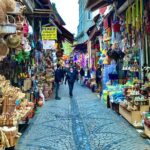
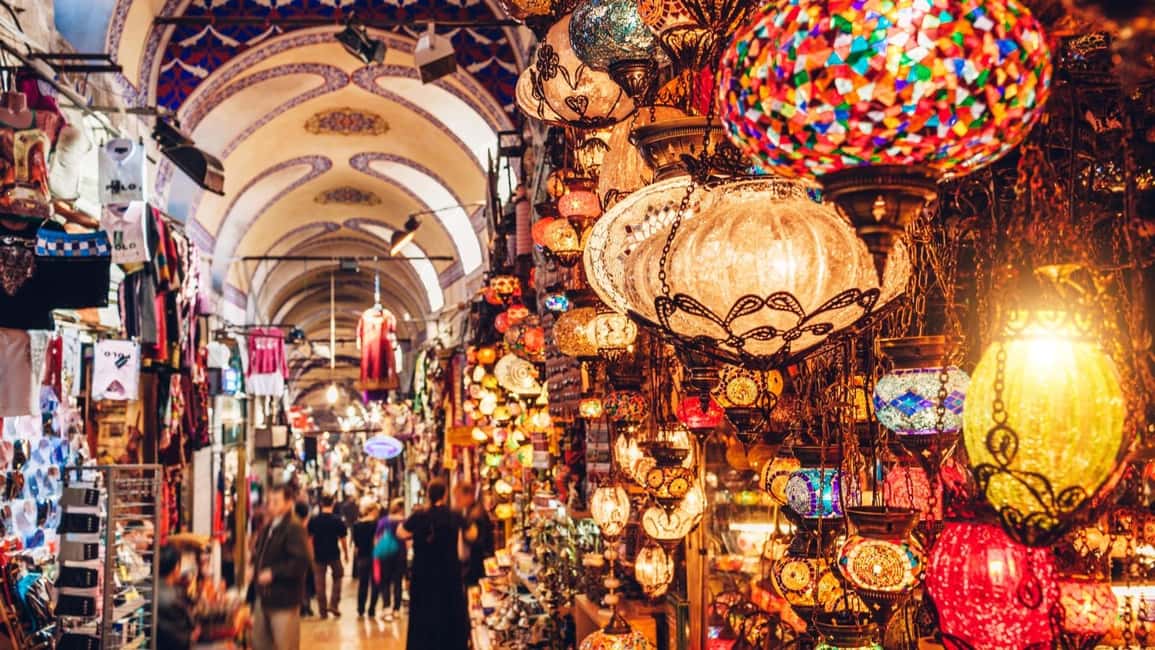
You finish at the Grand Bazaar, with about 1 hour for a photo stop, guided visit, and shopping. This is the part where you’re most likely to use what you learned earlier about Istanbul’s identity shifts, because the bazaar is where you see the city’s economy and craft traditions at street level.
The tour explicitly includes the chance to haggle for the best price. That’s a big deal. Shopping in a place this famous can feel chaotic if you’re trying to negotiate on your own while people are talking over you.
Your guide’s role here is practical: point you toward what makes sense, help you keep the process calm, and reduce the chances you get pulled into spending more than you planned. In the reviews, guides like Gökhan are praised for being not pushy and not trying to squeeze extra money out of tourists—exactly what you want at the bazaar.
If you’re shopping for textiles and small souvenirs, this is also the easiest place on the tour to do it, since you end there and can keep purchases together as you wrap up.
Price and what $226 really buys you
At $226 per group (up to 10 people), the value depends on how you travel.
If you’re a couple, that price is often reasonable because you’re paying for a private guide through multiple major monuments in one structured day. If you’re a group of friends (up to 10), you’re dividing costs, and the private format becomes a bargain compared with doing the sights on your own and paying multiple guide services.
This tour includes:
- Private tour
- A live guide
- Skip-the-ticket-line support (and a fast-track option for an added fee)
- Coffee or tea
Entrance fees and lunch are not included, so your total spending will rise a bit once you add those. But the big money saver here is time. When you’re doing Hagia Sophia, the Blue Mosque, and Topkapi in one day, any waiting adds up fast. Skip-the-ticket-line support helps you keep the day moving.
Fast-track is optional. If you’re sensitive to delays, it may be worth considering. If your schedule is flexible and you’re fine with some waiting, you might stick with the standard skip-the-line approach.
Who this private tour fits best (and who should pick another plan)
This is a full-day walking tour with up to 10 miles on your feet. It’s also not suitable for wheelchair users or people with mobility impairments, and it’s not for low-fitness travelers.
It also flags motion sickness as a no for some people. That usually points to travel time between sites, even if most of your movement is on foot.
This tour is best for you if:
- You want a private guide to explain the layers behind the big names
- You care about the story from Byzantium to Constantinople to Ottoman rule
- You want a structured route rather than making decisions all day
- You enjoy landmark photography and don’t mind walking
It may be less satisfying if you want a slow, sit-down museum day. This is built around movement, guided stops, and one shopping sprint at the Grand Bazaar.
The guide quality is the real star of the day
The reviews you’d want to listen to here aren’t about how pretty the monuments are. They’re about the guide.
Guides such as Yusuf, Gökhan, and Palomba are mentioned for being helpful in different ways—Yusuf for being brilliant and full of curiosity-friendly details, Gökhan for being well informed without pushing extra sales, and Palomba for going above and beyond to make sure everyone had a good time.
You’ll also like the private format because your guide can help you pick what to emphasize on the day. That means you can adjust if you care more about architecture, more about photos, or more about understanding what you’re seeing.
Should you book this private Istanbul highlights tour?
Book it if you want one day that teaches you Istanbul’s big story in a logical route, with a real guide in your language and a final hour to shop in the Grand Bazaar without feeling lost.
Skip it or pick a lighter option if you know your legs won’t handle a walking day up to 10 miles, or if you can’t meet mosque clothing requirements. This tour is efficient, but it isn’t gentle.
If your priority is value through time saved + context delivered, this one makes sense. Just plan for the walking, dress for the mosques, and budget separately for lunch and entrance fees.