REVIEW · ISTANBUL
Istanbul: Fener & Balat Guided Tour through Colored Streets
Book on GetYourGuide →Operated by Fenerwalks · Bookable on GetYourGuide
Colored streets, real religious histories. This 3-hour Istanbul walk turns the fairytale-looking Fener-Balat streets into a timeline of Greeks, Jews, and Turks living side by side. You’ll get to enter St. George Church and Sveti Stefan Church, plus hear the neighborhood stories from local guides and a historian.
I like the way the guide connects buildings to people. You’re not just looking at photos—you’re learning why this area earned the name Colored Streets, and why some churches are still standing while others are gone.
One thing to plan for: the tour includes a hill climb and strict church dress rules (no shorts, short skirts, or sleeveless tops).
In This Review
- Key highlights you’ll actually feel on the ground
- Fener and Balat’s colored-street vibe, minus the usual Istanbul crowds
- The historian guide makes the streets make sense
- Renkli Merdivenler and the uphill reality of Fener
- St. George Church: where the Ottoman-era story gets religious context
- Virgin Mary Greek Orthodox Church and the quieter streets between stops
- Colored houses of Balat: the photo spots feel real here
- Ahrida Synagogue and Balat’s Jewish layer
- Sveti Stefan Church: the prefabricated icon you shouldn’t miss
- Price and time: $15 for 3 hours can be a very good deal
- What to wear (and why your scarf matters)
- Getting to the meeting point near the Fener seaside bus stop
- Should you book the Fener and Balat Colored Streets guided tour?
- FAQ
- What’s the duration of the Fener & Balat colored streets tour?
- How much does the tour cost?
- Where do I meet the guide?
- What languages are the live guides?
- What sites will I enter during the tour?
- What should I wear for church visits?
- Is the tour wheelchair accessible?
Key highlights you’ll actually feel on the ground
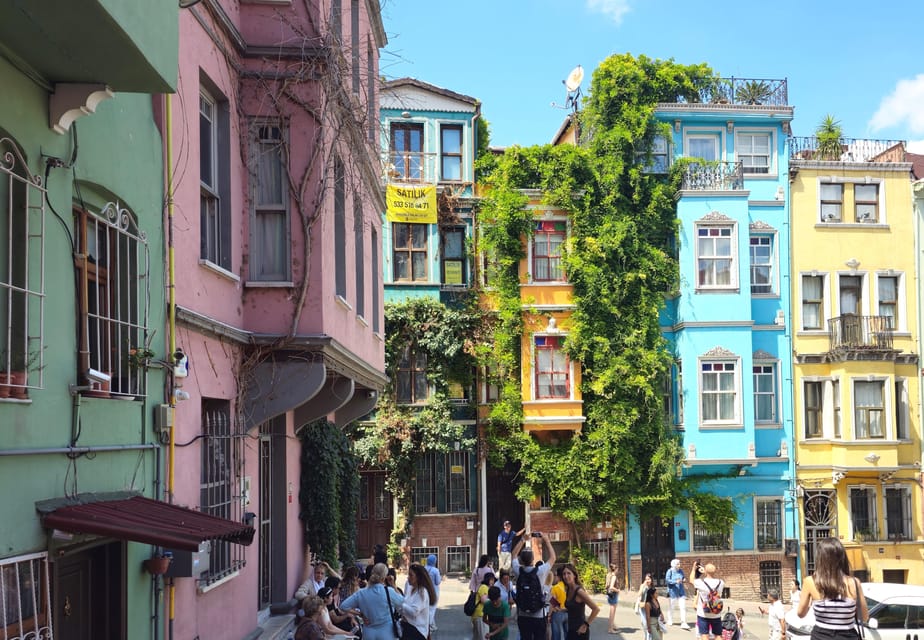
- Orthodox church entries: Step inside St. George Church and Sveti Stefan Church during the walk
- St. Stephan’s “last standing” prefabricated church: A rare Istanbul church story you can see with your own eyes
- Renkli Merdivenler photo stop: Colored steps that set the mood for the whole neighborhood
- Greek Town stories in Fener: Learn what shaped the old Greek community through story-tellers and local context
- Ahrida Synagogue stop: A key stop that adds the Jewish layer to Balat’s old-town mix
- Short, frequent sights: Expect lots of viewpoints and quick visits—great if you like momentum
Fener and Balat’s colored-street vibe, minus the usual Istanbul crowds
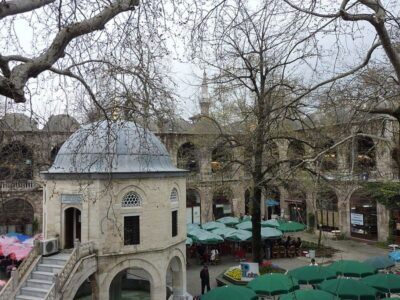
I love that Fener and Balat feel like Istanbul’s other face. Yes, there are cameras and cafes now, but the pace still feels more local than the headline sights. On this tour, you get a structured way to understand what you’re seeing—why houses are painted, why churches show up in surprising places, and why the mix of communities matters.
This is the part of Istanbul where multiple empires and communities overlap in a very practical way. You walk through streets tied to Greeks and Jews, and you also see how Ottoman-era life shaped religious communities over time. The guide’s job is to put those connections into plain language so the neighborhood stops being random scenery.
One bonus: you’ll feel like you’re moving with a map in your head by the end. The stops connect like chapters. By the time you reach the churches, you’ll know what to look for—who used the buildings, what the neighborhood protected, and what changed.
You can also read our reviews of more guided tours in Istanbul


The historian guide makes the streets make sense
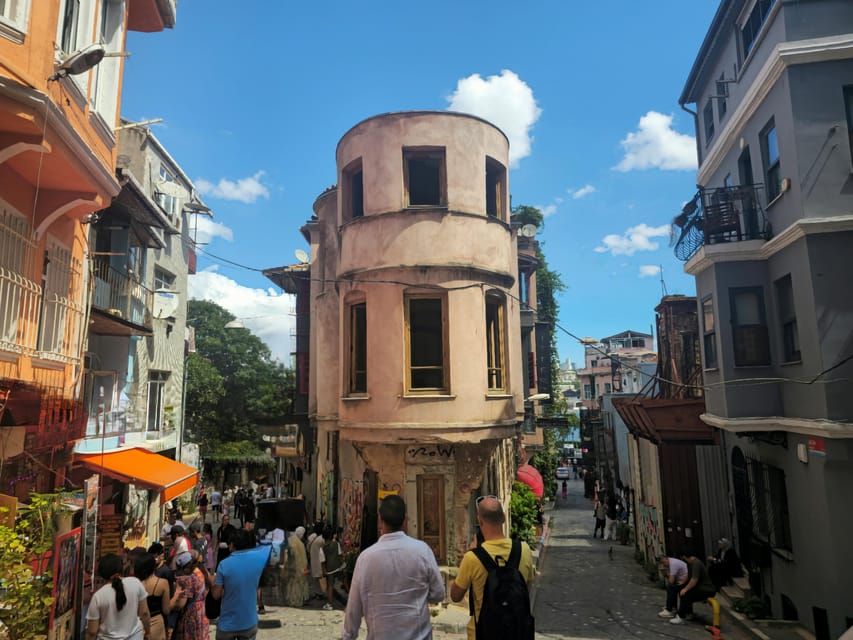
The tour is led by a local historian guide. That matters, because Fener and Balat are best understood as a social puzzle, not just architecture. You’ll hear stories you can’t easily pick up from a quick look at façades.
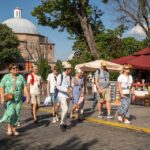
If you end up with Yunus, you’ll likely notice how he keeps the group connected. Past participants praised him for story-telling, humor, and even remembering names throughout the tour. That kind of attention makes a short walk feel personal, not like a scripted march.
If you end up with Kübra, another common guide name from real experiences, you’ll probably get a warm, question-friendly style. People noted how she answered questions and shared practical tips for enjoying the area. Either way, the goal is the same: you’ll leave with explanations you can repeat to friends.
This guide style is also why the tour works even if you don’t think you’re a church person. You start caring about the churches because you understand the communities around them.
Renkli Merdivenler and the uphill reality of Fener
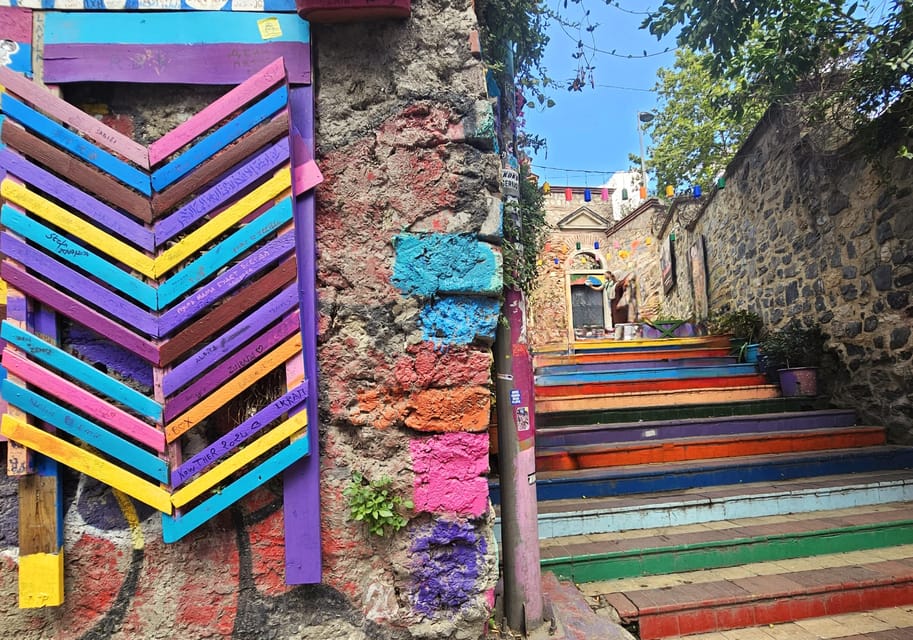
The tour starts in Fener and quickly gets you into the neighborhood’s visual identity. The first big photo moment is Renkli Merdivenler—colored stairs that look almost too perfect for Instagram. But they also act like a mental reset: you’re officially in the Colored Streets zone.
Right after that, you begin the walk with a bit of hill climbing. This isn’t a long mountain trek, but it’s enough to matter. If you’re arriving from a day of walking already, pace yourself early.
There’s also a practical reason to climb here: you’re approaching Fener’s higher streets and church clusters. The view changes as you go, and the guide often uses that movement to set context for what comes next.
If rain is in the forecast, don’t panic. The tour runs rain or shine. Just wear shoes with good grip and plan on a slower rhythm on uneven steps.
St. George Church: where the Ottoman-era story gets religious context
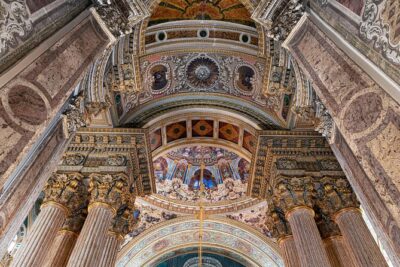
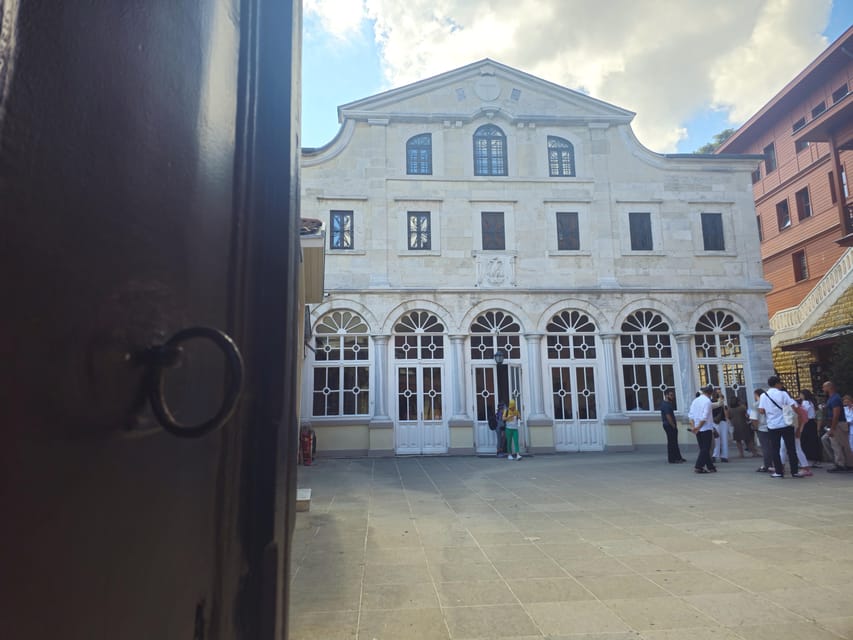
One of the tour anchors is St. George Church. The tour highlights it as an Ecumenic Church connected to the Orthodox community. Expect a guided visit with time to take in the interior details—when you’re allowed in.
Why this stop matters: it’s not only a church visit. It’s a way to understand the Orthodox presence in a neighborhood that’s now famous for colors and cafes. The guide’s job is to connect what you see inside to the bigger story outside.
This is also one of the places where dress rules can affect your comfort. Church entry comes with restrictions—so come prepared. If you show up in shorts, short skirts, sleeveless tops, or mini dresses, entry may be denied. I’d rather see you walk in with a scarf than scramble at the last minute.
Plan to slow down here. This is one of your longer stops (the schedule includes about 45 minutes around St. George), so you’ll have time for the guided explanation and your own looking.
Virgin Mary Greek Orthodox Church and the quieter streets between stops
After St. George, you move through smaller streets where the neighborhood texture becomes the point. There’s a photo stop for Virgin Mary Greek Orthodox Church, plus time for guided sightseeing and a short walk.
This kind of stop is where the tour earns its value. A church you only snap a picture of becomes a meaningful landmark when someone tells you why it’s here and how the community used to live around it. You start noticing patterns in the street layout and building styles.
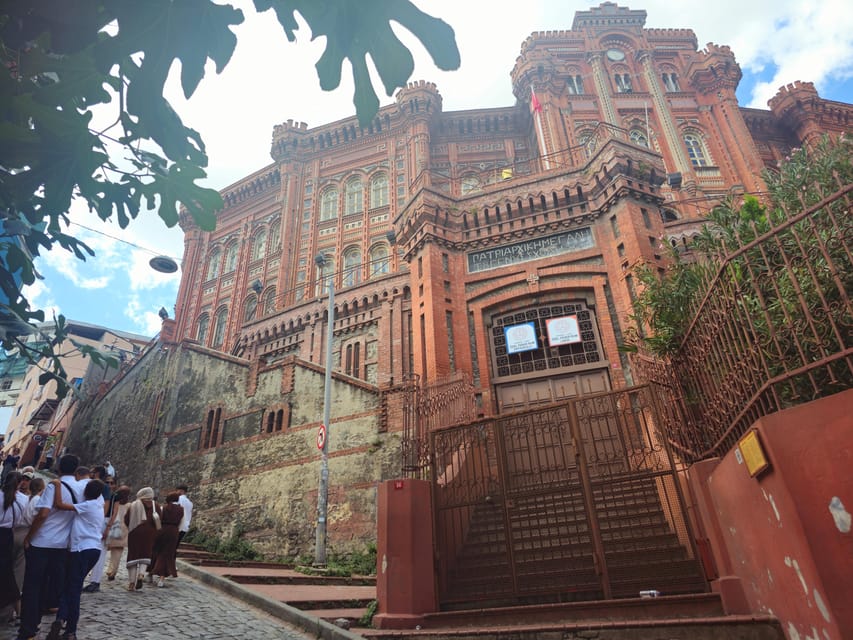
From there, the itinerary includes a pass-by and walking segments, including the Special Fener Greek High School area. The schedule sets aside time for photo stops and guided orientation, but the real payoff is the way the guide explains the neighborhood’s education and community life.
If you like learning that connects culture to everyday places, this section will feel satisfying. If you just want long time to wander on your own, you may find the pacing a bit quick—but it keeps momentum and prevents the tour from stalling.


Colored houses of Balat: the photo spots feel real here
Then you hit the Balat side of the story. The tour includes Coloured Houses of Balat with guided sightseeing and short walk time, plus another Balat segment after that.
This is where the neighborhood’s famous look becomes more than a backdrop. The guide uses the walk to explain why the area carries a patchwork of identities, not just pretty paint. Even in places where buildings look worn or empty, the explanations help you read what changed over time.
There’s also a useful rhythm here. You’ll get quick guided context, then time to look. That’s better than being stuck with a lecture at every corner.
The only consideration: because the tour moves from stop to stop, you won’t have hours to linger in one exact street for the perfect photo. If you want to spend extra time after the tour, this is the part you should bookmark mentally.
Ahrida Synagogue and Balat’s Jewish layer
A standout stop is Ahrida Synagogue. The tour schedule includes a photo stop and guided visit context, plus walking time.
This stop adds depth to Balat’s story. Fener and Balat are often summarized as Greek Orthodox and colorful streets, but you also need the Jewish chapter to understand the full neighborhood mix. The guide’s explanations help you connect community life to buildings and street geography.
Even if you can’t spend a long time inside (your actual access depends on what’s allowed during the tour), you’ll still get value from the guided framing. You’ll know what to look for and why the synagogue’s presence fits the neighborhood story rather than feeling random.
I also like that the tour includes time to move between sites. Balat isn’t just a list of landmarks. It’s a lived street pattern, and the walking helps you see how people would have traveled between religious and daily life.
Sveti Stefan Church: the prefabricated icon you shouldn’t miss
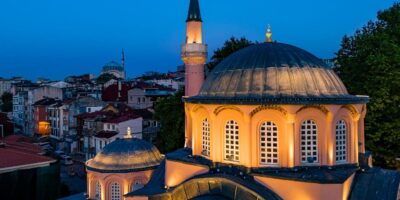
The final major stop is Sveti Stefan Church. The tour calls it the last standing prefabricated church in the world. That’s a big claim, and it’s exactly why this stop is worth your attention: you’re seeing a very specific piece of church history that isn’t common anywhere else.
You’ll get break time and a guided visit here (the schedule includes about 30 minutes total time at the stop area). That longer window matters. It gives you time to take in the space, listen to the explanation, and settle before the tour wraps back toward Fener.
This is the stop where the tour often clicks. Earlier churches and neighborhood context turn into meaning. You understand why a prefabricated church still matters, not just as a curiosity, but as evidence of how communities adapted and built where they needed worship spaces.
Price and time: $15 for 3 hours can be a very good deal
At $15 per person for a 3-hour guided walk, the value is strong—especially because the tour includes a historian guide and entries into key Orthodox-related sites. You’re also paying for structured access, not just wandering.
What you should compare this to is not another neighborhood walk. Compare it to the cost of paid entry plus paying someone to interpret the neighborhood for you. If you plan to visit churches anyway, this tour helps you get context without spending extra hours piecing information together yourself.
That said, the pricing also matches the format. This is not a relaxed sit-and-cafe tour. It’s a walking tour with multiple stops, short guided segments, and photo moments. If you like long free time at each site, you may feel slightly rushed at certain points.
Still, for a first look at Fener and Balat that turns pictures into understanding, it’s an efficient use of time.
What to wear (and why your scarf matters)
This is a church-entry walking tour. That means clothing rules can make or break the experience.
Not allowed: shorts, short skirts, and sleeveless shirts. The tour also warns that mini dresses and similar clothing may prevent both women and men from entering church spaces.
My practical advice is simple:
- Bring a scarf you can use as coverage
- Wear a light long layer so you can adjust quickly
- Choose closed-toe shoes with grip for stairs and uneven ground
Also remember the tour runs rain or shine. If it’s wet, the colored streets and steps can get slippery. The route includes uphill segments, so you’ll want footwear that helps.
Getting to the meeting point near the Fener seaside bus stop
You’ll meet the guide next to the Fener bus stop by the seaside, about 2 minutes from Nakış Cafe.
From Eminönü:
- Take tram T5 to Fener Tram Station, then walk about 3 minutes to the bus stop.
- Follow the walking route opposite Eminönü and in the Balat direction.
From Eminönü by bus:
- You can use bus numbers 99/99A/99Y/36CE to the Fener bus stop.
- If bus service feels limited, the tram is recommended.
From Taksim:
- Take underground bus 55T to the Fener stop.
From Karaköy:
- Don’t take buses 99/99A/99Y if their last stop is Eminönü. The buses restart afterward at Eminönü, not at the true Fener meeting point.
If you’re coming with uncertainty, check your route the day before. This part of Istanbul has a few similar-sounding stops, and you don’t want to start the tour late.
Should you book the Fener and Balat Colored Streets guided tour?
Book it if you want a first-class introduction to Fener and Balat that goes beyond postcards. This tour is built for you if you like stories that connect people to buildings, and if stepping into St. George Church and Sveti Stefan Church sounds like a real goal—not just something you’ll maybe do.
Skip it or consider alternatives if you:
- need wheelchair access (the tour is not suitable for wheelchair users)
- hate hill climbs
- want long free time at each stop rather than quick guided segments
If you’re comfortable with church dress rules and walking, I think this is one of the best ways to spend a focused morning or afternoon in Istanbul’s less-mainstream old town. For $15, you’re buying context, access, and a guide who turns streets into a story you can actually remember.
FAQ
What’s the duration of the Fener & Balat colored streets tour?
The tour lasts about 3 hours.
How much does the tour cost?
The price is $15 per person.
Where do I meet the guide?
Meet the guide next to the Fener bus stop by the seaside, about 2 minutes from Nakış Cafe.
What languages are the live guides?
The tour guide language includes Spanish and English.
What sites will I enter during the tour?
The included stops feature entry connected to the Greek Orthodox community (including St. George Church) and entry to other Orthodox-related locations on the route, including St. Stephan Church.
What should I wear for church visits?
Shorts, short skirts, and sleeveless shirts are not allowed. Bring a scarf or a long dress/cover-up so you can meet entry requirements.
Is the tour wheelchair accessible?
No. This tour is not suitable for wheelchair users.